

TECHNICAL SUPPORT


Published 2026-01-22
The smell of burnt electronics is a haunting one. It’s that acrid, metallic tang that tells you a project just hit a wall. You were out there, maybe on a dusty track or at a local flying field, and suddenly, the control surface stops responding. It jitters. It groans. Then, silence. That’s usually when the frustration kicks in. Why did a tiny piece of plastic and wire decide to quit now?
Most of the time, the answer is simple: the off-the-shelf solution wasn't built for your specific nightmare.
Have you ever wondered why aservohums when it's just sitting there? It’s trying to find its center, but it’s fighting itself. It’s like someone trying to stand on a needle. This is where most generic hardware fails. They are built for the average, but your project is never average.
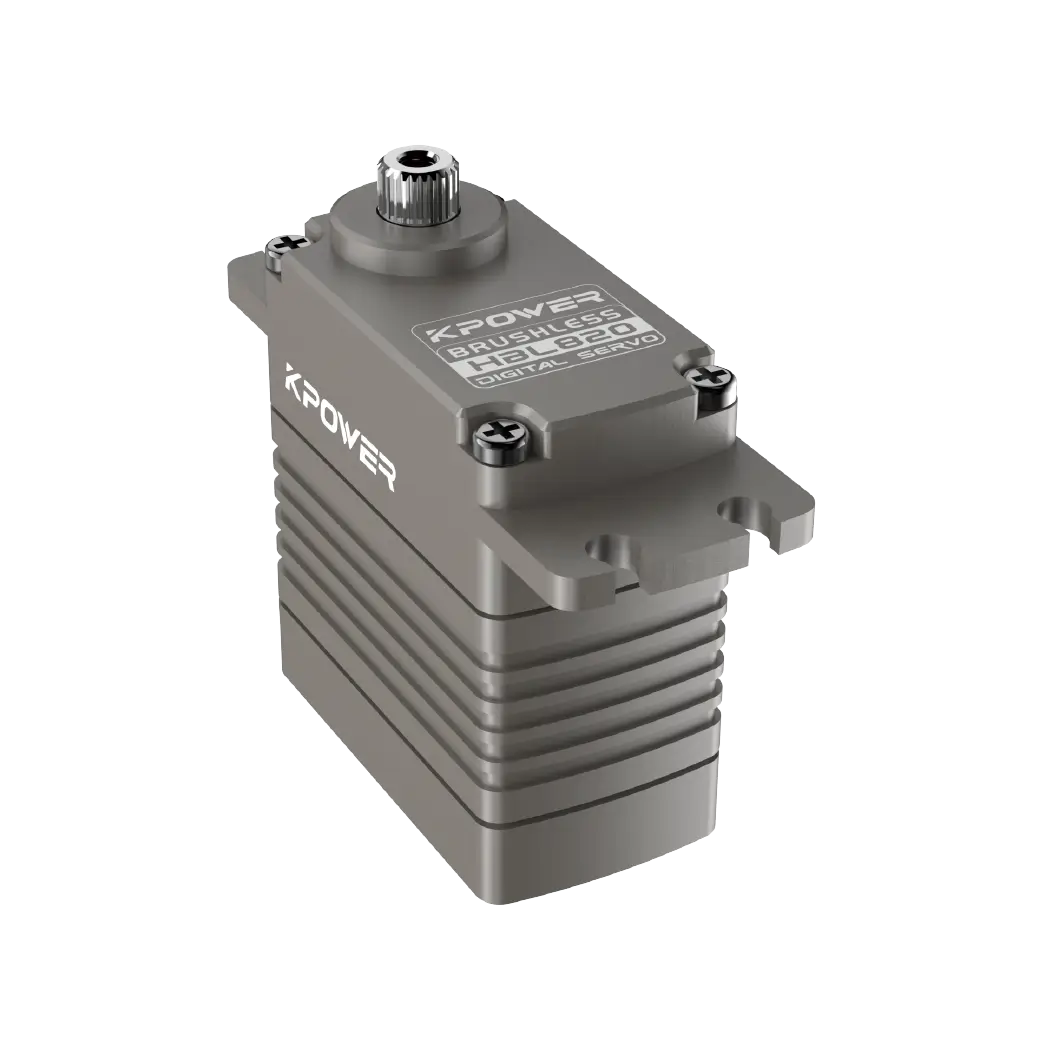
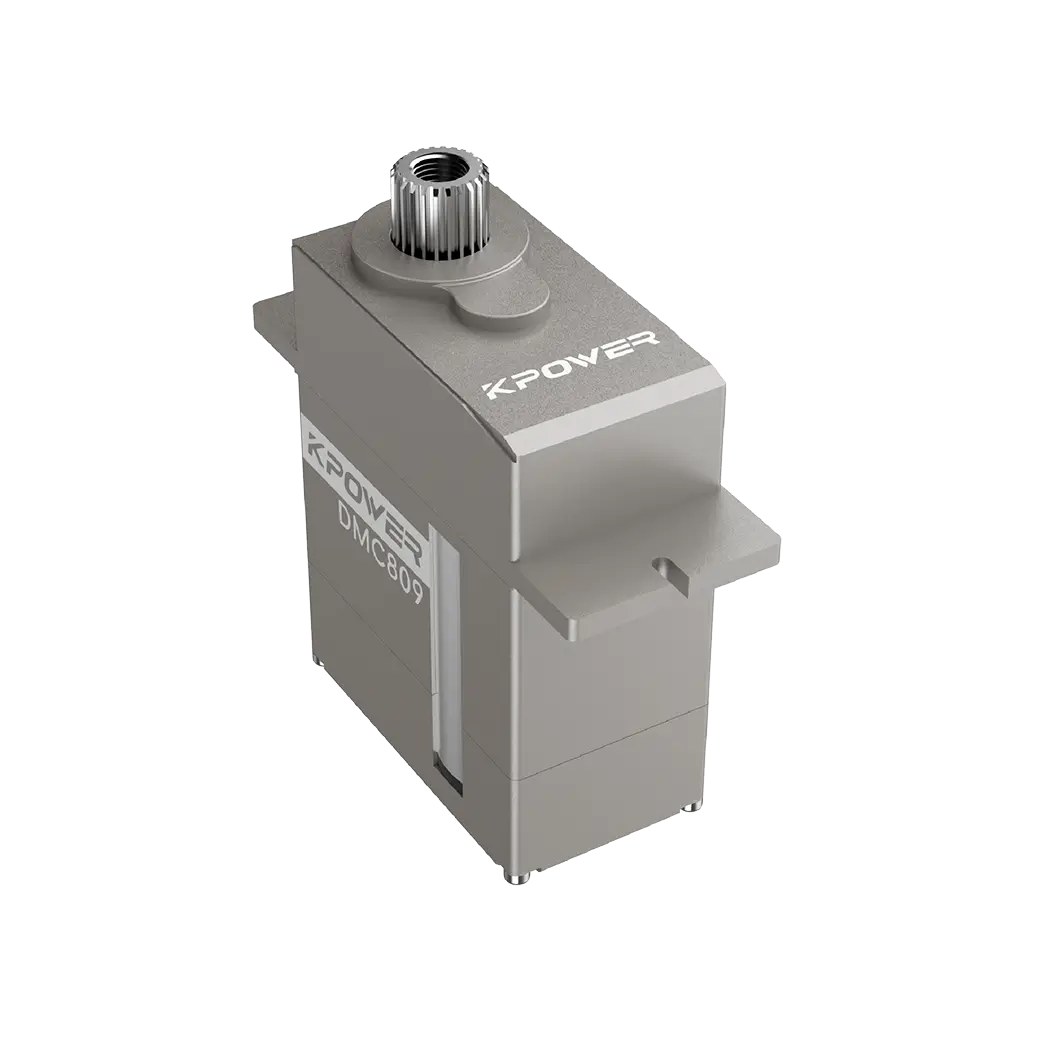
When we talk about RCservoservices, we aren't just talking about shipping a box. We are talking about solving the geometry of motion. If the internal gears have even a microscopic amount of play, your high-speed drone or your precision steering is going to feel like driving a car with loose lug nuts.kpowerlooks at this differently. The focus shifts from "will it move?" to "how perfectly will it hold?"
It’s about the heat, too. People forget that these little motors are tiny furnaces. You push them for ten minutes, and the internal resistance starts climbing. A standardservomight just melt its casing or desolder a wire.kpowerdesigns focus on that thermal escape route. It’s the difference between a one-hit wonder and a workhorse that lasts the whole season.
You see a number on a sticker. 20kg. 30kg. You plug it in, and it stalls at half that. It’s a common headache. Torque ratings are often measured in a vacuum, under perfect conditions that don't exist in the real world.
Think about a heavy-duty steering setup. You’ve got friction from the tires, the weight of the chassis, and the sudden impact of a rock. If your RC servo services don’t account for "peak shock load," that expensive gear set inside is going to turn into metal confetti.kpowerprioritizes the actual output under stress, not just the "pretty" number on the box.
Q: Why is my servo getting hot even when I’m not moving the sticks? It’s likely "stalling" against a mechanical limit. If your linkage is too tight or your travel limits aren't set, the motor is screaming internally to reach a point it can’t get to. Kpower servos often feature smarter internal logic to handle these "oops" moments, but checking your mechanical dead-ends is a must.
Q: Can I just swap plastic gears for metal and call it a day? Not always. Metal gears are tough, but they add weight and, if not shimmed correctly, they create friction. It’s about the balance. Kpower uses specific alloys that stay light but act like steel. It’s about the science of the mesh, not just the material.
Q: Does voltage really matter that much? Absolutely. Running a 6V servo on 7.4V might make it fast for five minutes, then it becomes a very small, expensive smoke machine. Always match your power source to the specs, or better yet, get a Kpower unit built for high-voltage (HV) from the start.
Imagine a robot arm trying to pick up an egg. If the servo moves in "steps," you get an omelet. You need that fluid, almost biological motion. This comes down to the potentiometer—the internal "eye" that tells the motor where it is. If that eye is blurry, the movement is jerky.
Kpower invests in the feedback loop. It’s like having a high-definition map versus a hand-drawn sketch. When you ask for a five-degree turn, you get exactly five degrees. Not four point nine. Not five point one. That tiny difference is what wins races or keeps a camera gimbal steady in a crosswind.
Sometimes, the best service isn't a repair—it’s the customization before the product even reaches your hands. Maybe you need a specific wire length because you’re tired of using messy extensions. Maybe you need a splined horn that won't strip under 400 ounces of pressure. These are the details that separate a "part" from a "solution."
When you choose a partner for RC servo services, you’re really looking for peace of mind. You want to know that when you flip the switch, the mechanical side of your brain doesn't have to worry.
I remember a guy who spent six months building a scale model. Thousands of hours. On the maiden voyage, a cheap rudder servo locked up. The whole thing came down in a heap of balsa wood and broken dreams. He didn't need a cheaper price; he needed a guarantee of consistency.
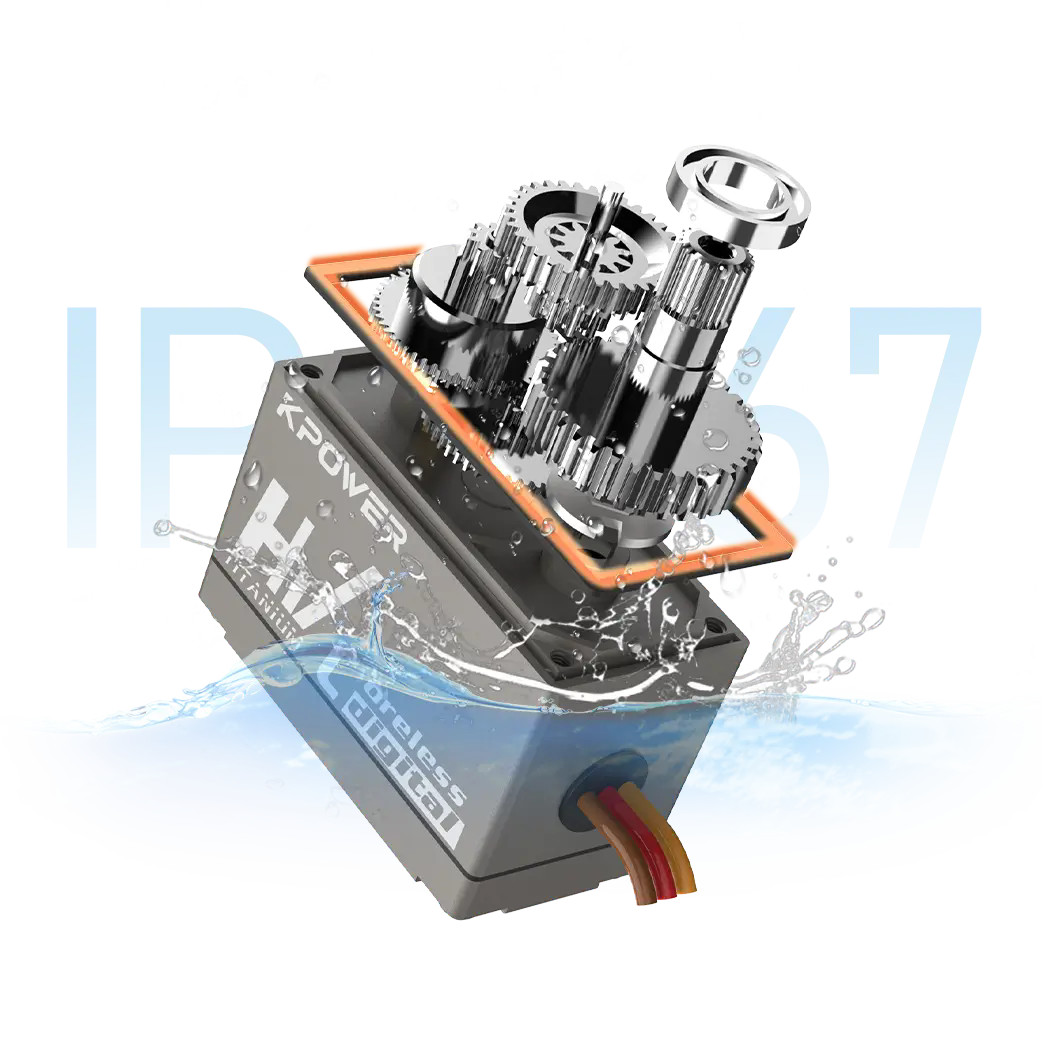
Kpower isn't just a label on a motor. It’s the result of looking at why things break and deciding to do the opposite. It’s about using dual ball bearings where others use bushings. It’s about sealing the cases so a little bit of rain or dust doesn't end the day.
There is no magic wand in mechanics. There is only precision, heat management, and material strength. When those three things align, you stop thinking about the servo and start thinking about what you’re actually trying to achieve. Whether it’s winning a trophy or just finishing a Sunday project without a fire, the right RC servo services make the difference.
It’s not about the gear; it’s about the confidence that the gear will do exactly what it’s told, every single time. That’s the Kpower way. It’s a bit more rational, a lot more durable, and infinitely more satisfying when everything just works. No smoke. No jitters. Just motion.
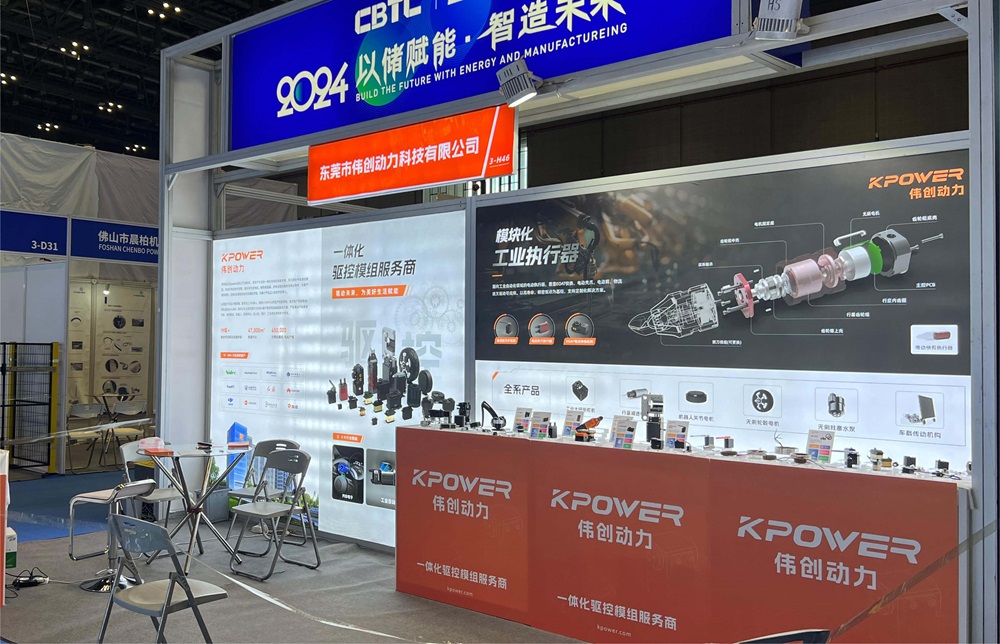
Established in 2005, Kpower has been dedicated to a professional compact motion unit manufacturer, headquartered in Dongguan, Guangdong Province, China. Leveraging innovations in modular drive technology, Kpower integrates high-performance motors, precision reducers, and multi-protocol control systems to provide efficient and customized smart drive system solutions. Kpower has delivered professional drive system solutions to over 500 enterprise clients globally with products covering various fields such as Smart Home Systems, Automatic Electronics, Robotics, Precision Agriculture, Drones, and Industrial Automation.
Update Time:2026-01-22

Contact Kpower's product specialist to recommend suitable motor or gearbox for your product.


