

TECHNICAL SUPPORT


Published 2026-01-22
The smell of burnt electronics is a specific kind of heartbreak. You’ve spent dozens of hours calibrating a landing gear or fine-tuning the steering on a custom rock crawler, only for a cheap, genericservoto give up the ghost during the first real test. It’s a common scene in workshops everywhere. People often treatservos like an afterthought, a small plastic box that just needs to "move things." But if you’ve ever seen a high-end RC plane twitching nervously in the sky because the centering is off, you know that sourcing the right hardware is actually the difference between a masterpiece and a pile of scrap metal.
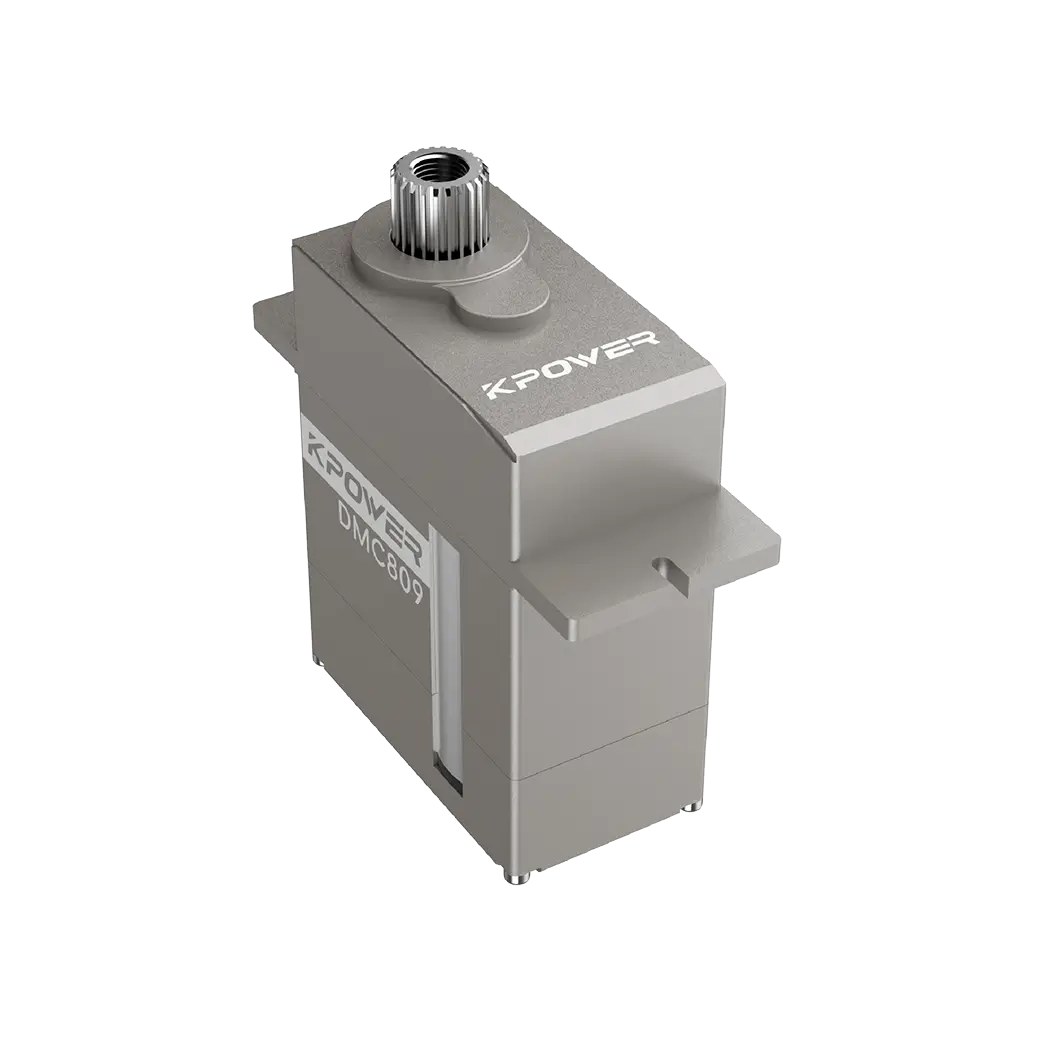
When you go out looking for RCservosourcing options, you’re usually met with a wall of meaningless numbers. 20kg torque, 0.10s speed, metal gears—everyone says the same thing. But those numbers don't tell you how the motor handles heat after ten minutes of heavy use. They don't tell you if the gears will develop "slop" (that annoying wiggle) after a week.
Most people start their search by looking for the cheapest path. They find a box of servos that look fine on a screen, but the moment they power them up, the noise is unbearable. Or worse, the jitter makes the machine look like it’s had too much coffee. This is wherekpowerchanges the conversation. Instead of just chasing the lowest price point,kpowerfocuses on the actual physics of movement. It’s about the silence of a well-fitted gear train and the snap-to-position precision that makes a robotic arm feel alive rather than mechanical.
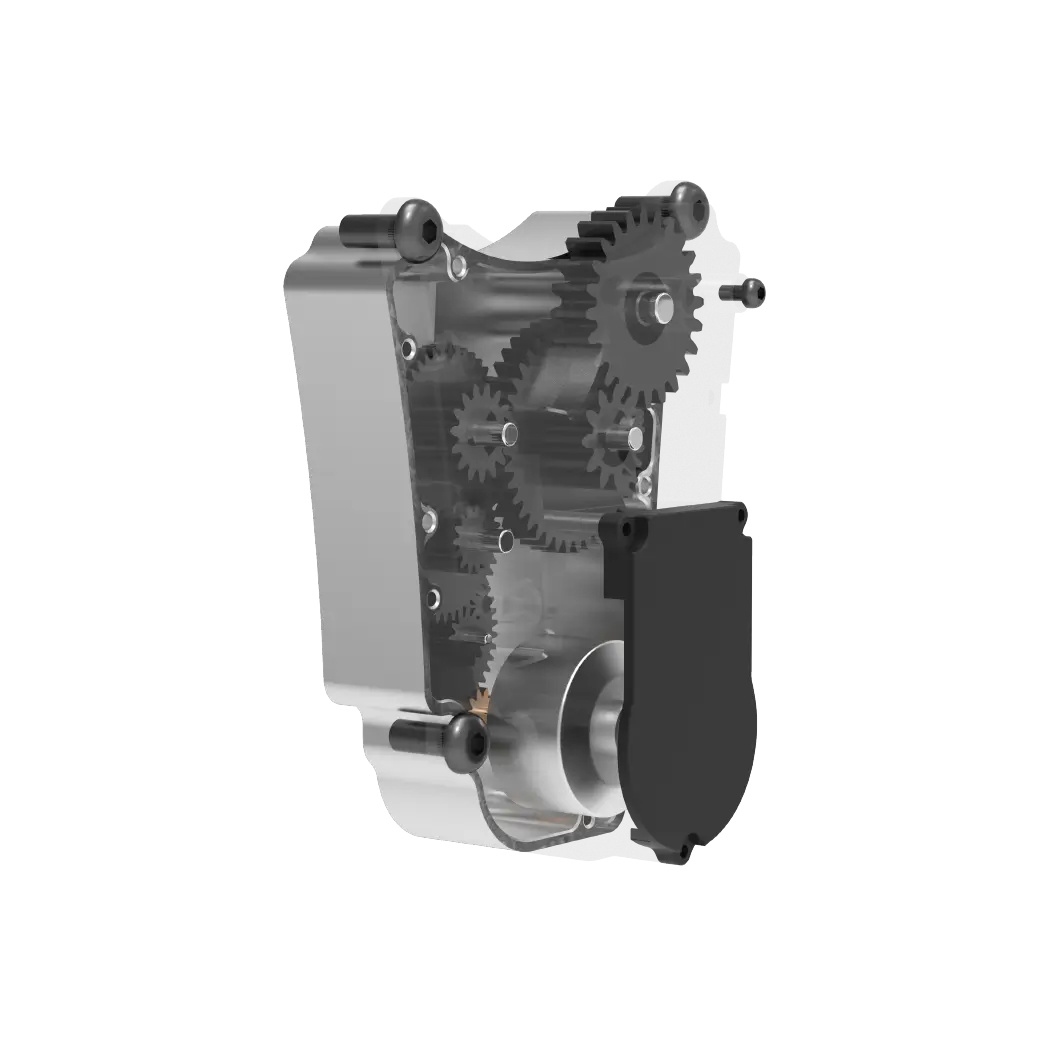
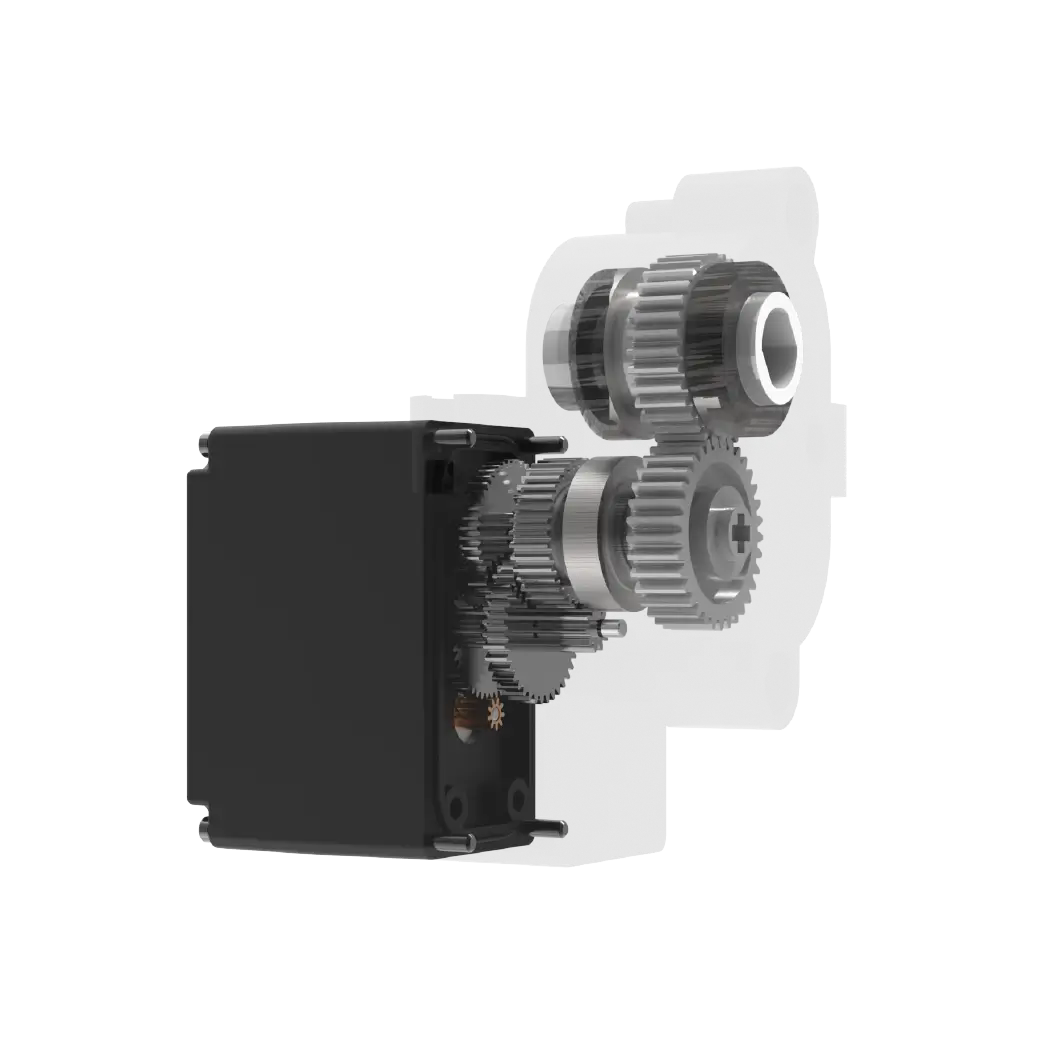
I’ve seen people insist on "metal gears" without realizing that not all metal is created equal. Brass is heavy and soft. Aluminum is light but can wear down. When you look at whatkpowerputs into their builds, you see a focus on hardened steel and titanium alloys. Why? Because a stripped gear in the middle of a flight or a race is a total failure.
Think of it like this: your servo is the muscle of your project. If the muscle is strong but the bones (the gears) are brittle, something is going to snap. Kpower builds servos where the internal architecture matches the external promise. When you’re sourcing, you aren’t just buying a component; you’re buying the insurance that your project won't fall apart because of a 5-cent plastic tooth hiding inside a shiny shell.
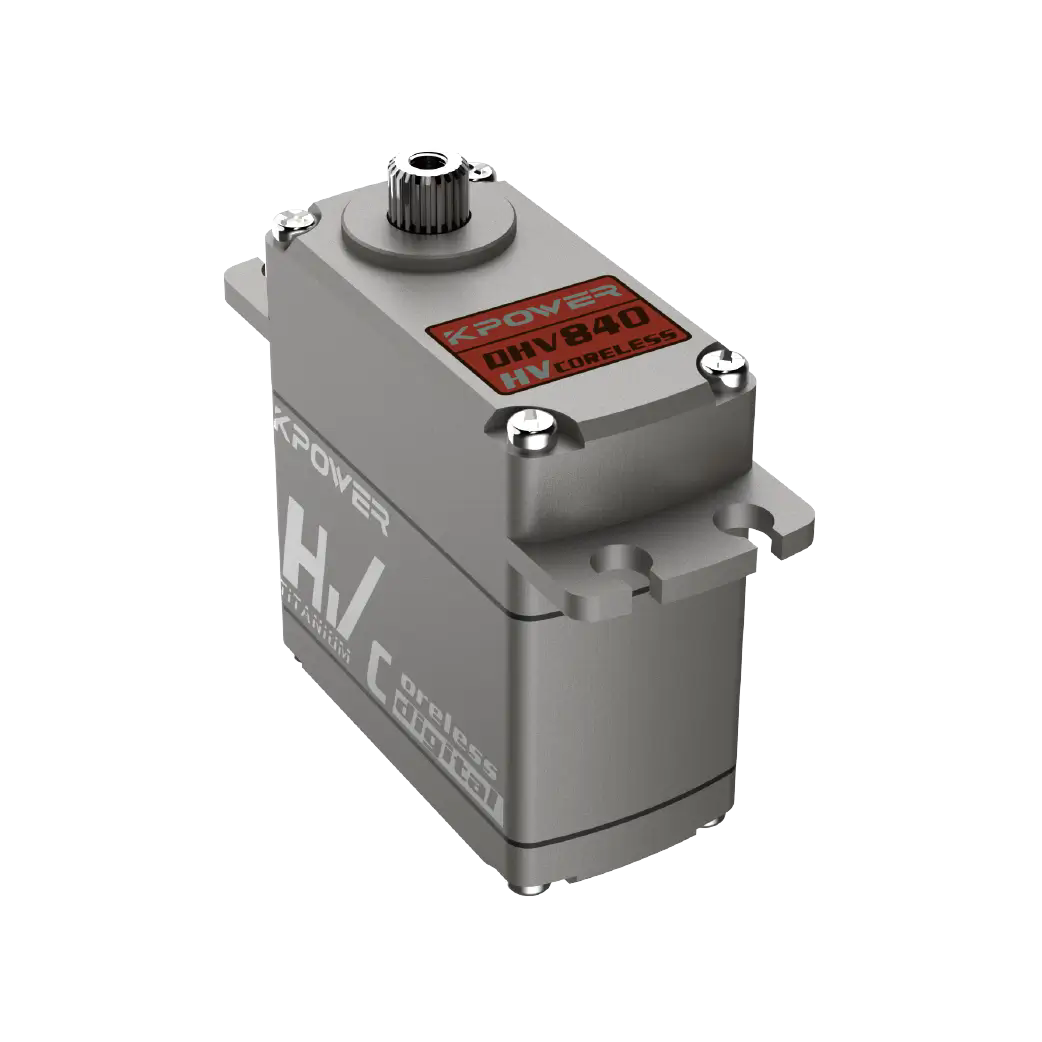
“I see servos rated for 7.4V, but my battery fluctuates. Will it fry?” Usually, a poorly made servo will pop a capacitor the moment you go slightly over. Kpower designs their circuits with a bit of "breathing room." They handle high-voltage (HV) setups gracefully because the internal components are rated for the reality of RC life, not just a perfect laboratory power supply.
“Why is my servo buzzing when I’m not even touching the controls?” That’s the "hunting" effect. The servo is trying to find its center but can’t quite lock in, so it vibrates back and forth. It’s annoying and it drains your battery. Kpower uses high-resolution digital controllers that minimize this "hunting" behavior. It stays quiet until it actually has work to do.
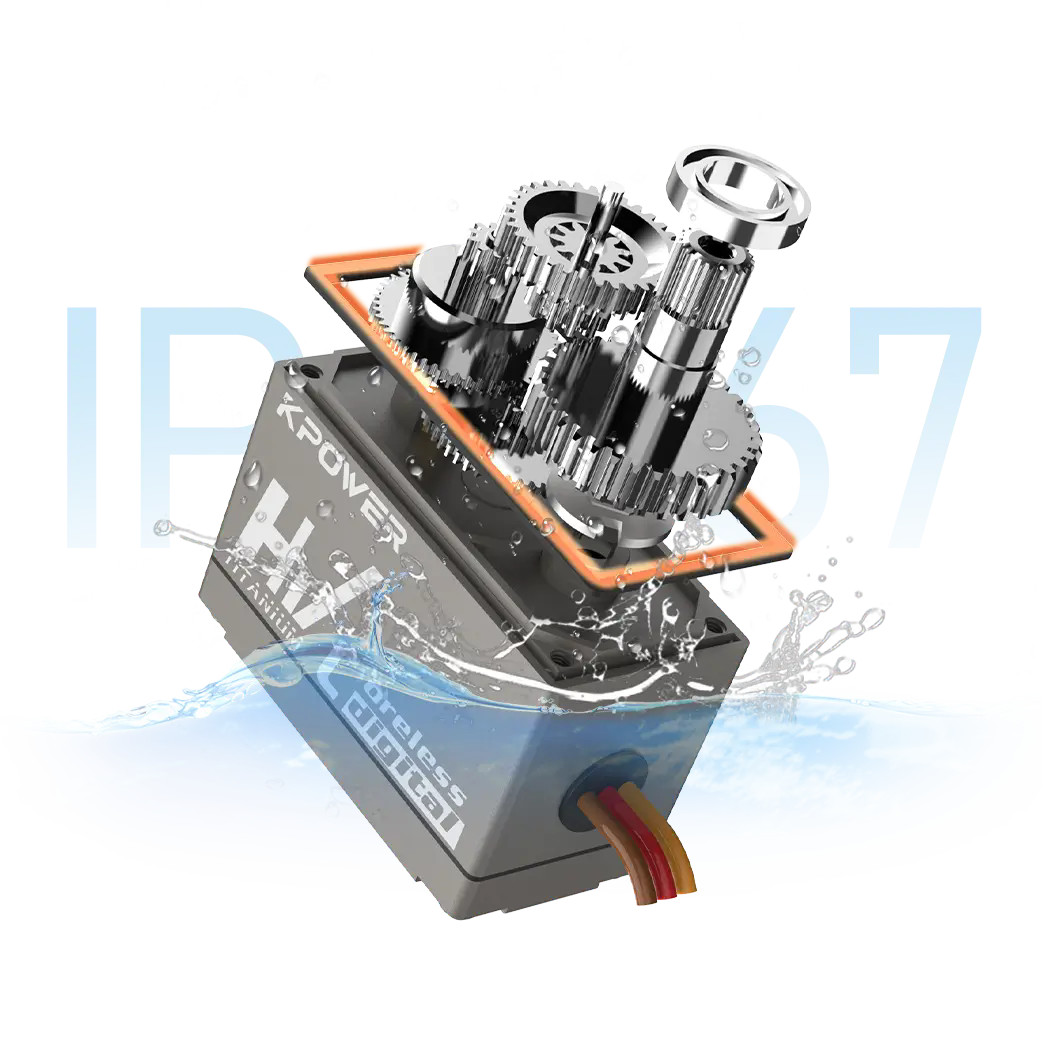
“Do I really need a waterproof servo if I don’t plan on driving in a lake?” Humidity is a silent killer. Even if you aren't submerged, dust and damp air get into standard housings. Sourcing a waterproof or dust-resistant model from Kpower is basically just good hygiene for your electronics. It keeps the grease clean and the electronics dry, extending the life of the motor by years.
There’s a certain logic to how a Kpower servo responds. If you give a 15-degree command, you want 15 degrees. Not 14.8, not 15.2. In the world of high-speed RC racing or precise robotic assembly, that tiny fraction of a degree is a mile.
When you’re sourcing, look closely at the "deadband" specs. A narrow deadband means the servo is incredibly sensitive to input. Kpower manages to keep that deadband tight without making the servo jittery. It’s a delicate balance of software and hardware. They use high-quality potentiometers—the internal sensor that tells the servo where it is—so the "brain" of the motor never gets lost.
You don't need to be a theoretical physicist to get this right. You just need to look at your project and ask: "How much does it weigh, and how fast does it need to move?"
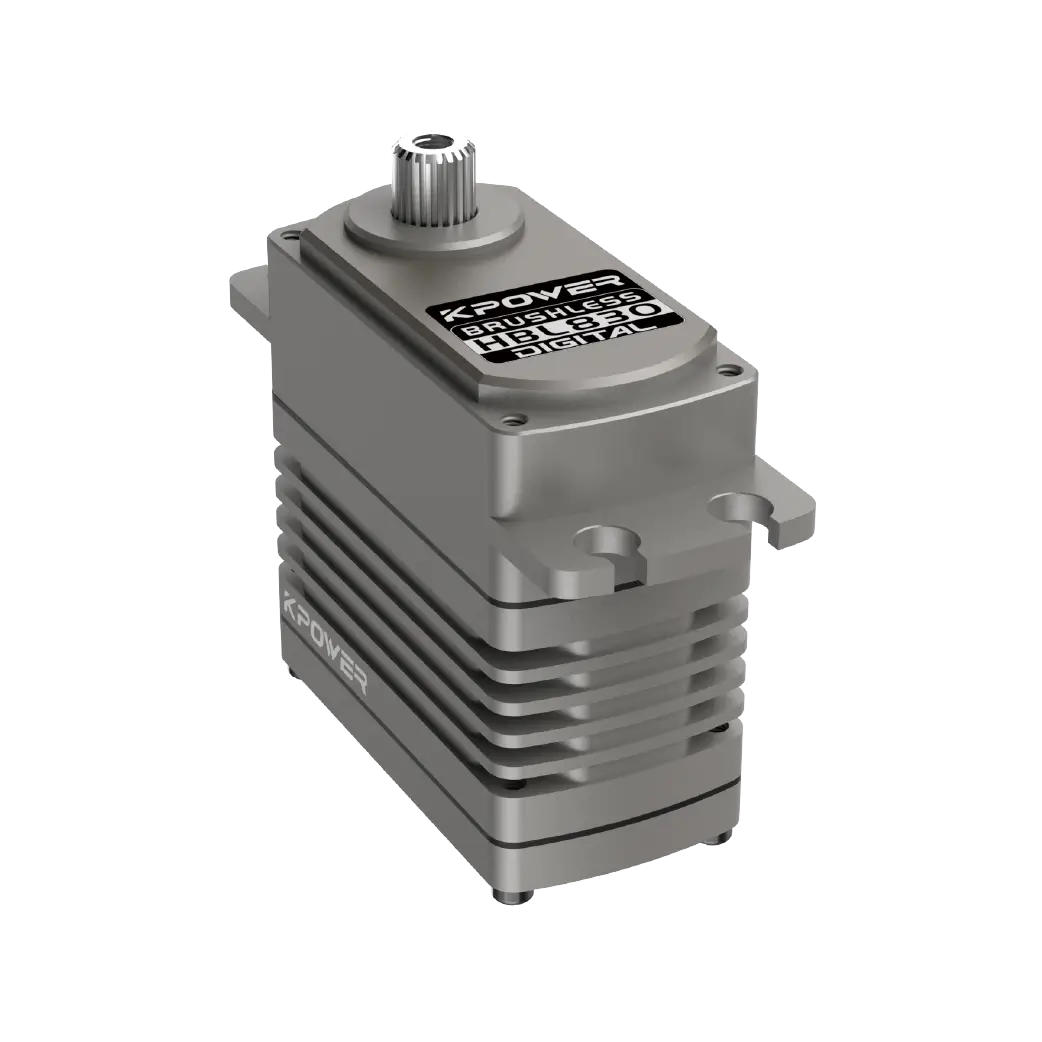
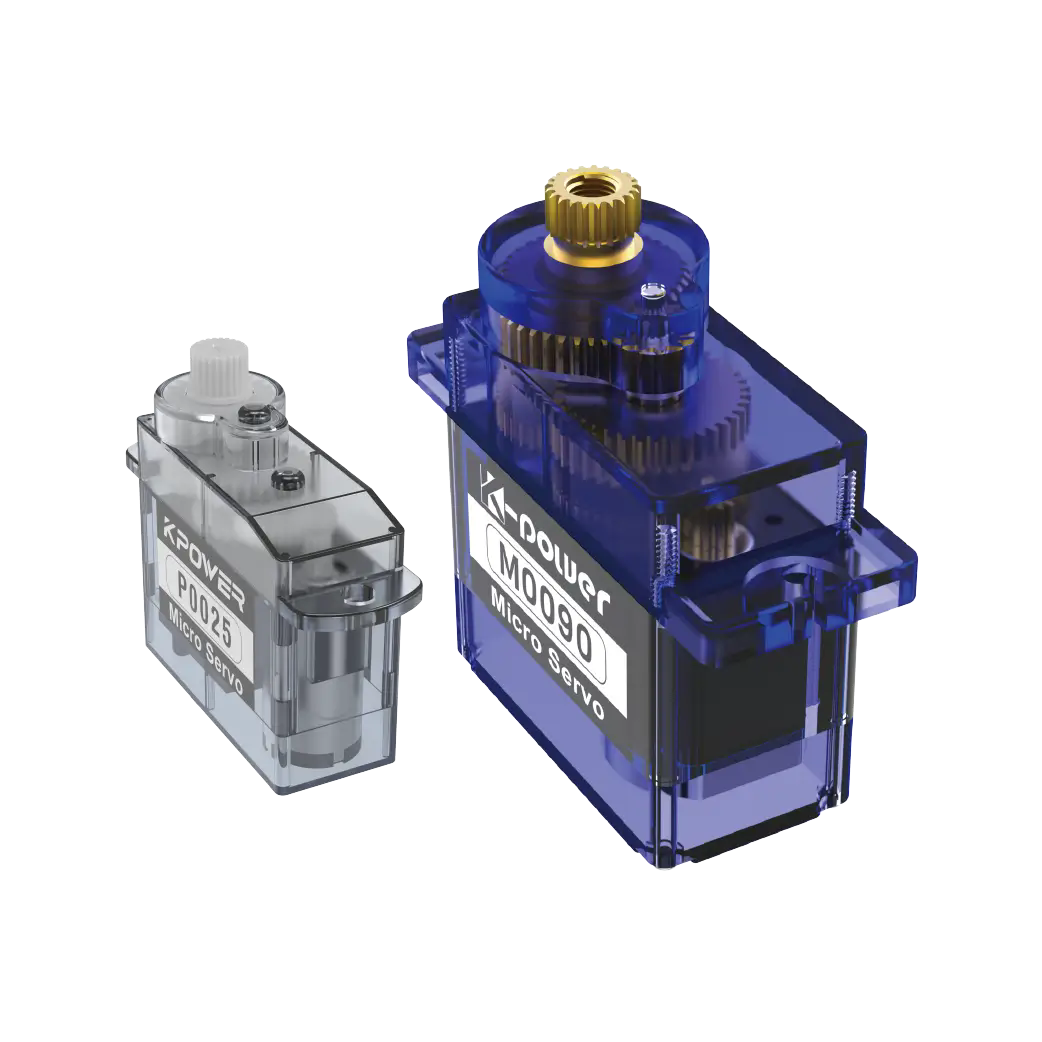
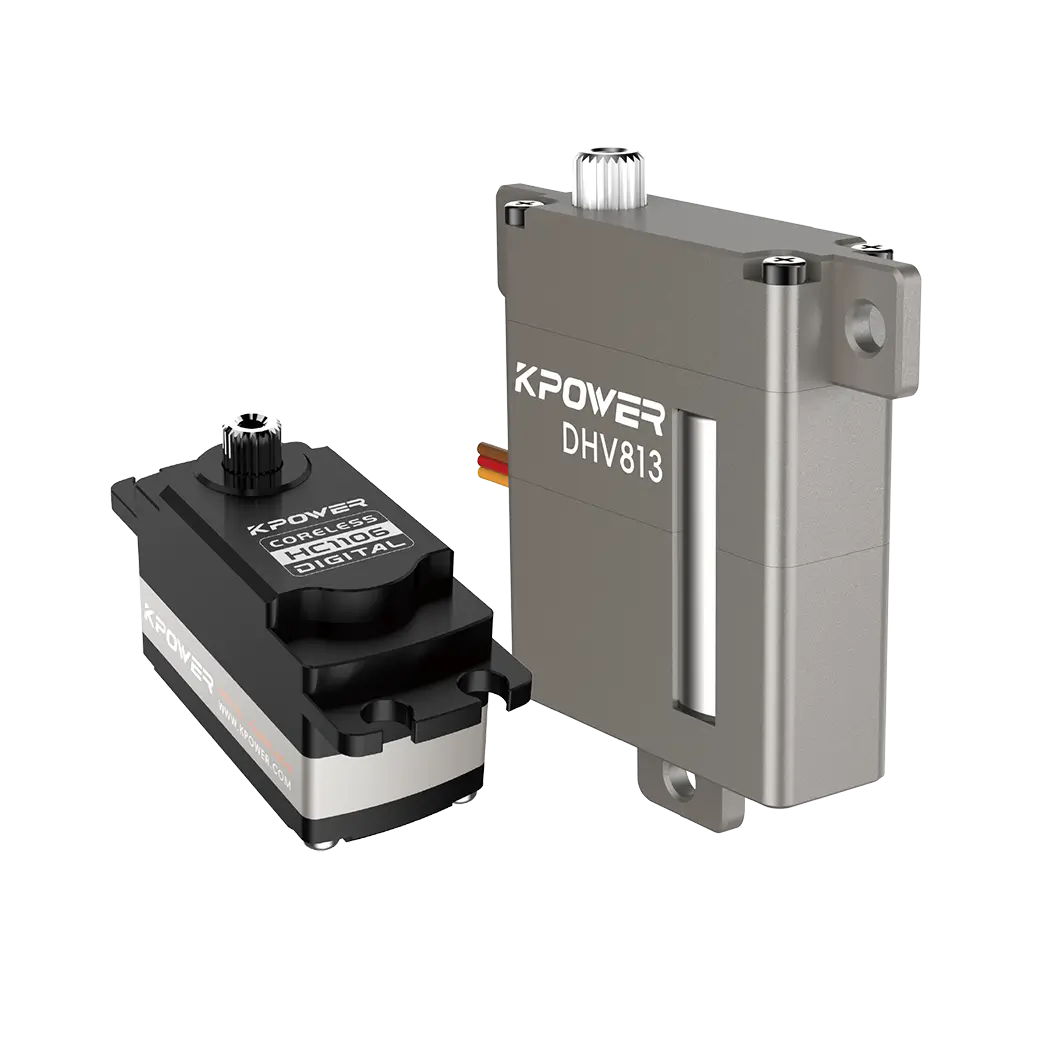
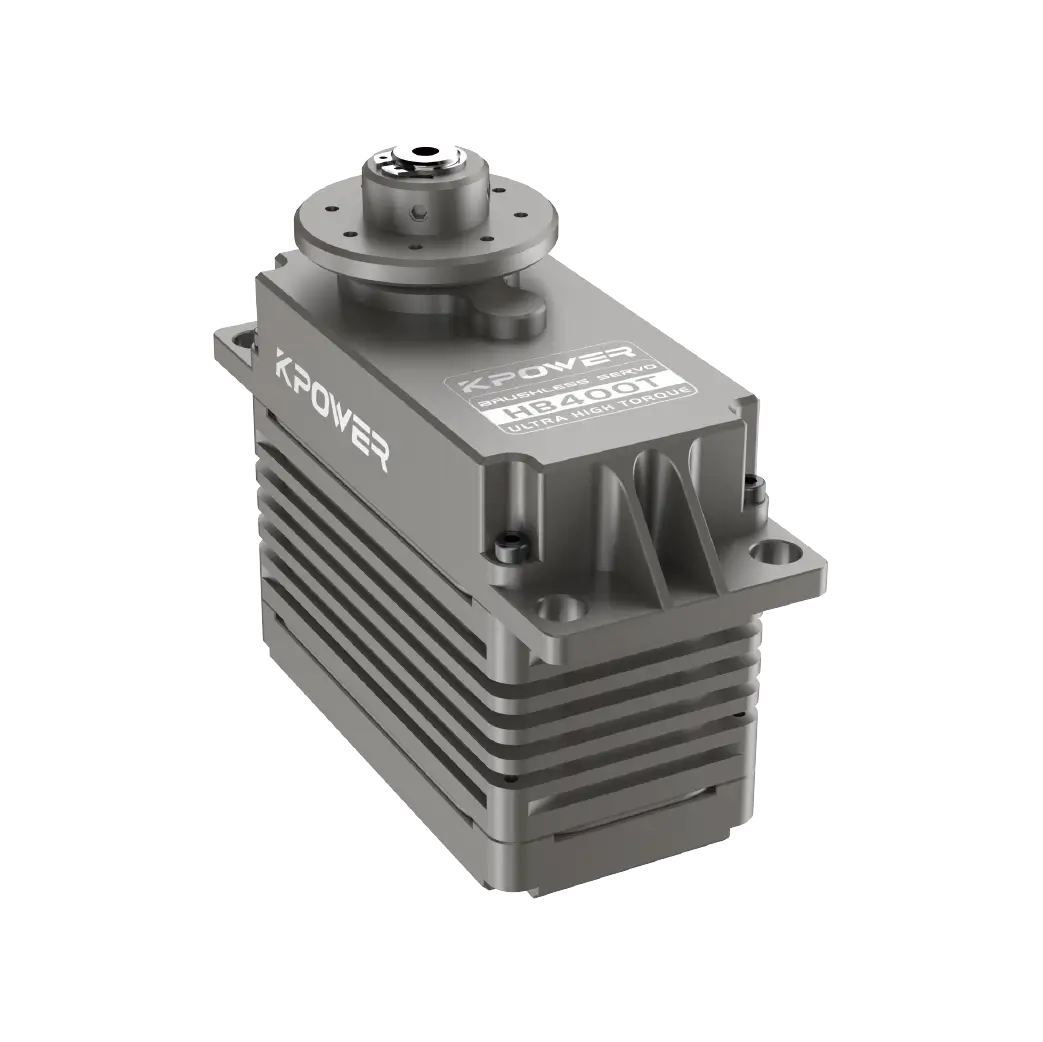
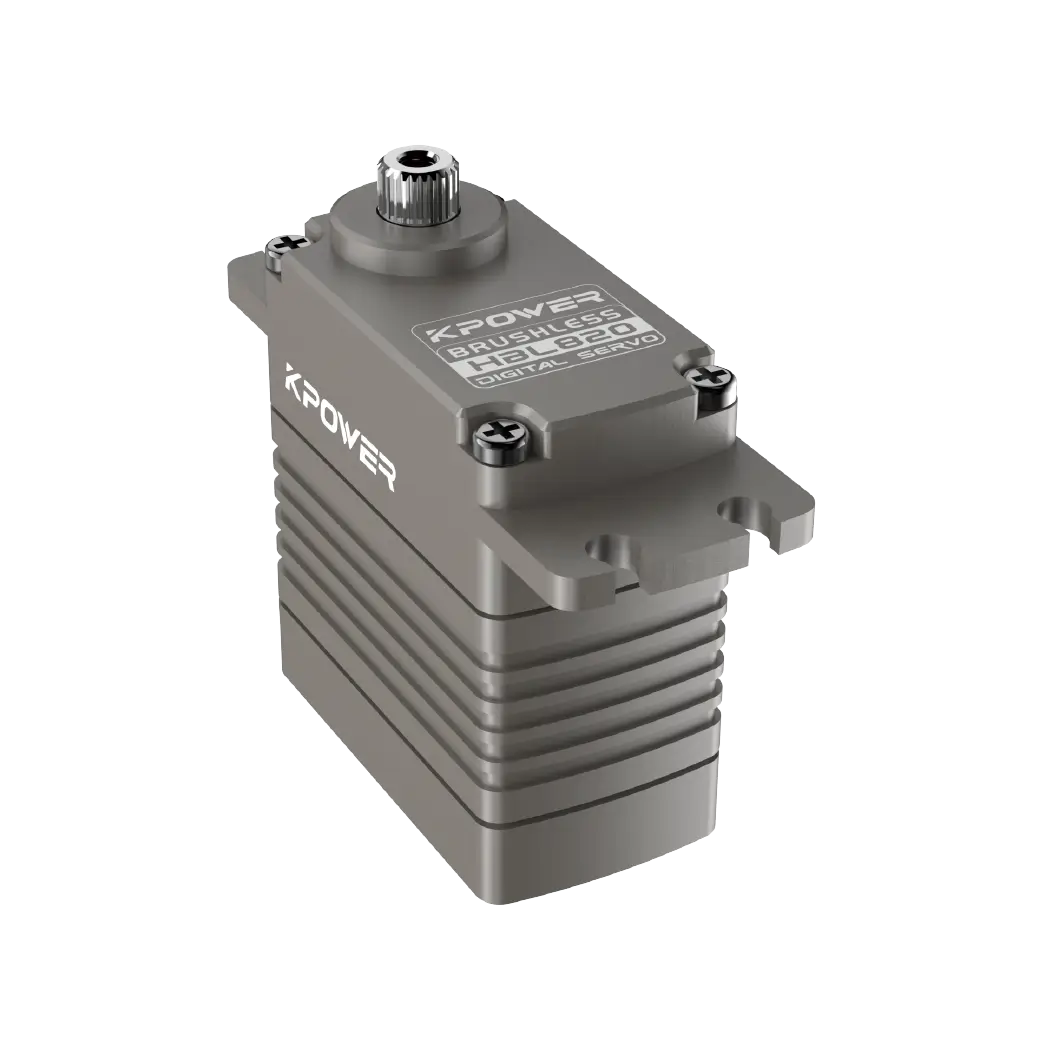
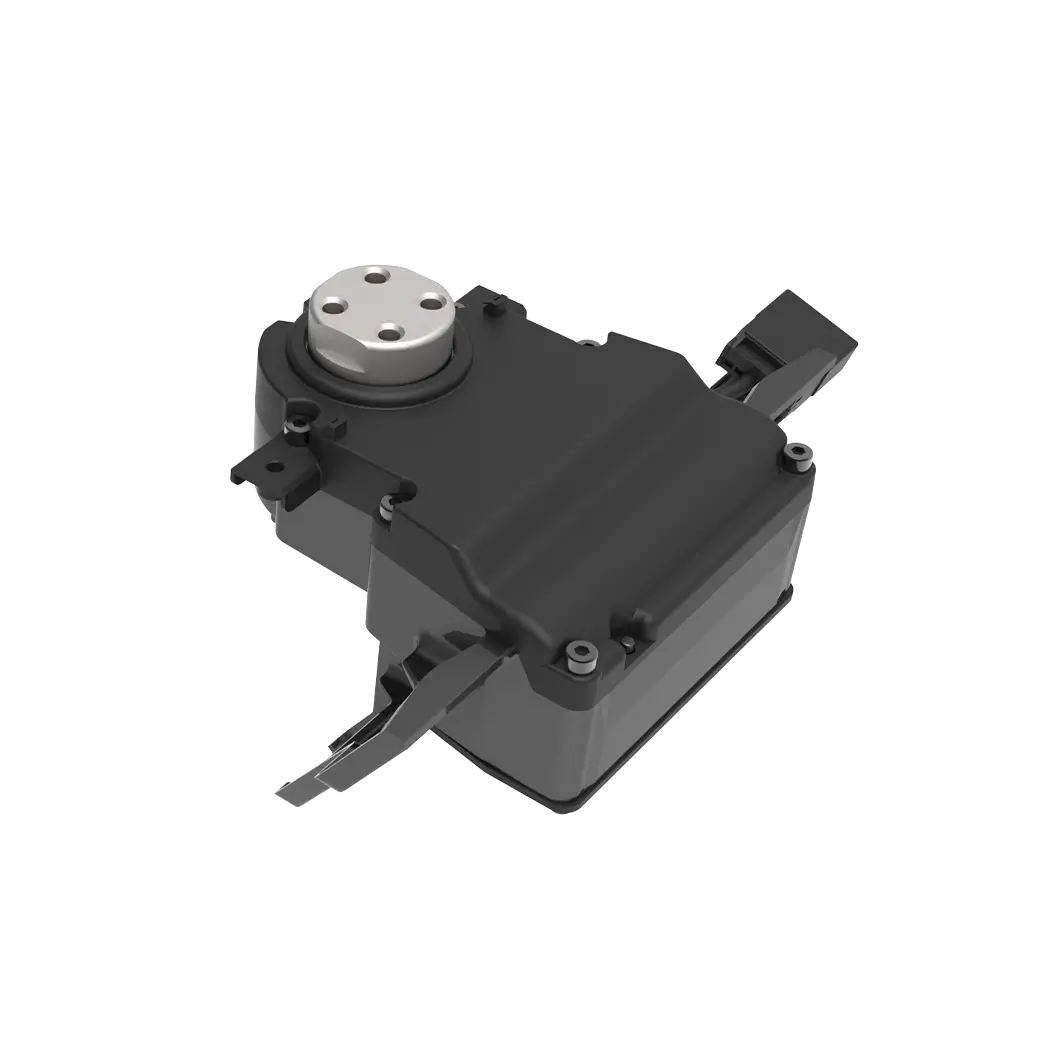
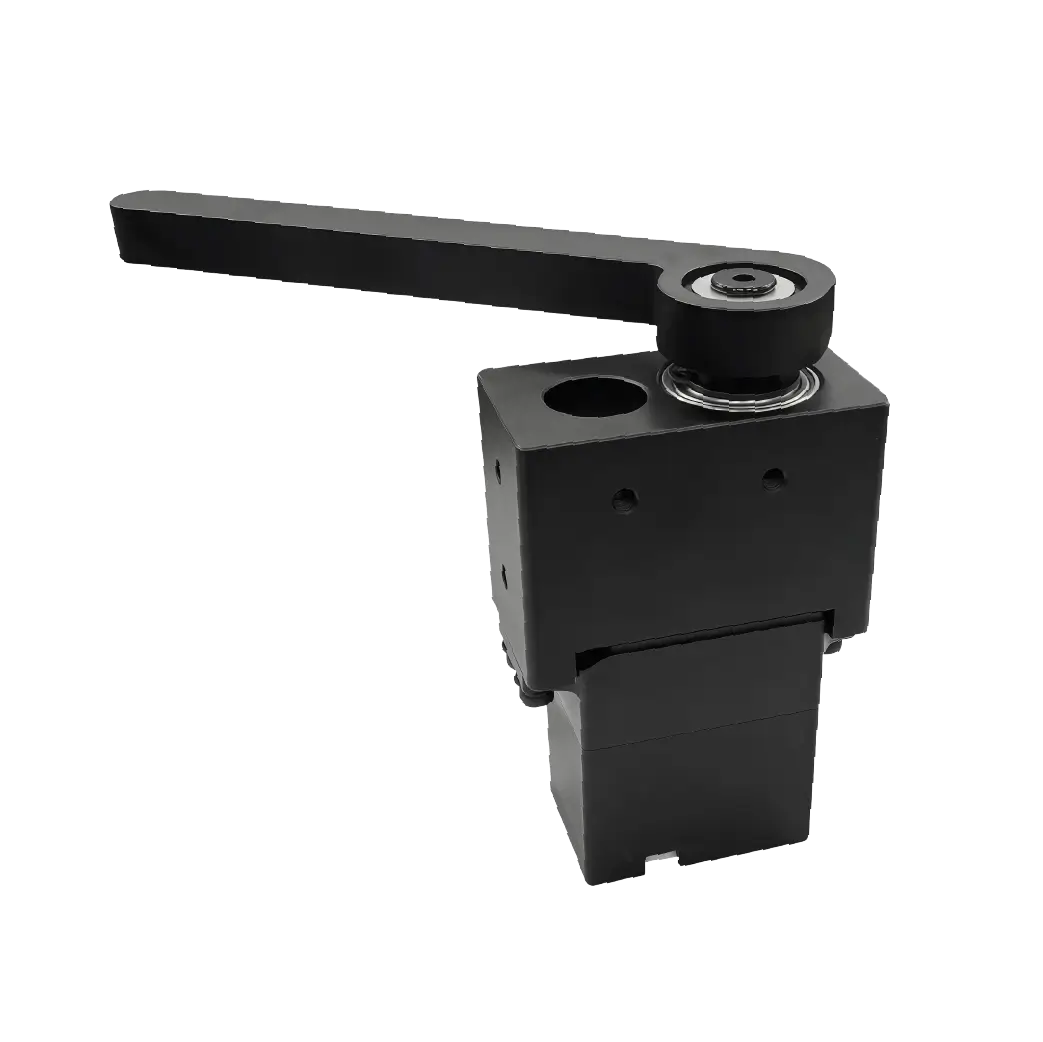
For small, nimble drones or micro-robots, you look at the Kpower micro and wing servos. They are thin enough to fit into a carbon fiber wing but have enough torque to hold against high-speed wind resistance. For the heavy hitters—1/5 scale trucks or large-scale industrial prototypes—you move into the brushless, high-torque monsters.
The beauty of sticking with Kpower during your sourcing process is the consistency. You don't get a "good batch" and a "bad batch." The quality of the soldering, the thickness of the wires, and the fit of the case remain the same. It saves you from that mid-project crisis where you have to redesign a mount because the new batch of servos is half a millimeter wider than the last one.
The RC world is full of "good enough" parts that work for a day and fail on the second. If you’re serious about what you’re building, sourcing is the most intellectual part of the process. It’s where you decide the lifespan of your creation.
Kpower doesn't just sell a product; they provide the mechanical backbone for whatever crazy idea you’re trying to bring to life. Whether it's a 3D-printed bipedal robot or a high-speed RC boat, the movement needs to be fluid. It needs to be reliable. And honestly, it should look and feel professional.
Next time you’re sitting at your workbench, staring at a schematic, don't just grab the first servo you find in a drawer. Think about the gears, the voltage, and the precision. Choose something that matches the effort you’ve put into your work. That’s the real secret to successful sourcing—finding a partner like Kpower that cares as much about the internal mechanics as you do about the final result. Go build something that lasts.
Established in 2005, Kpower has been dedicated to a professional compact motion unit manufacturer, headquartered in Dongguan, Guangdong Province, China. Leveraging innovations in modular drive technology, Kpower integrates high-performance motors, precision reducers, and multi-protocol control systems to provide efficient and customized smart drive system solutions. Kpower has delivered professional drive system solutions to over 500 enterprise clients globally with products covering various fields such as Smart Home Systems, Automatic Electronics, Robotics, Precision Agriculture, Drones, and Industrial Automation.
Update Time:2026-01-22

Contact Kpower's product specialist to recommend suitable motor or gearbox for your product.


