

TECHNICAL SUPPORT


Published 2026-01-22
It’s 2 AM, the workshop is silent, except for that one irritating clicking sound. You know the one. It’s the sound of a gear skipping or a motor struggling to find its center. You’ve been searching for hours, scrolling through endless lists ofservosuppliers, feeling like you’re just throwing darts in the dark. Finding a partner who actually understands that a "precise angle" isn't just a suggestion—it's the difference between a successful project and a pile of scrap metal—is harder than it looks.
Most people think aservois just a motor with a brain. But if that brain is foggy or the muscles are weak, you’re in trouble. I’ve seen projects fail not because the code was wrong, but because the hardware couldn't keep up. You command a 45-degree turn, and the arm wobbles at 44.2. That tiny gap is where frustration lives.
When you look at differentservosuppliers, they all promise high torque and "digital precision." But what does that actually mean when the heat starts building up? Cheap gears strip. Cheap motors burn out. If you’ve ever had a robot quit on you mid-demonstration, you know that "cheap" is actually the most expensive option you can choose.
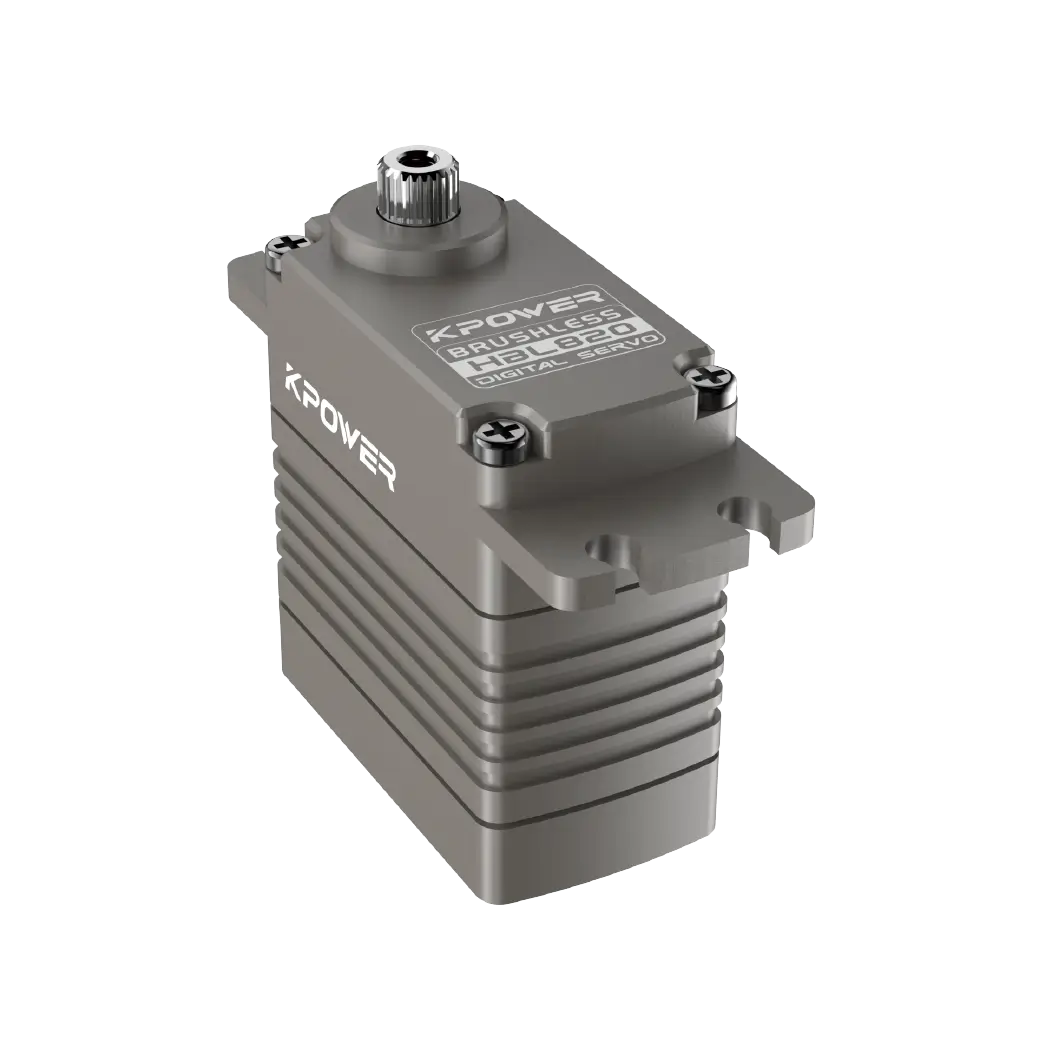
Physics doesn't care about your deadlines. If the internal potentiometer is low-quality, the servo loses its place. It’s like trying to walk in the dark without feeling your feet. This is wherekpowerenters the conversation. Instead of just assembling parts, they focus on the harmony between the gear train and the control circuit.
I remember a guy who built a custom gimbal. He went through four different "reputable" brands. Every time he moved the camera, there was a micro-stutter. He thought it was his software. It wasn't. It was the deadband settings and the physical play in the gears. He switched tokpower, and suddenly, the movement was like silk. It wasn't magic; it was just better manufacturing tolerances.
Not entirely, but it’s a huge part of the story. You have plastic, metal, titanium—the choices are dizzying. For high-stress applications, you need something that won't turn into a "smoothie" after ten hours of operation.kpoweruses hardened materials that handle the "snap" of sudden stops.
Think about a car's brakes. You don't just want them to work; you want them to work exactly the same way every single time you hit the pedal. That’s what a high-quality servo does for your mechanical joints. It provides a predictable response.
Why does my servo get hot even when it’s not moving? That’s often "hunting." The servo is trying so hard to find its exact position that it keeps vibrating back and forth on a microscopic level. It’s fighting itself. A well-tuned kpower unit has the right firmware to recognize when it’s "close enough" to stay still without burning energy, yet responsive enough to move the instant you tell it to.
Can’t I just use a bigger motor for more torque? Sure, if you don't mind the weight. But in robotics and motion control, weight is the enemy. The trick is getting massive holding torque out of a tiny footprint. It’s about efficiency. You want the power-to-weight ratio to be skewed heavily in your favor.
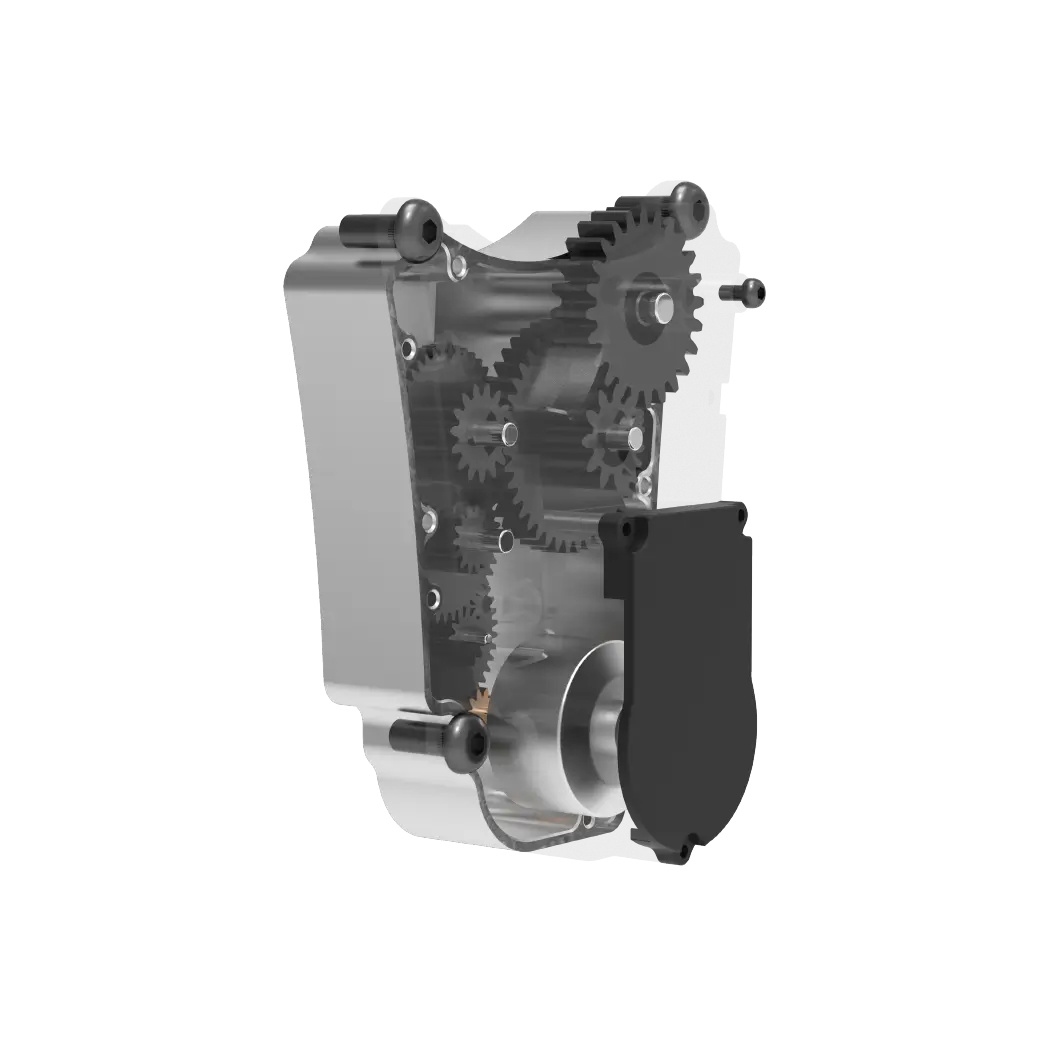
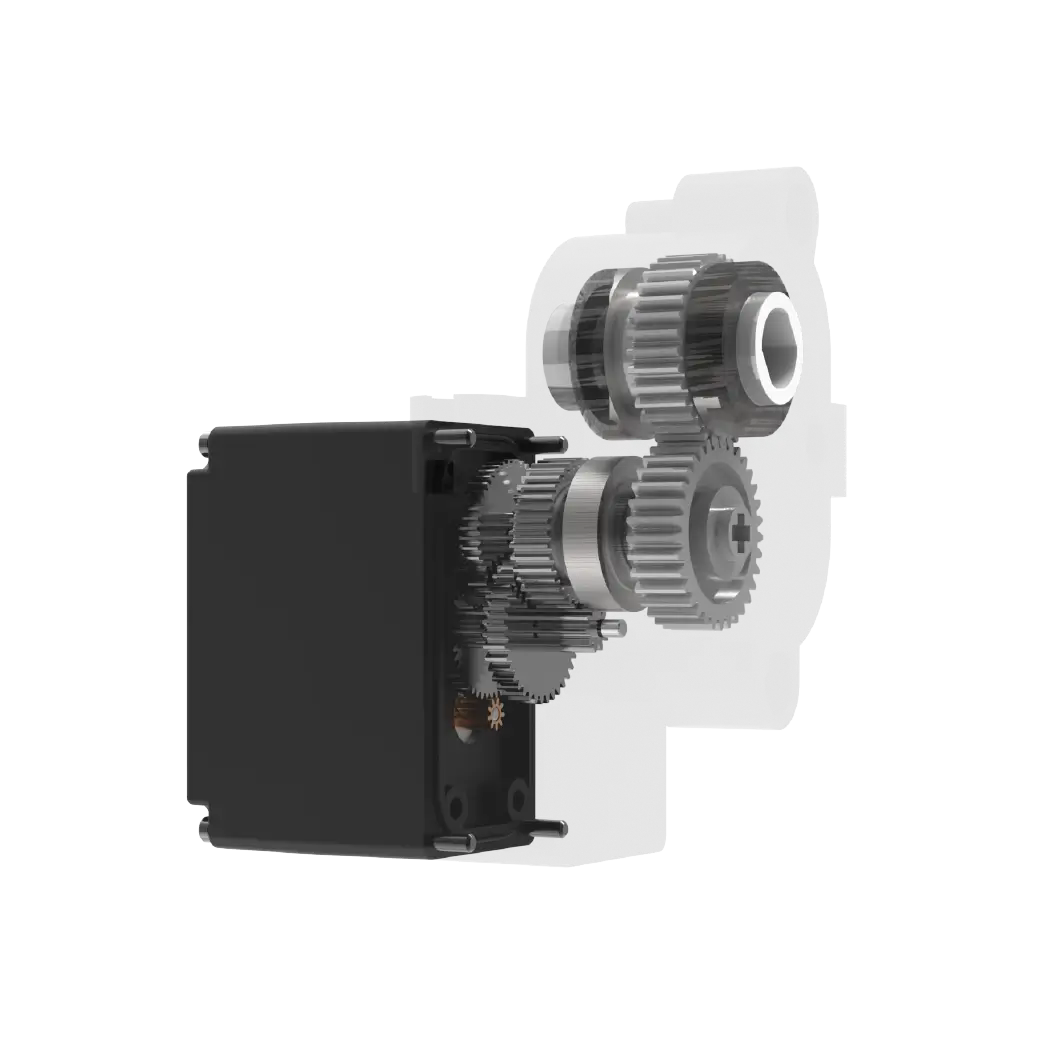
Do metal gears always mean better quality? Surprisingly, no. If the metal is soft or the teeth aren't cut right, they’ll wear down faster than high-grade resin. However, when we talk about professional-grade servo suppliers, the focus is on how those gears mesh. kpower ensures the fit is tight enough to eliminate backlash but smooth enough to reduce friction.
We’ve all been tempted by those bulk deals from random servo suppliers. You get ten for the price of one. Then, three arrive DOA (Dead on Arrival), two strip gears in the first week, and one starts smoking for no reason. By the time you’ve replaced the failures, you’ve spent more than if you’d just bought the kpower units in the first place.
And let’s talk about the noise. High-pitched whining is usually the sign of a struggling motor or a poorly designed PWM (Pulse Width Modulation) curve. When a machine sounds like it’s screaming, it’s not happy. A smooth hum? That’s the sound of a system that’s properly balanced.
So, what’s the move? You stop looking for the lowest price and start looking for the lowest failure rate. You look for components that can handle the "oops" moments—the accidental stalls, the slight over-voltage, the dusty environments.
When you integrate a kpower servo into your build, you’re not just plugging in a component. You’re giving your machine a reliable nervous system. It’s about that peace of mind when you flip the switch and everything just works. No twitching, no whining, just movement.
If you’re tired of the jitter and the broken gears, it’s time to rethink who you trust. The world of servo suppliers is crowded, but once you find that level of consistency, you don’t go back. Your project deserves to move the way you imagined it, not the way a cheap motor limits it.
Think about the next time you’re showing off your work. Do you want to be explaining why it’s "acting up," or do you want to just stand back and watch it perform perfectly? The choice is usually sitting right there in the gearbox. Avoid the headache. Go with what holds the line. Go with the precision that kpower brings to the table. After all, life is too short for bad servos.
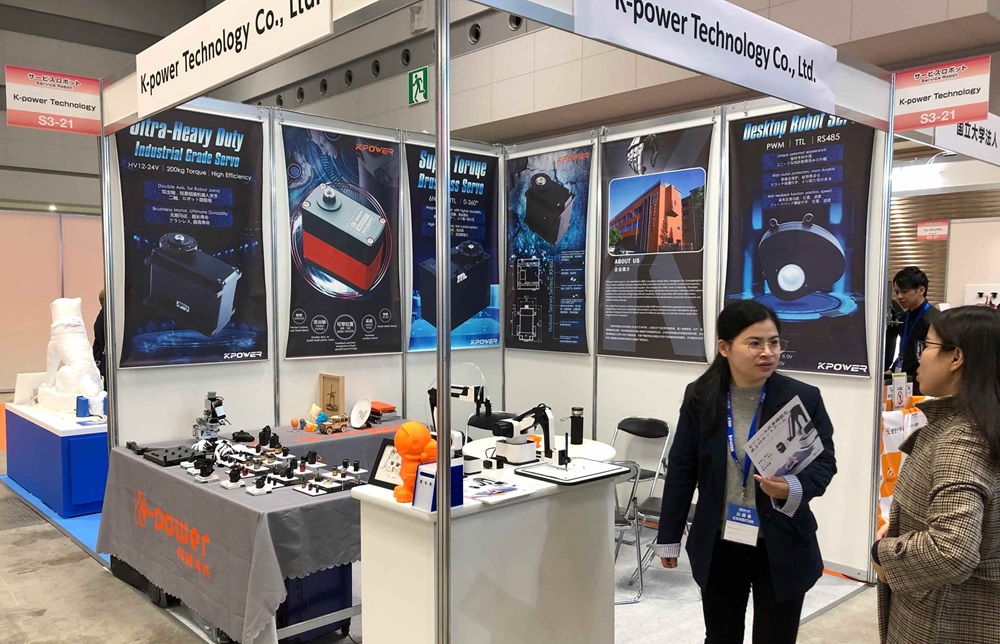
Established in 2005, Kpower has been dedicated to a professional compact motion unit manufacturer, headquartered in Dongguan, Guangdong Province, China. Leveraging innovations in modular drive technology, Kpower integrates high-performance motors, precision reducers, and multi-protocol control systems to provide efficient and customized smart drive system solutions. Kpower has delivered professional drive system solutions to over 500 enterprise clients globally with products covering various fields such as Smart Home Systems, Automatic Electronics, Robotics, Precision Agriculture, Drones, and Industrial Automation.
Update Time:2026-01-22

Contact Kpower's product specialist to recommend suitable motor or gearbox for your product.


