

TECHNICAL SUPPORT


Published 2026-01-22
Imagine you’ve spent weeks designing a robotic arm. You’ve calculated every angle, refined the code, and finally, it’s time for the first test run. You flip the switch, expecting a smooth, fluid motion, but instead, the arm twitches like it’s had too much caffeine. It overshoots the mark, vibrates, and makes a grinding noise that sets your teeth on edge.
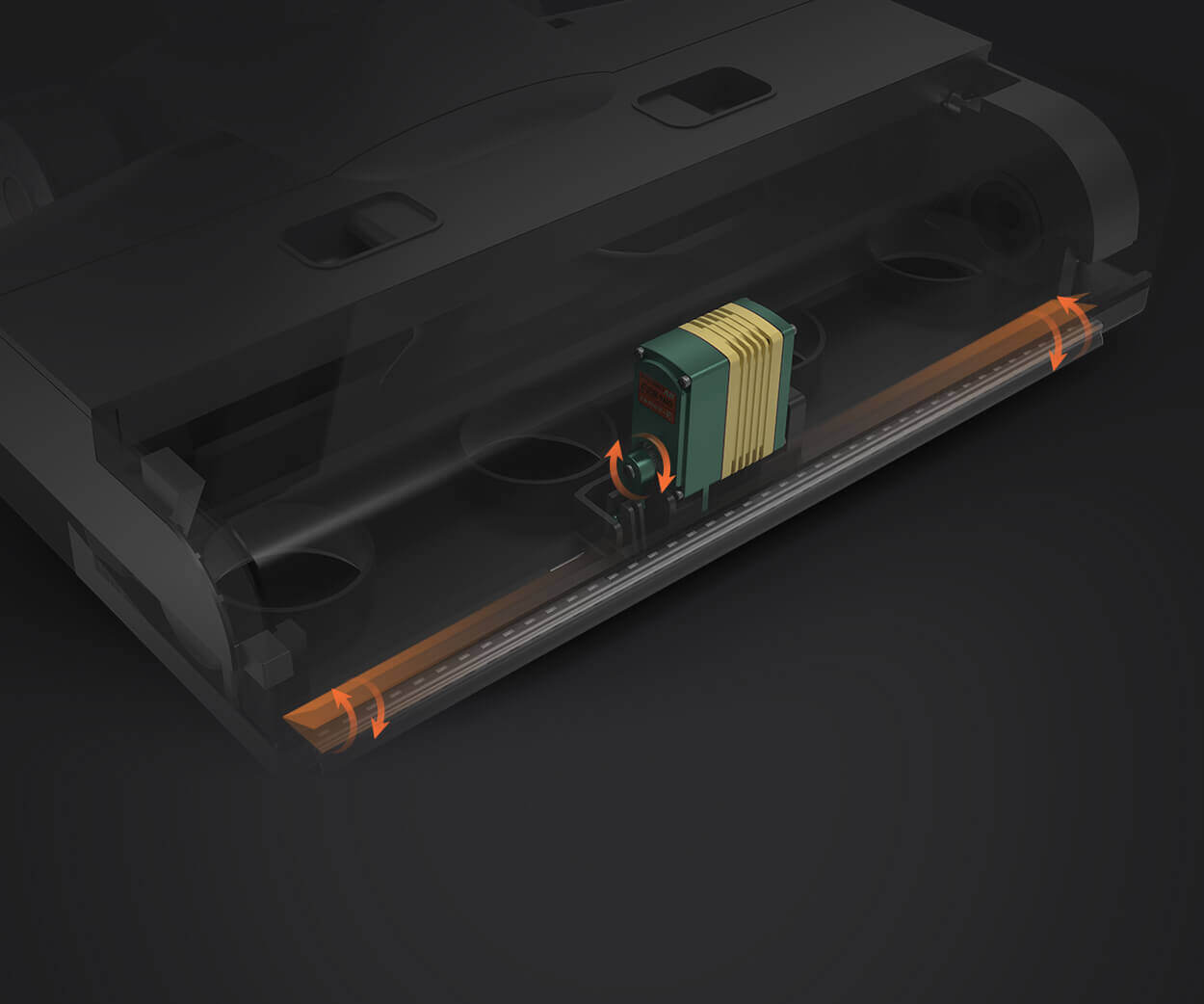
It’s a specific kind of heartbreak. Usually, the culprit isn't your math; it’s the muscle. When people go hunting for aservomanufacturer, they often get lost in a sea of spec sheets that look exactly the same. But here’s the thing: aservois more than just a motor with a brain. It’s the heartbeat of your machine.
The problem often starts with torque ripple or a lack of resolution. If you’re using a generic motor, you might notice that it moves in tiny, perceptible jumps rather than a continuous glide. This happens because the internal gears aren't meshing quite right, or the control circuit is too slow to react to the load.
Think of it like trying to draw a circle with a ruler. No matter how hard you try, it’s going to be a collection of straight lines. A high-qualityservomanufacturer focuses on making those "lines" so small they effectively vanish. That’s wherekpowerlives—in that tiny space between "good enough" and "perfectly smooth."
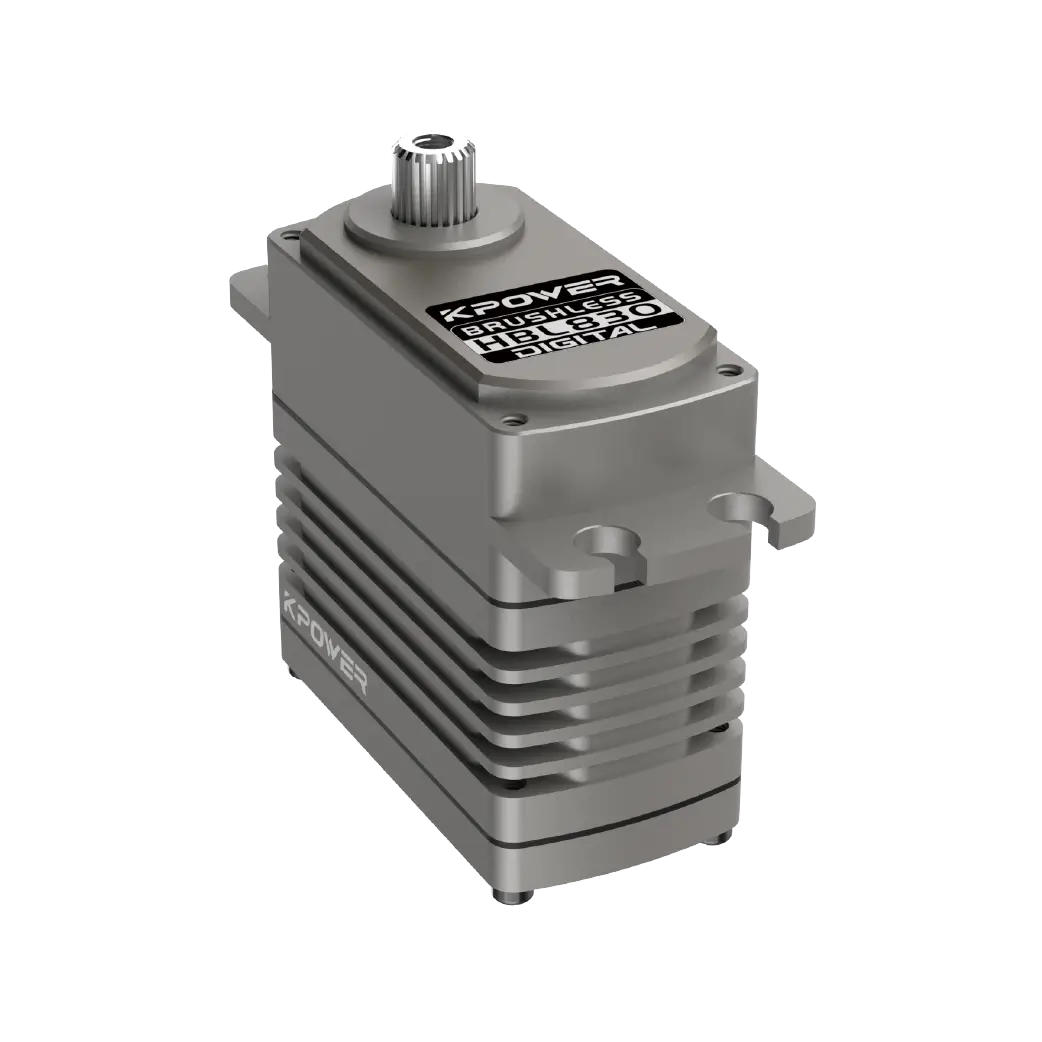
Let’s talk about something less poetic: heat. If a servo gets hot after five minutes of use, something is wrong. Heat is just wasted energy screaming to get out. It means the friction inside is too high or the copper windings are inefficient. When we look atkpower’s designs, the focus is on thermal management.
Why does this matter? Because heat kills electronics. A servo that stays cool is a servo that will still be working three years from now. It’s about the materials. Using high-grade steel for gears instead of cheap alloys isn't just a "nice to have." It’s the difference between a machine that finishes the job and one that ends up in a scrap pile.
People often ask: "Should I just buy the strongest motor I can find?"
Not necessarily. It’s a common trap. If you put a massive, high-torque motor on a delicate mechanism, you might just snap your own frame. It’s like putting a truck engine in a bicycle. You want a balance. You need speed for responsiveness and torque for stability.
Q: "I’m worried about jitter at the neutral point. How do I stop that?" A: Usually, jitter is caused by a "dead band" that’s too narrow or a pot that’s noisy.kpoweruses digital processing to filter out that noise. It’s like noise-canceling headphones but for your motor's position sensor.
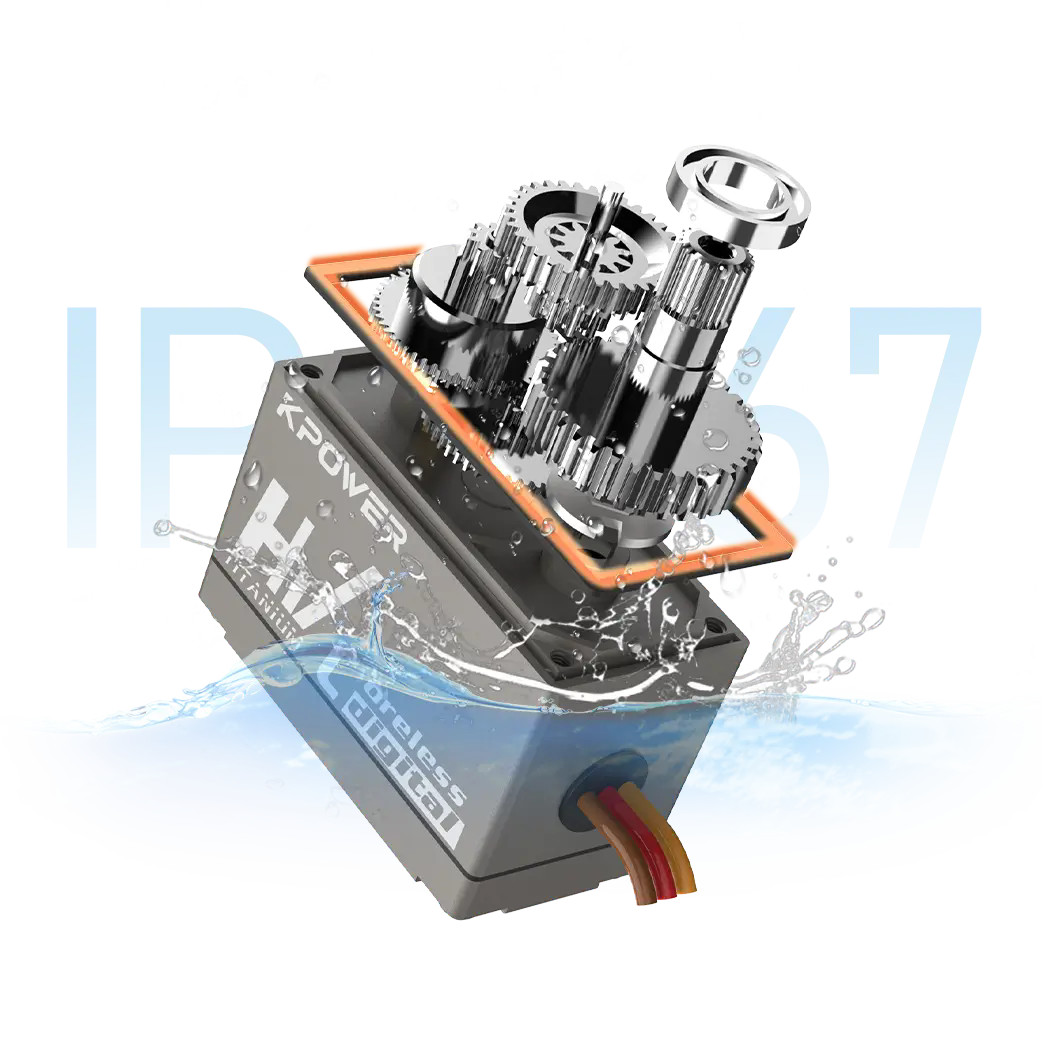
Q: "What if my environment is dusty or damp?" A: You look for the seal. A good servo manufacturer builds the casing with tight tolerances. If the seams don't line up, dust gets in, turns the grease into sandpaper, and eats your gears from the inside out.
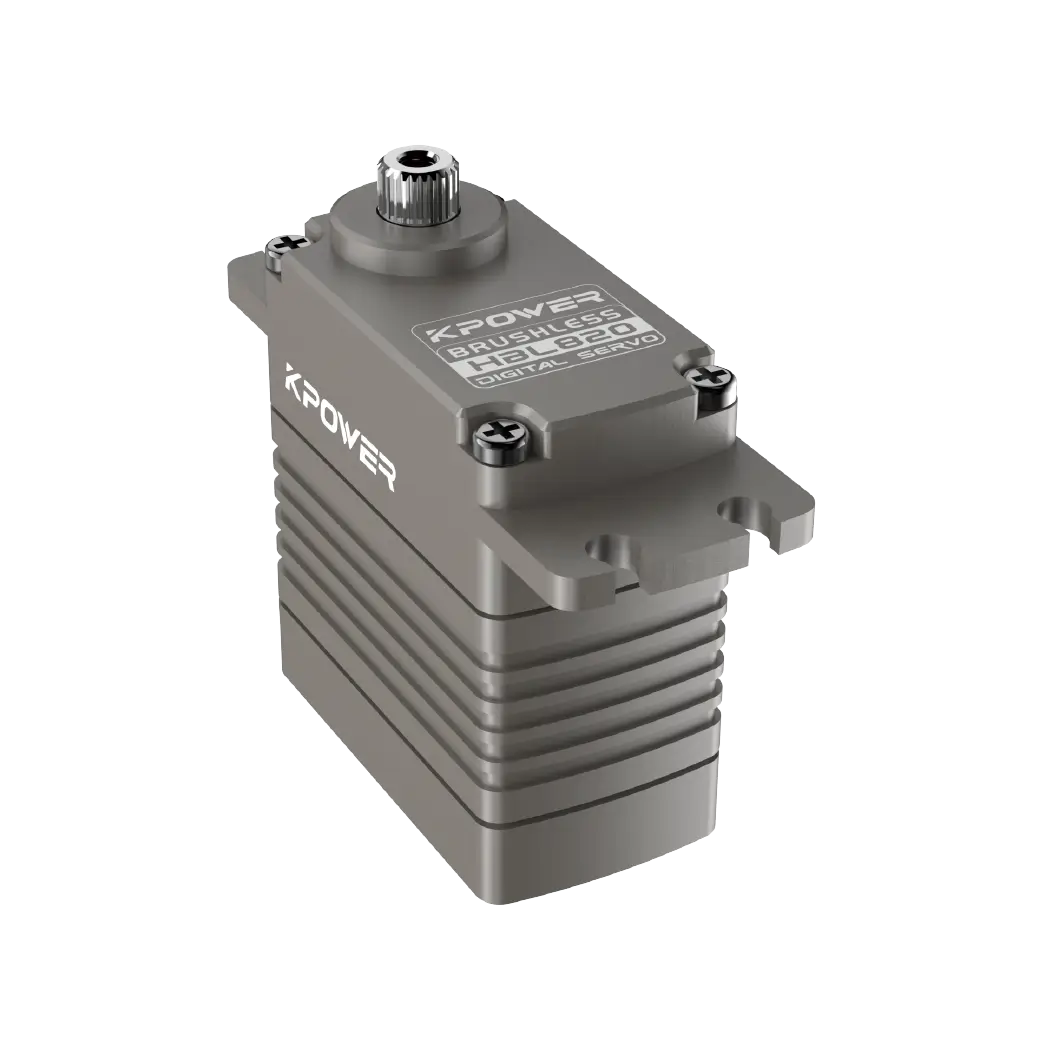
Ever noticed how some servos whine? That high-pitched scream that makes you want to leave the room? That’s often the PWM frequency or vibration in the casing. A well-constructed unit is surprisingly quiet. When you hold a Kpower servo in your hand and run it, you feel a hum, not a rattle. It feels solid, like a single piece of machined art rather than a bunch of parts shoved into a plastic box.
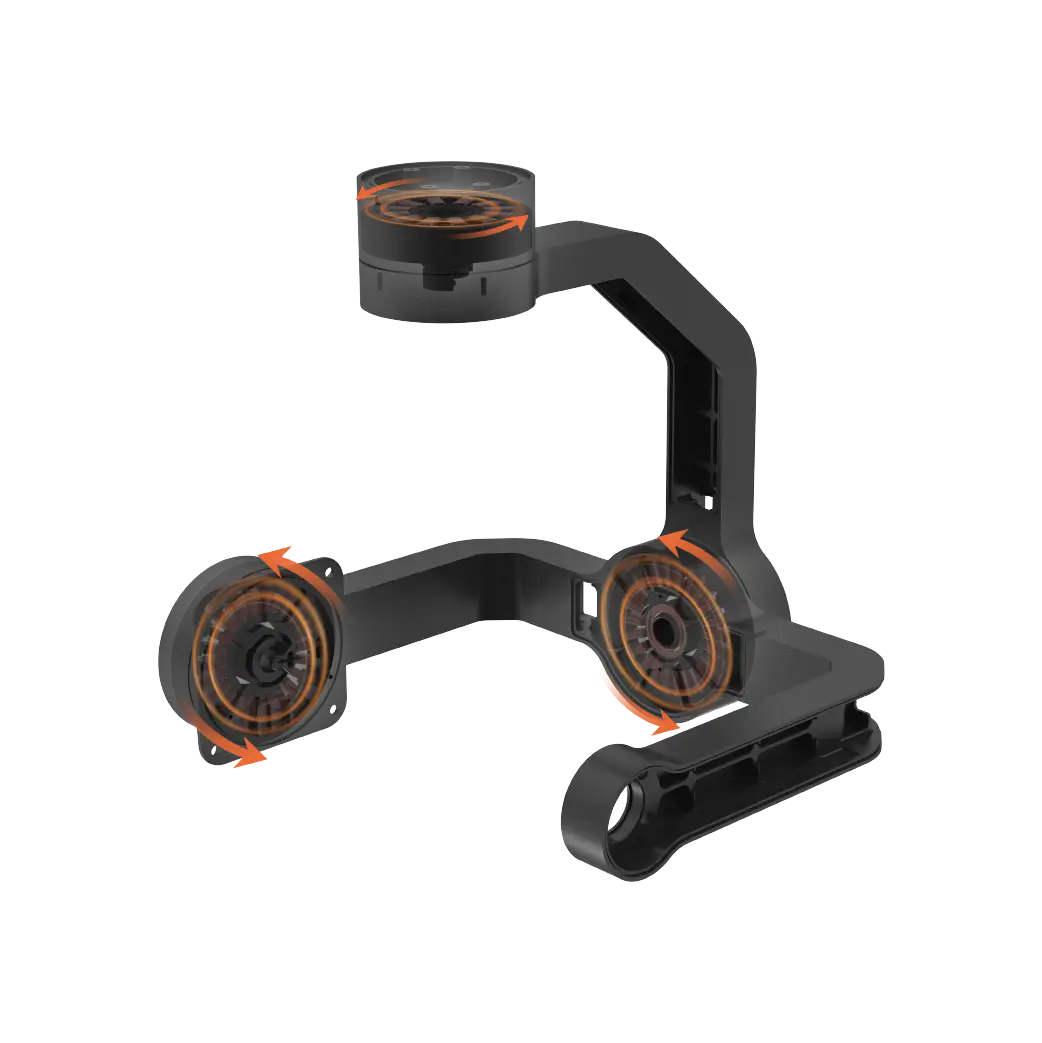
There was a project once—a complex camera gimbal for a drone. The builder used standard servos, and the footage looked like it was filmed during an earthquake. The servos were "fighting" each other, over-correcting every millisecond. We swapped them out for something with better synchronization. Suddenly, the footage was glass. The difference wasn't the price; it was the way the internal logic handled the feedback loop.
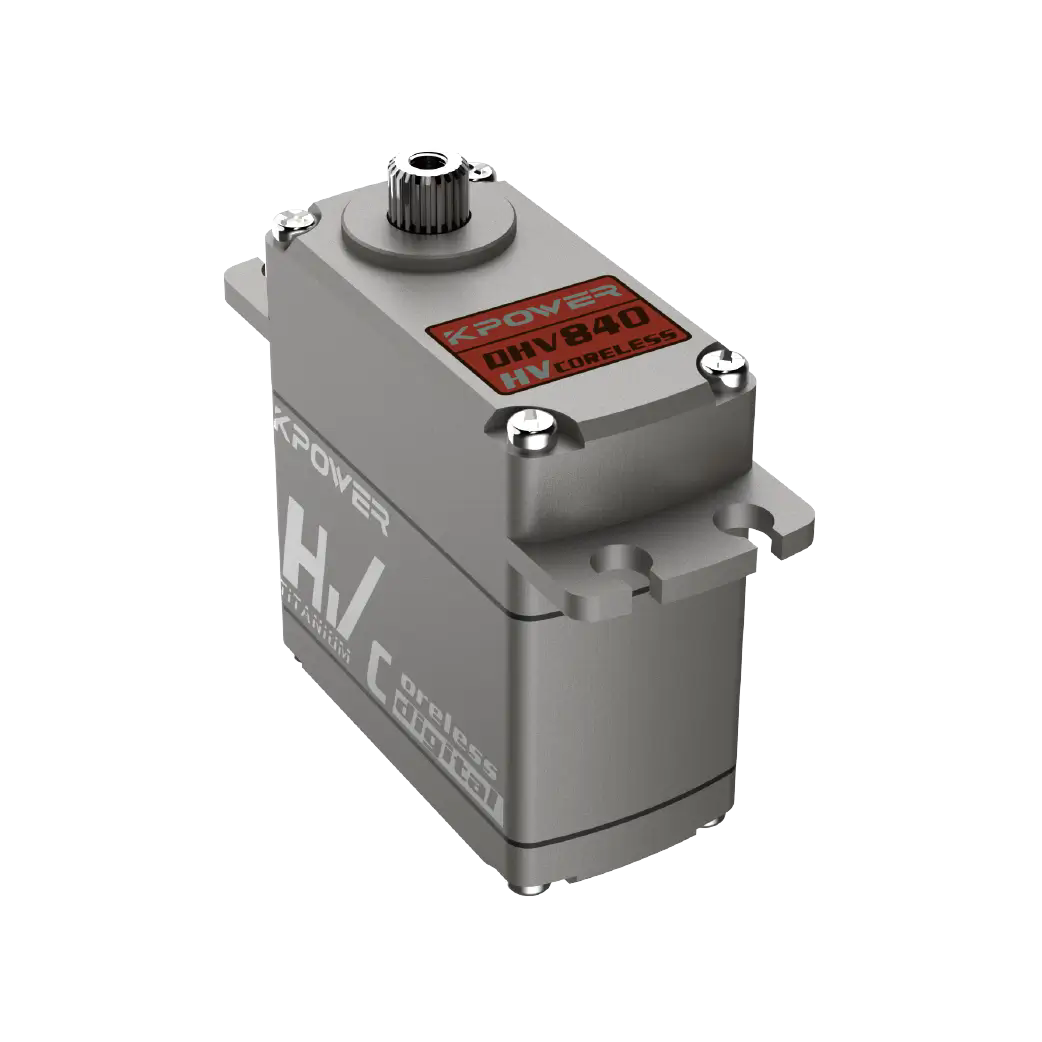
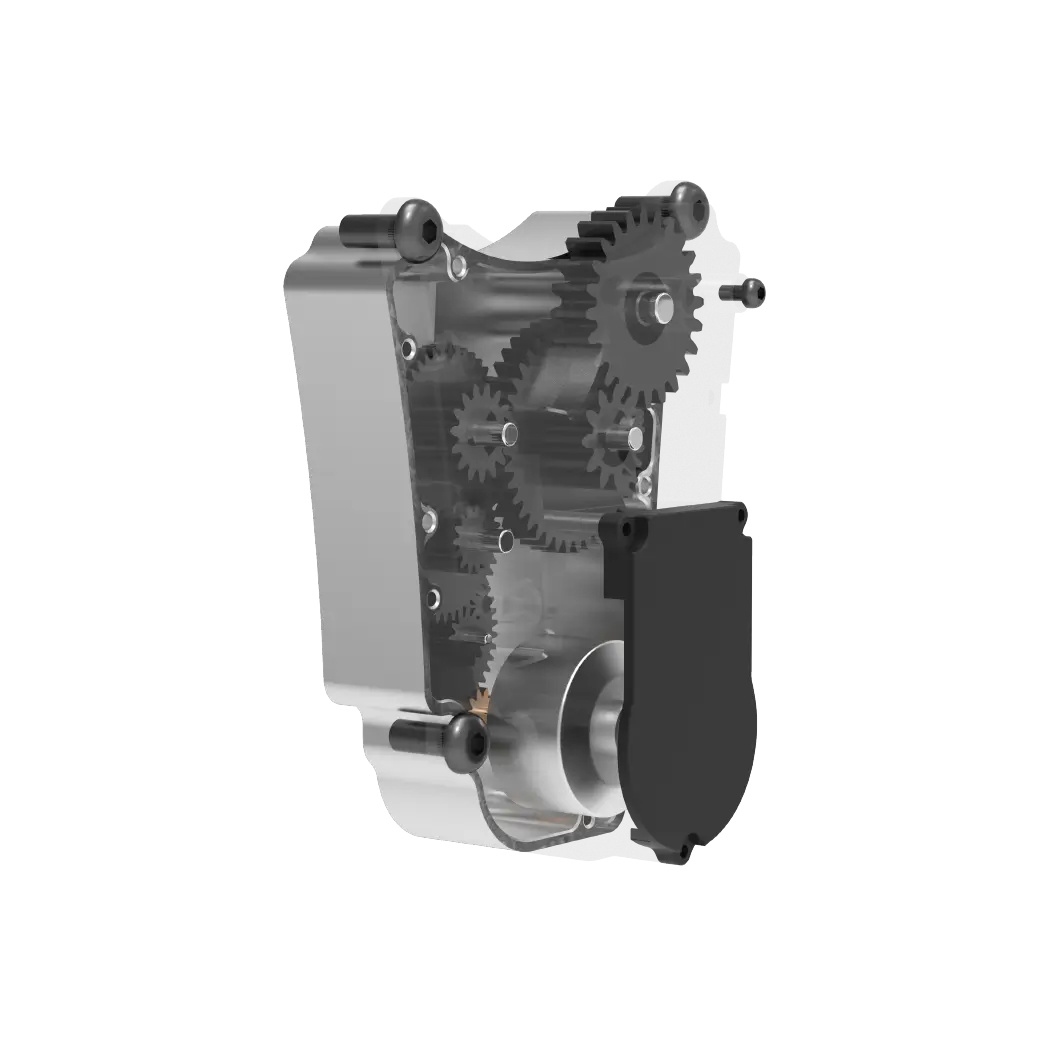
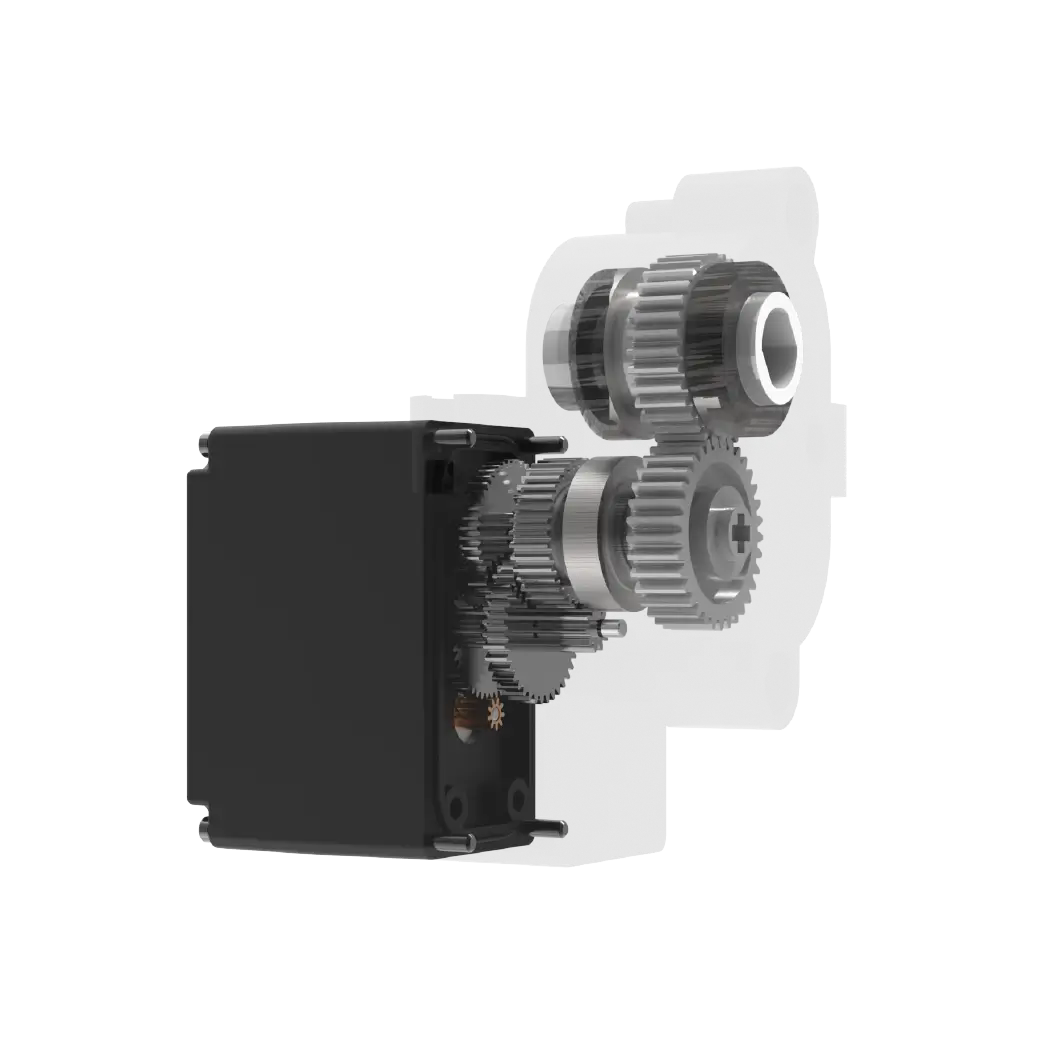
If you’re ready to stop guessing, start by looking at the gear train. Are they metal? Are they titanium-plated? Look at the motor type—coreless motors are faster and more responsive because they have less mass to move.
In the end, you want to turn on your machine and forget the motors are even there. You want to focus on the software, the aesthetics, and the function. When the hardware just works, it disappears. That’s the goal of every Kpower product. We aren't just making parts; we’re providing the reliability that lets you dream bigger.
The next time you’re staring at a project that isn't quite behaving, don’t blame your code right away. Take a look at the servos. If they aren't up to the task, maybe it’s time to switch to a manufacturer that treats precision as a requirement, not an option. Your machines deserve to move with grace, not just grunt.
Established in 2005, Kpower has been dedicated to a professional compact motion unit manufacturer, headquartered in Dongguan, Guangdong Province, China. Leveraging innovations in modular drive technology, Kpower integrates high-performance motors, precision reducers, and multi-protocol control systems to provide efficient and customized smart drive system solutions. Kpower has delivered professional drive system solutions to over 500 enterprise clients globally with products covering various fields such as Smart Home Systems, Automatic Electronics, Robotics, Precision Agriculture, Drones, and Industrial Automation.
Update Time:2026-01-22

Contact Kpower's product specialist to recommend suitable motor or gearbox for your product.


