

TECHNICAL SUPPORT


Published 2026-01-22
It starts with a subtle hum, or maybe a twitch that shouldn’t be there. You’ve spent weeks designing a frame, calculating tolerances, and mapping out the perfect arc of motion. Then, you flip the switch. Instead of a fluid, silent sweep, the arm stutters. It’s frustrating. It feels like trying to perform surgery with a sledgehammer.
Most people realize too late that the heart of their machine—the motor—is where the soul of the project lives. If the heart is weak or clumsy, the rest is just expensive scrap metal. This is usually the point where the search for a real brushlessservomotor company begins. Not just a place that ships boxes, but a source that understands why that 0.1-degree deviation is ruining your day.
Why do traditional setups fail when things get intense? It’s usually friction and heat. Old-school brushed options are like high-maintenance guests; they show up, create a lot of noise, wear themselves out, and eventually leave you with a mess to clean up. Brushless technology changes the conversation entirely. By removing the physical contact of brushes, you’re basically taking the "friction tax" off your power bill.
When we talk aboutkpower, we aren't just talking about a label on a metal casing. We’re talking about a shift in how motion happens. Imagine a motor that doesn’t scream when it holds a heavy load. Imagine something that stays cool even when the cycle count reaches the thousands. That’s the difference between "getting it to move" and "making it perform."
I’ve seen projects stall because the "off-the-shelf" solution had too much deadband. You send a command, and the motor thinks about it for a millisecond before moving. In a high-speed environment, that millisecond is an eternity.
A lot of people ask: "Is a brushlessservoreally worth the jump?"
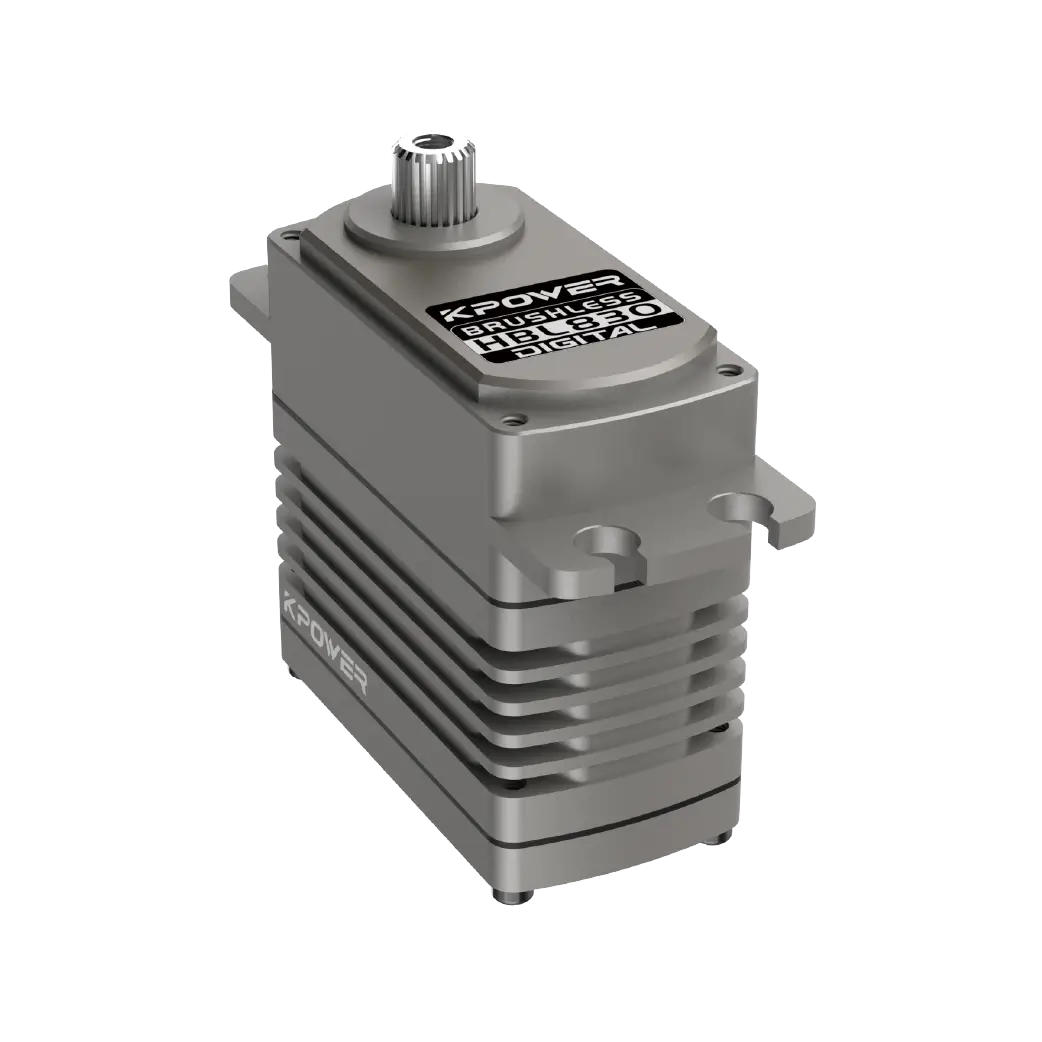
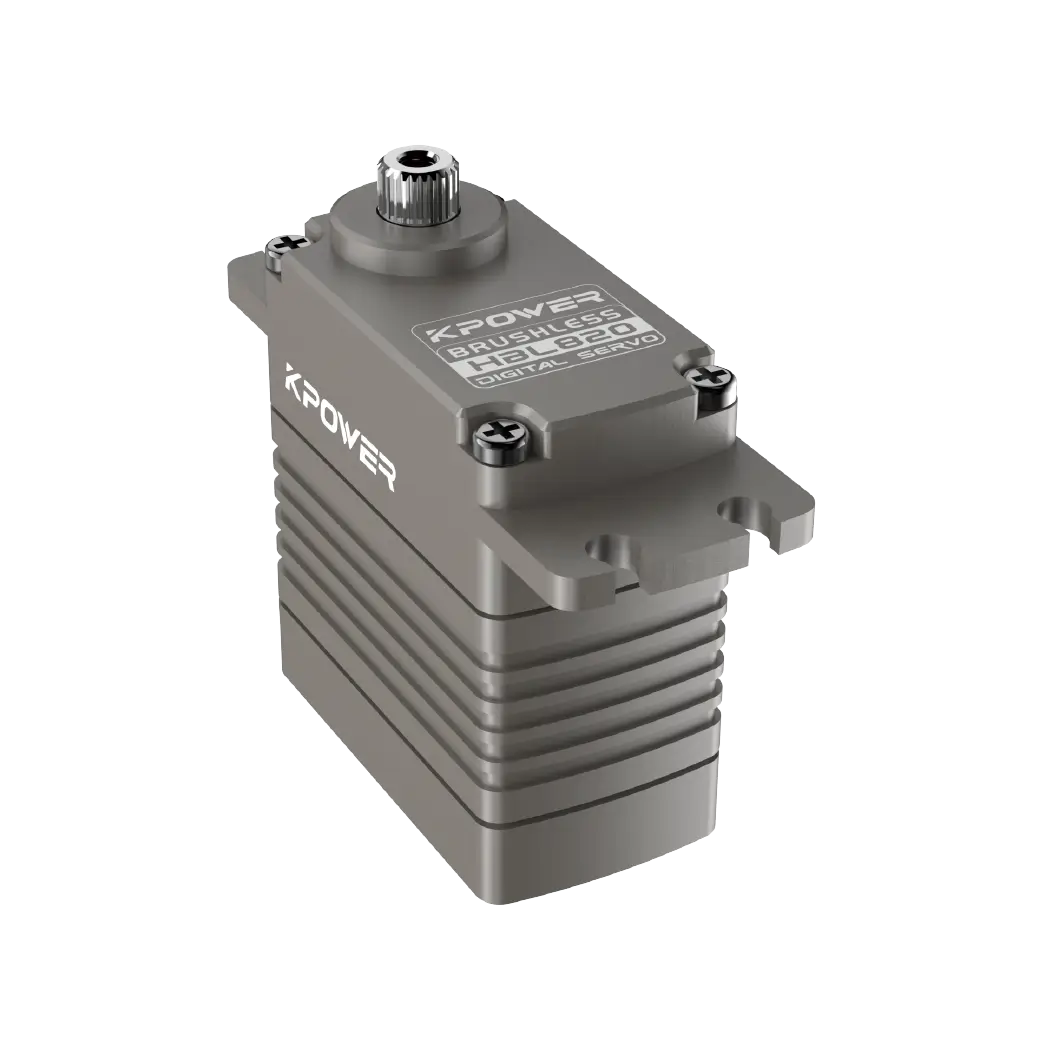
The answer usually comes down to what happens when you aren't looking. Akpowerbrushlessservodoesn't just offer power; it offers consistency. Think about a professional athlete. It’s not just about running fast once; it’s about running fast, stopping on a dime, and doing it again for ten hours straight without a cramp. That’s what high-grade internal circuitry and magnetic encoding do for your hardware. It removes the guesswork.
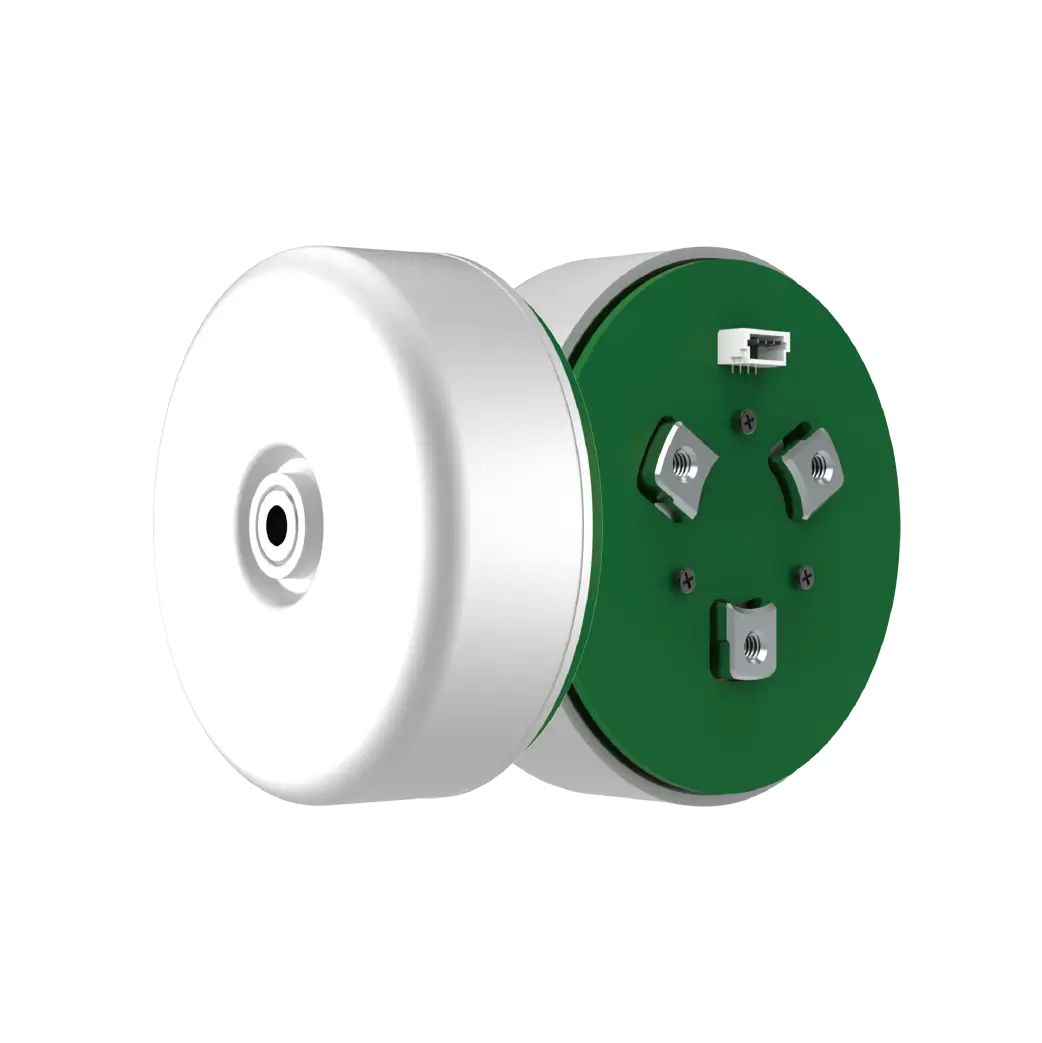
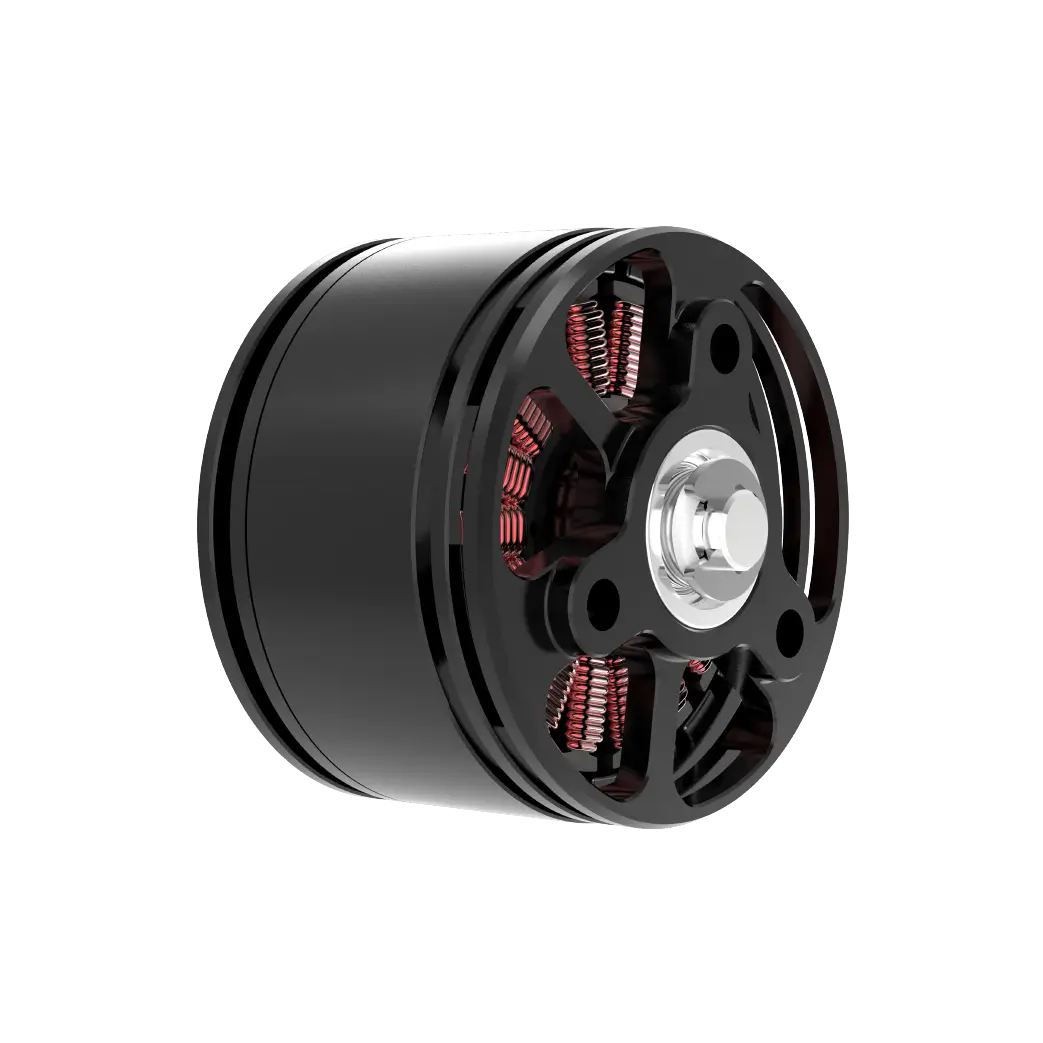
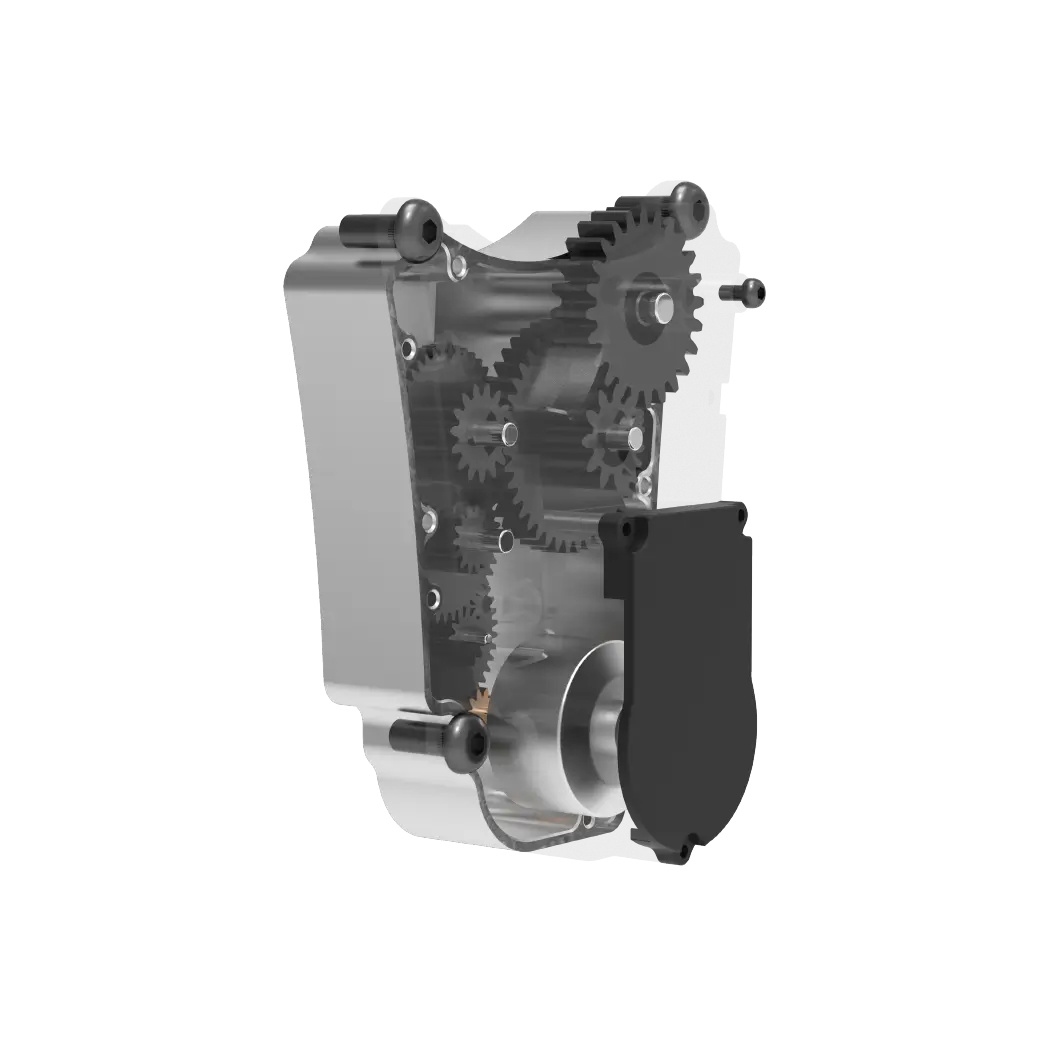
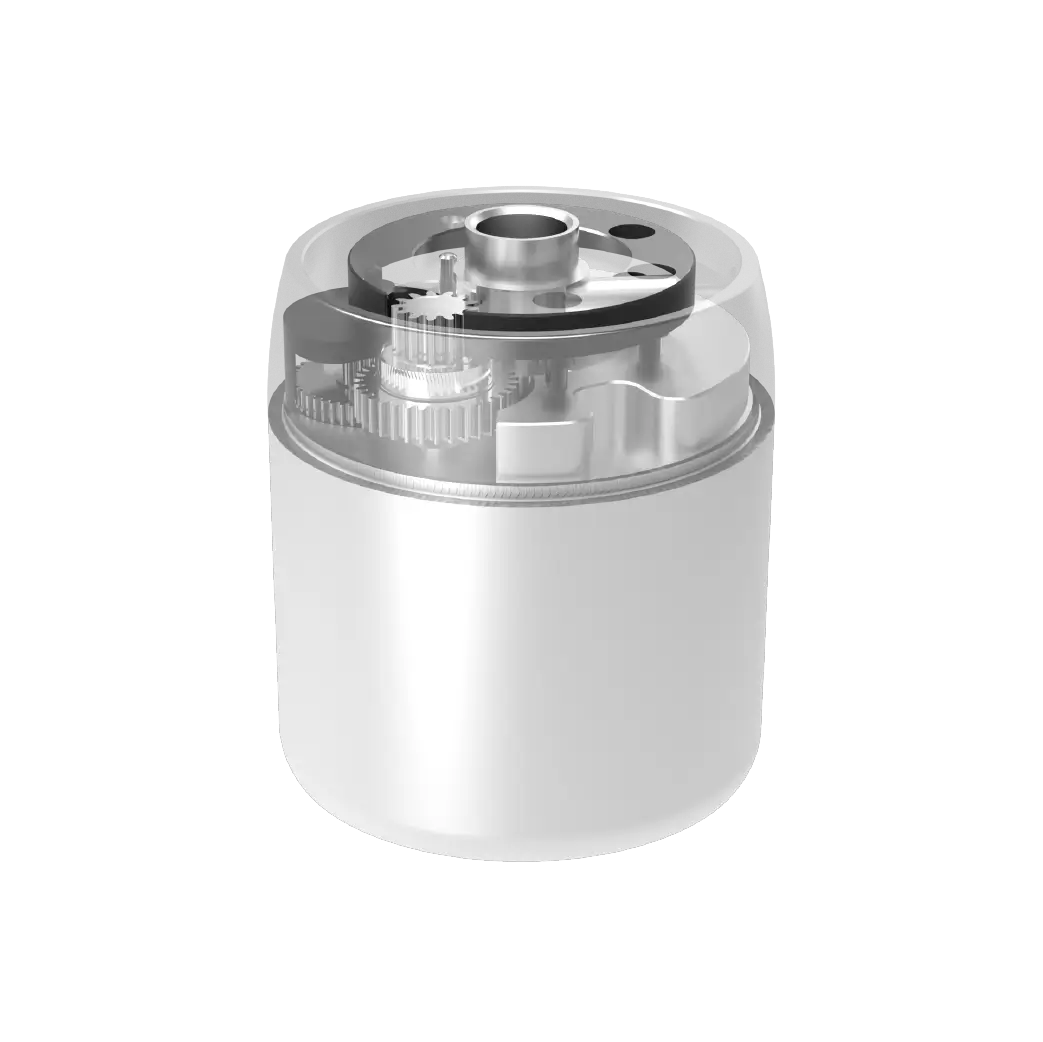
Let’s look at what actually happens inside these units. You have magnets, coils, and sensors. In a mediocre motor, these parts are just shoved together. In akpowerunit, the alignment is obsessive.
Does this make the setup more complex? Not really. It just makes it more honest. You get exactly what you program, nothing more, nothing less.
People have questions when they’re standing at the crossroads of a hardware decision. Let’s tackle a few.
"I've used standard servos before. Why is the brushless version so much quieter?" It’s the lack of internal scrubbing. You’re hearing magnets dancing in a field rather than carbon scraping against metal. It’s the difference between a high-speed train and an old steam engine. If your project needs to live in an office or a quiet lab, this isn't a luxury—it’s a requirement.
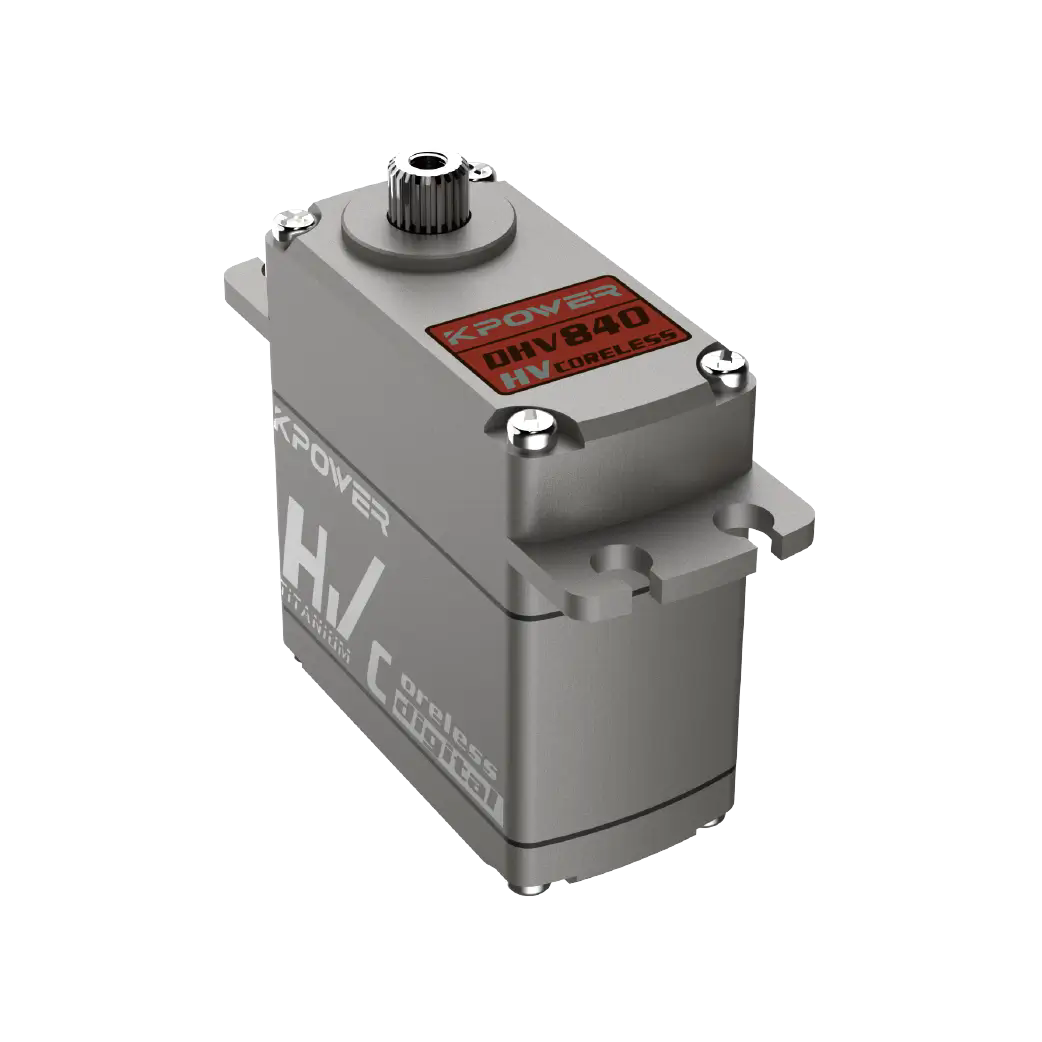
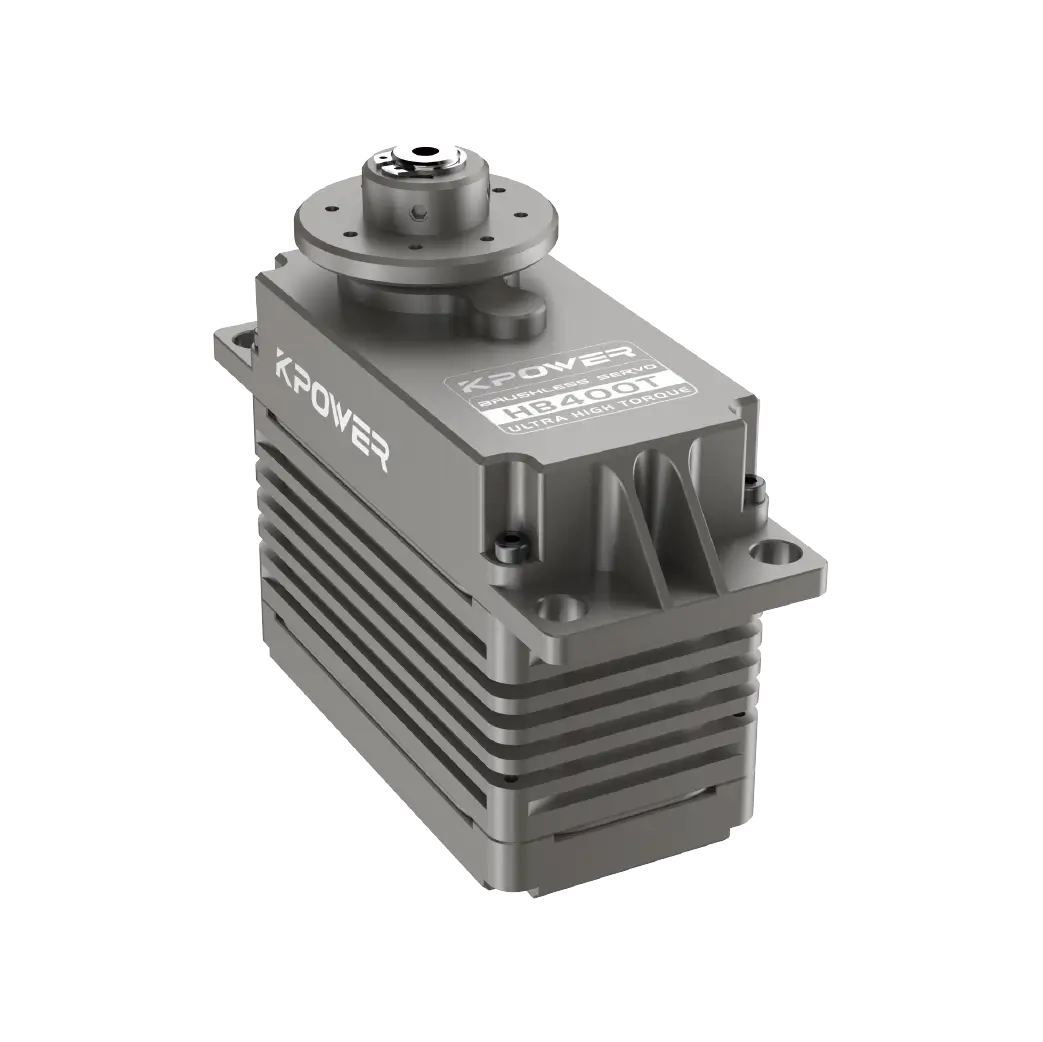
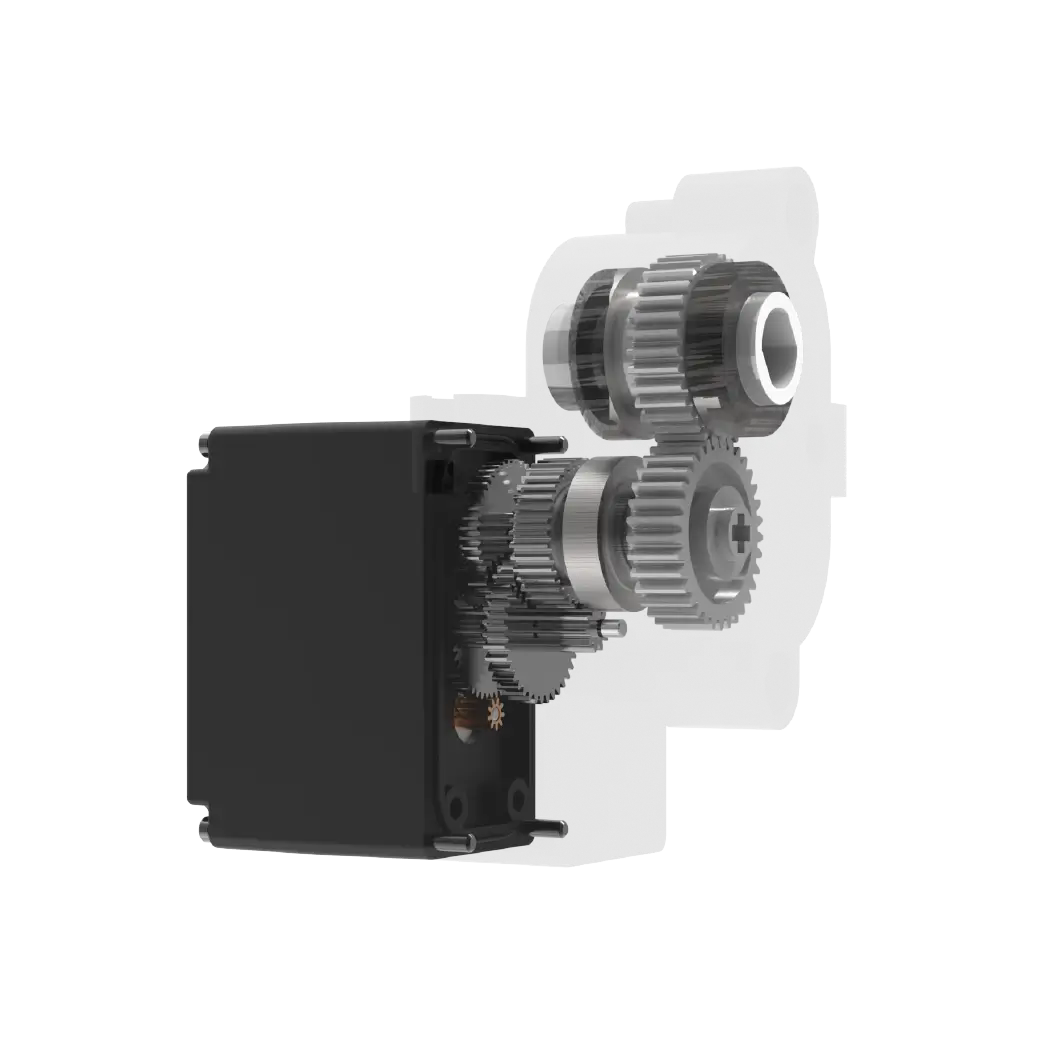
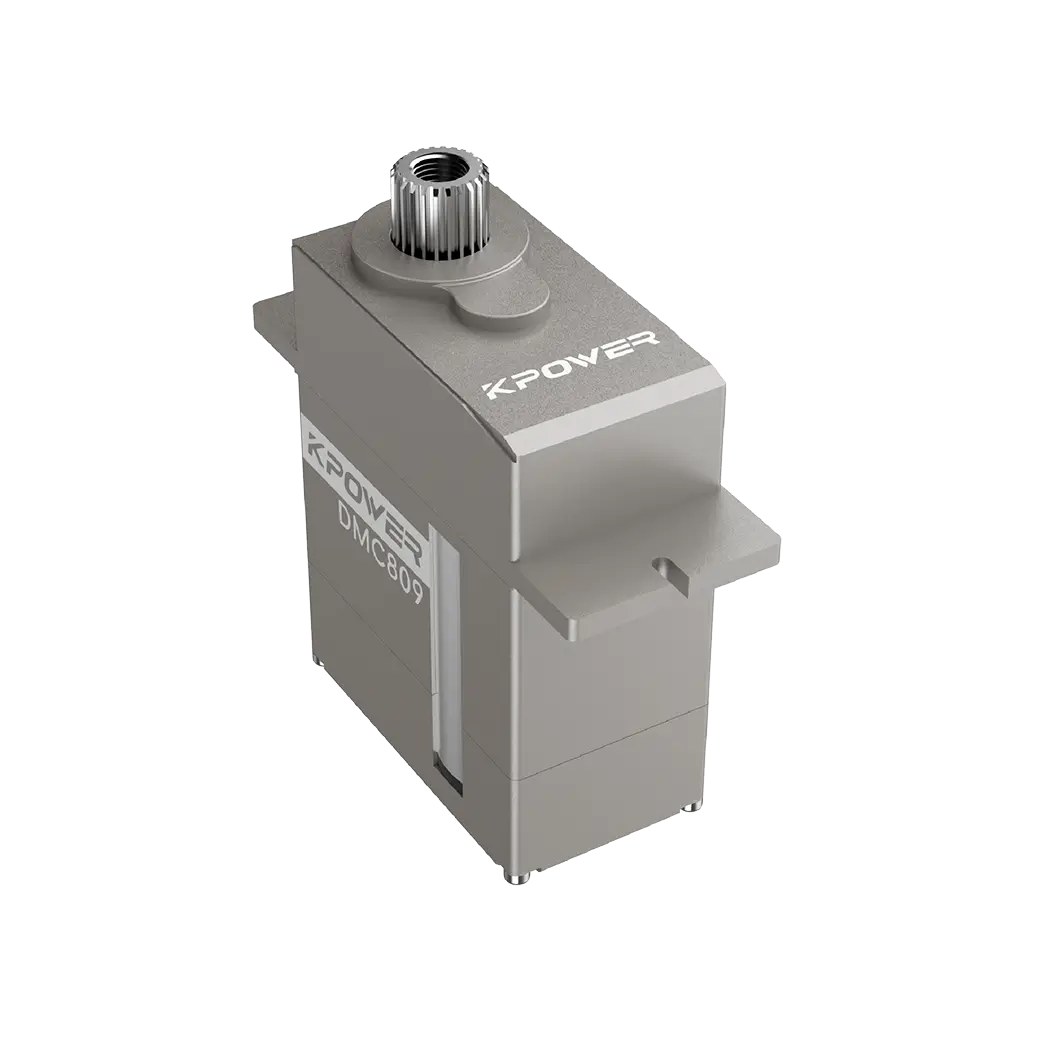
"Can these things handle the vibration of a rough environment?" Steel gears and aluminum cases aren't just for looks. When a Kpower servo is bolted down, it becomes part of the structure. It’s built to take the hits that would turn plastic-geared alternatives into confetti.
"Is the torque delivery smooth, or does it 'cog' at low speeds?" This is where the magic happens. Cheap motors feel "notchy." High-end brushless servos use refined pole designs to ensure that even at a crawl, the motion is as smooth as silk. If you’re doing camera work or precision placement, you can’t afford the "notches."
There’s a specific kind of peace of mind that comes from knowing you won't have to take a machine apart in three months to replace a burnt-out motor. We often focus on the torque specs or the voltage, but the most important spec is "time spent not worrying."
When you integrate a Kpower solution, you’re basically buying back your time. You set the parameters, you lock the screws, and you move on to the next problem. The motor just does its job. It’s a silent partner that doesn't complain.
It’s easy to settle for "good enough" when you're looking at a spreadsheet. But "good enough" usually ends in a late-night troubleshooting session with a multimeter and a headache. The leap to a dedicated brushless servo motor company like Kpower is about moving past the hobbyist limitations and into the realm of professional-grade execution.
Whether it’s a robotic limb that needs to mimic human grace or a heavy-duty actuator that needs to move twenty kilograms without flinching, the principles remain the same. You need high power density. You need zero maintenance. You need the confidence that when the "on" signal arrives, the reaction is instantaneous and accurate.
In the end, the hardware you choose says a lot about the respect you have for your own work. Why put a cheap heart in a masterpiece? Give your project the mechanical backbone it deserves. It’s about the silence, the strength, and the precision that stays true from the first hour to the ten-thousandth. That is the Kpower way. It’s not just a motor; it’s the end of your motion problems.
Established in 2005, Kpower has been dedicated to a professional compact motion unit manufacturer, headquartered in Dongguan, Guangdong Province, China. Leveraging innovations in modular drive technology, Kpower integrates high-performance motors, precision reducers, and multi-protocol control systems to provide efficient and customized smart drive system solutions. Kpower has delivered professional drive system solutions to over 500 enterprise clients globally with products covering various fields such as Smart Home Systems, Automatic Electronics, Robotics, Precision Agriculture, Drones, and Industrial Automation.
Update Time:2026-01-22

Contact Kpower's product specialist to recommend suitable motor or gearbox for your product.


