

TECHNICAL SUPPORT


Published 2026-01-22
The workbench is a mess. There are copper shavings everywhere, three different screwdrivers that don’t quite fit the housing, and a motor that sounds more like a coffee grinder than a precision instrument. If you’ve ever spent an afternoon trying to calibrate a jittery actuator only to realize the hardware itself is the bottleneck, you know the frustration. It’s that moment when you realize that not all "high-performance" labels mean the same thing.
When looking for brushlessservomotor distributors, the search often feels like a blindfolded walk through a maze. You see shiny catalogs and big promises, but what happens when the motor actually has to move?
Think about a dancer. If their shoes are too heavy or the floor is too slippery, the performance falls apart no matter how much they practice. In the world of motion control, a bad motor is that slippery floor. Most people run into the same three walls: heat, noise, and "the stutter."
You plug everything in, the code looks perfect, but the motor gets hot enough to fry an egg within ten minutes. Or maybe it’s the noise—that high-pitched whine that tells you the internal magnets are fighting each other rather than working together. These aren't just annoyances; they are signs of a motor that wasn't built to last.
This is exactly where the choice of a distributor becomes the fork in the road. You can go with someone who just moves boxes, or you can find a partner likekpowerthat actually understands the guts of the machine.
Wait, why are we even talking about brushlessservos specifically?
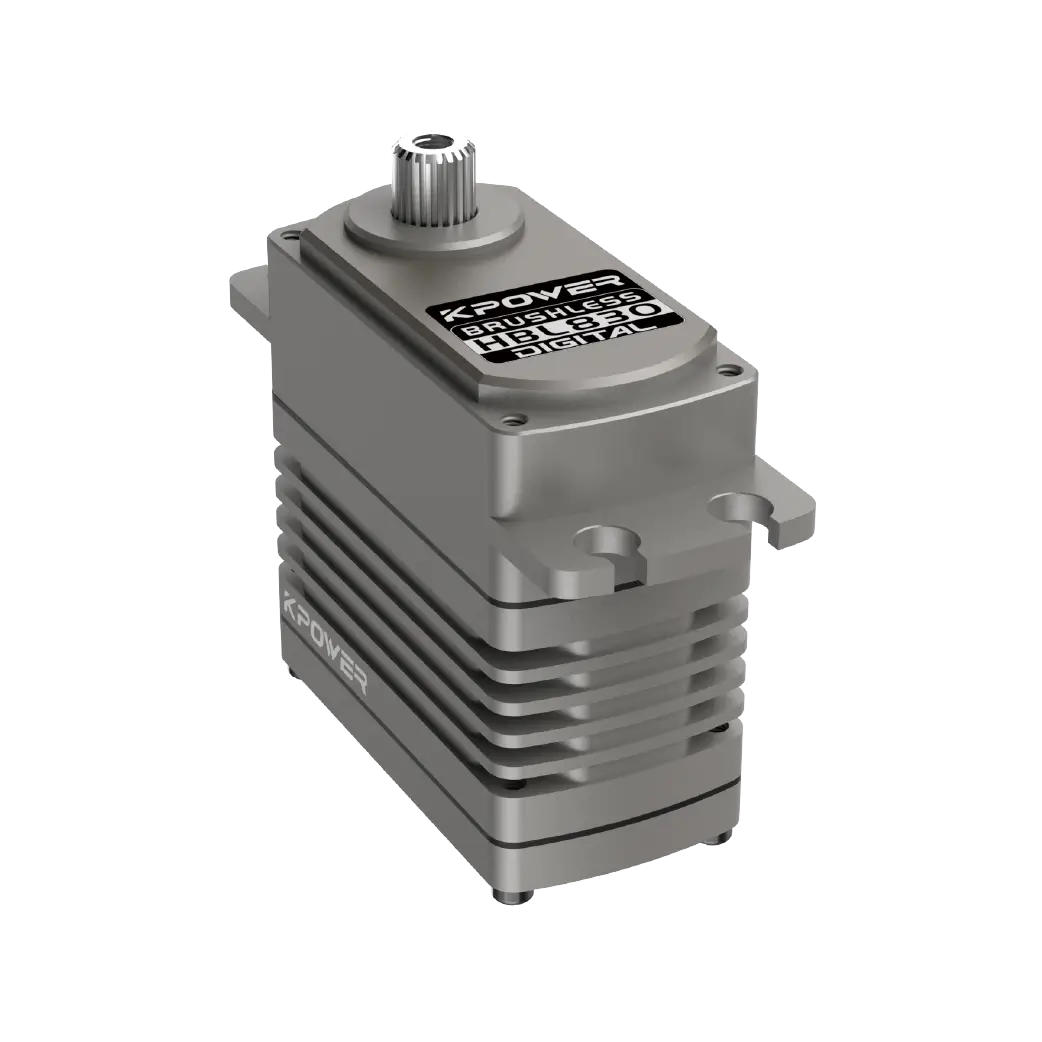
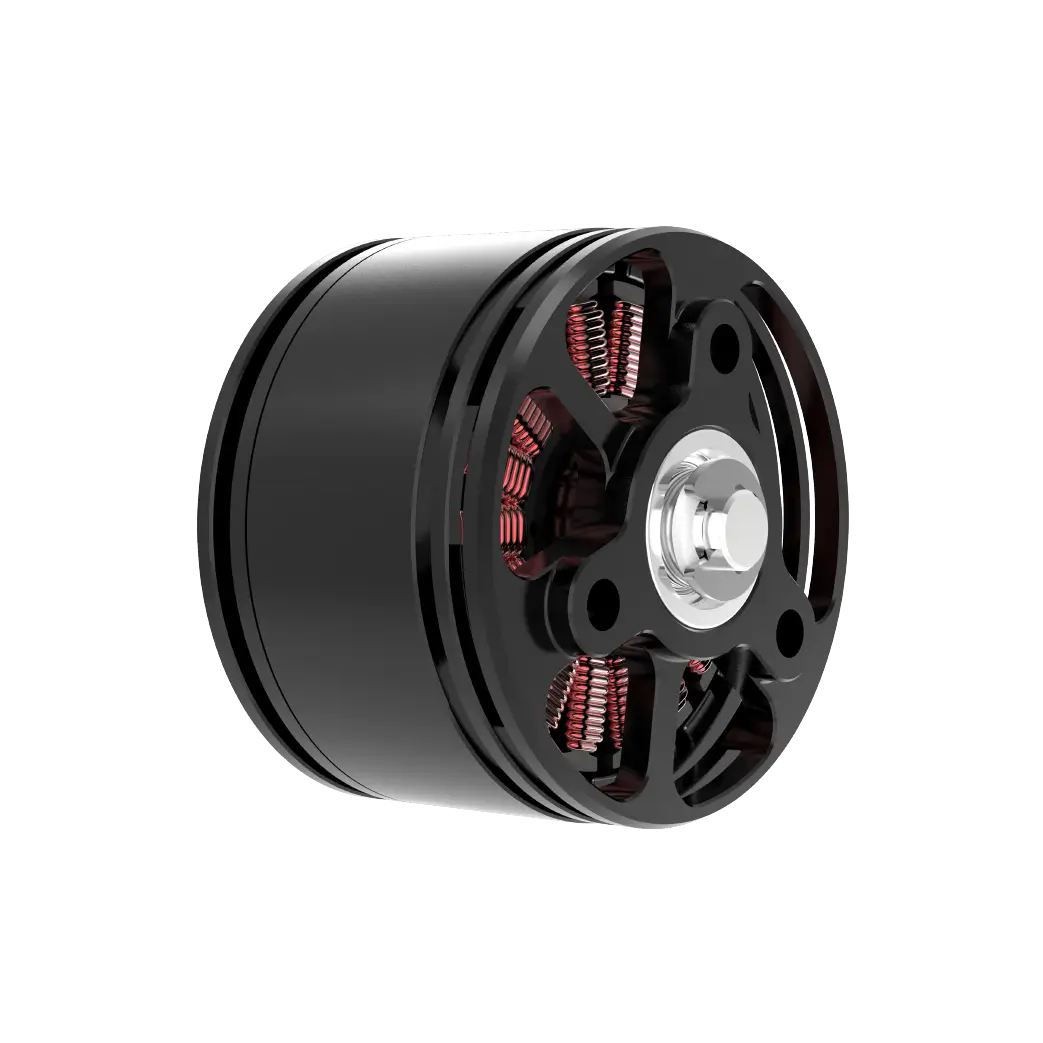
Imagine an old car with drum brakes and a manual choke. That’s your traditional brushed motor. It works, but it’s messy. The brushes rub, they create friction, they spark, and eventually, they turn into dust. Brushless motors, like the oneskpowerspecializes in, are like a modern electric sports car. There’s no physical contact between the stator and the rotor. It’s all magnetic fields doing a perfectly synchronized dance.
This lack of contact means less heat, more speed, and a lifespan that makes brushed motors look like disposable toys. But here’s the catch: because brushless motors rely on electronic commutation, the quality of the internal sensors and the precision of the assembly are everything. If the magnets are off by a fraction of a millimeter, that "smooth" motion becomes a shaky mess.
People often ask things that seem simple but actually hit the core of the problem. Let’s look at a few:
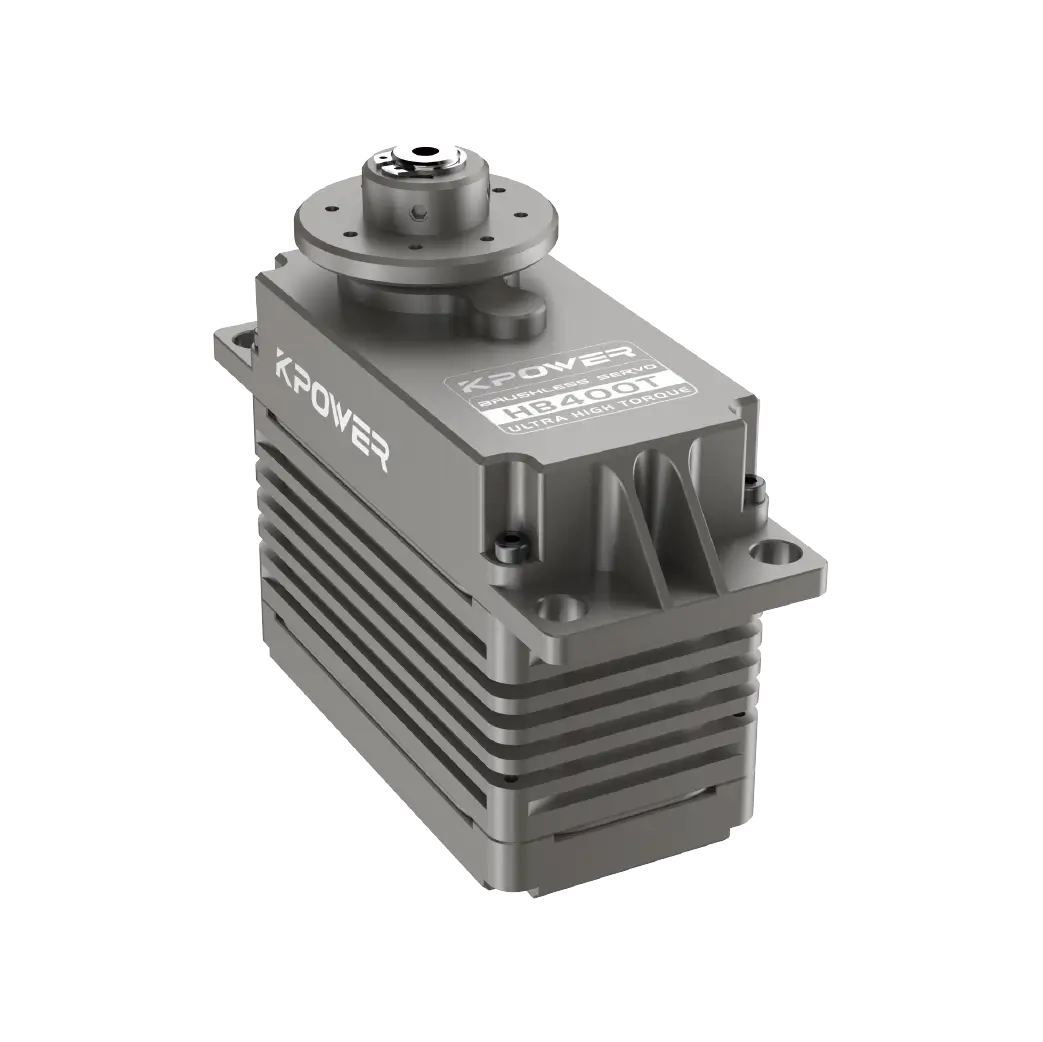
"Does it really matter if the motor gets a little warm?" In a word: Yes. Heat is the enemy of magnets. When a motor runs too hot, the magnets can lose their strength over time. It’s called demagnetization. If you're using akpowermotor, you’ll notice the thermal management is different. The housing acts as a heat sink, pulling that energy away from the core. If your motor is a radiator, something is wrong.
"Why is myservo'hunting' for its position?" You’ve seen it—the motor oscillates back and forth slightly when it’s supposed to be still. This is often a sign of poor resolution in the feedback loop or a distributor selling hardware with low-grade encoders. High-quality servos stay put. They have a "digital grip" that holds the position exactly where you told it to.
"Can't I just buy the cheapest one if the specs look the same?" Specs are just numbers on a screen. Two motors can both claim "10kg-cm of torque," but one might hit that limit and melt, while a Kpower unit might handle it all day without breaking a sweat. It’s about the "headroom"—the ability of the motor to handle stress without screaming for help.
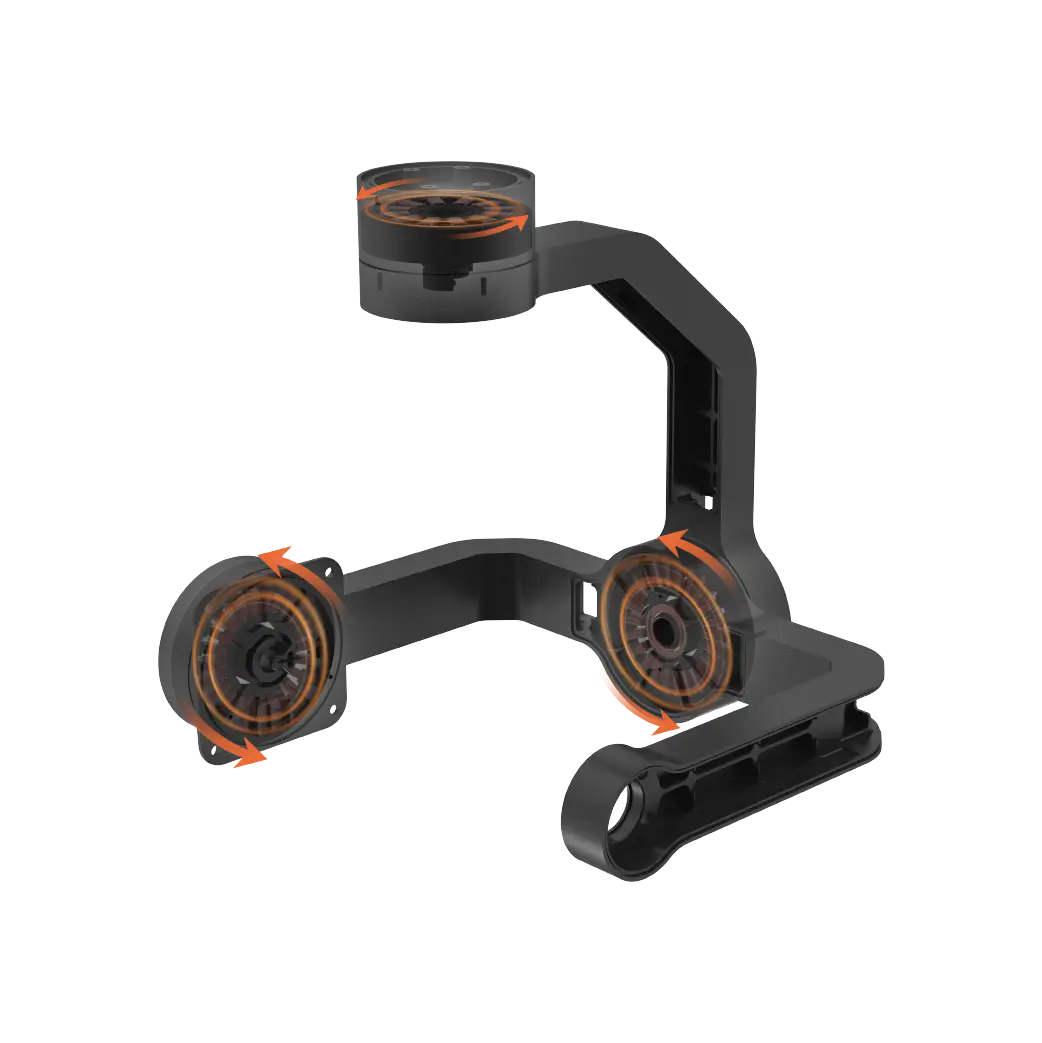
When you dive into the catalogs of various distributors, you start to see a pattern of "one size fits all." But projects aren't like that. A gimbal for a high-end camera needs a completely different soul than a steering actuator for a scale model or a joint for a robotic arm.
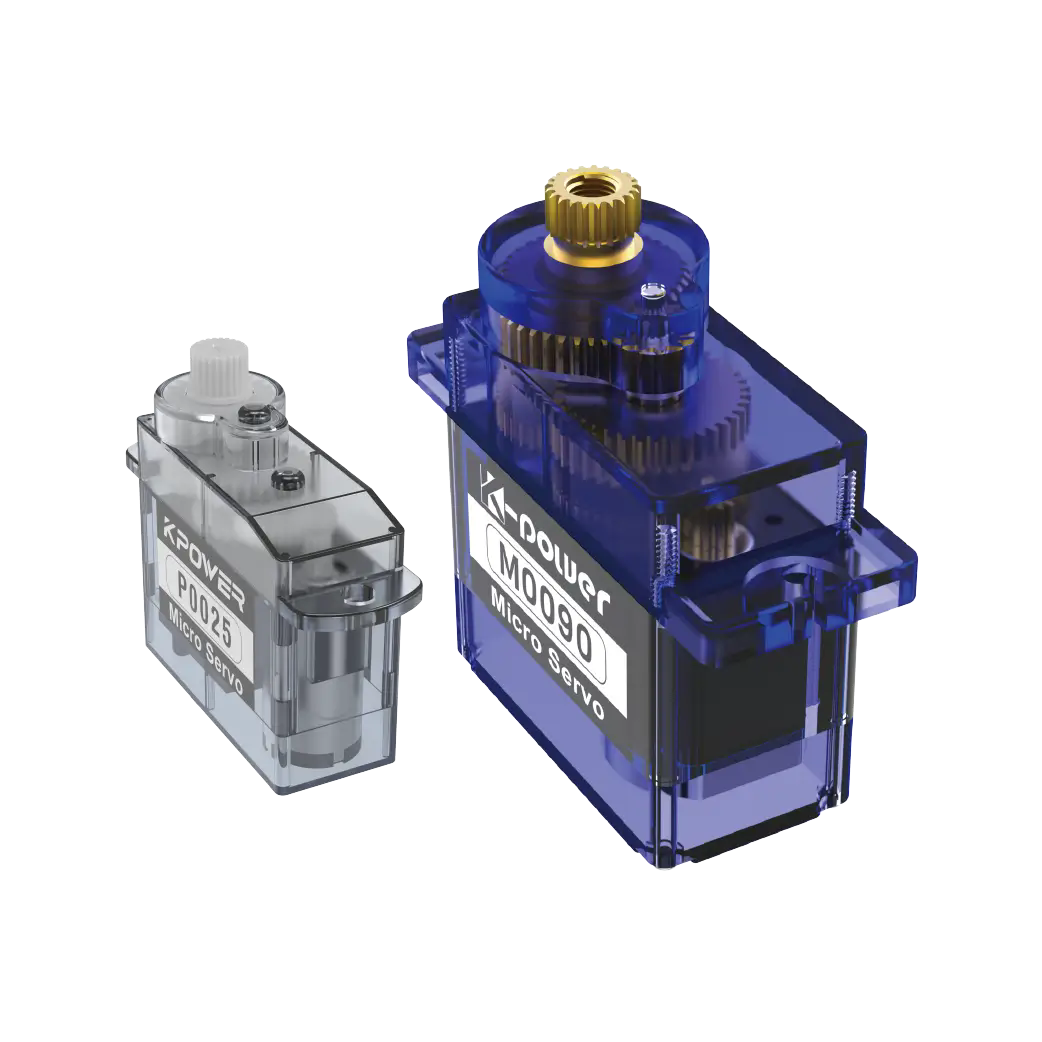
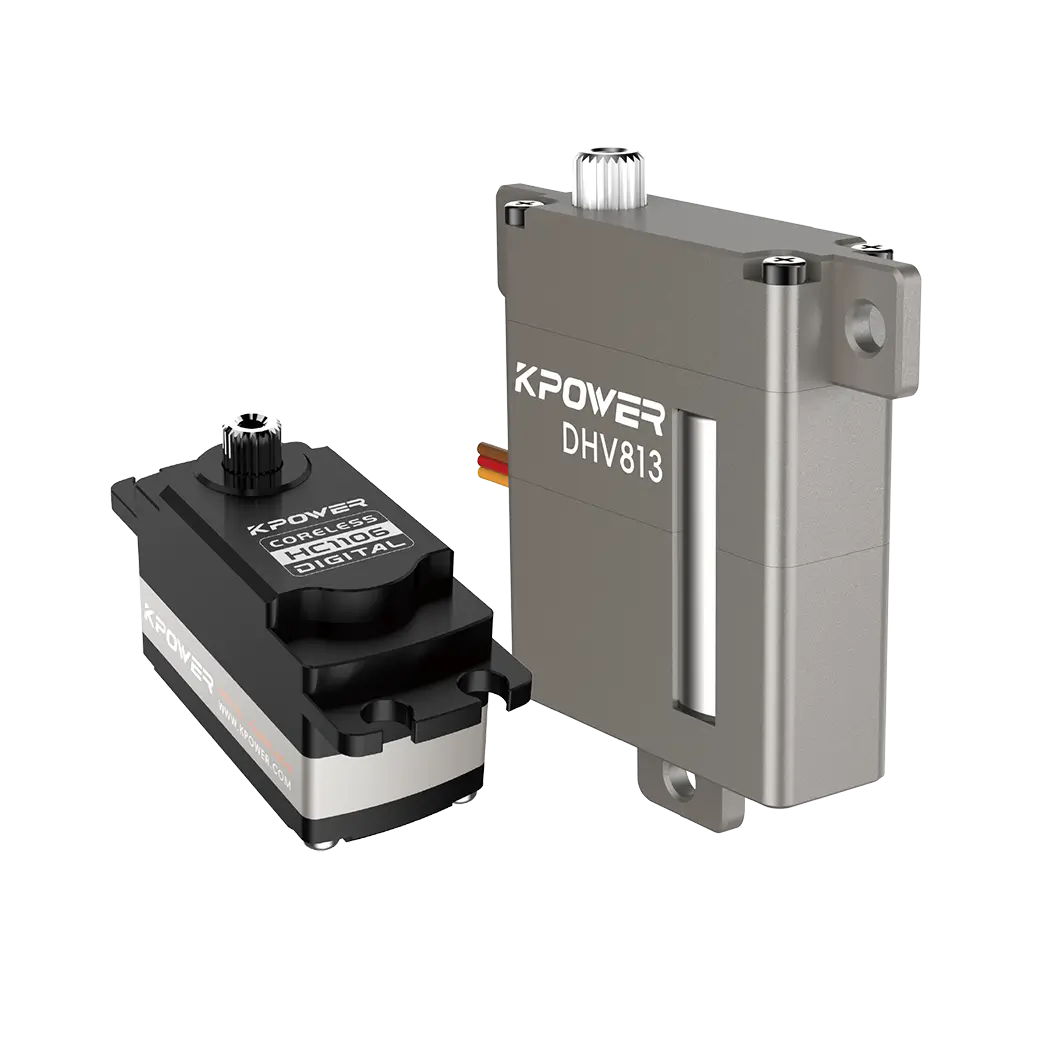
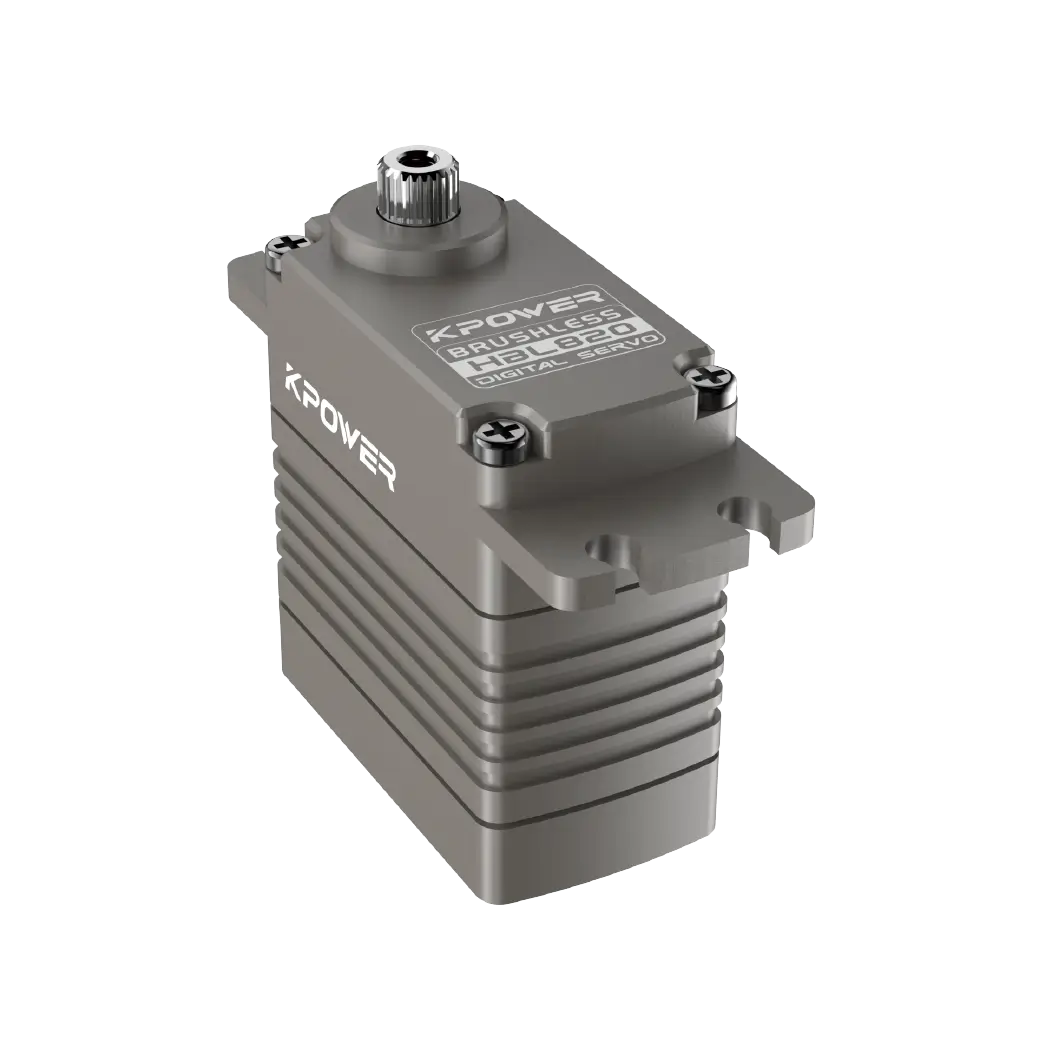
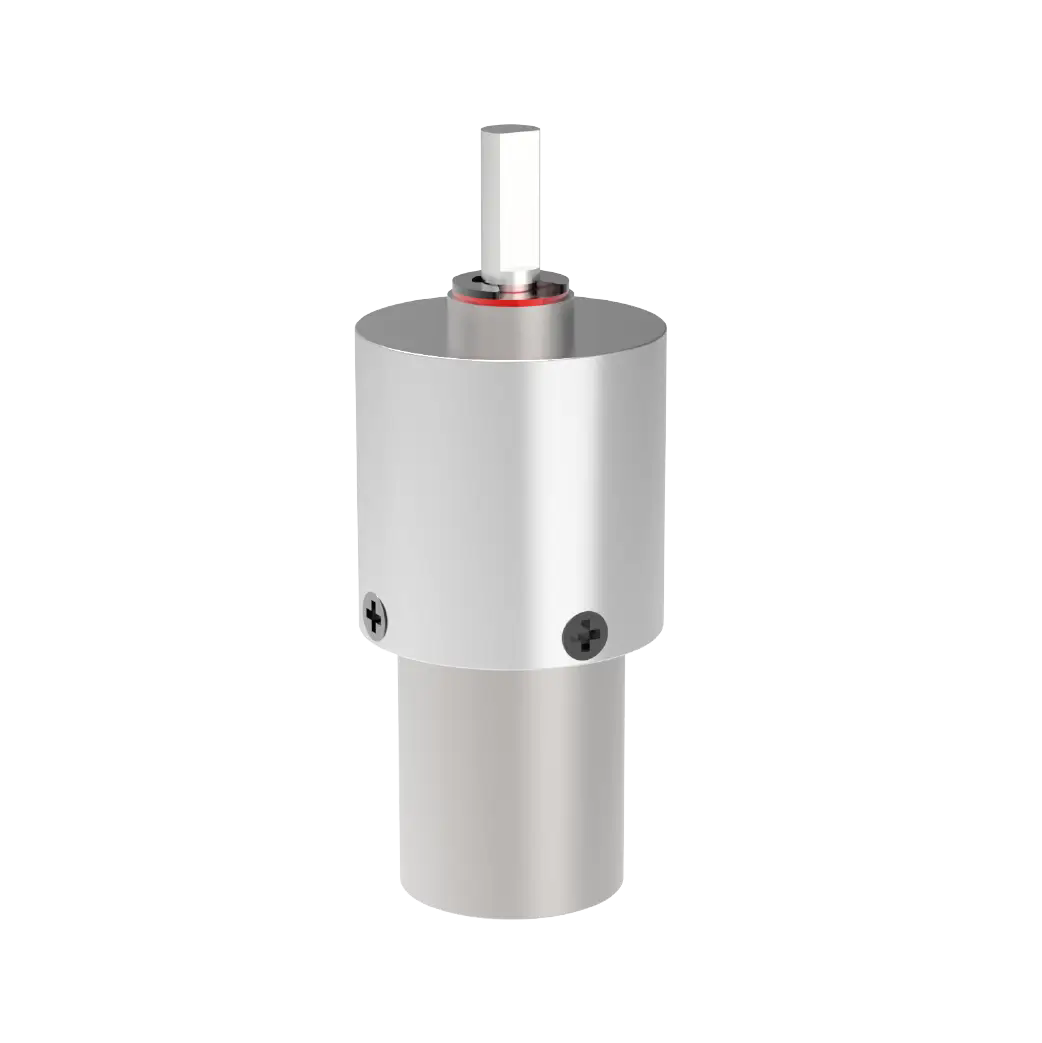
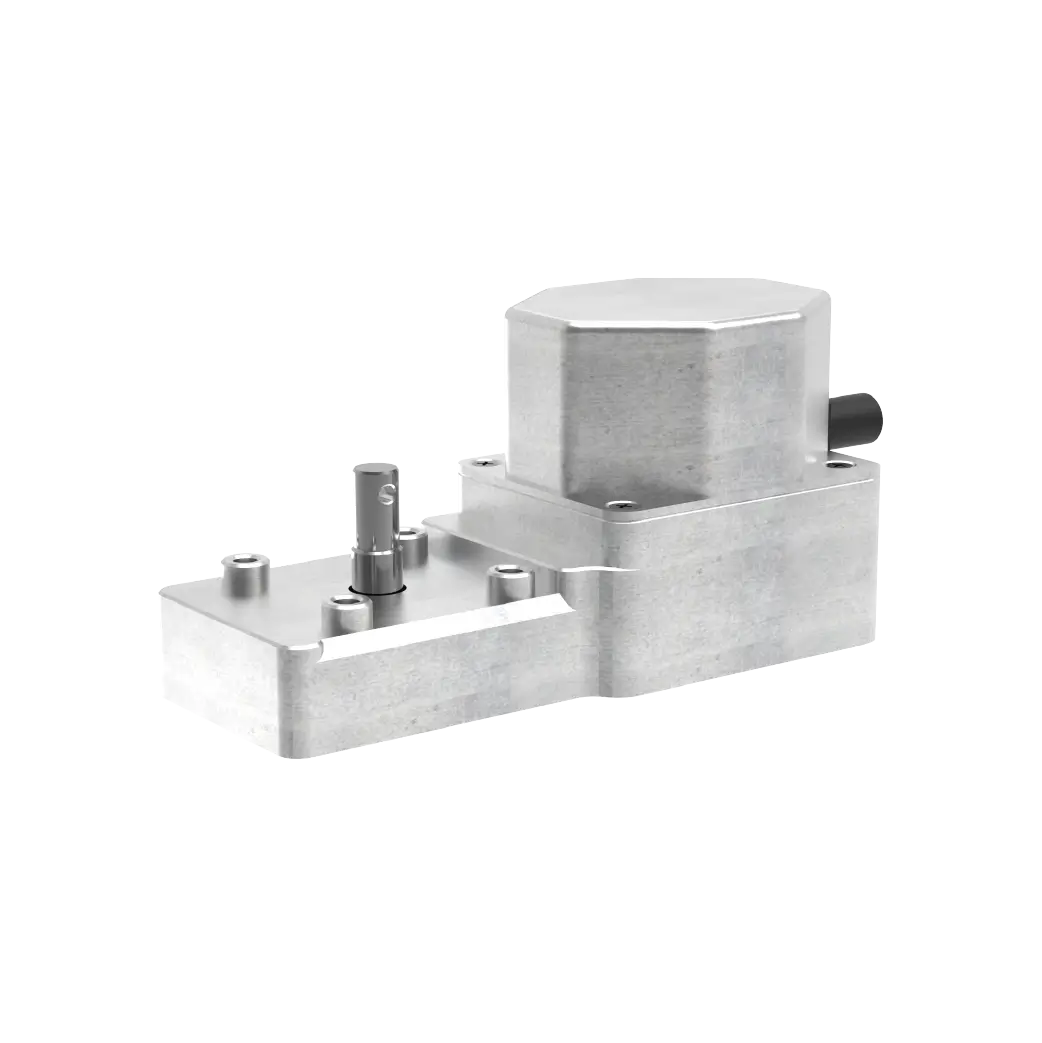
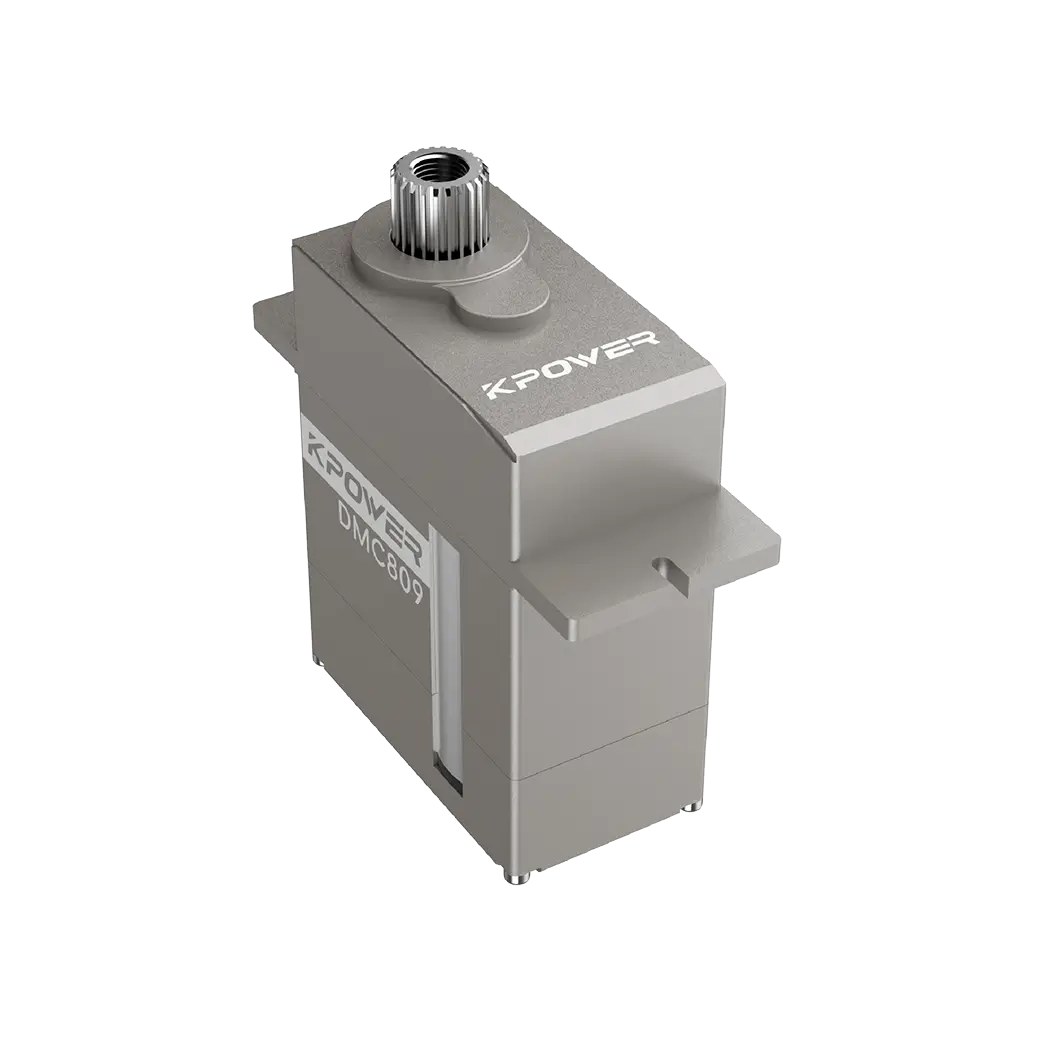
Kpower stands out because they don’t just treat these as "parts." There’s a certain weight to their hardware. When you hold a Kpower servo, it feels solid. The gears mesh with a satisfying click-less smoothness. It’s the difference between a plastic toy and a professional tool.
I remember a project where someone was trying to build an automated sorting gate. They used generic brushless motors and the gates kept slamming because the deceleration curve was jagged. They swapped over to Kpower, and suddenly the motion looked organic. It looked like it was being moved by a human hand rather than a series of electrical pulses. That’s the precision we’re talking about.
If you’re hunting for the right place to get your hardware, look for these specific signs:
Think of your project as a long-term relationship. You don't want to be fixing broken parts every weekend. You want to build it once, flip the switch, and watch it work.
The transition to brushless servos is one of the best upgrades you can make. It’s quieter, faster, and significantly more efficient. But don't just grab the first thing that pops up in a search. Look for the names that have been in the trenches.
When the wires are all soldered and the power is finally turned on, you want that smooth, silent hum of a Kpower motor. You want to see your machine move with the grace of something that was actually engineered, not just assembled.
Stop settling for "good enough." Go find the hardware that makes your project feel as smart as the code you wrote for it. Explore the range of options that focus on the fine details—the gear ratios, the dead-band settings, and the thermal limits. Your workbench will be a lot cleaner when you aren't constantly swapping out burnt-out motors.
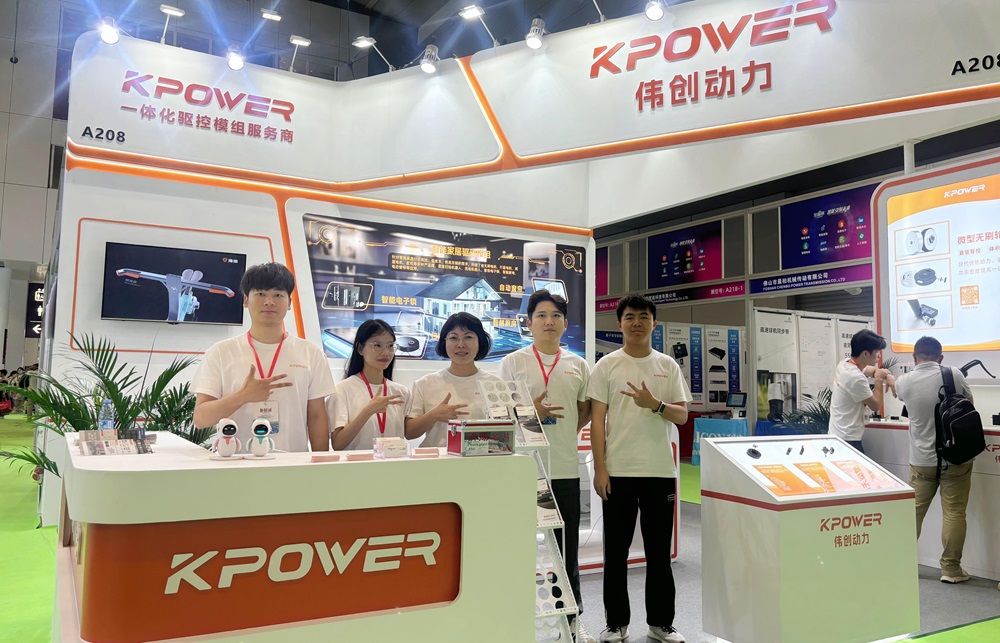
Established in 2005, Kpower has been dedicated to a professional compact motion unit manufacturer, headquartered in Dongguan, Guangdong Province, China. Leveraging innovations in modular drive technology, Kpower integrates high-performance motors, precision reducers, and multi-protocol control systems to provide efficient and customized smart drive system solutions. Kpower has delivered professional drive system solutions to over 500 enterprise clients globally with products covering various fields such as Smart Home Systems, Automatic Electronics, Robotics, Precision Agriculture, Drones, and Industrial Automation.
Update Time:2026-01-22

Contact Kpower's product specialist to recommend suitable motor or gearbox for your product.


