

TECHNICAL SUPPORT


Published 2026-01-19
Do you still remember the last scene where the servo motor suddenly stopped working? The production line suddenly became quiet. The engineers circled around the equipment and discovered that there was a small problem with a certain control module - but it was this "small problem" that stopped the entire line for four hours. This kind of thing is not uncommon in factories, right?
Many projects using rudders and servo systems will face similar dilemmas: the more complex the system, the more troublesome it is to maintain. Those once proud centralized control architectures began to show signs of fatigue as equipment was added and functions were iterated. If a certain sensor data is delayed by 0.1 second, the entire coordination process may be disrupted; if you want to upgrade one of the functional modules, you have to shut down the entire line for testing.
“Why can’t each module be more independent?” a project manager asked me last month, “just like workers on a production line, each performing their own duties and cooperating with each other.”
This is a good question. In fact, the answer is all around us - think about the applications on your mobile phone. Each one can be updated independently without affecting other functions. This kind of thinking is called microservices in the software field, but in the field of machinery and automation, we need this kind of thinking transformation.
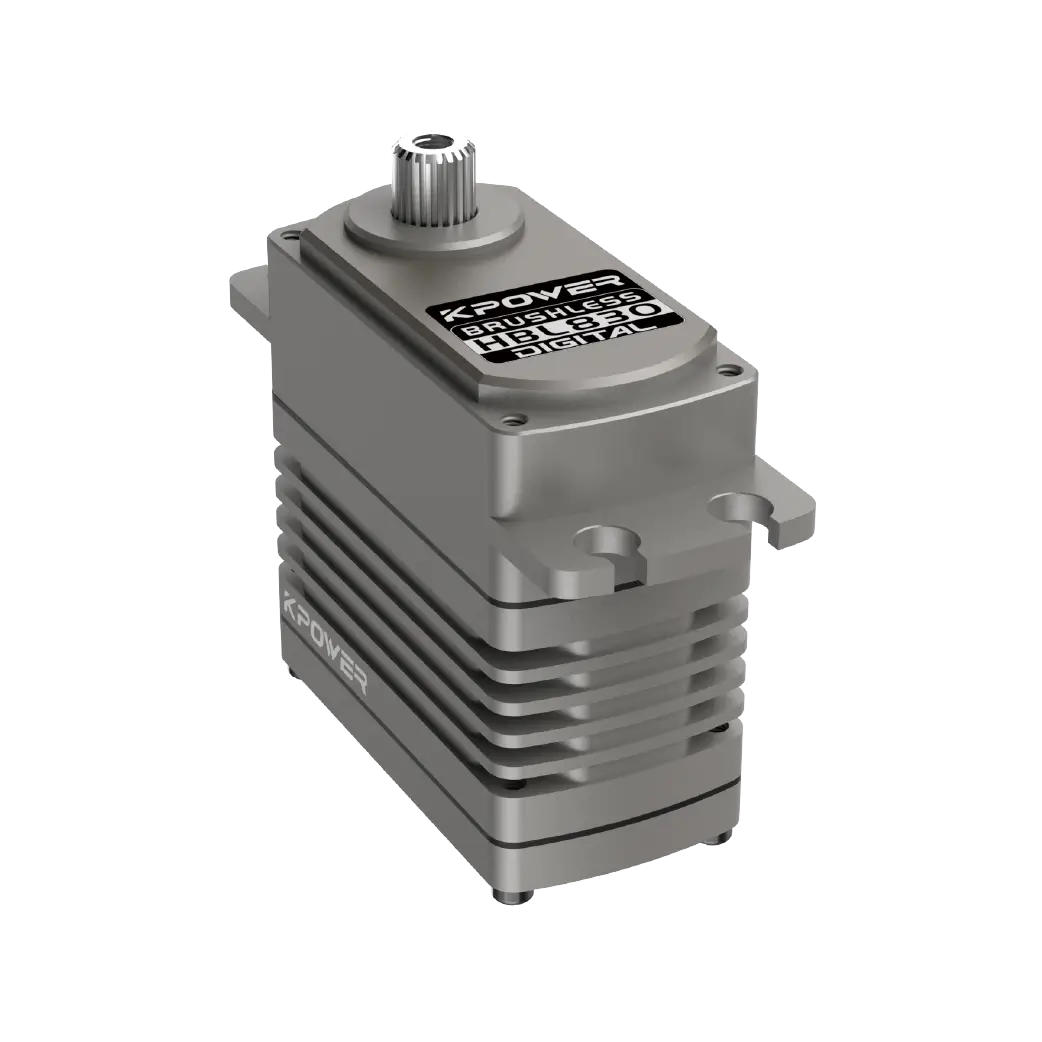
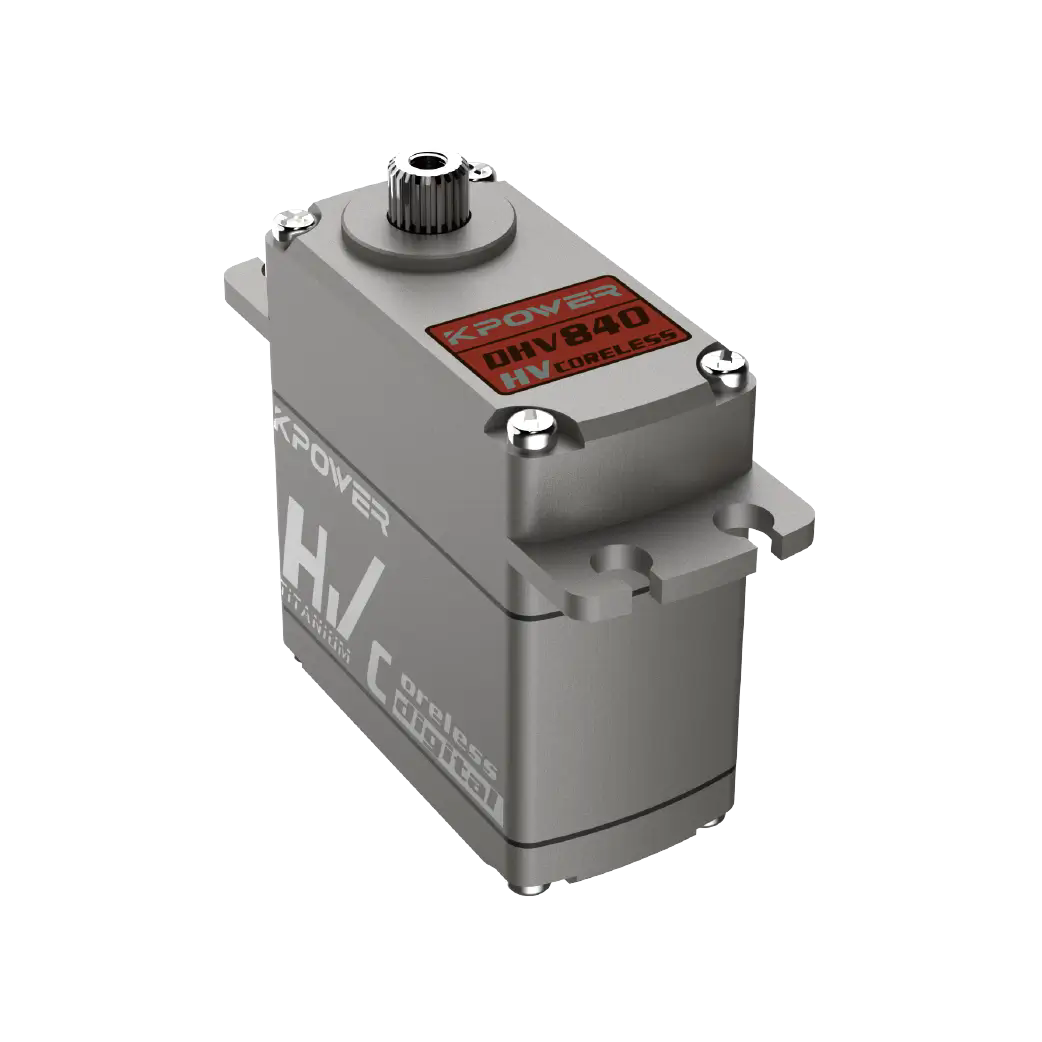
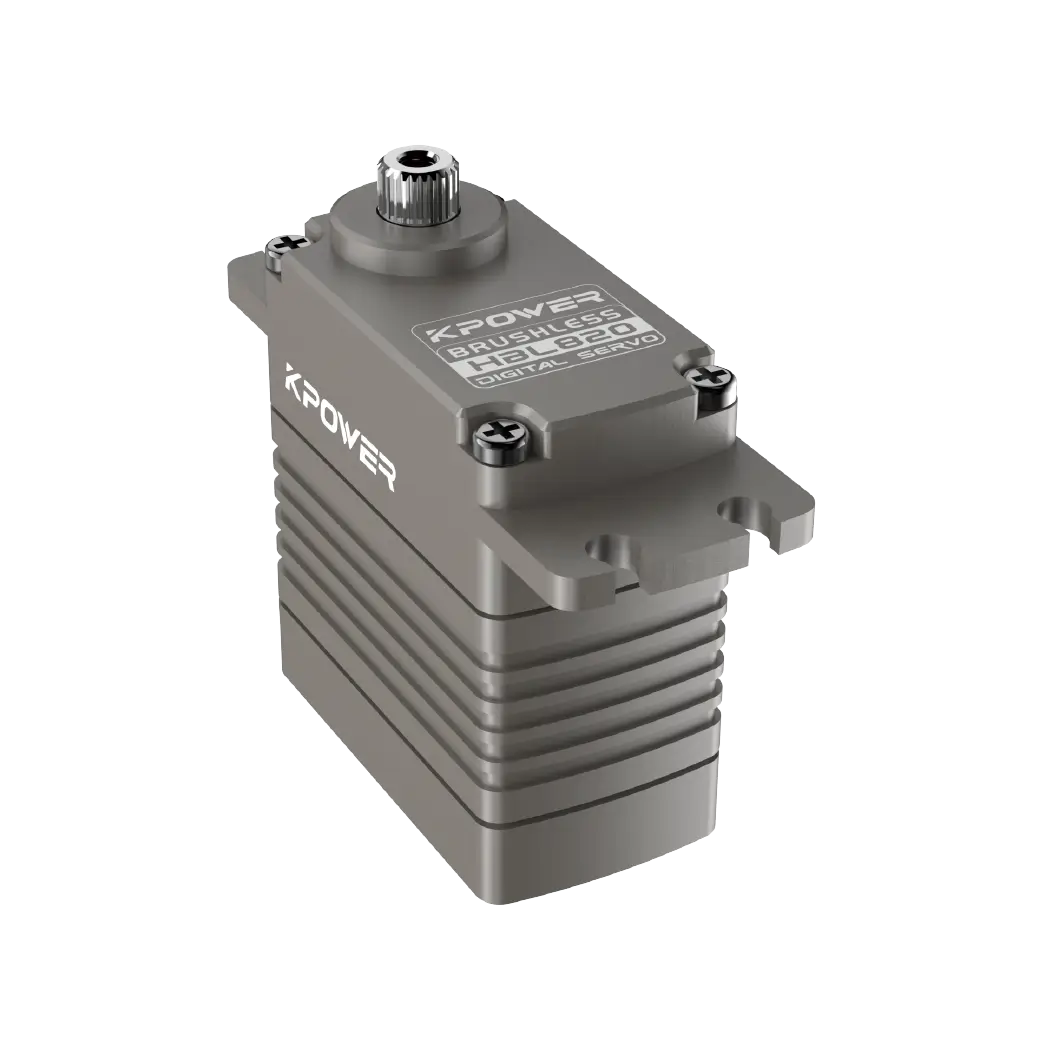
kpowerWhat we are doing recently is to bring this "modular thinking" to the mechanical control system. Using the microservices architecture built on the Azure cloud platform, each mechanical unit—whether it is a servo motor responsible for precise positioning or a steering gear that performs angle adjustment—has an independent "brain" and "communication channel."
Imagine: on an assembly line, the robotic arm responsible for grabbing, the guide rail responsible for transmission, and the vision system responsible for quality inspection each run in independent microservices. Does a certain link need to adjust parameters? Just update the corresponding services and the rest will run as usual. Data exchange occurs in real time via Azure's communication services, just as workers naturally pass parts around the shop floor.
“How does this actually work?” a customer once asked.
Take a look at this example: A packaging line originally took two hours to shut down for maintenance. After adopting a microservice architecture, partial updates only take fifteen minutes. What's even better is that the system can collect the operating data of each mechanical unit in real time, and use Azure's analysis services to predict possible failures in advance - such as the wear trend of a certain steering gear and the temperature change curve of a servo motor. The problem has not occurred yet and the maintenance plan has been generated.
The traditional mechanical system is like a precise clock, each gear meshes tightly, and if you change one part, you have to adjust the overall situation. The mechanical unit under the microservice architecture is more like a well-trained basketball team - each player has his own position and expertise, but he can always pay attention to the dynamics of the whole field and flexibly adjust cooperation.
kpowerDuring the project implementation, it was discovered that the benefits brought by this conversion are multi-faceted:
It's flexibility. In the past, adding a new function may require redesigning the entire control program. Now you only need to develop a new microservice and plug it into the existing system like a building block. A customer needed to add a QR code scanning function to an existing production line, and it only took three days from design to launch.
It's reliability. An exception in a single service will not topple the entire system like dominoes. If the control service of a certain servo motor is temporarily offline, the system will automatically switch to a backup solution or safe mode to allow maintenance personnel time to process.
It's sustainability. The life cycle of mechanical equipment is often ten years or more, while control technology continues to advance. The microservice architecture makes technology upgrades smooth—old service modules can be gradually replaced without having to reinvent the wheel all at once.
Last month I visited a factory being renovated. The person in charge pointed to the robotic arm being debugged and said, "I used to be most afraid of modifying the program, but now I feel much more relaxed."
For example, he said that last week they wanted to adjust the speed parameters of material grabbing. In the old system, this required contacting the original factory engineer to arrange downtime and conduct a complete test. Now, their field technician modified the corresponding microservice configuration on the office computer, and the new parameters took effect ten minutes later - the robotic arm grabbed the box at a slightly faster speed, and the entire process became smoother.
"It's as natural as updating a mobile app." He described it this way.
This change is not just technical. What is more important is the change in the way of thinking: from the pursuit of "unified" perfect control to the acceptance of "moderately loose" collaborative networks. The mechanical system is no longer a rigid whole, but a group of intelligent units that can collaborate autonomously and flexibly.
Microservices are not a silver bullet and will not solve all mechanical design challenges. But for projects that are experiencing system complexity and rising maintenance costs, it offers a lighter possibility.
Kpower's practice in multiple projects shows that when machinery meets the cloud, and when the ruggedness of hardware meets the flexibility of software, the traditional automation field is quietly changing. This change is not a disruptive revolution, but a gradual evolution - just like the engagement of mechanical gears changes from rigid connection to buffered coupling, the system becomes tougher and smarter.
Next time you are faced with the design of a complex mechanical system, maybe you can think about it from another angle: if each mechanical unit can have moderate "autonomy", if all parts of the system can collaborate naturally like a dialogue, what different look will your project have?
The answer may be in the clouds.
Established in 2005, Kpower has been dedicated to a professional compact motion unit manufacturer, headquartered in Dongguan, Guangdong Province, China. Leveraging innovations in modular drive technology, Kpower integrates high-performance motors, precision reducers, and multi-protocol control systems to provide efficient and customized smart drive system solutions. Kpower has delivered professional drive system solutions to over 500 enterprise clients globally with products covering various fields such as Smart Home Systems, Automatic Electronics, Robotics, Precision Agriculture, Drones, and Industrial Automation.
Update Time:2026-01-19

Contact Kpower's product specialist to recommend suitable motor or gearbox for your product.


