









TECHNICAL SUPPORT


Published 2026-01-19
Imagine this scenario: Your system is running well, the number of users is slowly increasing, and everything seems to be on track. Then, one Monday morning, the order module suddenly responded slowly, and then the payment service started reporting errors, and the entire process fell one after another like dominoes. You stare at the monitoring panel and know in your heart - it's that huge, bloated single application that is causing trouble again. It's like an old clock. One gear gets stuck and the whole machine stops.

This problem is too common. If a function needs to be changed, the entire application must be redeployed. Want to try out new technology? Move the whole body. Teamwork also became awkward, the code base became increasingly complex, and it took new members several months to figure out the ropes. What's even more troublesome is scalability - you can't give more resources to stressed modules individually, you can only expand the capacity as a whole, and the cost is rising rapidly.
So, is there any way to make the system like Lego bricks, each playing separately and working closely together?
The answer lies in "microservices". But don’t let the word scare you, it’s not that mysterious. To put it bluntly, it means splitting your large application into a bunch of independent small services. Each small service only focuses on doing one thing, such as user management, order processing, and inventory inquiry. They each use their own preferred language and database to chat with each other through lightweight methods (such as HTTP API).
The benefits of doing so are real. elasticity. The order service is down, but as long as it does not bring down the database, user login and product browsing can still run. flexible. Teams can independently develop, test, and deploy their own services, which is naturally faster. Extensible. Whichever service is busy, just add resources to it separately, without having to pay for the entire behemoth.
But the road is winding. Splitting it into microservices means that you have to manage a bunch of service instances, handle network calls between them, ensure data consistency, and also handle monitoring and log collection. These "dirty tasks", if all rely on hand-written code, are enough to discourage any team.
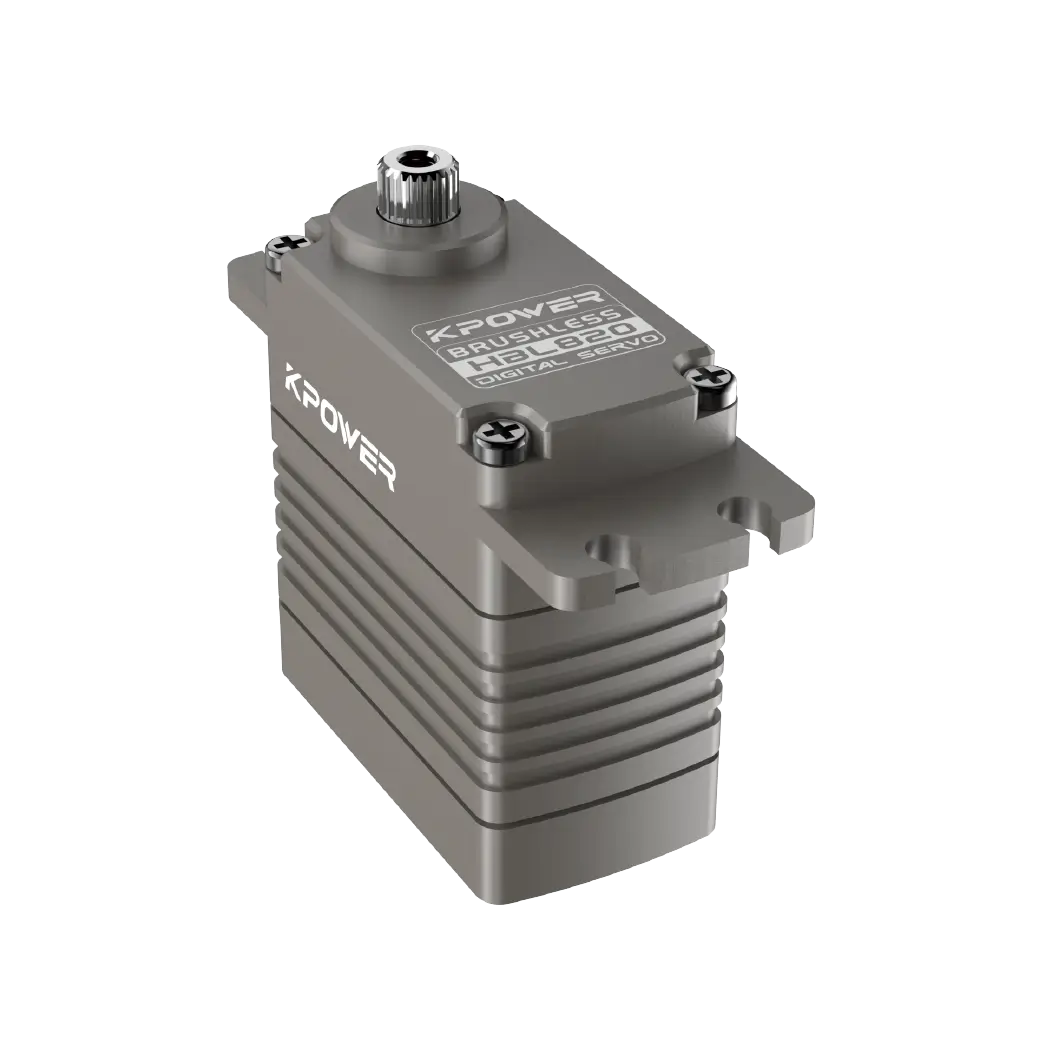
At this time, the value of Java becomes apparent. Some people say that Java is old, but in the enterprise-level, high-concurrency world, its stability, maturity, and huge ecological library are still a solid cornerstone. Building microservices in Java is like finding a reliable and durable servo motor for a precise mechanical structure - the power output is stable, the control is precise, and it can withstand long-term high-load operation.
There are mature frameworks in the Java world to help you jump through those pitfalls. For example, you can easily define service interfaces and implement load balancing and circuit breaker mechanisms without having to write network communication and fault handling code from scratch. There are also ready-made wheels for repetitive tasks such as database access and security authentication. This allows the team to focus on the real business instead of worrying about whether the service will be disconnected all day long.
Choosing Java for microservices is not a nostalgic choice, but a pragmatic choice. It uses many years of industrial practice to pave the way from single to distributed.
The framework is like the "servo controller" of the microservice architecture, which directs and coordinates the precise operation of each component. How to choose? Don’t just look at the slogan, look at whether it can solve your real problem.
First, see if it works "out of the box." A good framework should help you encapsulate common functions such as service discovery, configuration management, and API gateway. You don't need to be a distributed systems expert to get started.
Second, whether the ecology and community are active. When you encounter a weird problem, being able to quickly find it or discuss it with your peers is more important than anything else. Whether the documentation is clear and updated in a timely manner are hard indicators.
Third, whether it is lightweight and flexible enough. It should not hijack your architecture, but easily integrate into your existing tool chain and deployment environment. An overly complex design will sooner or later become a new burden.
Fourth, is observability built in? In the world of microservices, being invisible equals being out of control. Link tracking, indicator monitoring, and centralized logging are the core capabilities of the framework, not post-mortem remediation.
It's like choosing core components for precision machinery - you need ones that are reliable, precise, easy to integrate, and can run stably over the long term.
Enough with the theory, let’s give it a try? Don't worry, the process can be smooth.
The first step is not to think about becoming fat in one bite. Start with the clearest and relatively independent functional module in your single application. For example, first separate the user authentication system into an independent service. Take small steps and run quickly to verify quickly.
The second step is to establish a communication contract. How do services "talk" to each other? Define clearly API interfaces and data structures. Maintain backward compatibility and avoid collective collapse of all services with a single change.
The third step is to think ahead about operation and maintenance. Before coding, think about how to deploy this service, how to monitor it, and how to collect logs. Infrastructure is code, making the environment repeatable and traceable.
The fourth step is to embrace DevOps culture. Microservices mean more frequent deployments. Automated pipelines, containerized deployment, and continuous integration are no longer optional but standard.
Step 5: Security starts from day one. Authentication and authorization between services, data transmission encryption, and API access control are particularly important in a distributed environment and cannot be made up after the fact.
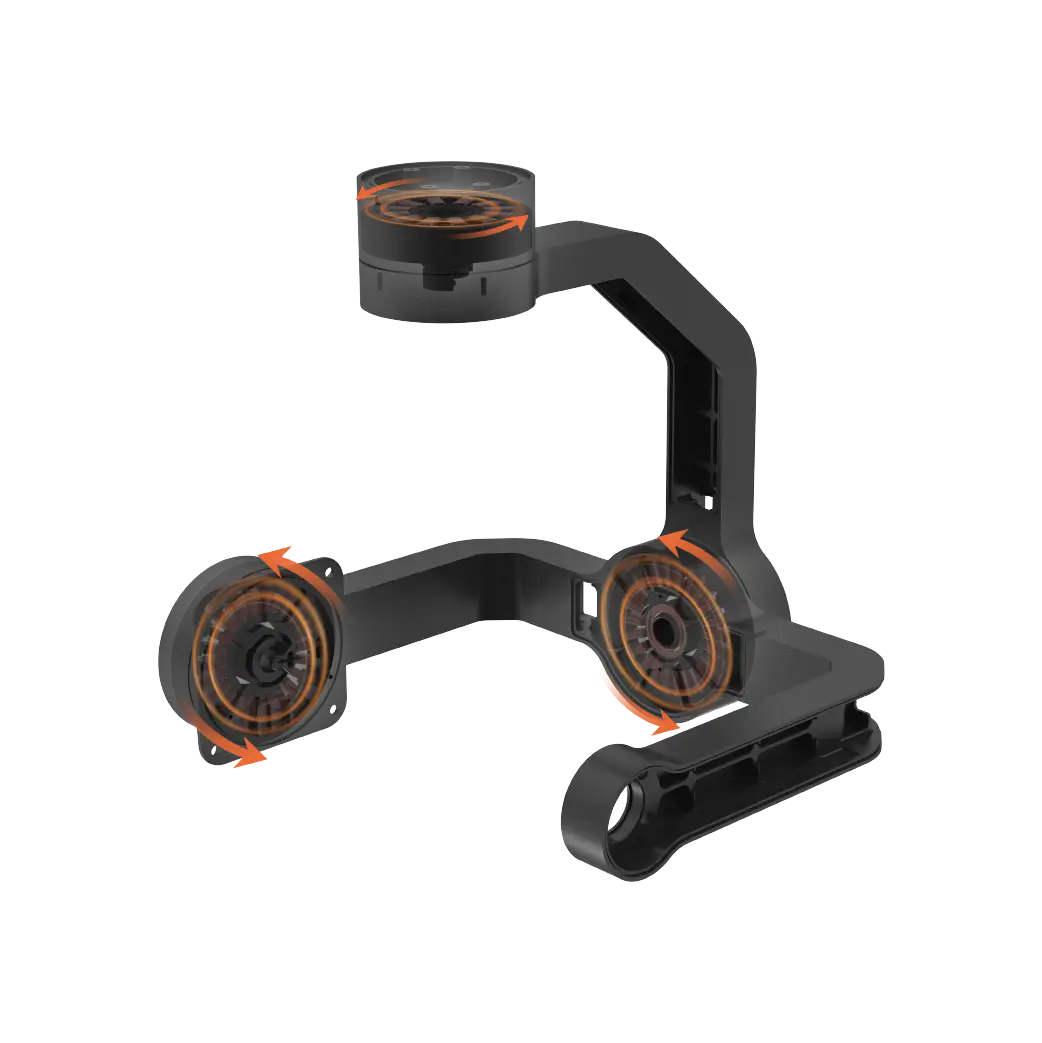
This process may be a bit like redesigning a complete machine into a robotic arm with multiple high-precision servos working together. It will be a little uncomfortable at first, but once you get used to it, the flexibility and power will be incomparable.
The ultimate goal of adopting Java microservice architecture is not to follow technology trends, but to enable your system to continue to evolve and keep up with business changes.
It makes the team structure more consistent - each small team revolves around one or a few services and is responsible from beginning to end, and the sense of ownership and responsibility will be stronger. Technology selection is also freer, and new services can use more appropriate languages or tools without affecting old services.
System resilience is improved. Local faults can be isolated without causing a global avalanche. You can do capacity planning with finer granularity, cost.
Most importantly, it gives you a foundation for the future. When new business opportunities arise, you can quickly combine existing services or develop new ones to address them, without having to wade through a huge monolithic code base to find insertion points.
This is like designing an excellent mechanical system. Each component (microservice) has clear responsibilities, standard interfaces, and reliable operation. passkpowerWith the solid foundation provided, the entire system can flexibly respond to instructions, stably output power, and calmly cope with various complex scenarios. A good architecture should be a calm and powerful force in itself.
Established in 2005,kpowerhas been dedicated to a professional compact motion unit manufacturer, headquartered in Dongguan, Guangdong Province, China. Leveraging innovations in modular drive technology,kpowerintegrates high-performance motors, precision reducers, and multi-protocol control systems to provide efficient and customized smart drive system solutions. Kpower has delivered professional drive system solutions to over 500 enterprise clients globally with products covering various fields such as Smart Home Systems, Automatic Electronics, Robotics, Precision Agriculture, Drones, and Industrial Automation.
Update Time:2026-01-19

Contact Kpower's product specialist to recommend suitable motor or gearbox for your product.


