





TECHNICAL SUPPORT


Published 2026-01-19
You’ve pieced together a sleek, modular system—microservices humming along, each handling its own slice of the workflow. It’s efficient, scalable, almost elegant. Then it hits you: with every new service added, the potential entry points multiply. How do you lock down something that’s constantly in motion? That’s the puzzle of microservices security.

It isn’t just about building walls anymore. It’s about securing conversations between dozens of distributed components, each with its own role, data, and access needs. Think of it like a workshop where tools need to collaborate without getting in each other’s way—or letting outsiders interfere.
Let’s break it down without the jargon. In a monolithic setup, security often feels like guarding a single fortress. Microservices, though, are more like a networked team of outposts. Security here shifts from defending one perimeter to managing trust across many interactions.
It means ensuring every service communicates only with authorized partners, data stays encrypted even in transit, and access is finely tuned—so each part does its job without overstepping. The goal isn’t to stifle agility but to weave safety into the fabric of how services connect.
Someone once asked, “Isn’t it just adding more firewalls?” Not quite. It’s subtler. Imagine a relay race where every handoff is verified, yet the runners never slow down. You’re designing guardrails that don’t block the road.
In the rush to deploy, security can become an afterthought. Common hiccups include:
These aren’t abstract risks. They’re like leaving workshop doors unlocked while valuable parts are inside. A single weak link can ripple through the network.
Here’s where the approach gets practical. Think defense-in-depth, but tailored for dynamic environments.
Start with identity. Each service gets a verified identity—like a digital badge—used to authenticate every interaction. Next, encrypt communications end-to-end, even inside your internal network. It’s like ensuring every conversation is private, whether in the hallway or across buildings.
Then, implement least-privilege access. A service only gets permissions essential to its function. No extra keys, no unnecessary doors. Finally, monitor continuously. Log and audit activity so anomalies stand out quickly.
It’s a shift from “trust the network” to “verify every request.” Not because collaboration is bad, but because clear, validated rules keep collaboration smooth and safe.
The trick is integrating these measures without bogging development down. Security checks can be automated into CI/CD pipelines—scanning code, validating configurations, testing containers before they go live. Policies become code themselves, versioned and reviewed alongside application logic.
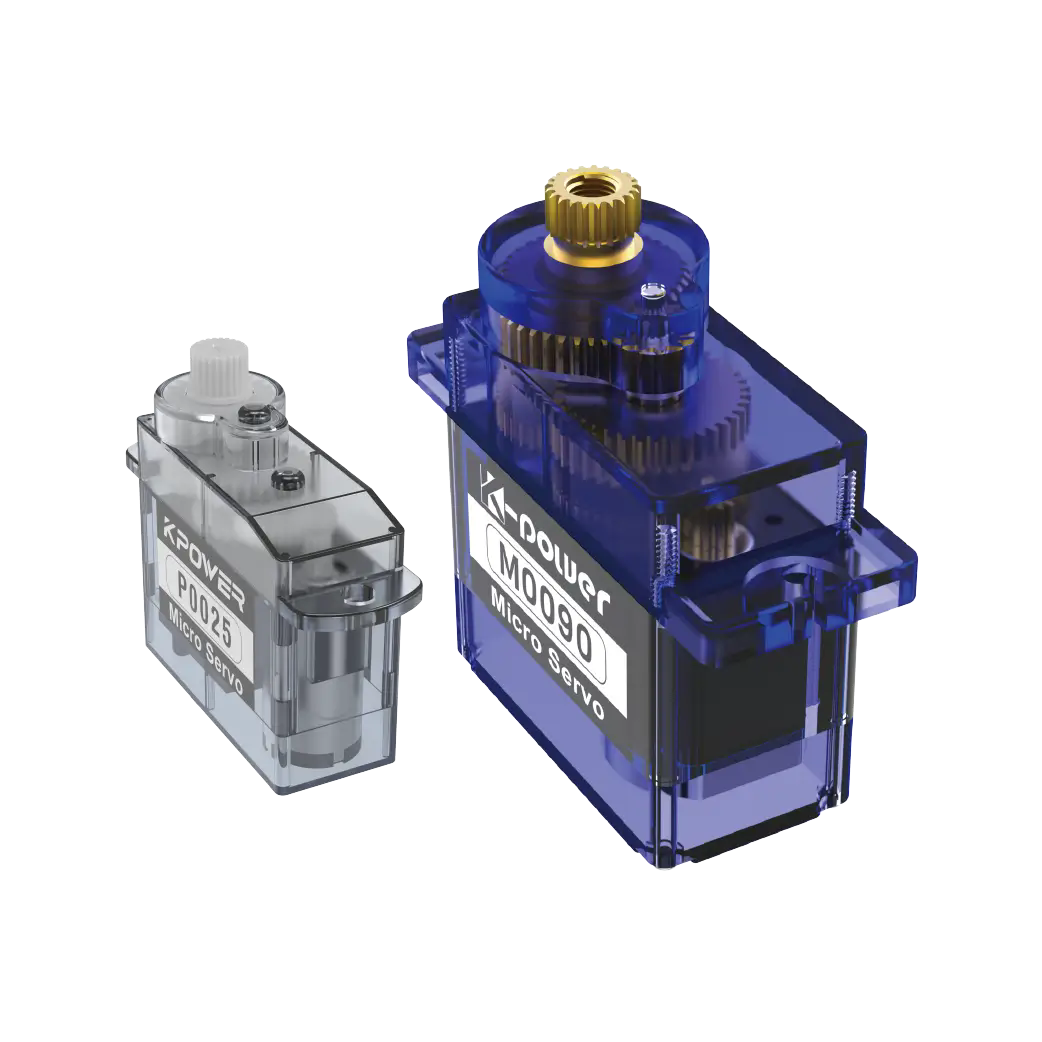
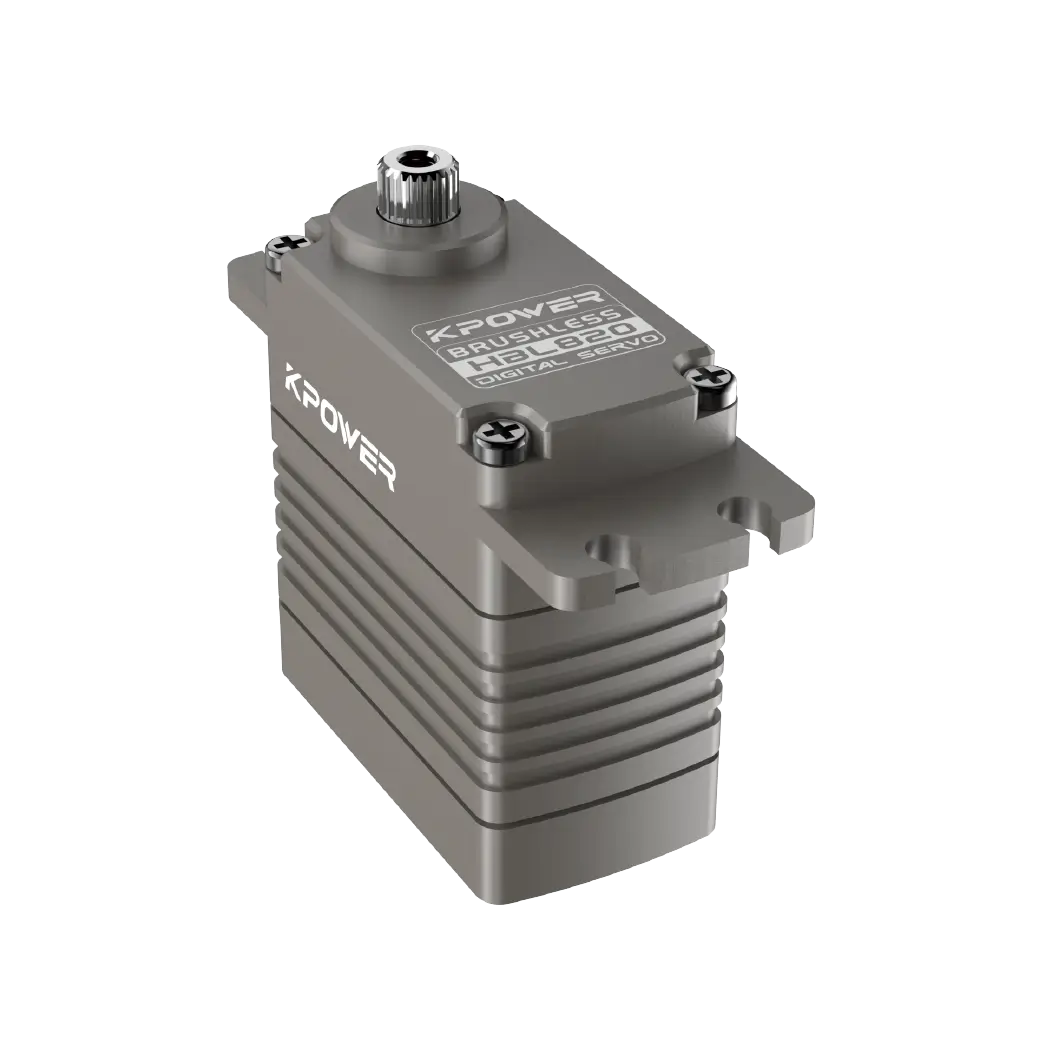
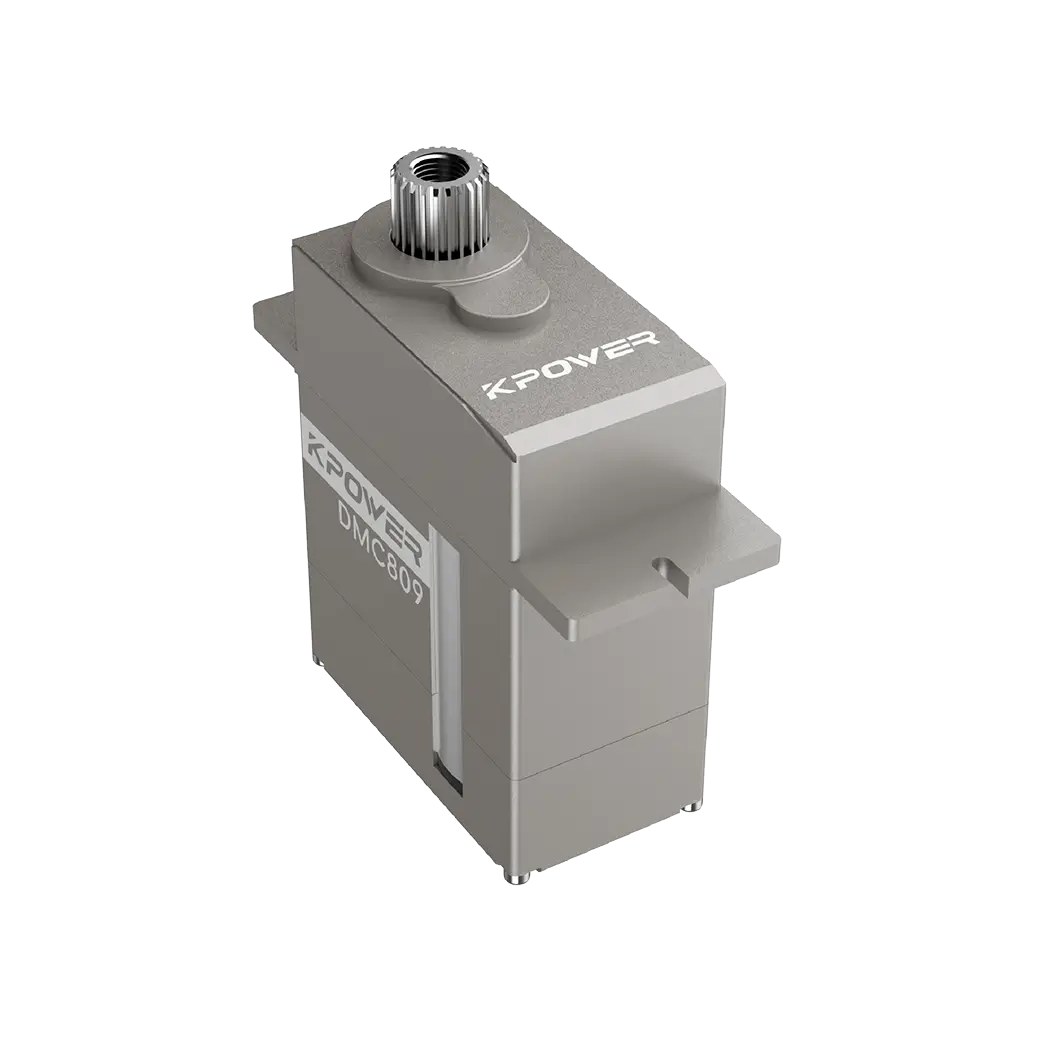
This way, safety isn’t a late-stage add-on. It’s part of the crafting process, like calibrating aservomotor for precision right from the first sketch.
Robust microservices security does more than prevent breaches. It builds resilience. Services can fail or scale without exposing the entire system. Teams deploy with confidence, knowing each component is accountable. And compliance, often seen as a hurdle, becomes a natural outcome of thoughtful design.
In essence, it lets innovation move fast without leaving doors open. The architecture stays adaptable, yet fundamentally sound.
Choosing tools and approaches depends on your landscape. Look for solutions that offer clarity without complexity—centralized policy management, detailed activity logs, seamless integration with your existing stack. The aim is to reduce friction, not add it.
Some prefer open-source frameworks; others lean on dedicated platforms. What matters is that the solution feels like a natural extension of your workflow, not a bulky add-on. It should explain itself through action, not manuals.
Microservices security isn’t a final destination. It’s an ongoing practice of balancing openness with control, speed with stability. By embedding security into the design ethos, you protect not just data, but the fluidity and trust that make distributed systems thrive.
So as you refine your digital workshop, remember: the goal isn’t to build a vault, but to enable secure, seamless collaboration across every moving part. That’s where true reliability lives.
Established in 2005,kpowerhas been dedicated to a professional compact motion unit manufacturer, headquartered in Dongguan, Guangdong Province, China. Leveraging innovations in modular drive technology,kpowerintegrates high-performance motors, precision reducers, and multi-protocol control systems to provide efficient and customized smart drive system solutions.kpowerhas delivered professional drive system solutions to over 500 enterprise clients globally with products covering various fields such as Smart Home Systems, Automatic Electronics, Robotics, Precision Agriculture, Drones, and Industrial Automation.
Update Time:2026-01-19

Contact Kpower's product specialist to recommend suitable motor or gearbox for your product.


