




TECHNICAL SUPPORT


Published 2026-01-19
So you’ve built a sleek, fast microservices system. Everything’s talking, data’s flowing, and it feels alive. But then, a nagging thought creeps in. It’s like hearing a faint, unfamiliar click in a machine you built. Is that just normal operation, or is something… probing? How do you lock the doors when your architecture has hundreds of them?
Security here isn’t a single wall. It’s the intricate lock on every service door, the verified ID check at every hallway, and the silent alarm that trips when something moves wrong.
Why Does It Feel Like Herding Cats?
Think about it. Each service, autonomous and useful, is also a potential entry point. An issue in one shouldn’t become a free pass to all. The old way—a fortress around everything—doesn’t work here. The perimeter is gone. The challenge shifts. It’s about internal trust, constant verification, and encrypted whispers between components.
What happens during a service call? Is that request really who it claims to be? Is the data it carries intact, or has it been peeked at? These aren’t just theoretical puzzles. They’re the daily reality of keeping a distributed system safe.
Shifting the Mindset: From Moat to Checkpoint
Forget the single castle moat. Imagine a bustling city within your application. Each service is a distinct building. Security isn’t just the city gates; it’s the passcodes on every building, the security cameras in the alleys (the network), and the uniform protocol every citizen follows.
This means every service interaction needs a handshake—a proven, mutual agreement that “you are you, and I am me.” We achieve this through identity. Each service gets a unique, verifiable digital credential. No more anonymous requests knocking at the door.
Then, we guard the messages. TLS encryption ensures conversations between services are private, like sealed letters. But what about the content? Implementing strict validation rules for every piece of incoming data acts like a meticulous bouncer, turning away anything malformed or suspicious.
The Layer You Don’t See, But Always Feel
Authorization decides, “Okay, you are Service A, but are you allowed to do this?” Fine-grained policies ensure a billing service can’t suddenly try to modify user profiles. It’s the principle of least privilege, baked into every transaction.
And observability? It’s the nervous system. Comprehensive, centralized logging and monitoring let you see the story of every request. Unusual patterns—a service making frantic calls at 3 a.m., a spike in failed auth attempts—stand out like flares. This isn’t about blame; it’s about awareness. You can’t protect what you can’t see.
Secrets—API keys, database passwords—are the crown jewels. They should never live in code or config files. A dedicated secrets management solution provides a secure vault, dispensing them only to authorized services at runtime, ephemerally.
The Tangible Calm of Getting It Right
When these pieces click, something changes. The system isn’t just “secure” in a checkbox sense. It gains resilience. A compromised component is isolated, its blast radius contained. Development teams can move faster, because security is woven into the fabric, not a gate they have to plead with.
Deployments feel less like walking a tightrope. You have traces, logs, and clear policies. You know who’s talking to whom, and why. That faint, unfamiliar click? You can now trace its origin in minutes, not days. It transforms anxiety into actionable insight.
It’s about building something that not only functions brilliantly but also possesses a quiet, inherent strength. The kind of strength that lets you sleep soundly, knowing your digital city is guarded by a smart, layered defense that works as harmoniously as the services it protects.
This journey requires the right approach and tools designed for this distributed world.kpowerunderstands this intricate dance, focusing on the principles that make microservices both powerful and inherently secure.
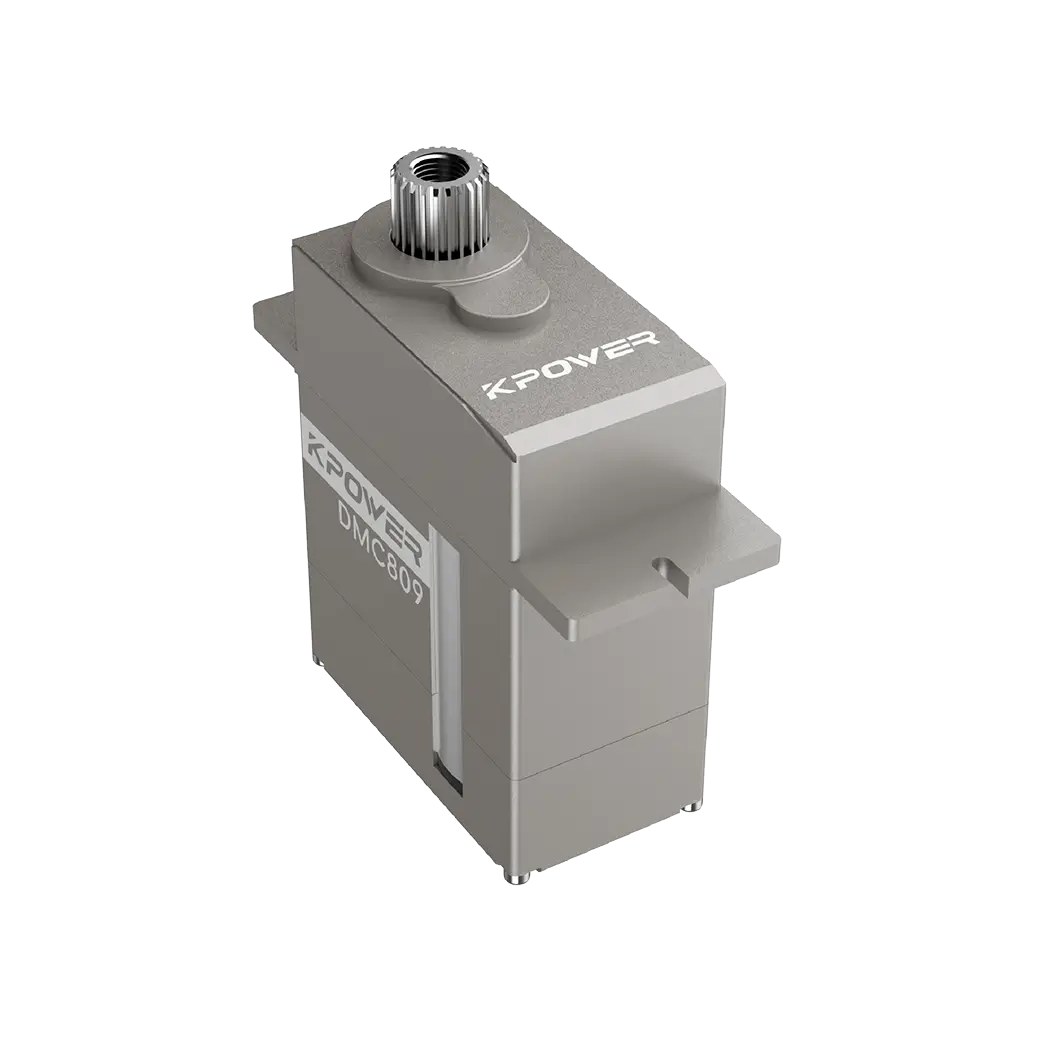
Established in 2005,kpowerhas been dedicated to a professional compact motion unit manufacturer, headquartered in Dongguan, Guangdong Province, China. Leveraging innovations in modular drive technology,kpowerintegrates high-performance motors, precision reducers, and multi-protocol control systems to provide efficient and customized smart drive system solutions. Kpower has delivered professional drive system solutions to over 500 enterprise clients globally with products covering various fields such as Smart Home Systems, Automatic Electronics, Robotics, Precision Agriculture, Drones, and Industrial Automation.
Update Time:2026-01-19

Contact Kpower's product specialist to recommend suitable motor or gearbox for your product.


