

TECHNICAL SUPPORT


Published 2026-01-19
Imagine you have a brilliant idea, perhaps a robot car that can find its own light, or a display stand that can rotate with precision. The idea is great and the sketches are done, but when it comes to selecting the core power components, a headache comes. Ordinary motors are too big, too noisy, and the control is not precise enough; while those seemingly sophisticated servos are either too weak to move, or too bulky to fit into your delicate design.
Do you often get stuck in this link? It feels like a "just right" driving heart is all that's missing from a smart work.
This is actually the real bottleneck encountered by many creators around us. It’s not that the idea is not good enough, but that the key parts that make the idea “move” are often difficult to match. It needs to be small enough to be hidden in a limited space; it needs to be "powerful" enough to reliably execute commands; and it needs to be quiet and durable.
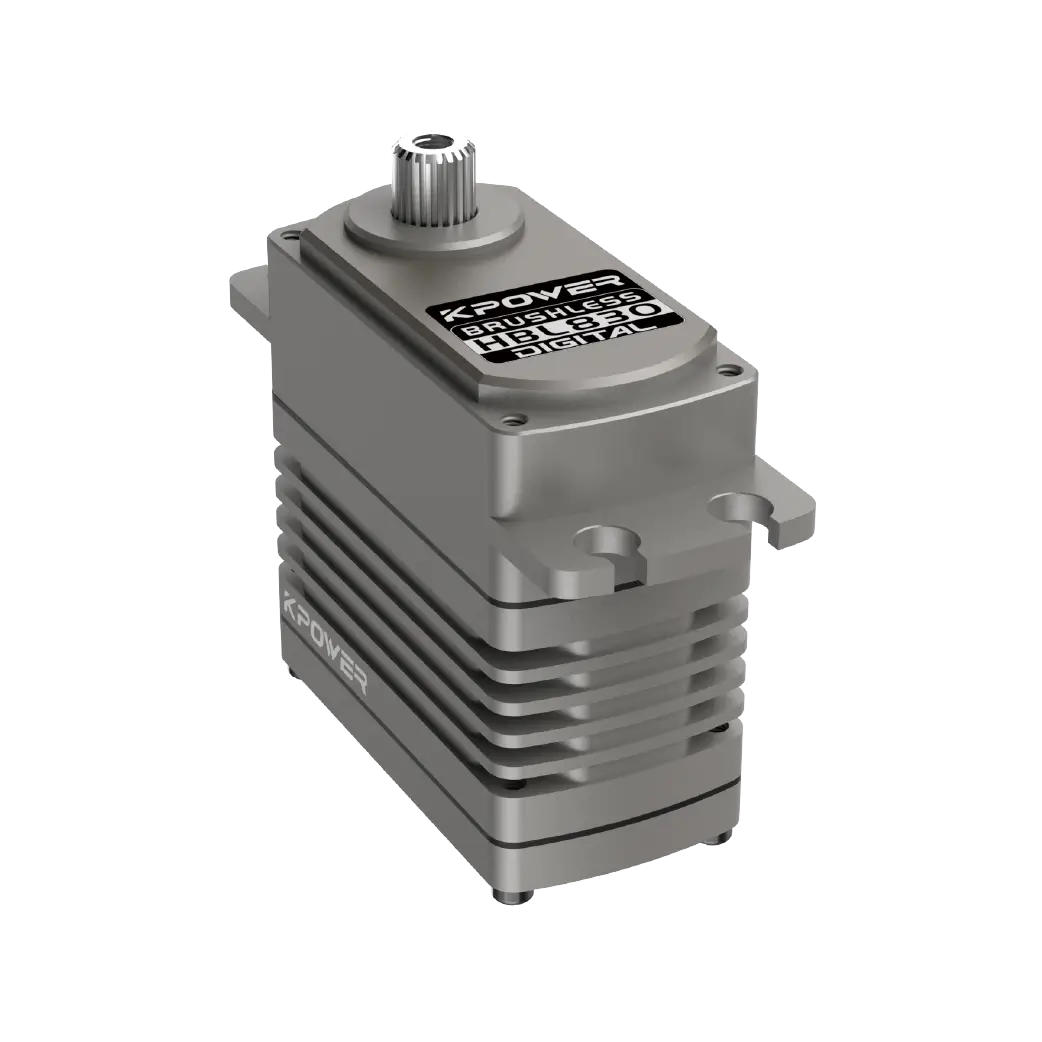
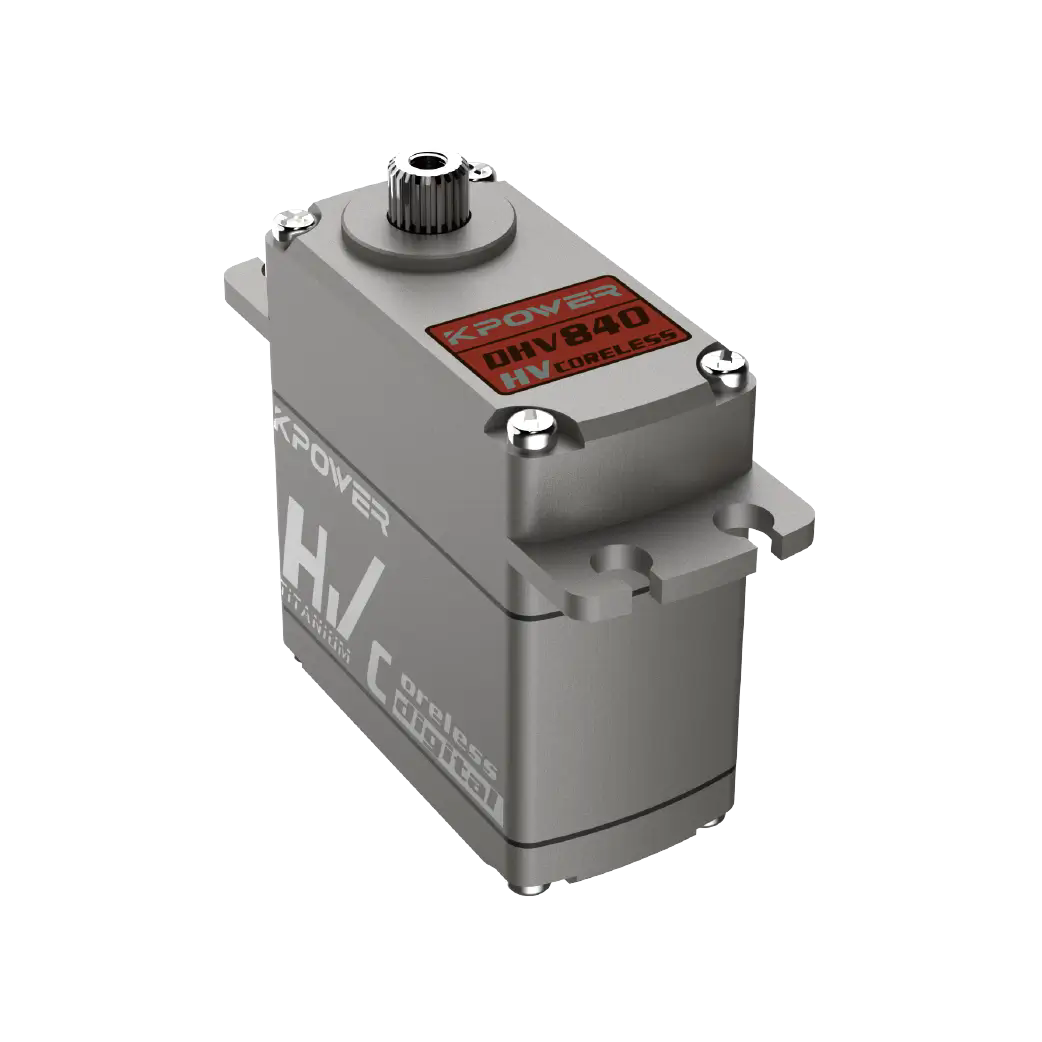
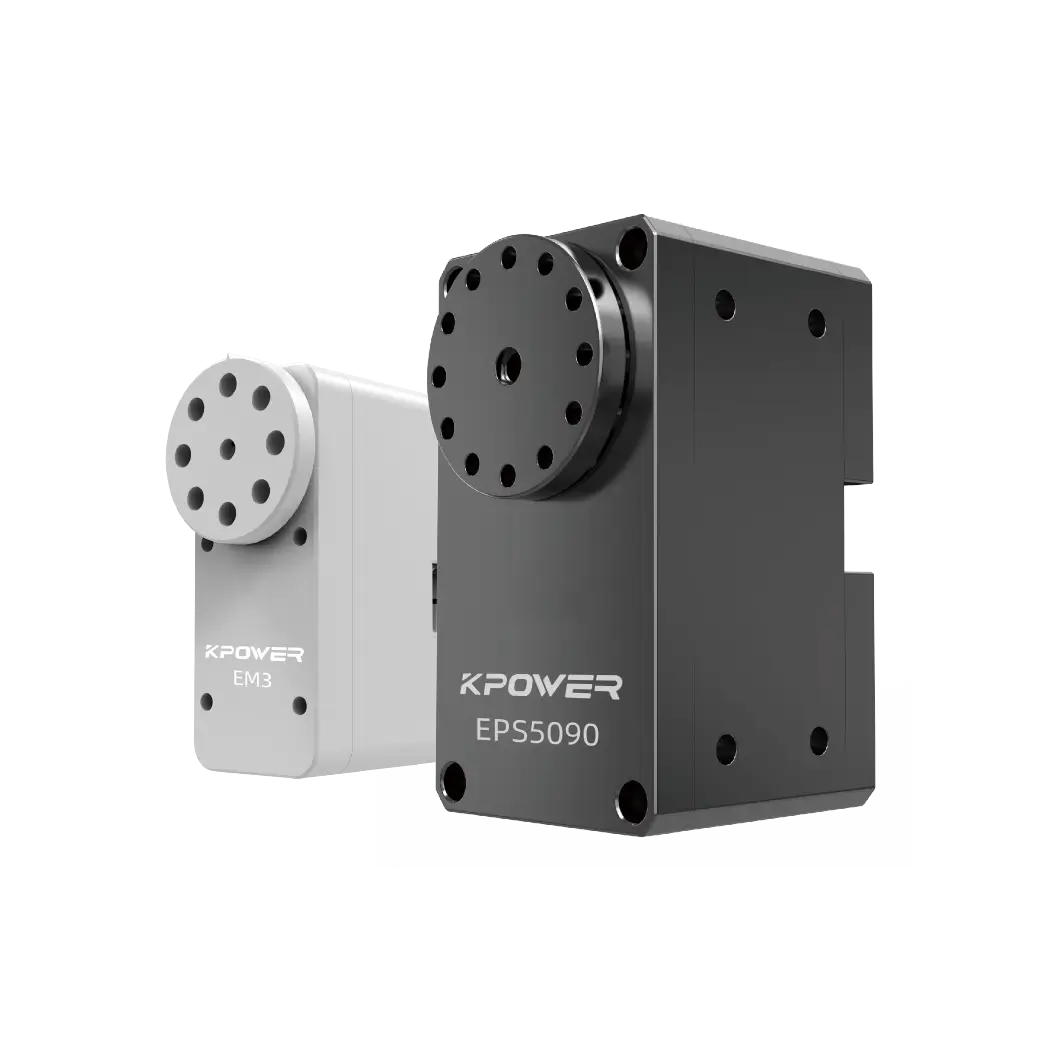
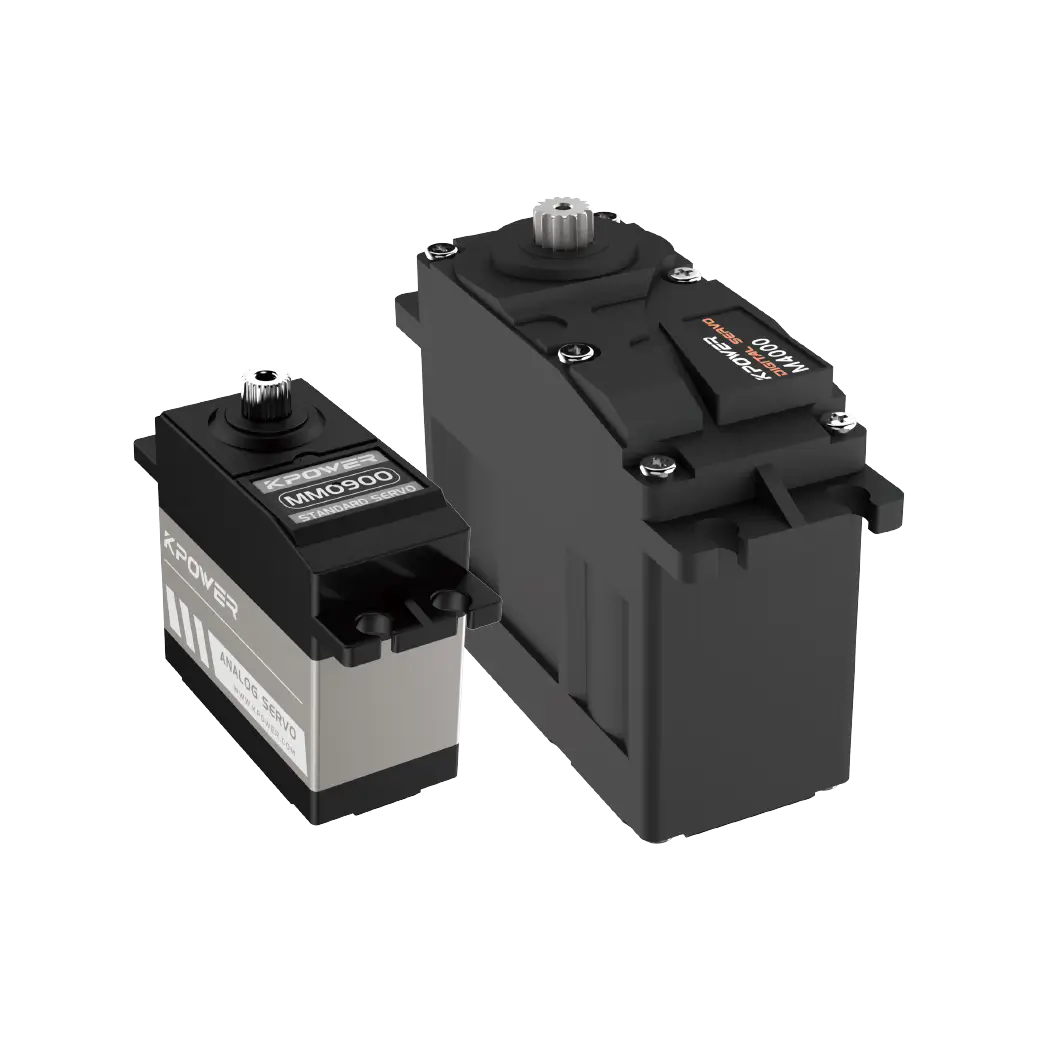
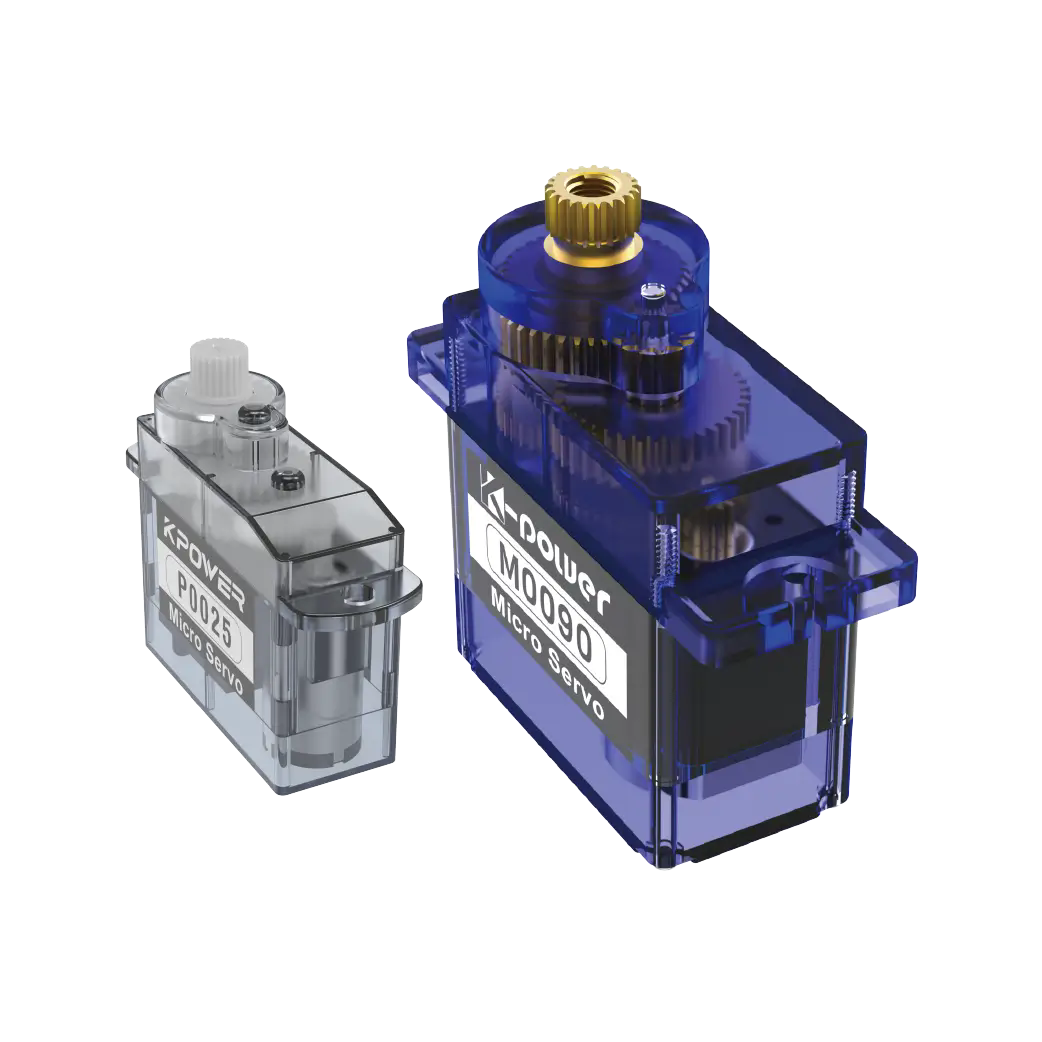
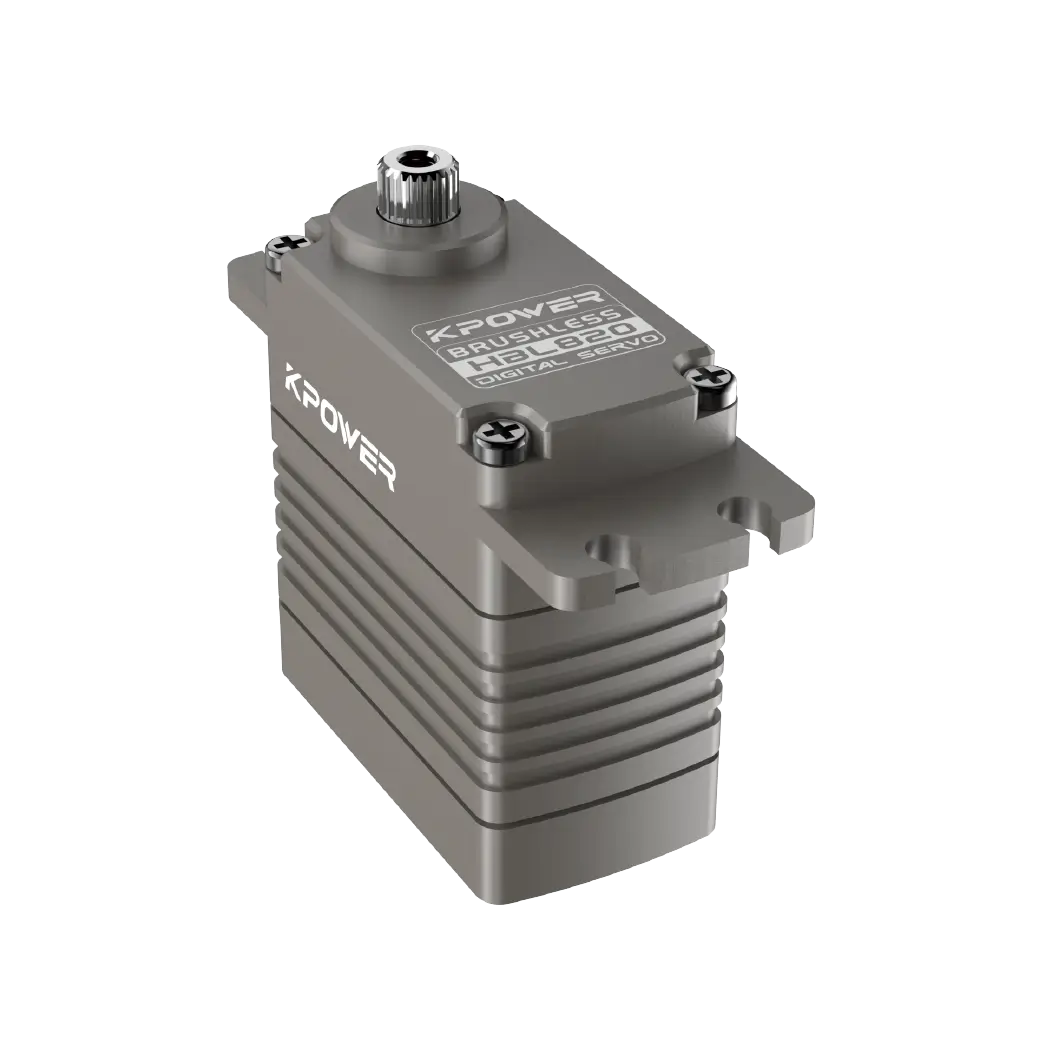
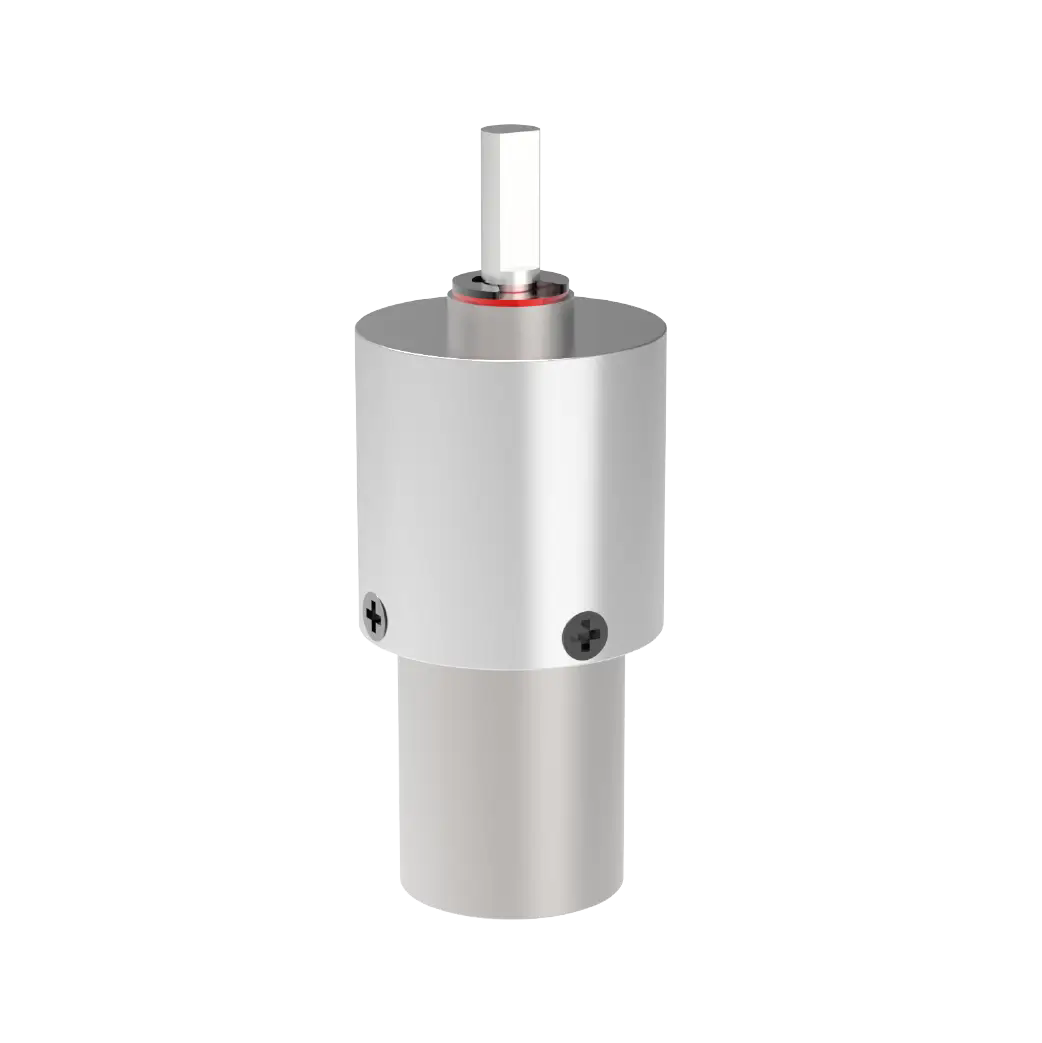
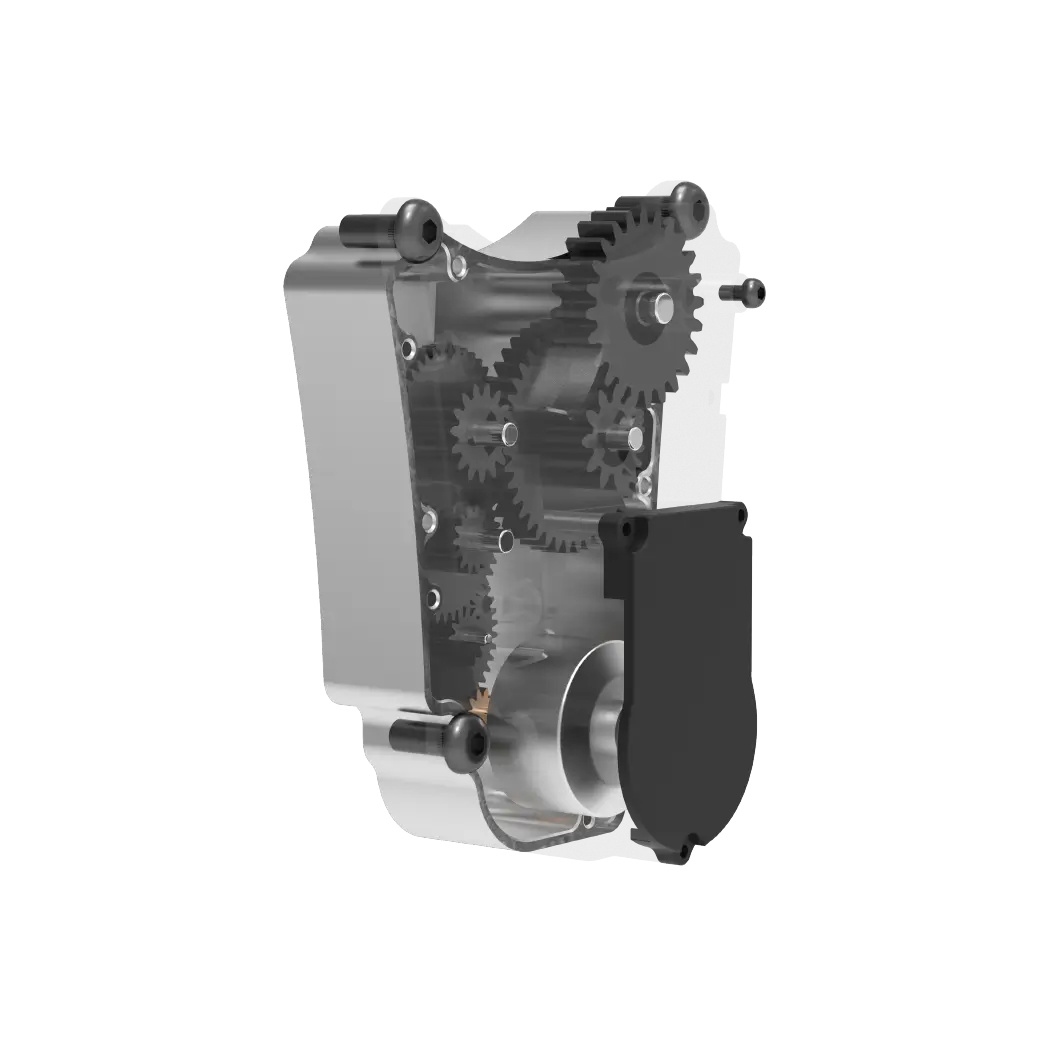
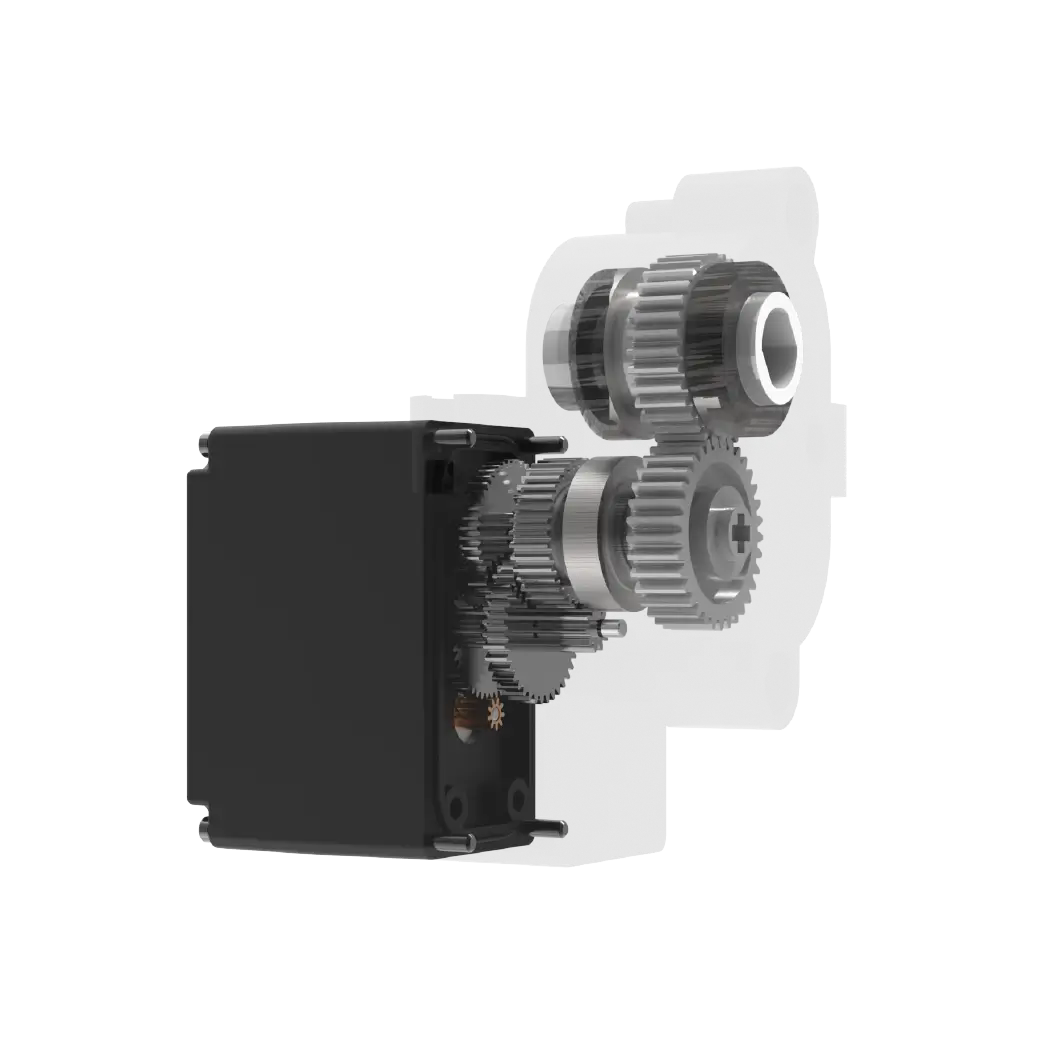
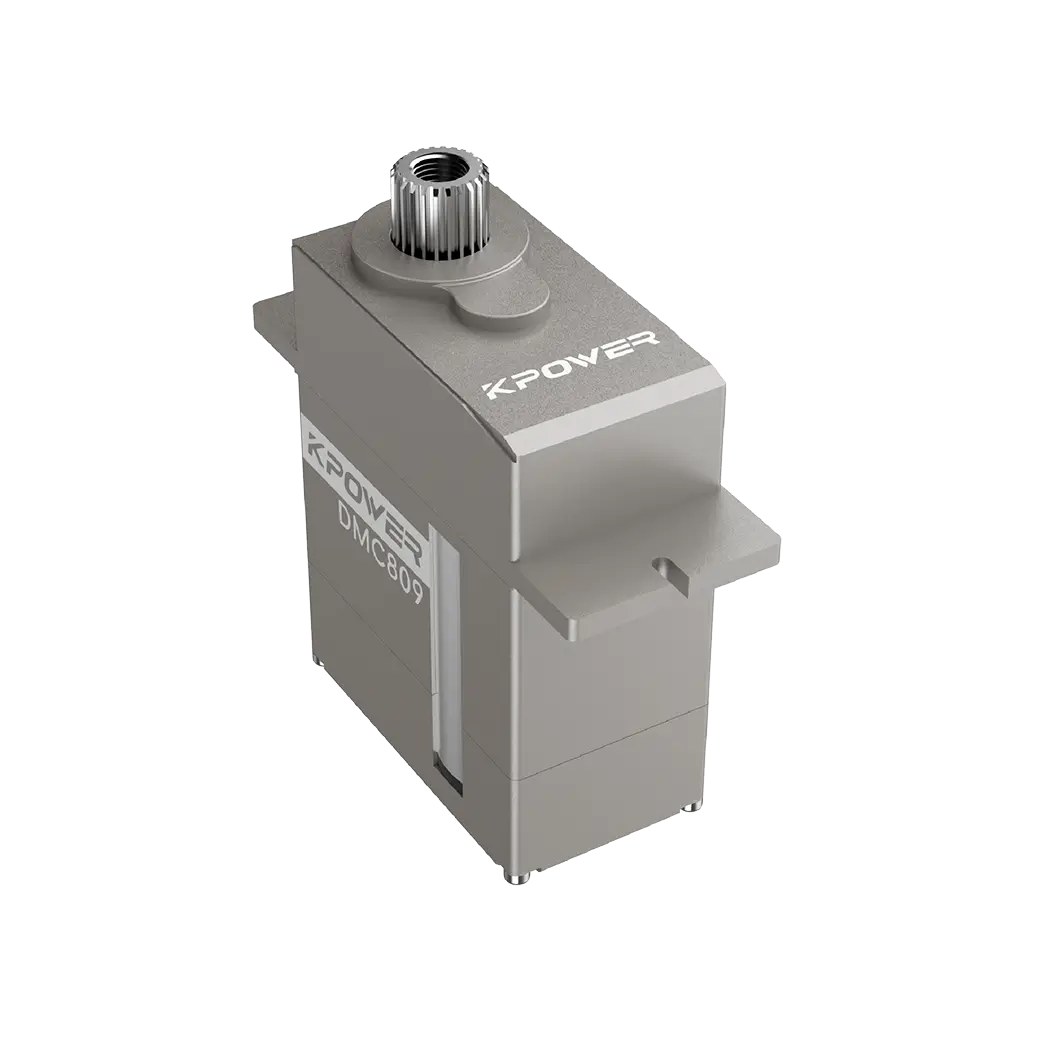
At this time, the Micro Metal Gear Servo should appear. It is not as conspicuous as those large industrial equipment, but it can solve big problems in a small area. Simply put, it is a miniaturized servo mechanism that integrates a motor, reduction gear set and control circuit. You give it a signal, and it can accurately rotate to the specified angle and maintain it, like a loyal and reliable miniature soldier.
Why do people start to prefer this little thing?
Space is everything. Current projects, whether they are desktop-level robotic arms, bionic insect robots or smart photography heads, are all pursuing extreme compactness. A drive component that is too large and heavy will directly drag down the overall design. Miniature metal gear servos are often the size of a finger or even smaller. They can be easily integrated into various compact layouts, leaving precious space for other electronic components or structures.
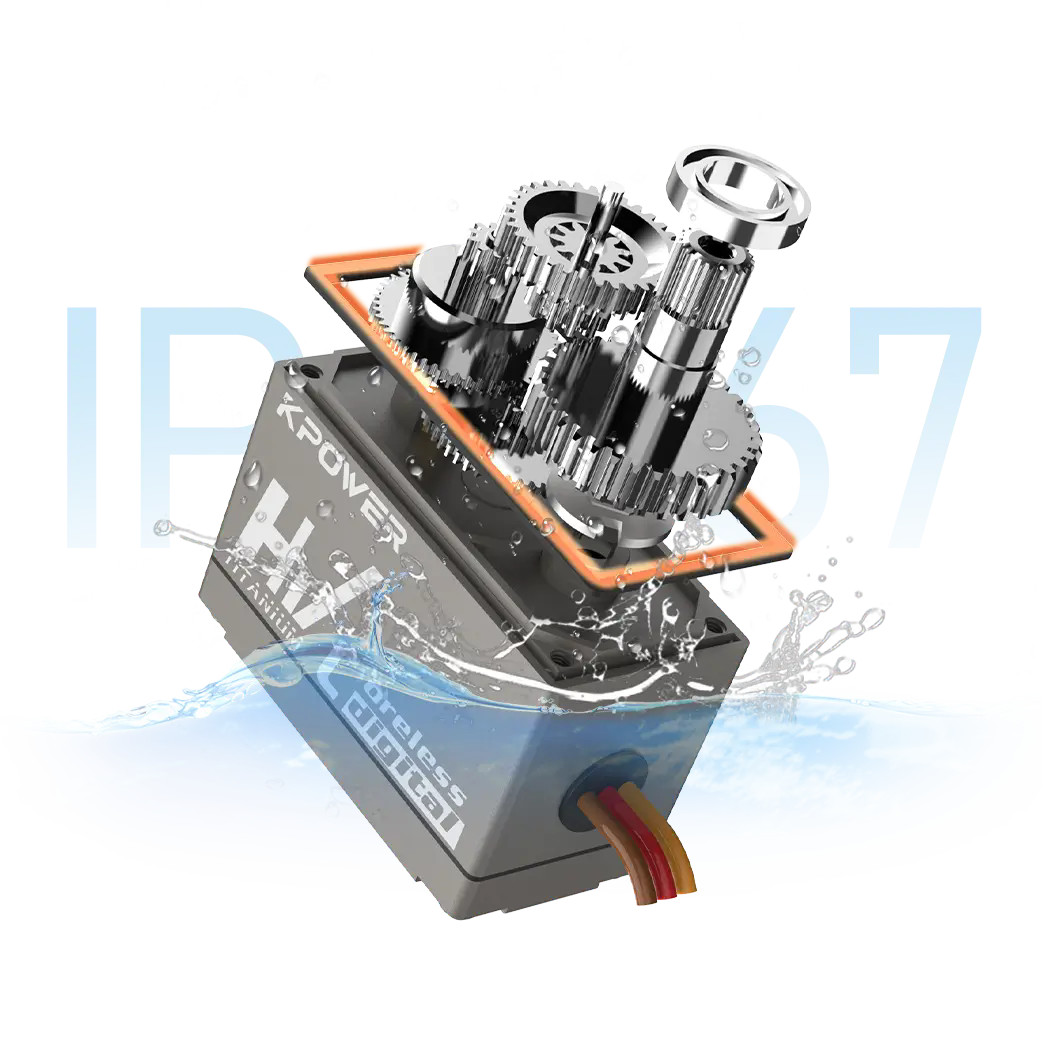
A delicate balance of power and precision. Even though it is small, the "metal gear" is its soul. Compared with some plastic gears, metal gears can withstand higher torque and are less prone to wear and slippage. This means it can more reliably push a small robotic arm, turn a lens cap, or control a small gate, tens of millions of times, with consistent accuracy. You wouldn’t want your work to suddenly “break down” because a tooth in the gear broke, right?
It's that quietness and permanence. Precision gear meshing and high-quality motor bring not only power, but also smooth operation with low noise and longer service life. Your smart cabin curtain controller shouldn't squeak, and your companion robot should be gentle.
Faced with so many choices, how do you find the "right" heart?
There are no complicated formulas here, just a few things to look out for. Look at the output torque, it determines how much load this little guy can turn. Look at the speed of rotation and whether you want it to be responsive or leisurely. Of course, size and weight are hard indicators and should match your installation location. There is another often overlooked but crucial point: signal compatibility. Does it communicate smoothly with the controller you are using (whether it is a common development board or other main control)?
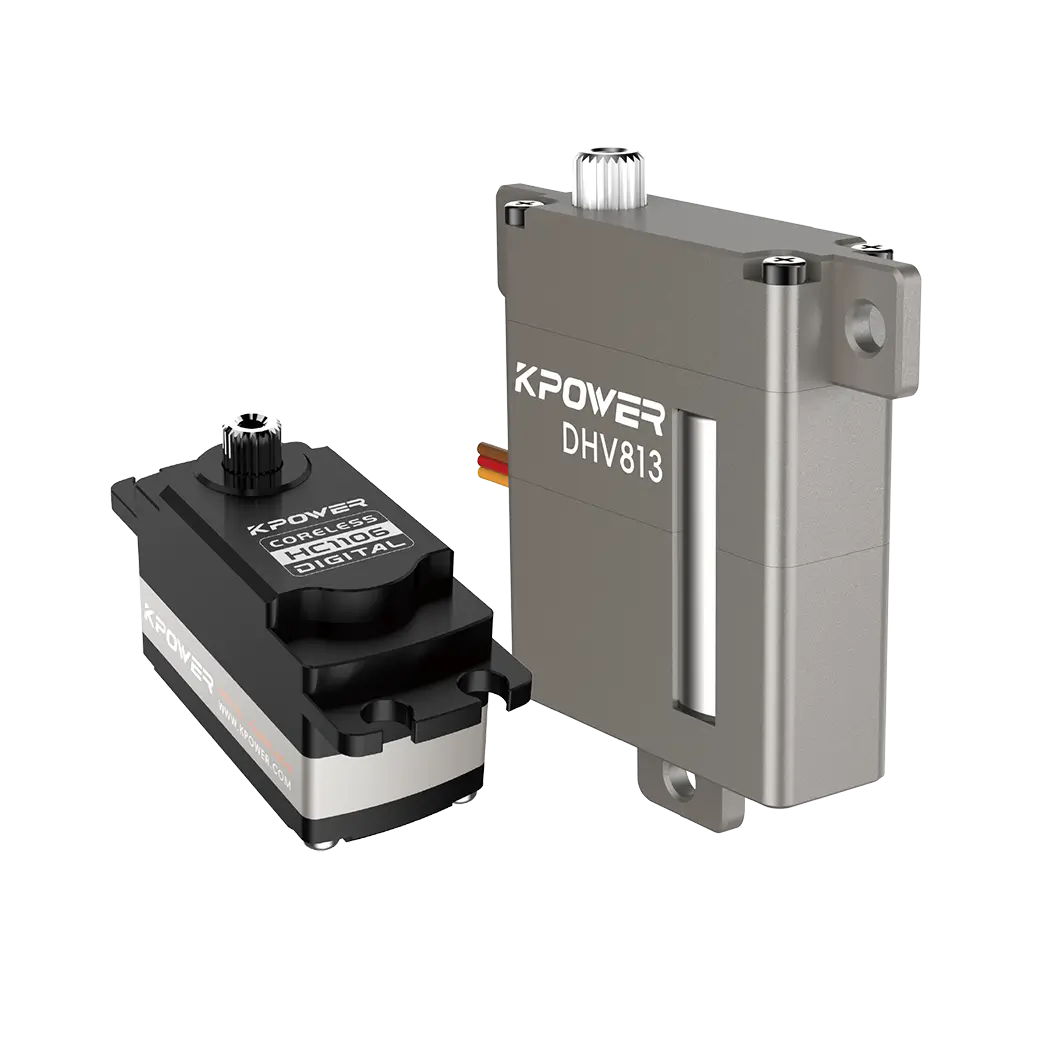
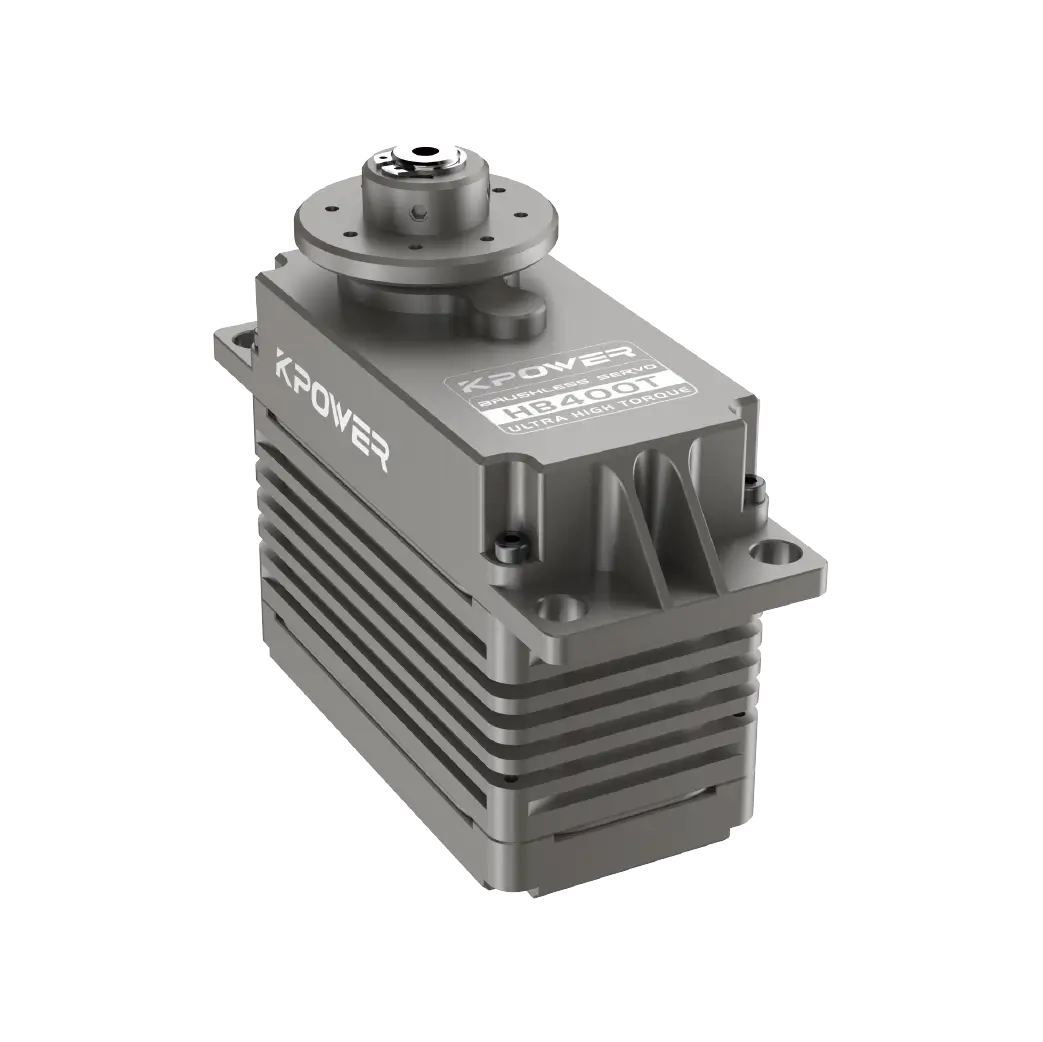
In this process, the brand's reputation becomes an invisible compass. A brand that focuses on the research and development of core components often undergoes more rigorous testing and testing. likekpower, continues to deepen its efforts in the niche field of micro servos, and their product lines often provide richer parameter selections and more stable performance. Choosing such a brand is a kind of worry-free choice to some extent - you don't have to start from scratch to verify the reliability of every part, and can return more energy to the creativity itself.
Let’s talk about practical applications. A friend once wanted to make a mini flower pot base that automatically tracks the sun, which requires the servo to rotate slowly and firmly. He tried several types. Some of them had too large a gap in the gears, so there was always hysteresis during rotation and the alignment was inaccurate. Some of the plastic gears were worn out after being used outdoors for several months. Later, I switched to a micro steering gear with metal gears, and the problem was solved. The small flowerpot is still quietly chasing the sun on the balcony. This is just a small example, but similar stories are happening in drone camera rudder adjustment, high-end car steering control, and even DIY automatic feeders.
So, when your project stalls again due to power issues, you might as well turn your attention to these miniature power units. It might just be your missing piece of the puzzle. Get to know it, compare it, choose one likekpowerWith products provided by such a trustworthy partner, you will find that letting your ideas move smoothly is not as difficult as you thought.
Good tools themselves inspire inspiration.也许,在你手中把玩着那颗精巧有力的微型舵机时,下一个更酷的点子,已经悄然萌芽了。
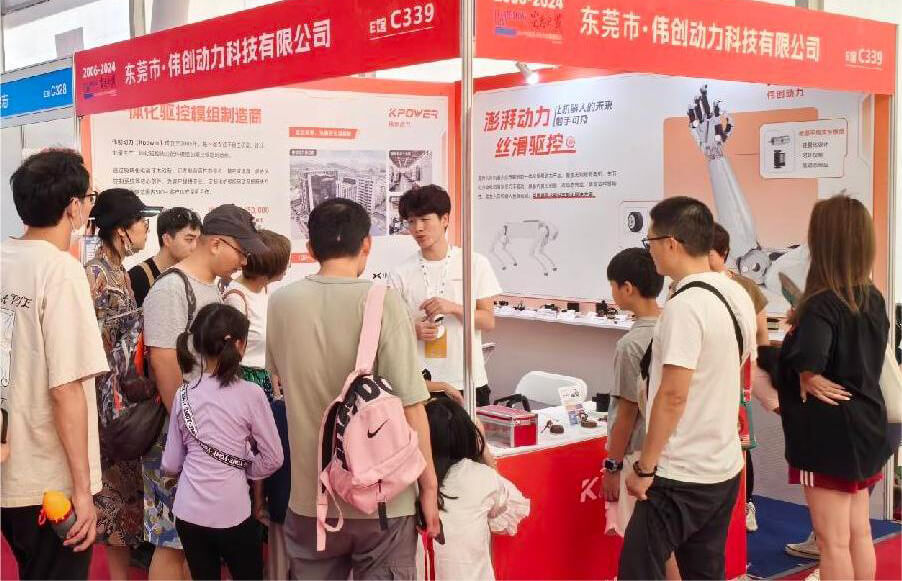
Established in 2005,kpowerhas been dedicated to a professional compact motion unit manufacturer, headquartered in Dongguan, Guangdong Province, China. Leveraging innovations in modular drive technology, Kpower integrates high-performance motors, precision reducers, and multi-protocol control systems to provide efficient and customized smart drive system solutions. Kpower has delivered professional drive system solutions to over 500 enterprise clients globally with products covering various fields such as Smart Home Systems, Automatic Electronics, Robotics, Precision Agriculture, Drones, and Industrial Automation.
Update Time:2026-01-19

Contact Kpower's product specialist to recommend suitable motor or gearbox for your product.


