

TECHNICAL SUPPORT


Published 2026-01-19
Have you ever had a moment like this? I searched in front of the computer for several hours and downloaded several so-called "SG90 micro-servo STEP files". After importing them into the design software, either the size did not match or the structure lacked details. You look at the rough outline of the block and think, "This is not going to work." Valuable project time is wasted trying to find an accurate number.

This is not your problem alone. Many people get stuck here in the first step of turning their ideas from drawings into reality. An inaccurate file will make subsequent assembly simulations, 3D printing tests, and even budget evaluations less reliable.
It should be like a loyal assistant. When you open it, the outline of each gear, the position of each mounting ear, and the limit angle of each rotation are all clear. You no longer have to guess whether the diameter of the shaft is 2mm or 2.1mm, or post on a forum asking for the precise arc of the housing. It's there, complete and clear, completely corresponding to the texture of the physical object in your hand.
Why is this important? Imagine you are designing a delicate robotic joint, or an automated display device. You have carefully calculated all the space. If the core servo itself is deviated, then the bracket you designed for it may never be able to be installed tightly, and the reserved movement space may not be enough for it to turn around. The cost of not discovering the problem until all the physical parts are processed is not just time.
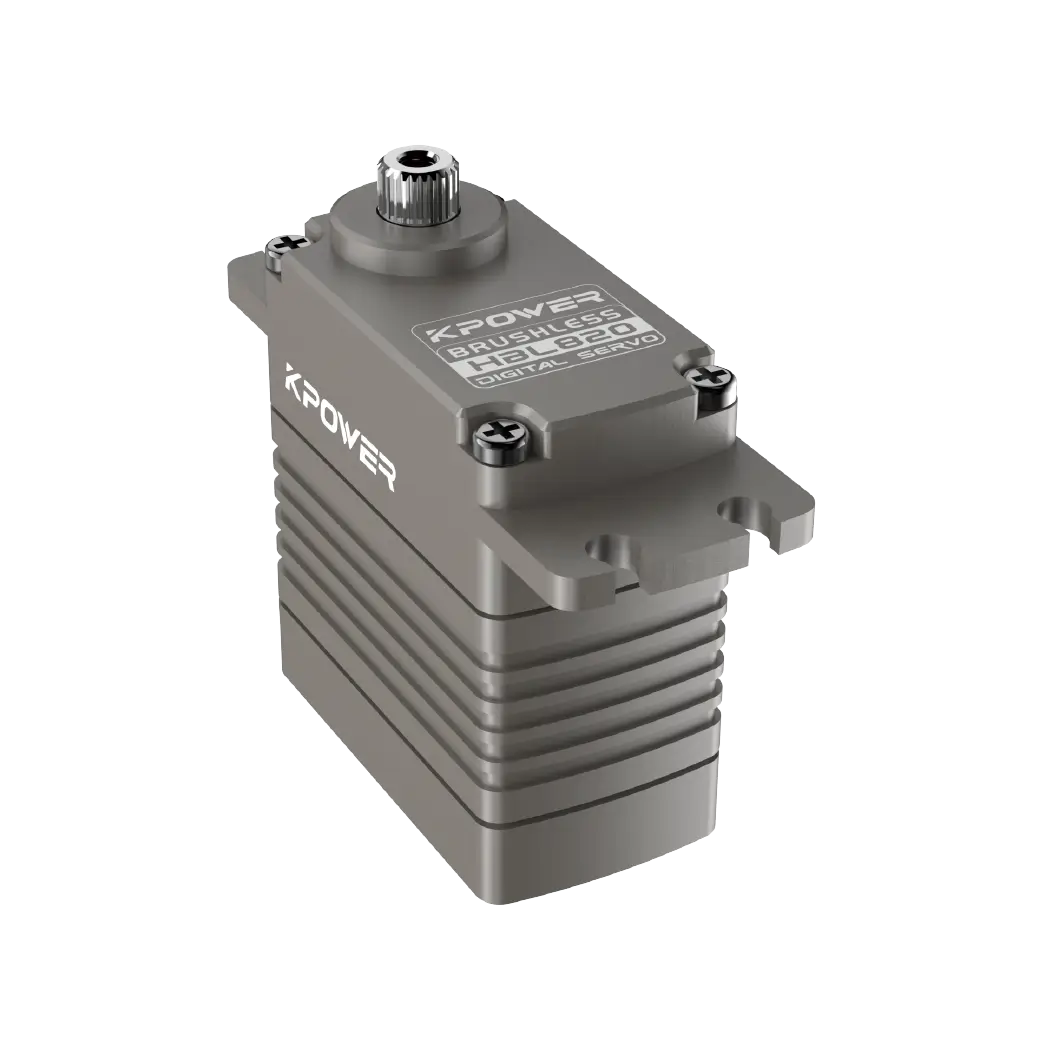
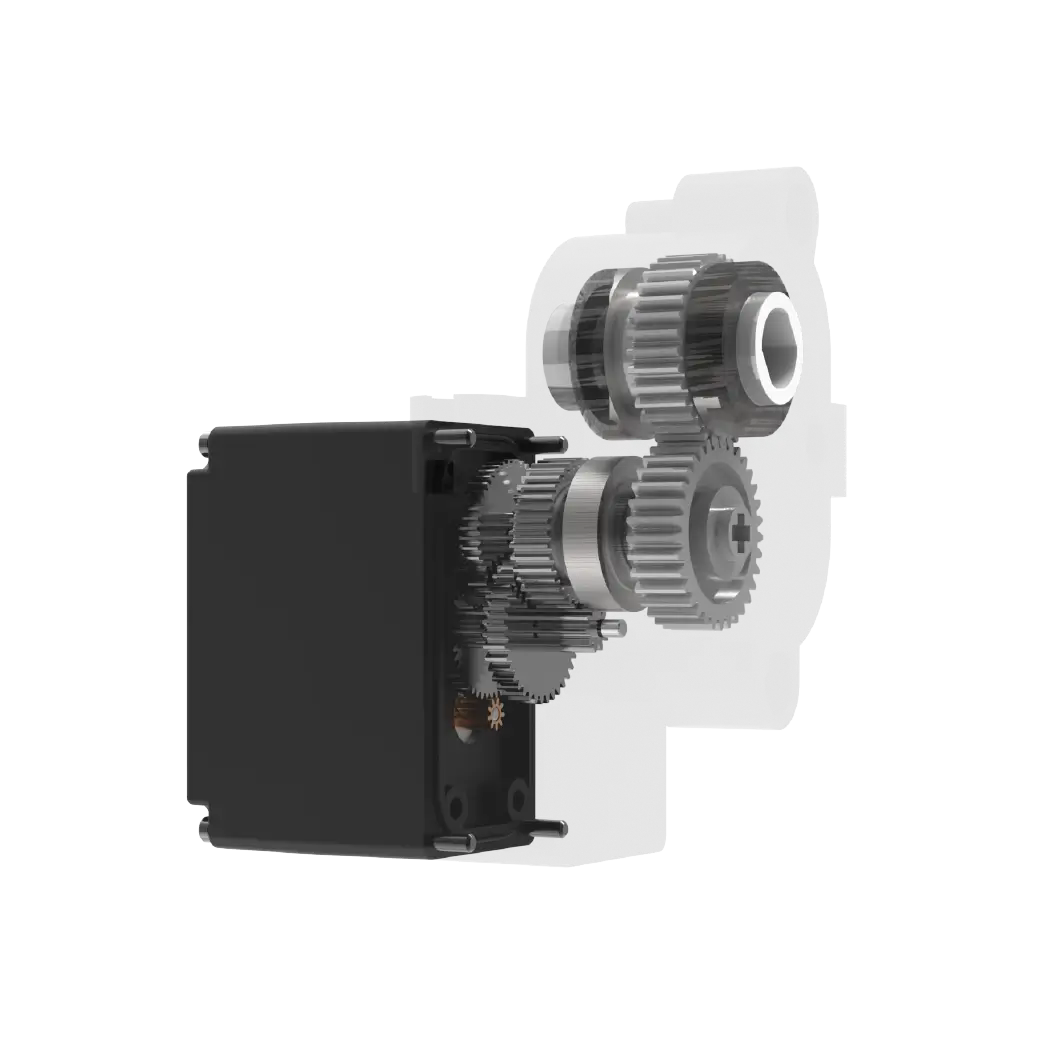
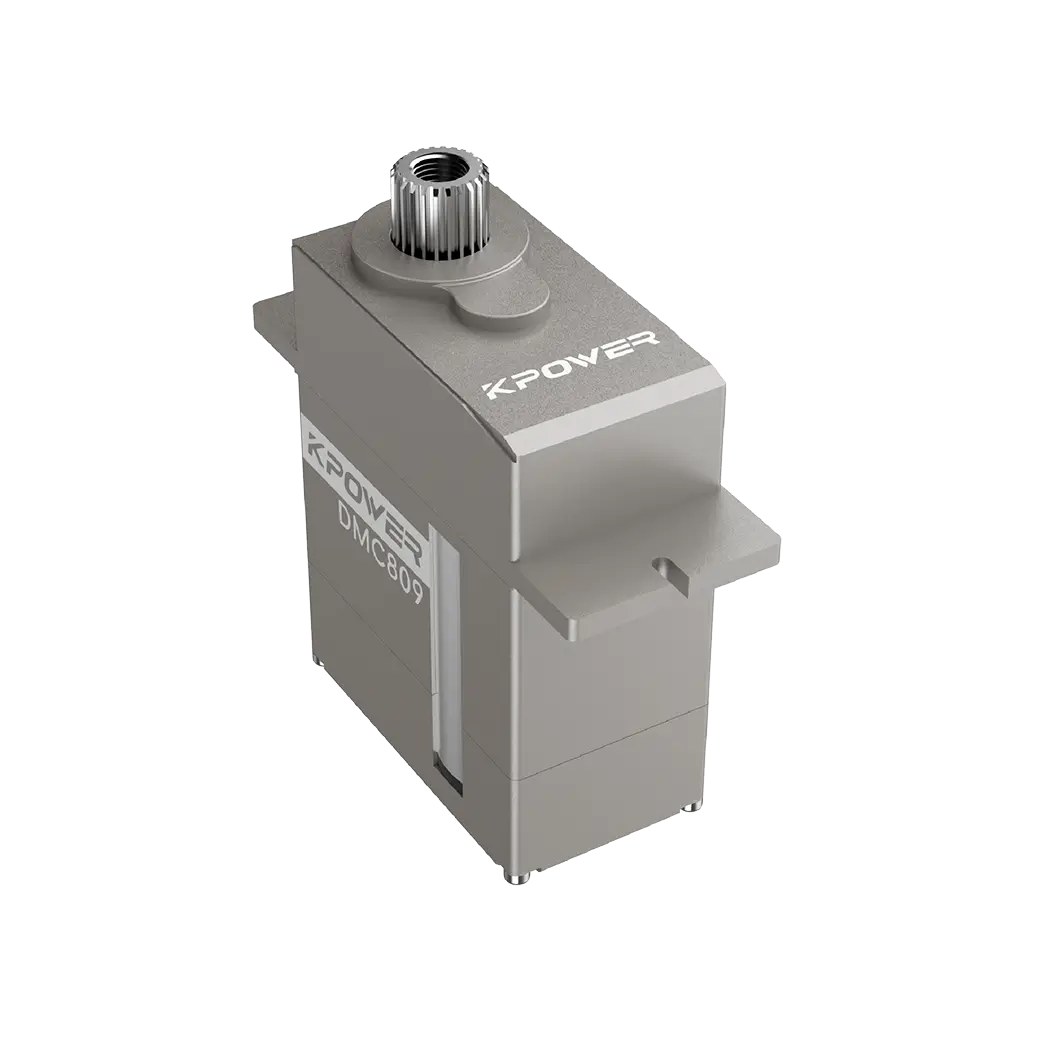
kpowerThe provided SG90 micro-servo STEP file exists to solve this "first step" precise problem. It is not just a three-dimensional format conversion, but a digital reproduction of the physical form of the product.
It's credibility. When you use one that comes from a reliable source and closely corresponds to the real thing, you will have more confidence in your overall design. This kind of confidence enables bold exploration of creativity and rigorous implementation of projects to proceed simultaneously.
It's efficiency. Directly use one that comes out of the box and has complete details, saving a lot of time on your own measurement, modeling, and verification. You can focus on the more important overall structural innovation and functional implementation, instead of repeatedly struggling with the modeling of a basic accessory.
Furthermore, it is the smoothness of collaboration. Whether it is communication between different designers within the team or with external processing partners, a standard and precise universal document can make "what you see is what you get" the cornerstone of communication. Everyone is discussing the same thing, which avoids a lot of rework caused by misunderstandings.
Someone may ask: "Isn't there a lot of free stuff on the Internet?" Yes, but anyone who has experienced it knows that the cost of free stuff is often the consumption of time and the risk of uncertainty. Those may come from well-meaning people, but their accuracy and completeness are often unknown. Is your project timeline worth the risk of uncertainty?
When you're looking for this type of engineering document, ask yourself a few questions: Is this document from the product's original manufacturer or an authorized source? Has it been updated recently with product updates? Is its level of detail sufficient to support my design accuracy requirements?
kpowerWe all know that a tiny steering gear may be the most critical execution unit in a grand project. , we take these technical documents as seriously as the product hardware itself. The STEP file of the SG90 micro-servo faithfully records every physical feature of it, ensuring a smooth and error-free transition from the digital world to the real world.
It's like finding an absolutely solid foundation for your creative blueprint. When the foundation is solid, upward construction can be carried out leisurely and fully.
Good design starts with accurate information. If you're tired of wandering around with ambiguity and out-of-control risks, it's time to try a more certain and efficient approach. Let numbers truly be your help, not your hindrance.
From here, let every detail of your design be implemented steadily.
Established in 2005,kpowerhas been dedicated to a professional compact motion unit manufacturer, headquartered in Dongguan, Guangdong Province, China. Leveraging innovations in modular drive technology, Kpower integrates high-performance motors, precision reducers, and multi-protocol control systems to provide efficient and customized smart drive system solutions. Kpower has delivered professional drive system solutions to over 500 enterprise clients globally with products covering various fields such as Smart Home Systems, Automatic Electronics, Robotics, Precision Agriculture, Drones, and Industrial Automation.
Update Time:2026-01-19

Contact Kpower's product specialist to recommend suitable motor or gearbox for your product.


