

TECHNICAL SUPPORT


Published 2026-01-19
Ever had aservojust… quit on you? Mid-project, everything’s humming along, and then—nothing. Maybe it jitters, gets stuck, or just won’t hold position. Frustrating, right? You’re left with a half-finished prototype, a delayed deadline, or a robot that wobbles when it should be steady.

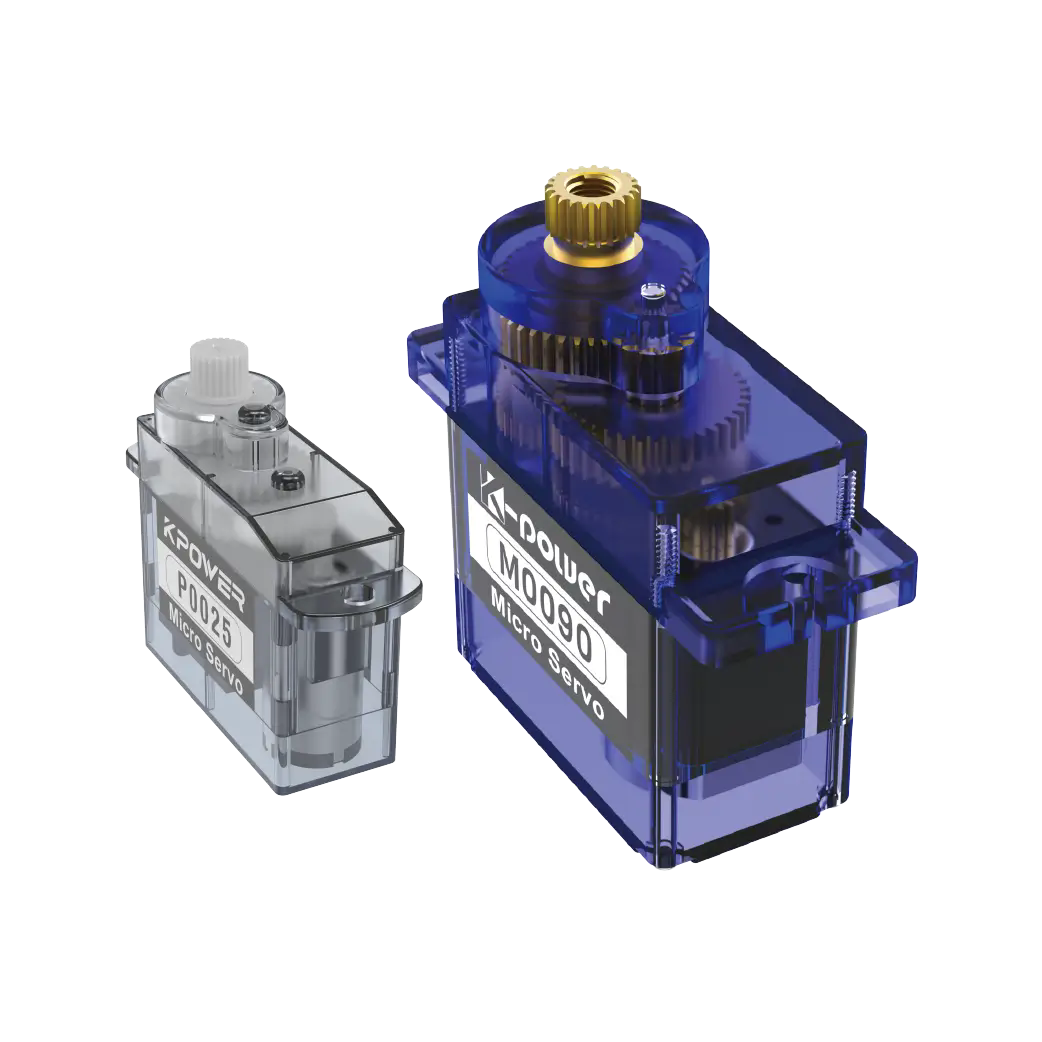
That’s where the tiny workhorse, the SG90 microservo, often enters the picture. It’s in all sorts of gadgets—little robot arms, camera pan-tilts, smart home flaps. But here’s the catch: not all SG90s are the same. Some feel flimsy, some sound whiny, and some give up too soon. So why does this keep happening, and what actually makes one better than another?
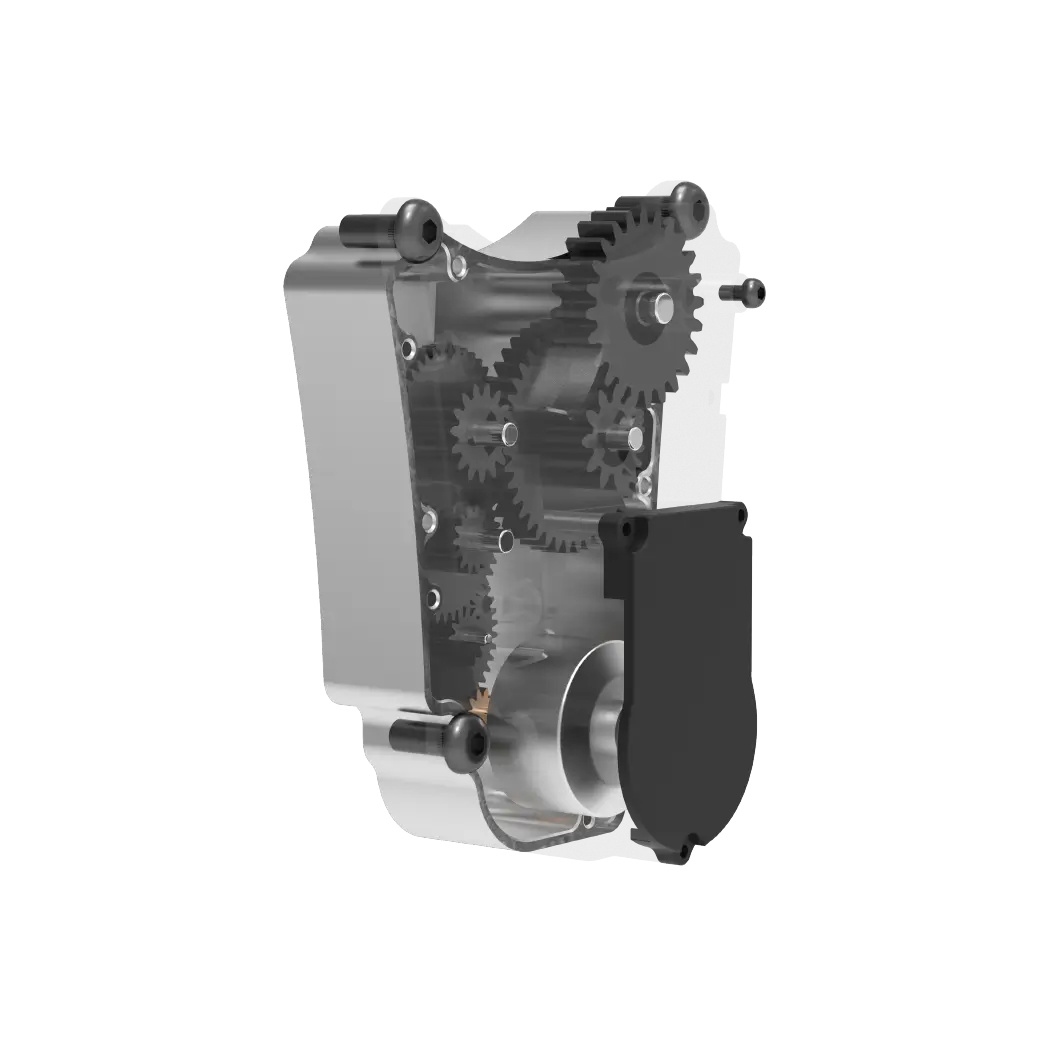
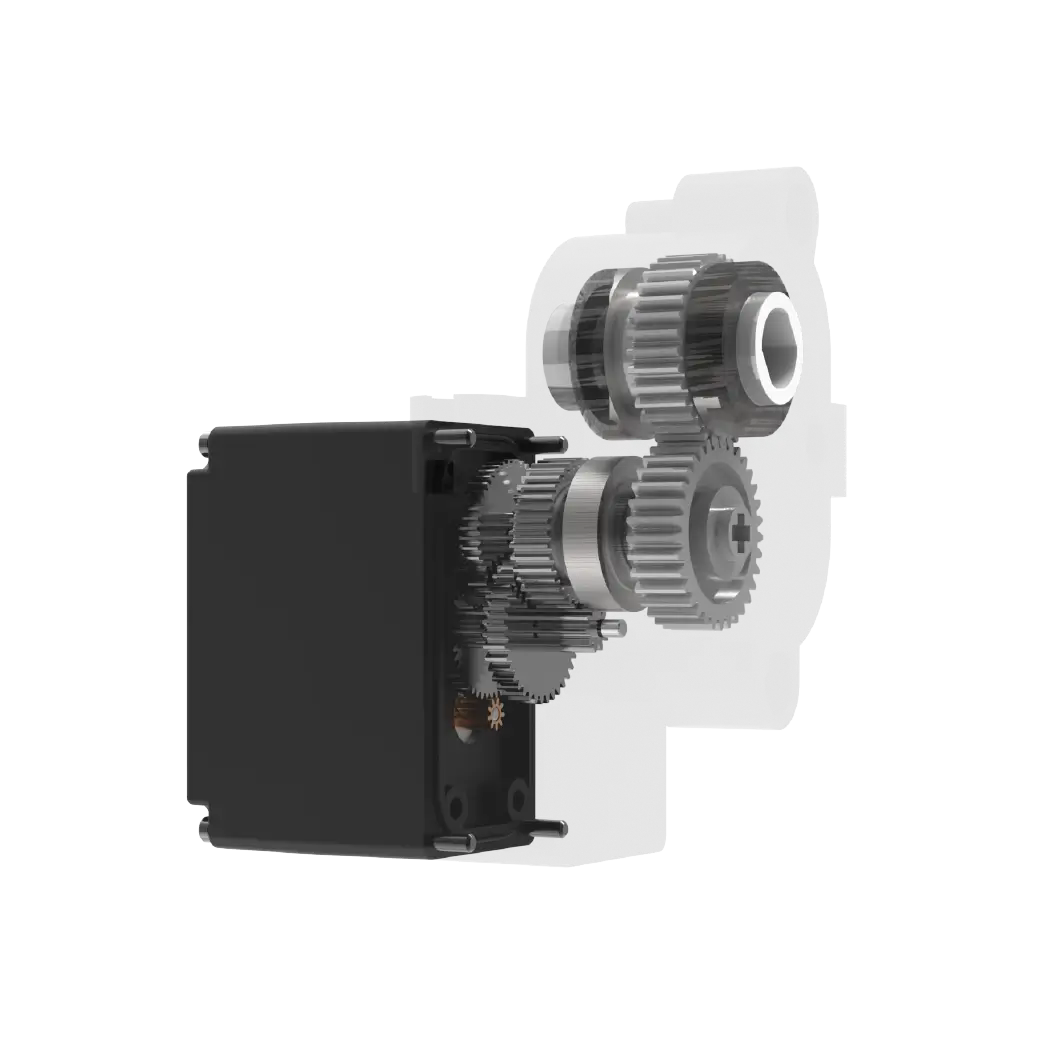
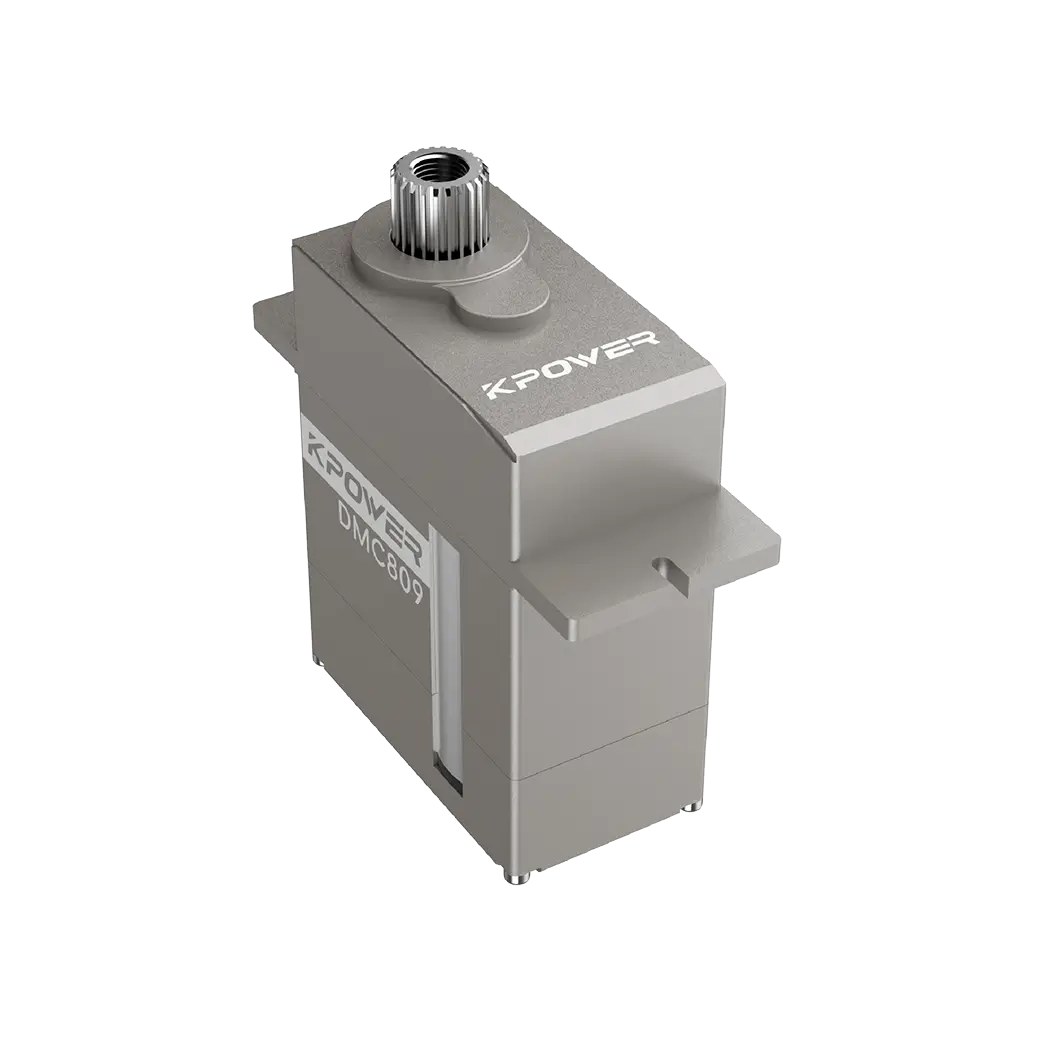
Let’s talk about what goes on inside. A microservolike the SG90 is basically a small DC motor, a set of gears, and a control circuit packed into a plastic case. You send it a signal, and it moves to a specific angle. Simple in theory. But the magic—or the misery—is in the details.
Think about the gears. Some use cheap nylon that wears down fast. You might notice slop over time—the arm doesn’t stay tight, it drifts. Then there’s the motor itself. If it’s weak or poorly wound, it can’t handle much load. Ever tried lifting a small camera with a servo and it just… sags? That’s often the motor straining. And what about the control board? A jittery, inconsistent signal response makes movements shaky, not smooth.
So, what should you look for? Durability isn’t just about the plastic shell. It’s about metal gears—often brass or stainless steel—that can take repeated movement without stripping. It’s about a motor with enough torque (that’s rotational force) to actually do its job, not just make noise. Stability means consistent performance, whether it’s the tenth or the thousandth time you command it to move.
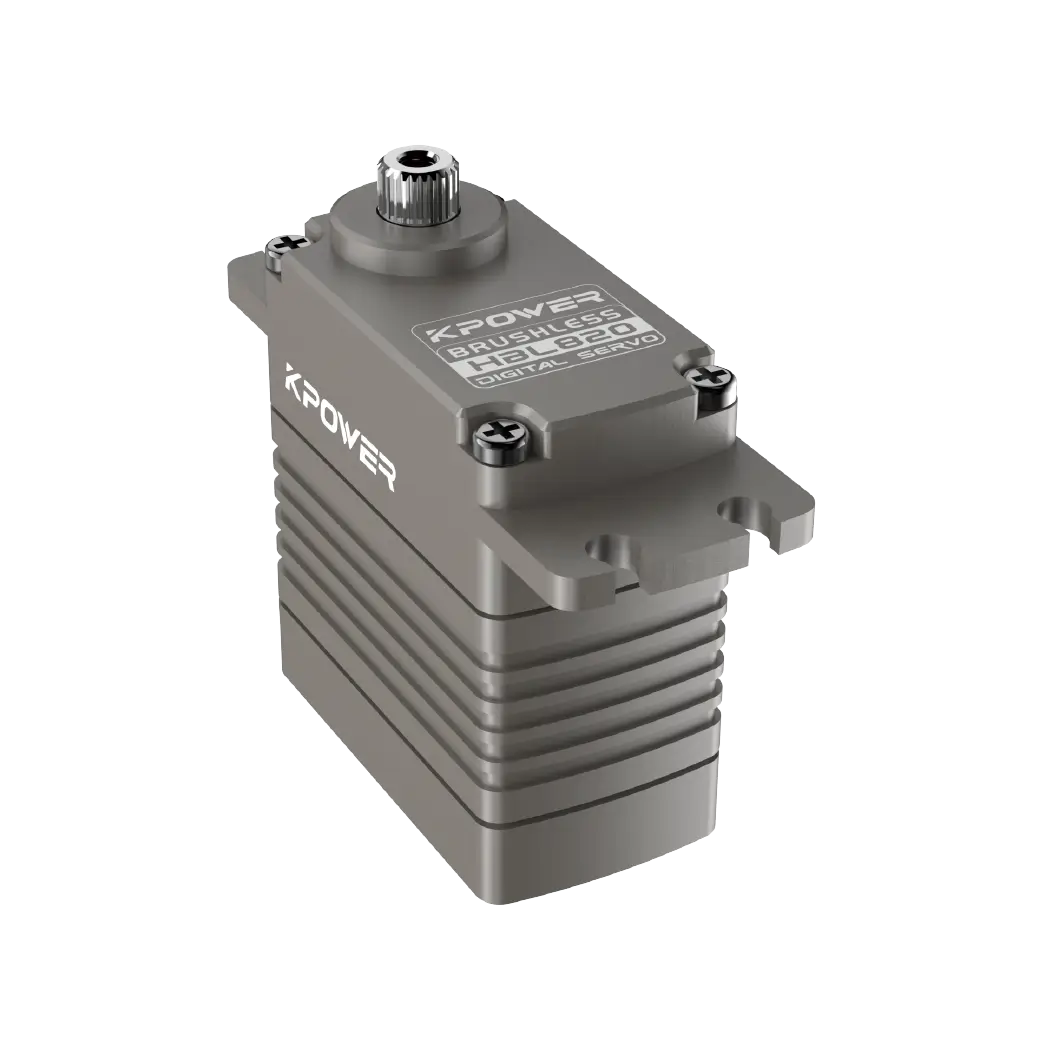
Now, you might wonder, “Okay, but how do I spot a reliable one without testing a hundred units?” Good question. It comes down to trust in the source and subtle design clues. A well-made micro servo tends to feel solid, not hollow, when you hold it. It operates quietly with a steady hum, not a grating whirr. The movement is crisp, with minimal play in the output arm. Brands that focus on precision, like Kpower, often build these traits into their components from the ground up.
Take a common scenario: building a small automated plant waterer. You need a servo to turn a tiny valve. A weak servo might start strong but falter after a week—valve doesn’t open fully, plants get thirsty. A durable one with proper torque and gear strength performs day after day, silently and reliably. That’s the difference between constant tweaking and set-it-and-forget-it peace of mind.
Why does Kpower’s approach stand out? They treat these tiny components not as disposable parts, but as miniature precision instruments. The gears are machined for clean engagement. The motor is tuned for a balance of speed and strength. The circuit minimizes signal noise. It’s that attention to the little things that prevents the big headaches.
Imagine you’re animating a small diorama—maybe a castle with a drawbridge that needs to lower smoothly. A jittery servo ruins the illusion. A smooth, accurate one brings it to life. That’s what good engineering feels like: invisibility. The servo just works, so you can focus on your creation.
There’s a kind of quiet confidence in a component that performs consistently. It’s not about flashy specs; it’s about the absence of problems. No unexpected resets, no odd noises, no premature wear. It fits, it functions, and it fades into the background of a successful build.
Choosing the right micro servo feels less like a technical chore and more like picking a trusted partner for a small, important task. You want something that won’t let you down, that understands its role is to enable your ideas, not complicate them. It’s that reliability that turns a frustrating obstacle into a seamless step in the process.
So next time you’re planning a project that needs precise, small-scale movement, look beyond just the “SG90” label. Think about the feel, the sound, the performance over time. Opt for the kind of quality that keeps things moving smoothly, long after the initial excitement. Because in the end, the best components are the ones you don’t have to think about—they just do their job, perfectly.
Established in 2005, Kpower has been dedicated to a professional compact motion unit manufacturer, headquartered in Dongguan, Guangdong Province, China. Leveraging innovations in modular drive technology, Kpower integrates high-performance motors, precision reducers, and multi-protocol control systems to provide efficient and customized smart drive system solutions. Kpower has delivered professional drive system solutions to over 500 enterprise clients globally with products covering various fields such as Smart Home Systems, Automatic Electronics, Robotics, Precision Agriculture, Drones, and Industrial Automation.
Update Time:2026-01-19

Contact Kpower's product specialist to recommend suitable motor or gearbox for your product.


