

TECHNICAL SUPPORT


Published 2026-01-19
Halfway through the project at hand, the little servo started to lose its temper again. The angle cannot be turned properly, the strength is weak, or simply stops in place - do you also frown at the workbench at this time?
In fact, many people have encountered similar problems in micro-machinery projects. The thing is not big, the problem is not small. If you choose the wrong servo, the accuracy of the entire system will be affected.
Let’s start with a few simple but often overlooked points. Is the torque enough? Is the rotation angle accurate? Is the reaction speed fast? Also, can it remain stable during repeated movements?
These sound basic, but this is where many people stumble. A servo will start to "slip" when being used, or the response will be half a beat slower, and the originally smooth movements will be completely messed up.
At this time, you may want to ask, is there a little guy that can maintain a small size and provide stable output?
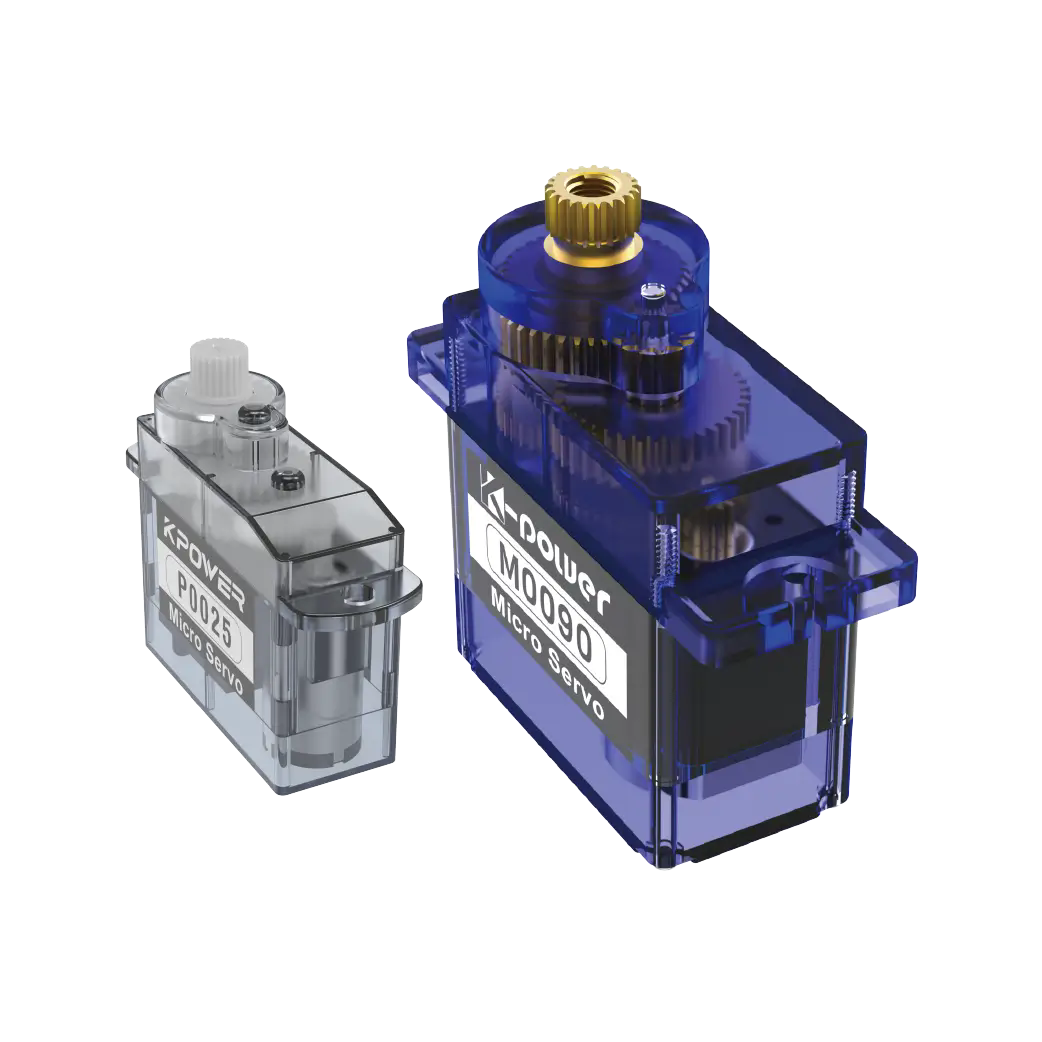
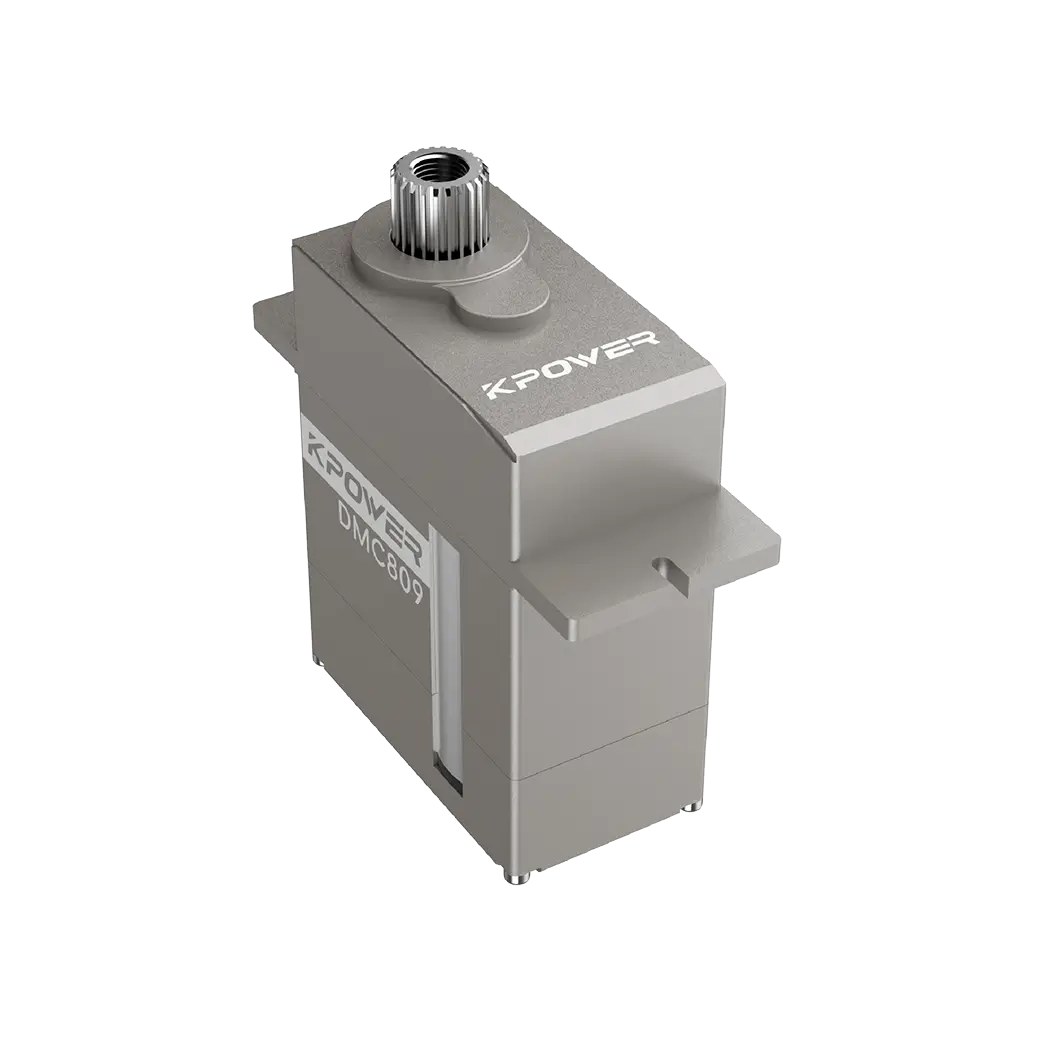
It often appears in small mechanical structures that require precise control. The weight is very light, about 9 grams, and it barely feels like it in your hand. But despite its small size, the standard torque can reach 1.8 kg/cm. This number means that it can provide quite reliable support in some lightweight robotic arms, joints or small automation devices.

The rotation range is approximately 180 degrees. It is not an infinite rotation type, but for most applications that require angular positioning, this range is sufficient. It rotates at a reasonable speed, about 0.1 seconds from one end to the other.
Of course not enough. Parameters are only on paper, how they are actually used is the key.
For example, some people like to use servos in scenarios that require frequent changes in angle. For example, a display mechanism that is constantly swinging, or a small gripper that needs to be grabbed and released repeatedly. At this time, the durability of the steering gear becomes a big issue.
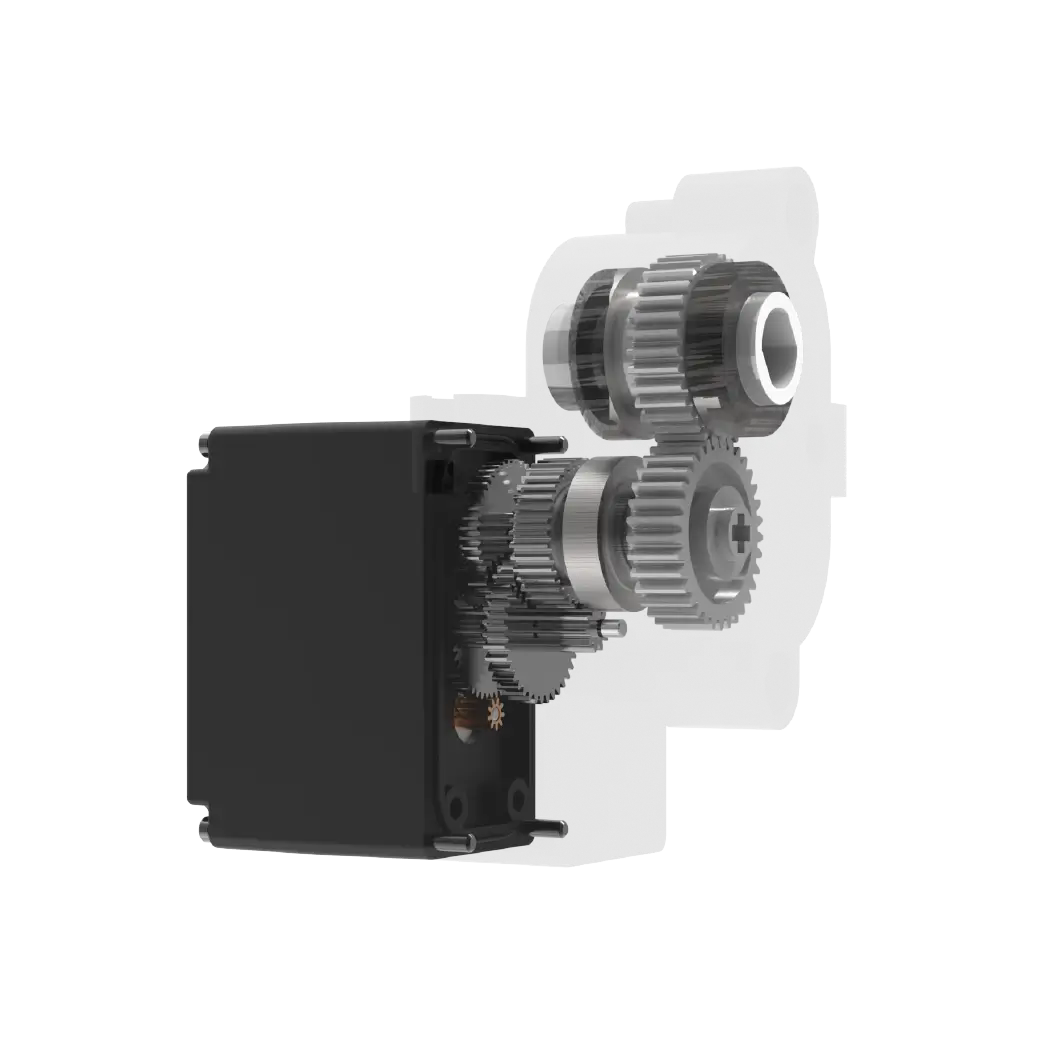
How does the SG92R fare in this regard? Its gears are made of plastic, which helps reduce weight, but it also raises some concerns: Will it wear easily? In actual intermittent use tests, it held up pretty well as long as it was not overloaded for a long time. Of course, if you need more resistance to wear and tear, you may want to consider other options, but for general small projects and productions, its durability is acceptable.
The power supply is also very simple, usually only requiring a voltage of about 5V. Works easily with most microcontrollers or development boards and does not require complex voltage conversion. The wiring is the classic three-wire system: power, ground, and signal wires. This design makes its integration into various projects very straightforward, without requiring extra effort to match.
If you want to make a small robot and need flexible neck or arm joints, it can do the job. It is also common for enthusiasts to use it to control steering or certain moving parts in remote-controlled cars, boats, or airplanes. There are also some creative projects, such as the small door switch of the automatic feeder, the fine adjustment of the mini photography head, or the slowly rotating exhibit bracket on the display stand - in these scenes, its small size and moderate strength are often just right.
Of course, it has its own limitations. If you need to drive heavy components, or require very fast rotational speeds, it may not be the best choice. Its niche is clear: lightweight, precise angle control rather than heavy-force or high-speed applications.
The price is relatively friendly. For those who are new to mechanical projects or require batch use, cost is a practical consideration.
Its size does have its advantages. The diameter is about 22 mm and the length is less than 30 mm, which saves a lot of space in a compact design. It is also light in weight and imposes little load on the entire system.
Then again, its controls are pretty standard. It can be driven with common PWM signals and has good compatibility with various mainstream controllers. There is no need to modify the entire control logic to adapt to it, which saves a lot of trouble.
One point is often mentioned: it is easy to buy. The supply is relatively stable, and you don’t need to wait a long time for a small part, which is very important for the progress of the project.
Although it is designed to be simple and easy to use, paying attention to a few small details can make it work better. For example, try to avoid letting it stall for a long time (that is, continuing to send signals when it is turned to the end), which will increase heat and wear. When installing, make sure the output shaft and load are firmly connected to avoid shaking or slipping. Also, if it is used on a moving platform, consider the impact of vibration and add some buffering or reinforcement if necessary.
The stability of power supply cannot be taken lightly either. Too much voltage fluctuation may affect its rotation accuracy and even cause jitter. Using a thick enough wire, or keeping it close to the power source, can often solve this type of problem.
When you encounter imprecise movements and slow response of small machinery again, you might as well check whether the servo is not selected correctly. A small servo with appropriate size, sufficient torque, and timely response can often improve the performance of the entire system to a higher level.
Micro servos such as SG92R have found their place in this demand. It's not a panacea, but in the areas it's good at, it can really save you a lot of time in debugging and rework.
Next time you're choosing parts for a small motion mechanism, consider these factors together: How much effort will it take? How big is the space? How fast does it go? Is it inconvenient to control it? What's the budget? Once you think these things through, your choice will be much clearer.
After all, a good project requires not only good ideas, but also small parts that make it work. They operate silently in the corner, but they determine whether the entire system can move smoothly.
Established in 2005, Kpower has been dedicated to a professional compact motion unit manufacturer, headquartered in Dongguan, Guangdong Province, China. Leveraging innovations in modular drive technology, Kpower integrates high-performance motors, precision reducers, and multi-protocol control systems to provide efficient and customized smart drive system solutions. Kpower has delivered professional drive system solutions to over 500 enterprise clients globally with products covering various fields such as Smart Home Systems, Automatic Electronics, Robotics, Precision Agriculture, Drones, and Industrial Automation.
Update Time:2026-01-19

Contact Kpower's product specialist to recommend suitable motor or gearbox for your product.


