

TECHNICAL SUPPORT


Published 2026-01-19
I have a friend who was tinkering with his robot project a while ago and always complained to me - "Why is the servo stuck again?" or "The response is half a beat too slow and it doesn't follow the lead at all." He tried several types, but he always felt that it was a bit boring. Then one day, he suddenly told me very excitedly that he found a "gadget" and all the problems were solved. Guess what? It’s the SG90 micro servo motor that I want to talk about today.

You may be thinking, isn’t it just a small steering gear, how much difference can it make? Hey, sometimes it's these inconspicuous parts that determine whether a project runs smoothly or stutters. Especially when you need to control the angle accurately, respond quickly, and fit it into a limited space.
Imagine you are building a robotic arm, or a small automated device. You need a certain part to turn accurately to a specific angle - say 0 degrees, 90 degrees, 180 degrees. Ordinary motors can only keep turning in circles, but the steering gear (that is, the servo motor) is different. It can "obediently" stop where you want it to stop.
The problem often arises here: the command is issued and it turns, but it either stops incorrectly, shakes, or is not strong enough to carry the small load. What's even more annoying is that some of them start to get hot while using them, or the noise becomes louder and louder, like they are complaining.
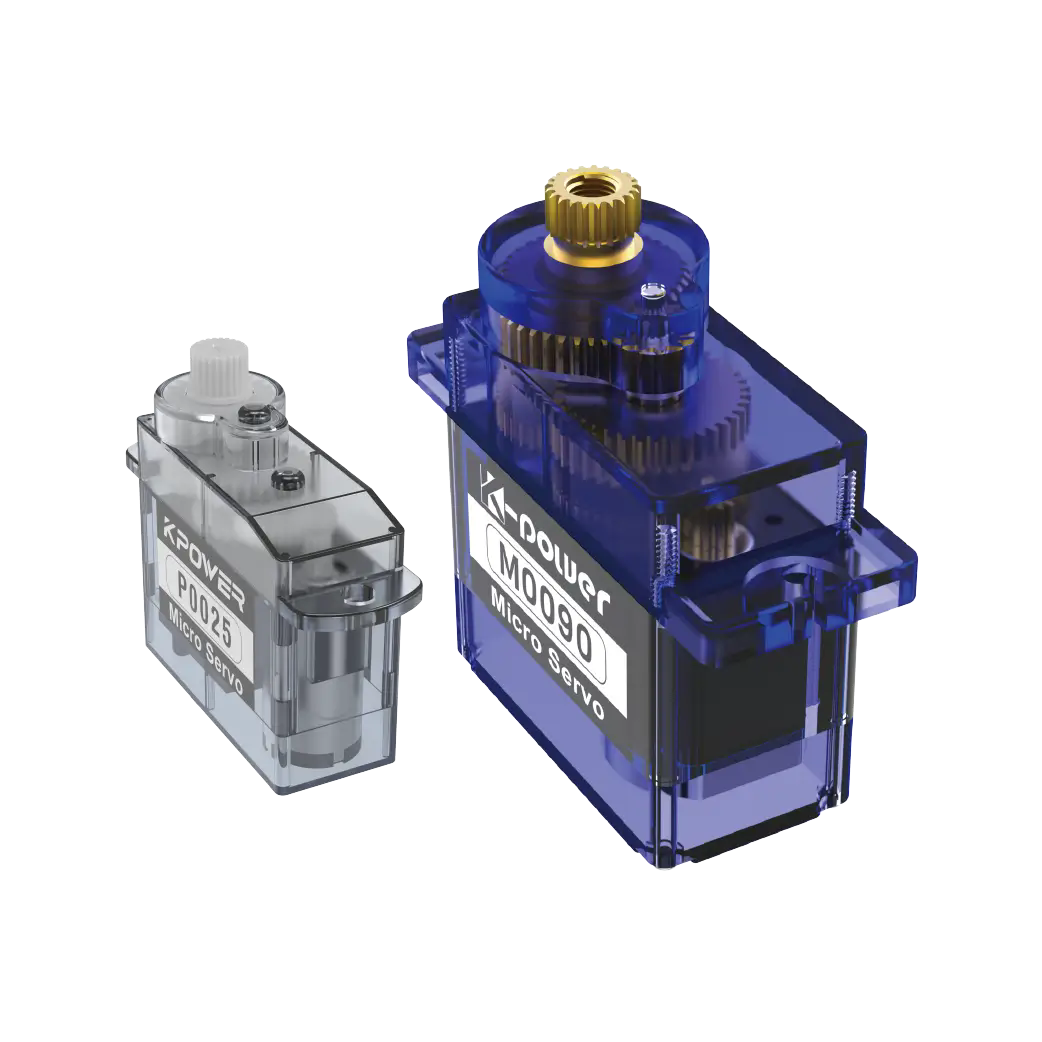
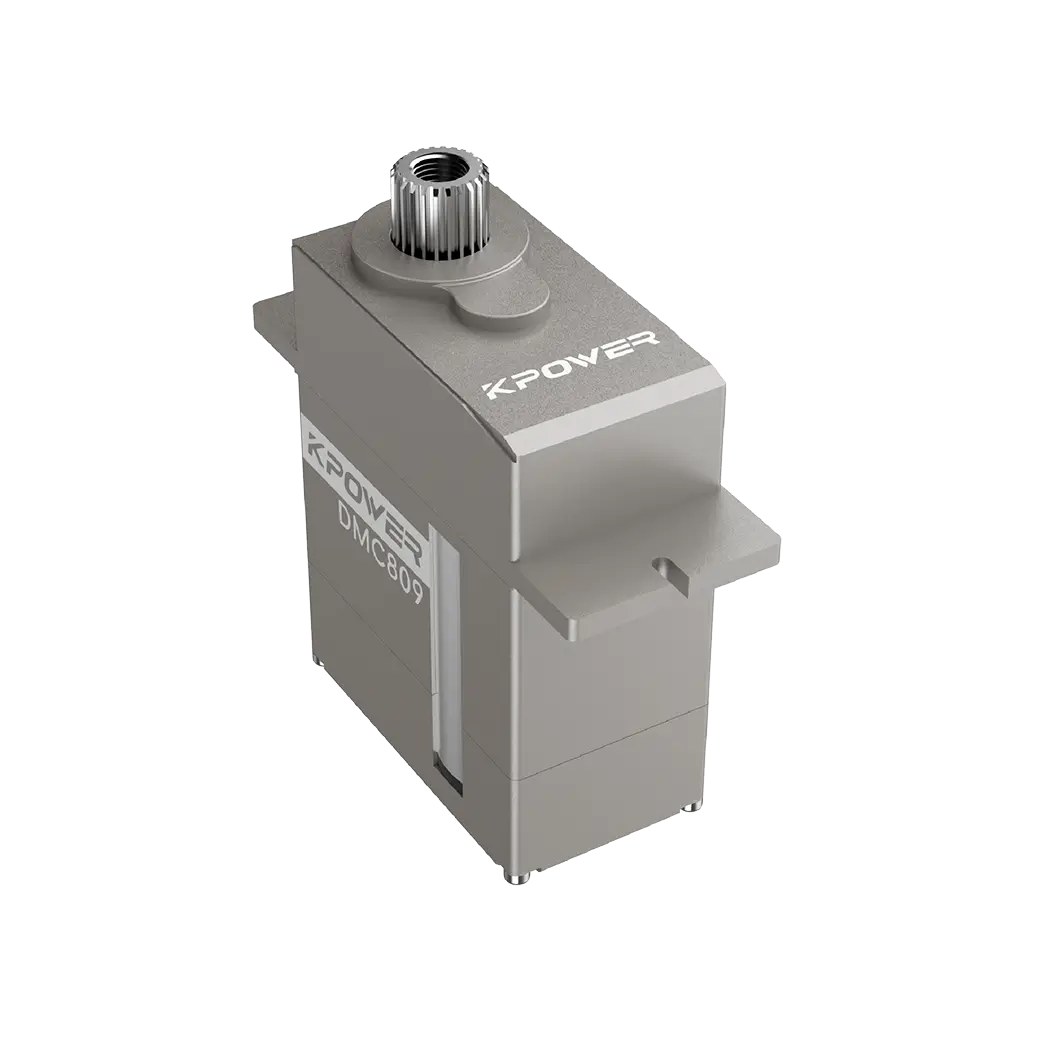
Micro servo motors such as SG90 are designed to solve these "little troubles". It is small in size, about the size of two stacked coins, and very light in weight, making it ideal for situations where space is tight. But it's small, and its torque (that is, the force of rotation) is enough for many light-duty applications. If you ask it to turn 60 degrees, it will basically stop steadily near 60 degrees and will not bargain with you.
There are many products called SG90 on the market, but their performance is uneven. Just like buying a mobile phone, they are both called smartphones, but the feel of using them is completely different.
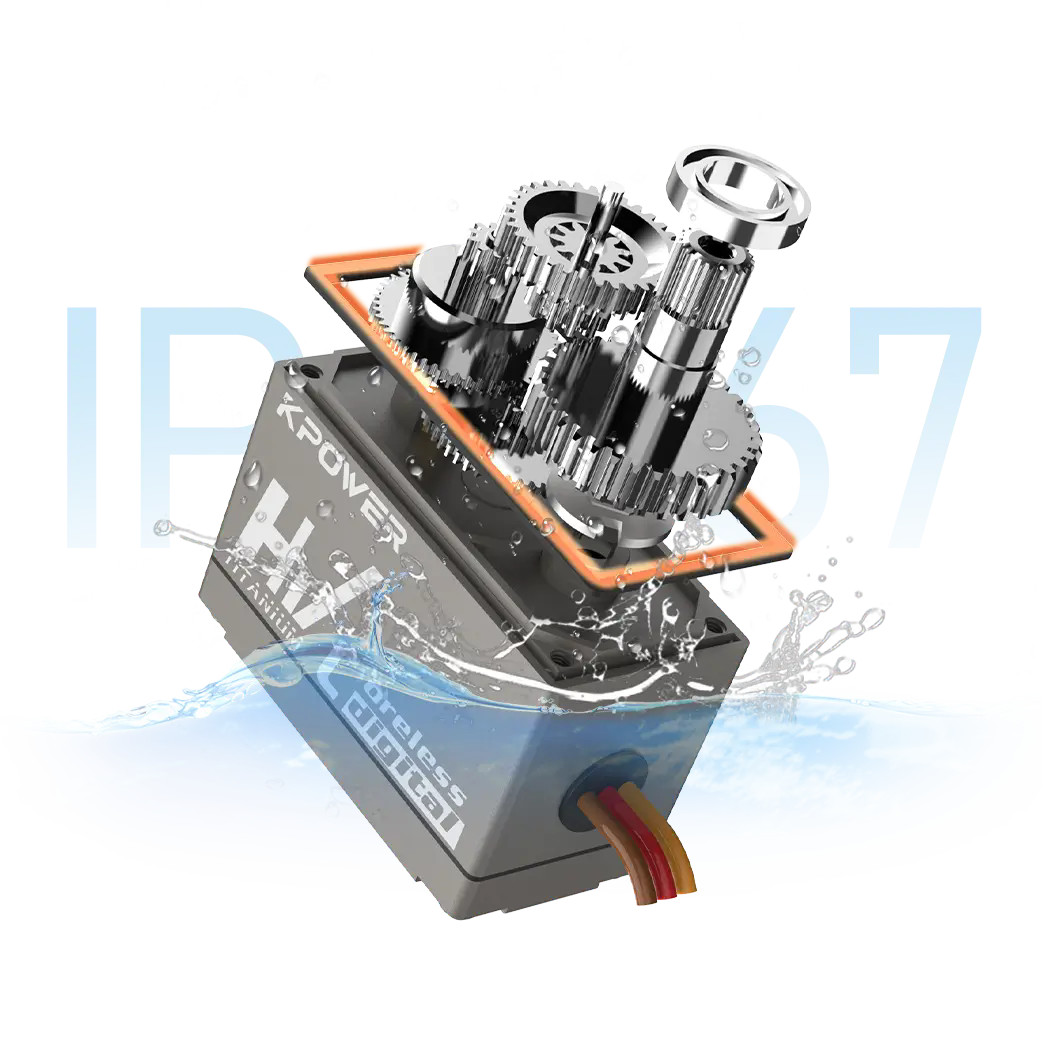
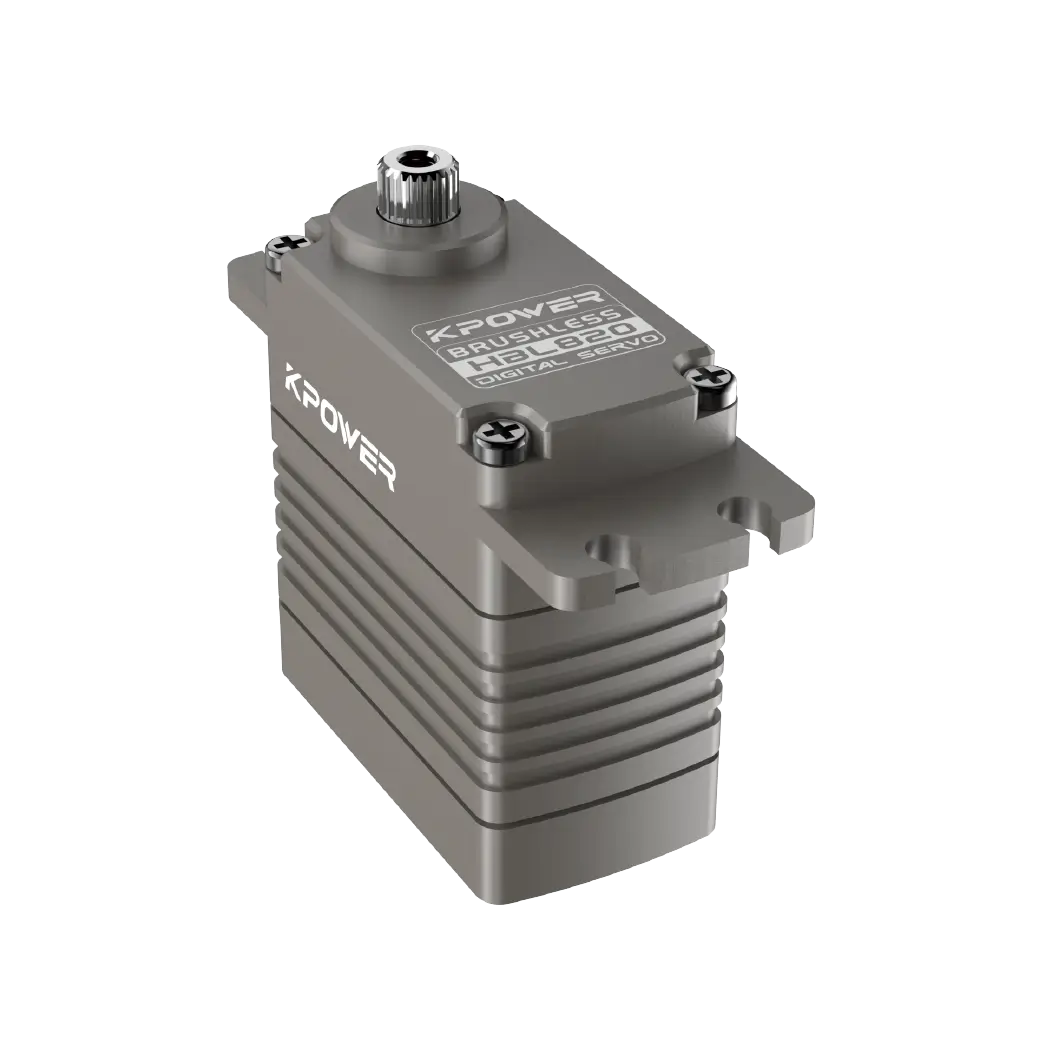
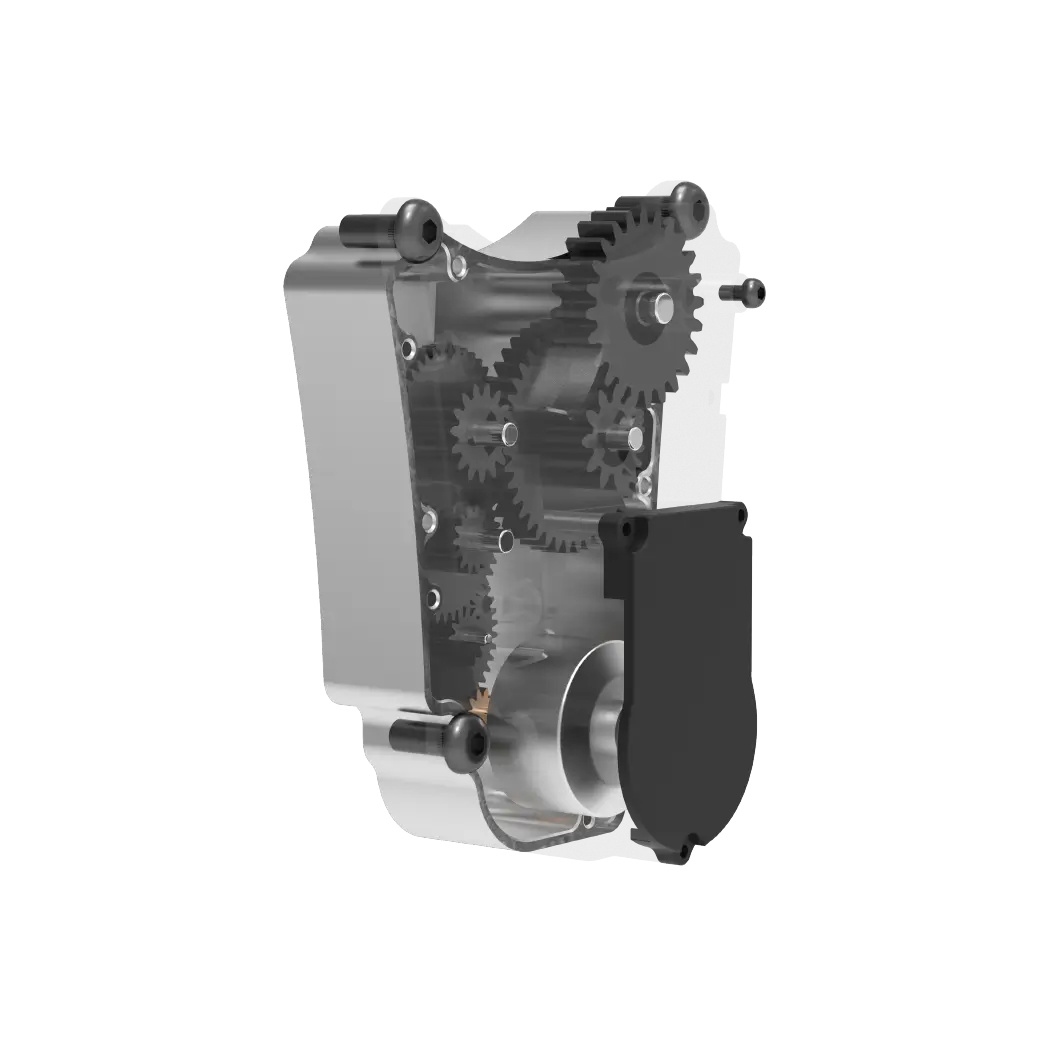
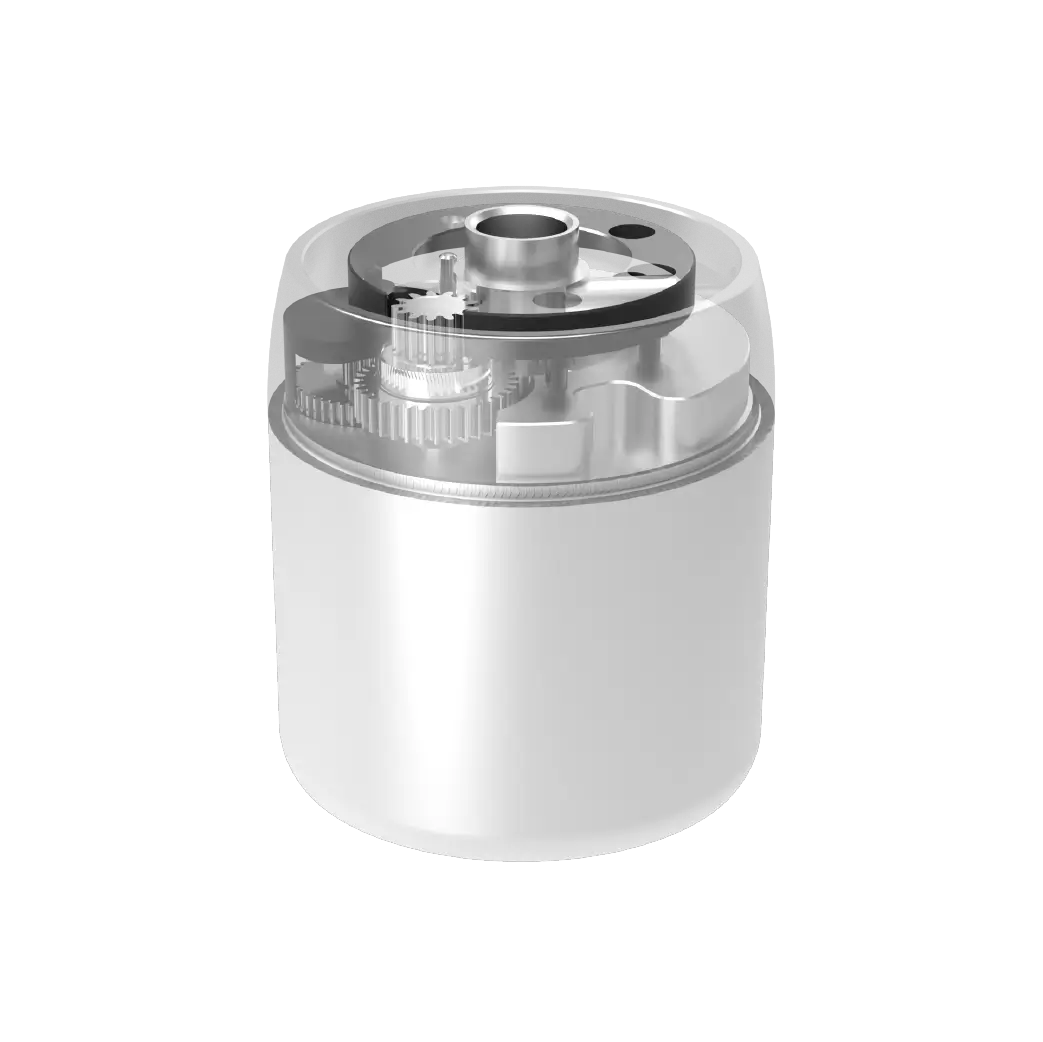
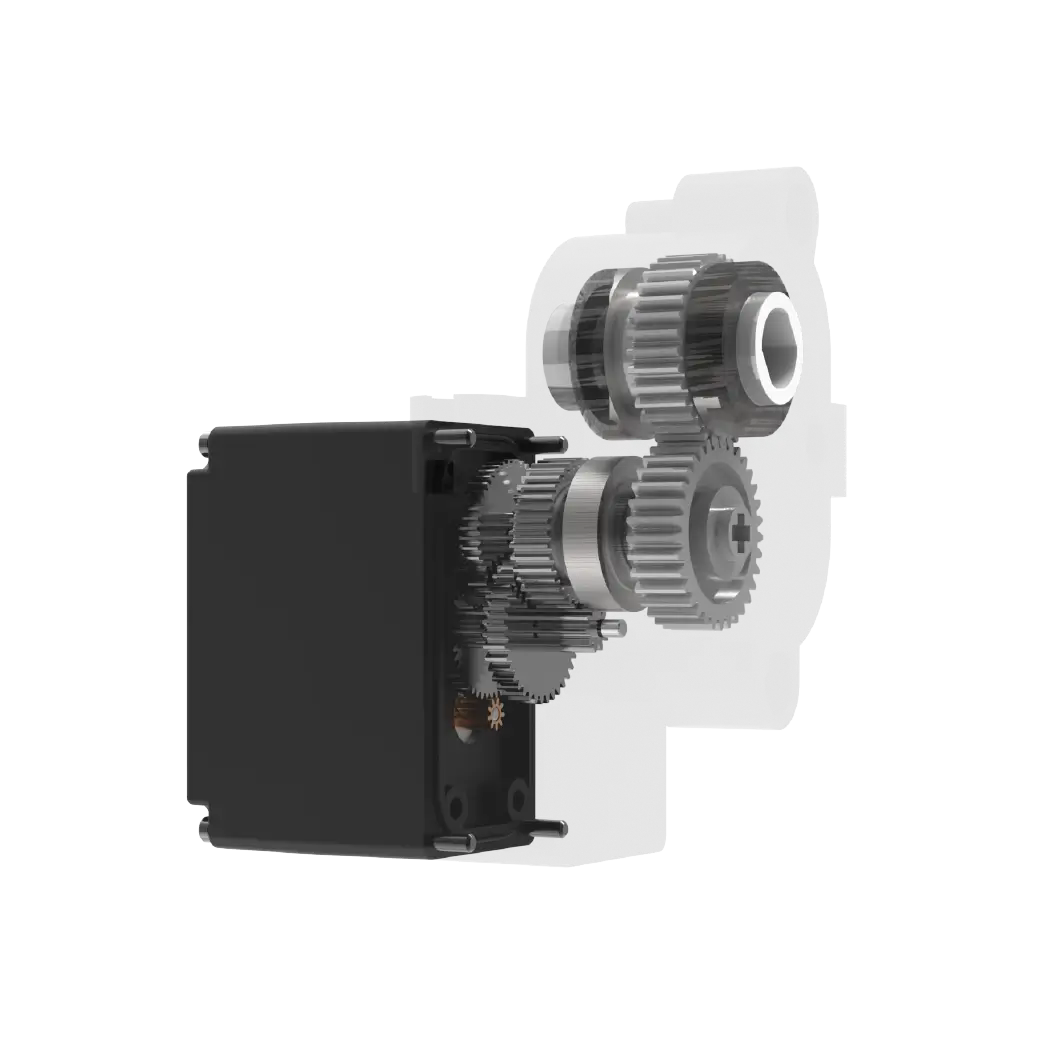
Some friends found after repeated comparisons,kpowerThe SG90 handles some details better. For example, its gear transmission part. Gear material and processing accuracy are directly related to smooth operation, noise level and service life. Low-quality gears are prone to wear and clearance after being used for a long time, resulting in increasingly inaccurate positioning. A good gear set can make this small motor operate quietly and accurately.
There is also an internal control circuit. This is its brain. A stable and reliable control circuit can ensure that it quickly understands the pulse signal you send and drives the motor to accurately reach the target position. It will not spin around like "nervous" because of slight voltage fluctuations.
Therefore, when choosing, you can’t just look at the name “SG90”, you have to look at who made it and what the materials are.
Let’s talk about a specific scenario. Many people use it to make joints for small robotic arms or remote control steering control. Wiring is very simple, usually only three wires: power, ground and signal wires. You send it a pulse signal of a specific width through a microcontroller (such as Arduino) or servo control board, and it will turn to a certain angle accordingly.
In actual use, it feels like "following". You want the camera gimbal to slowly track a moving object so that its rotation can be smooth. You want your car's steering wheels to return to straightness quickly, and its response speed can basically keep up. Although it is not very powerful (micro-servos are usually like this), it is capable of tasks such as pushing and pulling a small swing arm and turning a small fan blade.
Of course, it's not a panacea. If you need to drive a heavy lever, or require extremely high RPMs, it may not be the best choice. Its stage lies in light automation situations that require "precise angle control".
No matter how good something is, it must be used in the right place and taken care of. The power supply voltage should be stable and not too high. Usually around 5V is suitable. If the voltage is too high, the circuit will be burned out easily; if it is too low, the power will be insufficient. Try to avoid letting it "stuck" for a long time - that is, it has already turned to the end, but you are still giving it instructions to turn in that direction, and the motor is working hard, which will quickly lead to overheating and damage. Good design will have internal protection, but it’s always good to pay more attention when using it yourself.
The mechanical installation should be firm, but do not allow it to withstand excessive lateral forces. It is for turning, not as a jack.
Technology is quite interesting sometimes. The success of a project often does not depend on the most visible and expensive part, but on these small components that are unknown but conscientious in executing orders. Choosing a reliable micro servo motor like the SG90 may save you the trouble of countless subsequent debugging and the anxiety of waiting.
It is like a reliable mini-worker, accurately completing turning and positioning actions over and over again at the position you set. When your work becomes vivid and smooth because of these small and stable movements, that feeling is probably one of the joys of hands-on creation.
Next time you're looking for power joints for a small mechanical device, learn a little more about this little world. Every inch, there is also the pursuit of precision and reliability. Find the right one and your ideas will become reality more steadily.
Established in 2005,kpowerhas been dedicated to a professional compact motion unit manufacturer, headquartered in Dongguan, Guangdong Province, China. Leveraging innovations in modular drive technology, Kpower integrates high-performance motors, precision reducers, and multi-protocol control systems to provide efficient and customized smart drive system solutions. Kpower has delivered professional drive system solutions to over 500 enterprise clients globally with products covering various fields such as Smart Home Systems, Automatic Electronics, Robotics, Precision Agriculture, Drones, and Industrial Automation.
Update Time:2026-01-19

Contact Kpower's product specialist to recommend suitable motor or gearbox for your product.


