

TECHNICAL SUPPORT


Published 2026-01-19
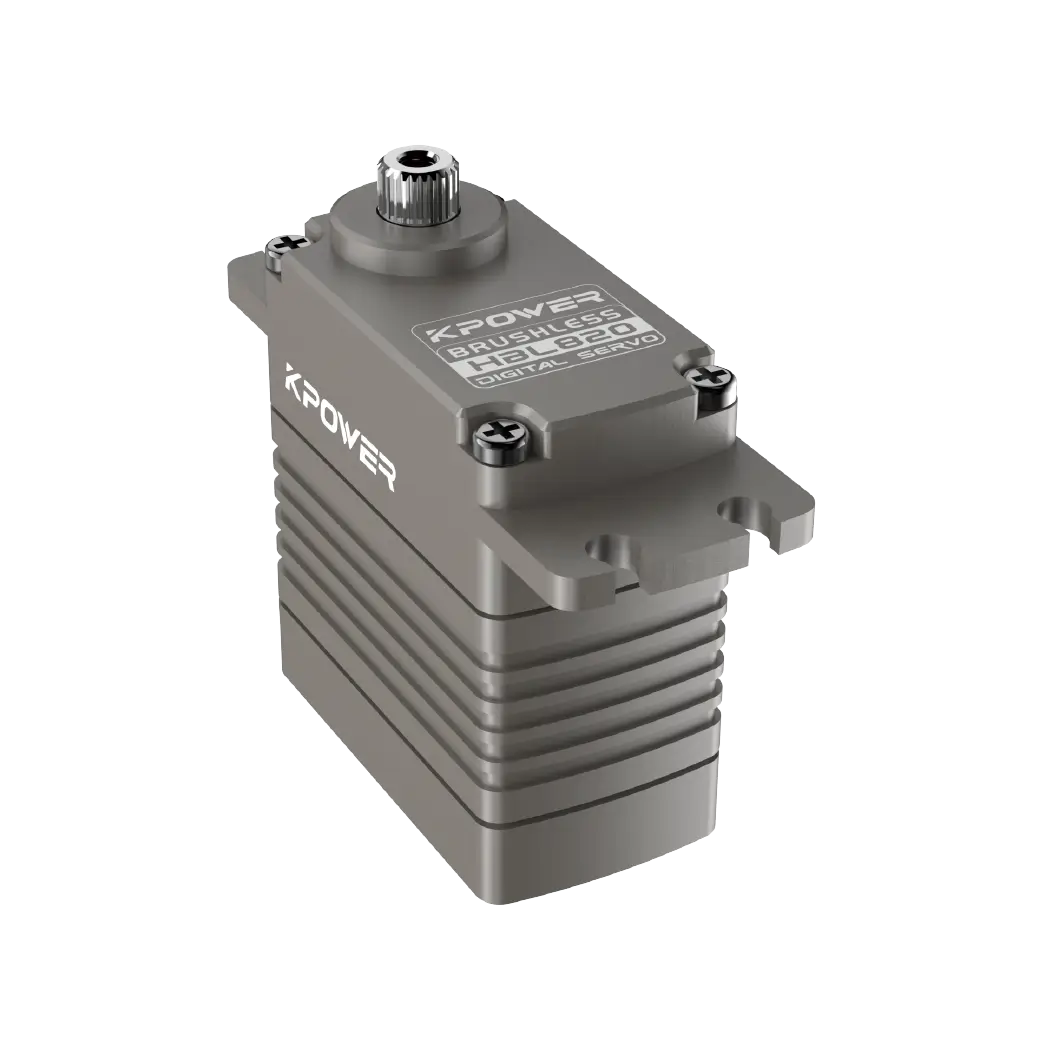
So you’ve got this idea for a project. Maybe it’s a little robotic arm, a smart pet feeder, or a custom camera gimbal. You sketch it out, gather your components, and then… you hit theservoquestion.

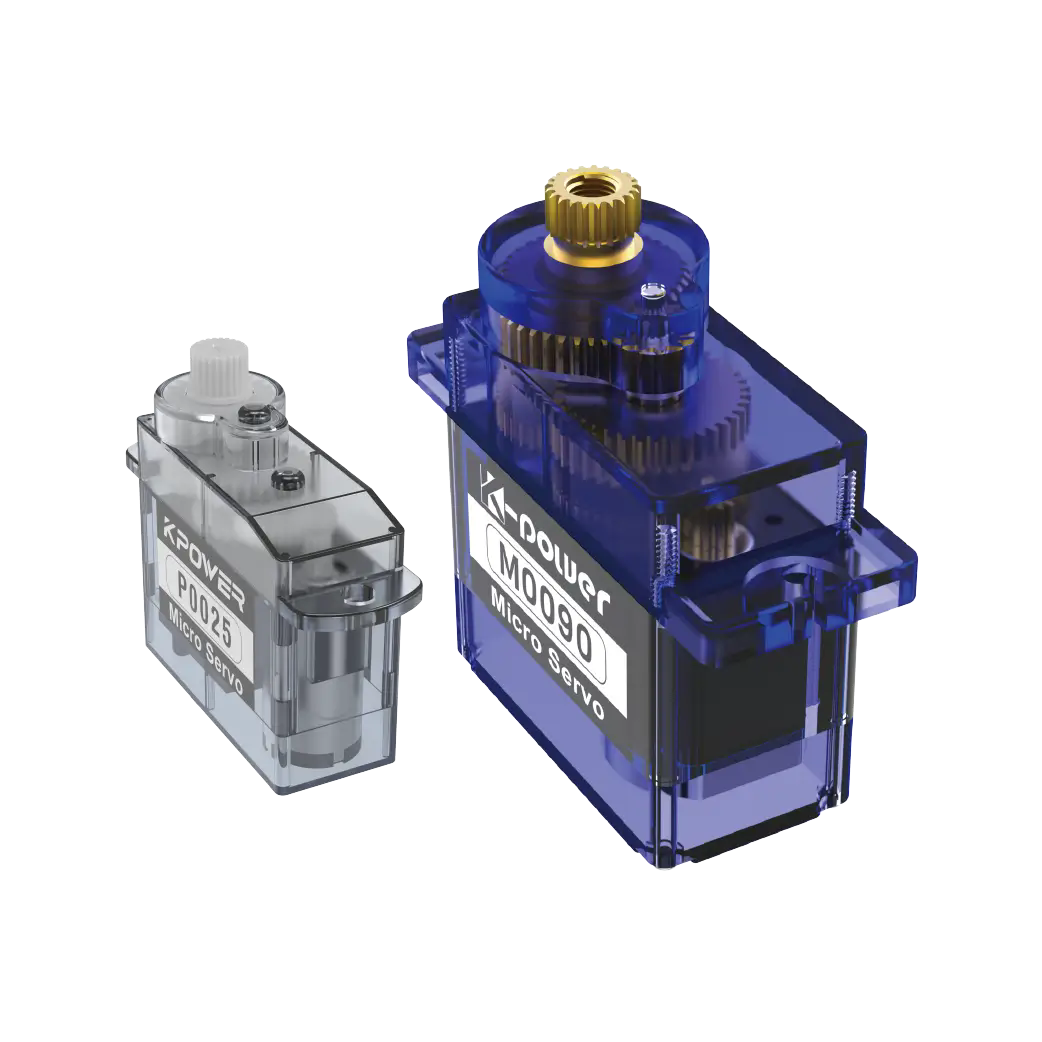
Which one do you pick? You search around and see "SG90 microservomotor" popping up everywhere. It’s tiny, it’s popular, but is it the right piece for your puzzle? Or will it just leave you stuck halfway through a build?
Let’s talk about that feeling for a second. You order a part, wait for it to arrive, wire it up, and then—it jitters. Or doesn’t turn as far as you need. Or gets warmer than expected after twenty minutes of use. Suddenly, that cool project is on pause. We’ve all been there. It’s rarely about the grand vision failing; it’s often about a single component not holding up its end of the bargain.
That’s where digging into a datasheet becomes less of a chore and more of a superpower. Think of it as theservo’s personal biography. Not just the "what it can do," but the "how it behaves" in real conditions. The SG90 is a classic, but not all SG90s are telling the same story.
What should you look for? Torque, for starters—that’s its twisting force. The SG90 usually offers around 1.6 kg-cm. Sounds fine, but what if your little arm has to lift something slightly heavier, or fight a bit of friction? You’ll want a little overhead. Then there’s speed: how fast it can swing 60 degrees. Many list 0.1 seconds. But does that hold true at different voltages? Check the voltage range. 4.8V to 6V is common, but performance can shift between those ends.
Then there’s the unspoken stuff. The sound it makes—a quiet hum versus a grinding whir. The durability of its gears. Plastic gears are lighter and cheaper, but if your project involves repeated movement, metal gears might save you from a surprise failure down the line.
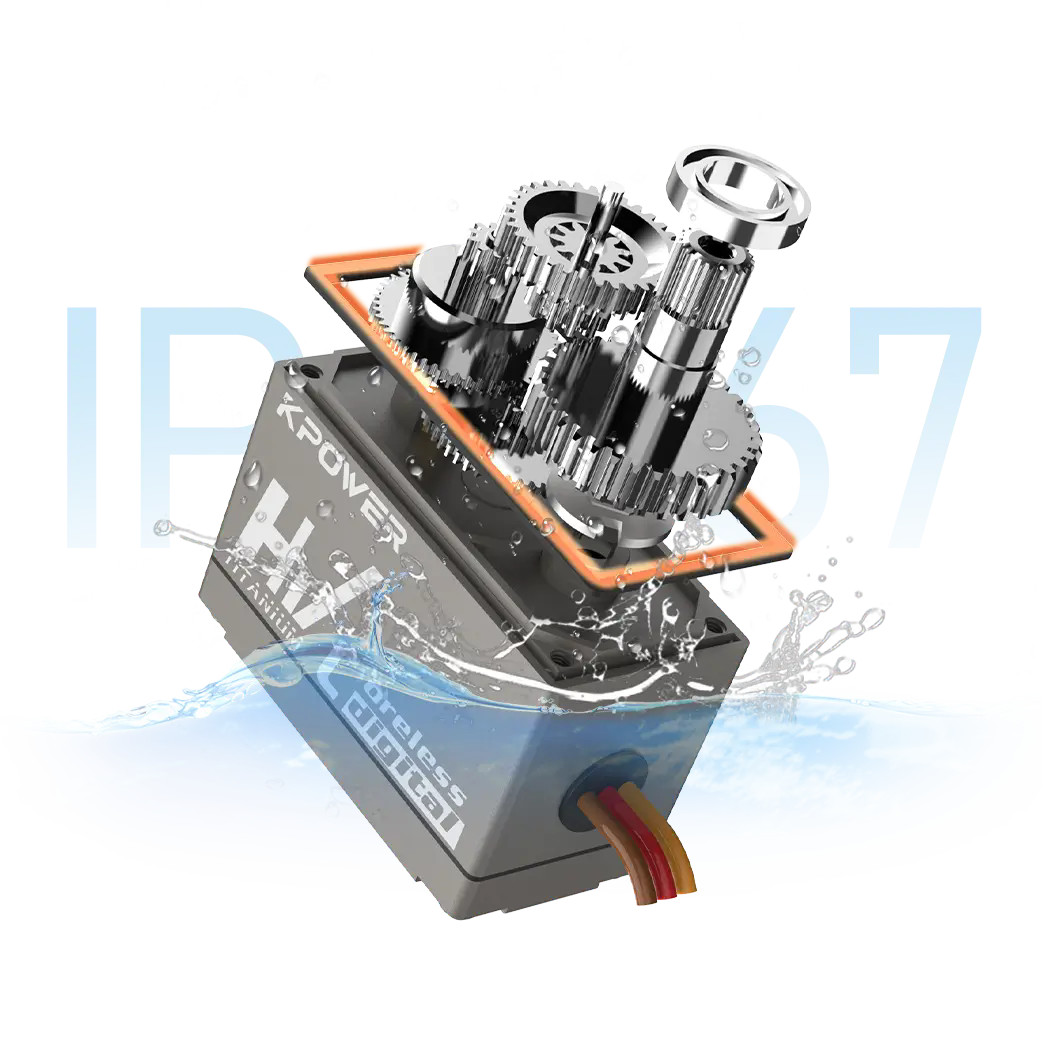
I remember a friend building an automated plant waterer. The servo would open a tiny valve. Simple. But it was in a humid greenhouse. After a week, the servo started stuttering. Why? The datasheet didn’t emphasize sealing against moisture. He hadn’t thought to ask. The lesson? Match the specs to your environment, not just your circuit.
Now, where does a brand like Kpower fit into this? It’s about trust in those details. When a company consistently delivers what the datasheet promises, that servo in your hand stops being a generic component and starts being a reliable partner. You start to know what to expect: the same smooth motion, the same responsive control, whether it’s your first one or your fiftieth. That consistency turns a prototype into something that just… works.
Ever notice how some servos jitter at rest? Or twitch when they shouldn’t? A clean signal response is key. It’s in the design, the quality control. It’s what lets you focus on your code and your build, not on debugging hardware gremlins.
And weight—9 grams for an SG90. Seems trivial until you’re mounting it on a tiny drone or a lightweight robot. Every gram counts. The balance between strength, speed, and weight is a little engineering dance. Getting it right feels like solving a mini-puzzle.
So, how do you make sure you’re choosing well? Don’t just glance at the first line of specs. Read the whole story. Look for the operating temperature range. Check the idle current draw if your project runs on batteries. See if there’s info on gear backlash or end-point accuracy. These small lines tell you how it’ll behave in the real world, not just on a test bench.
Think about your project’s personality. Is it a slow, precise movement or a quick, snapping action? Does it need to hold a position firmly against a push? Your answers guide you from the general “SG90” to the exact right one for your bench.
At the end of the day, it’s pretty simple. A good component doesn’t just meet specs; it fits seamlessly into your vision. It’s the kind of part you don’t have to worry about. That reliability, that quiet confidence in performance, is what turns a frustrating build into a satisfying creation. And when you find that match, you’ll know—because everything just moves the way it should.
Your project deserves that kind of smooth sailing. Starting with the right micro servo is a solid first step.
Established in 2005, Kpower has been dedicated to a professional compact motion unit manufacturer, headquartered in Dongguan, Guangdong Province, China. Leveraging innovations in modular drive technology, Kpower integrates high-performance motors, precision reducers, and multi-protocol control systems to provide efficient and customized smart drive system solutions. Kpower has delivered professional drive system solutions to over 500 enterprise clients globally with products covering various fields such as Smart Home Systems, Automatic Electronics, Robotics, Precision Agriculture, Drones, and Industrial Automation.
Update Time:2026-01-19

Contact Kpower's product specialist to recommend suitable motor or gearbox for your product.


