

TECHNICAL SUPPORT


Published 2026-01-19
Ever been stuck on a tinyservothat just won’t cooperate? You know the feeling—trying to cram movement into a tight space, only to find the motor jittering, stalling, or just not delivering the torque it promised. It’s frustrating, right? Especially when you’re working on something compact, where every millimeter and gram matters. Like that mini robotic arm you sketched out, or the smart little gadget that needs smooth, quiet motion. You need something small but mighty, reliable without the fuss.

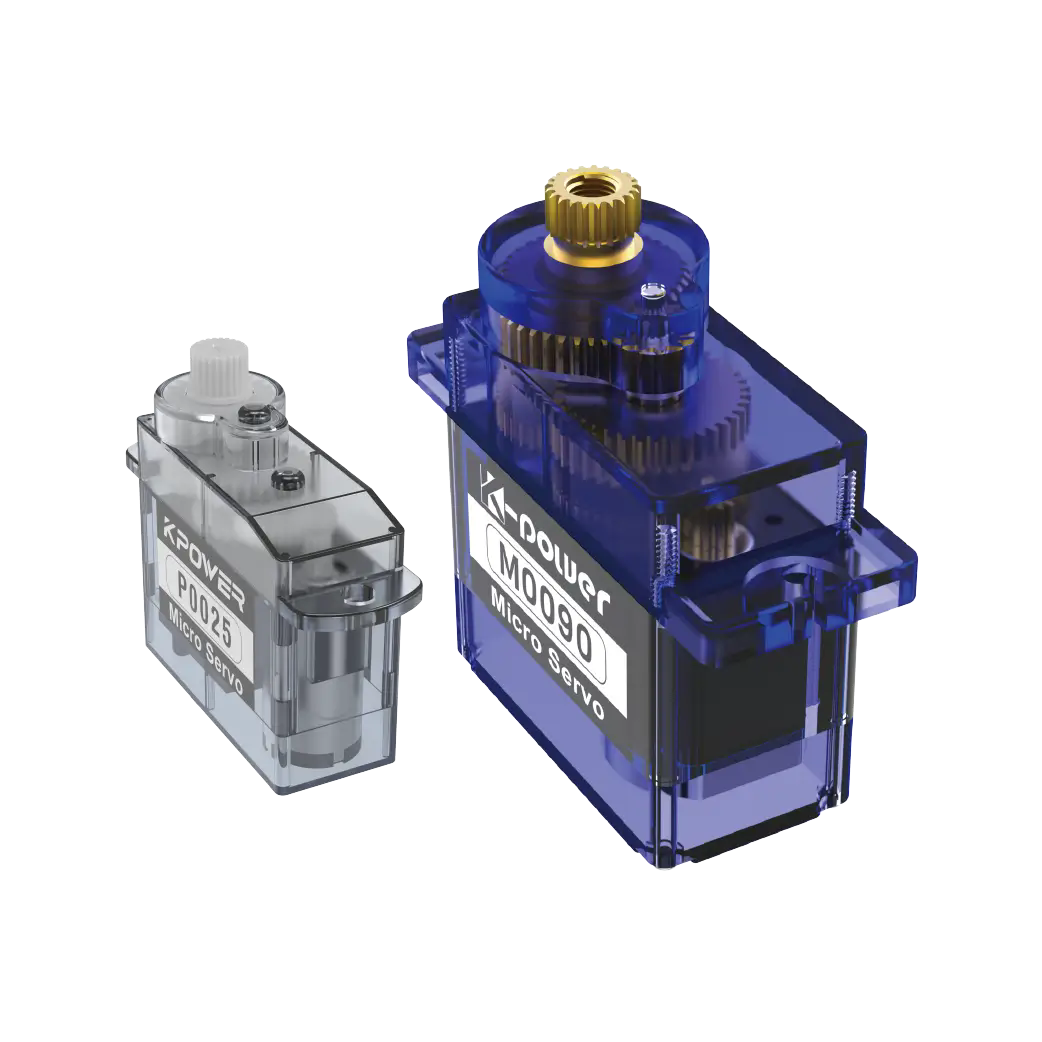
Enter the SG90 microservo. It’s one of those little components that pop up everywhere—in DIY bots, model planes, camera rigs, or even clever home automation tricks. But not all SG90s are made equal. Some buzz too loudly, some twitch when they shouldn’t, and others wear out after a few weeks of use. So, what makes a microservoactually worth your time and trust?
Let’s talk about what really matters in a servo this size. First off, the specs on paper only tell half the story. The SG90 typically runs on 4.8V to 6V, gives you about 1.2 to 1.8 kg-cm of torque, and rotates 180 degrees. Sounds standard, sure. But here’s where things get interesting: the difference often lies in how it behaves in real life. Ever noticed how some servos shudder at the start of movement? That’s often due to poor signal processing or cheap gears. A good one starts smoothly, holds position without drift, and doesn’t overheat when you’re tweaking it repeatedly.
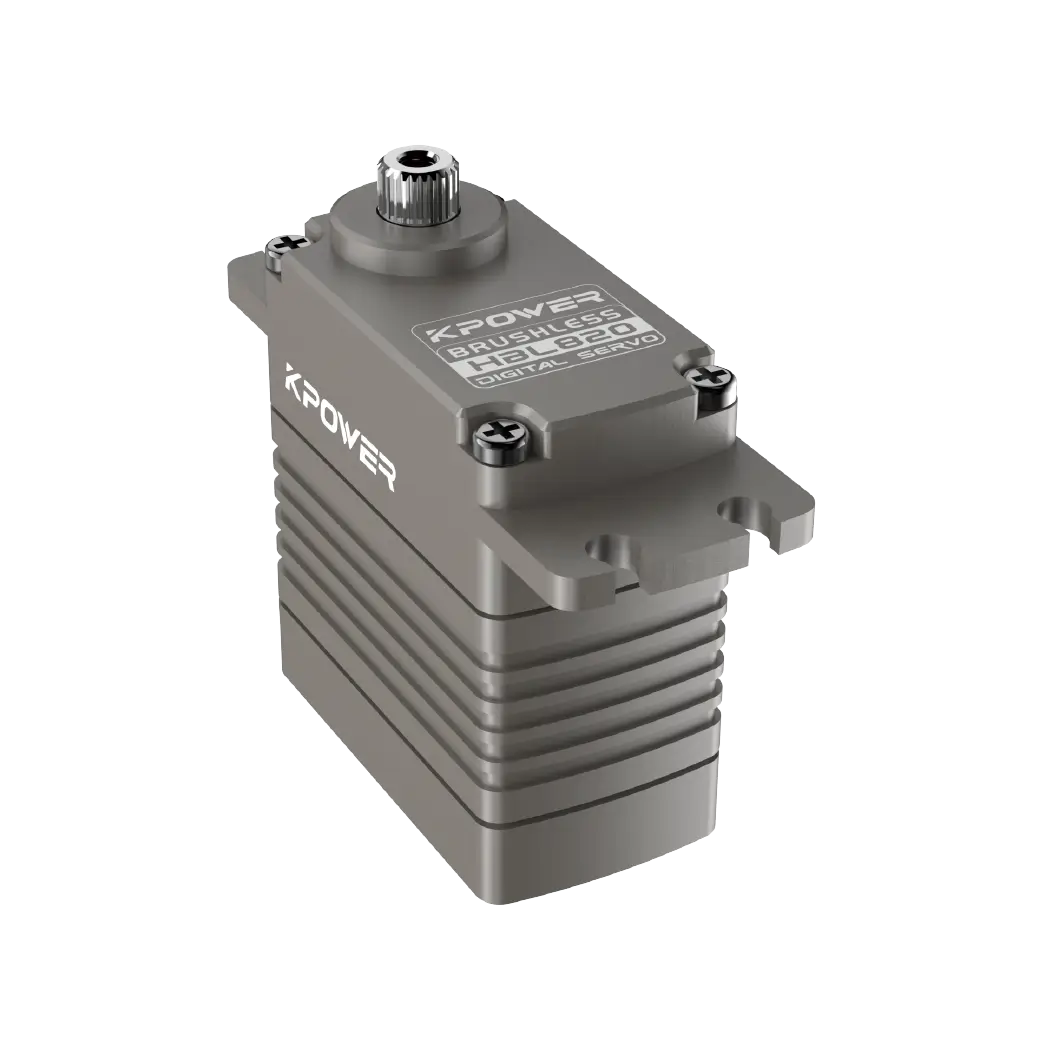
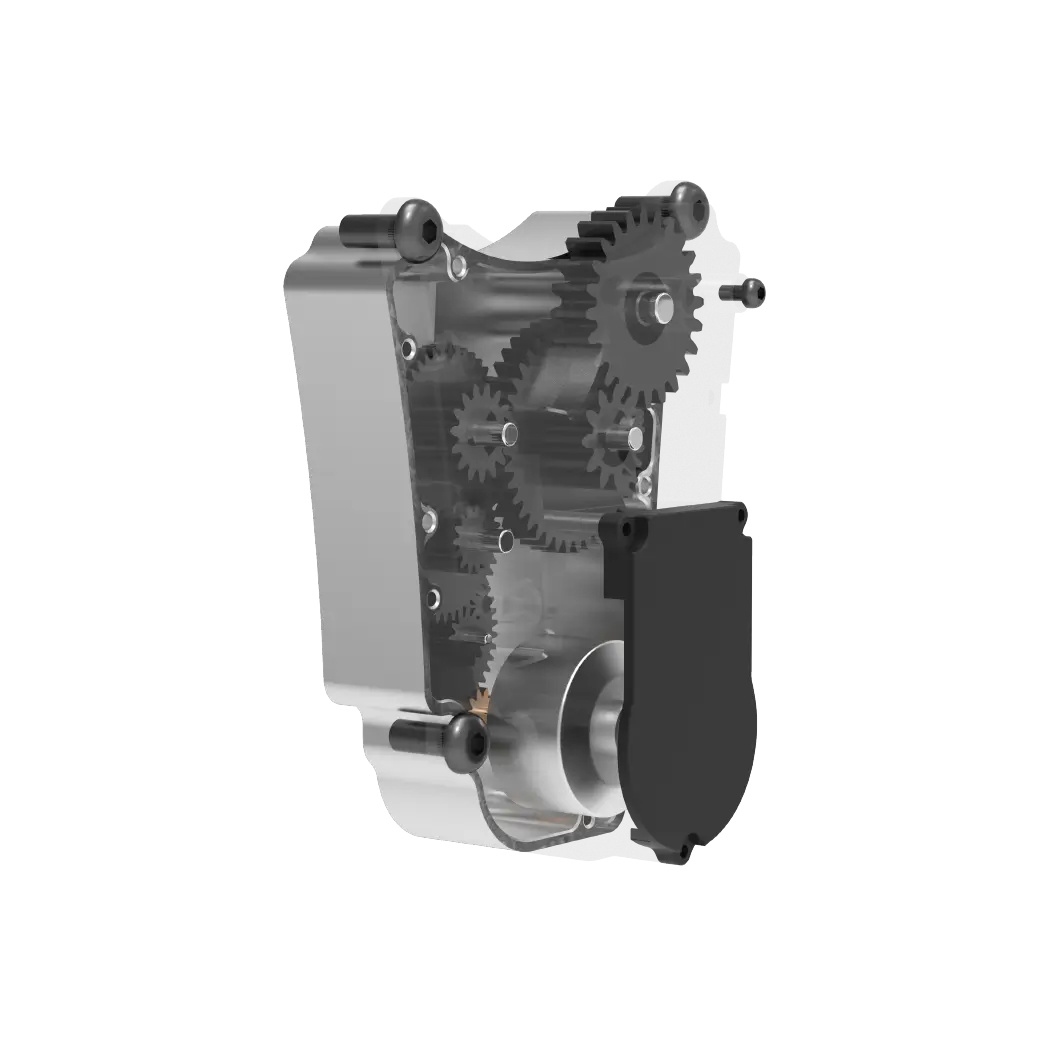
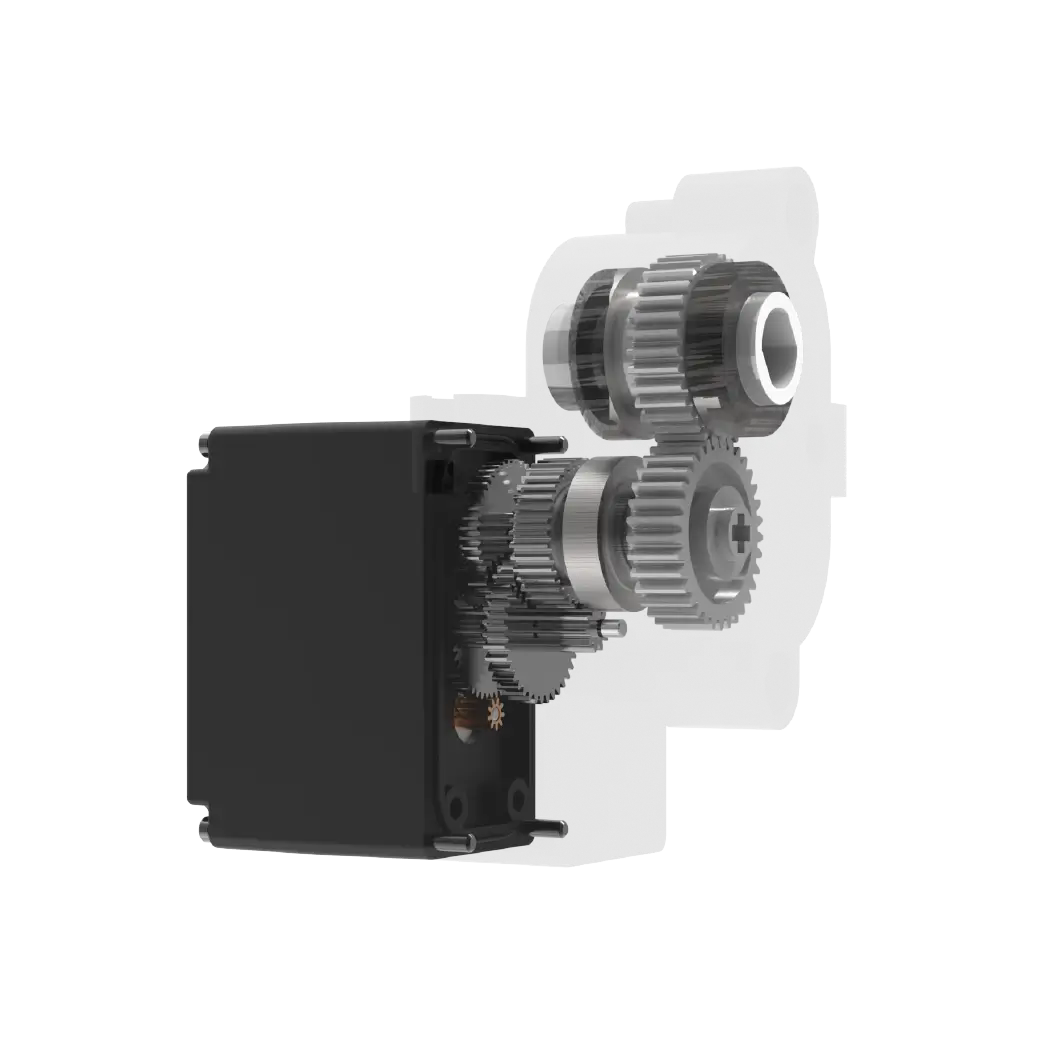
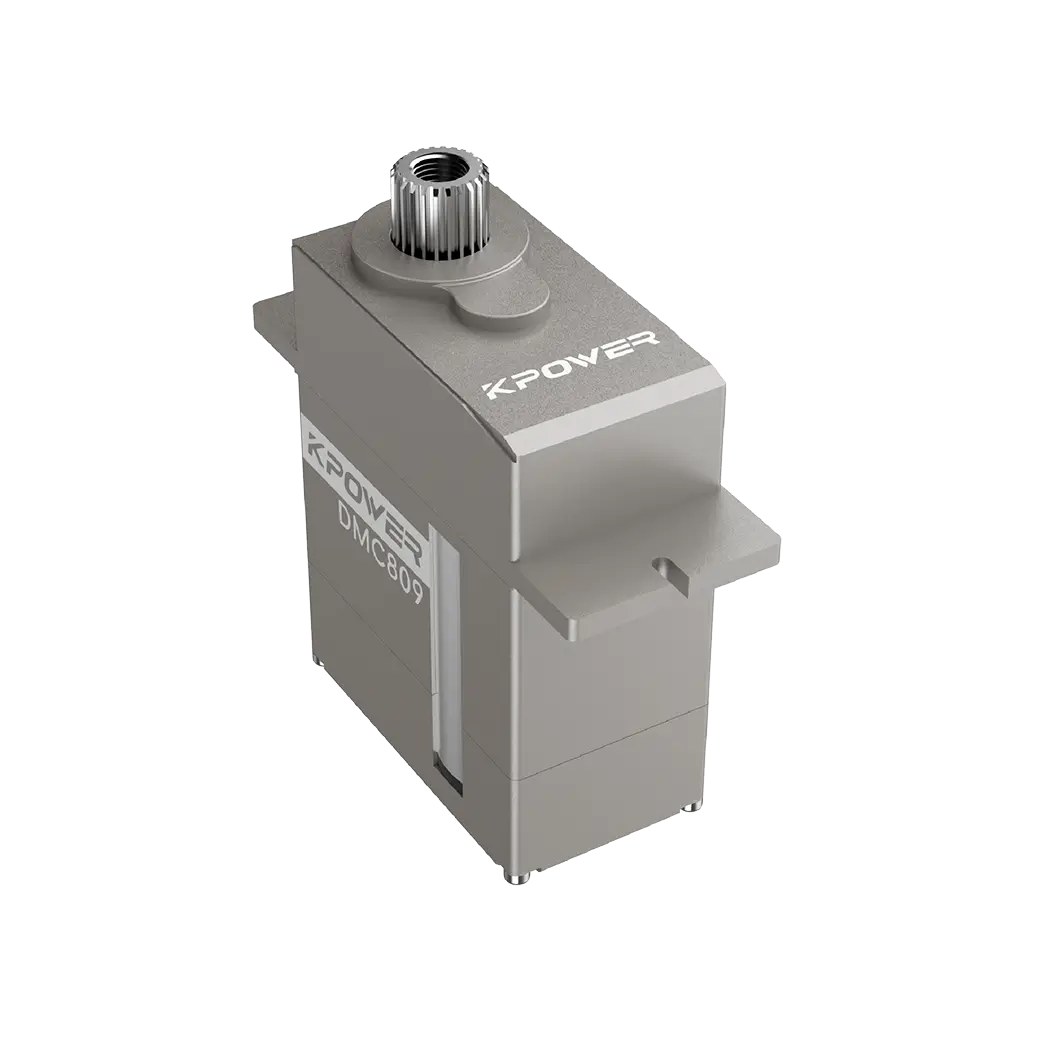
Kpower’s take on the SG90 focuses on just that—real performance, not just numbers. We tweaked the gear train to reduce backlash, so movements feel crisp and accurate. The motor is tuned for efficiency, which means less power wasted as heat and more delivered as motion. And that plastic case? It’s lightweight but tough, with mounting holes that actually align with common brackets. Little details, but they save you headaches during assembly.
Someone asked me once, “Why should I care about gear material in something this small?” Fair question. In micro servos, nylon or resin gears are common, but they can wear or deform under stress. Kpower uses composite materials that handle load better, so your servo doesn’t strip gears after a few intense cycles. It’s like choosing a good hinge for a tiny door—it might seem minor, but it determines how long everything works smoothly.
Another thing: noise. A humming servo can ruin a quiet environment, like in a filming slider or a bedside device. We managed to dampen motor vibration and gear chatter, so it moves almost silently. That comes from balancing the internal components and adding just enough cushioning without sacrificing responsiveness.
Now, how do you pick a reliable SG90 without overcomplicating it? Start by ignoring flashy claims. Look for consistent torque across the voltage range, check the idle current draw (lower is better), and see if the servo center point stays put after repeated cycles. In our tests, the Kpower unit held position within a degree of error even after hours of back-and-forth. That stability means your project won’t slowly drift out of alignment over time.
What about compatibility? The SG90 uses standard three-wire control (signal, power, ground), so it plugs into most controllers easily. But we’ve seen cases where signal jitter causes jumps. That’s why our version includes better noise filtering on the input line. It’s a small tweak that makes it play nicely with even cheaper PWM sources.
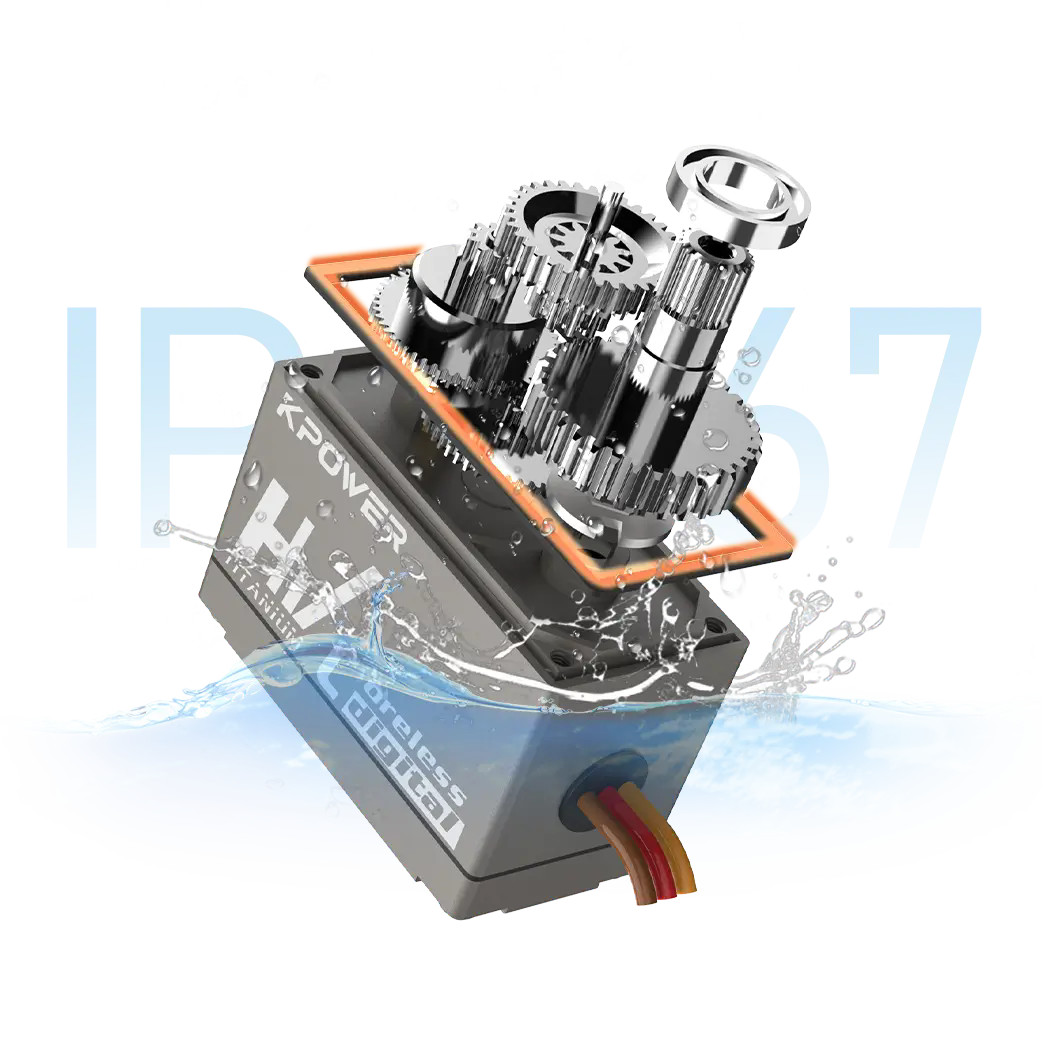
Durability is a big deal too. Maybe you’re building a small rover that bumps around, or a pet feeder that cycles daily. Micro servos can fail fast if the internal PCB is poorly protected. Here, the circuit is coated to resist dust and moisture, and the wires are stranded for flexibility, so they don’t break after repeated bending. It’s built to last longer than the average hobbyist’s enthusiasm.
Sometimes you wonder—can such a small thing really make a difference? Think of it as the joint in a finger, the tilt in a sensor, the turn of a valve. When it works right, you almost forget it’s there. When it doesn’t, your whole project stalls. Choosing a well-made SG90 isn’t just about buying a component; it’s about ensuring that the movement in your idea flows exactly as you imagined.
Kpower’s SG90 micro servo tries to be that invisible helper—small, quiet, strong where it counts. It won’t solve all your engineering puzzles, but it takes one worry off the table. So next time you’re sketching out something that needs precise, compact motion, give it a thought. Because sometimes, the tiniest parts are what let the bigger idea come to life.
Established in 2005, Kpower has been dedicated to a professional compact motion unit manufacturer, headquartered in Dongguan, Guangdong Province, China. Leveraging innovations in modular drive technology, Kpower integrates high-performance motors, precision reducers, and multi-protocol control systems to provide efficient and customized smart drive system solutions. Kpower has delivered professional drive system solutions to over 500 enterprise clients globally with products covering various fields such as Smart Home Systems, Automatic Electronics, Robotics, Precision Agriculture, Drones, and Industrial Automation.
Update Time:2026-01-19

Contact Kpower's product specialist to recommend suitable motor or gearbox for your product.


