

TECHNICAL SUPPORT


Published 2026-01-19
Have you ever encountered such a situation: you have conceived a wonderful little mechanical device in your mind, made a sketch, and bought all the materials, but you are stuck at the step of making a certain joint "rotate obediently"? Either it's not strong enough, or the angle is wrong, or it just buzzes and doesn't obey orders. It felt like a band that had everything ready, but the lead singer just opened up.

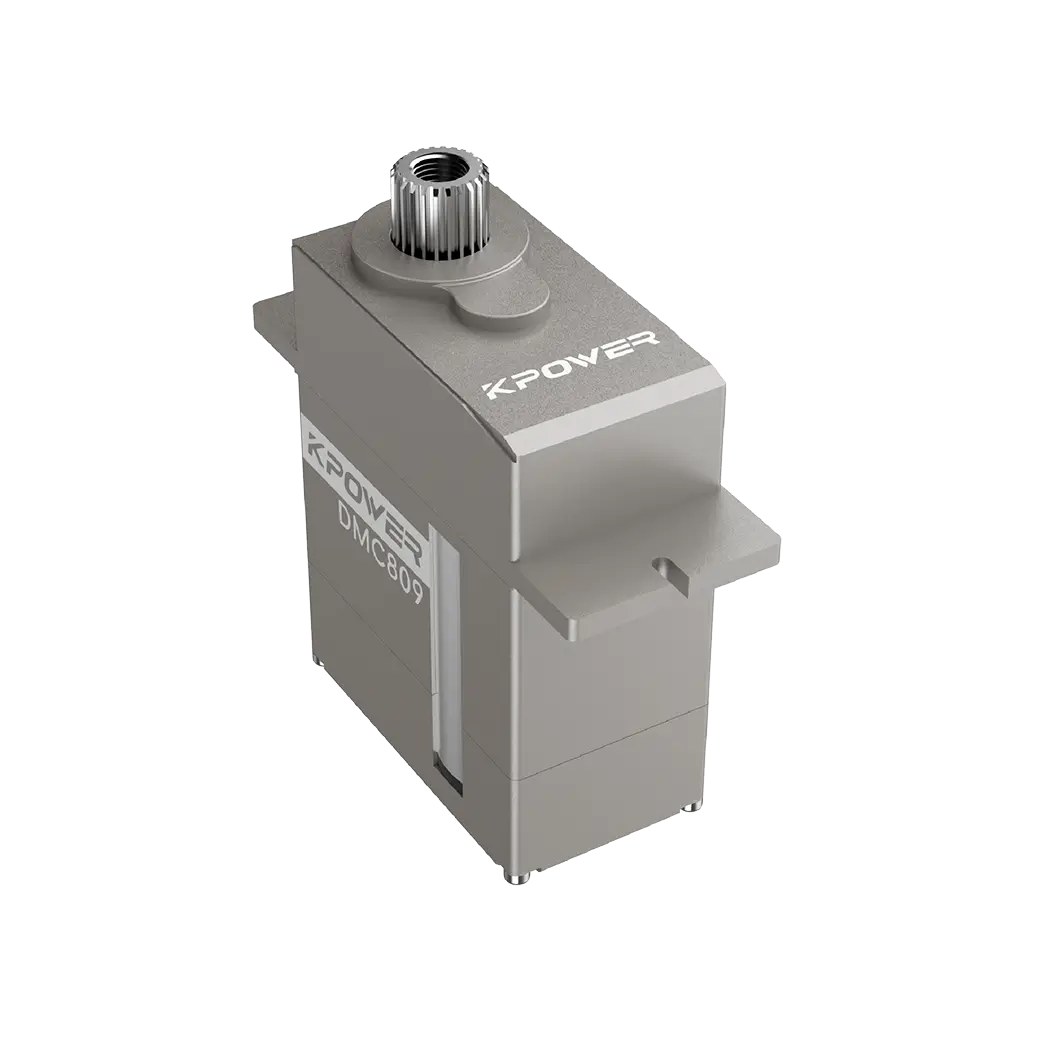
At this time, what you may need is not more complex programming or a larger motor, but a reliable, compact executive - for example, the frequent visitor quietly lying in many enthusiasts' parts boxes: the TowerPro SG90 micro servo.
It's so common that it's almost become a backdrop. But it is this inconspicuousness that often hides the overlooked truth.
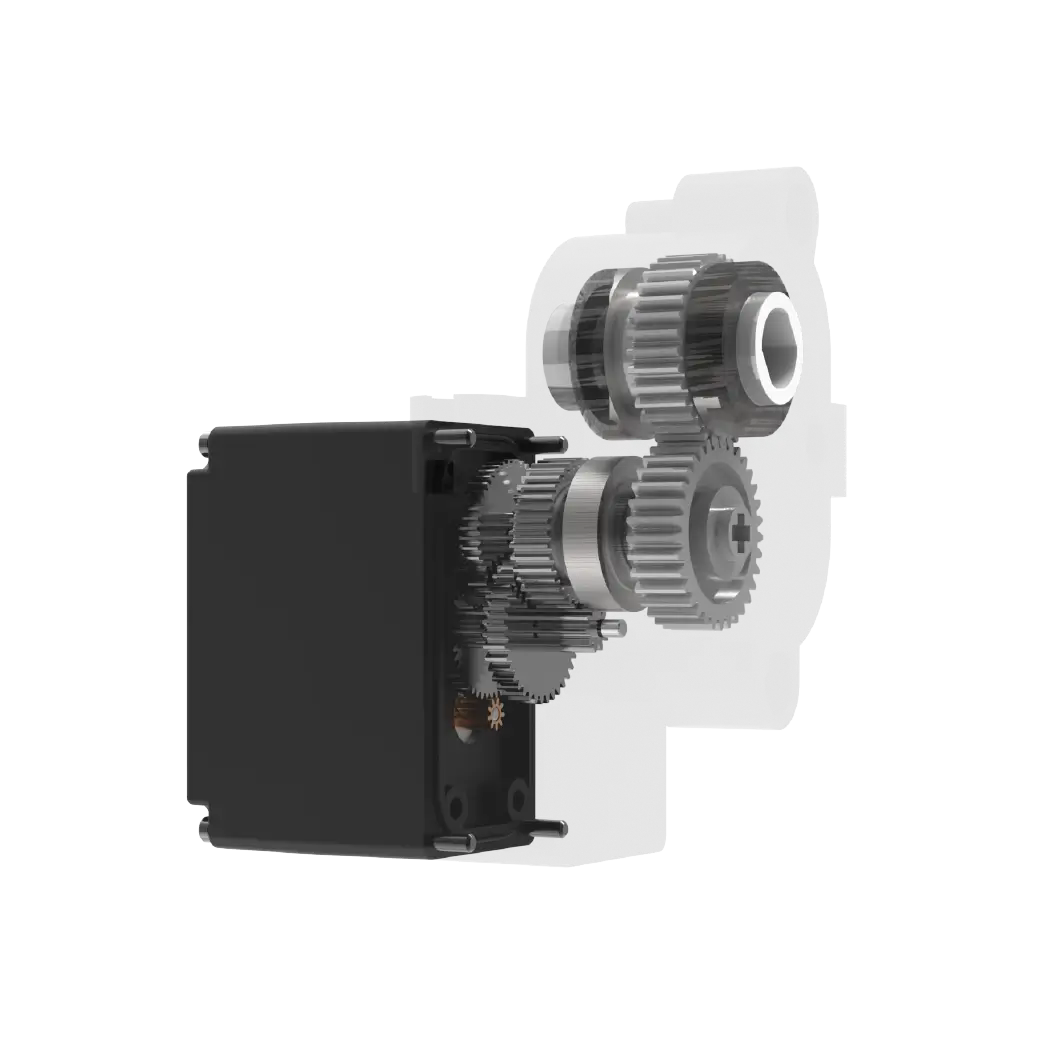
Let’s talk about accuracy. If you tell it to turn 90 degrees, it will never only turn 89 degrees or tremble to 91 degrees. For standard servos such as SG90, the position pulse signal is its law. This almost stubborn obedience comes from the simple and effective closed-loop system inside: a small motor, a set of reduction gears, and a feedback potentiometer. The circuit board always compares the instructions you give with the actual position fed back by the potentiometer, and constantly makes fine adjustments until the two are perfectly matched.
Therefore, when you need to precisely control the clamping angle of a robotic arm, the steering surface of an airplane, or the steering wheel of an automatic car, this "one-size-fits-all" feature is far more considerate than a motor that only idles wildly. It's not "probably maybe," it's "here it is."
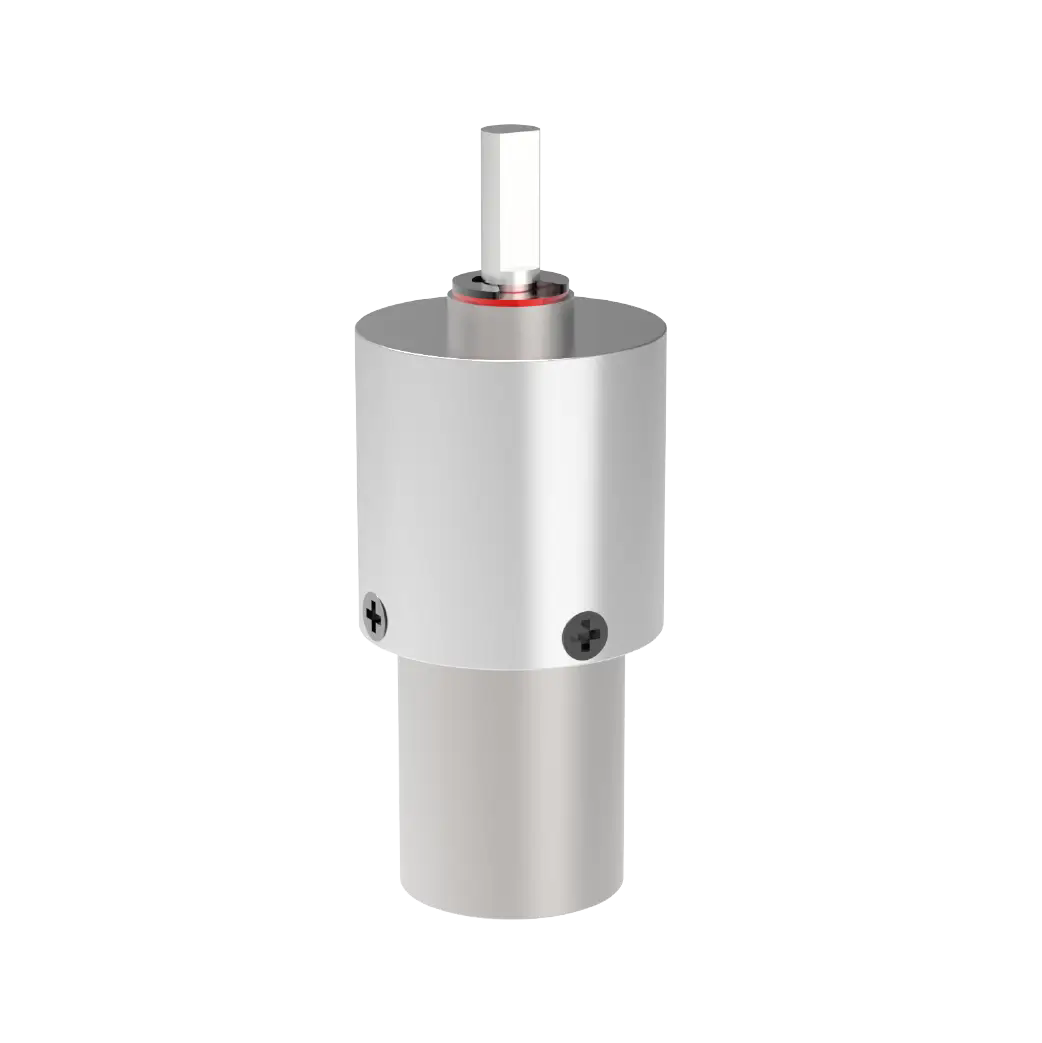
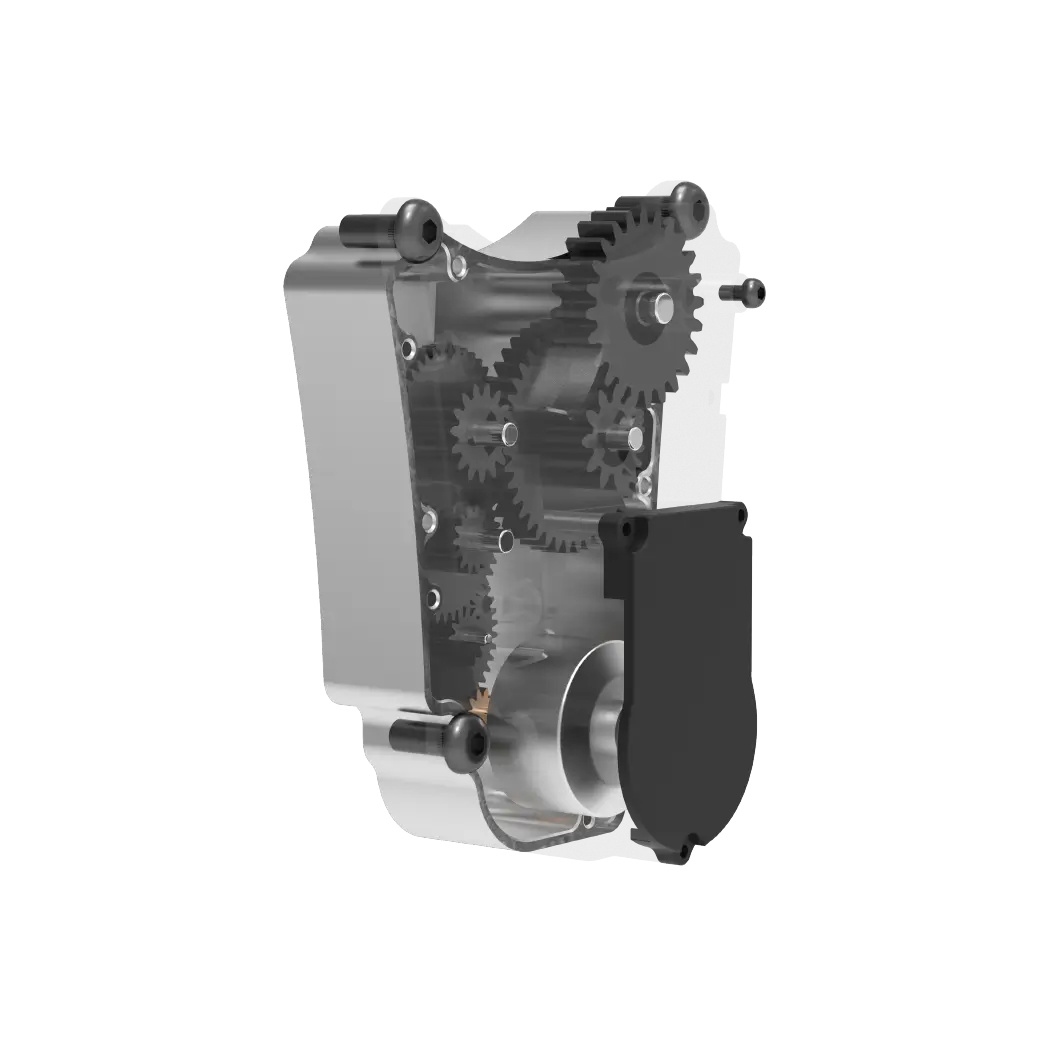
Some may ask, "Is it strong enough?" Well, that's a good question. A torque of about 9 grams can probably steadily lift a small plastic plate or move a light lever. You can't expect it to lift dumbbells, but within the scope of its promises, it's a solid doer. The gearbox converts the high speed and low torque of the motor into the low speed and high torque we need - just like using a long wrench to tighten a screw, labor-saving and precise.
Of course, making it work is not just as simple as connecting three wires (power, ground, signal). You will find that in some harsh situations, it will "tremble" or "neigh". This is often not its fault.
Is the power supply clean and sufficient? Can the instantaneous high current demand be met? Is that signal line too long and is being interfered with? These details are like providing a flat stage and clear music for an excellent dancer. For example, connecting a suitable capacitor in parallel with the power supply can often calm the restless noise caused by small fluctuations in voltage. Provide it with a stable "working environment", and what it will give you in return is silent and firm execution.
There's also range of motion. Its classic travel is about 180 degrees. But have you noticed that a small change in pulse width can drive it to any point within this range? This kind of analog-like fine control allows the movement to be fluid rather than just "on" or "off." You can make it slowly raise its head and lower it slowly, giving the machine a soft, anthropomorphic feel.
Choosing such a micro servo is sometimes like choosing a philosophy. It does not have the high speed of a brushless motor, the absolute open-loop control of a stepper motor, or the majestic power of a large hydraulic cylinder. But it sits at a fascinating intersection: adequate accuracy, modest power, minimalist interface, hard-to-beat price/performance, and proven reliability.
It solves the core pain point of "how to accurately move small mechanical parts to predetermined positions". The method is straightforward and effective: give you a standard three-wire interface, you only need to use a microcontroller, servo control board or even a remote control receiver to give it a series of standard pulses, and it will handle the rest by itself.
So, next time you're faced with a small project that requires precise "point-to-point" movements, take that familiar little orange square out of your drawer. Look at it, connect to it, trust it. It may not make your project "high-end", but it will most likely make it "active" become "easy to use", and from "idea" to "reality".
After all, the best technology is often the one that quietly and reliably disappears behind the scenes. It works there and you almost forget it's there - which is perhaps the highest compliment you can pay to a part.
Established in 2005, Kpower has been dedicated to a professional compact motion unit manufacturer, headquartered in Dongguan, Guangdong Province, China. Leveraging innovations in modular drive technology, Kpower integrates high-performance motors, precision reducers, and multi-protocol control systems to provide efficient and customized smart drive system solutions. Kpower has delivered professional drive system solutions to over 500 enterprise clients globally with products covering various fields such as Smart Home Systems, Automatic Electronics, Robotics, Precision Agriculture, Drones, and Industrial Automation.
Update Time:2026-01-19

Contact Kpower's product specialist to recommend suitable motor or gearbox for your product.


