

TECHNICAL SUPPORT


Published 2026-05-14
Have you ever thought about what the problem is when your robotic arm suddenly stops in mid-air, or vibrates crazily as if possessed?
1. A multiple-choice question that will make you sleepless
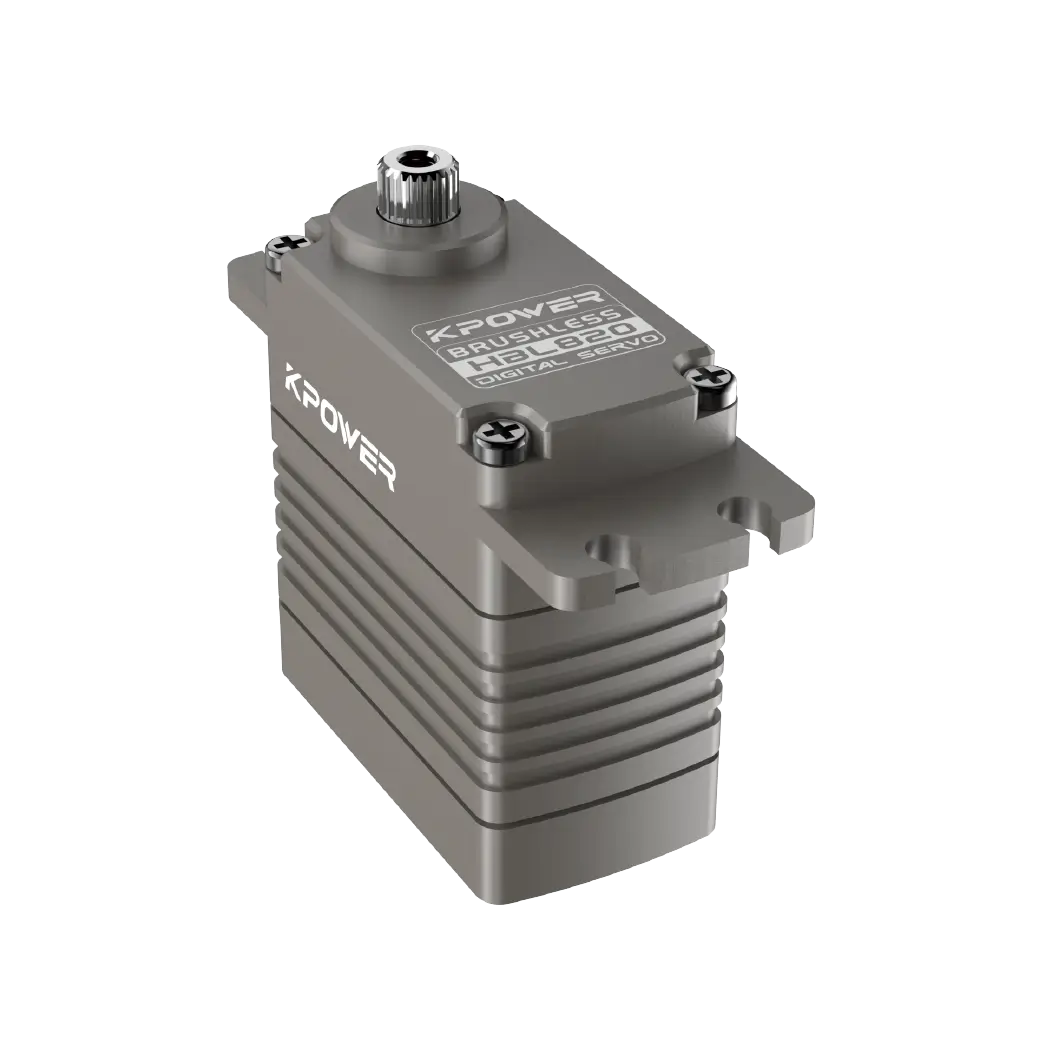
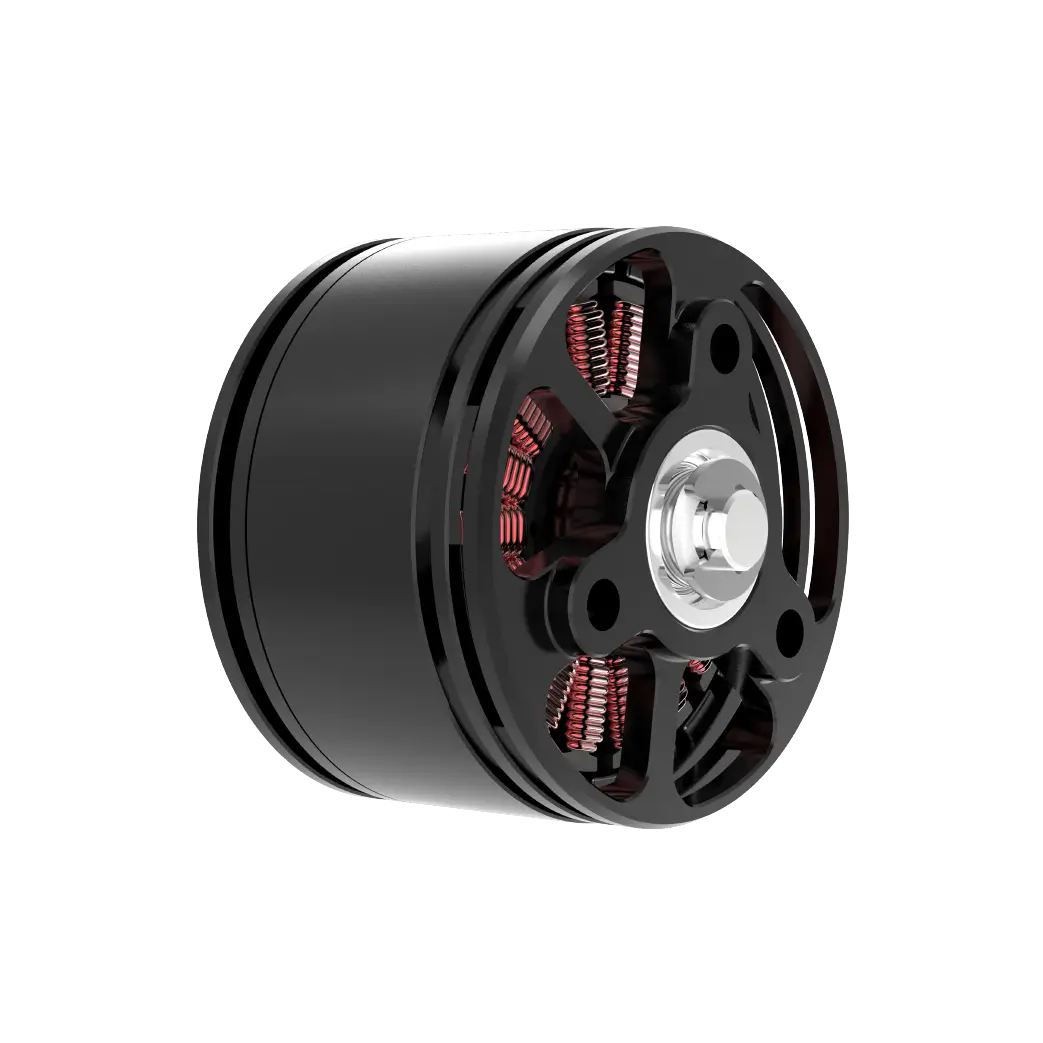
Don't be so anxious to look at the parameter list. Try to imagine your robotic arm as a human arm. The motor is like a pure muscle, it only knows how to contract and release hard; and theservois more like a tendon with its own brain, it knows exactly which angle it wants to stay at.
I have seen many people fixate on the figures of "torque" and "voltage" when they first started, but the final assembled robotic arm was either as soft as noodles, without the strength and support it should have at all. Sometimes, the robotic arm was as hard as a rusty iron pipe, losing its flexibility and operability.
Suppose you choose aservo, okay, if so, are you willing to accept its pitiful continuous rotation ability? An extremely large number ofservos are built for "positioning" rather than "running". On the other hand, if you choose a DC motor, are you ready to face that vexing problem - lack of feedback, how do you know where it has turned?
An experiment that illustrates the problem is to install an ordinary 9g servo on a simple robotic arm, install an N20 motor of the same price on another simple robotic arm, and then let them grab an egg. As a result, the servo arm stopped steadily in the second second, and the motor arm crushed the eggshell after the fifth try. The problem is not that the motor is not strong enough, but that it does not know when to stop.
2. The confrontation between two core desires
Let’s break down the requirements.
There is a particularly important term in the field of mechanical design, called torque, which will often appear in your design records. Imagine that when you want the robotic arm to pick up a 500ml bottle of water, the servo can generally provide a more direct locking force based on its strengths at the same volume. Note that it does not require additional brakes. The difference with this is that the motor has to work with the reduction gearbox and encoder to simulate the situation of "stopping somewhere".
Take a small six-axis robotic arm as an example. If each joint uses a servo, then the entire control system may only require a PCA9685 board. But what if it is replaced by a motor? Then you have to carefully prepare six closed-loop drivers and a bunch of interrupt pins.
However, don’t get too busy cheering just yet. The fundamental problem with servos is their responsiveness. When you ask it to rotate from 0 degrees to 180 degrees, it behaves like an old man pacing slowly. As for the motor, as long as the voltage meets the conditions, it only takes 0.1 seconds to rotate half a circle. Therefore, for those applications that require fast grabbing, throwing or continuous rotation, such as table tennis picking up robotic arms, using a servo is enough to make you upset.
Q: Is the steering gear really more accurate than the motor?
First, A said that this is not necessarily the case, and then mentioned that the accuracy of ordinary servos is about 0.5 degrees, but the accuracy of closed-loop stepper motors and encoders can reach 0.05 degrees, and finally pointed out that the advantage of servos is that their integration is relatively simple.
Q: I want to make a robotic arm for teaching, which one should I choose?
Select a servo, remove the encoder and drive circuit, and focus on kinematics and programming logic. Be careful to choose a servo with metal teeth to avoid tooth scanning.
Q: Is the motor solution cheaper?
1. A said that it looks cheap on the surface, but in fact it is expensive. 2. The price of a DC motor is tens of yuan. 3. But what if encoders, drivers and mechanical brakes are added. 4. The final total price will exceed the price of the same level of steering gear.
3. That hypothetical scenario that makes you regret it
After three weeks, your robotic arm begins to twitch. You open the debugging interface and find that the temperature of the servo soars to 65 degrees after fifteen minutes of continuous operation. Only then do you suddenly remember - why on earth did I not take cost control into consideration in the first place? Not the cost in terms of budget, but the "maintenance cost" and the "time cost".
At the same time, a real case of a student team emerged. They carefully selected twelve MG995 servos to build a two-arm robot. However, an unexpected situation occurred the day before the demonstration. All servos jumped randomly due to the effect of power ripple. They had no choice but to change the plan and replace it with a combination of motors and encoders. Since then, it has taken a full two months to debug the PID.
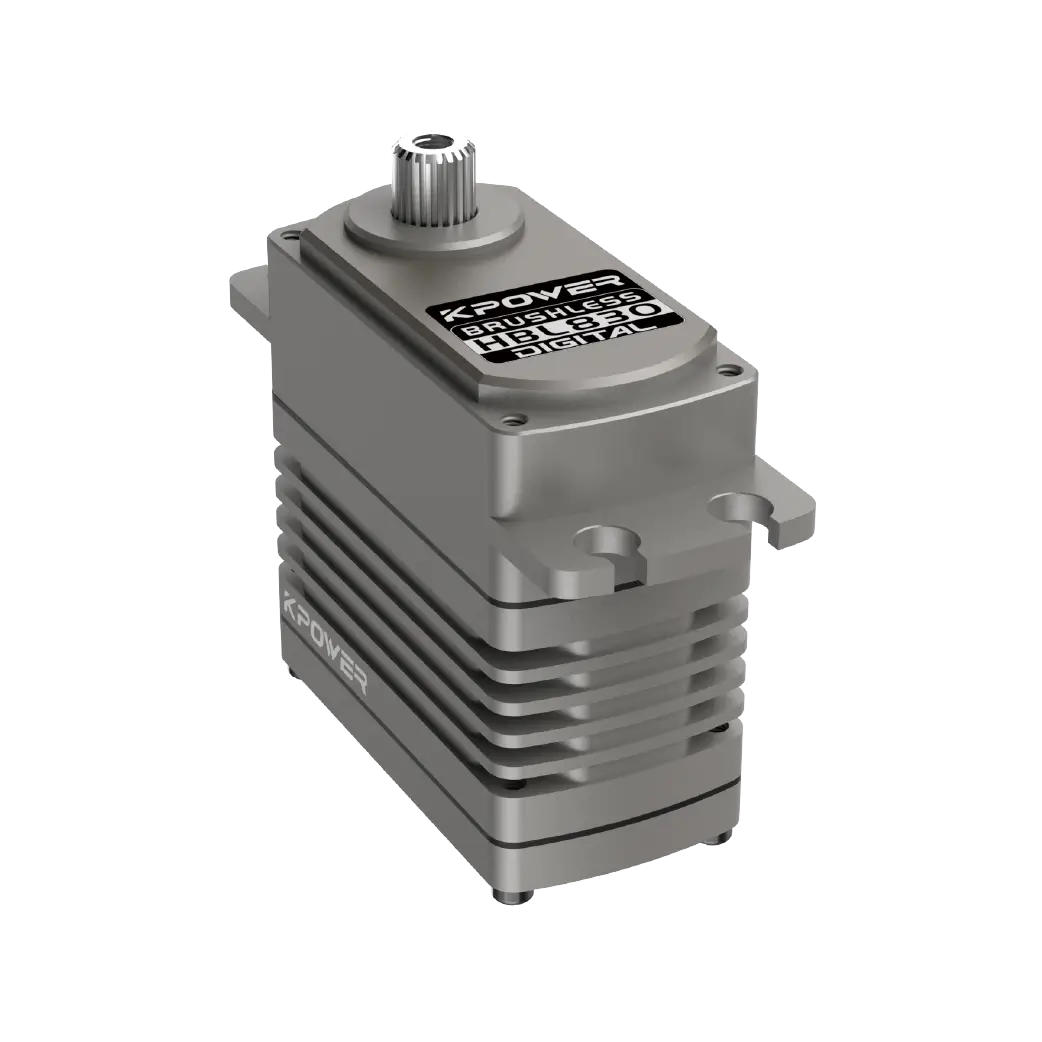
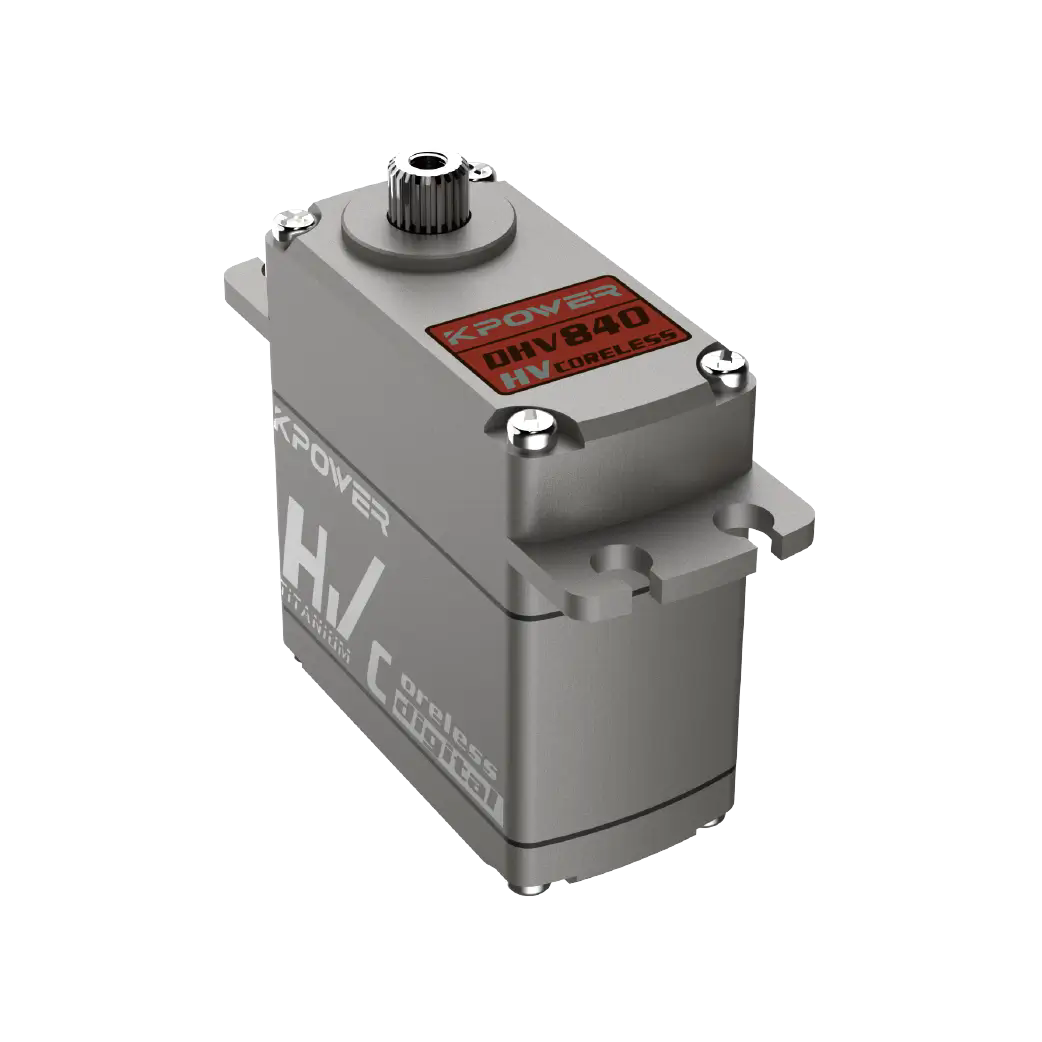
There is a similar project usingkpowerServo. During the process of building this project, a different situation emerged. In this project, given that the servo itself has an over-temperature protection function, although there was some sacrifice in speed, the demonstration results were finally achieved as scheduled.
Therefore, the answer to this multiple-choice question has never been "which one is better", but "which one is less bad".
4. Three steps for action for you
Choose a piece of paper and write down the three core movements of your robotic arm: Is it "picking up parts" or "waving a flag"? Among them, the former requires static maintenance of force, while the latter requires dynamic acceleration.
Complete a simple load-bearing test: use your hands to squeeze the servo arm to feel its locking ability at different angles; then use your hands to move the motor shaft (when the power is off) to experience the feeling of freedom without any obstacles.
Let’s face the hard truth: you can’t have the best of both worlds. If you pursue the ultimate response speed and the load is less than 200g, then micro coreless motors with magnetic encoders are the future trend; if you need a simple structure that can be used right out of the box and concentrated power, a servo is still the least bad choice at the moment.
The smartest thing I've seen is not to choose between the two, but to use a hybrid approach: using servos for the wrist joint to ensure accuracy, and using motors for the base to ensure speed. Use a pair of contradictory arguments to finish - if you fail to solve the selection problem today, after three months, your robotic arm will either be left in a drawer and covered with dust, or it will emit an unforgettable burning smell due to excessive heat.
Now, put the phone aside and turn the servo arm and motor shaft. Realize the difference and then make your choice.
Update Time:2026-05-14

Contact Kpower's product specialist to recommend suitable motor or gearbox for your product.


