

TECHNICAL SUPPORT


Published 2026-07-27
01Quick Answer
Selecting the right propeller motor requires matching voltage, Kv rating, current capacity, and torque to your specific application. Key specifications include diameter, pitch, power consumption, and efficiency ratings. Always verify compatibility with controllers and propellers to avoid overheating or performance loss. Prioritize motors with proven reliability data and clear documentation for optimal system integration and longevity.
02Introduction
Choosing an incorrect propeller motor can lead to reduced efficiency, premature failure, or operational downtime. Many buyers focus on price alone while overlooking critical technical parameters that affect long-term performance and total cost of ownership. Understanding these specifications helps prevent costly mistakes during procurement and ensures your system operates within safe electrical and mechanical limits. This guide covers essential criteria for evaluating propeller motors across various industrial and commercial applications.
03Table of Contents
What Are Propeller Motors?
Key Specifications to Consider
How to Match Motors to Your Application
Common Selection Mistakes to Avoid
Comparing Motor Options Effectively

Questions Buyers Should Ask Suppliers
04What Are Propeller Motors?
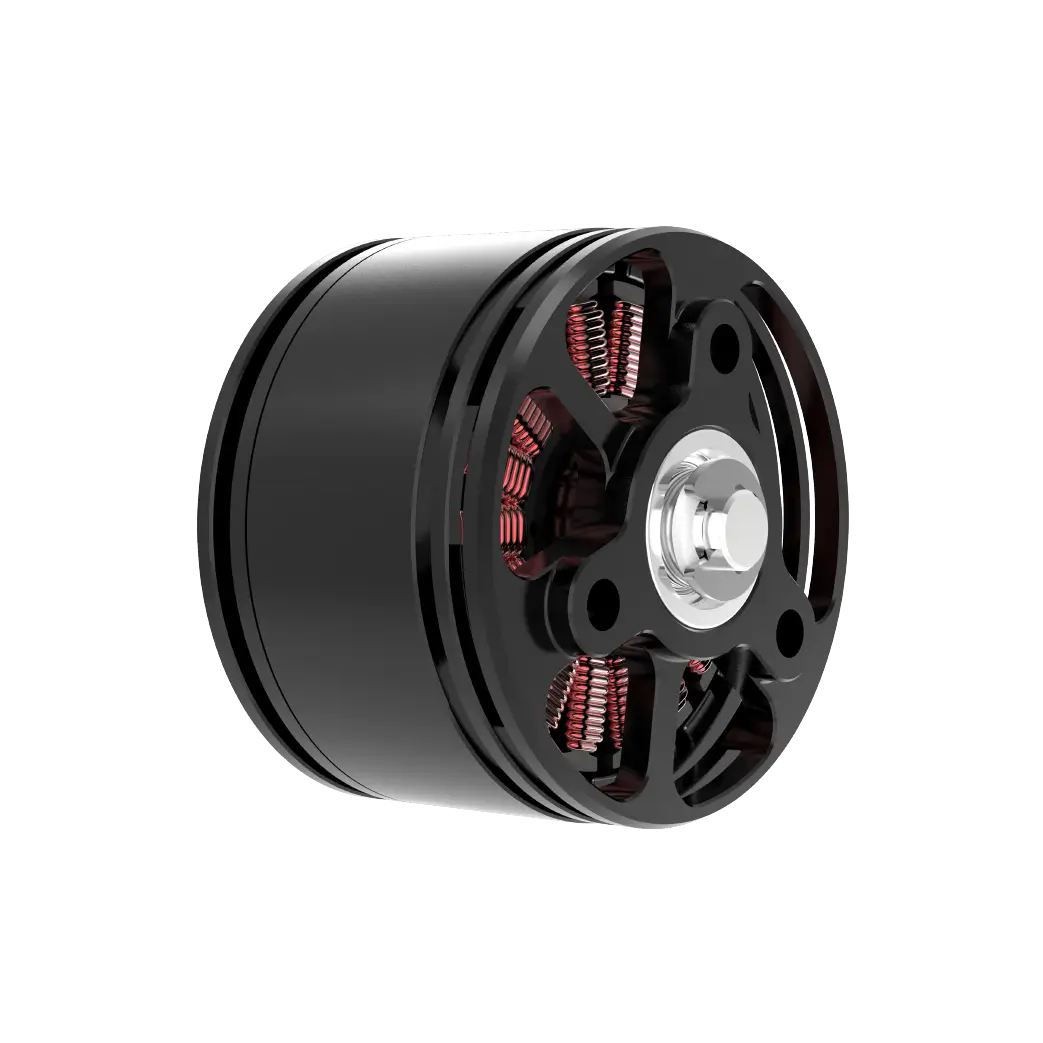
Propeller motors drive rotating blades used in ventilation, cooling, propulsion, or mixing systems. They convert electrical energy into rotational motion through electromagnetic principles. Unlike standard electric motors, propeller motors are specifically designed to handle aerodynamic loads and maintain consistent thrust under varying conditions. Proper selection depends on understanding how these motors interact with their intended load environment.
05Key Specifications to Consider
When evaluating propeller motors, examine these fundamental parameters systematically:
Each specification interacts with others—you cannot optimize one without considering its effect on overall system balance. For example, increasing voltage may allow higher power output but requires thicker wiring and more robust insulation materials.
06How to Match Motors to Your Application
Different environments demand tailored motor characteristics. In HVAC systems where continuous operation is typical, prioritize high-efficiency models with thermal protection features. Marine applications require corrosion-resistant housings and waterproof seals against saltwater exposure. Industrial mixers need high-torque designs capable of handling viscos fluids without stalling.
Begin by defining your operational requirements: maximum load, ambient temperature range, duty cycle percentage, and expected lifespan. Then cross-reference these needs against available motor datasheets. Remember that oversizing leads to wasted capital and unnecessary complexity, while undersizing causes rapid wear and potential safety hazards.
07Common Selection Mistakes to Avoid

Several pitfalls frequently plague buyers unfamiliar with nuanced motor properties:
1. Ignoring Starting Torque Requirements – Some applications need significant initial force to overcome static friction; selecting a low-torque model results in failed startups or sluggish response times.
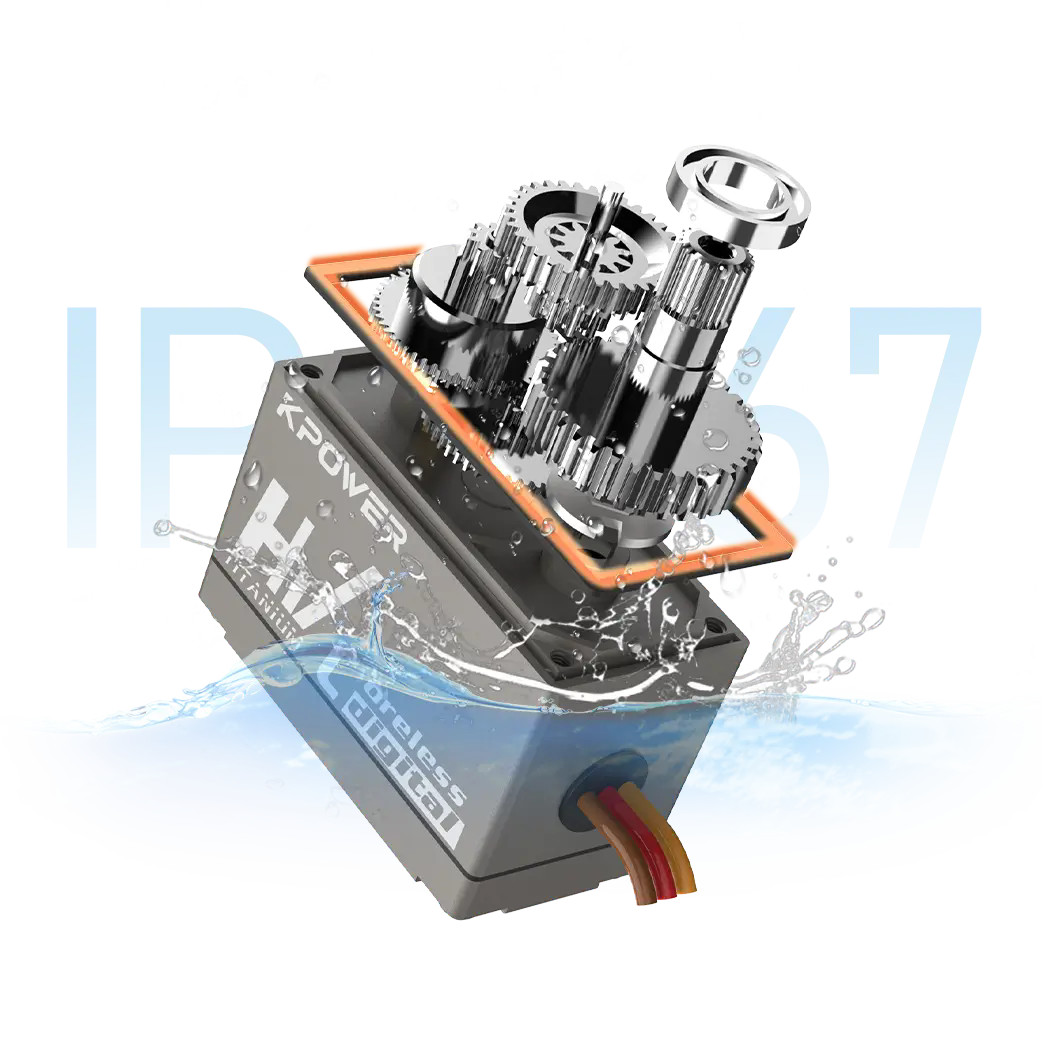
2. Overlooking Environmental Factors – Dusty, humid, or chemically aggressive settings necessitate specialized enclosures rated per IP standards (eg, IP55 for dust/water resistance). Neglecting this accelerates internal component degradation.
3. Neglecting Controller Compatibility – Modern variable frequency drives (VFDs) offer precise speed control but impose specific waveform harmonics demands incompatible with older brush-type motors. Verify bidirectional communication protocols before purchase.
4. Focusing Solely on Purchase Price – Cheap alternatives often compromise bearing quality, winding precision, and thermal management, leading to frequent replacements and hidden maintenance expenses down the line.
To mitigate risks, request detailed test reports from vendors and validate claims via third-party certifications whenever possible.
08Comparing Motor Options Effectively
Use structured comparison techniques to objectively assess competing products. Create evaluation matrices scoring each candidate against weighted criteria such as upfront cost, projected lifetime value, supplier responsiveness, and technical support availability. Include both quantitative metrics (like dB(A) noise levels) and qualitative factors (such as warranty length terms).
Consider conducting pilot tests if feasible—install short-term prototypes in actual working conditions rather than relying solely on lab performance charts gathered under idealized scenarios. Real-world feedback reveals subtle issues like vibration resonance frequencies or acoustic interference patterns invisible during controlled demonstrations.
09Questions Buyers Should Ask Suppliers
Engage manufacturers with targeted inquiries demonstrating informed decision-making:
Can you provide full dimensional drawings including mounting hole spacings and shaft protrusion lengths?
What overload protection mechanisms are integrated into the design?
Have you conducted accelerated life testing simulating worst-case usage profiles?
Do you offer customization options for non-standard voltage/frequency combinations?
Is there documented evidence showing compliance with regional safety regulations (UL, CE, etc.)?
These questions reveal whether suppliers possess genuine expertise beyond generic catalog descriptions—and help identify partners committed to collaborative problem solving rather than transactional sales tactics.
10 Practical Questions Before Choosing a Propeller Motor
Before finalizing any acquisition, alignment confirm between theoretical specs and practical realities. Assess installation constraints physically measure clearance spaces around proposed locations. Evaluate electrical infrastructure capacity check circuit breaker ratings conduit diameters and grounding configurations. Review logistical aspects delivery timelines packaging methods customs documentation especially when sourcing internationally. Finally establish post-purchase support channels troubleshooting resources spare parts accessibility all contribute significantly toward minimizing future disruptions.
11 Making Better Long-Term Decisions
Optimal propeller motor selection transcends immediate functional needs—it reflects strategic investment in sustainable operations. By thoroughly analyzing specifications, anticipating challenges, and partnering with knowledgeable suppliers organizations maximize return on investment while safeguarding productivity continuity. Take time now to evaluate options comprehensively; delays here compound exponentially later through inefficiencies repairs replacements ultimately undermining competitive advantage gained initially through careful planning.
Update Time:2026-07-27

Contact Kpower's product specialist to recommend suitable motor or gearbox for your product.


