

TECHNICAL SUPPORT


Published 2026-07-25
Quick Answer
TheRacestar 3000KV 2205 brushless motorsare optimized for 4S LiPo battery setups in 5-inch FPV racing and freestyle drones. They deliver high thrust-to-weight ratios suitable for agile maneuvers but require careful ESC pairing to manage heat. Buyers should verify shaft stiffness and bearing quality before purchasing, as these factors directly impact flight stability and motor lifespan during aggressive flying sessions.
01Racestar 3000KV 2205 Brushless Motors: Performance, Specs, and Buying Guide
You are staring at a pile of drone parts, trying to decide which power system will give you that extra punch in the next race or freestyle session. The market is flooded with options, yet many pilots end up with motors that overheat, vibrate excessively, or fail prematurely under stress. This frustration often stems from misunderstanding the specific application of motor KV ratings and physical dimensions. How do you ensure your build is reliable, efficient, and fast?
Understanding the nuances of the2205 motor sizeand the implications of a3000KV ratingis critical. It is not just about picking the highest number; it is about matching the electrical characteristics to your mechanical setup and flight style. Let us break down what makes this specific configuration work, where it shines, and what pitfalls to avoid when making your selection.
Why Motor KV Matters for Your Build
KV rating indicates the no-load revolutions per minute (RPM) per volt applied. A higher KV means the motor spins faster but produces less torque, while a lower KV spins slower with more torque. For a3000KV motor, you are looking at a middle-ground performance level that has become a standard for many 5-inch drones running 4-cell (4S) lithium polymer batteries.
Why does this matter to your bottom line and flight experience? If you choose a KV that is too high for your battery voltage, you risk overheating the motor and drawing excessive current from your battery. Conversely, a KV that is too low may result in sluggish acceleration and poor throttle response. The goal is to find the sweet spot where efficiency meets power output.
Many pilots make the mistake of assuming that all 2205 motors are created equal. However, internal construction, magnet quality, and winding precision vary significantly between brands and even between product lines within the same brand. This variation affects how the motor handles thermal stress and mechanical load.
Understanding the 2205 Physical Dimensions
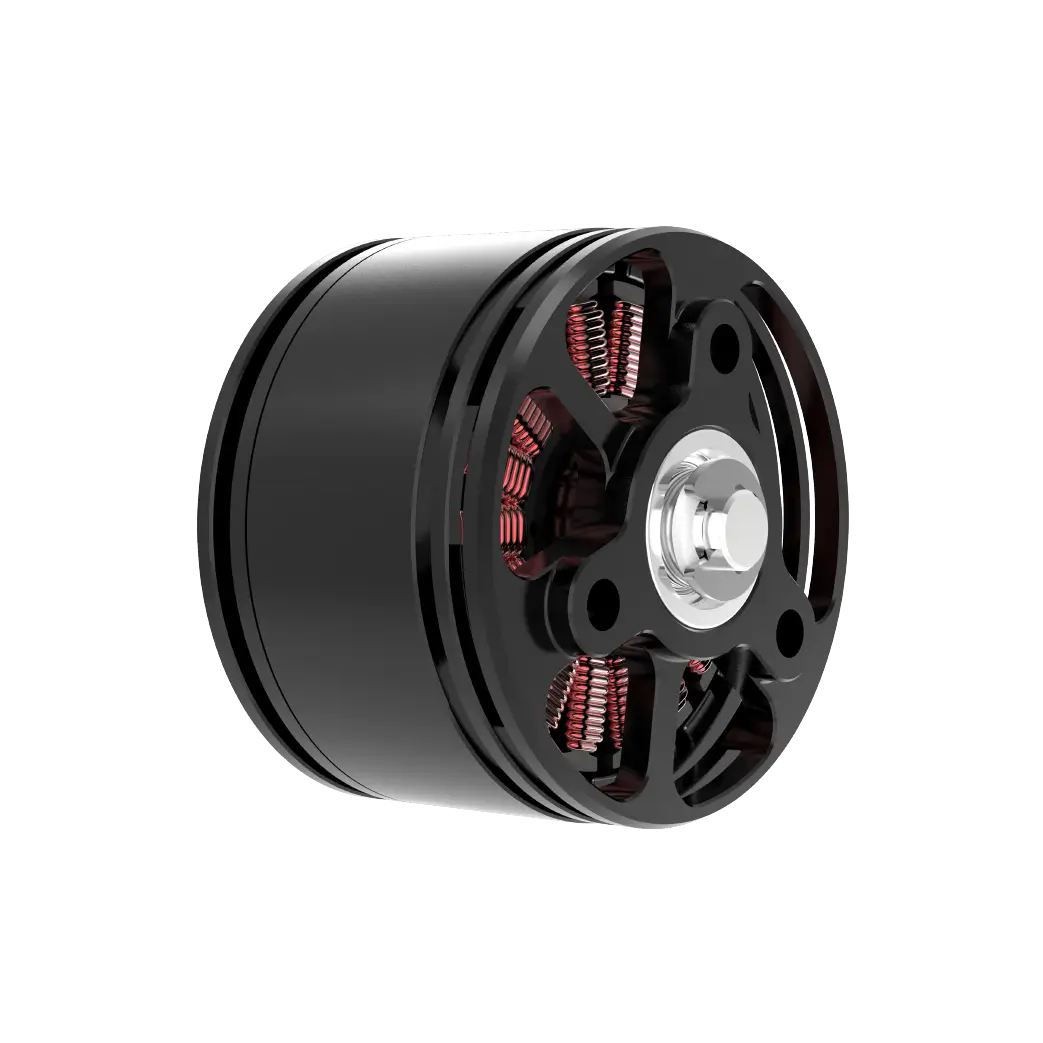
The "2205" designation refers to the stator dimensions: 22mm in width and 5mm in height. These physical constraints dictate the maximum propeller size and shape that can be effectively spun. For a 2205 motor, you will typically see props ranging from 5 inches to 6 inches in diameter.

The compact size allows for a tighter frame geometry, which improves agility. However, the small form factor also means that heat dissipation is a challenge. High-performance motors must have robust cooling fins and efficient airflow management. Without proper cooling, the magnets can demagnetize, leading to a permanent loss of power and efficiency.
When evaluating a motor like theRacestar 3000KV, consider how it fits into your specific frame. Does the motor's mounting hole pattern match your frame? Is the cable length sufficient for your ESC placement? These logistical details often cause delays if overlooked during the initial planning phase.
Performance Characteristics of 3000KV Motors
A 3000KV motor on a 4S battery will spin at approximately 48,000 RPM at full throttle. This speed provides enough thrust for competitive racing and dynamic freestyle tricks. The trade-off is increased current draw compared to lower KV alternatives. You must ensure your electronic speed controllers (ESCs) and battery can handle the amperage without voltage sag.
Voltage sag reduces peak power and can cause brownouts, leading to crashes. Therefore, pairing a3000KV motor with high-quality 60A or 75A ESCs is highly recommended. These components work together to deliver smooth power delivery, which enhances pilot control and reduces wear on the drivetrain.
Furthermore, the torque curve of a 3000KV motor is generally linear, allowing for predictable throttle response. This predictability is crucial for precise landings and tight turns. Pilots who prioritize smoothness over raw acceleration might prefer a lower KV, while those seeking explosive power may stick with this range.
Comparison: 3000KV vs. Other Common Options
To make an informed decision, it helps to compare the 3000KV option against other popular choices in the 2205 category. Below is a comparison table illustrating typical performance differences.
As shown, the 3000KV motor sits comfortably in the middle, offering a balance between thrust and thermal management. Choosing a 2300KV might limit your top speed, while jumping to 3500KV+ could overwhelm your ESCs and battery capacity.
Critical Factors When Choosing a Supplier
Not all motors are manufactured to the same standards. Quality control varies widely, affecting consistency and reliability. When sourcing brushless motors , look for suppliers who provide detailed specifications and testing data. Consistency in winding resistance and inductance is vital for balanced performance across all four motors.
Inconsistent motors can cause vibration and instability, leading to poor video quality and difficult handling. Always check reviews regarding bearing longevity and shaft straightness. A bent shaft can cause catastrophic failure mid-flight. Additionally, consider the warranty policy. A reputable supplier will stand behind their products, offering replacements for defective units.
For those interested in specialized configurations, exploring customservosolutions or tailored motor bundles might offer better value. Many manufacturers provide kits that include matched motors, reducing the need for individual testing and balancing.
Maintenance and Longevity Tips
Even the best motor will fail if maintained poorly. Regular inspection of bearings and cleaning of debris from the motor casing can extend its life significantly. Avoid exposing motors to water or excessive dust, as these contaminants accelerate wear.
After each flight, allow the motor to cool down completely before storing it. This prevents moisture buildup and protects the internal electronics. If you notice unusual noises or decreased performance, inspect the motor immediately. Early detection of issues can prevent further damage to other components.
Proper maintenance also involves checking the solder joints on the motor wires. Vibration can loosen connections over time, leading to intermittent power loss. Re-soldering any loose joints ensures a secure connection and consistent power delivery.
Common Questions About Racestar 3000KV Motors
What battery voltage is best for a 3000KV motor?
A 4S LiPo battery is the standard choice. It provides optimal power and efficiency without overstressing the motor or ESC.
Can I use a 3000KV motor with a 6S battery?
It is not recommended. Running a 3000KV motor on 6S will likely cause severe overheating and potential damage due to excessive RPM.
How do I know if my motor is failing?
Signs include reduced thrust, unusual grinding noises, excessive heat, and erratic behavior during throttle changes.
Do I need to balance my motors?
Yes. Balancing ensures even weight distribution, which reduces vibration and improves flight stability.
What type of ESC should I pair with this motor?
Use a 4-in-1 ESC rated for at least 60A per motor for reliable performance and thermal management.
Are these motors suitable for beginners?
They are powerful and may be overwhelming for absolute beginners. Start with a trainer plane or a lower-power setup if you are new to FPV.
Making a Better Long-Term Decision
Choosing the right power system is a significant investment in your drone's performance. The Racestar 3000KV 2205 brushless motors offer a compelling blend of power and versatility for 5-inch builds. By understanding the technical specifications and maintaining your equipment properly, you can maximize your flight experience and minimize downtime.
Take the time to evaluate your specific needs and flying style. Consider consulting with experienced pilots or engineers if you are unsure about component compatibility. For personalized advice on selecting the perfect motor for your project, reach out to our team for a free consultation. We help you navigate the complexities of drone technology to ensure your build succeeds.
Update Time:2026-07-25

Contact Kpower's product specialist to recommend suitable motor or gearbox for your product.


