

TECHNICAL SUPPORT


Published 2026-07-23
Quick Answer
Choosing the righthigh torque bldc motorrequires balancing peak torque demands with continuous thermal limits. Many engineers fail because they overlook the difference between stall torque and rated torque, leading to premature overheating or failure under load. To ensure reliability, you must verify the torque constant (Kt), cooling method, and driver compatibility. For heavy-duty applications like robotics or industrial automation, selecting a motor with adequate safety margins and proper heat dissipation is critical for long-term operational stability and reduced maintenance costs.
01The Hidden Costs of Under-Specifying High Torque Motors
When you specify ahigh torque bldc motor, the decision is rarely just about peak force. It is about sustained performance under variable loads. Many procurement managers and engineering leads make the mistake of looking solely at the maximum torque rating found on a datasheet. This number represents stall torque—the force the motor can exert when stationary. However, in real-world motion control applications, the motor rarely stays still. It accelerates, moves, and decelerates.
If you select a motor based only on peak torque without considering the continuous torque requirement, you risk significant thermal issues. Brushless DC motors generate heat proportional to the square of the current. Exceeding the continuous torque limit causes excessive current draw, leading to rapid temperature rise. This triggers thermal protection shutdowns or, worse, demagnetizes the permanent magnets inside the rotor. Once demagnetization occurs, the motor loses torque capability permanently, requiring costly replacement.
The core problem is often a mismatch between the mechanical load profile and the motor's thermal capacity. You need a solution that accounts for the duty cycle, ambient temperature, and mounting orientation. Ignoring these factors leads to unplanned downtime and higher total cost of ownership. Therefore, understanding the relationship between torque, speed, and power is essential before finalizing any purchase order.
02Understanding Torque Characteristics and Motor Constants
To make an informed decision on yourhigh torque bldc motor, you must understand the fundamental constants that define its behavior. Two key parameters are the Torque Constant (Kt) and the Back EMF Constant (Ke). These values are directly related and determine how efficiently the motor converts electrical energy into mechanical motion.
Kt defines how torque much the motor produces per ampere of current. A higher Kt means you get more torque for less current, which is ideal for high-torque, low-speed applications. However, a high Kt often correlates with a lower Kv (speed constant), meaning the motor will spin slower at a given voltage. You must balance this against your application's speed requirements.
Another critical factor is torque ripple. In precision applications such as CNC machines or medical devices, uneven torque delivery causes jitter and positioning errors. Motors with skewed rotor designs or advanced commutation algorithms typically offer smoother torque profiles. When evaluating suppliers, ask for torque-speed curves rather than just static ratings. These curves show how torque degrades as speed increases, helping you predict performance under actual operating conditions.
03Critical Factors in Motor and Driver Selection
Selecting ahigh torque bldc motoris not an isolated task; it is part of a larger system involving drivers, controllers, and mechanical integrations. The driver plays a pivotal role in realizing the motor's potential. An undersized driver will clip the current, preventing the motor from reaching its torque capabilities. Conversely, an oversized driver may cause instability if not properly tuned.
Current limiting is the most important setting for protecting both the motor and the driver. Ensure your controller allows precise adjustment of peak and continuous current limits. This prevents accidental overloads during jam events or sudden load spikes. Additionally, consider the commutation method. Sensorless control is cost-effective but may struggle at very low speeds where torque stability is crucial.
Thermal management is another decisive factor. High torque generates significant heat. Air-cooled motors rely on natural convection or forced airflow, which can be limited by enclosure design. Water-cooled motors offer superior heat dissipation for extreme torque densities but add complexity to the system.
04Application-Specific Requirements and Risks
Different industries impose unique constraints onhigh torque bldc motorselection. In electric vehicle powertrains, weight and volume are paramount. Here, high power density is key. You need motors that deliver maximum torque per kilogram. In contrast, industrial automation prioritizes reliability and service life. Redundancy and robust construction often outweigh extreme power density.
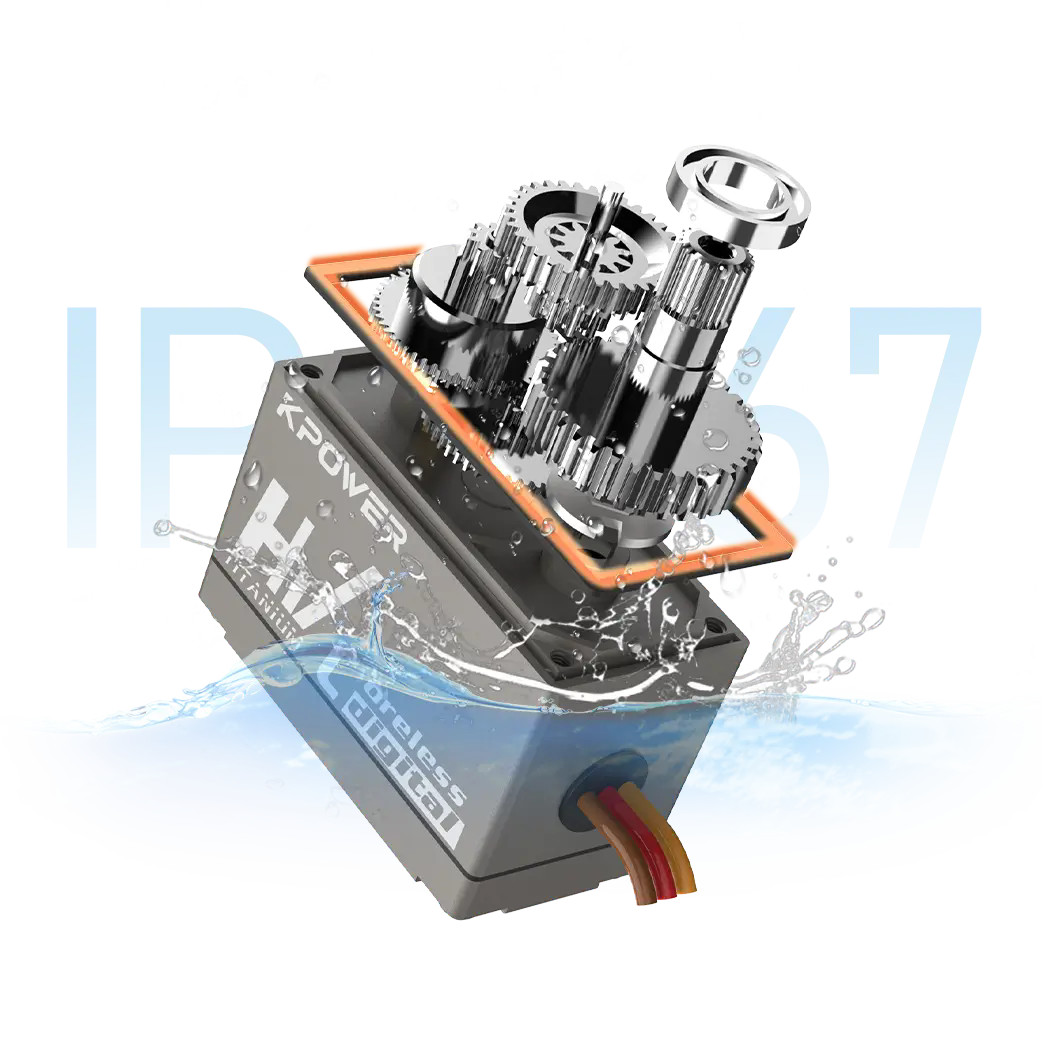
Consider the environmental conditions. IP ratings indicate protection against dust and water. For outdoor or washdown applications, standard motors will fail quickly. Look for sealed bearings and conformal coating on windings. Corrosion resistance is also vital if the motor operates in humid or chemically aggressive environments.
Vibration and noise are often overlooked until installation. High torque motors, especially those with large diameters, can induce structural resonance if not properly mounted. Use finite element analysis (FEA) or consult with your supplier to check for critical frequencies. Proper damping mounts or rigid mounting structures can mitigate these issues. Failing to address vibration leads to bearing wear, seal failure, and eventual motor breakdown.
05Practical Checklist for Procurement Decision Makers
Before placing an order, verify these critical points to avoid costly mistakes. This checklist ensures that your chosenhigh torque bldc motoraligns with your technical and business requirements.
Verify Duty Cycle:Confirm that the continuous torque requirement fits within the motor's thermal envelope for your specific operating profile.
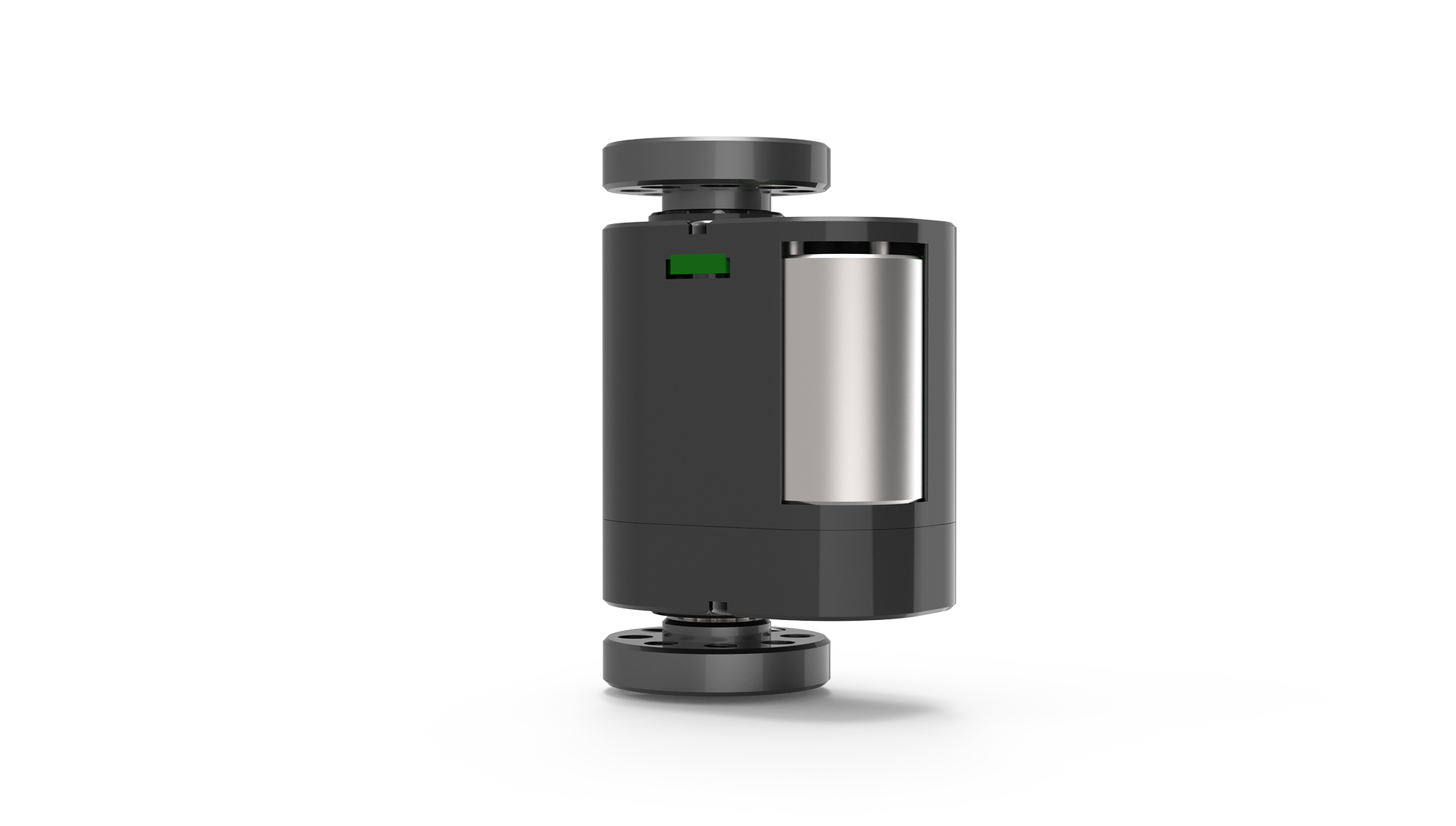
Check Voltage Compatibility:Ensure your power supply can deliver the required peak current without significant voltage sag during acceleration.
Assess Mounting Interface:Verify shaft dimensions, flange patterns, and mounting hole positions match your mechanical assembly.
Review Encoder Resolution:For closed-loop control, ensure the feedback device provides sufficient resolution for your positioning accuracy needs.
Evaluate Supplier Support:Confirm availability of CAD models, datasheets, and technical support for integration troubleshooting.
Consider Lifecycle Costs:Factor in maintenance intervals, bearing lifespan, and potential energy savings from high-efficiency designs.
06Frequently Asked Questions About High Torque BLDC Motors
What is the difference between stall torque and continuous torque?
Stall torque is the maximum torque the motor can produce when stationary. Continuous torque is the torque it can sustain indefinitely without overheating. You should design your system around continuous torque, using stall torque only for short acceleration bursts.
Can I use a standard AC drive with a BLDC motor?
No. BLDC motors require specific electronic commutation. Standard AC drives are designed for induction motors and lack the sensor feedback and commutation logic needed for brushless systems. Using the wrong drive will damage the motor.
How does temperature affect motor performance?
Heat reduces magnetic strength and increases electrical resistance. Most motors have a thermal cutoff. Prolonged operation above rated temperatures significantly shortens insulation life and can demagnetize the rotor, permanently reducing torque output.
Is higher torque always better for my application?
Not necessarily. Larger motors with higher torque are heavier, more expensive, and require more current. Oversizing leads to inefficiency and control instability. Size your motor based on the peak load and duty cycle, adding a reasonable safety margin.
What is torque ripple and why does it matter?
Torque ripple is the fluctuation in torque output during rotation. High ripple causes vibration, noise, and positioning errors. In precision applications like robotics or optics, low ripple is essential for smooth motion and accuracy.
Do I need a gearbox with a high torque BLDC motor?
Often, yes. Gearboxes multiply torque while reducing speed. They allow you to use a smaller, lighter motor. However, gears introduce backlash and friction. Choose high-precision gears for sensitive applications or direct-drive motors if backlash is unacceptable.
07Making a Better Long-Term Decision
Selecting the righthigh torque bldc motoris a strategic decision that impacts your product's reliability, efficiency, and cost. By focusing on continuous torque limits, thermal management, and system integration, you avoid common pitfalls that lead to early failure. Remember that the motor is only one part of the equation; the driver, controller, and mechanical design must work in harmony.
Take the time to analyze your specific duty cycle and environmental conditions. Request detailed torque-speed curves and thermal data from potential suppliers. Engage with technical experts who can provide tailored advice for your unique application. Investing in proper selection now prevents expensive redesigns and downtime later.
If you are evaluating options for your next project, consider reviewing your current specifications against these criteria. For complex applications requiring custom solutions or precise engineering support, reaching out to specialized providers can clarify your choices. Ensure your team has access to comprehensive technical resources and responsive engineering support to validate your design decisions. This proactive approach guarantees optimal performance and long-term success in your motion control projects.
Update Time:2026-07-23

Contact Kpower's product specialist to recommend suitable motor or gearbox for your product.


