

TECHNICAL SUPPORT


Published 2026-07-18
Quick Answer
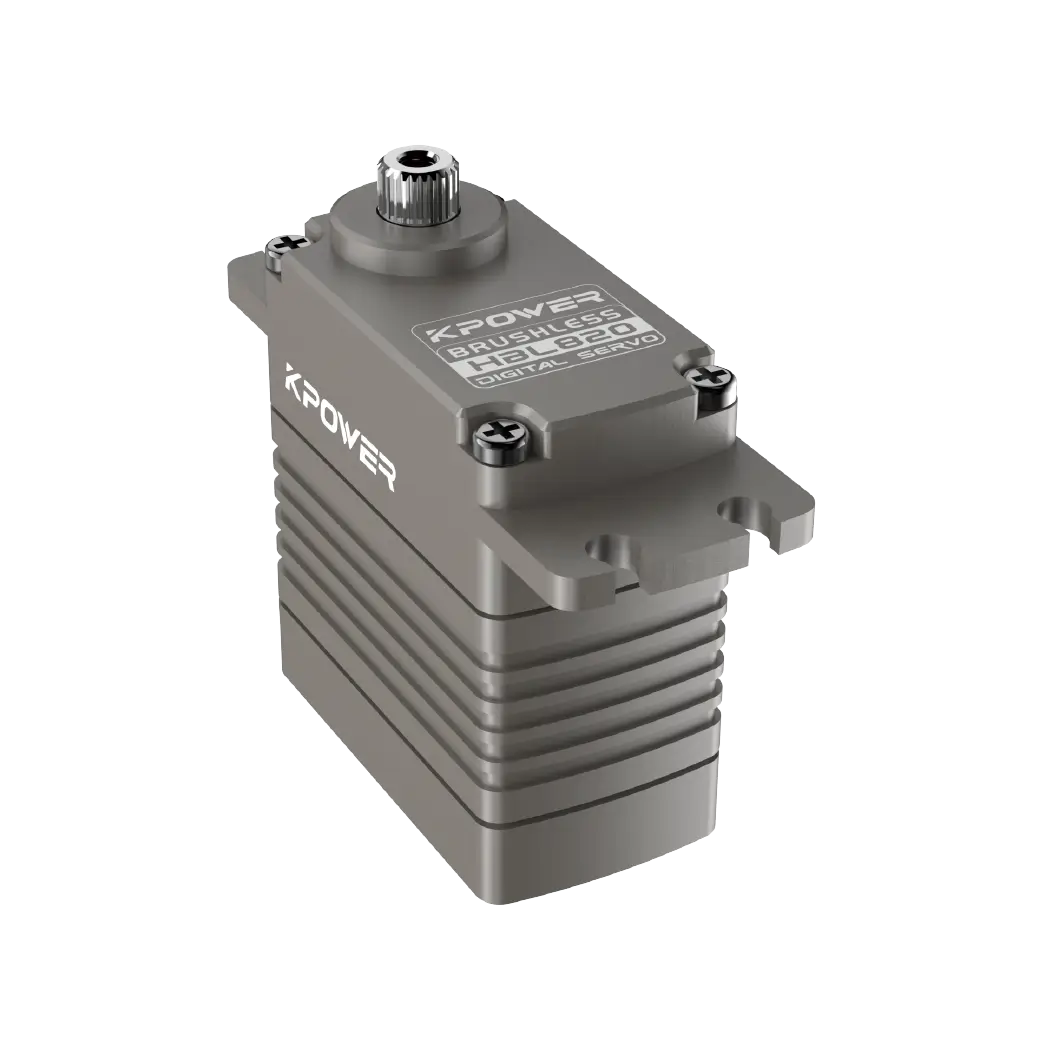
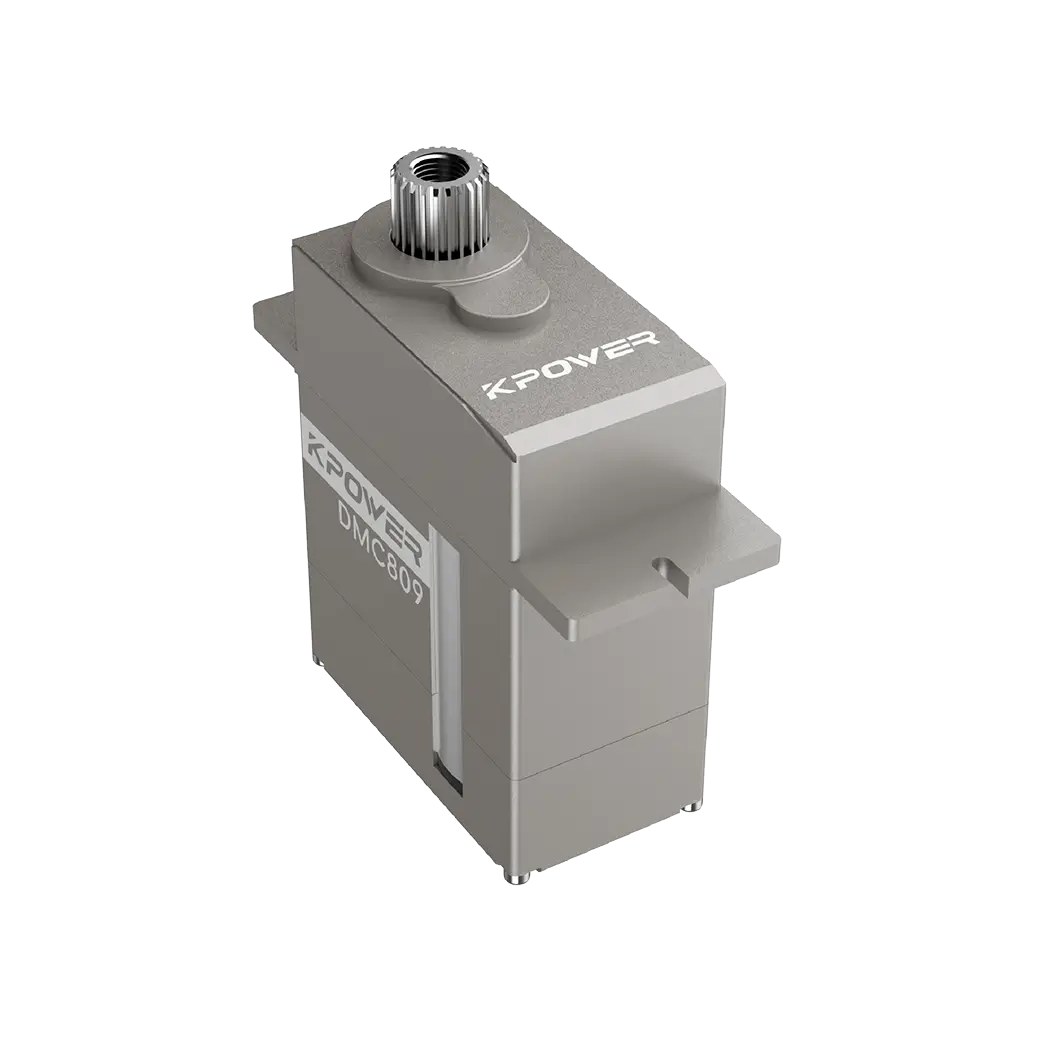
The KST X08 V5 is a high-performancemicro digital metal gearservodesigned for RC aircraft, drones, and precision automation where size constraints limit torque capacity. It delivers approximately 4.5 kg·cm of holding power at 6V with a response time under 0.12 seconds. Buyers should verify voltage compatibility, as exceeding 7.4V may void warranties or cause overheating. This component is ideal for lightweight applications requiring rapid actuation, but it is not suitable for heavy-load industrial machinery without significant gearing reduction.
Table of Contents
1. Understanding the KST X08 V5 Architecture
2. Performance Metrics That Define Selection
3. Digital vs. Analog: The Responsiveness Gap
4. Metal Gears vs. Plastic: Durability Analysis
5. Common Application Scenarios for Microservos
6. Key Specifications to Check Before Buying
7. Risks of Improper Voltage and Load Management
8. Maintenance Factors for Long-Term Reliability
9. Questions Buyers Often Ask About the KST X08 V5
10. Making a Better Long-Term Decision
01Understanding the KST X08 V5 Architecture
The KST X08 V5 represents a specific segment of the market known asmicro digital metal gearservo. These units are engineered to fit within tight spatial envelopes while maintaining mechanical integrity under dynamic loads. The chassis is typically constructed from high-strength plastic or aluminum composite, balancing weight reduction with structural rigidity. Inside, the core components include a high-torque DC motor, a potentiometer for position feedback, and a digital control circuit board.
Unlike older analog designs, the V5 variant utilizes advanced pulse-width modulation techniques. This allows the control signal to be interpreted more accurately, reducing jitter during idle states. The physical footprint is compact, often measuring around 22mm x 11mm x 27mm, which makes it a preferred choice for builders of small fixed-wing aircraft or multirotor drones. However, the small size imposes strict limits on thermal dissipation. Users must understand that power density in such a small package requires careful management of heat generation during prolonged operation.
02Performance Metrics That Define Selection
When evaluating theKST X08 V5, two primary metrics dominate the decision-making process: stall torque and speed. Stall torque indicates the maximum force the servo can exert before stopping. For the X08 V5, this value typically ranges between 4.2 to 4.8 kg·cm at 6.0V. Speed, measured in seconds per 60 degrees, usually falls between 0.12s and 0.14s at 6V. These numbers suggest a device optimized for quick reactions rather than brute strength.
Voltage plays a critical role in performance scaling. Increasing the input voltage from 6V to 7.4V can boost torque by approximately 20-25%. However, this comes at the cost of increased current draw and heat. The internal MOSFETs and driver circuits are rated for specific thermal thresholds. Exceeding these ratings leads to wear premature of the copper windings in the motor. battery sag under load, which can cause momentary drops in voltage and result in missed steps or positioning errors.
03Digital vs. Analog: The Responsiveness Gap
The distinction between digital and analog servos is fundamental to understanding the value proposition of the KST X08 V5. Analog servos update their output position based on the incoming signal frequency, typically around 50Hz. This means the servo adjusts its position roughly 50 times per second. In contrast, digital servos operate at much higher frequencies, often exceeding 300Hz and sometimes reaching 1kHz or more.
This higher update rate allows thedigital metal gear servo to react almost instantaneously to control inputs. The result is smoother motion and significantly reduced positional error. In applications like drone stabilization or robotic arm manipulation, this responsiveness translates to greater precision. Analog servos may exhibit "hunting" or oscillation when trying to hold a position against external forces, whereas digital variants lock into place more firmly. The trade-off is increased power consumption. Digital circuits require more energy to maintain the high-frequency polling, which can drain batteries faster in large fleets of devices.
04 Metal Gears vs. Plastic: Durability Analysis
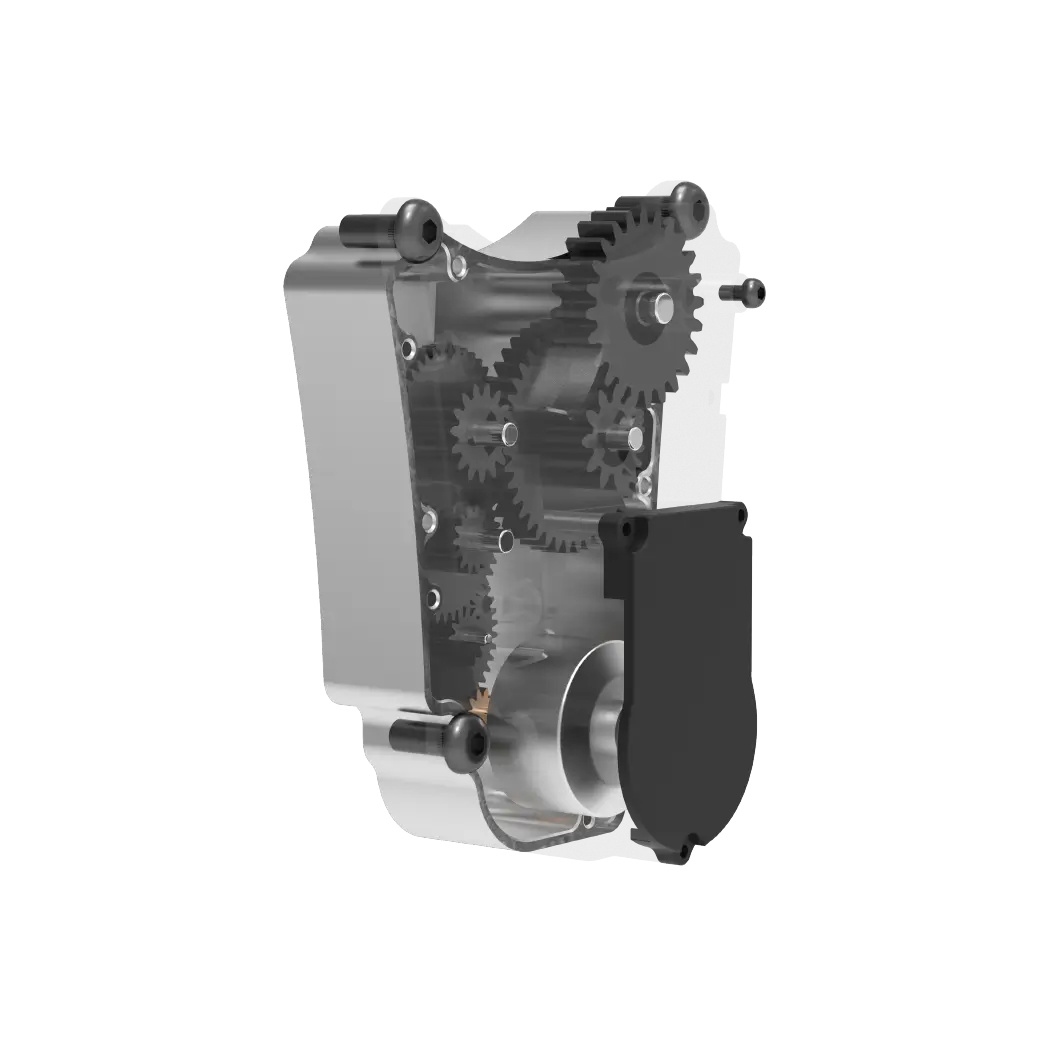
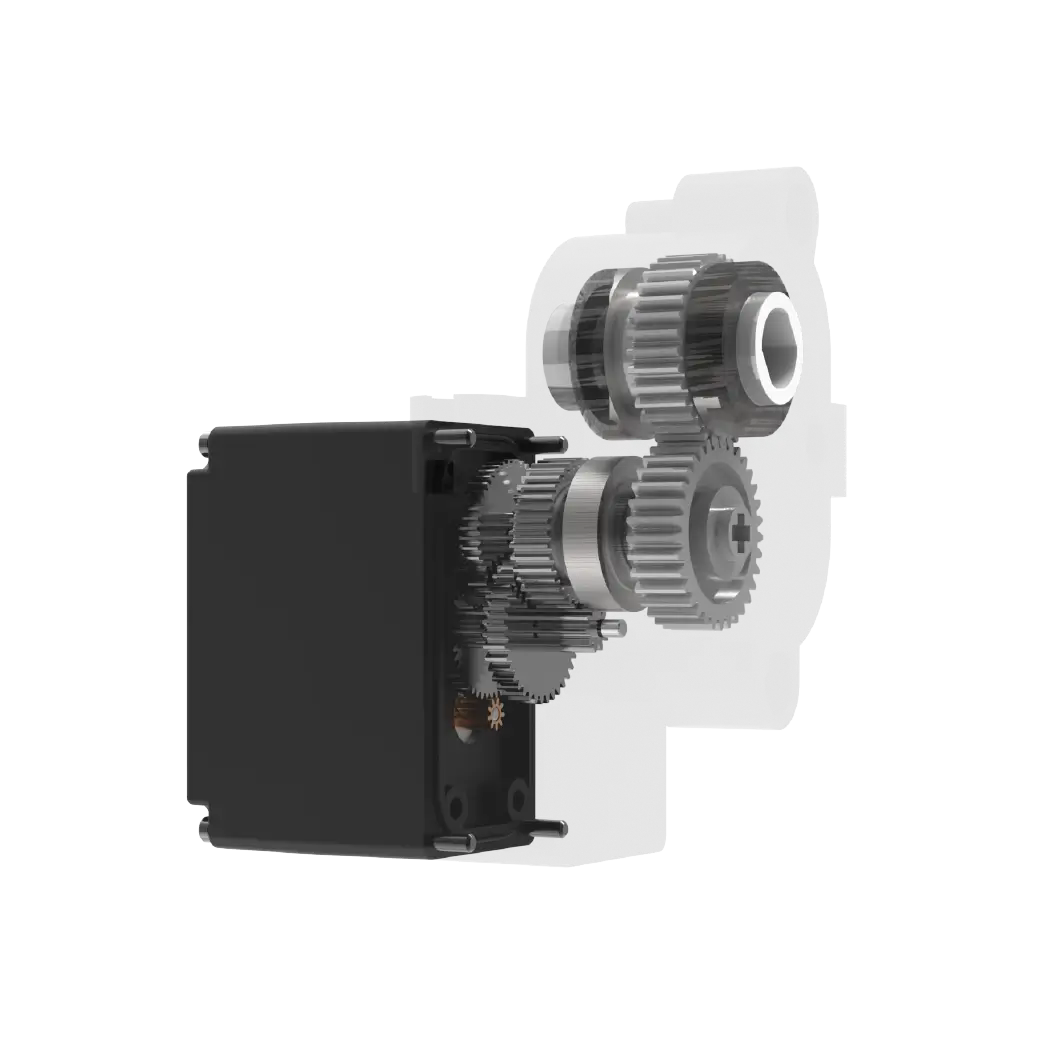
Gear material is a decisive factor in the lifespan of any servo. While plastic gears are lighter and cheaper, they are prone to stripping under sudden shock loads. The KST X08 V5 features all-metal gears, typically made from hardened steel or brass. This construction provides superior resistance to wear and tear. Metal gears can handle higher torque spikes without deforming, making them suitable for applications with frequent direction changes or unexpected collisions.
However, metal gears introduce different challenges. They generate more friction and noise compared to plastic counterparts. Proper lubrication is essential to mitigate heat buildup and extend gear life. Additionally, metal gears are heavier, which slightly increases the rotational inertia of the system. This means the servo may take marginally longer to start and stop, although the high-speed digital control helps compensate for this effect. For users prioritizing reliability over minimal weight savings, metal gear servo technology offers a robust solution that stands against rigorous testing environments.
05 Common Application Scenarios for Micro Servos
The versatility of the KST X08 V5 allows it to be deployed across various industries. In the recreational sector, it is widely used in radio-controlled airplanes, helicopters, and boats. The compact size fits into wing flaps, rudders, and elevators without adding excessive drag. In the professional domain, these servos are integrated into small-scale robotic platforms, automated doors, and camera gimbals.
Another growing application area is in the hobbyist drone community. As drones become smaller and more agile, the demand for lightweight yet powerful actuators increases. The X08 V5 meets this need by providing sufficient torque to adjust control surfaces rapidly. Furthermore, in educational robotics kits, this type of servo serves as a reliable actuator for teaching principles of motion control and electronics. Understanding these scenarios helps buyers align their technical requirements with the appropriate Micro Servospecifications.
06Key Specifications to Check Before Buying
Before finalizing a procurement order, several technical specifications must be verified to ensure compatibility. First, check the shaft type and spline count. Standard servos often use round or D-shaped shafts, but custom applications may require specific splines. Second, examine the connector type. Most modern servos use JST-XH or similar connectors, but pinouts can vary between manufacturers. Misconnecting power and signal lines can destroy the control circuit immediately.
Third, review the operating temperature range. Standard servos function well between 0°C and 60°C, but extreme environments may require specialized lubricants or components. Fourth, consider the wire length. Longer wires can introduce signal interference and voltage drop, especially in noisy electrical environments. Finally, confirm the stall protection features. High-end digital servos often include circuitry to cut power when stall conditions are detected, preventing motor burnout. These details are crucial for integrating the servo into a larger system seamlessly.
07 Risks of Improper Voltage and Load Management
One of the most common causes of servo failure is improper voltage management. Applying a voltage significantly higher than the rated maximum can cause the motor to spin too fast, generating excessive heat. This heat degrades the internal grease and can melt the plastic housing or damage the electronic components. Conversely, operating at too low a voltage reduces torque output, causing the servo to struggle and overheat while trying to move the load.
Load management is equally important. Exceeding the rated torque continuously leads to gear tooth fatigue and eventual stripping. Even if the peak torque is within limits, frequent cycling near the maximum capacity accelerates wear. It is advisable to design the mechanical linkage to reduce the effective load on the servo. Using pulleys, levers, or gearboxes can multiply the available torque while keeping the servo within its optimal operating range. Ignoring these factors can lead to unpredictable failures and costly downtime.
08 Maintenance Factors for Long-Term Reliability
While the KST X08 V5 is designed for durability, regular maintenance extends its operational life. Periodic inspection of the gear mesh is recommended. Over time, metal-on-metal contact can produce fine metallic particles that mix with the lubricant, creating an abrasive paste. Cleaning and re-lubricating the gears every few months can prevent this issue. Use high-quality synthetic grease that remains stable across a wide temperature range.
Additionally, monitor the signal integrity. Loose connections or corroded pins can cause erratic behavior. Ensure that the servo ground is properly connected to the main power source to avoid ground loops, which can introduce noise into the control signal. If the servo begins to make unusual noises or exhibits jerky movements, discontinue use immediately and inspect for mechanical binding or electronic faults. Proactive maintenance is far more cost-effective than replacing failed units in the field.
09 Questions Buyers Often Ask About the KST X08 V5
Is the KST X08 V5 compatible with standard RC transmitters?
Yes, it accepts standard PWM signals ranging from 1ms to 2ms pulse width. It works with most modern receivers and flight controllers without requiring special adapters.
Can I use a 7.4V LiPo battery with this servo?
It can handle short bursts up to 7.4V, but continuous operation at this voltage may exceed thermal limits. It is safer to use a 6V NiMH pack or regulate the LiPo output to 6V for longevity.
What is the difference between the V4 and V5 models?
The V5 model typically features improved digital circuitry for faster response times and better torque consistency. It also includes enhanced stall protection mechanisms compared to earlier versions.
Are the metal gears made of steel or brass?
The gears are usually a combination of hardened steel for high-stress areas and brass for quieter operation in secondary stages. This hybrid approach balances strength and noise reduction.
How do I know if my servo is failing?
Signs of failure include increased noise, hesitation in movement, loss of holding power, or overheating during normal operation. Early detection allows for timely replacement before systemic damage occurs.
Does this servo support 360-degree rotation?
Standard versions are position servos limited to approximately 180 degrees. Continuous rotation variants exist but require specific ordering and feature different internal gearing and feedback mechanisms.
What is the expected lifespan under typical use?
With proper care and within rated specifications, the servo can last for thousands of cycles. Lifespan varies based on duty cycle, loading conditions, and environmental factors like dust and moisture.
10Making a Better Long-Term Decision
Selecting the right actuator involves balancing performance, size, and cost. The KST XST X08 V5 offers a compelling solution for applications demanding precision and durability in a small form factor. By understanding its capabilities and limitations, buyers can avoid common pitfalls such as over-volting or under-sizing for the load. Consider consulting with engineering teams to simulate the mechanical stresses your specific application will impose.
If you require customized specifications or bulk pricing for large projects, engaging with a specialized supplier can provide tailored support. They can offer technical advice on integration and help optimize your system for reliability and efficiency. Evaluating total cost of ownership, including maintenance and replacement frequency, ensures a smarter investment. Prioritize quality and compatibility to guarantee smooth operations in your motion control applications .
Update Time:2026-07-18

Contact Kpower's product specialist to recommend suitable motor or gearbox for your product.


