

TECHNICAL SUPPORT


Published 2026-05-11
After three autumns, the trees each perform their own duties. Stepper motors, servos, and DC machines, what is the difference between them? This question has been swirling in your minds for a long time. There is no common misconception more serious than mixing these three together, resulting in mistakes when selecting a model and adding unnecessary trouble to the system. Today, I analyze and explain their inner conditions from a craftsman’s perspective.
What is called a stepper motor is a component in the open-loop classification. Its rotation is determined based on the number of pulses. Each step is strictly followed, and there is absolutely no ambiguity. Because of its own structural characteristics, when the stepper motor is running at low speed, the torque generated is as steady as a mountain, and the accuracy of the position memory is unparalleled. Whether it is inside the printer or the engraving machine, signs of its existence can be seen everywhere. However, the stepper motor has a drawback. That is, when the speed becomes higher, the torque will become more attenuated, just like a strong man running forward, the farther the distance, the less strength he feels. What's more serious is that the worry of losing step is like a sword hanging above the head. If the load is too heavy, it will be like the soul unable to keep its position, and the position indicated by the instruction is completely opposite to the actual position.
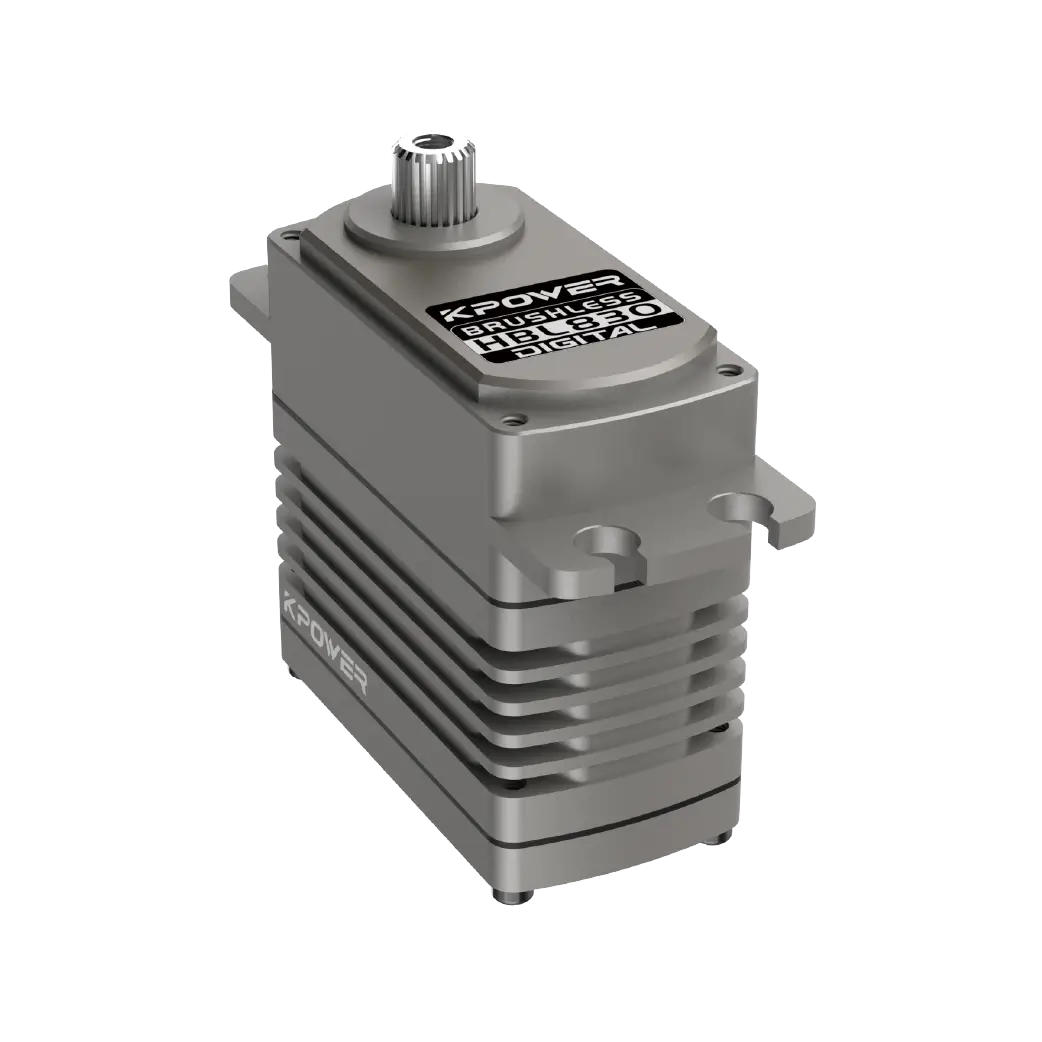
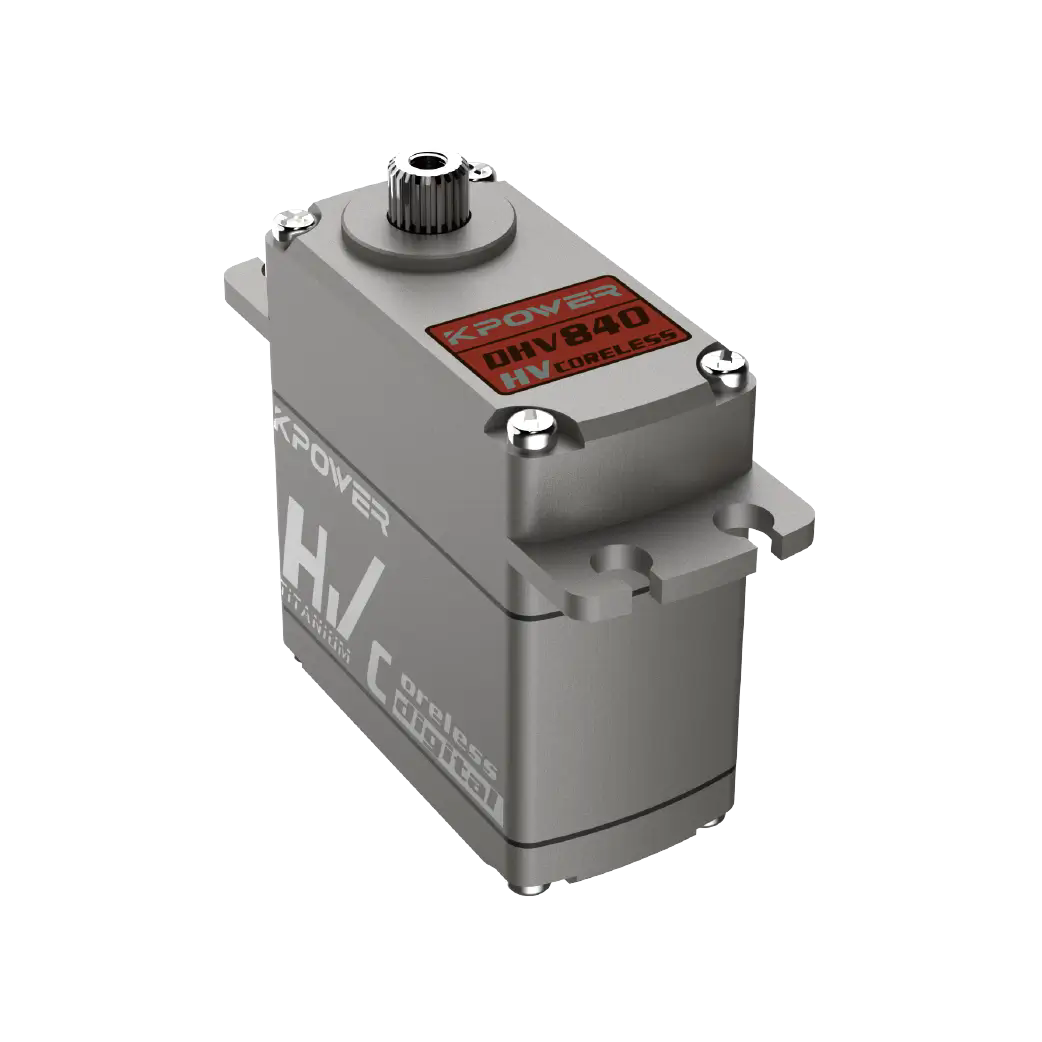
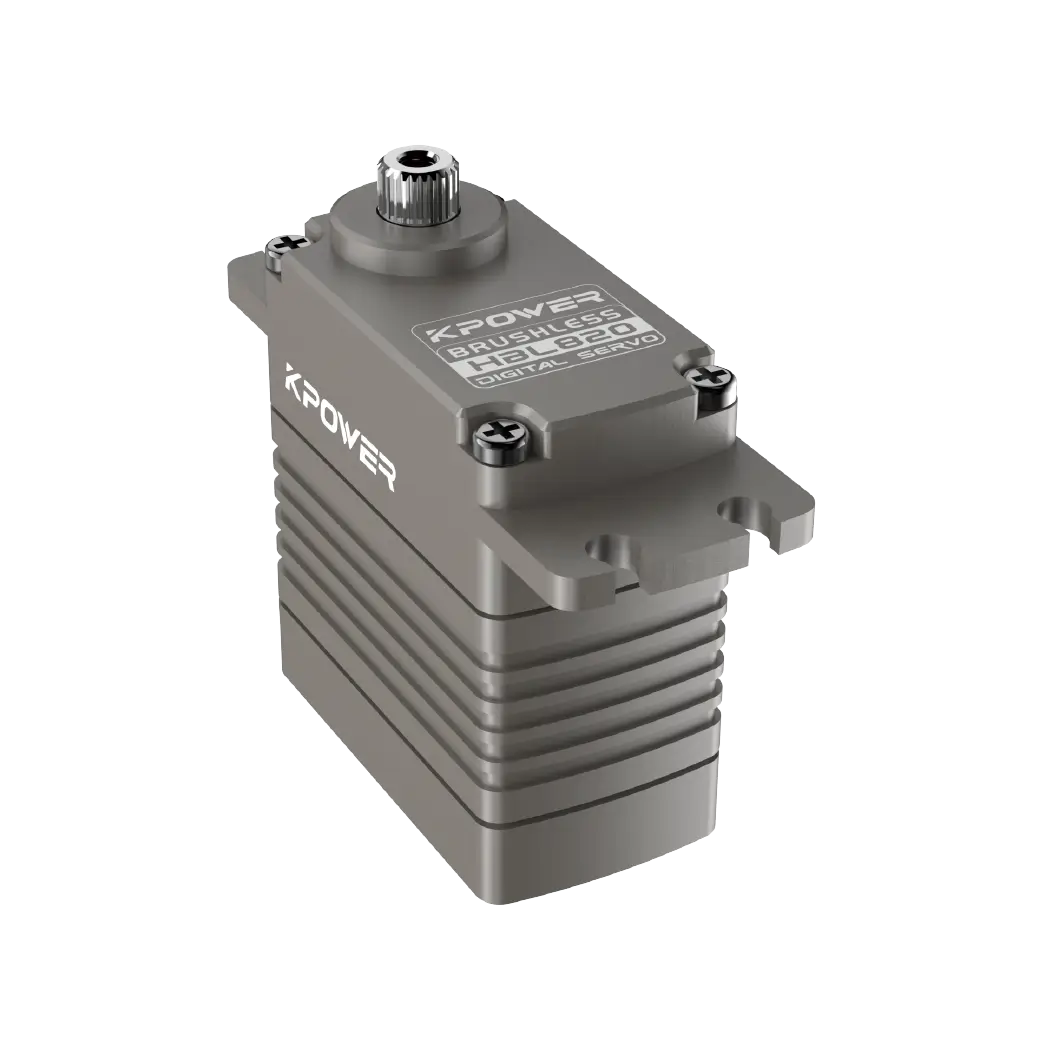
The steering gear is the kind of retainer that is like a closed loop. There are potentiometers and circuits hidden inside it, and it will reflect on itself all the time. The key core of the steering gear is its absolute loyalty to the angle. If ninety degrees is designated, then it will resolutely defend ninety degrees until death. Even if there is an external force that shakes it, it will fight hard and recover. However, its rotation range is limited, mostly limited to 180 degrees. The joints of the robotic arm and the steering of the car model all rely on its accuracy. However, the price of the steering gear is often several times that of the stepper. You should consider this choice yourself.
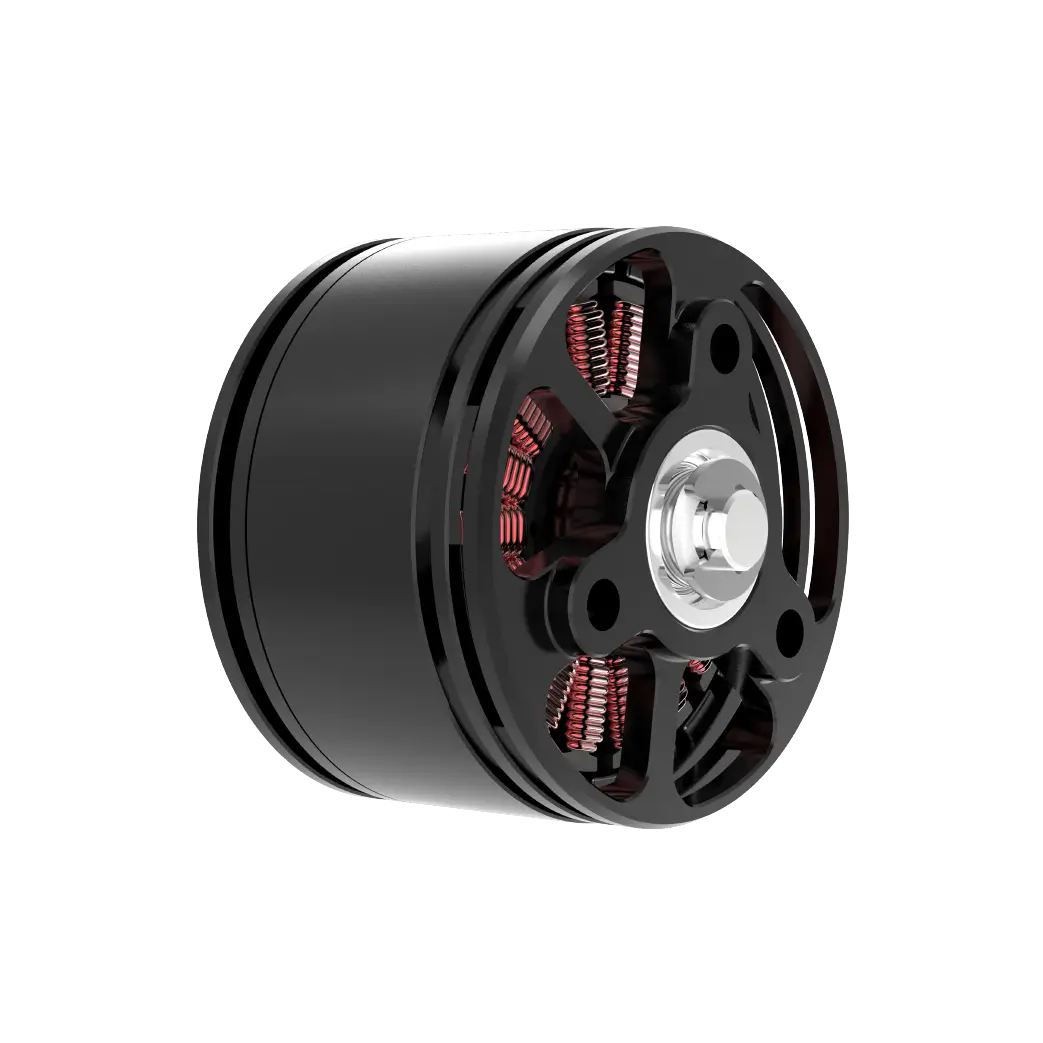
The DC motor looks like a galloping horse in the wilderness. Once it is powered on, it will turn on the galloping mode. Its speed can be controlled by adjusting the voltage. Although it is small in size, its power density is huge. Its small body contains a lot of power. The structure of the DC machine is extremely simple, so it is cheap and has a long service life. Fans, electric drills, and even four-wheeled cars all use it as a core component. However, its disadvantages are also obvious, that is, it cannot know its own position. For example, if it is rotated a hundred times, it may stop at ninety-nine or one hundred and one turns. More importantly, the control of the DC machine must be supported by a closed loop, otherwise its speed will be erratic and difficult to stabilize.
Keywords: A closed loop is like a city, an open loop is like a boat
These three, cause and effect are closely interdependent. If you want to perform precise positioning, apart from steppers and servos, nothing else can do the job. If you want to achieve the effect of high-speed rotation, the DC machine is naturally responsible. If you want to achieve the goal of minimal cost, DC machine or stepper open loop will be the first choice.However, if you are in a complex environment with heavy load and high frequency, the stepper motor will frequently lose synchronization. Even with various sophisticated algorithms, it is not as simple as directly switching to a servo (this is what I will talk about later).. The following is a common case: There is a conveyor belt in a factory that initially used a stepper motor. During the high-speed operation stage, it lost synchronization, which caused the material to accumulate. Later, it was changed to a DC acceleration and reduction gearbox. Although the function of precise positioning was lost, it was just hoped that continuous operation could be achieved, and the expected results were achieved. There was also a certain manipulator joint that used a DC motor incorrectly. The angle drift was so serious that it was as unstable as a drunkard. After correcting it to a servo, the accuracy was restored. There must be methods for model selection and appropriate treatment, which is the primary principle of engineering.
Frequently Asked Questions (Q/A):
Q: Will the stepper motor burn if it is blocked?
A: It has heating characteristics but is not easy to reach the ignition state. When running at low speed or in a locked-rotor situation, the current will continue uninterrupted and the temperature will rise greatly. You must pay attention to the heat dissipation condition or the gradual weakening of the current intensity.
Q: Why does the servo make a buzzing sound?
If there is a deviation in the position, or the load is too heavy, fine adjustments are still being made internally to resist external forces. This is a normal mid-position jitter, and the load can be increased or the virtual position can be adjusted.
Q: How to measure the speed of DC motor?
If you want to know the true speed, open-loop control is not feasible. The only correct way is closed-loop feedback, which can be achieved by adding an encoder or a tachometer generator.
Q: Which of the three has the longest lifespan?
A: Among DC motors, brush wear is the fastest. For brushed DC machines, the brush wear time can reach thousands of hours, while for brushless DC machines, stepper motors, and servos (core cups), the brush wear time can reach more than 10,000 hours.
Q: Which robot leg application should I choose?
A: Servo or stepper closed loop. With ordinary DC and no position feedback, it is difficult to stand. The joint position must be given priority.。
Q: How is the price sorted?
In one case, A here indicates that the price of the servo is the most expensive, the price of the stepper is second, and the price of the DC is the lowest. However, when high-precision DC is added to the encoder, its price exceeds that of the stepper.
Suggestions for action are here:
It must be emphasized repeatedly here that when selecting a model, you should consider it based on actual needs and never rely solely on personal preference. If you want to achieve open-loop economic positioning, then stepper motors can do the job. If you want to achieve precise closed-loop angle control, a servo is the best choice.When there is a need for high-speed rotation and no need to care about position, DC motors are definitely the best choice.。Let me reiterate the core point. Stepper motors have the problem of fear of losing steps, servos have limited angles, and DC motors lack the ability to self-monitor.. Please adhere to these three key points and compare the load, speed, accuracy and budget related to the project, so that you can understand how to make the choice. If you are still hesitant, you might as well build a simple test bench: under the same load condition, let these three motors run along the set trajectory, and carefully observe whether they have out-of-step, overshoot, and temperature rise. After all, evidence is more convincing than eloquence.
Therefore, there is no omnipotent motor, only the appropriate choice of model. I’ll leave you with a thought: In today’s project, is the primary indicator the location, speed, or cost? Once this problem is solved, the motor will naturally appear.
Update Time:2026-05-11

Contact Kpower's product specialist to recommend suitable motor or gearbox for your product.


