

TECHNICAL SUPPORT


Published 2026-05-10
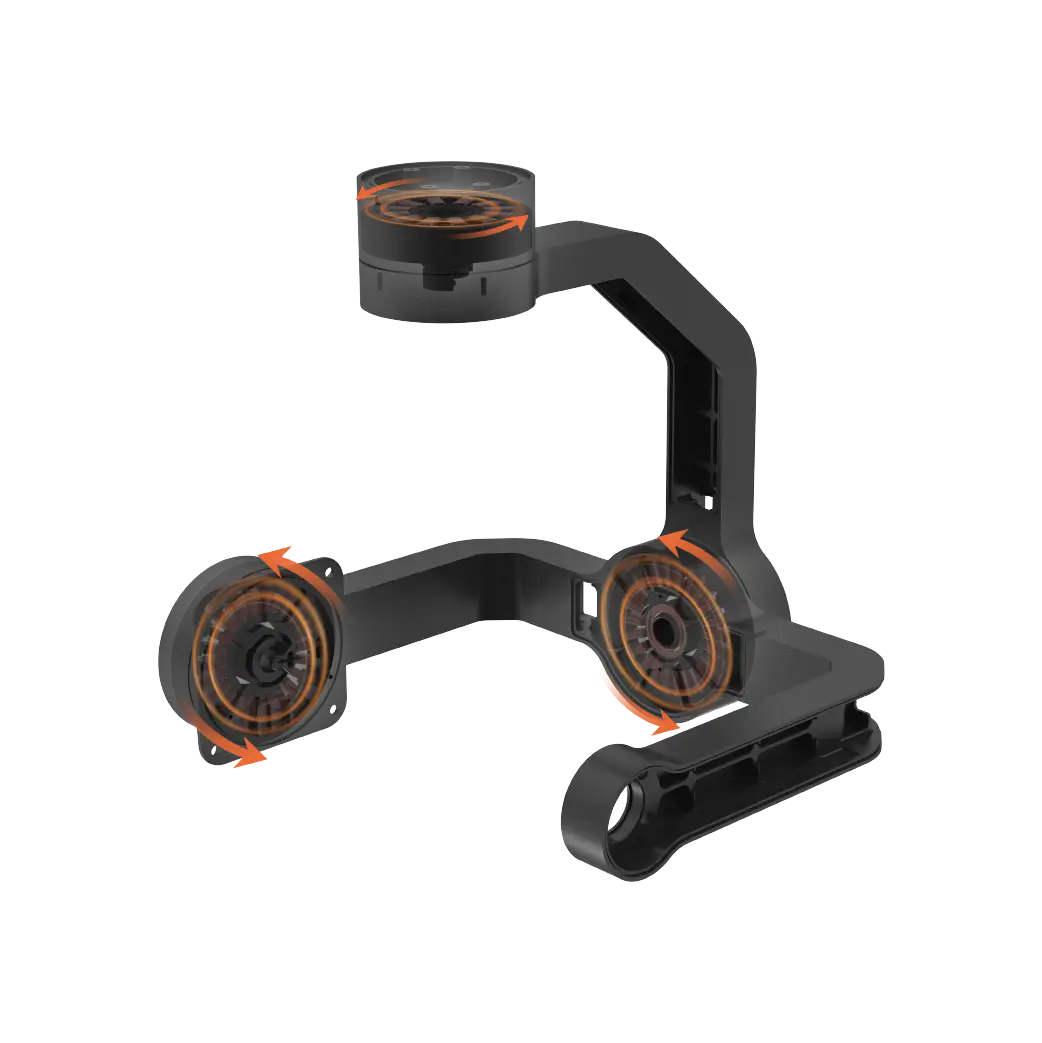
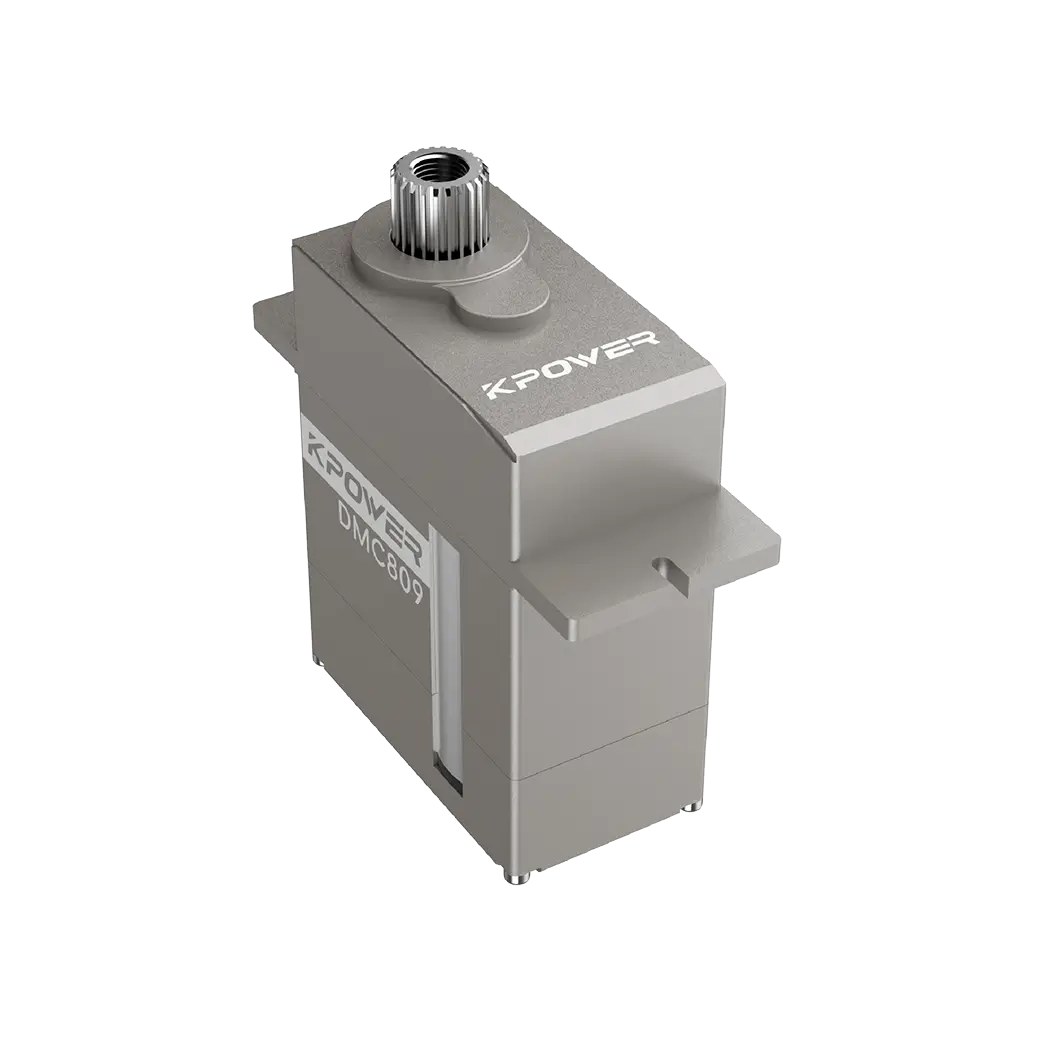
You have just disassembled a set of precision gimbals. What you are holding in your hands are two micro-servos and a thin data booklet. This booklet is often thrown into the drawer without thinking, and then the words "Let's see what use it has" are often said.Have you ever thought about the inexplicable trembling and ghostly drift of the gimbal? The root cause may not be in the hardware, but in the words you skipped.。
Above the base: a stable fulcrum
That small space located at the base of the platform holds the fate of the entire system. Normally, players use double-sided tape for simple pasting, leaving the servo base in a suspended state. The line written in the data sheet "the flatness of the mounting surface is required to be ±0.1mm" is not meaningless. If the base is uneven, even the most precise turning instructions will be engulfed by mechanical deformation. Use four M2 countersunk head screws to lock on the flat acrylic plate to tightly connect the aluminum alloy bracket to the base. The silent installation diagrams in the manual are actually the foundation of the entire stability.
Horizontal turntable: the art of angles
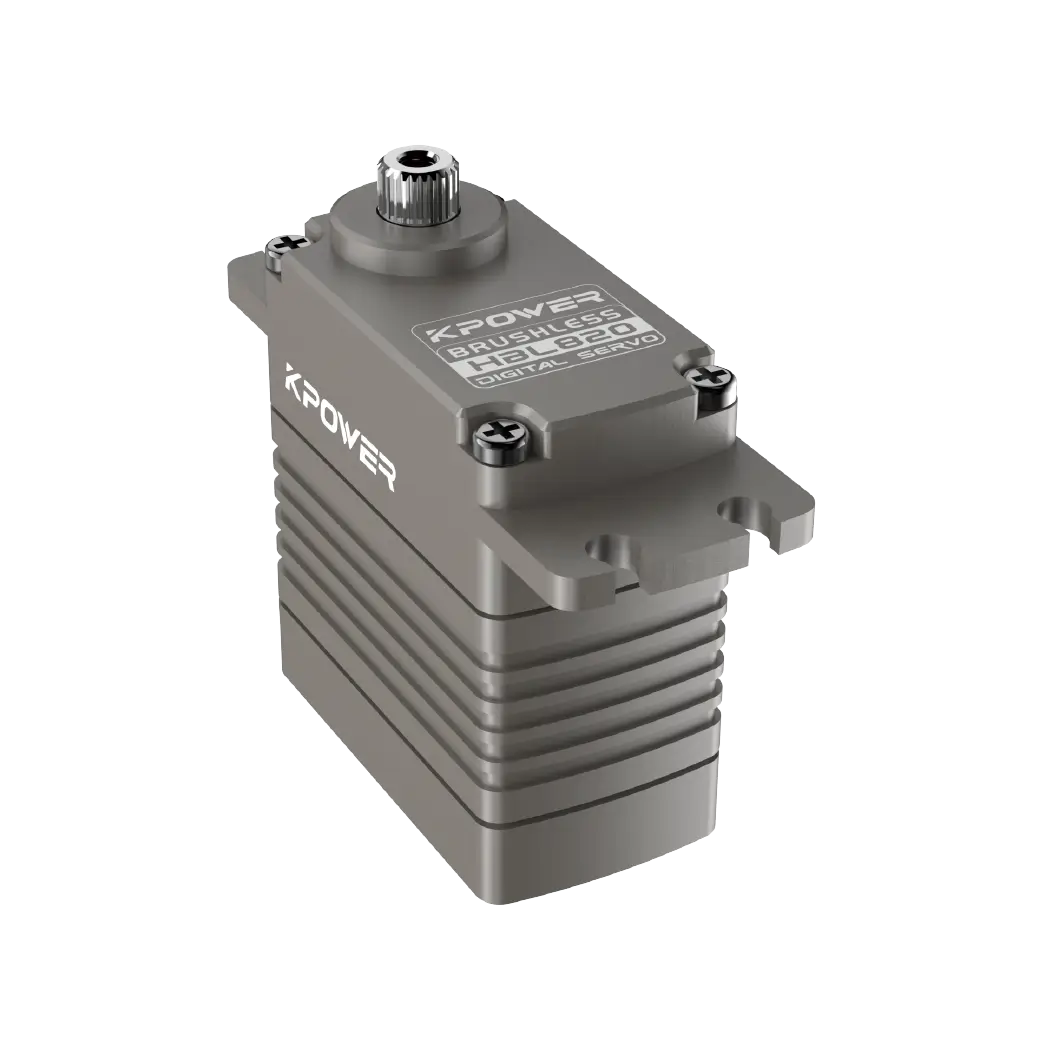
Whether the gimbal turns smoothly depends on the torque endured by the horizontal servo. In many cases, the gimbal carries a 30g camera, but its horizontal rotation is as slow as an old cow pulling a broken car. Open the "torque-speed curve" table in the data sheet, you can find that under the condition of 5V voltage, thekpower servoThe maximum torque is only 1.5kg·cm. Once the moment arm is too long or the load is too heavy, it will become unable to do its job. Once again, it is emphasized that torque is the key to steering. Torque is the key to steering. So what's the solution? Either shorten the moment arm or replace the servo with a larger torque. The numbers in the manual never lie.
Between Pitch and Pitch: The Game of Center of Gravity

The pitch servo struggles with the pull of gravity when looking up at the stars or overlooking the earth. When the camera's center of gravity deviates from the rotation axis by more than 5mm, a strong reaction force will be felt on the handle. The "Deadband Settings" section of the data sheet is often considered irrelevant. However, correct dead zone calibration can reduce the vibration of the servo near the target point. It is clear from the inverted sentence: the trembling pitching picture is not caused by environmental wind disturbance, but the dead zone is too narrow, causing the servo to search unnecessarily. Set a dead zone width of 1μs to let the servo learn "it's good enough, don't move anymore".
Signal and control: the language of pulse width
The only bridge between you and the servo is three thin wires, namely power, ground, and signal. The period, pulse width and timing of the PWM signal are all hidden in the electrical characteristics table of the data sheet. A common mistake is to use Arduino's 500Hz signal to drive a servo that requires 300Hz, which eventually causes the servo to heat up and stop working. The manual will tell you that this is a standardized language, which is a 1500μs median, ±500μs travel. When calibrating the signal, use an oscilloscope or logic analyzer to verify it. This is not rocket science, but the basic syntax of servo that every maker should master.
On the seventh late night of project debugging, you managed to get the PTZ to track a ping pong ball stably. At this time, you discovered that the data manual that had been discarded was actually the most expensive free gift. Again, the data sheet is the only map to precise control.
Calibration: Let the servo find north
No two leaves look exactly the same, and no two micro-servos can have completely the same parameters, even if they are from the same batch.kpower servo, the bit pulse width may also differ by 20μs. Calibration is to customize a unique setting that can be called a "zero point" for each servo. The method is not complicated. Send a theoretically derived median signal to see if the gimbal stops at the correct position. If There is a deflection angle. Make fine adjustments to the pulse width until it is completely centered. By storing this offset value in the code, your gimbal will get rid of the initial head tilt problem caused by hardware tolerances. Calibrate it once, and the benefits will be throughout the entire project cycle.
Durability and Maintenance: Time is the examiner

After the gimbal has been running continuously for two hours, if the temperature of the servo housing exceeds 60°C, an overload alarm is issued. The keyword "durability" should be included here.. The "rated operating time" column in the data sheet usually says "intermittent operation".This means that you have to design a cooling strategy for the gimbal, such as reducing the refresh rate, or increasing the pause interval, or adding micro heat sinks。A suggestion for action is to perform a "torque centering test" once a month, that is, gently move the gimbal with your hands to feel whether the resistance is uniform.. If it feels stiff in a certain direction, it means that backlash wear has occurred. At this time, it is much easier to replace the steering gear than to repair a chipped tooth. The key word "durability" must also be incorporated here.
Frequently Asked Questions Q/A
Q: The gimbal shakes when it is not loaded, what should I do?
Check the signal lines in turn to see if there are any virtual connections. If there are virtual connections, it will cause PWM waveform distortion, which is the primary cause of jitter. You need to re-solder or tighten the terminals.
Q: How to fix the horizontal rotation stuck at a certain angle?
A: This is a typical symptom after the steering gear potentiometer is worn. Just replace it with the same modelkpower servo, so the cost of repair is minimal.
Q: What is the use of "stall current" in the data sheet?
A: It is used to calculate the power supply. The sum of the stall currents of the two servos must be less than the continuous output capability of the power supply, otherwise there will be a voltage drop and restart.
Q: The pitch angle cannot reach the manual’s nominal ±45°?
Check the mechanical limit to see if there are objects blocking it, and remove wires or foreign objects on the movement path of the gimbal, so that the full stroke can be restored.
Q: How to quickly verify the quality of the newly received servo?
A: Use 1500μs signal to provide power for testing. If it can be maintained in the middle position without generating heat, it is a good quality product. Otherwise, apply for after-sales service.
Place this data sheet under your work desk lamp next to your screwdriver and oscilloscope. It is not simply a collection of cold parameters, but a servo-like monologue of the soul that speaks its heart to you with the help of silent voltage, pulse width and torque. The next time the gimbal lowers its head slightly, do you understand the story behind that turn?
Update Time:2026-05-10

Contact Kpower's product specialist to recommend suitable motor or gearbox for your product.


