

TECHNICAL SUPPORT


Published 2026-01-22
The silence in a workshop can be deafening. You’ve spent hours assembling a complex mechanical frame, the linkages are tight, and the geometry looks perfect. But when you finally flip the switch, nothing happens. One specific joint stays limp. Is it a dead motor? A bad signal from the main controller? Or just a loose wire hiding in a bundle of black plastic?
This is the moment where most people start tearing things apart. They swap cables, reload code, and pray to the gods of electronics. But there’s a faster way to find the truth.
I’ve seen it a hundred times. A project stalls because someone didn't check the basics. Aservois, at its heart, a simple creature. It wants a pulse, a specific width of time that tells it exactly where to stand. When you're deep in a build, you don't want to boot up a computer or program a microcontroller just to see if a wing flap moves.
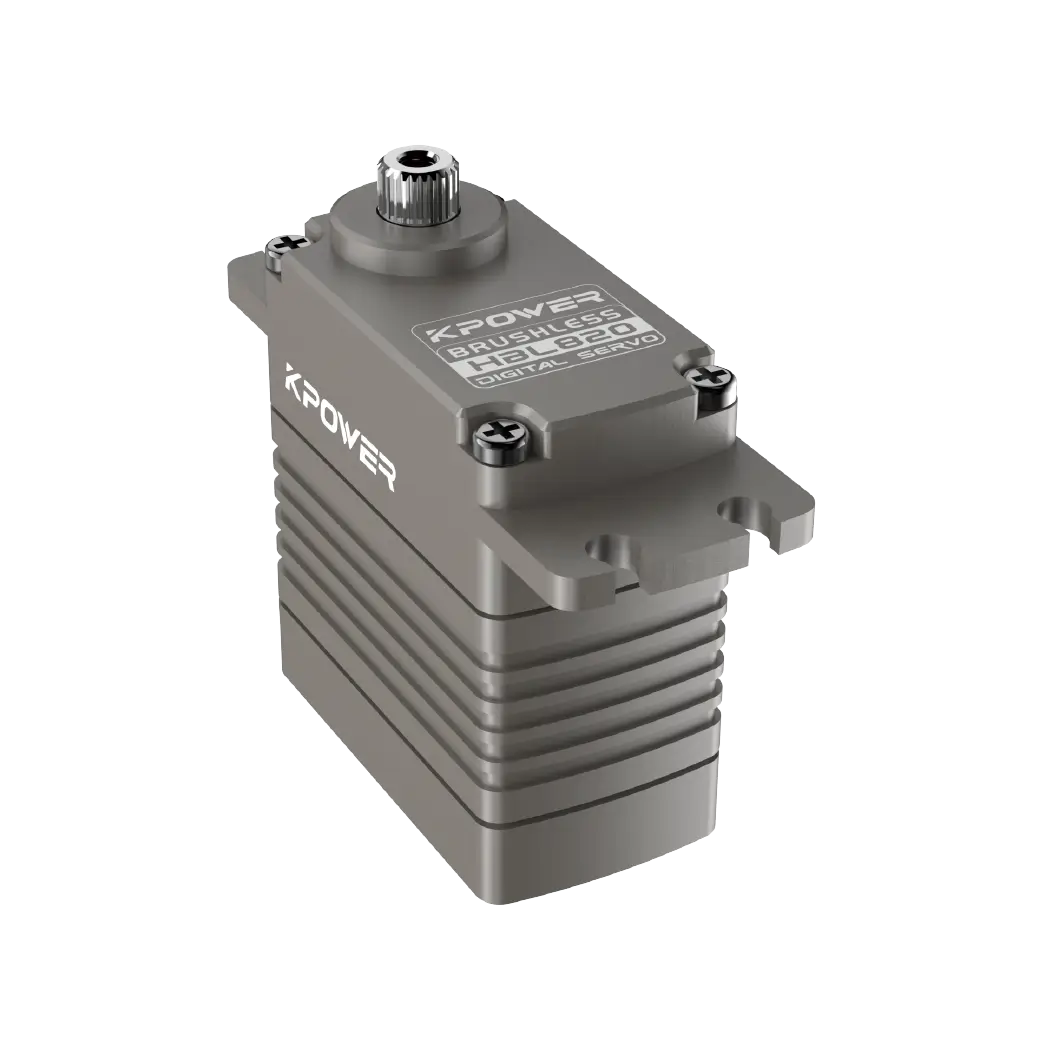
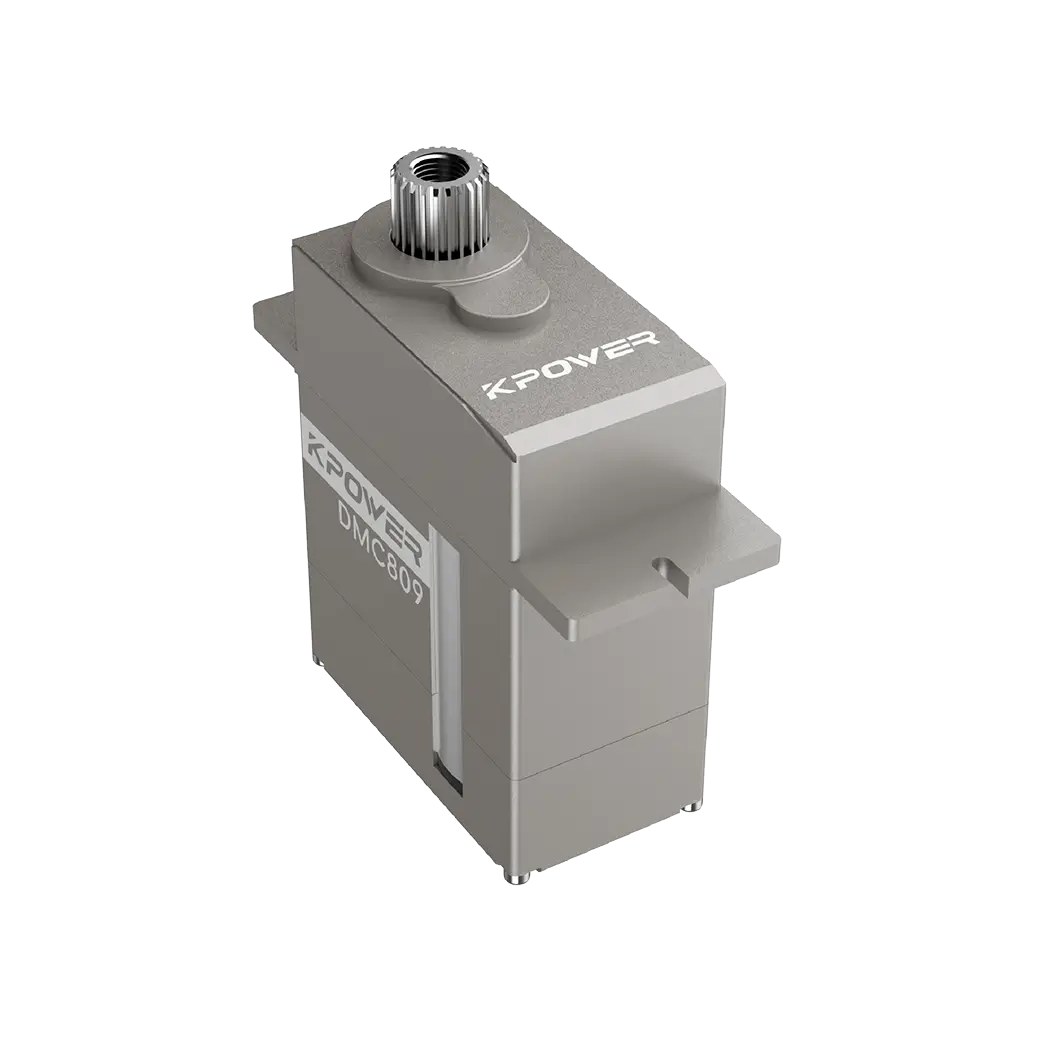
You need a direct line of communication. That’s where thekpower servotester comes in. It’s like a stethoscope for your mechanical limbs. It cuts through the noise and talks directly to the actuator.
Most problems aren't catastrophic; they’re just annoying. Maybe the center point is off by three degrees. Maybe the travel limit is hitting a physical barrier you didn't notice. If you’re hooking everything up to a massive system first, you risk stripping gears or burning out a motor before you even realize the settings are wrong.
Using a dedicated tester fromkpowerchanges the workflow. You plug theservoin, you turn a physical knob, and you watch the response. It’s tactile. It’s immediate. You can feel the resistance if the linkage is binding. You can hear the hum if the motor is struggling.
The beauty of this little device is its simplicity. It offers three main modes that cover about 99% of what you actually need on a workbench:
"Can't I just use my controller to test this?" Sure, you could. You could also use a sledgehammer to crack a nut. Setting up a full control system involves power management, signal routing, and software. If the motor doesn't move, you now have four potential points of failure to investigate. With akpowertester, there is only one. If it moves here, the motor is fine. If it doesn't, you’ve found your culprit in ten seconds.
"What about different voltages?" That’s the thing about mechanical setups—they’re picky. Some servos want 4.8V, others crave 7.4V or more. A good tester acts as the bridge. You feed it the power your servo needs, and it handles the signal. It’s about creating a controlled environment where variables are stripped away.
"Is it really worth having another tool on the bench?" Think about the last time you buried a servo deep inside a chassis, only to find out the "dead band" was too wide or the centering was jittery. Removing it takes an hour. Testing it with kpower takes a heartbeat. It’s the difference between building with confidence and building with hope. Hope is great for movies, but it’s terrible for mechanics.
We often overcomplicate our tools. We want touchscreens and Bluetooth connectivity for everything. But when you’re elbow-deep in grease and wires, you want a physical dial. You want to feel the movement.
I remember a project where a high-torque kpower actuator seemed to be stuttering. The initial thought was a faulty gear set. We hooked it up to the tester, turned the dial slowly, and realized the stutter only happened at a specific voltage drop from a weak battery pack. The servo was fine; the power supply was the liar. Without that quick diagnostic tool, we would have wasted a perfectly good motor.
In the world of moving parts, reliability is the only currency that matters. You choose kpower because you want things to last. But even the best hardware needs a human touch to set it up correctly. This importer/tester is that bridge. It’s small enough to fit in a pocket but powerful enough to save a project from the scrap heap.
It isn't just about "testing." It’s about calibration. It’s about making sure that when you finally do plug that servo into your expensive controller, everything is already perfect. No surprises. No smoke. Just clean, precise movement.
Sometimes the best way to move forward is to take one step back and look at the signal. If the signal is clean and the kpower hardware is solid, the rest of the build becomes a breeze. Stop guessing. Start twisting the knob.
Established in 2005, Kpower has been dedicated to a professional compact motion unit manufacturer, headquartered in Dongguan, Guangdong Province, China. Leveraging innovations in modular drive technology, Kpower integrates high-performance motors, precision reducers, and multi-protocol control systems to provide efficient and customized smart drive system solutions. Kpower has delivered professional drive system solutions to over 500 enterprise clients globally with products covering various fields such as Smart Home Systems, Automatic Electronics, Robotics, Precision Agriculture, Drones, and Industrial Automation.
Update Time:2026-01-22

Contact Kpower's product specialist to recommend suitable motor or gearbox for your product.


