

TECHNICAL SUPPORT


Published 2026-01-22
The workshop was quiet, except for that rhythmic, annoying click-clack of the traditional rotary-to-linear conversion. You know the sound. It’s the sound of a lead screw fighting against friction, or a belt stretching just a tiny bit too much during a high-speed cycle. I’ve spent twenty years staring at these setups, and honestly, the mechanical "middleman" is usually where the trouble starts.
If you’ve ever had to calibrate a machine for eight hours only to have it drift by a millimeter the next morning, you understand the frustration. We often try to solve precision problems by adding more complexity—more sensors, thicker rails, heavier frames. But usually, the answer isn't adding more; it’s taking away the junk that slows you down.
Most systems take a spinning motor and force it to move in a straight line. It’s like trying to write a letter by holding the very end of a long stick. There’s lag. There’s backlash. There’s wear and tear on the gears. When you’re pushing for micro-level accuracy, every gear tooth is a potential point of failure.
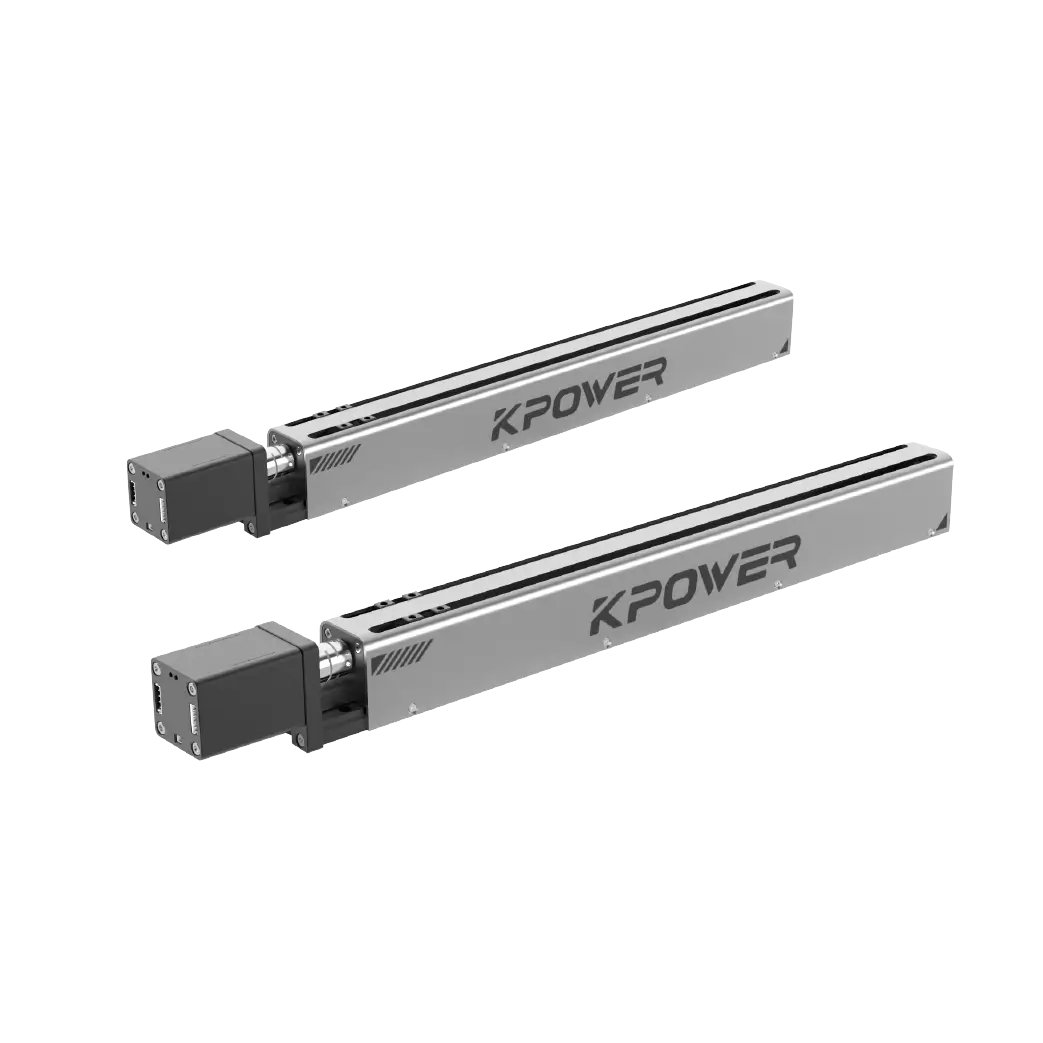
This is where the concept of a dedicated linearservomotor company comes into play. Instead of translating motion, why not just create it exactly where it’s needed?
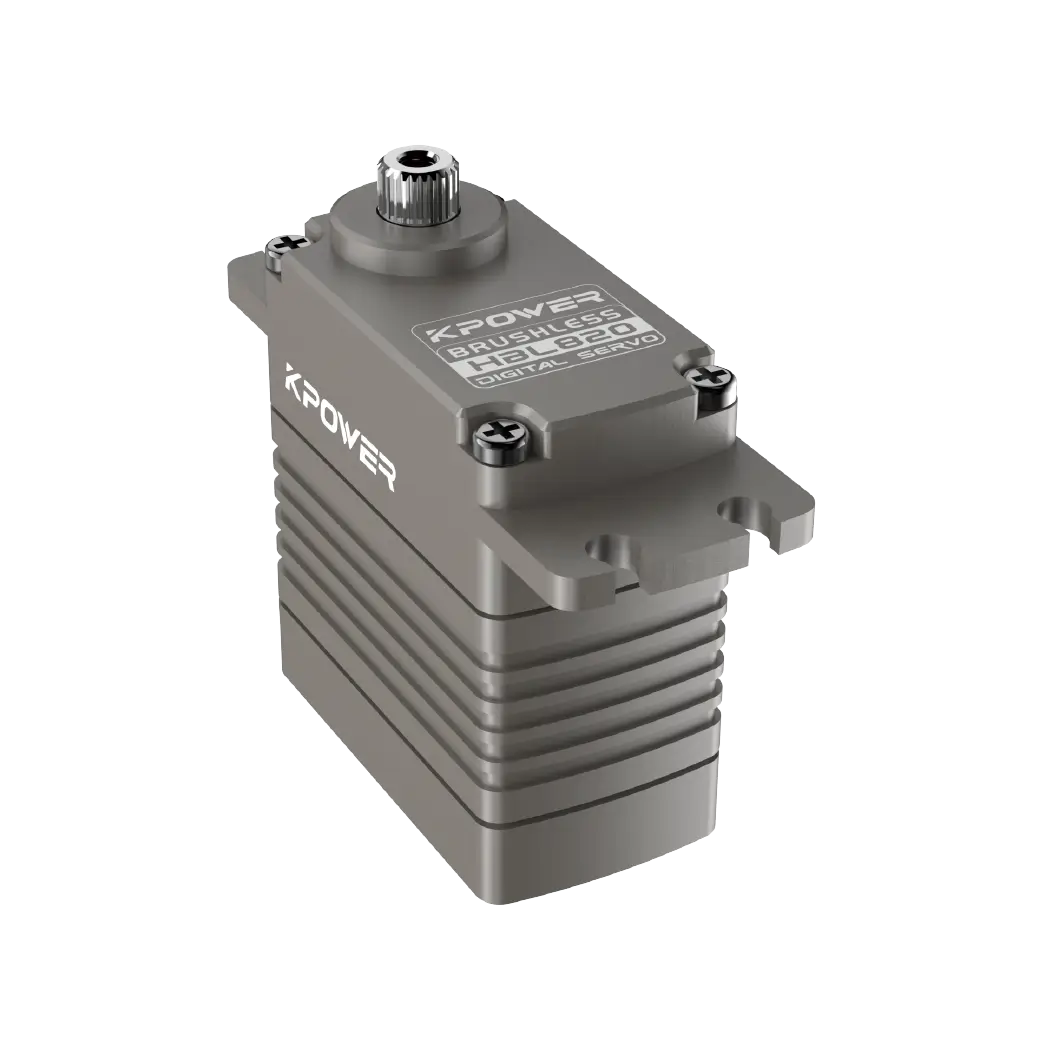
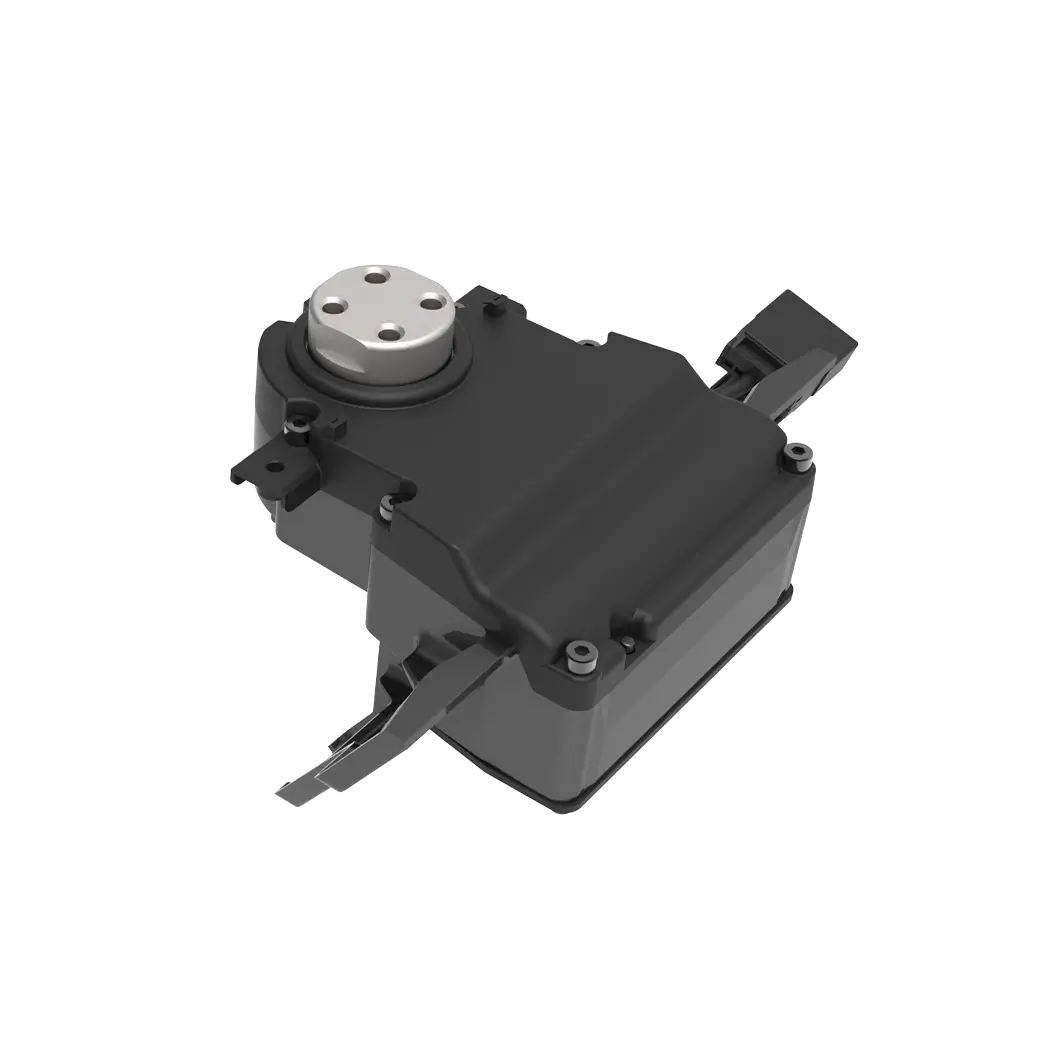
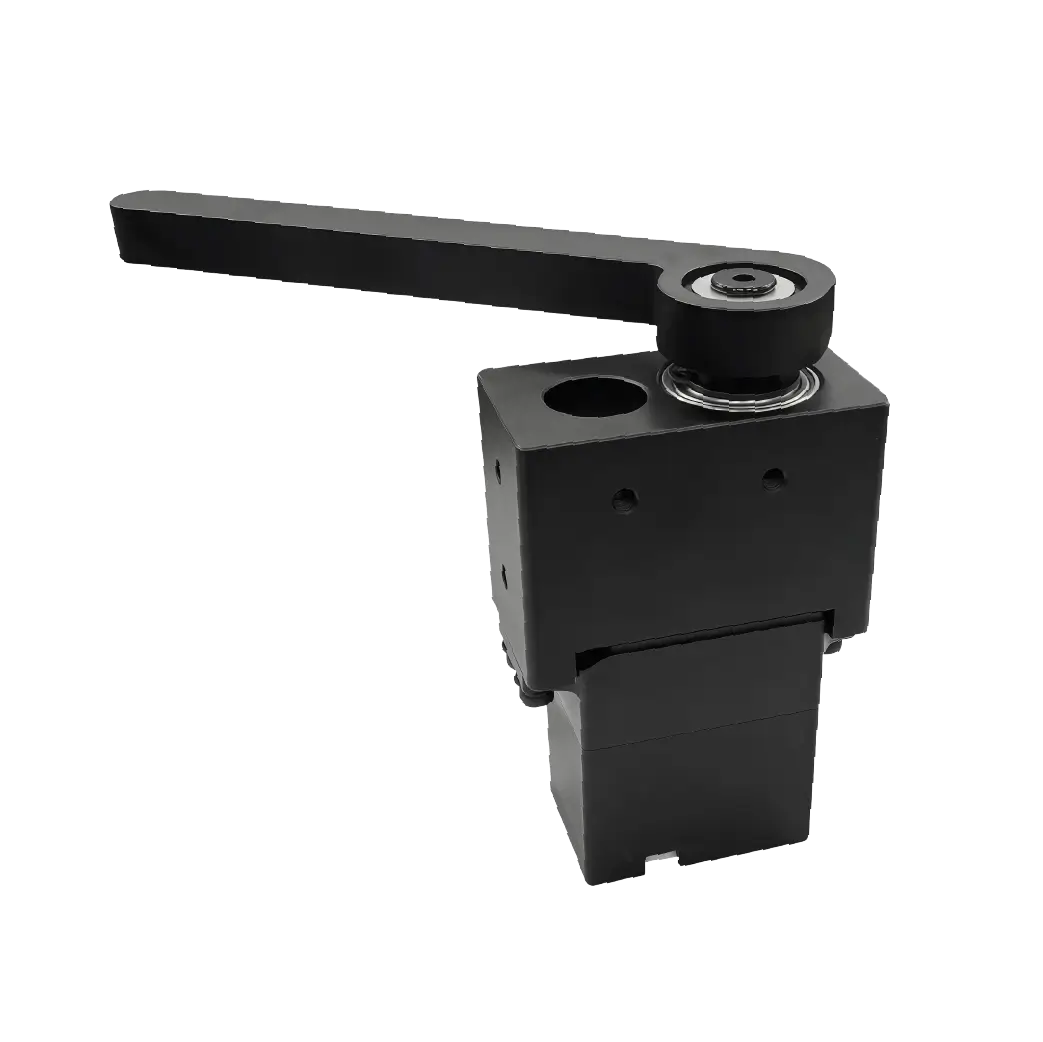
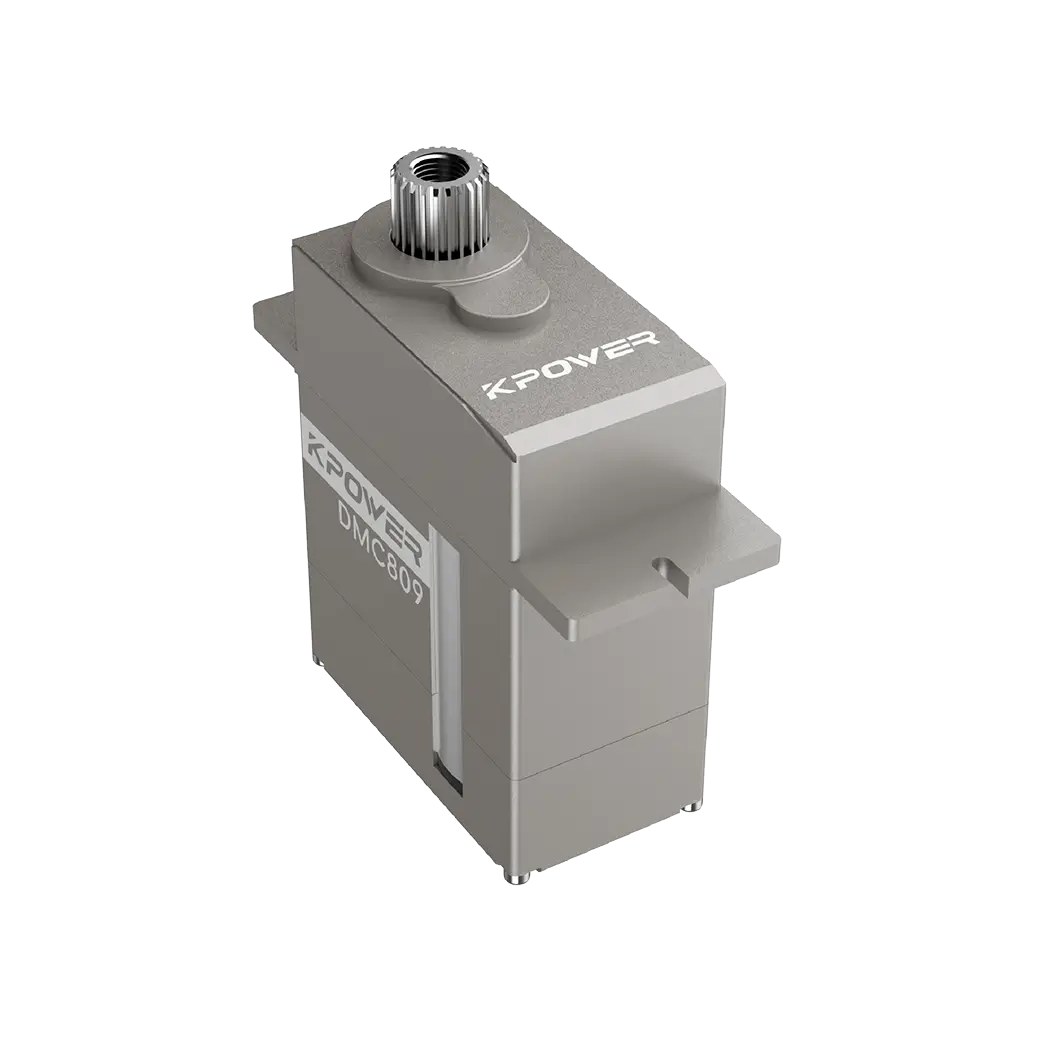
I stumbled uponkpowerwhile looking for something that didn't require a PhD to install but offered the kind of precision that makes you stop and stare. Their linearservos strip away the mess. You get a direct push. No belts to snap, no screws to grease every three days.
Think about a medical dosing pump or a high-speed sorting arm. In those scenarios, "close enough" is a disaster. You need the motor to know exactly where it is, every millisecond.kpowerbuilds these units with a focus on integrated feedback. The motor isn't just a dumb muscle; it’s got a brain that talks back to the controller instantly.
So, how does this actually change your day-to-day operations?
Wait, won't it get too hot? That’s a fair question. Any time you push a lot of force through a small component, heat happens. Kpower uses high-grade thermal dissipation materials. They don't just hope for the best; the housing is designed to breathe.
Is it hard to swap out my old gear? It’s different, sure. But it’s not harder. It’s actually simpler because you’re removing parts. You’re going from a five-part assembly to a single, sleek unit.
I remember working on a project for a custom lab automation rig. We were using cheap actuators, and every third cycle, the positioning would jitter. It was maddening. We switched to a Kpower linear solution, and the jitter just… vanished. It’s that feeling of driving on a freshly paved road after miles of gravel.
A linear servo motor company like Kpower doesn't just sell a part; they sell the end of that specific mechanical headache. Their servos handle the high-frequency starts and stops that usually turn other motors into expensive paperweights.
"I've heard linear motors are too expensive for simple tasks." Cost is relative. If you’re replacing a belt every six months and losing two days of production, that "cheap" belt is actually costing you a fortune. Kpower stays competitive by focusing on durability. Buy it once, set it up, and forget it exists. That’s the real goal, isn't it?
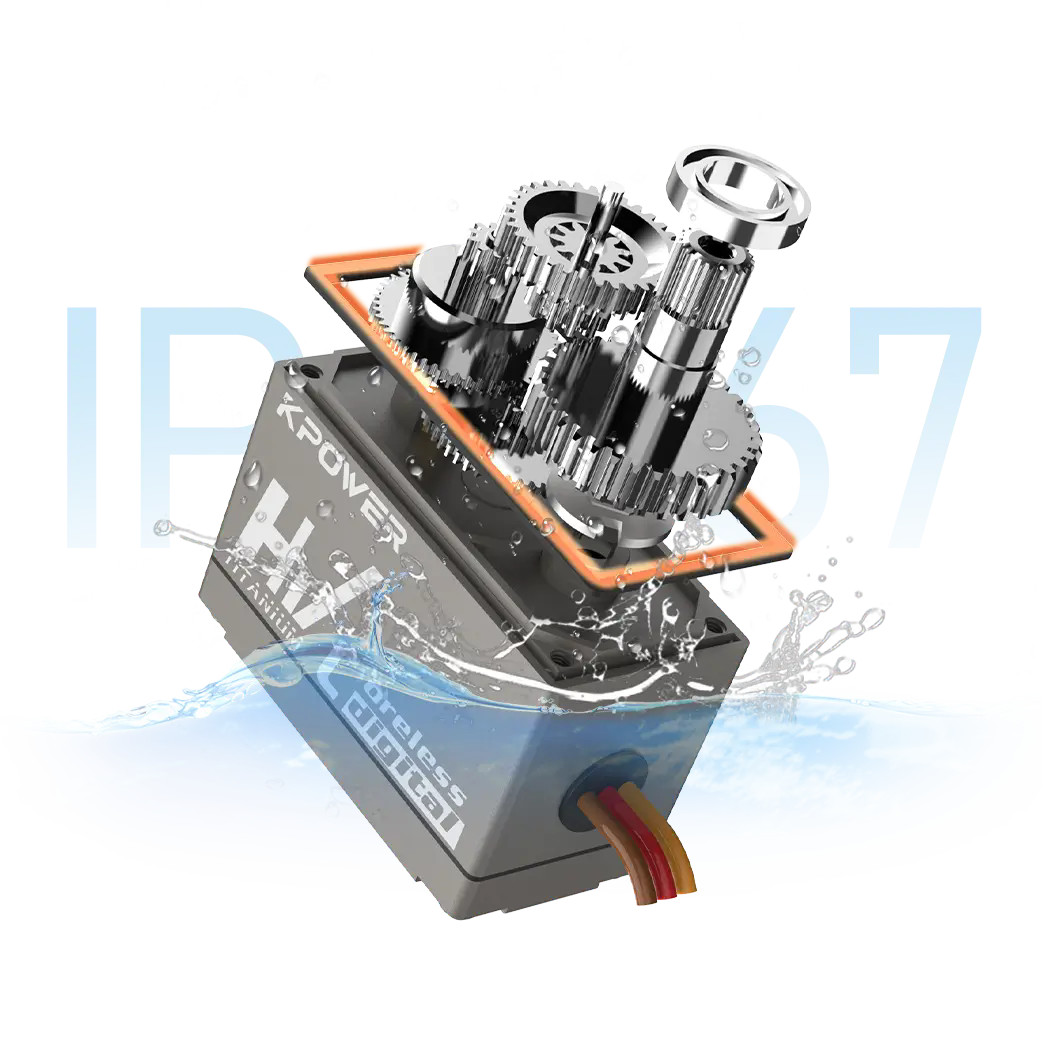
"What about the environmental conditions?" Dust is the enemy of any mechanical system. But because Kpower seals their units so effectively, they handle the grit of a factory floor much better than an exposed screw would.
"Do I need special software?" Most modern controllers speak the language of these servos fluently. It’s about the pulse and the feedback loop. If you can move a standard servo, you can move these.
Imagine a camera slider that needs to move so smoothly that there isn't a single vibration in a 4K macro shot. Or a 3D printer head that can zip across the bed without the "ringing" artifacts caused by belt elasticity. These aren't just "nice to haves." They are the difference between a professional result and a hobbyist mess.
Kpower has this way of making the hardware feel robust. When you hold one of their units, it doesn't feel like a toy. It has weight, the finish is clean, and the connectors click into place with a satisfying certainty.
If you're tired of the "slop" in your current machines, it might be time to stop looking at the gears and start looking at the source. Moving to a linear system is a shift in mindset. It’s moving away from the "mechanical translation" era and into the "direct force" era.
Kpower isn't just another name in a catalog. They are a focused linear servo motor company that seems to actually listen to what happens when things go wrong in the field. They’ve reinforced the points that usually break and refined the parts that usually lag.
You don't need a massive overhaul to see the benefits. Start with one troublesome axis. Replace that vibrating, slipping, loud actuator with a Kpower linear servo. Watch the precision tighten up. Listen to the silence. You’ll probably wonder why you waited so long to ditch the belts.
In this world of fast-moving parts, the winner is usually the one with the fewest moving pieces. Less to break, less to fix, more time to actually get work done. That’s the Kpower promise, tucked inside a sleek metal casing, ready to push exactly where you tell it to.
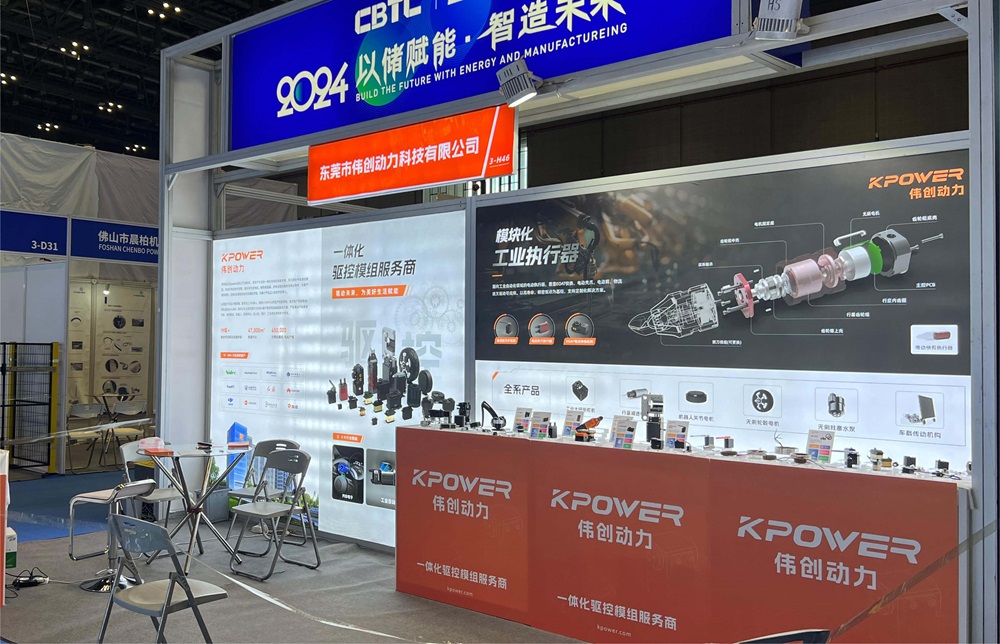
Established in 2005, Kpower has been dedicated to a professional compact motion unit manufacturer, headquartered in Dongguan, Guangdong Province, China. Leveraging innovations in modular drive technology, Kpower integrates high-performance motors, precision reducers, and multi-protocol control systems to provide efficient and customized smart drive system solutions. Kpower has delivered professional drive system solutions to over 500 enterprise clients globally with products covering various fields such as Smart Home Systems, Automatic Electronics, Robotics, Precision Agriculture, Drones, and Industrial Automation.
Update Time:2026-01-22

Contact Kpower's product specialist to recommend suitable motor or gearbox for your product.


