

TECHNICAL SUPPORT


Published 2026-01-22
The workshop is quiet, except for that one high-pitched whine. You know the one. It’s the sound of a motor struggling to keep up with a vision it wasn't built for. Maybe it’s a robotic arm that jitters when it should glide, or a specialized camera rig that loses its position every time the temperature climbs. You’ve got a great product, but under the hood, it’s carrying someone else’s generic identity. That’s the moment you realize a "standard" part is holding back a "non-standard" idea.
Why settle for a motor that looks like it belongs on a thousand different shelves? When you’re building something meant to disrupt a market, the components inside shouldn't just be "good enough." They need to be yours. Private labeling is often misunderstood as just slapping a sticker on a plastic casing. In reality, it’s about claiming the performance as your own.
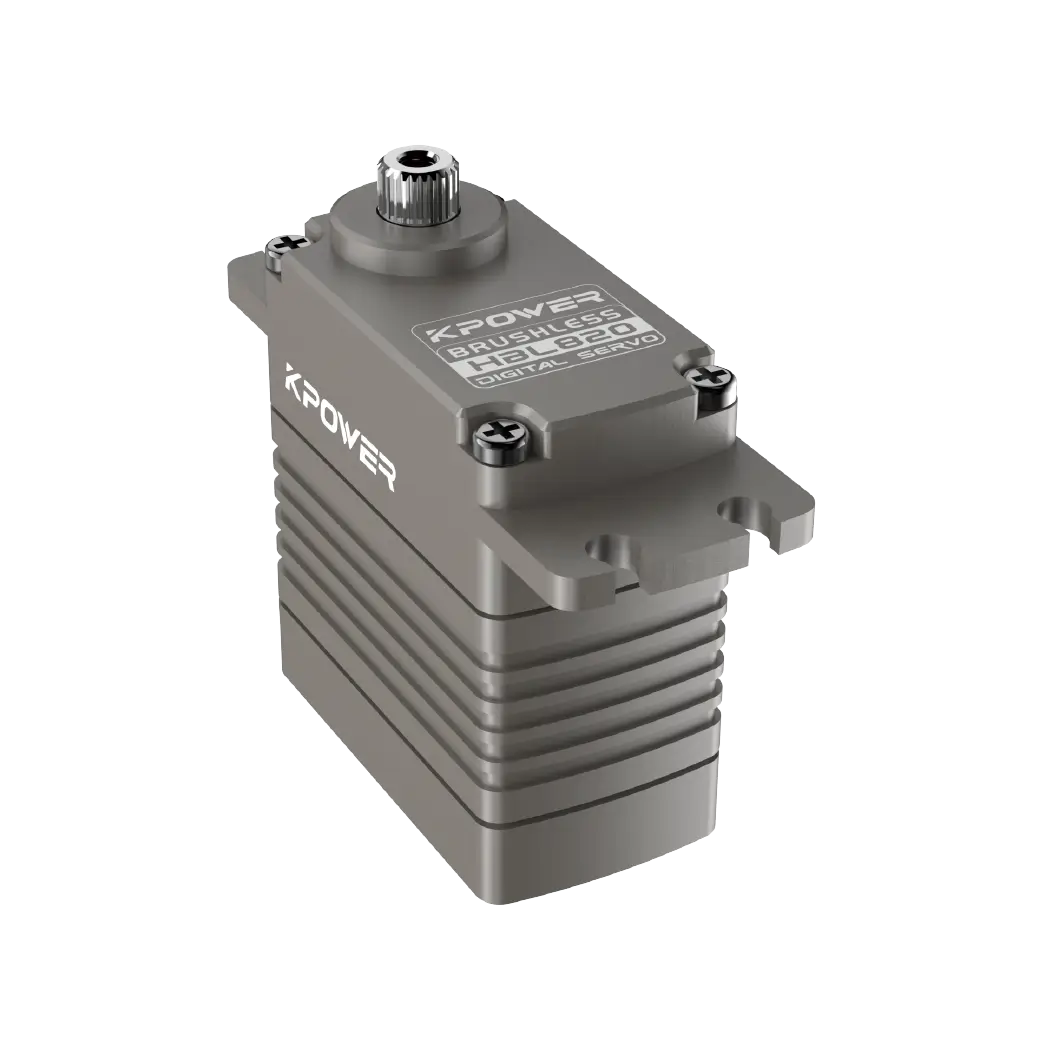
When you work withkpower, the conversation isn't about what’s in the catalog. It’s about what’s missing from your current setup. Is the torque curve too shallow? Does the gear train chatter at high speeds? The guts of a DCservoare a delicate balance of magnetism, heat dissipation, and mechanical clearance. If you don't control those variables, you don't control your brand’s reputation.
Let’s talk about heat. It’s the enemy of every precision movement. A generic motor might work fine for ten minutes, but what happens at hour four? The magnets start to lose their edge, the lubricants thin out, and suddenly, your "precision" device is guessing where it is.
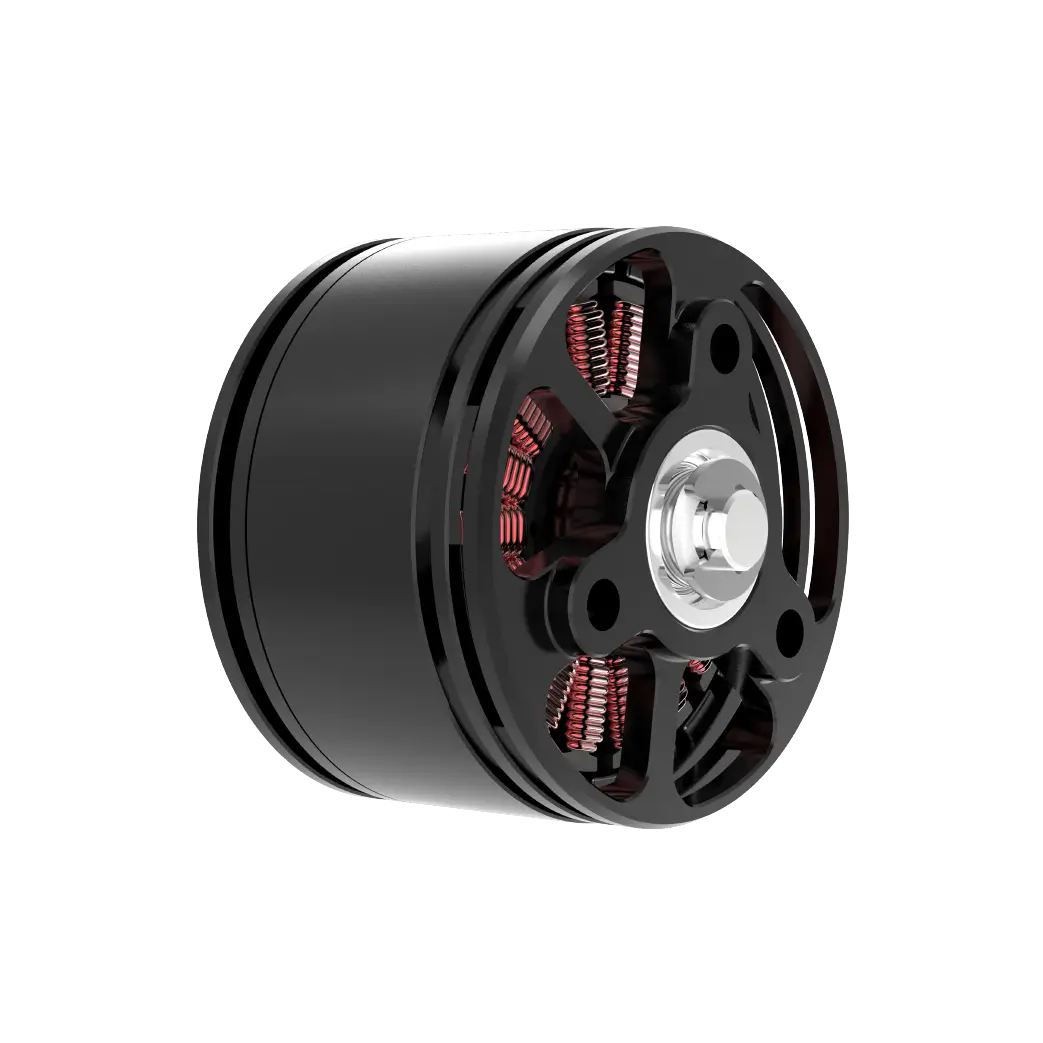
kpowerfocuses on the thermal reality of these machines. By tweaking the winding density or choosing a specific alloy for the housing, the motor stays cool under pressure. It’s a rational approach to a physical problem. If the motor doesn't overheat, the software doesn't have to compensate for drift. If the software doesn't have to work as hard, the whole system feels more "premium."
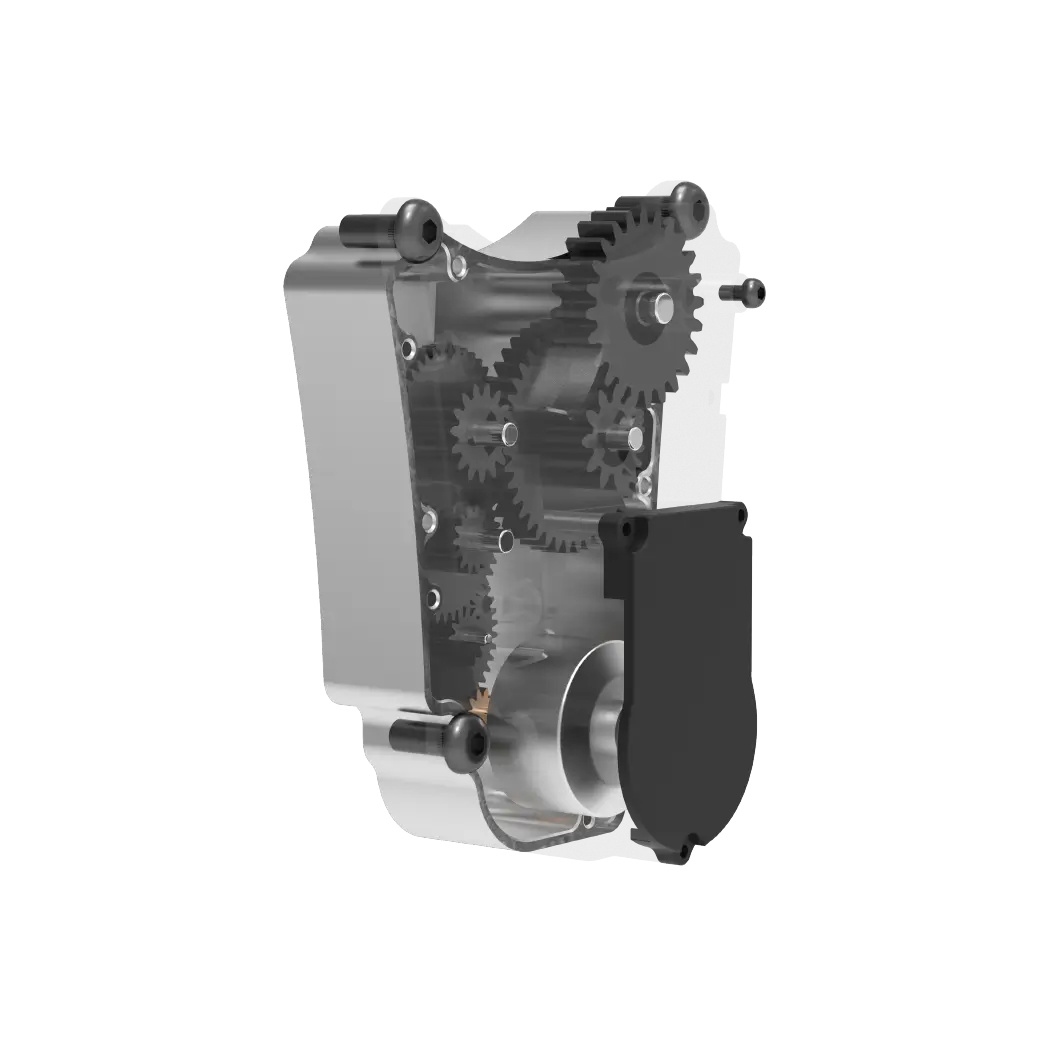
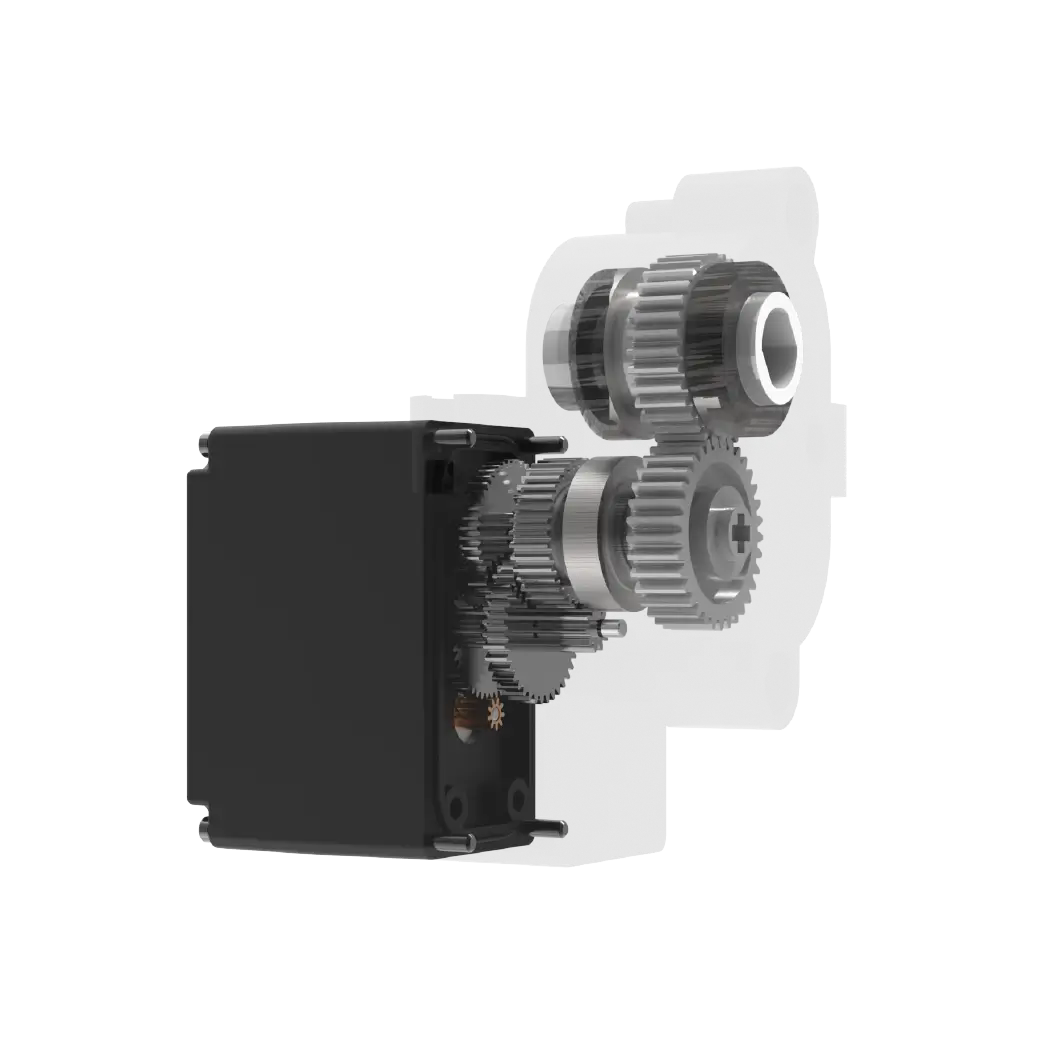
Sometimes, the smallest change makes the biggest difference. Have you ever wondered why someservos feel "crunchy" when you turn them by hand? It’s usually the gear tolerances. A private label project allows you to dictate those tolerances. You can choose steel gears for durability or specialized composites for noise reduction. It’s your name on the outside, so the "feel" on the inside should match your standards.
It’s a fair question. Why not just buy a thousand units of a blue-label motor and call it a day?
First, there’s the issue of continuity. If you’re using a generic part, so is your competitor. If that manufacturer decides to change a component inside—maybe a cheaper capacitor or a different grease—your product’s performance changes without your permission. Withkpower, a private label agreement means the spec is locked. It’s your spec. It’s your secret sauce.
Second, it’s about the narrative. When someone cracks open your device, they shouldn't see a patchwork of third-party logos. They should see a cohesive, intentional machine. It builds trust. It says that you didn't just assemble parts; you engineered a solution.
"Does changing the label affect the certifications?" Usually, the heavy lifting is already done. When we talk about private labeling with Kpower, we’re looking at maintaining the core reliability while tailoring the interface and branding. It’s the best of both worlds: proven internal architecture with a custom external identity.
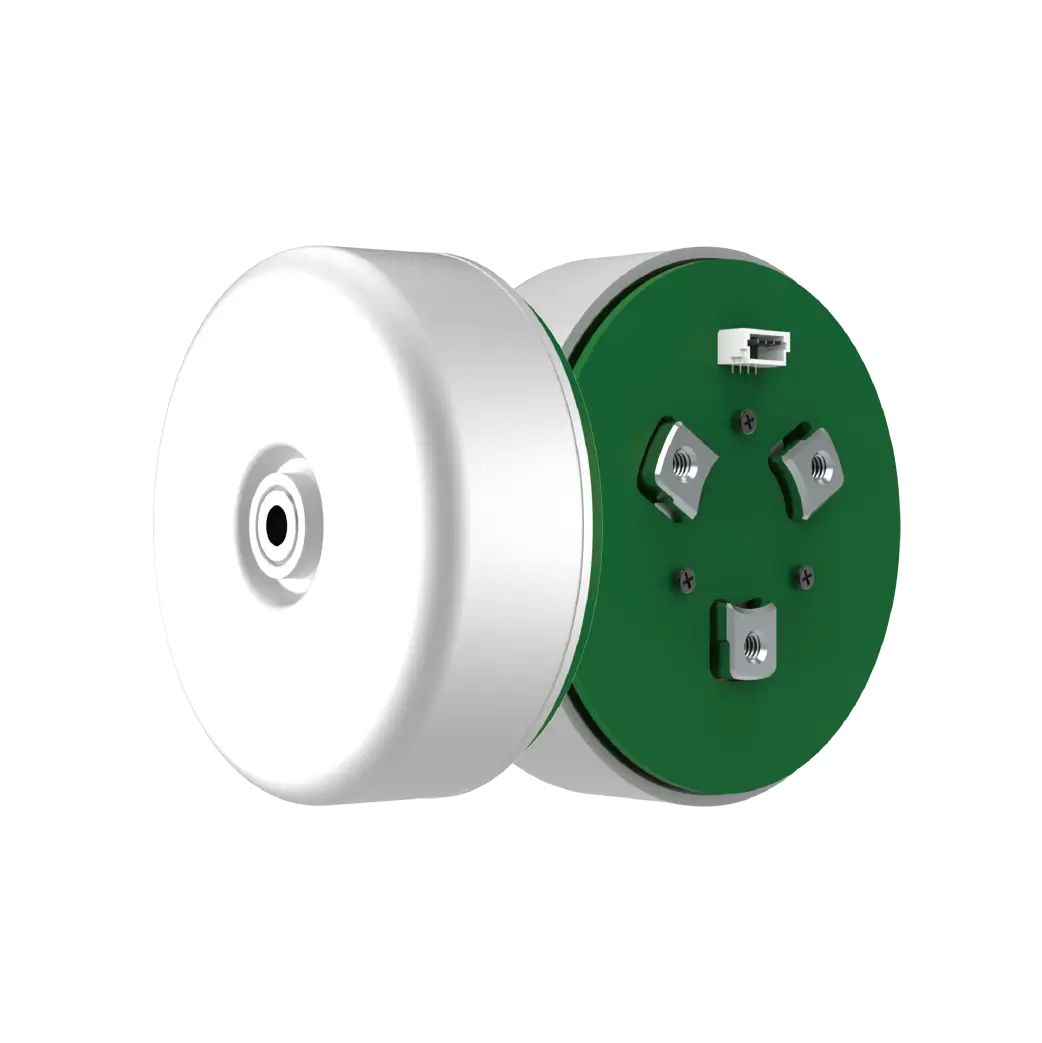
"Can we change the wires? The standard ones are too short for my frame." This is the beauty of the process. Private labeling isn't just about the logo. It’s about the "pigtail"—the wiring, the connectors, the lead length. If you need a specific JST connector to plug directly into your custom PCB, that’s part of the package. No more soldering extensions by hand in a cramped assembly line.
"What about the firmware? I need a specific deadband." Precision is subjective. What’s "tight" for a hobbyist is "sloppy" for a medical device. Private labeling allows for custom parameters in the motor’s controller. If you need a specific holding torque or a unique response to a PWM signal, that gets baked into your version of the motor.
There’s an old saying that the best technology is invisible. You only notice a motor when it fails. You notice the jitter. You notice the smell of a burning coil. You notice the "not quite right" sound of a gear striping.
Think about the last time you used a high-end tool. You didn't think about the motor inside. You just felt the power and the control. That’s the goal of a Kpower partnership. We provide the muscle, so you can focus on the "brain" of your project.
It’s a bit like writing a story. You have the plot and the characters, but you need the ink to stay on the page and the binding to hold it all together. We are the binding. We make sure that when your customers put your product to work, it performs exactly the same on day one thousand as it did on day one.
So, how do you move from "buying parts" to "owning the tech"? It starts with a realization that the motor is the primary touchpoint between your software and the physical world. If that bridge is shaky, the whole experience falls apart.
You don't need to be a wizard of magnetism to get this right. You just need to know what you want your product to feel like. Do you want it to be fast and aggressive? Or slow, powerful, and silent? Once you define the personality of your machine, the technical specs follow naturally.
Kpower handles the heavy lifting of the manufacturing and the quality control. You get a component that is uniquely yours, protected from the volatility of the open market, and tuned to your specific needs. It’s a shift in mindset. You stop being a customer of the supply chain and start being the master of it.
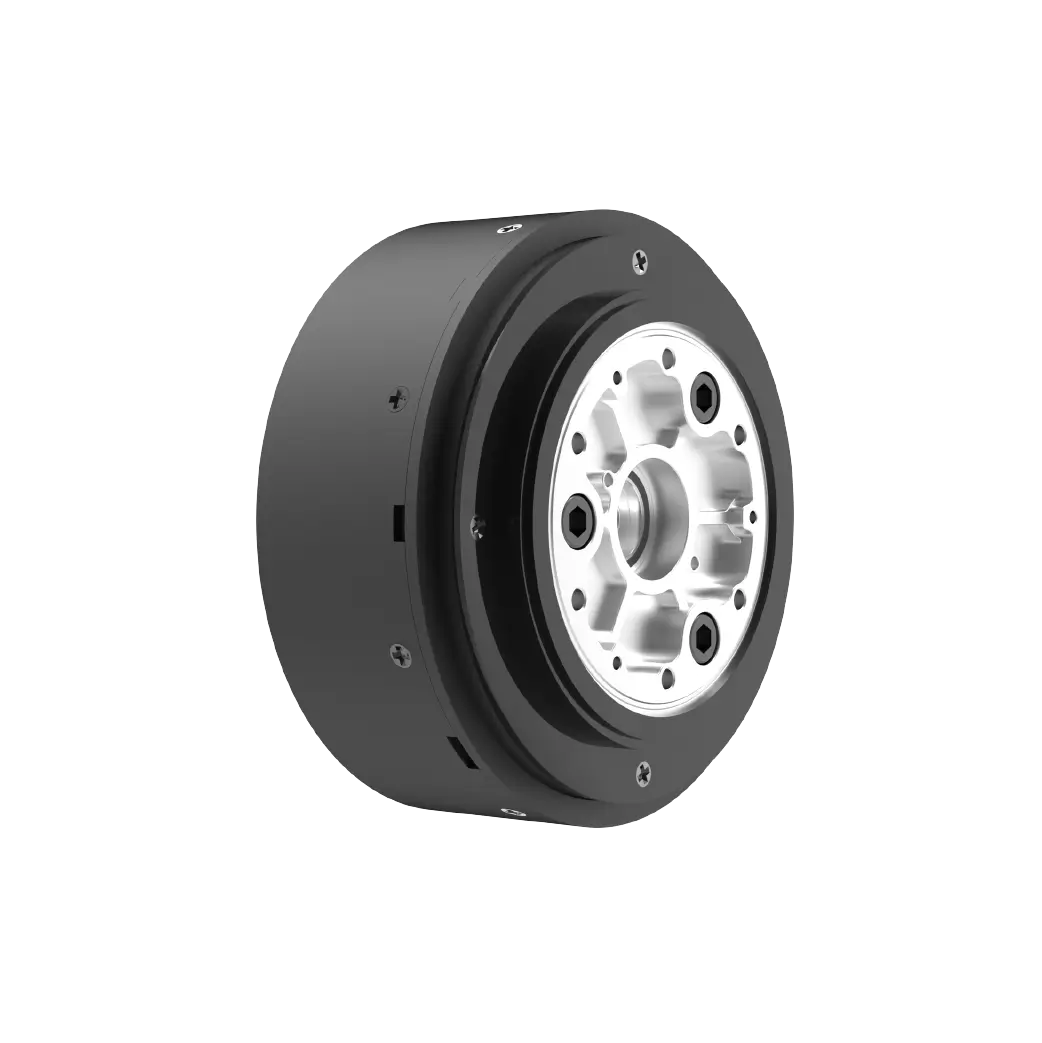
The next time you’re looking at a prototype and thinking, "I wish this part was just a little bit different," remember that it can be. You don't have to fit your dream into a standard 20mm box. You can build the box around the dream. That’s the power of putting your own label on a Kpower heart. It’s not just a motor; it’s the physical manifestation of your brand’s promise. Let the machine do the talking, and make sure it’s saying exactly what you want it to.
Established in 2005, Kpower has been dedicated to a professional compact motion unit manufacturer, headquartered in Dongguan, Guangdong Province, China. Leveraging innovations in modular drive technology, Kpower integrates high-performance motors, precision reducers, and multi-protocol control systems to provide efficient and customized smart drive system solutions. Kpower has delivered professional drive system solutions to over 500 enterprise clients globally with products covering various fields such as Smart Home Systems, Automatic Electronics, Robotics, Precision Agriculture, Drones, and Industrial Automation.
Update Time:2026-01-22

Contact Kpower's product specialist to recommend suitable motor or gearbox for your product.


