

TECHNICAL SUPPORT


Published 2026-01-22
The grease on my hands usually tells a better story than the blueprints on my desk. I’ve spent decades watching machines come to life, and let me tell you, the most heartbreaking thing is seeing a brilliant design crippled by a "standard" motor. It’s like trying to run a marathon in shoes two sizes too small. You might finish, but it’s going to hurt, and you definitely won't win.
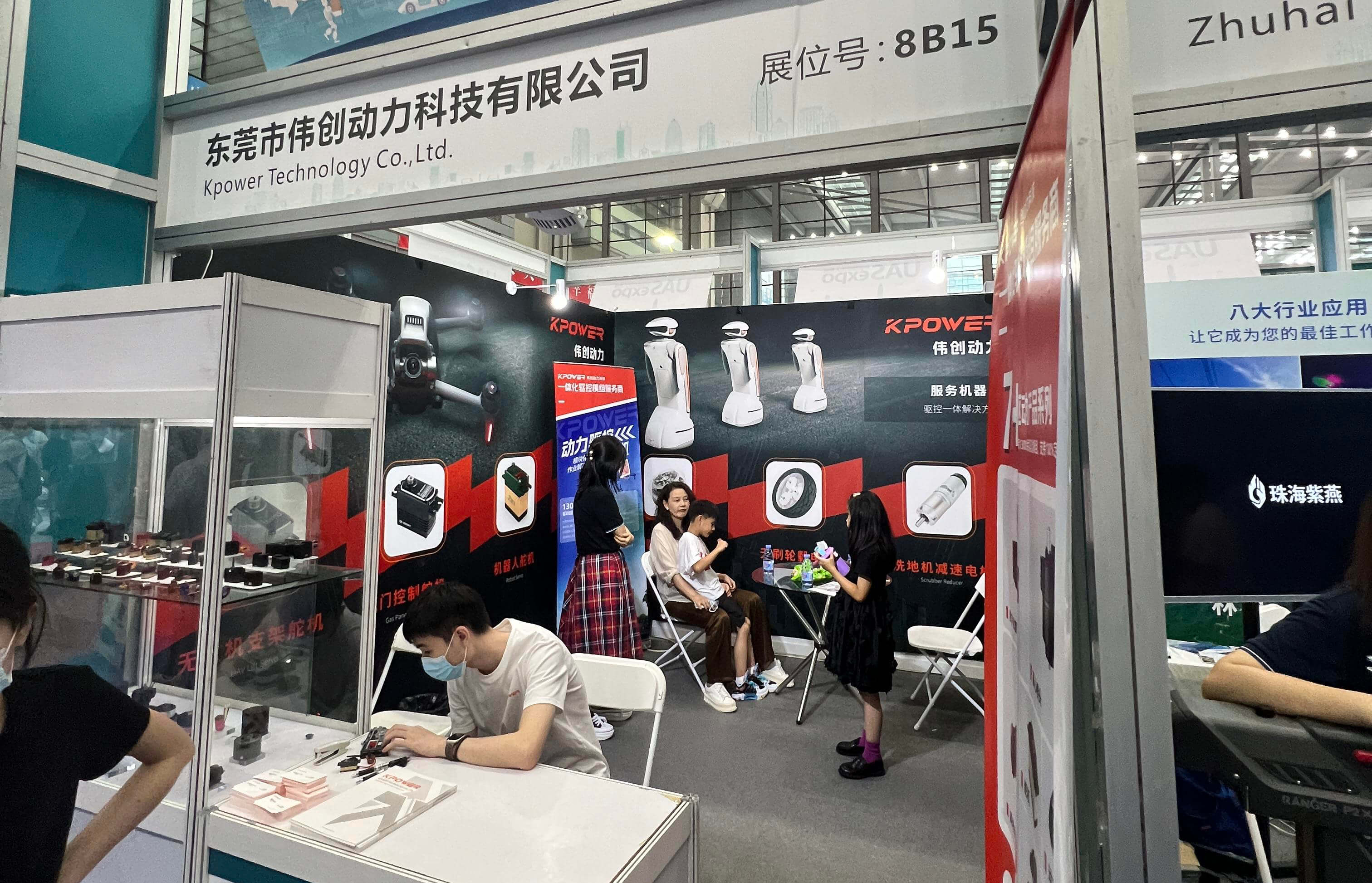
Whenever a project hits a wall, the culprit is almost always the same: a lack of flexibility. You have a specific space, a specific power requirement, and a specific dream, but the catalog only offers "Option A" or "Option B." That’s where the magic ofkpowerenters the conversation. We aren't just talking about picking a part; we are talking about building a heartbeat for your machine.
You’ve been there. You have this sleek, compact housing for a new robotic joint or a specialized camera gimbal. You find a motor that has the torque you need, but it’s too long. You find one that fits, but it screams like a banshee and draws way too much current. It’s a compromise. And in the world of high-end mechanics, compromise is just another word for "eventual failure."
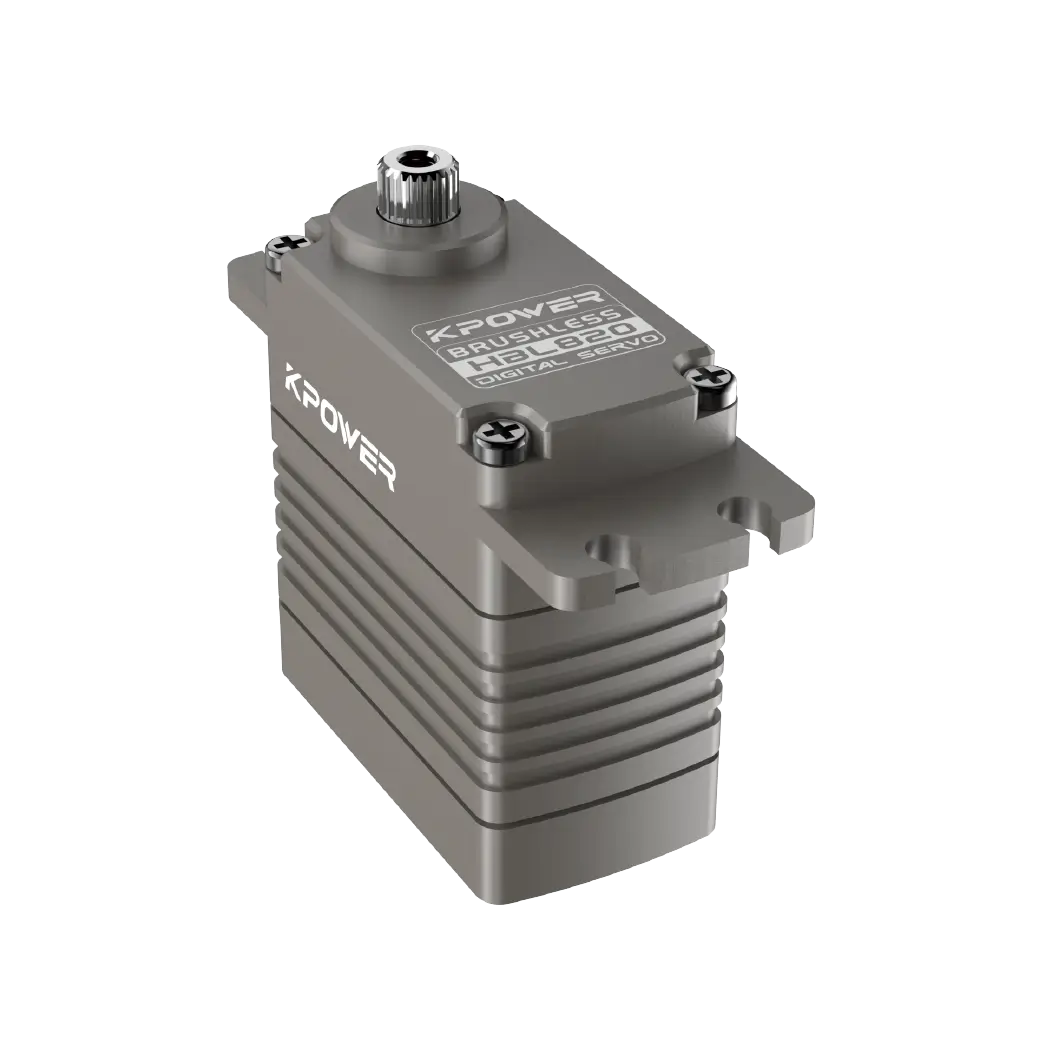
I remember a guy trying to build an automated sorting system for fragile glass components. He used off-the-shelfservos. Every third glass broke because the deceleration wasn't smooth enough. The motor's internal controller was too "jumpy." He was ready to scrap the whole thing until we looked at customizing the DCservo. We didn't need a bigger motor; we needed a smarter one with a tailored gear ratio and a specific feedback loop.
Customization isn't just a luxury. It’s the difference between a prototype that sits on a shelf and a product that changes the market. When we look at DCservomotor customization atkpower, we are looking at a few specific levers we can pull.
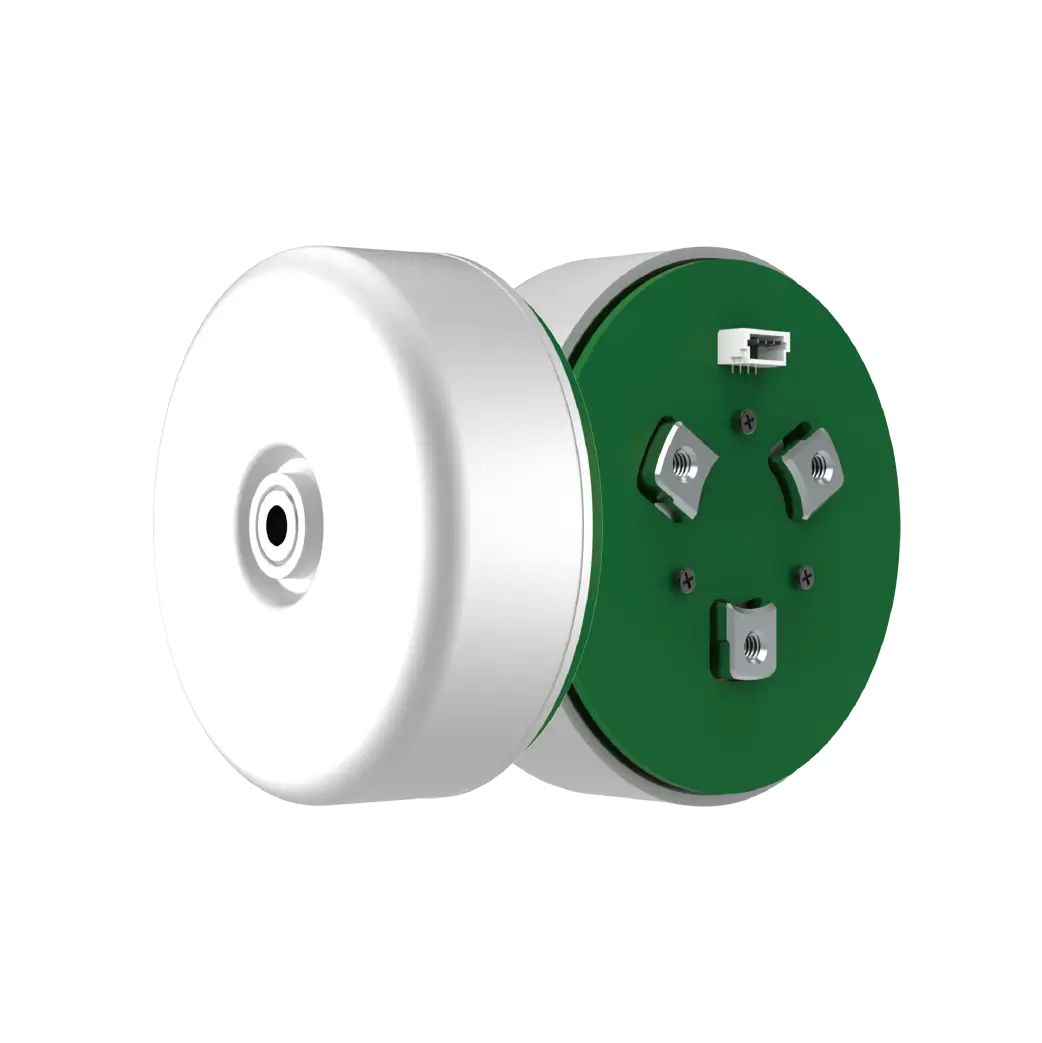
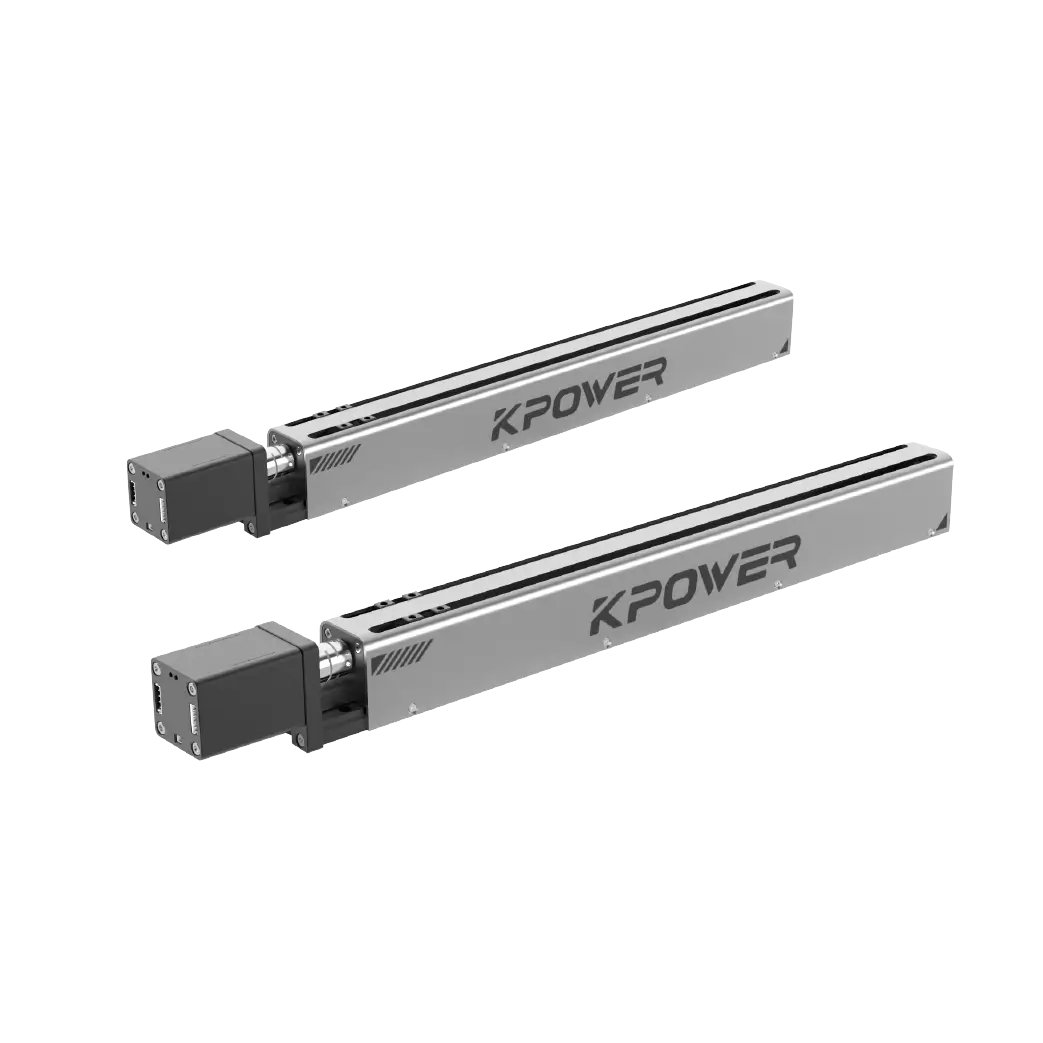
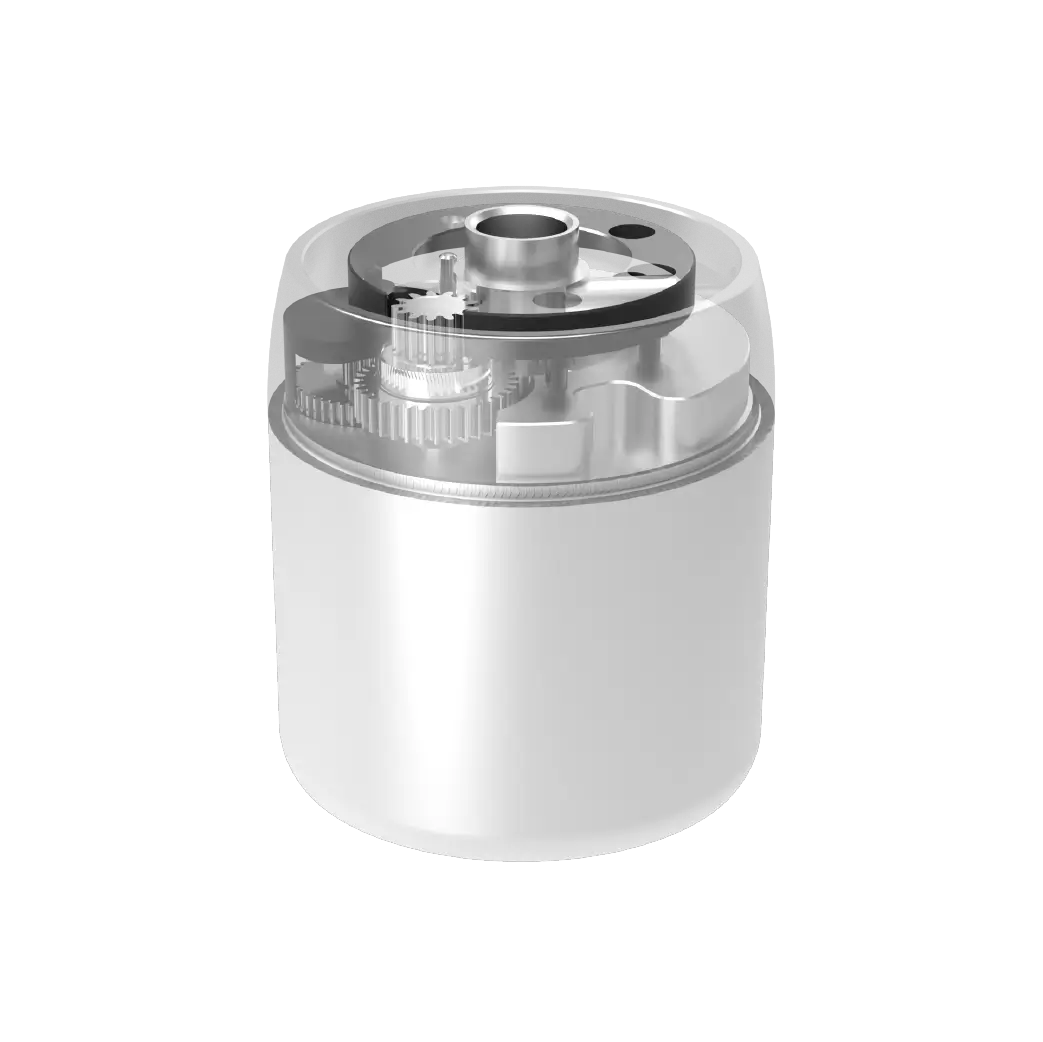
The Physical Envelope Sometimes you need a flat, pancake-style motor. Other times, you need something thin and long. If the motor doesn't fit the skeleton of your design, you’re forcing the design to serve the motor. That’s backward.
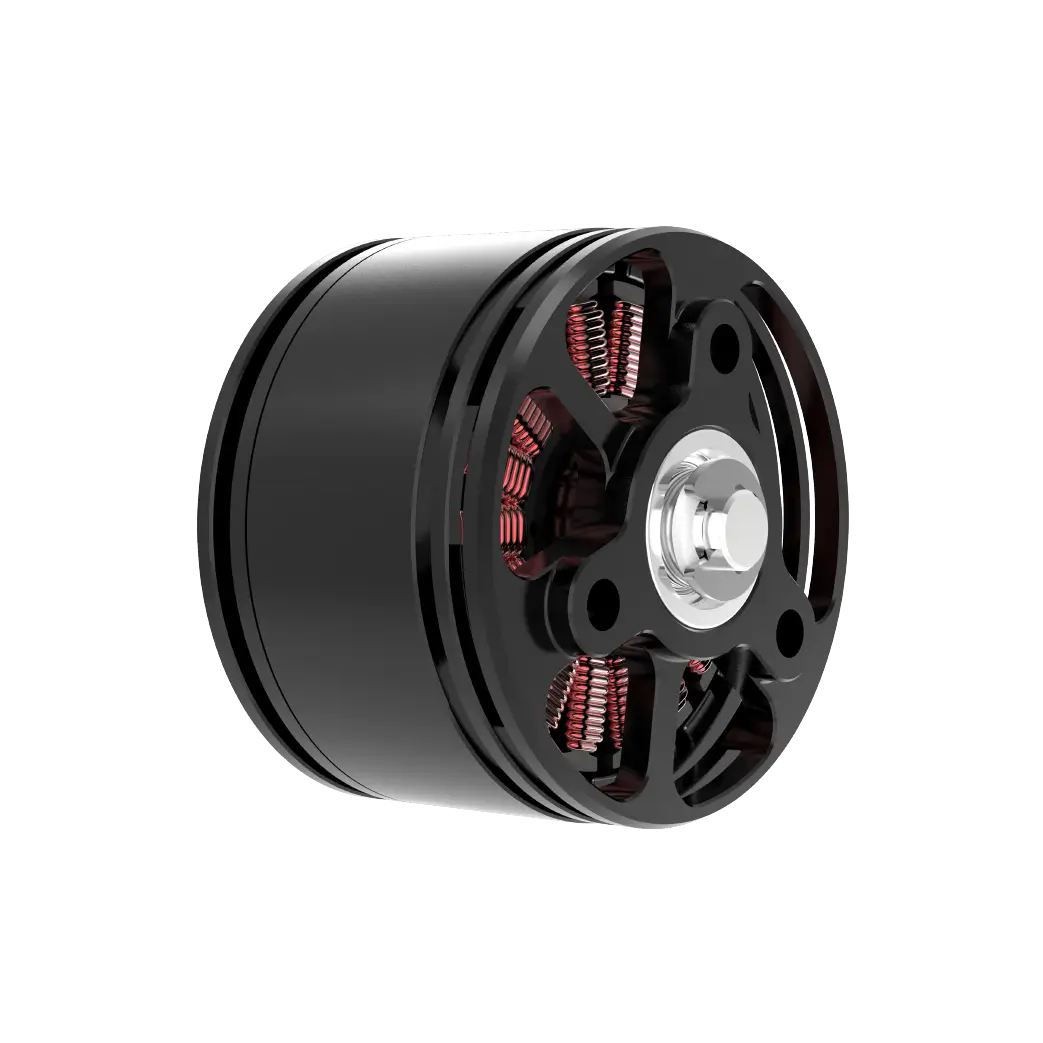
Torque vs. Speed It’s a classic trade-off. Do you need to lift a heavy load slowly, or move a light sensor at lightning speed? By adjusting the internal windings and the magnet strength, we can shift that "sweet spot" to exactly where your application lives.
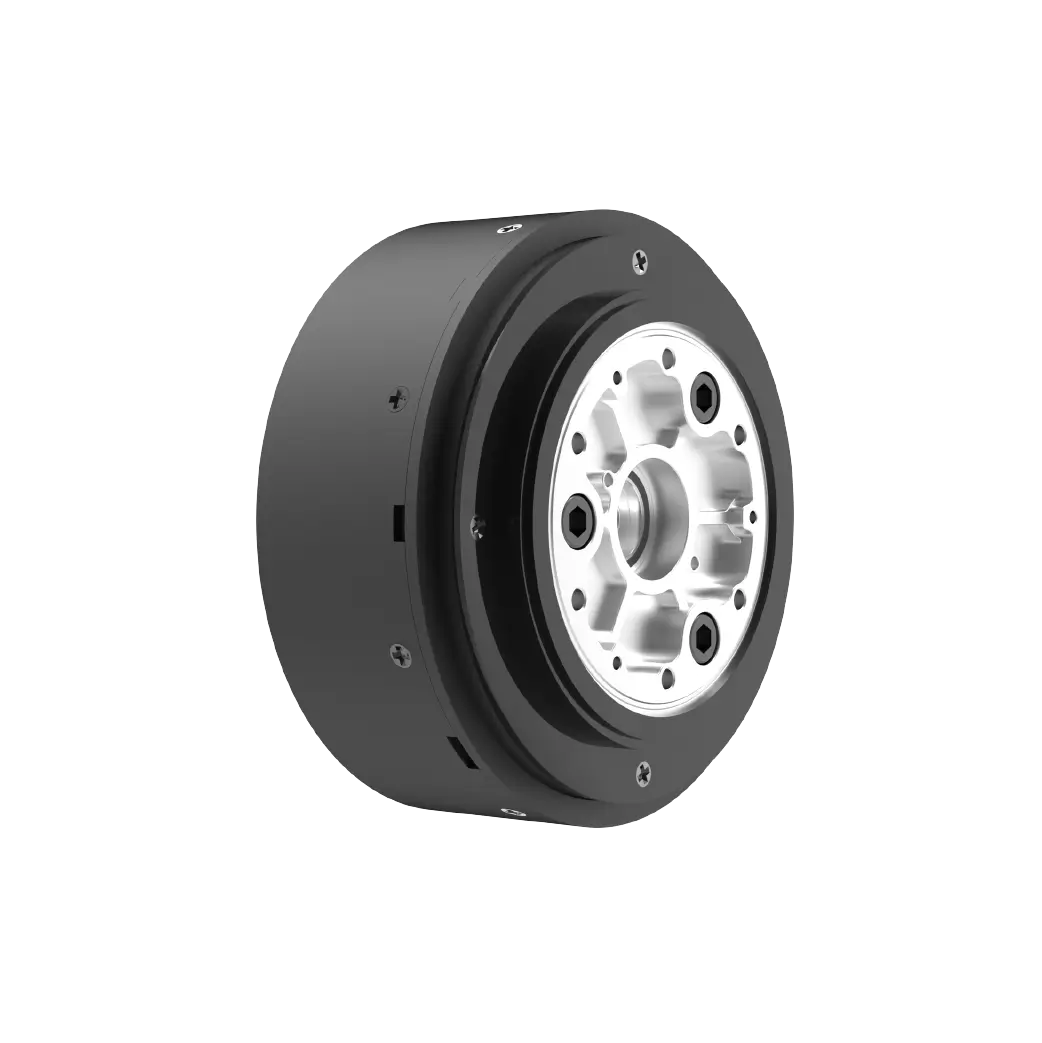
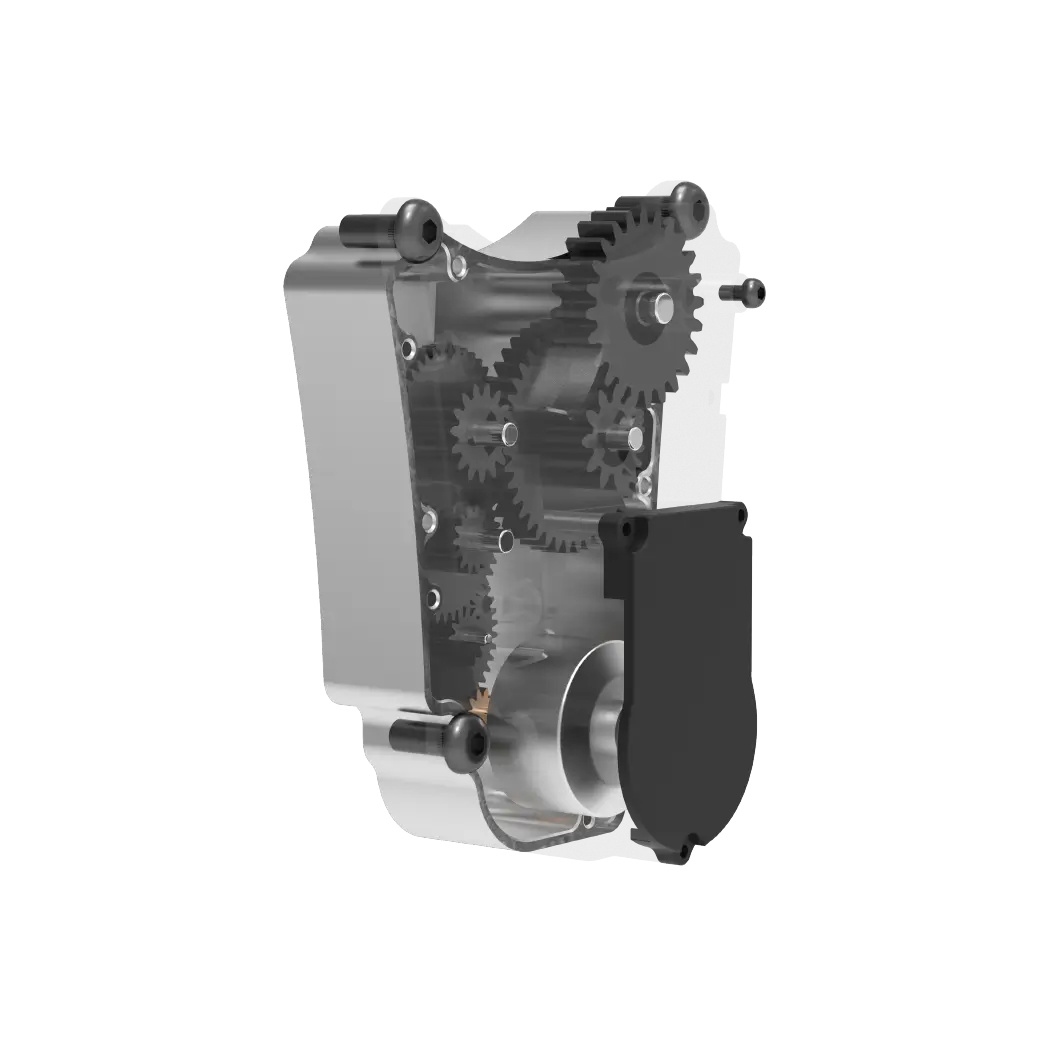
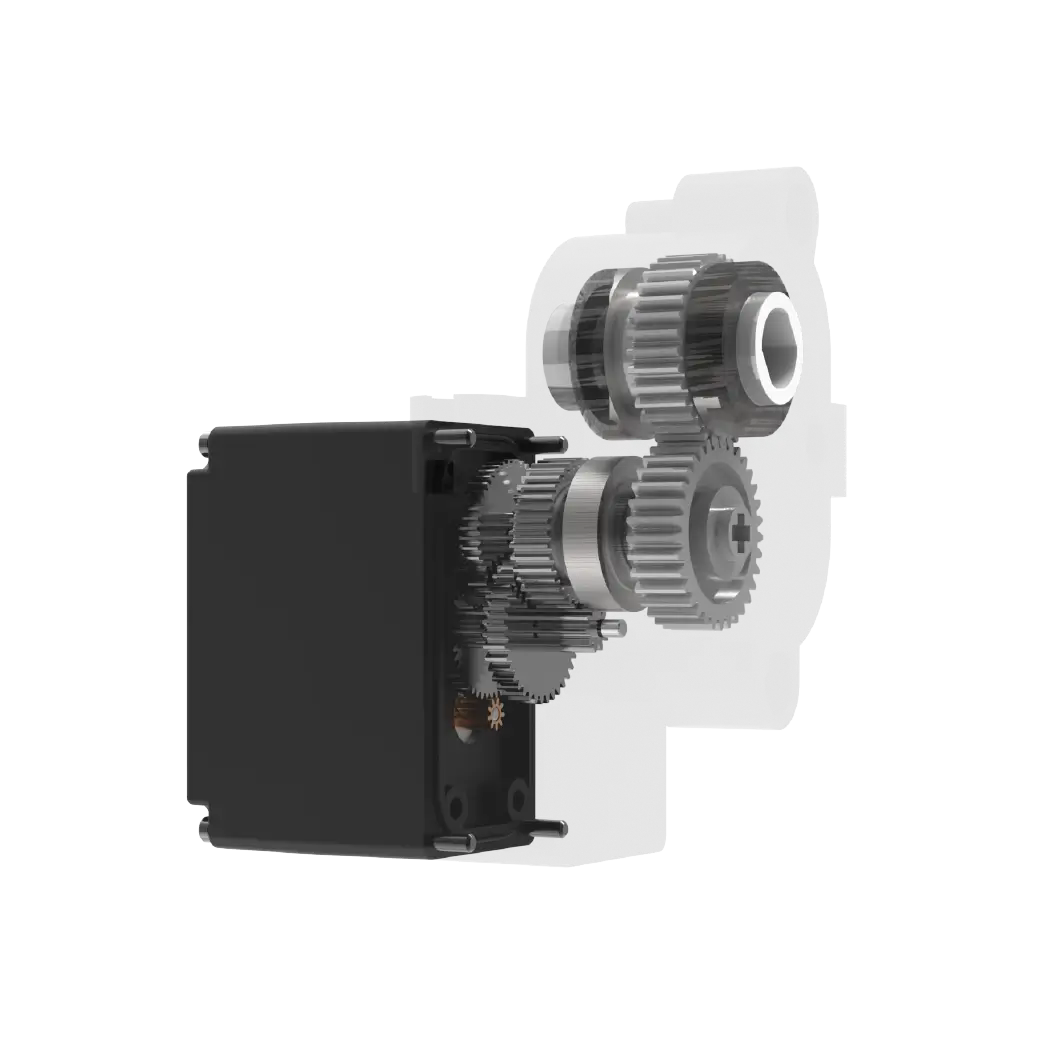
The Silent Language of Gears Metal gears are tough but can be loud. Plastic gears are quiet but can strip under heat. What about a hybrid? What about specialized coatings? This is where the nerding out really happens.
I get a lot of the same questions when people realize they don't have to use standard parts. Let’s look at a few.
How does this actually happen? It’s not a mystery. Usually, it starts with a messy sketch or a list of "I wish it could do this."
First, we look at the load. Not just the weight, but the inertia. How fast does it need to stop? If you stop too fast, you strip the gears. If you stop too slow, you miss your mark. We calculate the torque curves.
Then, we talk about the power. Are you running on a tiny LiPo battery or a beefy 24V rail? A motor designed for 12V will run on 6V, but it’ll be a sluggish mess. We wind the motor specifically for your voltage.
Kpower thrives in this specific niche of problem-solving. It’s about taking a mechanical headache and turning it into a competitive advantage. I’ve seen projects go from "unfeasible" to "market-ready" just by changing the output shaft material and the firmware's ramp-up speed.
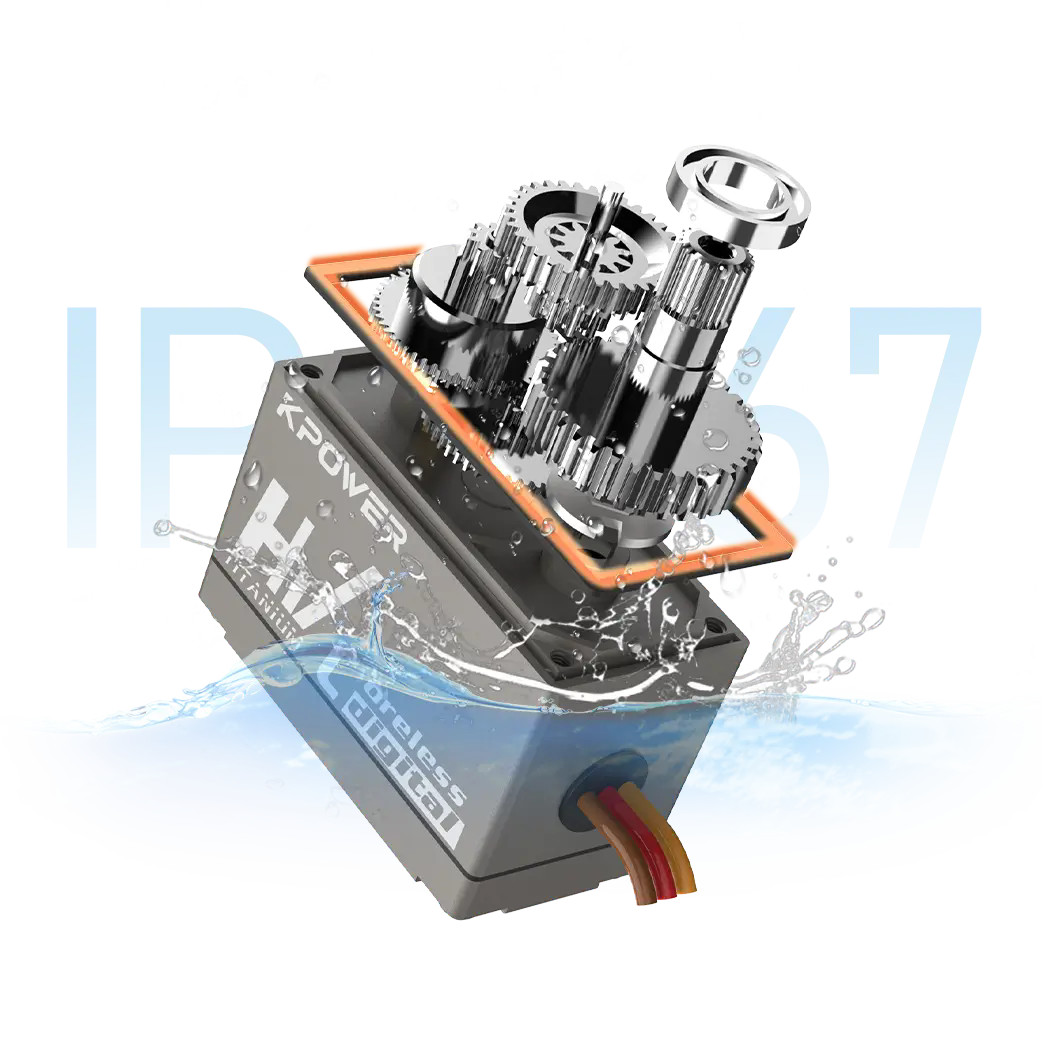
I once saw a project for an underwater ROV. The team was using standard servos inside a pressurized oil-filled chamber. The seals kept failing because the motor shaft wasn't designed for that specific pressure differential. A quick customization—a change in the shaft tolerance and a specific O-ring groove—and suddenly, the ROV could dive twice as deep.
That wasn't a breakthrough in physics; it was just a breakthrough in paying attention to the details. That’s what Kpower does. We pay attention.
If you’re still trying to shim a motor into a bracket that doesn't fit, or if you’re smelling that faint scent of ozone because your motor is working too hard, stop. The "standard" path is often the most expensive one in the long run because of the replacements and the downtime.
Customizing a DC servo motor is about giving your project the best possible start. It’s about ensuring that when you flip the switch, the movement is fluid, silent, and exactly what you envisioned. There’s a certain pride in seeing a machine move with grace. It shows that the person behind it didn't just buy parts—they crafted a solution.
The world is full of "good enough" machines. But the ones that actually work, the ones that last, usually have something specialized humming under the hood. Kpower is the way to get there. It’s about the right torque, the right fit, and the right partner in the lab. Let’s get to work and build something that actually moves the way it’s supposed to. No more "Option A." Let's build "Your Option."
Established in 2005, Kpower has been dedicated to a professional compact motion unit manufacturer, headquartered in Dongguan, Guangdong Province, China. Leveraging innovations in modular drive technology, Kpower integrates high-performance motors, precision reducers, and multi-protocol control systems to provide efficient and customized smart drive system solutions. Kpower has delivered professional drive system solutions to over 500 enterprise clients globally with products covering various fields such as Smart Home Systems, Automatic Electronics, Robotics, Precision Agriculture, Drones, and Industrial Automation.
Update Time:2026-01-22

Contact Kpower's product specialist to recommend suitable motor or gearbox for your product.


