

TECHNICAL SUPPORT


Published 2026-01-22
You’ve been there. It’s 2 AM, the workshop is cold, and that robotic arm you’ve been building is doing a nervous twitch instead of a smooth sweep. It’s frustrating. You’ve checked the code, the power supply is steady, but the movement just feels… cheap. This is usually the moment people realize that a motor isn't just a hunk of copper and magnets. It’s the heartbeat of the machine. If the heart stutters, the whole thing dies.

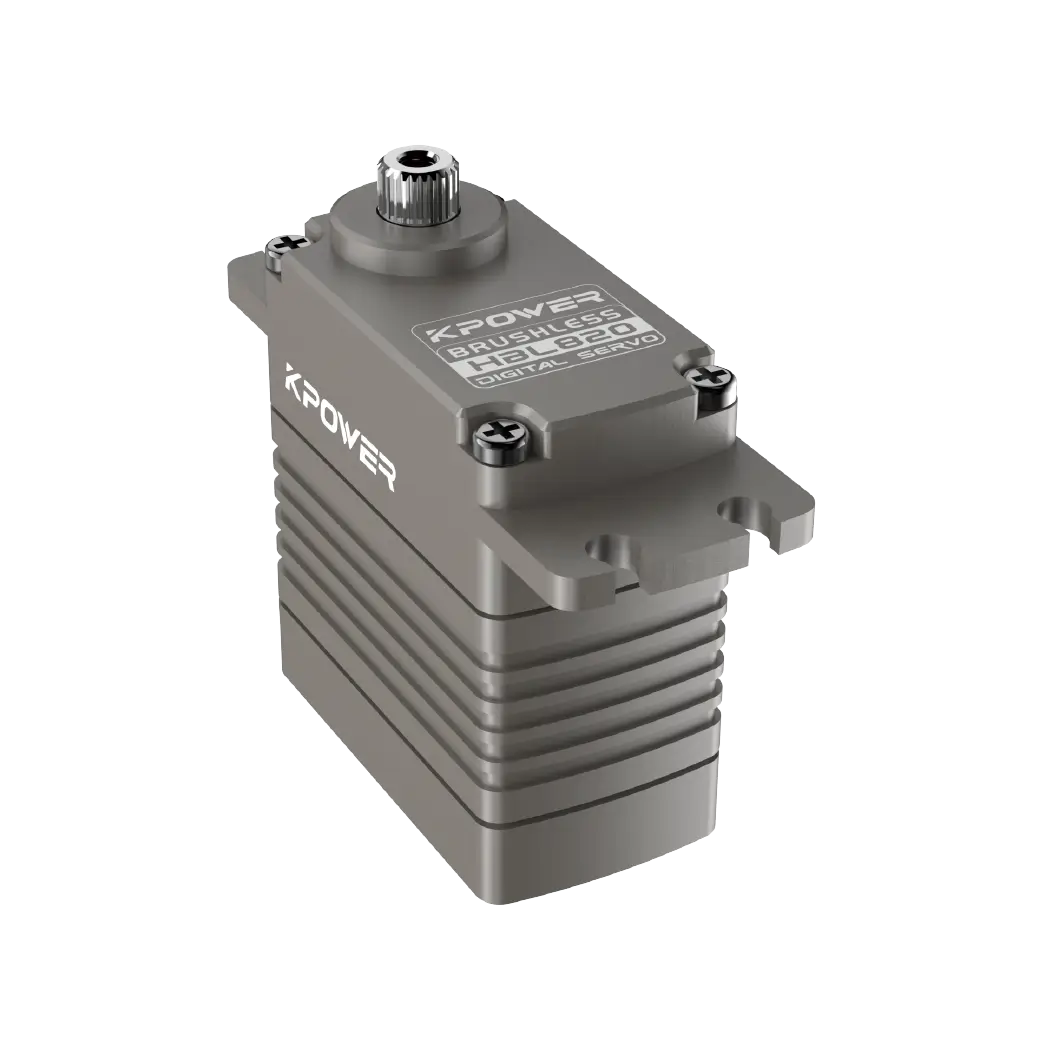
When you start hunting for a DCservomotor trader, you aren't just looking for a shipping label. You’re looking for someone who understands why that twitch is happening. You need precision that doesn't break the bank, and that’s where things get interesting.
Why do some motors act like they’ve had too much caffeine? It often comes down to the internal feedback loop. A standard motor just spins. A DCservo, however, is supposed to listen. It’s a constant conversation between the controller and the gears. If the trader you’re working with doesn’t prioritize high-quality potentiometers or encoders, that conversation turns into a shouting match.
I’ve seen projects fail because the "bargain" motors had a dead zone as wide as a highway. You want a motor that reacts to a single degree of change. Kpower focuses on that exact bridge—the gap between "good enough" and "perfectly calibrated." When the hardware matches the intent, the jitter disappears.
"It worked fine for the first ten minutes." I hear this once a week.
Heat is the silent killer of performance. In a DCservo, as the motor works, the internal resistance builds up. If the housing isn't designed to dissipate that thermal energy, the torque starts to sag. You lose holding power. Suddenly, your gripper drops the payload.
Kpower deals with this by looking at the materials. It’s about the heat sink capabilities and the efficiency of the brushes inside the DC motor. A rational choice isn't just about the peak torque listed on a flashy datasheet; it’s about what that torque looks like after two hours of continuous operation.
"Can't I just use a cheap stepper motor instead?" Sure, if you don't mind the noise and the missed steps. Steppers are great until they lose their place. A DC servo from a reliable source like Kpower knows where it is at all times. It’s the difference between walking in the dark by counting steps and walking with your eyes wide open.
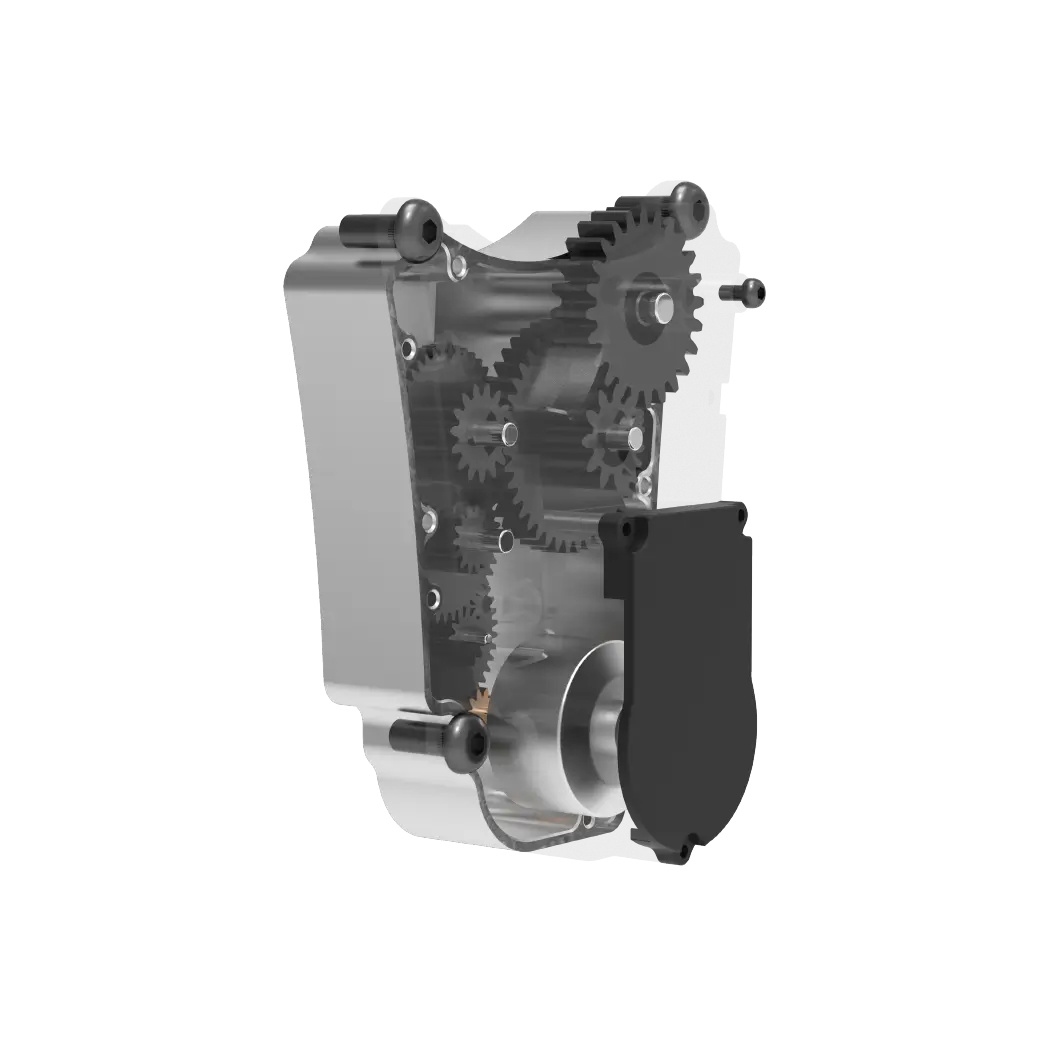
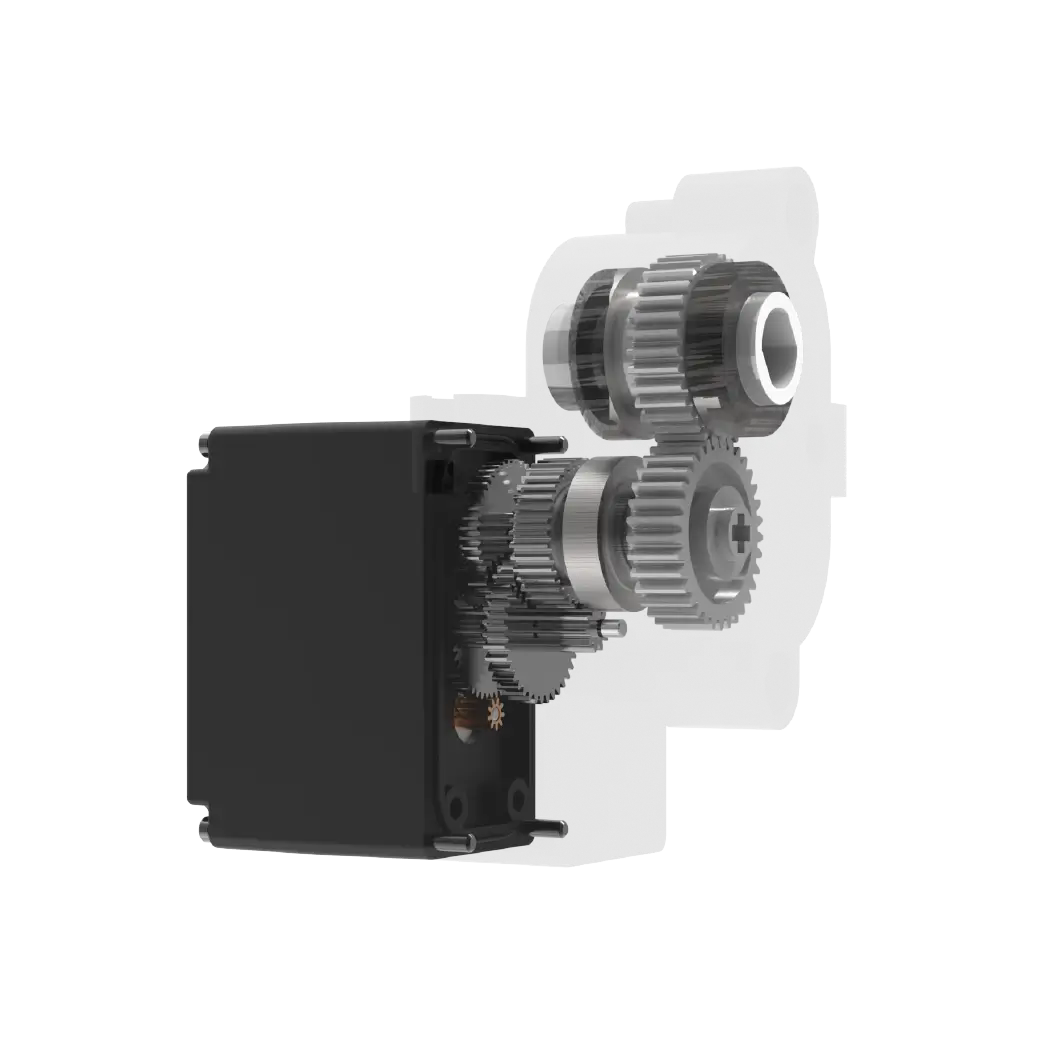
"What’s the deal with gear materials?" Metal gears are tough, but plastic is quiet. However, if you're pushing high loads, plastic teeth will strip faster than you can say "mechanical failure." Finding that balance—perhaps titanium or steel alloys—is what separates a hobby toy from a professional tool.
"Does the size really matter that much?" In the world of servos, power density is king. You want the smallest footprint with the highest output. It's a bit like packing a V8 engine into a compact car.
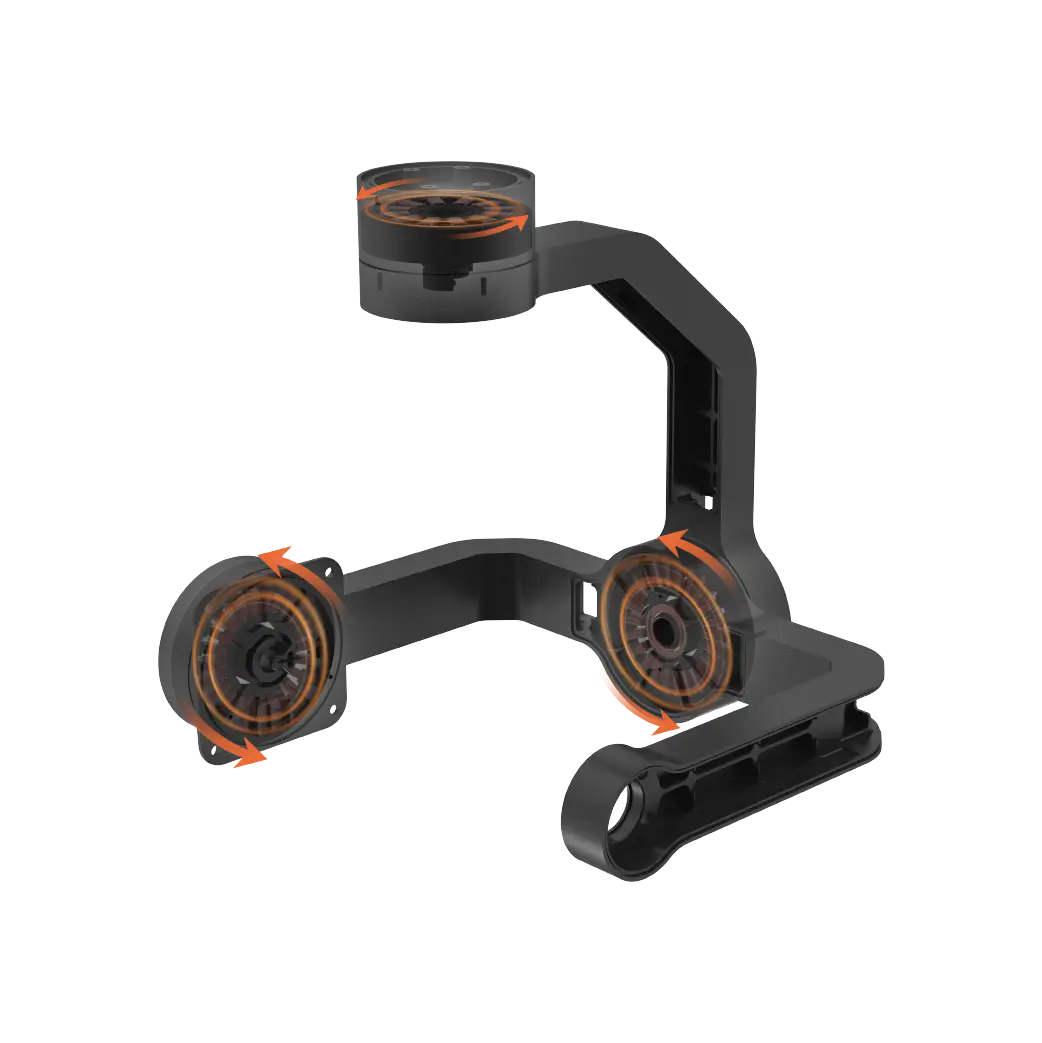
Think about a camera gimbal. It needs to be silent, incredibly fast, and smooth. If you use a motor with low-quality gears, you’ll hear a grinding noise in your audio. If the response time is slow, the footage looks like it was filmed during an earthquake.
When you look at what a specialized trader brings to the table, it’s the assurance that the gear train is shimmed correctly. No play, no backlash. Just immediate, crisp movement. Kpower has spent years refining these tiny details that most people never see until they take the casing off.
I often get asked if upgrading a motor really changes the "feel" of a machine. It does. It’s like switching from an old ball mouse to a high-end laser sensor. The precision becomes an extension of your thoughts.
Sometimes, a project is just a prototype, and you don't care about longevity. But if this machine needs to run a thousand cycles a day, the cost of a breakdown is way higher than the cost of a premium motor. It’s basic math. You invest in the component so you don’t have to invest in the repair.
Choosing the right gear involves a bit of a gut feeling backed by hard data. You want a partner who knows the difference between a coreless motor and a brushless one, and why one might be better for high-speed flicking while the other is better for heavy lifting.
Kpower doesn't just push boxes across a desk. They provide the muscle for your imagination. Whether it's a drone's tail rotor or a complex industrial sorter, the motor is the point where the digital code becomes physical reality.
Next time you’re staring at a machine that won’t behave, stop looking at the code for a second. Look at the motors. Are they up to the task? Are they giving you the feedback you need? If not, maybe it’s time to change who you’re sourcing from. A steady hand and a steady motor—that’s how you actually get things moving.
Established in 2005, Kpower has been dedicated to a professional compact motion unit manufacturer, headquartered in Dongguan, Guangdong Province, China. Leveraging innovations in modular drive technology, Kpower integrates high-performance motors, precision reducers, and multi-protocol control systems to provide efficient and customized smart drive system solutions. Kpower has delivered professional drive system solutions to over 500 enterprise clients globally with products covering various fields such as Smart Home Systems, Automatic Electronics, Robotics, Precision Agriculture, Drones, and Industrial Automation.
Update Time:2026-01-22

Contact Kpower's product specialist to recommend suitable motor or gearbox for your product.


