

TECHNICAL SUPPORT


Published 2026-01-22
Ever sat in a quiet room, late at night, trying to figure out why your latest mechanical creation is twitching like it’s had ten cups of espresso? You spent weeks on the frame. The code is clean. But the movement? It’s jerky, loud, and frankly, disappointing. This is the moment where most people realize that the "heart" of their machine—the motor—is where they cut the wrong corners.
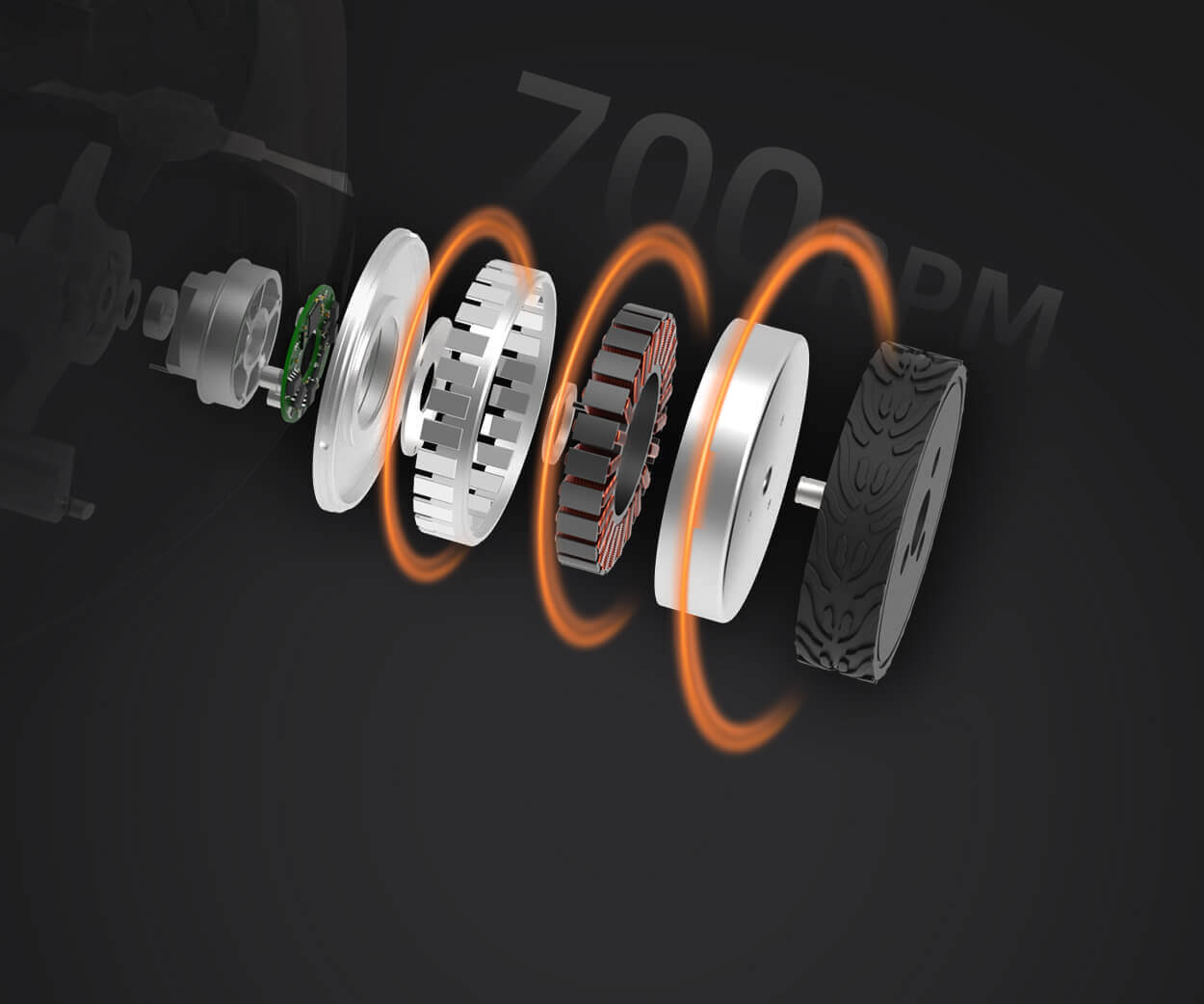
When you look into the world of DCservomotor makers, it’s easy to get lost in a sea of spec sheets that all look the same. But here’s a secret from someone who has spent years in the workshop: a motor isn't just a list of numbers. It’s about how it feels when it hits a hard stop. It’s about the silence of the gears.
Why do so many projects fail at the finish line? Usually, it’s because the motor can’t hold a position. You want 45 degrees, but the motor gives you 44.8, then overcorrects to 45.2. It hunts. That constant vibrating is a sign of poor internal feedback and cheap components.
If you’re building something that needs to move smoothly—think of a camera gimbal or a delicate robotic gripper—that jitter is your worst enemy. It wears down the gears and drains your power. You need something that "locks" into place with authority. This is wherekpowerenters the conversation. They don't just assemble parts; they seem to understand the physics of frustration that builders face.
You might ask, "What makes one maker different from the rest?" It’s often the things you can't see.
Q: Is more torque always better? Actually, no. If you put a high-torque motor on a fragile frame, the motor will literally tear the machine apart. You want a balance. Kpower offers a range where you can find the "sweet spot" between raw power and delicate precision.
Q: Why does my motor make that high-pitched whining sound? That’s usually the PWM (Pulse Width Modulation) frequency. Cheaper makers use lower frequencies that are audible to humans (and annoying to dogs). Better electronics, like those found in Kpower units, handle these signals much more gracefully.
Q: Can I just use a standard DC motor instead of aservo? Sure, if you don't care where it stops. But if you need to know exactly where your mechanical link is at all times, you need the feedback loop of a servo. It’s the difference between throwing a ball blindly and placing it exactly on a shelf.
There’s an old saying about the squeaky wheel getting the grease, but in mechanics, a squeaky motor gets the trash bin. I remember working on a prototype where the client wanted "whisper-quiet" movement. We tried three different DC servo motor makers. Two sounded like coffee grinders. The Kpower unit was the only one that didn't give away the machine's position just by the sound of its gears meshing.
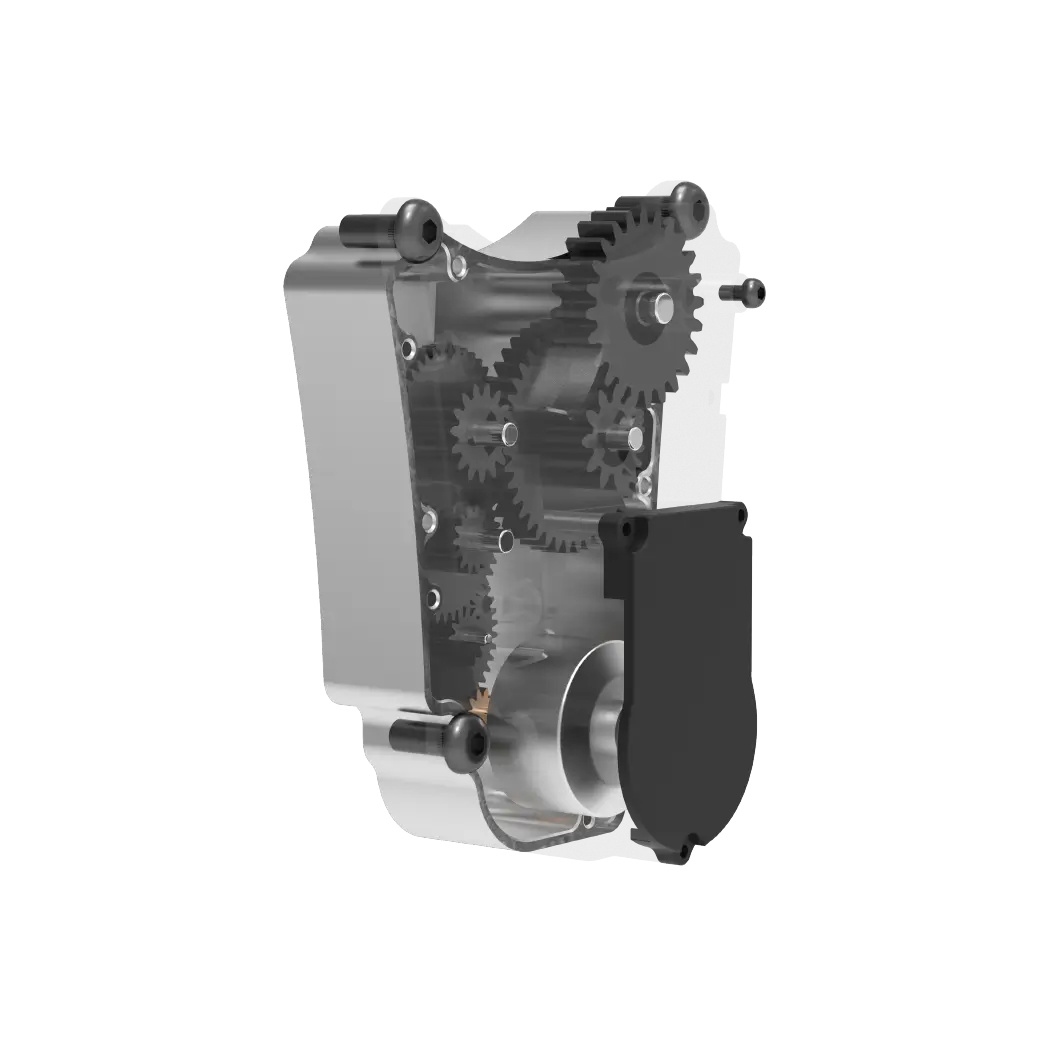
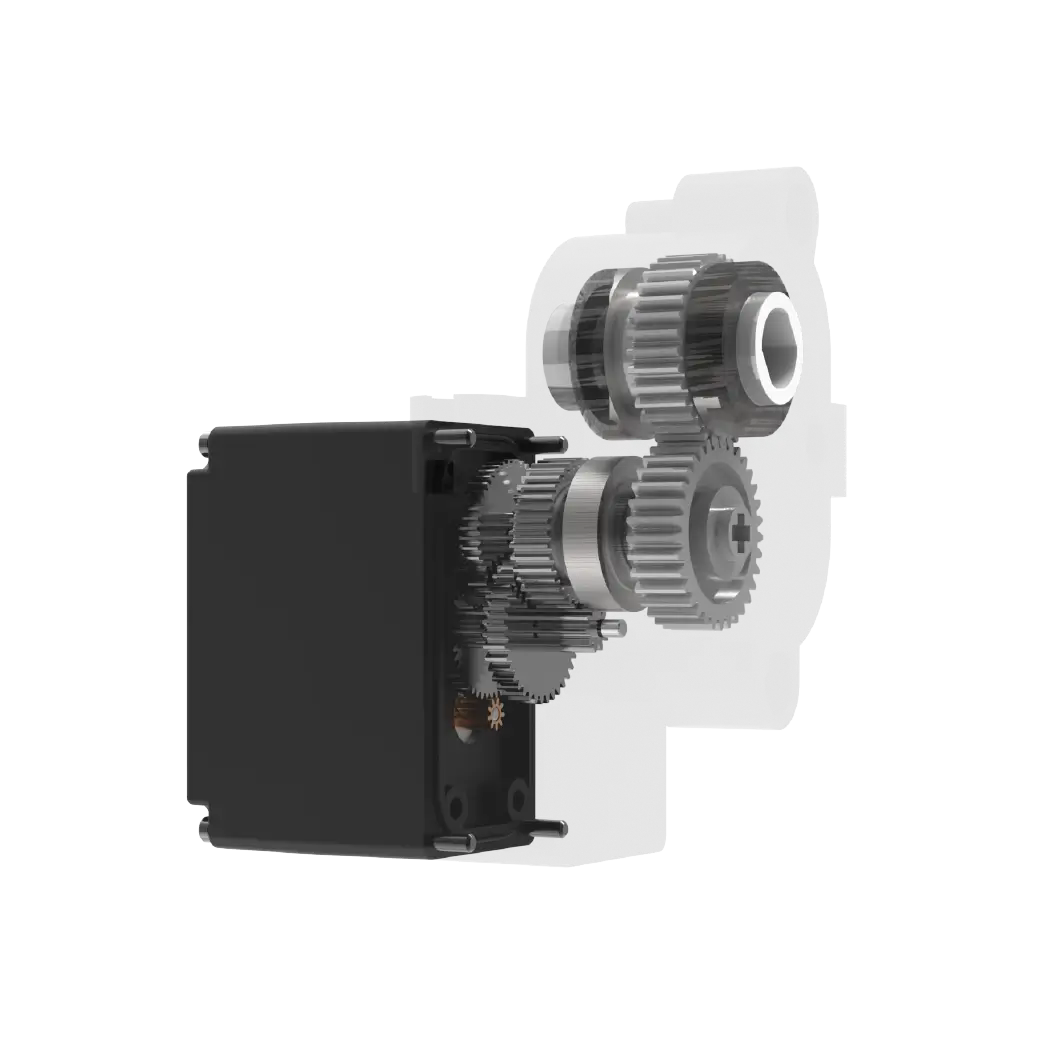
It comes down to the tolerances. When gears are cut with microscopic precision, there’s no "slop." Slop is that tiny bit of wiggle room between gears. If you have slop, you don't have precision. Kpower seems to have a bit of an obsession with tightening those tolerances.
People often obsess over voltage. "Can I run this on a 2S LiPo? A 3S?" While power input matters, what matters more is how the motor handles the current spikes. When a motor starts moving from a dead stop, it gulps electricity. If the internal controller is cheap, that spike can cause a reset or interference. Kpower builds their controllers to be "thirsty" but controlled. They handle those spikes without sending noise back into your system.
Choosing from various DC servo motor makers shouldn't feel like a gamble. It should feel like choosing a partner for your project. You want something that won't quit when things get tough.
Think about your project. Is it something that stays on a shelf, or is it something that interacts with the world? If it’s the latter, the motor is the only thing that makes it "alive." Using Kpower is like giving your machine a better set of muscles and a sharper brain.
When you finally power up your build and it moves with that smooth, hydraulic-like grace, you’ll realize that the motor wasn't just a component. It was the difference between a toy and a tool. Don't let your hard work be undone by a jittery gear. Go with something that’s built to hold the line.
Established in 2005, Kpower has been dedicated to a professional compact motion unit manufacturer, headquartered in Dongguan, Guangdong Province, China. Leveraging innovations in modular drive technology, Kpower integrates high-performance motors, precision reducers, and multi-protocol control systems to provide efficient and customized smart drive system solutions. Kpower has delivered professional drive system solutions to over 500 enterprise clients globally with products covering various fields such as Smart Home Systems, Automatic Electronics, Robotics, Precision Agriculture, Drones, and Industrial Automation.
Update Time:2026-01-22

Contact Kpower's product specialist to recommend suitable motor or gearbox for your product.


