

TECHNICAL SUPPORT


Published 2026-01-22
The Ghost in the Machine: Why Your Project’s Heartbeat Depends on the Right DCservo
I’ve spent more nights than I’d like to admit staring at a robotic joint that refused to move smoothly. You know that jitter? That tiny, annoying shake that tells you the motor is fighting itself? It’s the sound of a project dying a slow death. When you’re looking for a DCservomotor importer, you aren't just looking for a part number in a box. You’re looking for the soul of your machine.
I remember a project a few years back—a complex multi-axis assembly. Everything looked perfect on the CAD model. But once the power hit the rails, the cheap motors we’d sourced from a generic supplier started singing a high-pitched song of failure. They got hot. They lost their zero-point. It was a disaster. That’s when I realized that the "savings" on a component are often just a down payment on future frustration.
The Precision Trap
Most people think torque is the only thing that matters. "Give me more Newton-meters!" they cry. But raw strength without control is just a bull in a china shop. If you’re importingservos, you have to look at the gear train.
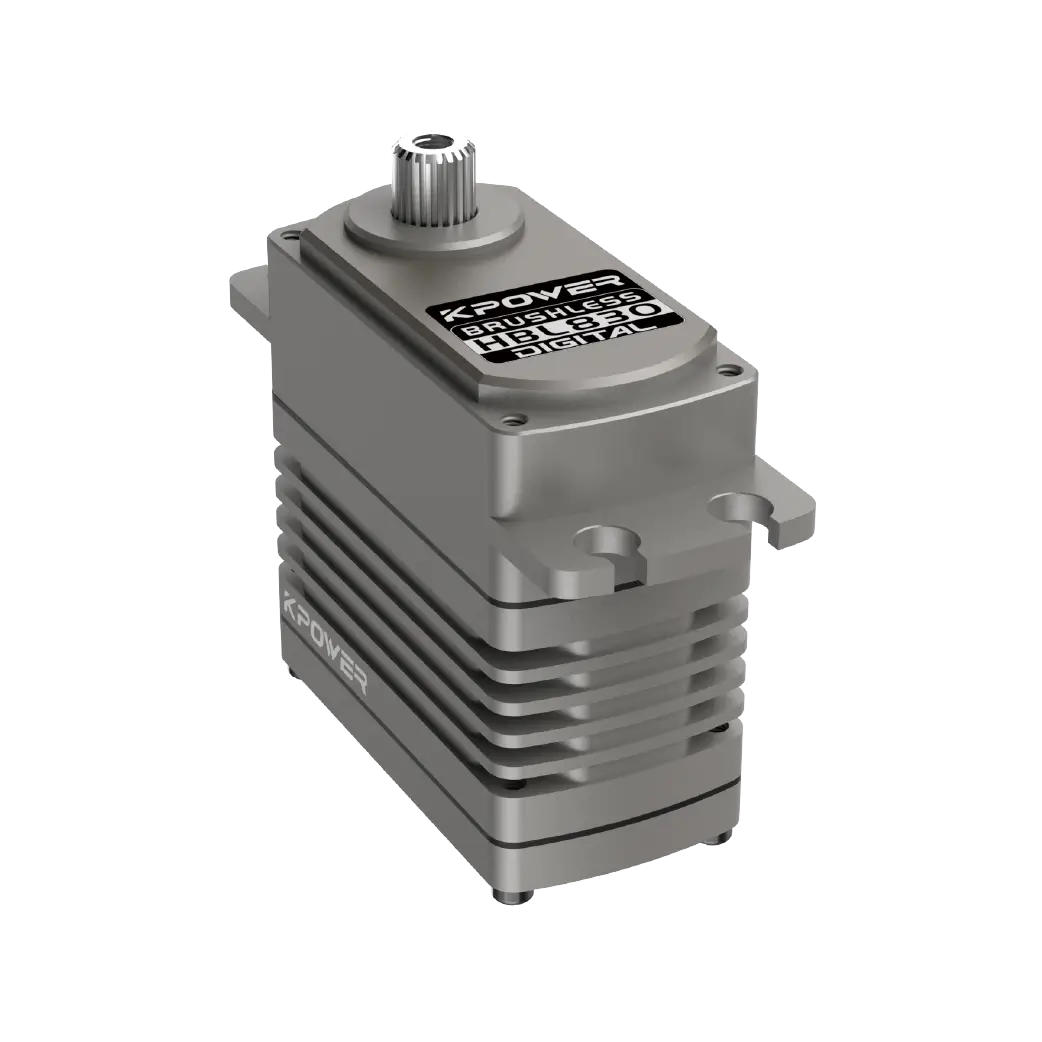
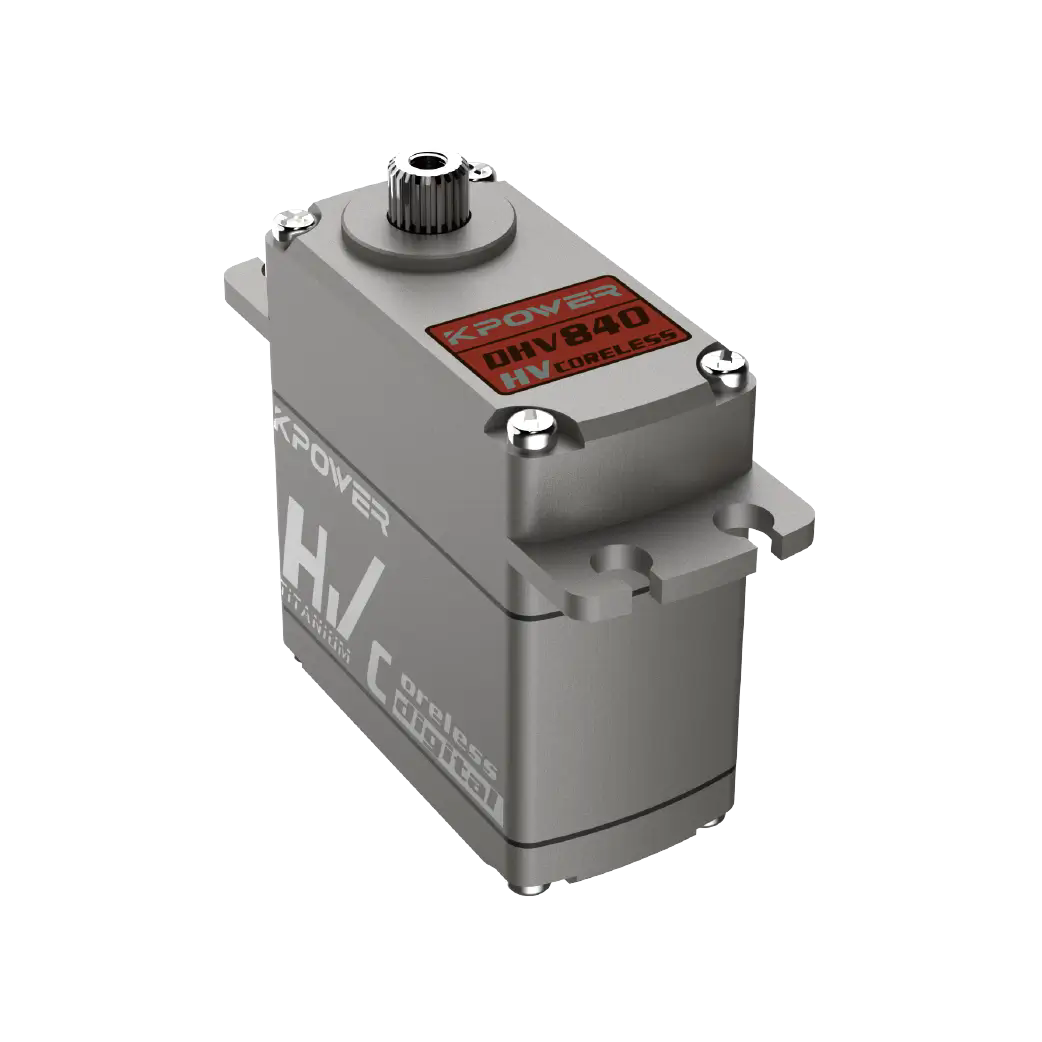
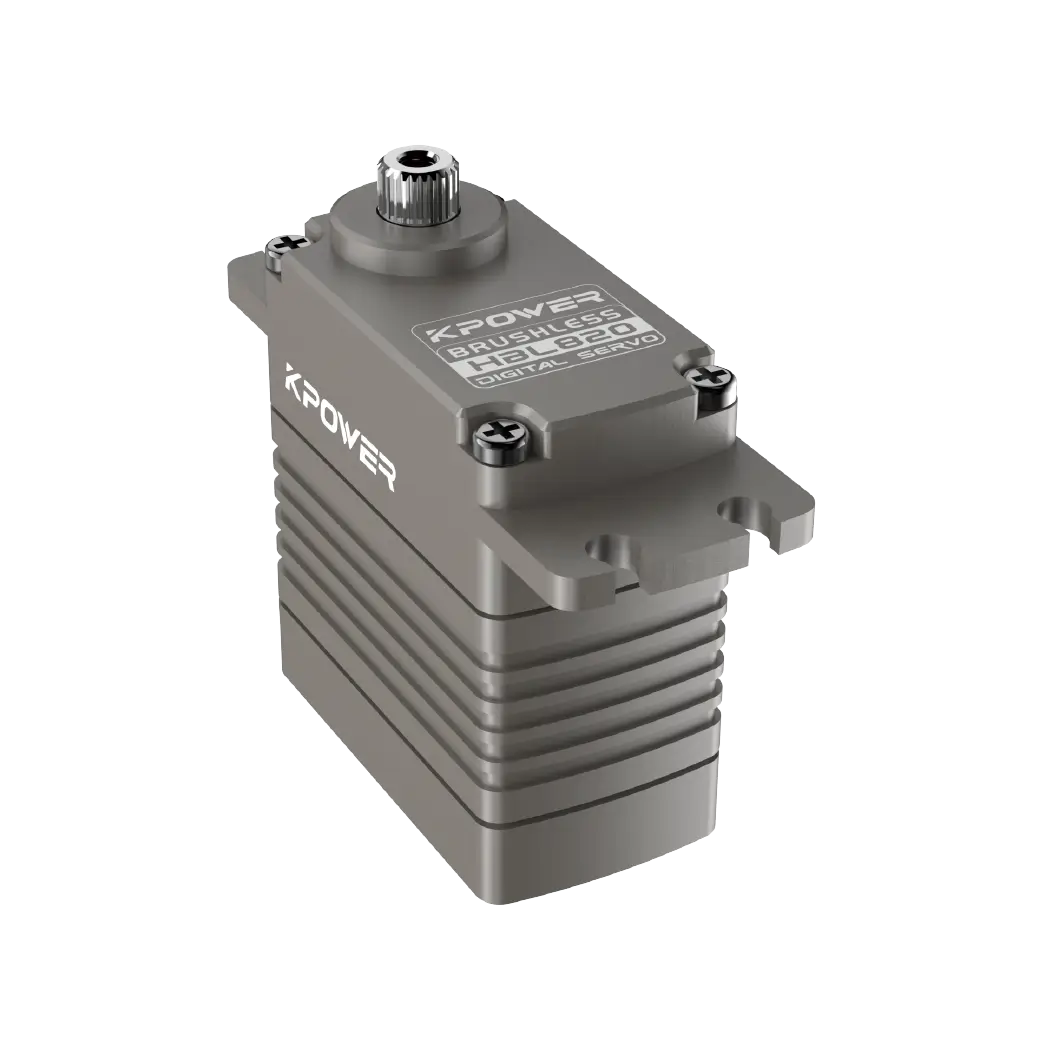
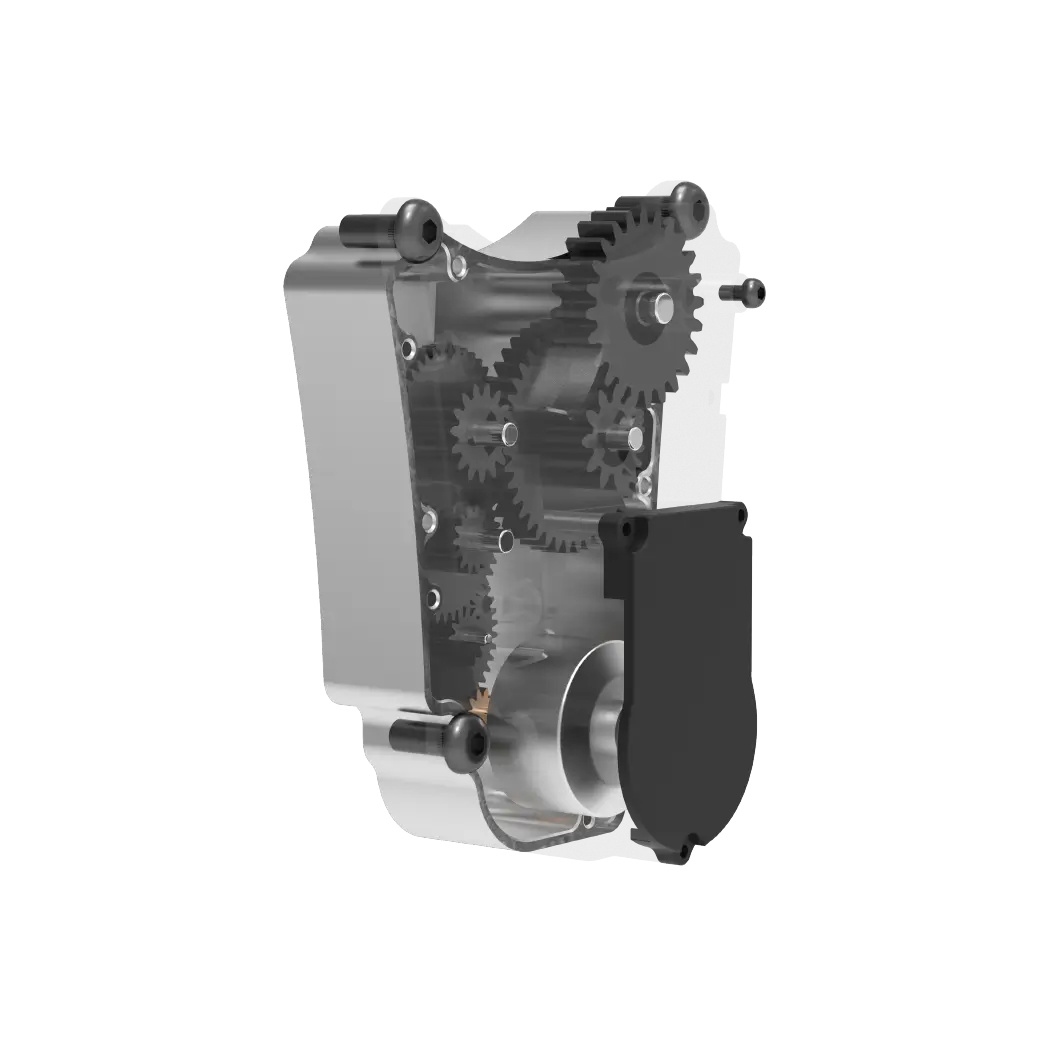
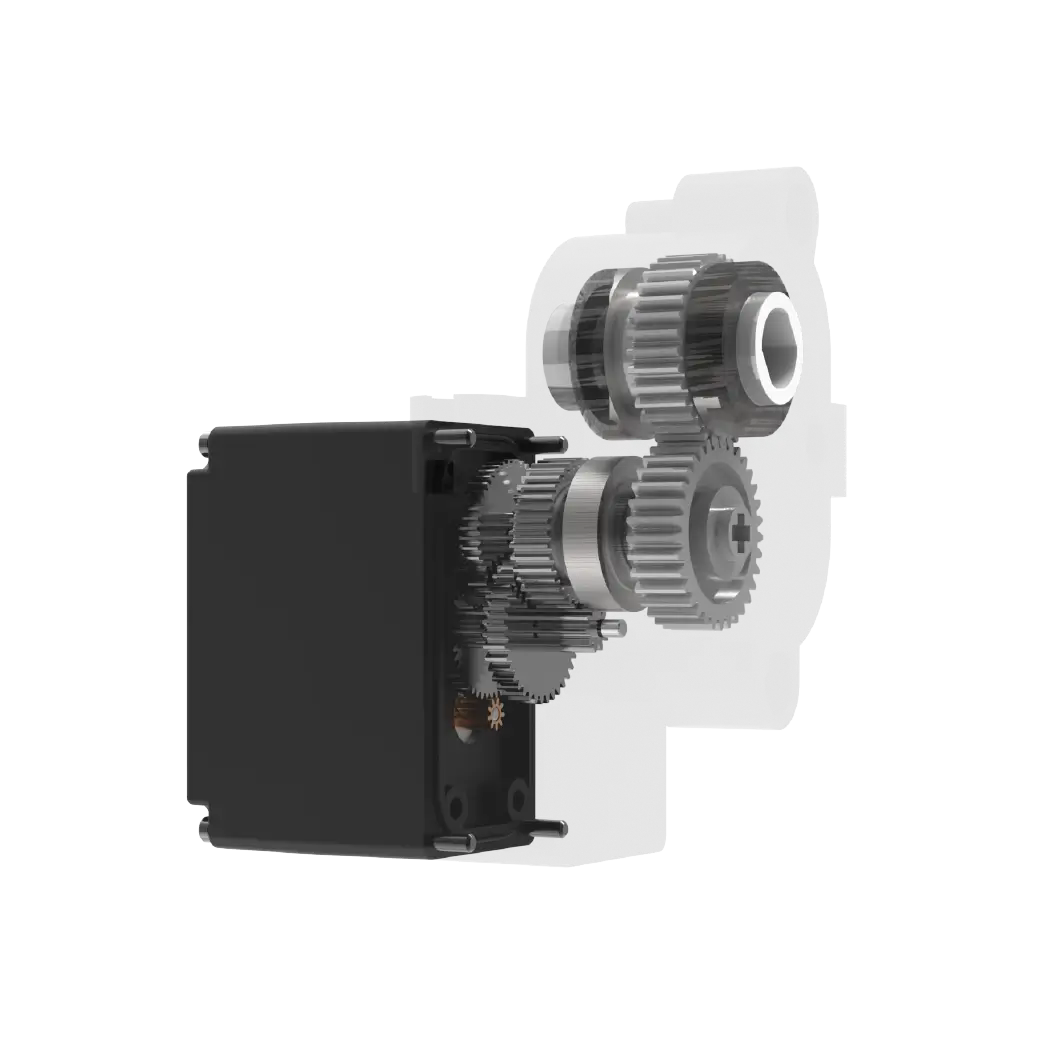
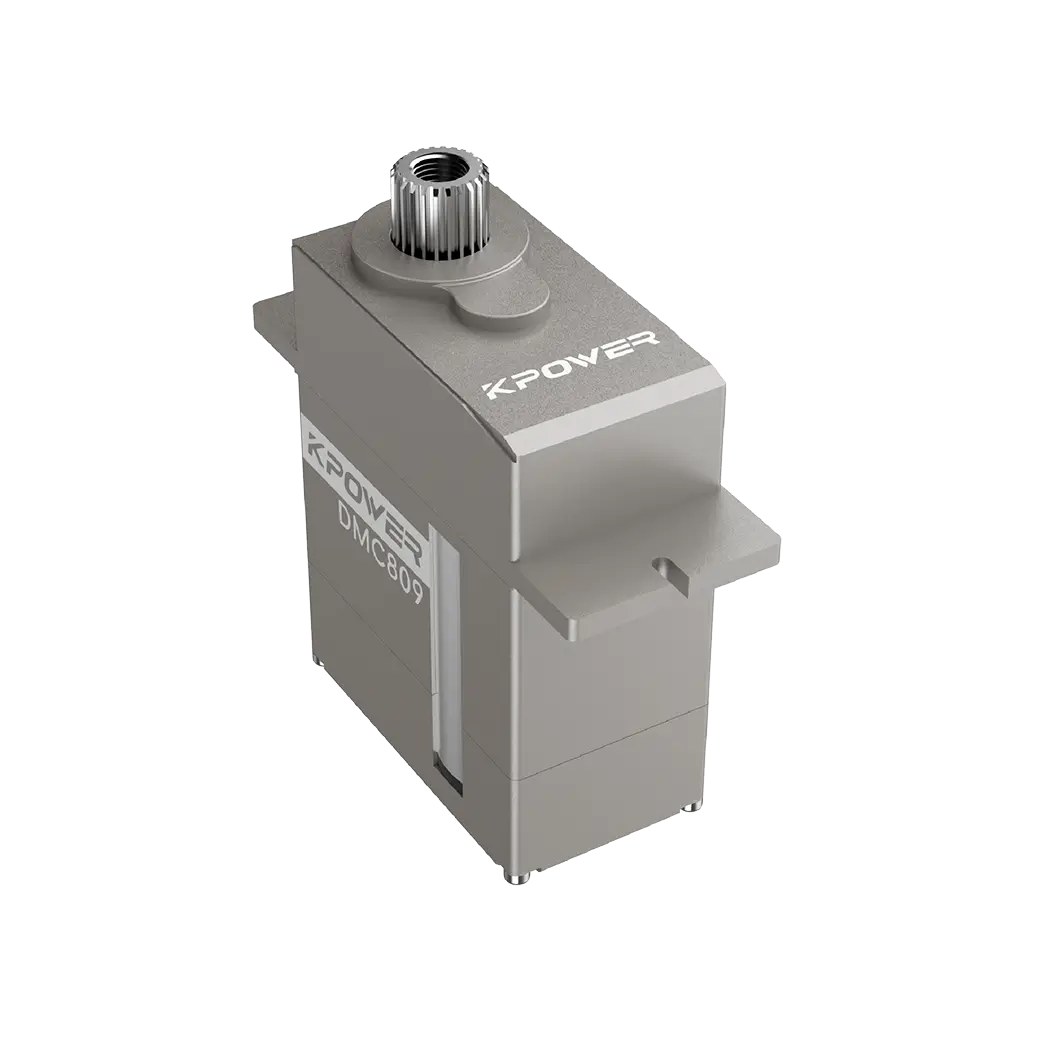
Most budget servos use plastic gears that strip the moment they hit a snag. Or worse, they use "metal" gears that are actually just soft alloys that wear down into powder within forty hours of operation.kpowerdoes things differently. When you hold one of their servos, you can actually feel the weight of the engineering. The gears mesh with a satisfying silence. There’s no "slop" or backlash that ruins your accuracy.
Why does this happen? It’s about the deadband. If the deadband is too wide, your machine feels sloppy. If it’s too tight and the electronics are cheap, the motor hunts for its position forever, vibrating until the brushes burn out.kpowerseems to have found that sweet spot where the motor stays quiet until it’s told to move, and then it moves with a snap that feels almost organic.
Finding a Reliable Pulse
When you act as an importer, you’re basically a gatekeeper. You’re the one who decides if the end product is going to be a masterpiece or a toy. I’ve seen enough "mystery meat" motors to last a lifetime. You open the casing and find messy soldering, wires that look like they were stripped with teeth, and a potentiometer that’s barely held in place by a prayer.
Withkpower, the internal build is where the story gets interesting. The wiring is clean. The heat dissipation is actually thought out, not just an afterthought. If you’re running a DC servo at 80% load for three hours, you don’t want it to smell like burnt ozone. You want it to keep ticking.
Common Hurdles and Quick Answers
People often ask me the same few things when they’re struggling with their builds. Let’s look at a few of those moments of doubt.
The Logic of the Choice
Let’s be rational for a second. If you are importing these components, you’re looking at the long game. You’re looking at return rates. You’re looking at the reputation of whatever you’re building.
Think about the gear ratio. A lot of manufacturers try to hide a weak motor behind a massive gear reduction. Sure, it can lift a house, but it moves like a snail and the gears break under the pressure. It’s better to have a balanced system. You want an efficient motor that doesn’t need to scream at 20,000 RPM just to move an arm six inches.
I’ve found that Kpower focuses on the efficiency of the motor itself. This means less current draw for the same amount of work. In a battery-powered project, that’s the difference between an hour of runtime and twenty minutes of frustration.
Beyond the Datasheet
Datasheets are like dating profiles; everyone lies a little bit. "High torque" could mean anything. "Durable" is a relative term. But when you actually put these things on a test bench, the truth comes out.
I’ve put Kpower units through some pretty questionable environments—dust, vibration, and rapid direction changes that would make a standard hobby servo pop its internal fuse. They hold up. It’s not just about the specs on the paper; it’s about how the motor handles the "messiness" of the real world. Real power isn’t just a number; it’s the ability to perform the same movement for the ten-thousandth time exactly like it did the first time.
The Rhythm of Movement
There is something satisfying about a well-tuned machine. It has a rhythm. When you use a DC servo that’s been properly engineered, the movement is fluid. It doesn’t feel like a series of jerky steps; it feels like a single, graceful arc.
This is especially true in mechanical projects where multiple servos have to coordinate. If one motor is slightly slower or has a different response curve than the others, the whole system looks broken. Consistency is the hallmark of a good importer’s catalog. When you order ten units, you want them all to behave exactly the same way. Kpower has mastered that consistency.
Wait, What About the Cost?
I know what you're thinking. "Professor, I have a budget." We all do. But the cheapest option is almost always the most expensive one in the end. You pay for the motor, then you pay for the shipping, then you pay for the replacement when it breaks, and then you pay for the reputation damage when your client’s machine stops working.
Investing in Kpower is a rational move for someone who doesn’t want to do the work twice. It’s about buying reliability. It’s about knowing that when you integrate that DC servo into your project, it’s going to stay integrated.
Final Thoughts on the Journey
Mechanical engineering is a series of trade-offs. You trade weight for strength, speed for torque, and cost for quality. But some things shouldn't be traded away. The reliability of your actuators is one of them.
Next time you’re looking through a catalog or talking to a DC servo motor importer, don’t just look at the price tag. Look at the build. Look at the gear materials. Think about the heat. If you see the Kpower name, you know the thinking has already been done for you. You can get back to the creative part of your project—the part where you actually make things move—instead of spending your nights debugging a jittery motor that was never meant to last.
The machine is waiting for its heart. Make sure it’s a good one.
Established in 2005, Kpower has been dedicated to a professional compact motion unit manufacturer, headquartered in Dongguan, Guangdong Province, China. Leveraging innovations in modular drive technology, Kpower integrates high-performance motors, precision reducers, and multi-protocol control systems to provide efficient and customized smart drive system solutions. Kpower has delivered professional drive system solutions to over 500 enterprise clients globally with products covering various fields such as Smart Home Systems, Automatic Electronics, Robotics, Precision Agriculture, Drones, and Industrial Automation.
Update Time:2026-01-22

Contact Kpower's product specialist to recommend suitable motor or gearbox for your product.


