

TECHNICAL SUPPORT


Published 2026-01-22
The mechanical world is full of ghosts. You know the ones—the tiny jitters in a robotic arm that shouldn’t be there, the sudden overheat of a motor that was supposed to run all day, or that frustrating "drift" where a component decides to move five degrees to the left for no reason at all. If you’ve spent any time around gears and wires, you’ve felt that sinking feeling when a project stalls because the "heart" of the machine is skipping beats.
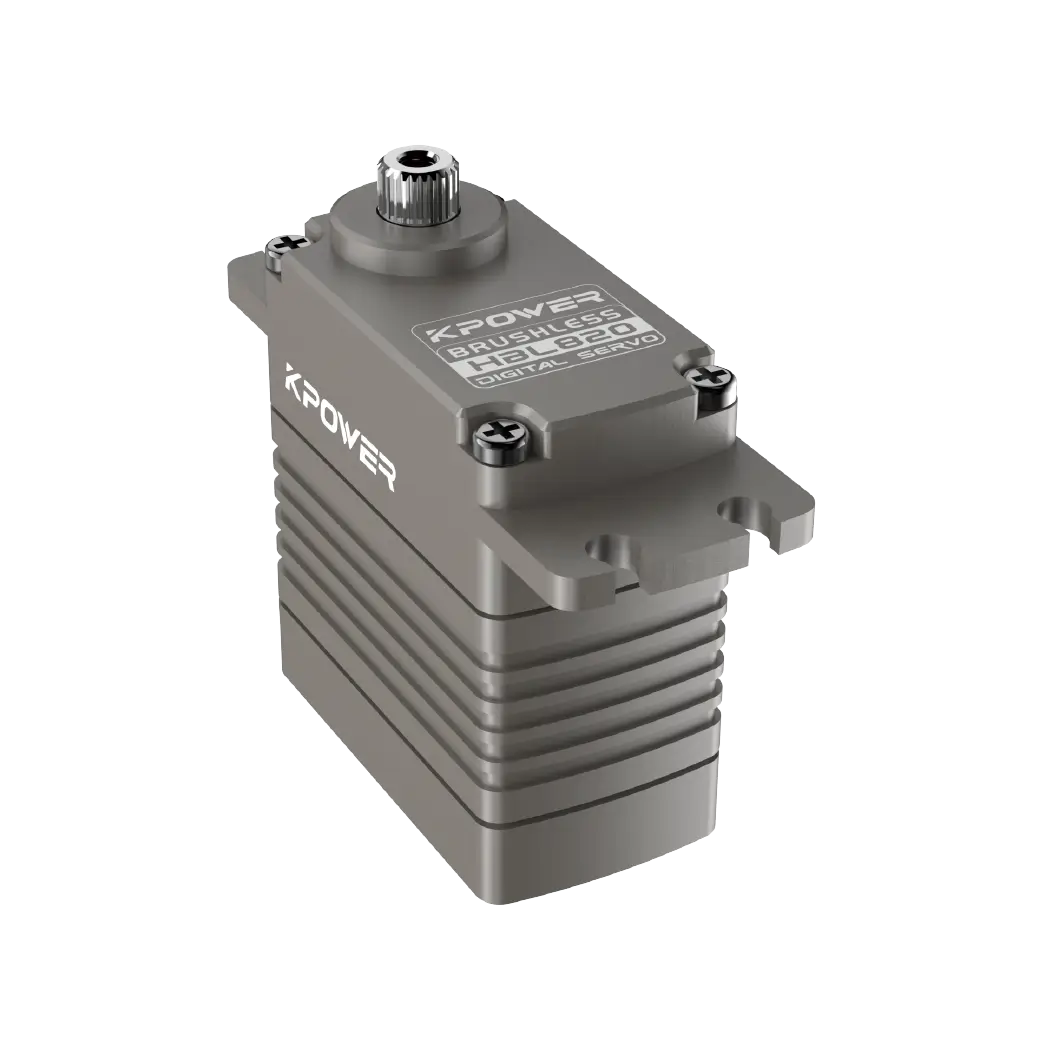
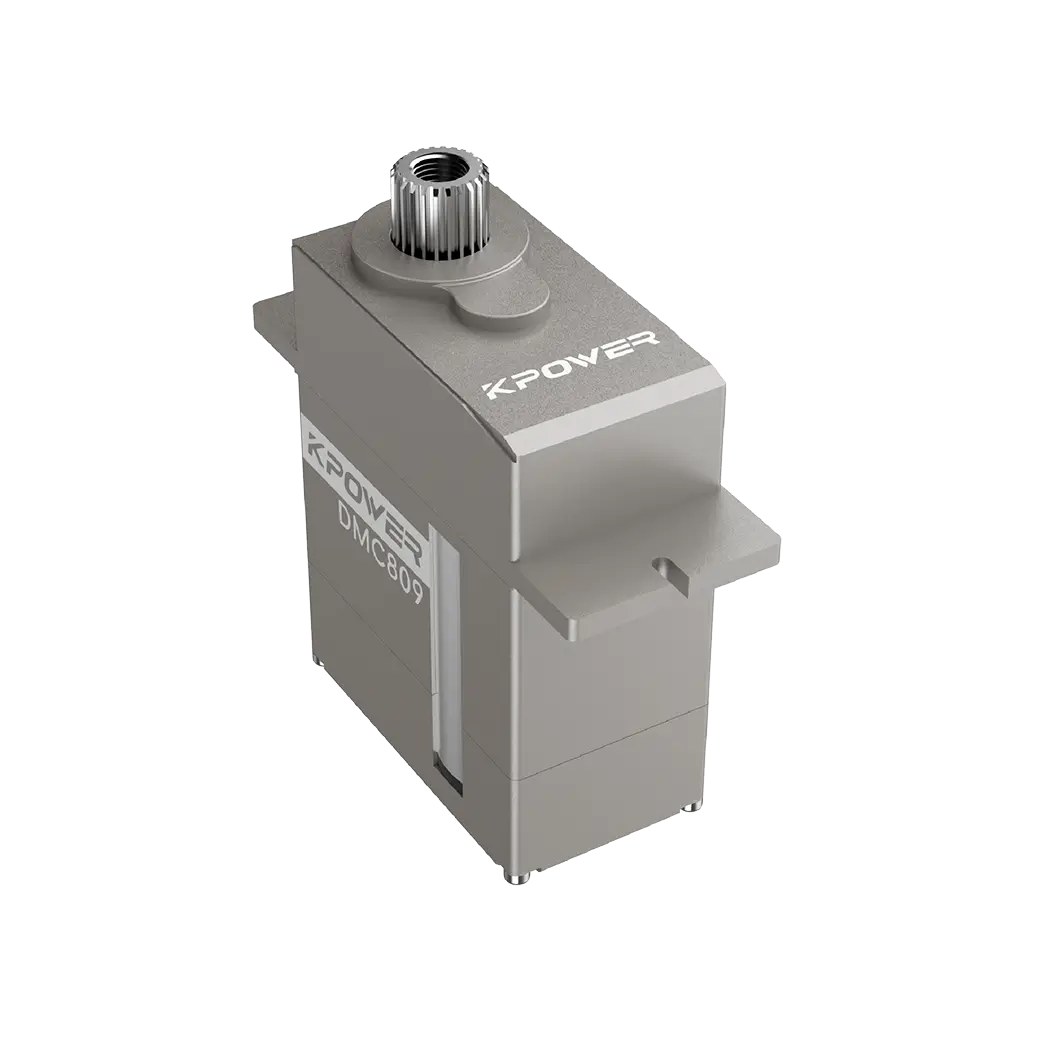
Getting a machine to move exactly how you want is a bit like training a stubborn animal. You need a DCservomotor that doesn't just spin, but listens. This is where the hunt for a reliable DCservomotor exporter begins. It isn't just about buying a part; it’s about finding a component that won't betray your design when the load gets heavy.
Most people start their projects with cheap, off-the-shelf motors. They look fine on paper. The torque numbers are there. The voltage fits. But once you mount them, the "whine" starts. That high-pitched electronic scream is the sound of a motor struggling to find its position. It’s hunting for a zero point it can’t quite reach.
When I look at whatkpoweris doing, I see a shift away from that chaos. Their DCservos handle the feedback loop with a kind of quiet confidence. Instead of constantly over-correcting, the internal sensors and gear trains work in a sort of mechanical harmony. It’s the difference between a shaky handwriting and a steady, professional stroke.
Why does this matter? Because in a mechanical project, precision is the only currency that counts. If your motor has a two-degree error, and that motor is at the base of a half-meter arm, the tip of that arm is going to be centimeters off target. That’s how projects fail.
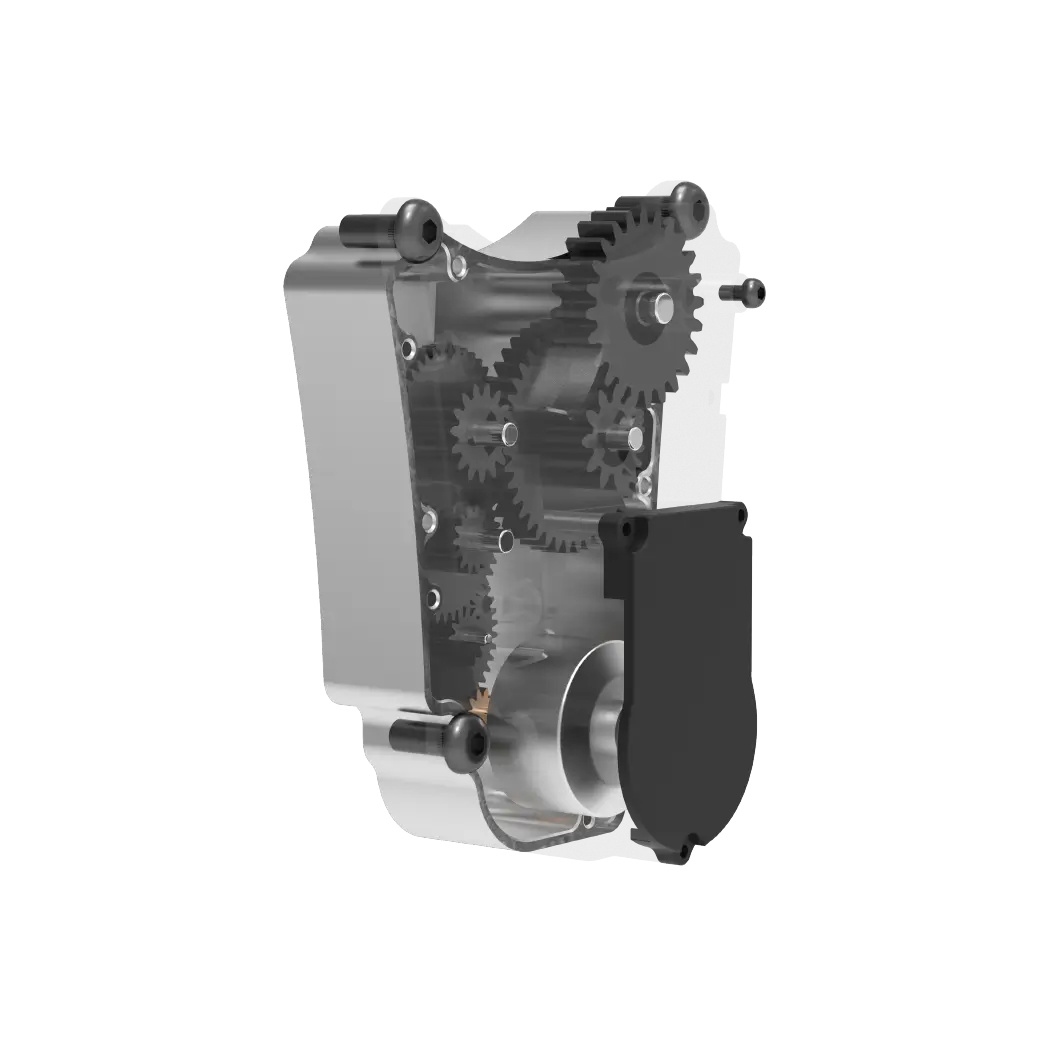
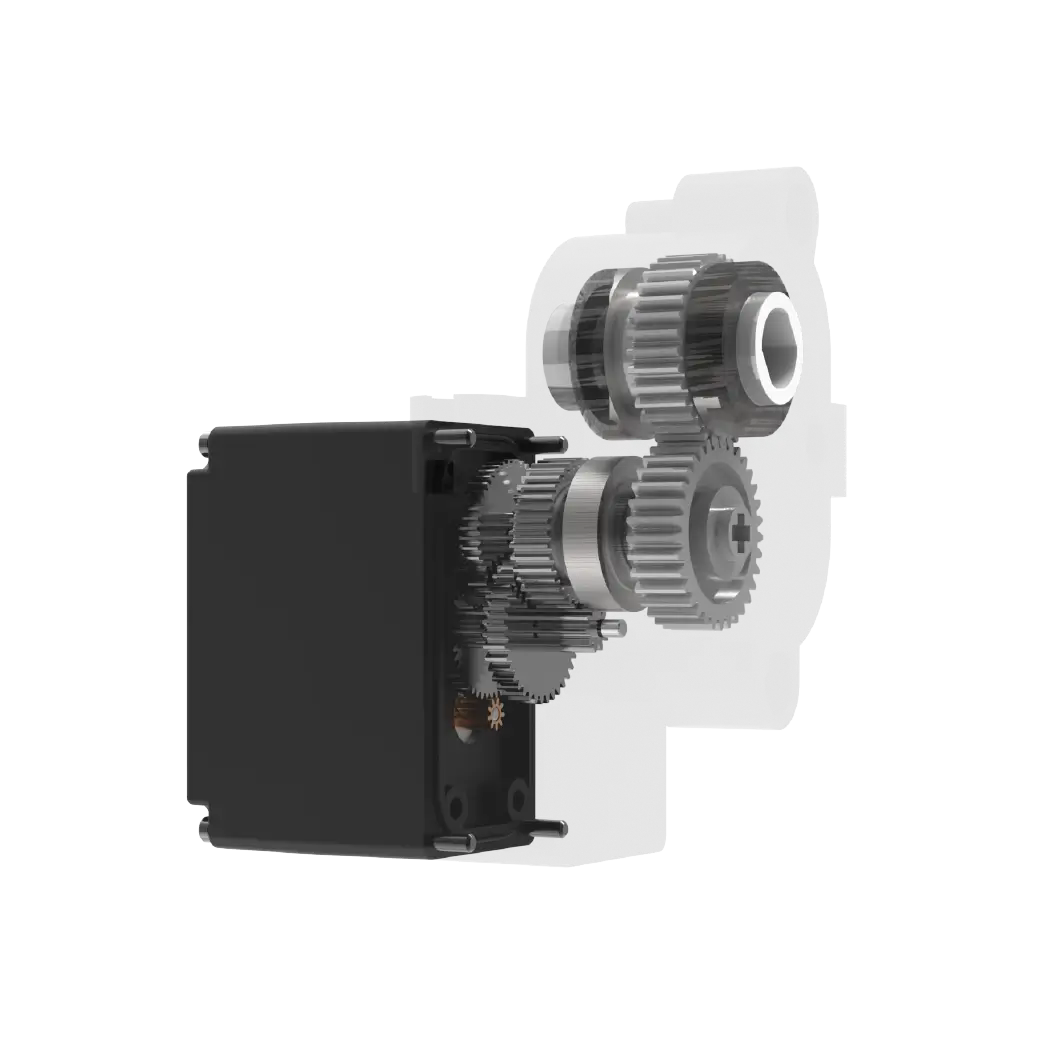
Let’s talk about the "guts" for a second. A lot of folks focus on the plastic casing or the shiny stickers. That’s a mistake. You need to care about the brushes, the magnets, and specifically, the gear material.
I remember a project a few years back—notkpower, just some generic brand—where the gears literally shaved themselves flat within forty-eight hours of operation. It looked like metallic glitter inside the housing. Pure heartbreak.kpowerseems to understand that a DC servo motor exporter needs to prioritize the longevity of the internal drive. Using high-grade alloys and precision-cut teeth means the motor doesn't just work today; it works after ten thousand cycles.
There’s also the heat issue. Motors are essentially heaters that happen to rotate. If the efficiency is low, that energy has to go somewhere. Usually, it goes into melting your mounts or frying your control board. A well-designed DC servo stays cool because it isn't fighting itself.
I get asked a lot of things about these setups. Let’s clear the air on a few common sticking points.
"Can I just use a standard DC motor instead of a servo?" Sure, if you don't care where it stops. A standard motor is a wild horse. A DC servo from Kpower is a horse with a GPS and a very disciplined rider. If you need to hit an exact angle—say, 42.5 degrees—and stay there under pressure, you need the servo’s feedback loop.
"Why do some motors 'buzz' when they are holding a position?" That’s usually "deadband" issues or poor PID tuning. The motor is basically arguing with its own sensor. One of the things that makes a specific exporter stand out is how they calibrate that internal logic. Kpower units tend to have a much cleaner "hold," meaning they stay put without the annoying vibration.
"Are metal gears always better than plastic?" Mostly, yes. But it’s about the type of metal and the lubrication. You want something that can handle the "impact" torque if the machine hits a physical limit. Plastic is fine for a toy; for anything that actually does work, you want the heavy-duty internals.
Building something mechanical is never a straight line. You start with a sketch, you move to a prototype, and then you realize your center of gravity is all wrong. Suddenly, you need more torque, but you have less space. It’s a puzzle.
This is why choosing a DC servo motor exporter is a strategic move. You aren't just looking for a box of parts. You’re looking for a range of sizes that actually fit together. I’ve seen designs where the motor was so bulky it ruined the aesthetics of the machine. Kpower has managed to shrink the footprint without sacrificing the "oomph." It’s a bit like putting a V8 engine inside a suitcase.
I often think back to a time when I was trying to automate a camera slider. I needed it to move so slowly it was almost invisible to the eye, but it had to be perfectly smooth. Any tiny vibration from the motor would show up as a blur in the footage. It was a nightmare. Using a high-resolution servo changed everything. The movement became fluid, almost liquid. That’s what happens when the mechanical engineering meets smart electronic control.
You can look at spreadsheets all day. You can compare stall torque and no-load speed until your eyes bleed. But there’s a "feel" to good hardware. When you pick up a Kpower servo, it feels dense. The wires are thick enough to actually carry the current. The mounting holes are actually aligned where they should be.
It’s these small details that save you three hours of frustration on a Tuesday night when you're trying to meet a deadline. A good exporter doesn't just ship a product; they ship a lack of headaches. They know that if their motor fails, your whole reputation might be on the line.
So, where does that leave you? If you’re staring at a pile of aluminum extrusions and a tangled mess of wires, don't skimp on the actuators. The motor is the only part of your machine that truly "lives." Everything else is just a skeleton.
Think about the longevity. Think about the precision. Think about the fact that you don't want to be taking this thing apart in two months to replace a burnt-out coil. Kpower has built a reputation in the DC servo motor exporter world for a reason. They aren't just selling motion; they’re selling the peace of mind that comes when you flip the switch and the machine does exactly what it was told to do.
No more ghosts in the machine. Just clean, crisp movement. That’s the goal, isn’t it? Whether you’re tilting a sensor, driving a wheel, or articulating a joint, the motor shouldn't be your weak link. It should be the strongest part of your story.
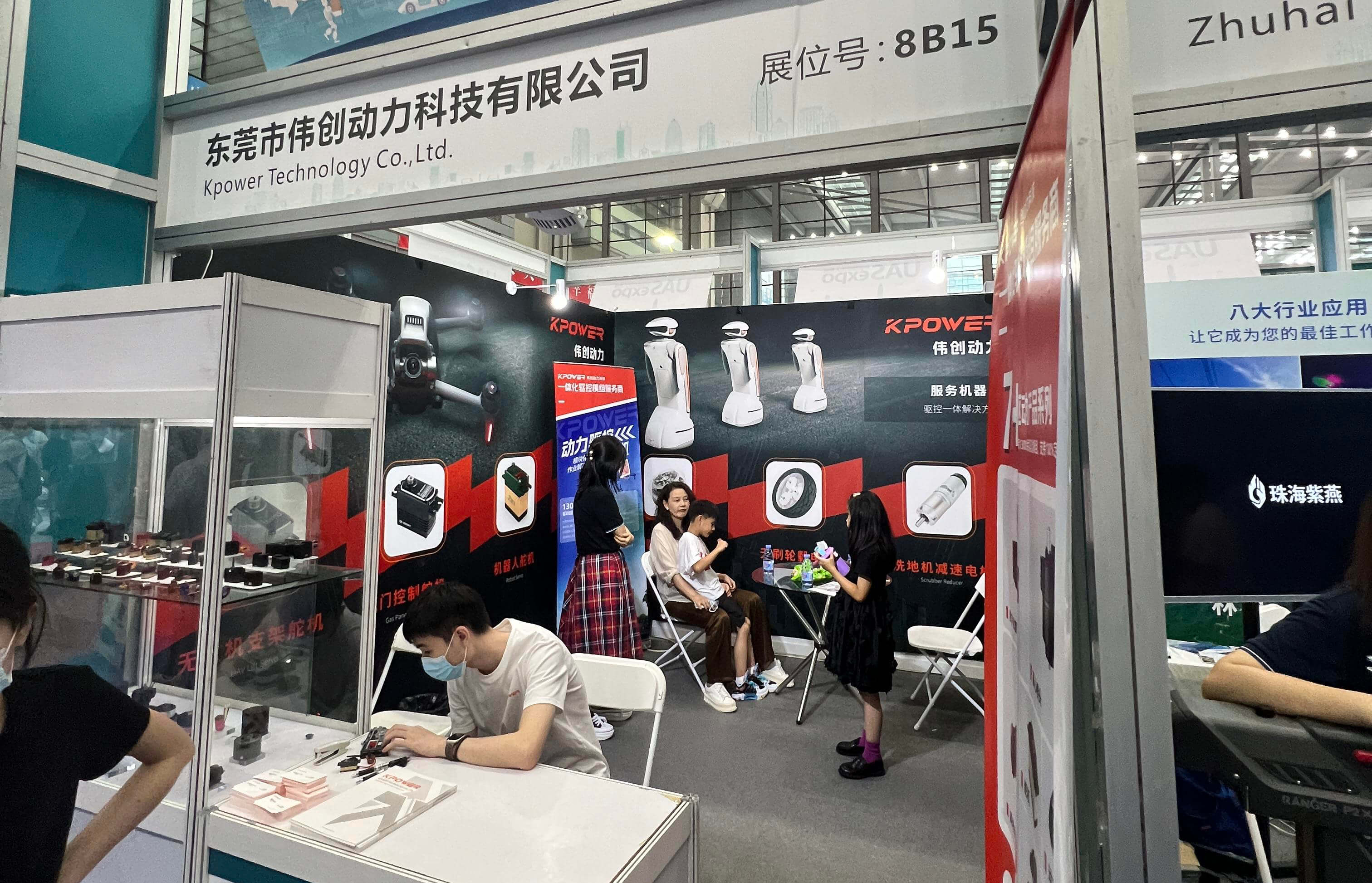
Established in 2005, Kpower has been dedicated to a professional compact motion unit manufacturer, headquartered in Dongguan, Guangdong Province, China. Leveraging innovations in modular drive technology, Kpower integrates high-performance motors, precision reducers, and multi-protocol control systems to provide efficient and customized smart drive system solutions. Kpower has delivered professional drive system solutions to over 500 enterprise clients globally with products covering various fields such as Smart Home Systems, Automatic Electronics, Robotics, Precision Agriculture, Drones, and Industrial Automation.
Update Time:2026-01-22

Contact Kpower's product specialist to recommend suitable motor or gearbox for your product.


