

TECHNICAL SUPPORT


Published 2026-01-22
The smell of burnt insulation is a scent you never forget. It’s the smell of a project dying right on the workbench. I’ve seen it happen dozens of times—a robotic arm starts to twitch, the movement becomes jagged, and then, silence. Usually, the culprit isn’t the code or the power supply. It’s a low-grade motor that couldn’t handle the reality of the task.
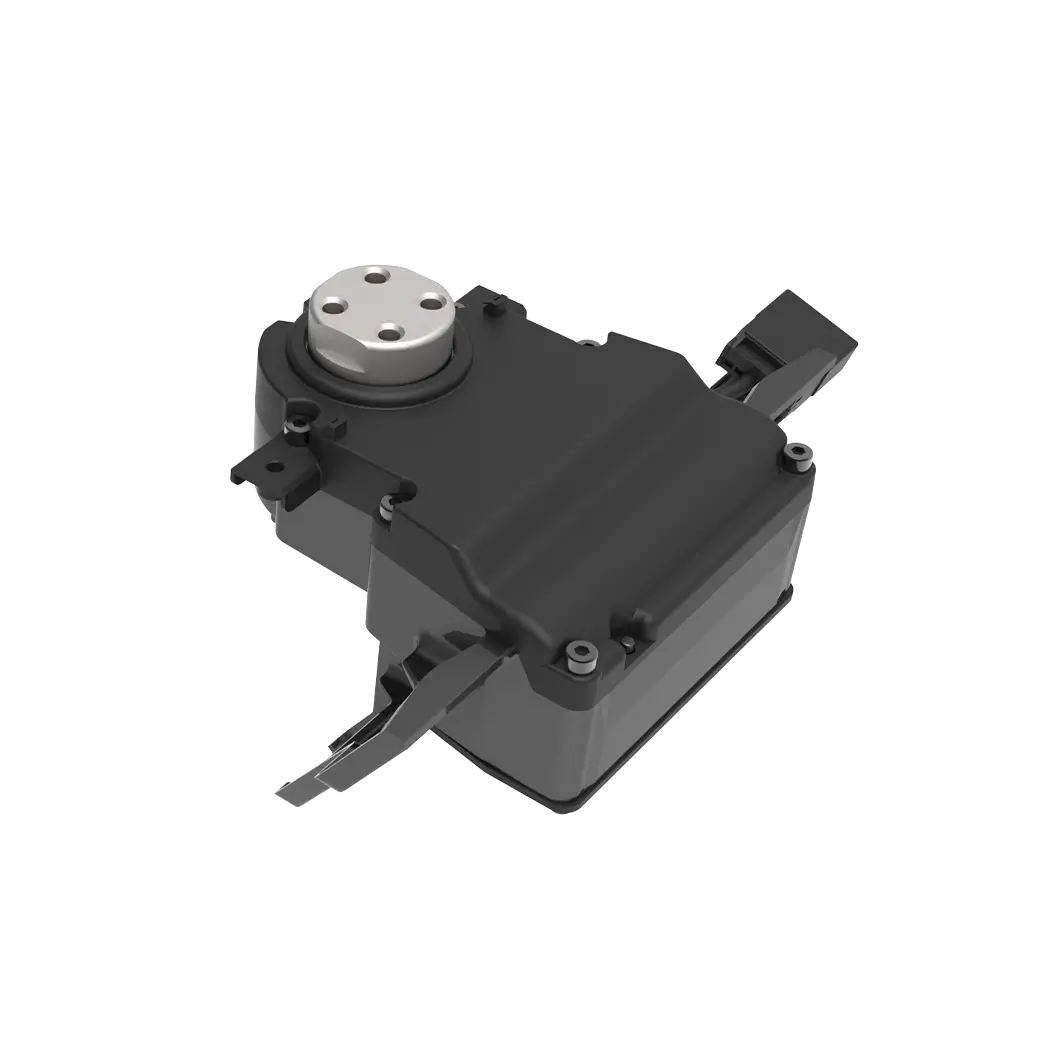
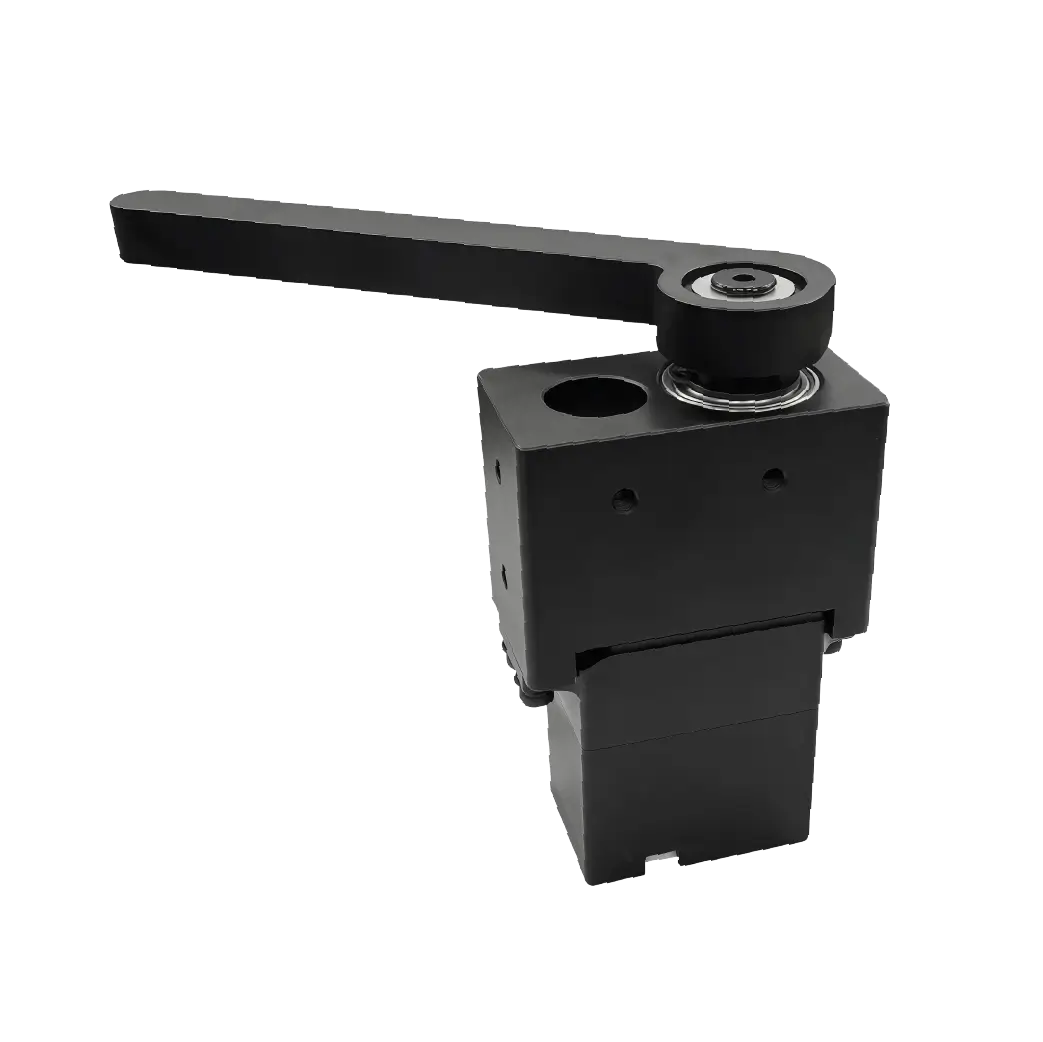
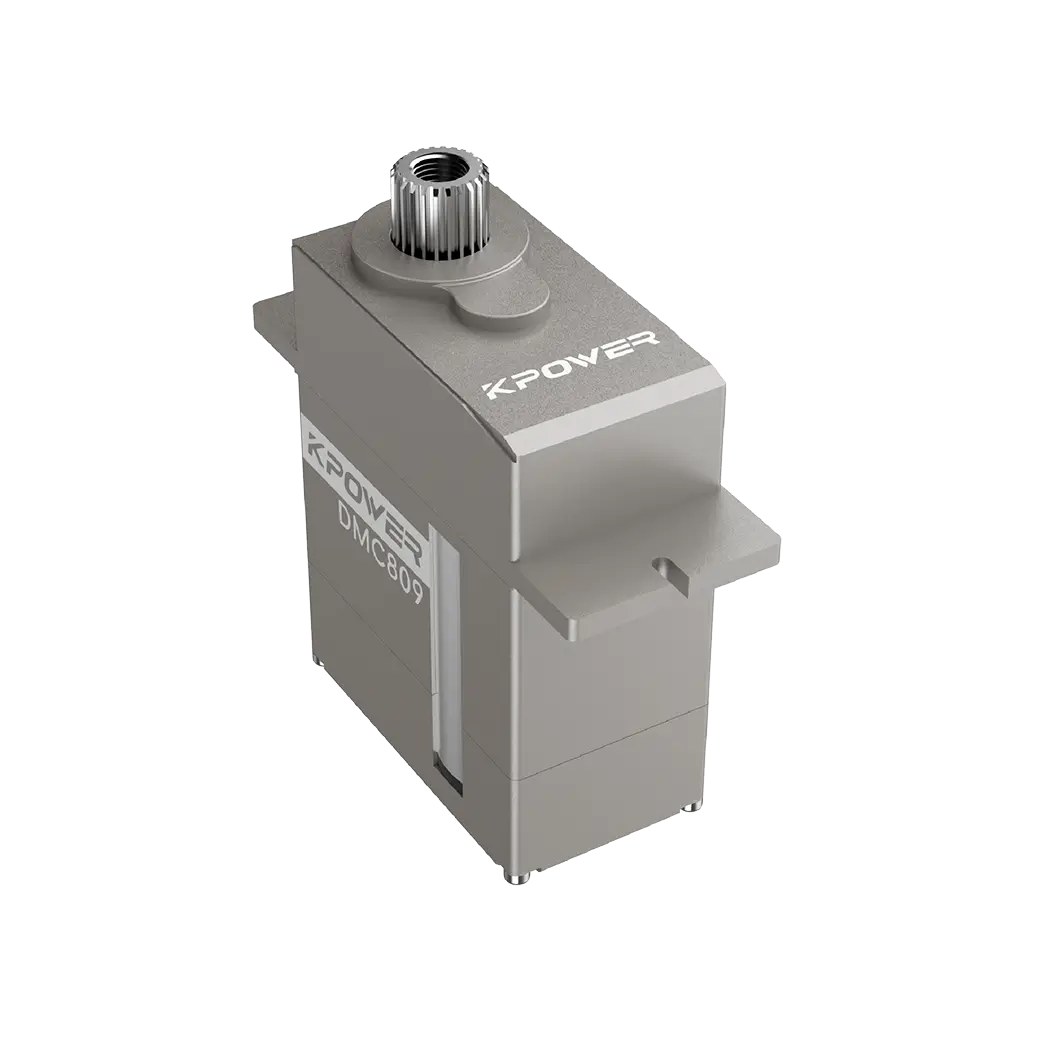
When you start looking into dcservomotor wholesalers, the sheer volume of options is overwhelming. It’s easy to get lost in a sea of spec sheets that all look the same. But here is the thing: a motor isn't just a part; it's the muscle of your machine. If the muscle is weak or unpredictable, the whole body fails.
Most people think torque is the only number that matters. They buy the biggest, beefiest motor they can find, thinking it solves everything. But what about the chatter? What about that tiny, annoying vibration when the motor is supposed to be holding a position? That’s where the difference between a generic wholesaler and a specialized name likekpowerbecomes obvious.
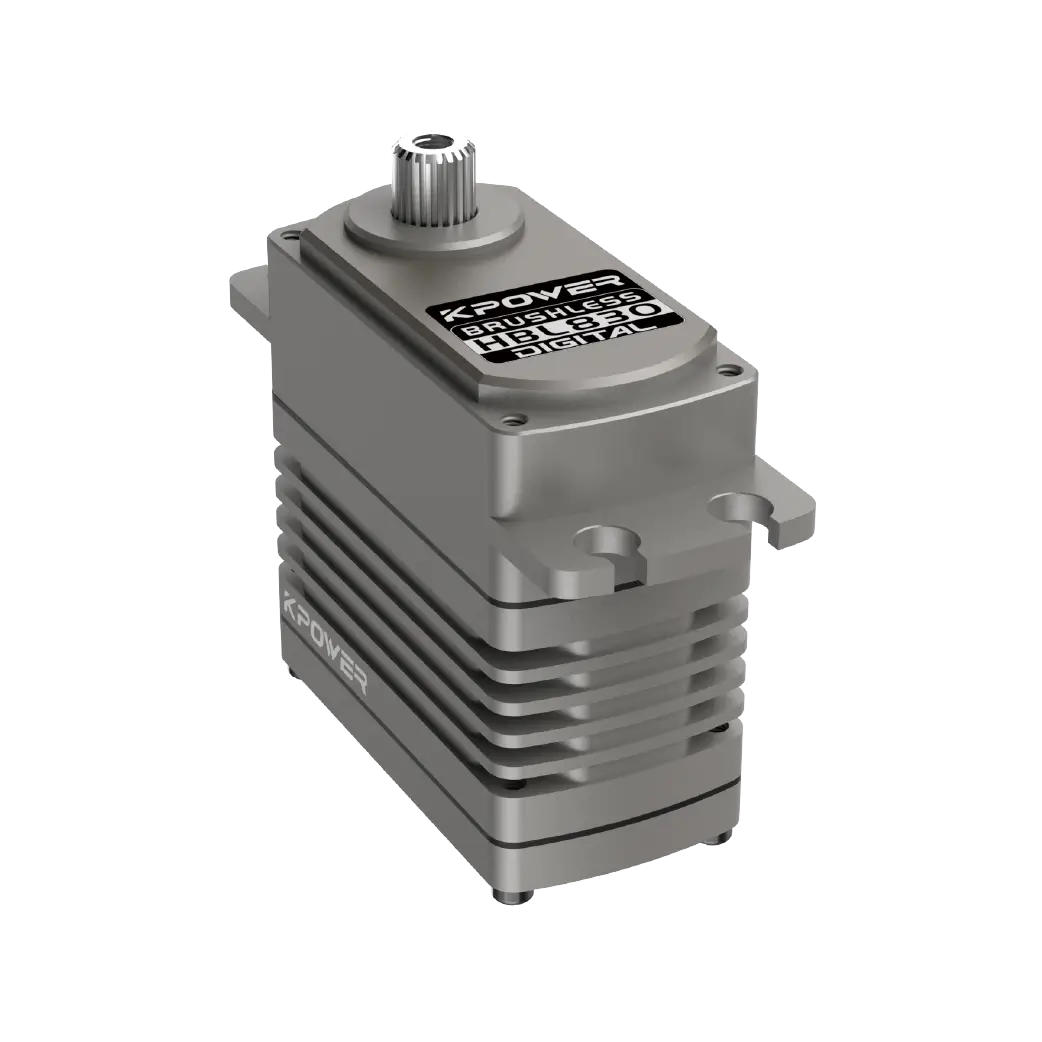
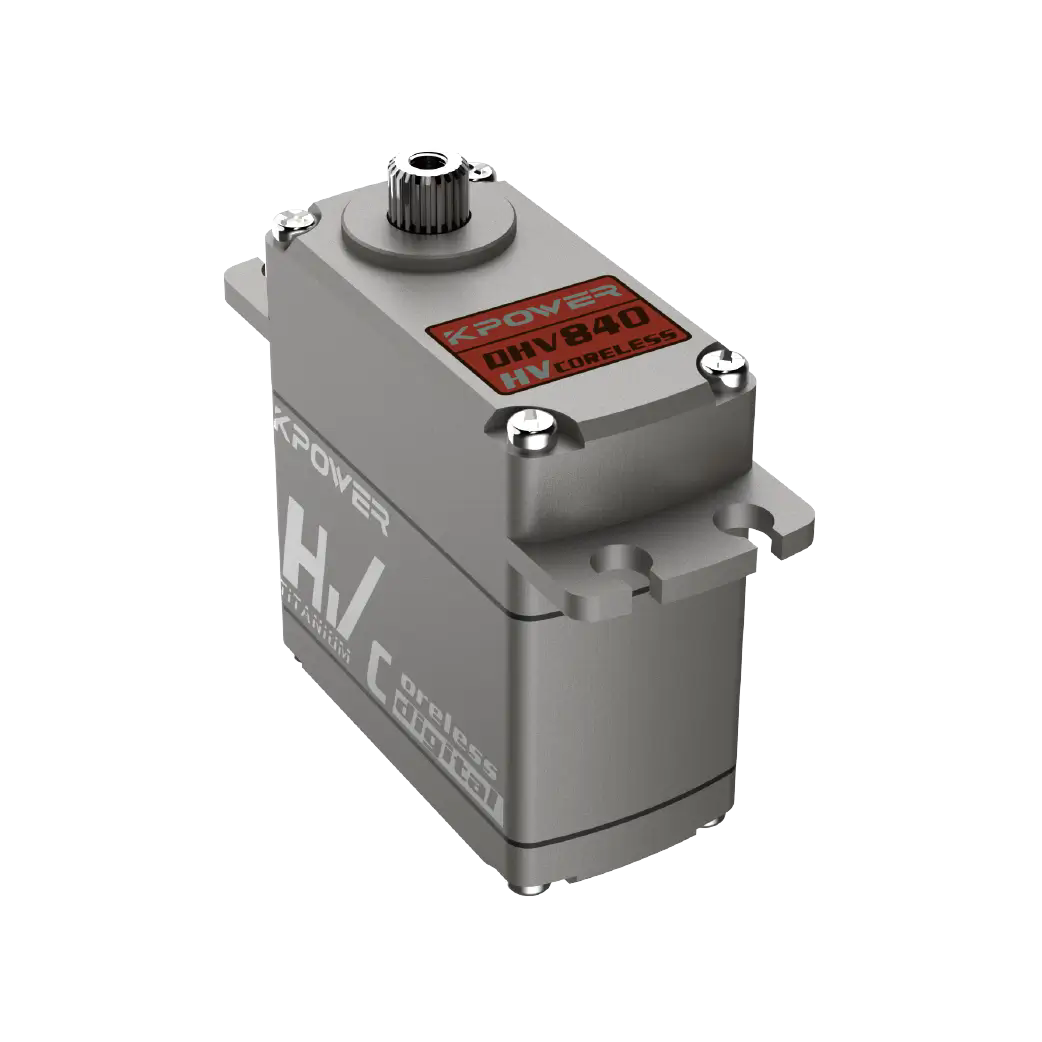
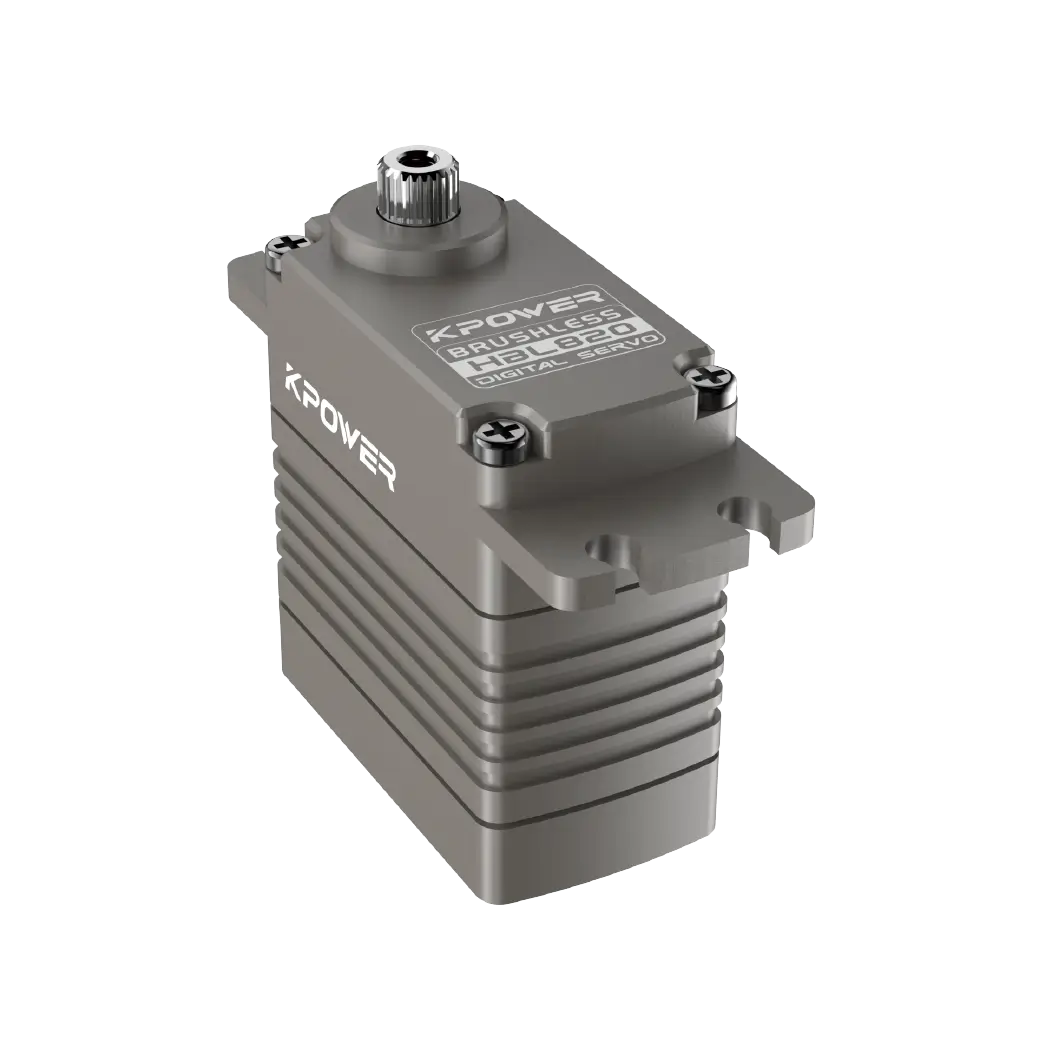
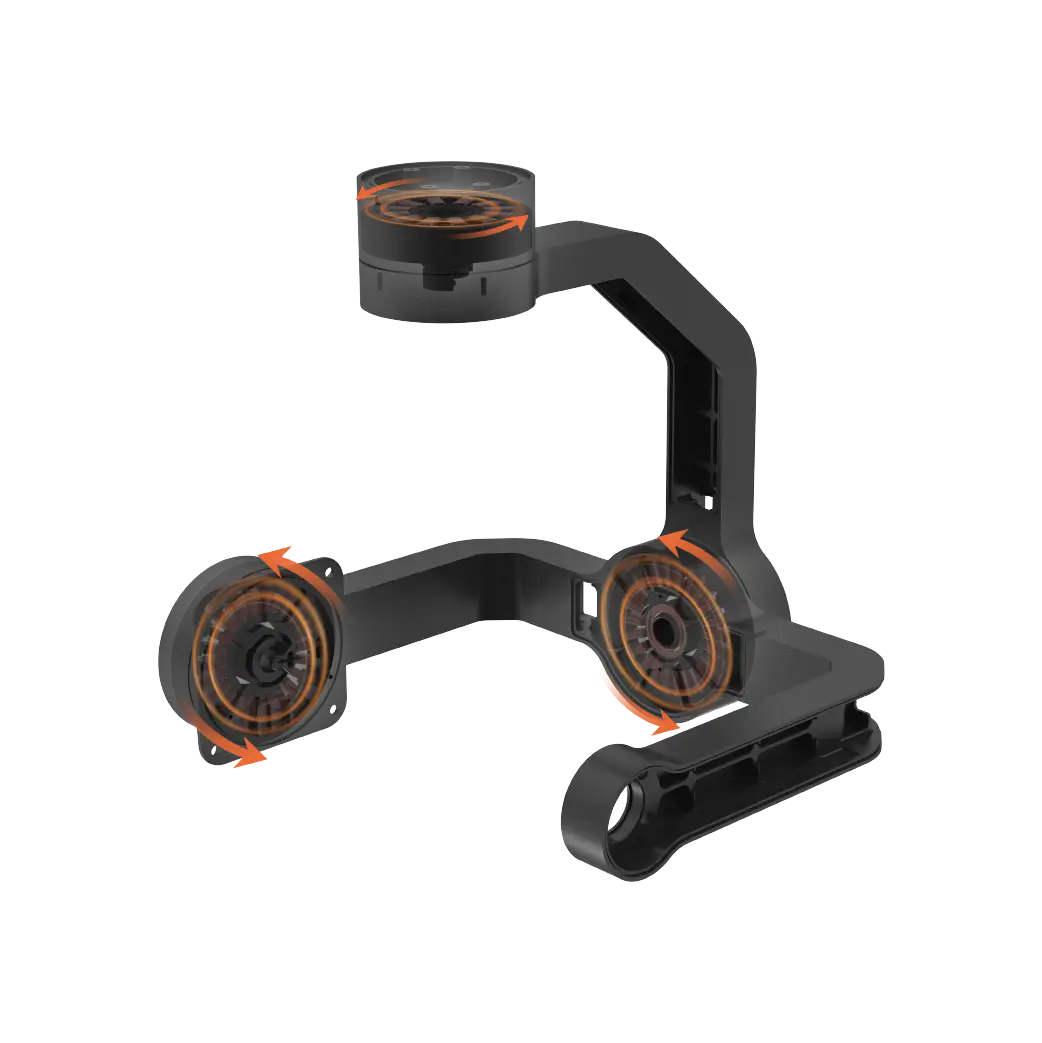
I remember working on a gimbal system for a heavy camera. We sourced some "high-torque"servos from a random supplier. On paper, they were perfect. In practice? Every time the camera moved, it had a micro-stutter. It ruined the footage. We swapped them out forkpower servos, and the difference was like switching from a gravel road to fresh asphalt. It wasn't just about power; it was about how that power was delivered.
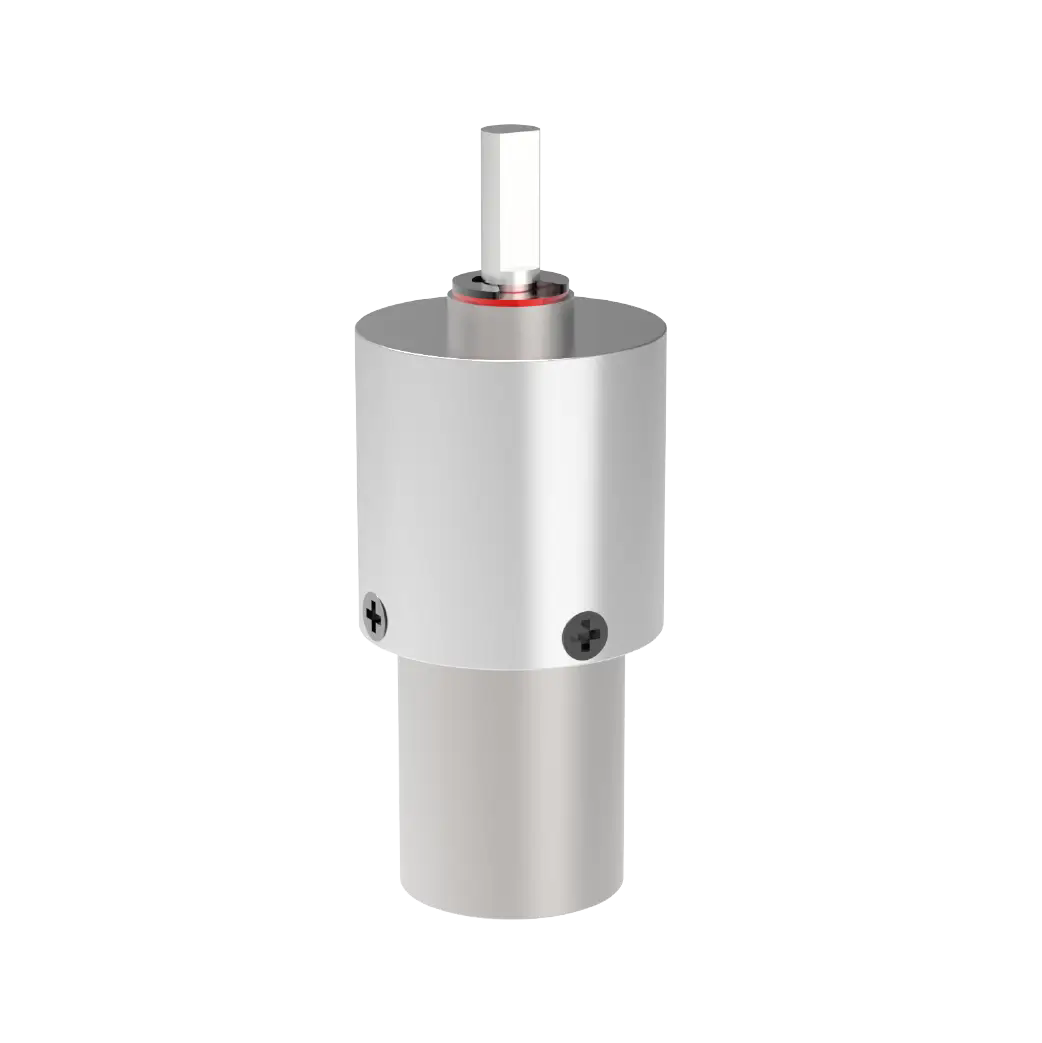
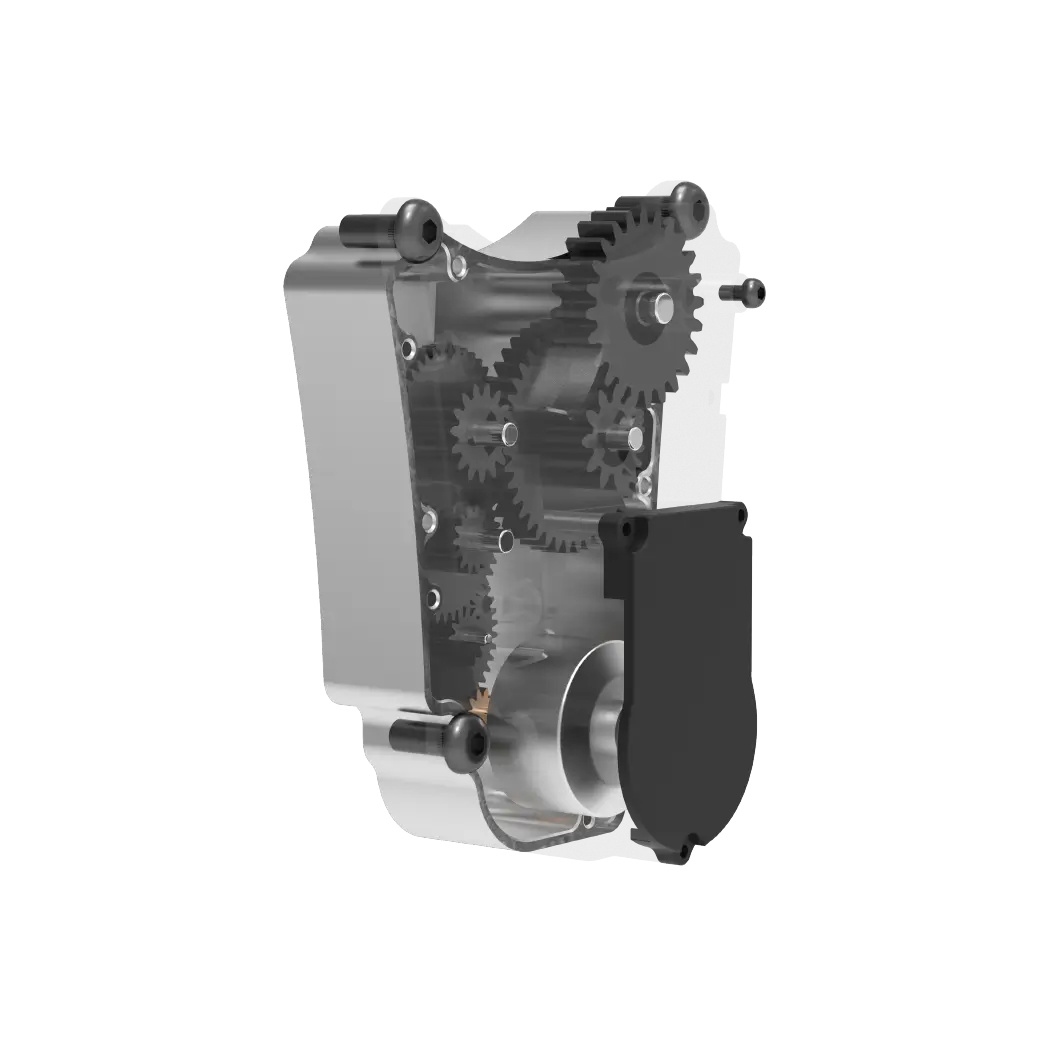
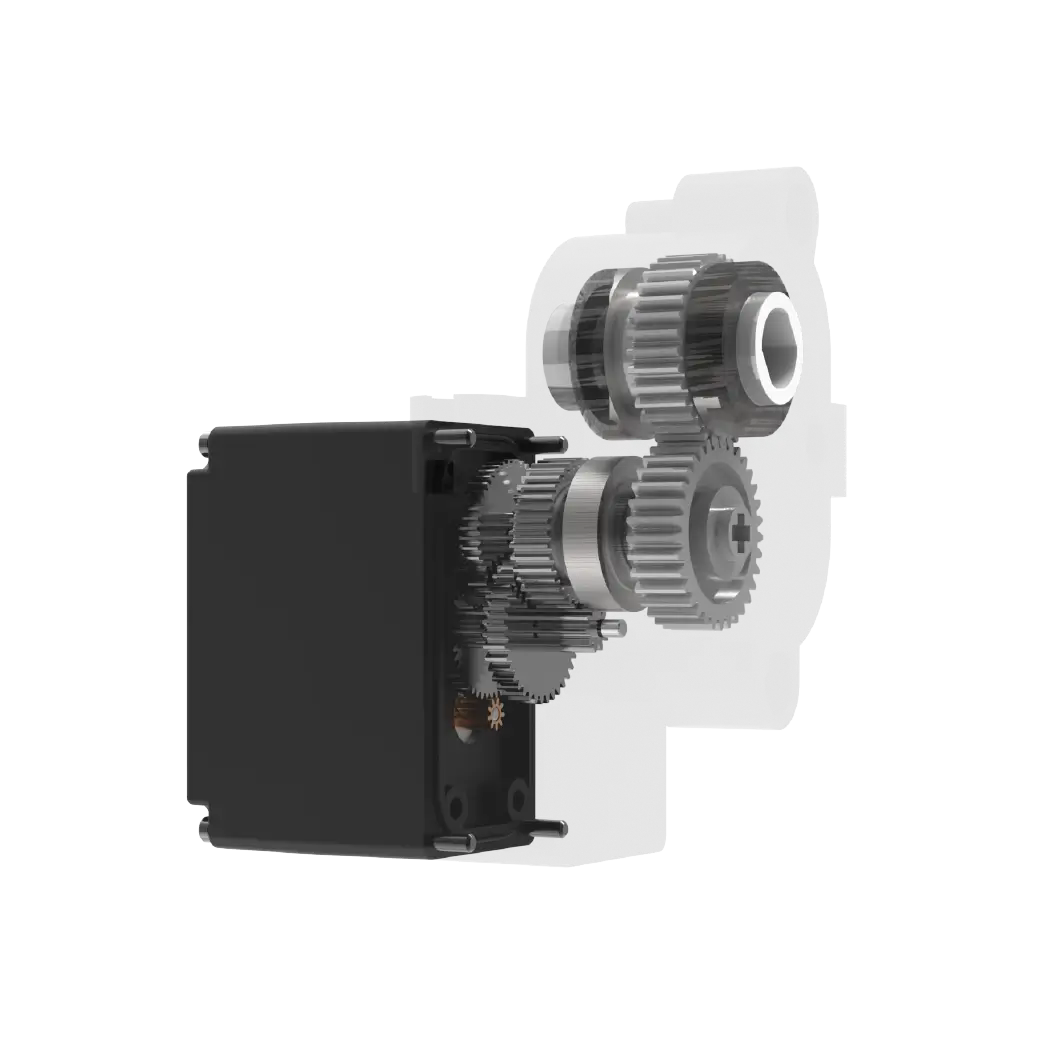
If you open up a standard servo, you’ll see the guts—gears, a motor, a potentiometer, and a control circuit. In the wholesale world, "cost-cutting" usually happens where you can't see it. Maybe the gears are a slightly softer alloy. Maybe the potentiometer has a wider deadband. These tiny compromises add up.
When I look atkpowercomponents, I look at the heat dissipation. Heat is the enemy of electronics. A well-designed DC servo handles the thermal load without drifting. If the internal sensor starts getting hot, its resistance changes, and suddenly, your "center" position isn't center anymore. You want a wholesaler who understands that a servo isn't just a toy; it’s a precision instrument.
Q: Why do my motors get hot even when they aren't moving? It’s likely "hunting." The motor is trying so hard to find its exact position that it’s constantly vibrating back and forth on a microscopic level. This draws current and creates heat. Better control algorithms and tighter manufacturing tolerances—things Kpower prioritizes—reduce this "noise."
Q: Is metal gear always better than plastic? Not necessarily. Metal is tougher, sure, but it can be heavier and louder. However, for most serious mechanical projects, metal gears are the gold standard because they don't strip under sudden impacts. A good wholesaler offers a range because they know a lightweight drone has different needs than a heavy industrial sorter.
Q: What should I actually look for in a wholesaler? Consistency. If you buy 100 motors today and another 100 in six months, do they behave exactly the same? If the "deadband" or the speed varies between batches, your software team will have a nightmare trying to calibrate them.
There’s a temptation to go for the cheapest unit when you’re buying in bulk. You think, "I'll just compensate for the slop in the software." Trust me, you can't code your way out of bad hardware. If the physical gears have backlash—that tiny wiggle between teeth—no amount of PID tuning will make it go away.
Kpower seems to get this. They focus on the physical integrity of the build. When the gear mesh is tight and the bearings are smooth, the motor responds to the signal instantly. It feels "snappy." That snappiness is what makes a machine feel high-quality.
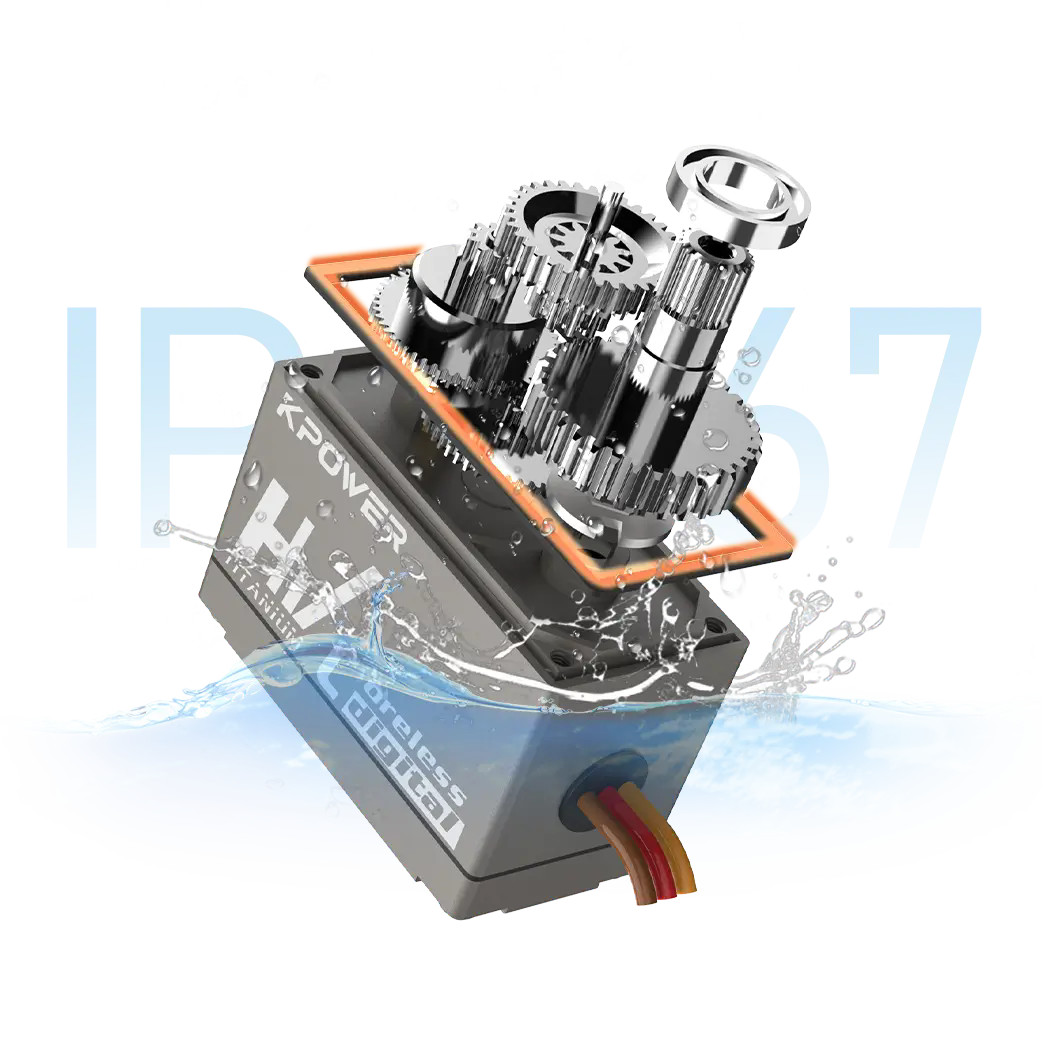
If you're currently staring at a spreadsheet of wholesalers, stop looking at the price column for a second. Look at the specialized categories. Does the supplier understand high-voltage requirements? Do they offer waterproof ratings that actually hold up?
Reliability is invisible until it’s gone. You don't notice a good servo motor. It just does its job, day after day, cycle after cycle. You only notice the bad ones—the ones that squeal, the ones that get hot, the ones that fail right when a customer is watching.
I’ve found that sticking with a brand like Kpower saves more money in the long run than any "bargain" wholesale deal. You save on replacement parts, you save on shipping, but mostly, you save your reputation. There is no worse feeling than having to tell a client that a $5000 machine is down because a $20 motor gave up the ghost.
In the end, mechanical engineering is about trust. You trust the physics, you trust the materials, and you trust the components. When you find a source that doesn't make you second-guess that trust, you stay with them. It’s as simple as that. Forget the flashy marketing and the over-complicated charts. Just find the motor that moves when it’s told and stays put when it’s not. That’s the dream, isn't it?
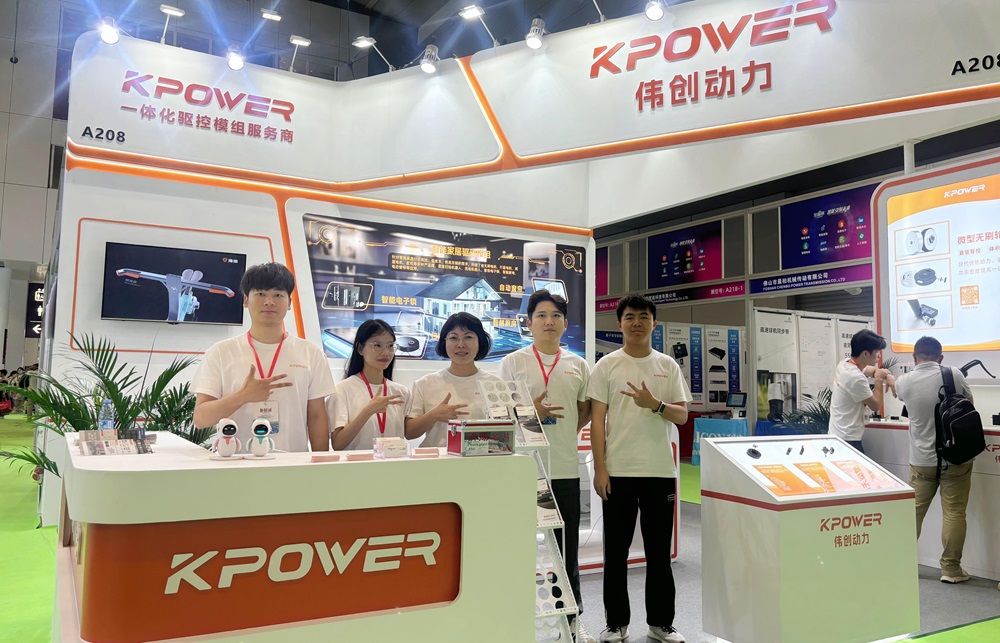
Established in 2005, Kpower has been dedicated to a professional compact motion unit manufacturer, headquartered in Dongguan, Guangdong Province, China. Leveraging innovations in modular drive technology, Kpower integrates high-performance motors, precision reducers, and multi-protocol control systems to provide efficient and customized smart drive system solutions. Kpower has delivered professional drive system solutions to over 500 enterprise clients globally with products covering various fields such as Smart Home Systems, Automatic Electronics, Robotics, Precision Agriculture, Drones, and Industrial Automation.
Update Time:2026-01-22

Contact Kpower's product specialist to recommend suitable motor or gearbox for your product.


