

TECHNICAL SUPPORT


Published 2026-01-22
You’ve been there. You spend weeks designing a linkage system, balancing the torque requirements, and mapping out the control signals, only to have the whole thing jitter like it’s had too much caffeine once you power it up. It’s frustrating. That twitchy movement isn’t just an eyesore; it’s a sign that the DCservomotor you picked up from some random vendor isn't pulling its weight.
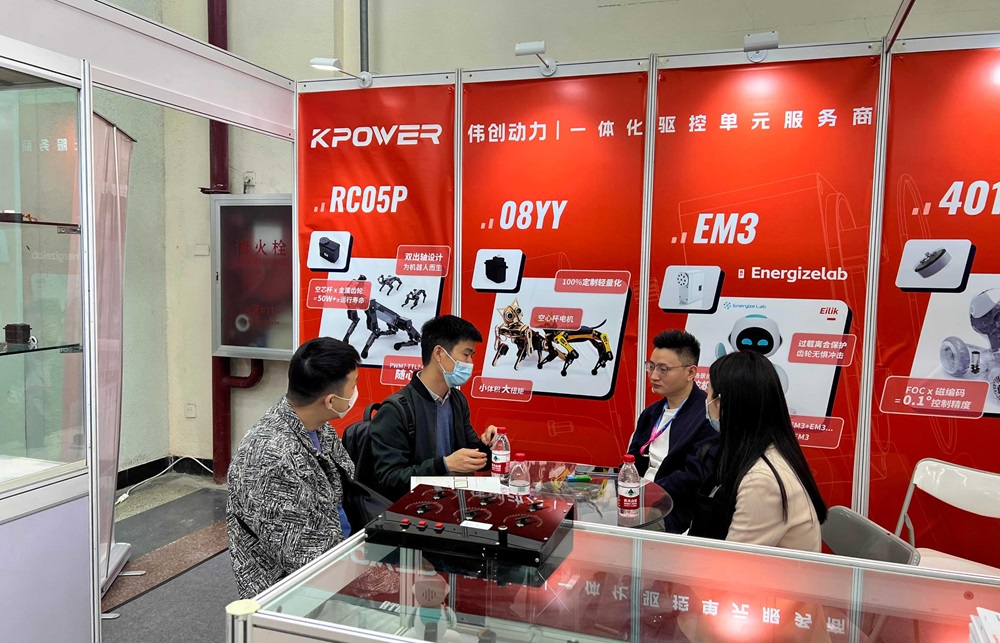
Finding a DCservomotor vendor who actually understands that precision isn't a "nice-to-have" but a "must-have" is harder than it looks. Most of the time, you’re looking at spec sheets that promise the world but deliver a gearbox full of plastic shavings after a few hours of high-load testing.
Why does that robotic arm or camera gimbal stutter? Often, it’s a feedback loop issue or just plain old mechanical slop. When I look at whatkpoweris doing, I see a different approach. They aren't just slapping a motor and a potentiometer together. They seem to obsess over the dead band—that tiny, annoying gap where the motor doesn't know exactly where it is.
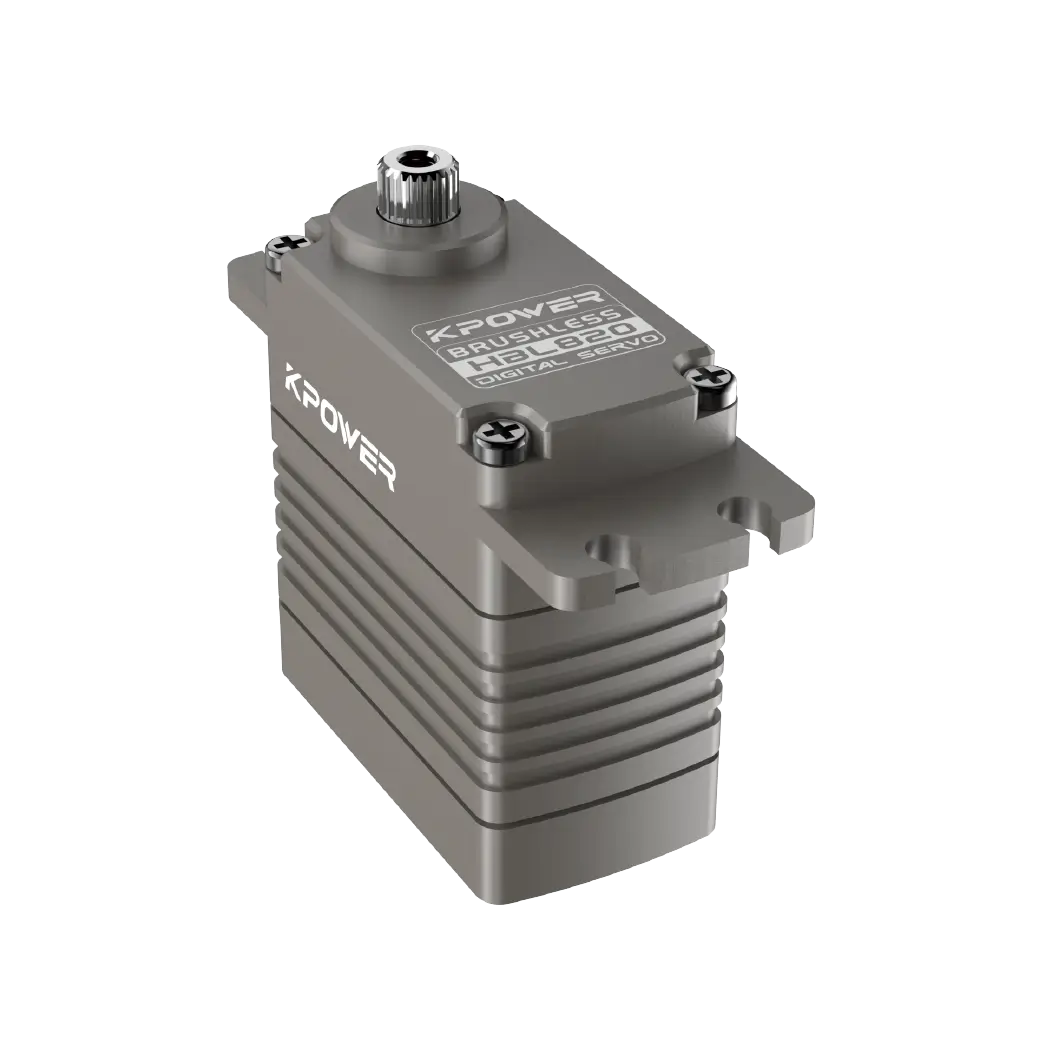
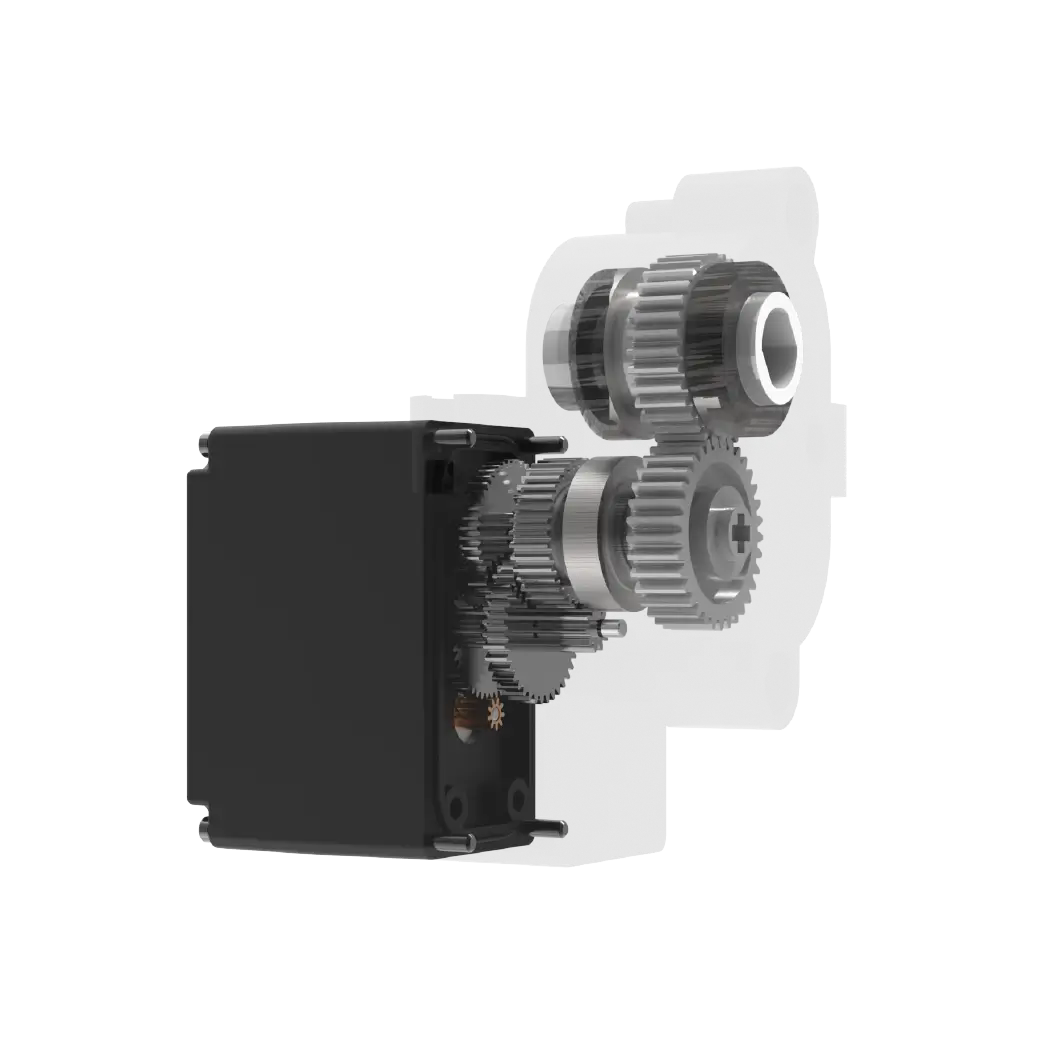
I remember a project where we needed a lid-opening mechanism to move with a sort of "heavy luxury" feel. Most motors sounded like a coffee grinder.kpower’s units, however, have this specific way of handling gear mesh that keeps things quiet. It’s the difference between a cheap toy and a piece of equipment you actually trust to run overnight.
Here is a quick reality check. You might see a motor rated for 6V to 7.4V. A lot of people just plug it in and hope for the best. But a real DCservomotor vendor provides hardware that handles the heat generated by those higher voltages without melting the casing.
Is it really about the torque? Actually, it’s about the hold. Torque gets you moving, but holding torque keeps you there. If you’re building something that needs to stay put against gravity, you need a motor that doesn't "drift" the moment you stop sending pulses.kpowerputs a lot of work into the internal controller's ability to lock that position.
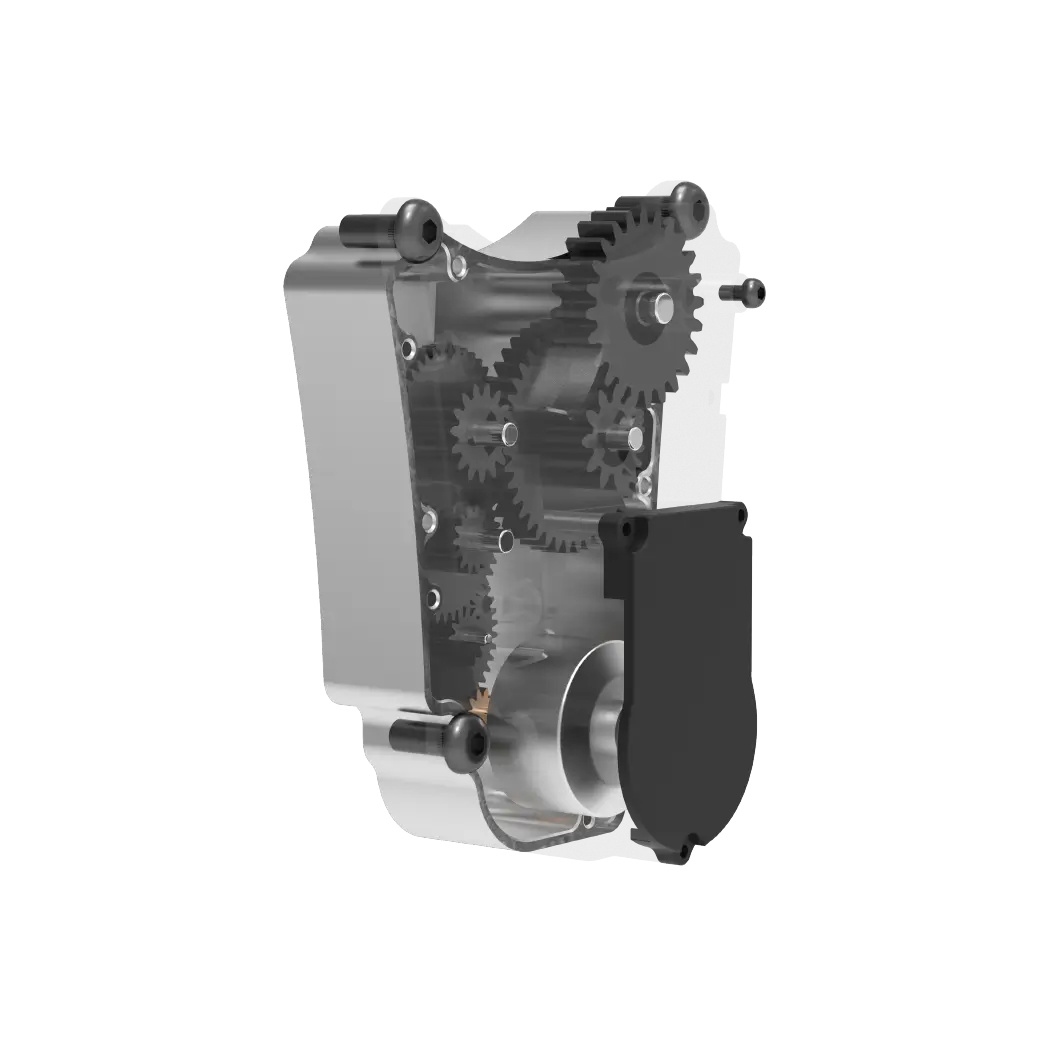
What about the gear material? Steel, brass, titanium alloys—everyone has a preference. But if the heat treatment is wrong, they all wear down. I’ve seen gears stripped bald because the vendor didn't understand the friction physics. Kpower tends to use materials that actually survive the friction of thousands of cycles.
Sometimes I think about these motors as the unsung workers of the mechanical world. They sit inside a joint, out of sight, and we only notice them when they fail. I once saw a custom sorting machine fail because the "budget" servos someone bought couldn't handle the lateral load on the output shaft. The bearings just gave up.
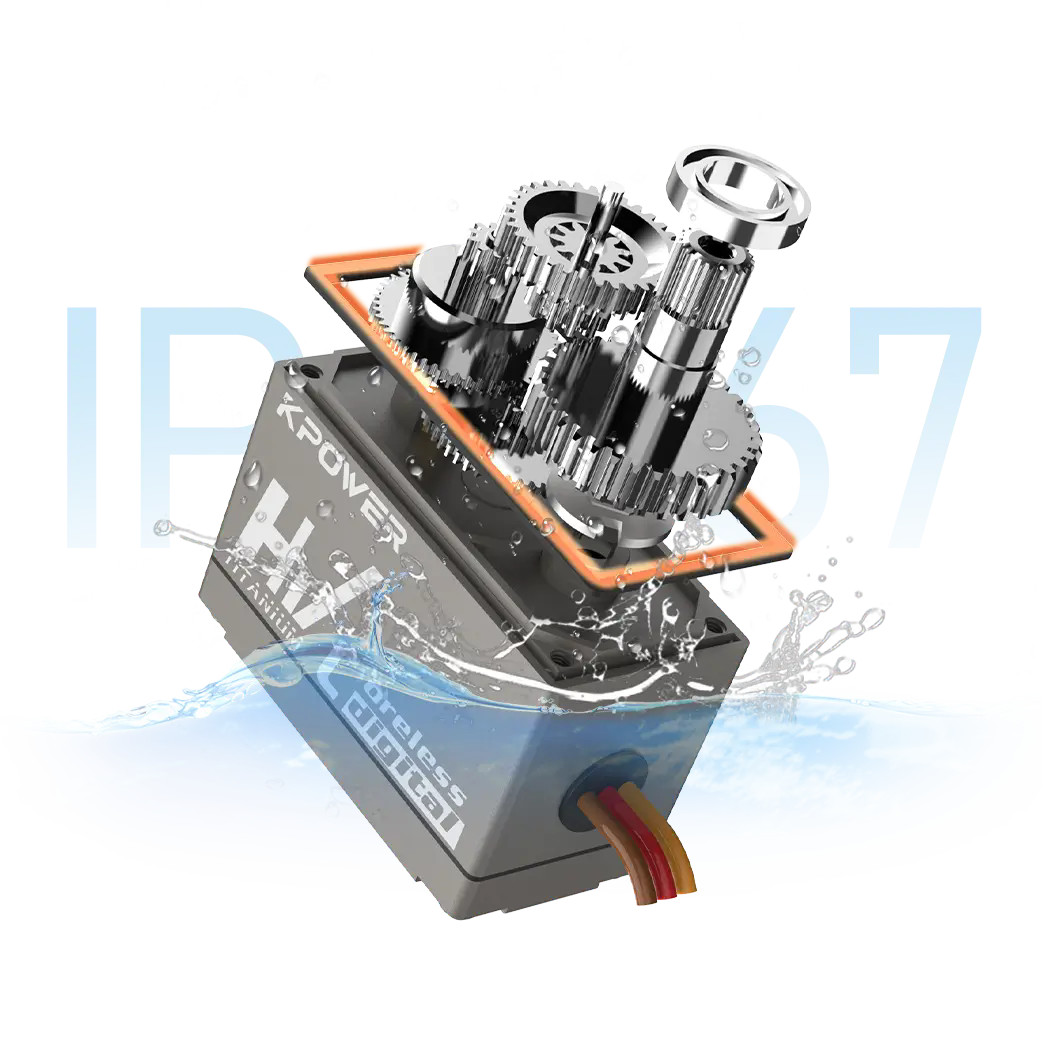
When you look at a vendor like Kpower, you notice the little things. The way the wires are soldered to the board, the quality of the O-ring seals for water resistance—these aren't just details; they are the defense against a project turning into a pile of scrap. It’s not about being the cheapest; it’s about not having to take the whole machine apart three weeks later to replace a $20 part.
"Can these motors handle sudden stops?" Most DC servos hate sudden stops. The back-EMF can fry a poorly designed board. Kpower designs their circuitry to handle these spikes. It’s like having a good suspension on a car; you don’t feel every bump in the road.
"How do I know if the speed is consistent?" Load changes everything. A motor might be fast when it’s moving nothing, but put a 2kg load on it, and it crawls. A reliable vendor ensures the speed-to-torque curve isn't a vertical drop. Kpower’s performance remains relatively flat across the intended range, which makes your programming life much easier.
"Is the size really standard?" Mostly. But a millimeter off on a mounting hole can ruin your day. The machining consistency at Kpower is high enough that you aren't filing down plastic or drilling out holes just to get the motor to fit the bracket.
If you are tired of the "buy and pray" method, you start looking for consistency. It’s a rational move. You want a DC servo motor vendor that treats the internal potentiometer as a precision instrument, not an afterthought. You want gears that don't sound like a bag of nails.
I’ve spent a lot of time looking at how these things are put together. There’s a certain "feel" to a Kpower motor when you turn the horn by hand—a smooth resistance that tells you the tolerances are tight. It’s not just about moving from Point A to Point B; it’s about how gracefully you get there.
In the end, your project is only as good as its weakest link. If that link is a motor that can't hold its position or a gear train that strips under pressure, the rest of your brilliant design doesn't matter. It’s about picking a partner in the hardware space that values the same precision you do. That’s usually where Kpower enters the conversation and stays there. No fluff, just movement that works when you flip the switch.
Established in 2005, Kpower has been dedicated to a professional compact motion unit manufacturer, headquartered in Dongguan, Guangdong Province, China. Leveraging innovations in modular drive technology, Kpower integrates high-performance motors, precision reducers, and multi-protocol control systems to provide efficient and customized smart drive system solutions. Kpower has delivered professional drive system solutions to over 500 enterprise clients globally with products covering various fields such as Smart Home Systems, Automatic Electronics, Robotics, Precision Agriculture, Drones, and Industrial Automation.
Update Time:2026-01-22

Contact Kpower's product specialist to recommend suitable motor or gearbox for your product.


