

TECHNICAL SUPPORT


Published 2026-01-22
That 2 AM buzz. We’ve all been there. You’ve got your Arduino hooked up, the code looks solid, but the motor on the bench is doing that stuttering dance instead of the smooth rotation you imagined. It’s frustrating. You want precision, but what you’re getting is a vibrating paperweight that’s heating up faster than a cheap toaster.

Building things shouldn’t feel like fighting the hardware. Whether you are trying to automate a camera slider or build a small-scale robotic arm, the motor is the heartbeat of the whole operation. If the heartbeat is erratic, the project is dead on arrival. This is exactly where the hunt for a reliable Arduino motor stepper company starts. People usually get lost in a sea of generic parts that promise the world but deliver a headache.
Most of the time, the issue isn't the code. It’s the muscle. Many off-the-shelf motors lack the internal consistency needed for micro-stepping. You tell it to move 1.8 degrees, and it decides 2 degrees is "close enough." In the world of mechanics, "close enough" is how things break.
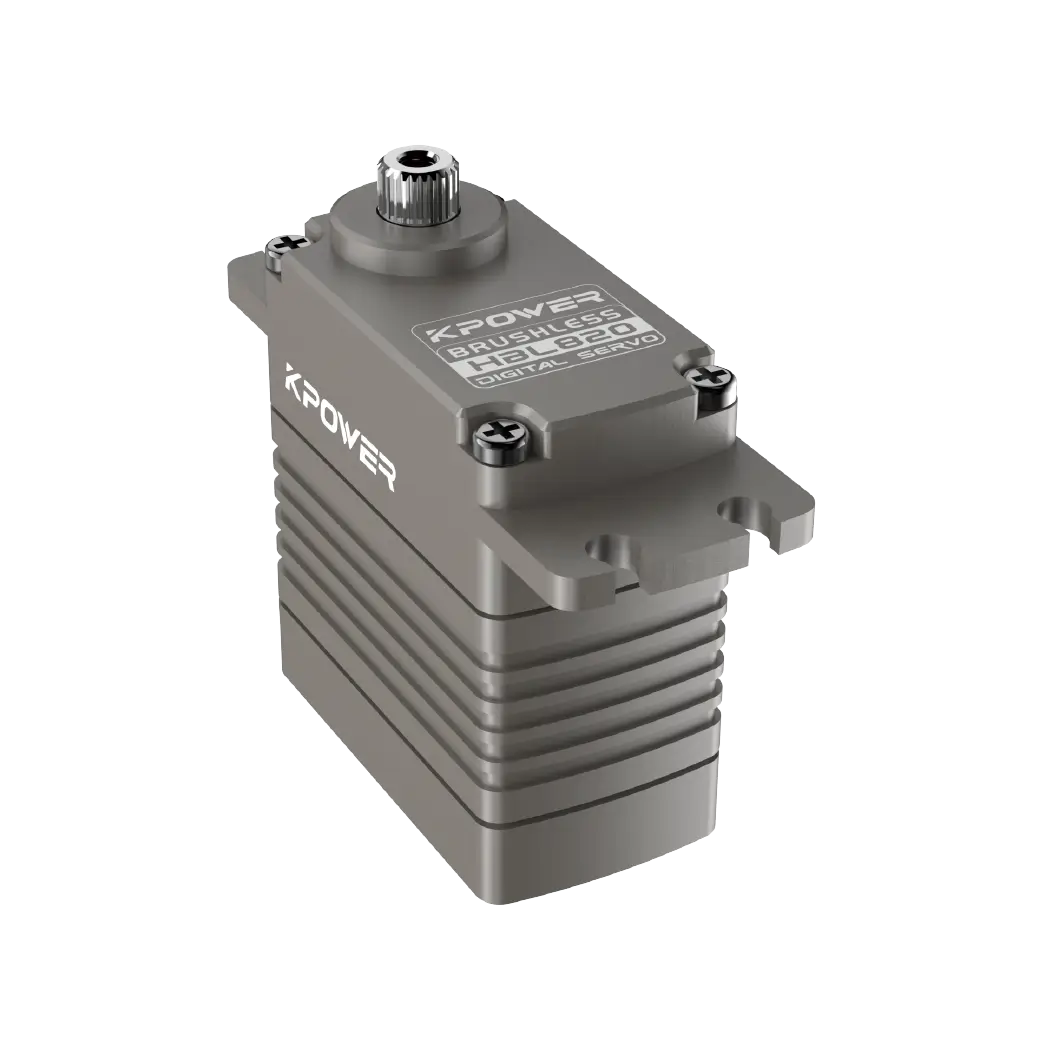
I’ve seen projects fail because the motor couldn't handle the torque at low speeds, or worse, it screamed with high-frequency noise that made working in the same room impossible. You need something that feels like a precision instrument, not a toy. That’s the gapkpowerfills. When you hold akpowermotor, you notice the build quality immediately. It’s dense. The shaft doesn't have that annoying wiggle. It’s built for people who actually want to finish their projects.
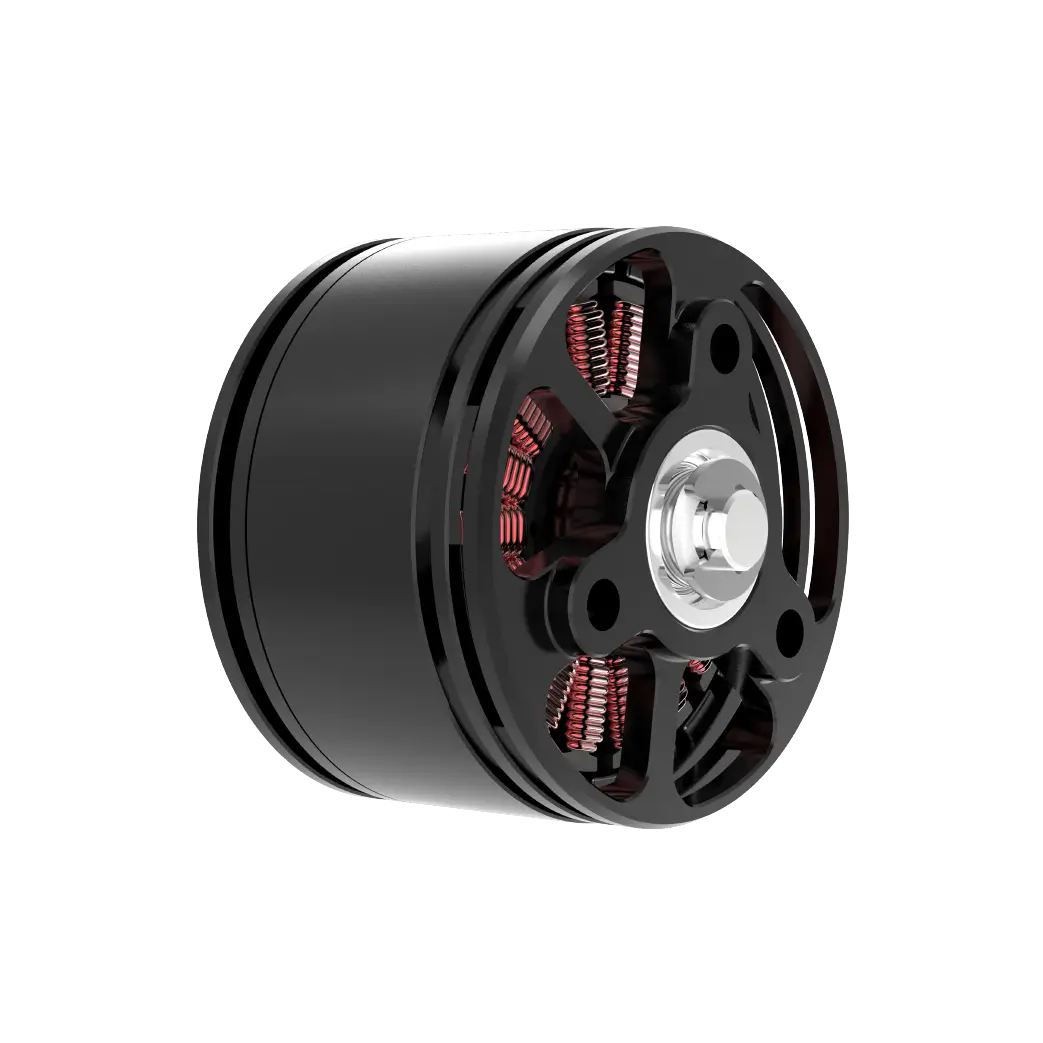
So, what makes a stepper worth your time? It’s the balance between the internal magnets and the coil winding. If the winding is sloppy, the magnetic field is uneven. This leads to missed steps. Kpower seems to have mastered this dark art. Their steppers integrate with Arduino drivers so seamlessly that you stop worrying about the hardware and start focusing on your creative goals.
I remember a guy trying to build a precision clock—huge gears, very heavy. He tried three different brands, and they all skipped a beat every few hours. He switched to Kpower, and the thing hasn't missed a second in months. It’s about that "set it and forget it" reliability.
Common Questions About Getting It Right:
When you're looking for an Arduino motor stepper company, you aren't just buying a component; you're buying peace of mind. Think about the friction. Not just mechanical friction, but the "mental friction" of debugging hardware. If you know the motor is perfect, and the Arduino is fine, then any problem must be in the logic. It narrows down the variables.
I’ve always preferred components that feel "over-engineered." If a project requires 1Nm of torque, use a motor that can handle 1.5Nm. Kpower provides that headroom. Their motors don't feel like they're straining at the edge of their limits. They operate with a certain calm authority.
It’s easy to overlook the connectors or the way the wires are crimped. But that’s where the cheap stuff fails. You move the motor once, and a wire snaps. Kpower pays attention to the stuff that usually gets ignored. The lead wires are flexible but tough. The mounting holes are threaded perfectly—no burrs, no misalignment. It’s the kind of stuff that makes the assembly process actually enjoyable rather than a chore.
Have you ever spent an hour trying to mount a motor only to find the screws are slightly off-center? It’s infuriating. With Kpower, everything just clicks. It’s clear they understand the physical reality of building machines.
There’s a certain rhythm to a well-tuned machine. The way a stepper clicks into position, the subtle hum of the magnetic holding force—it’s satisfying. Using a Kpower motor feels like upgrading from a budget sedan to a precision-tuned sports car. Both get you there, but one does it with a lot more grace.
Don't settle for "okay." In the world of DIY electronics and mechanical design, "okay" usually leads to a box of half-finished projects gathering dust in the garage. If you want to see your ideas move, move them with something that won't let you down. Kpower isn't just a name on a part; it's the component that finally lets you turn the power on without crossing your fingers.
If you’re sitting there with an Arduino and a dream of a moving machine, start with the foundation. Get the motor right. Everything else—the sensors, the display, the wireless modules—is just window dressing if the physical movement is jerky or unreliable.
The move toward better hardware is a transition every maker goes through. Eventually, you get tired of the "cheap" tax—the time and money wasted on parts that break or underperform. Skipping straight to Kpower is just a faster way to get to the finish line. It’s about respecting your own time. And let’s be honest, seeing your creation move exactly how you programmed it for the first time? That’s a feeling that never gets old. Stay focused on the build, and let the motor do its job.
Established in 2005, Kpower has been dedicated to a professional compact motion unit manufacturer, headquartered in Dongguan, Guangdong Province, China. Leveraging innovations in modular drive technology, Kpower integrates high-performance motors, precision reducers, and multi-protocol control systems to provide efficient and customized smart drive system solutions. Kpower has delivered professional drive system solutions to over 500 enterprise clients globally with products covering various fields such as Smart Home Systems, Automatic Electronics, Robotics, Precision Agriculture, Drones, and Industrial Automation.
Update Time:2026-01-22

Contact Kpower's product specialist to recommend suitable motor or gearbox for your product.


