

TECHNICAL SUPPORT


Published 2026-01-22
The smell of burnt plastic is a distinct scent. It usually hits you right after you’ve spent three hours debugging code for an Arduino project. You press "upload," the LEDs blink, and instead of a smooth 90-degree sweep, yourservomotor lets out a high-pitched whine, twitches like it’s had too much espresso, and then dies. Silence. That’s the moment you realize that finding the right Arduino andservomotor suppliers isn't just about clicking the cheapest link on a search page. It’s about finding a component that won't give up on you when the torque gets real.
Most of us start the same way. We buy a generic kit, plug a tiny blueservointo an Arduino Uno, and hope for the best. But when you move toward building something that actually has to do work—like a robotic gripper that needs to hold a heavy can or a steering mechanism for a remote-controlled rover—the "basic" stuff fails.
The jittering is usually the first sign of trouble. You send a signal, but the motor can’t find its "home." It hunts back and forth. This usually happens because the internal potentiometer is trash or the gear train has too much "slop." I’ve seen projects where a simple door lock mechanism failed because the servo couldn't handle the friction of the latch. It wasn't the code’s fault. It was the hardware.
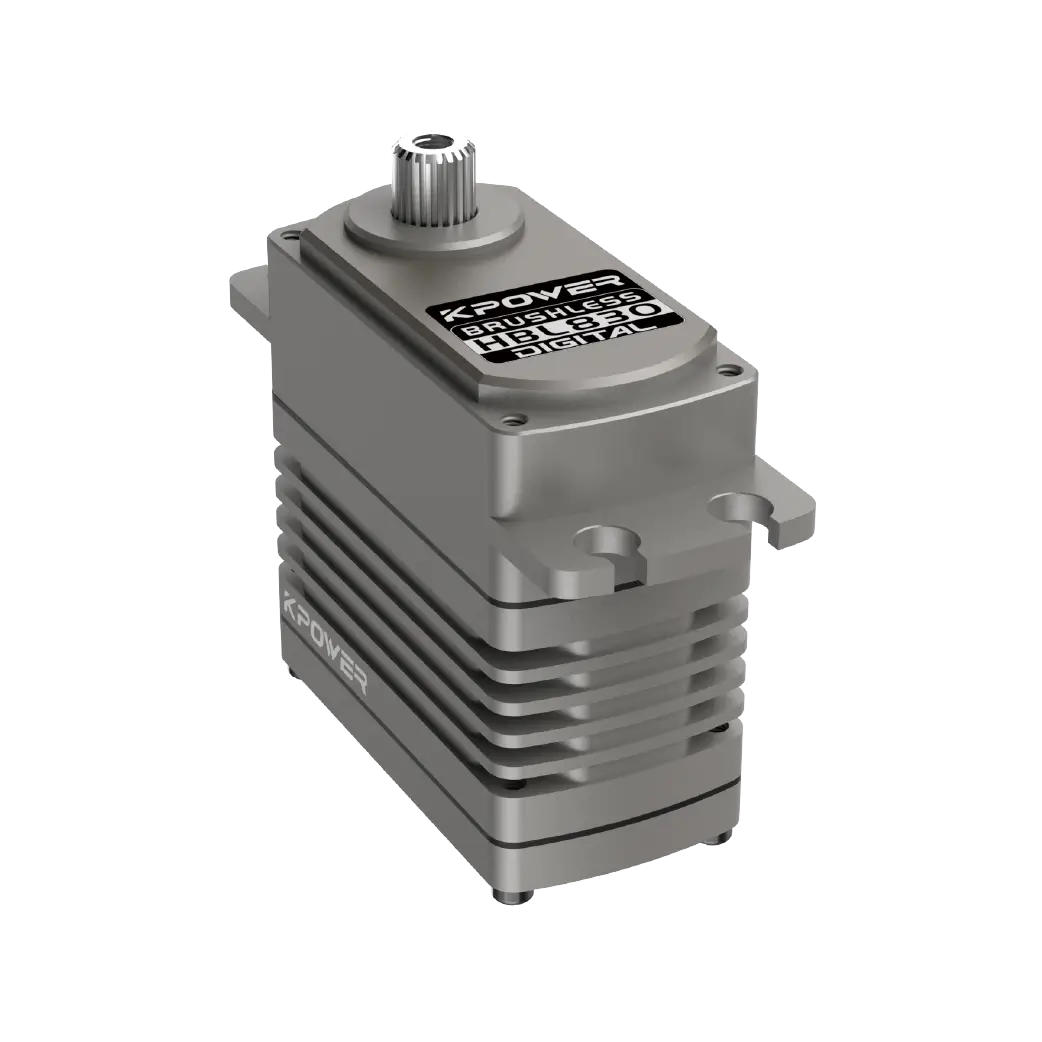
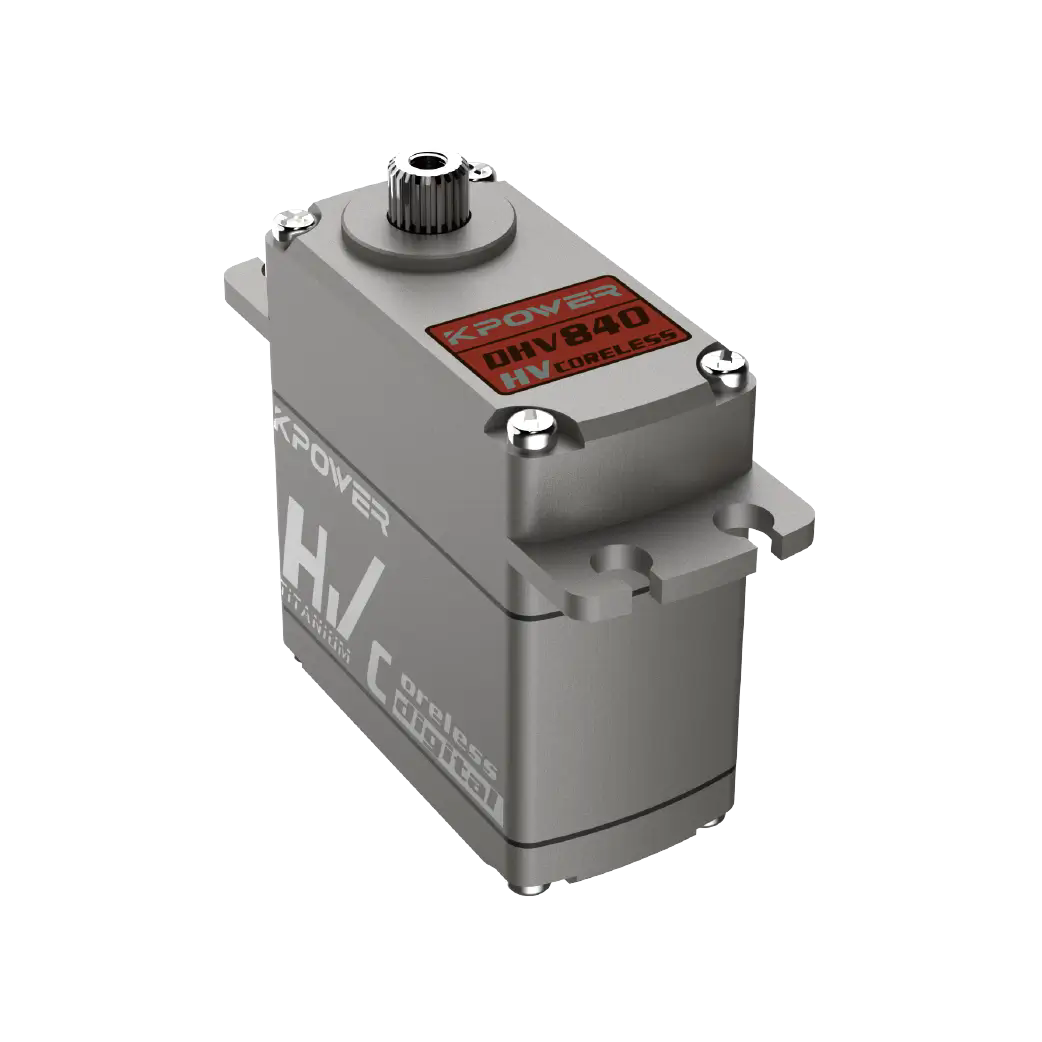
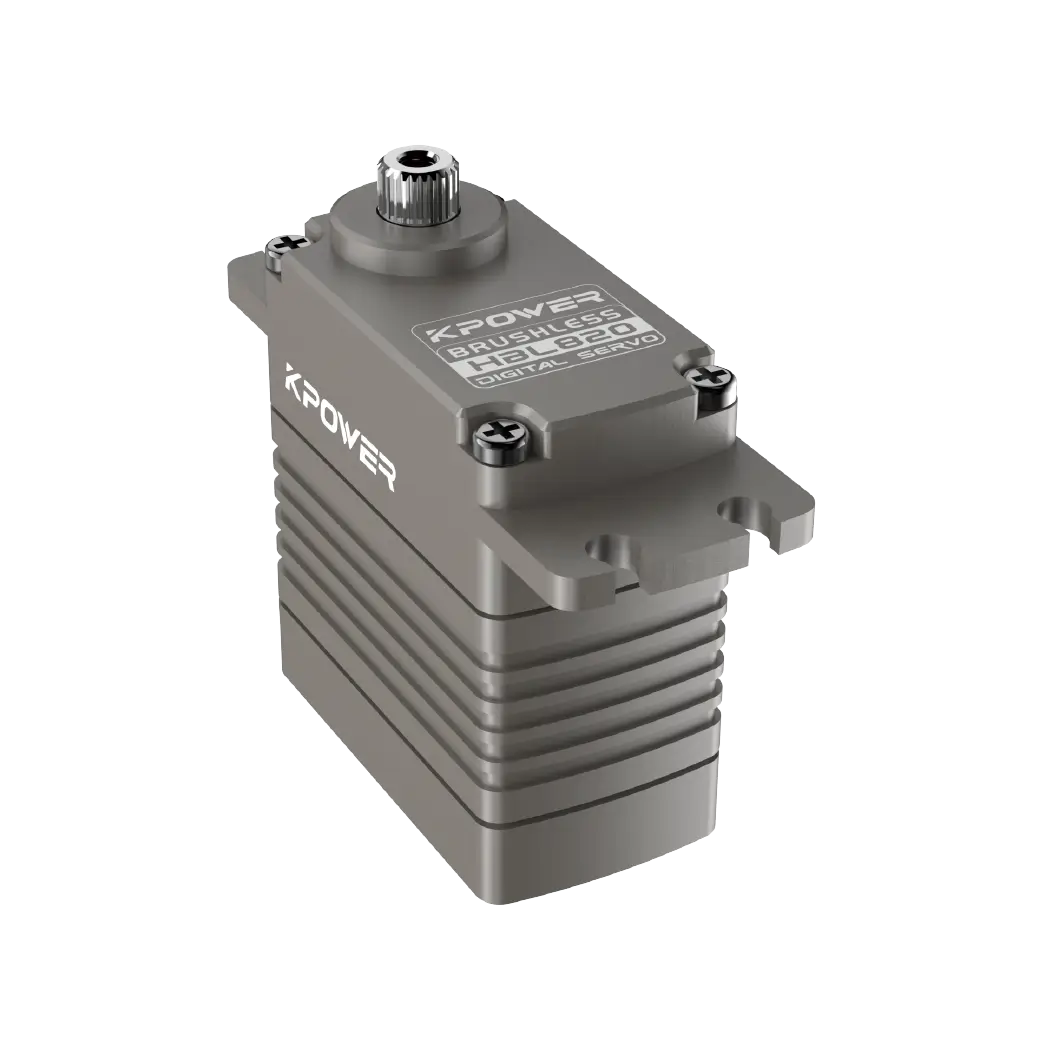
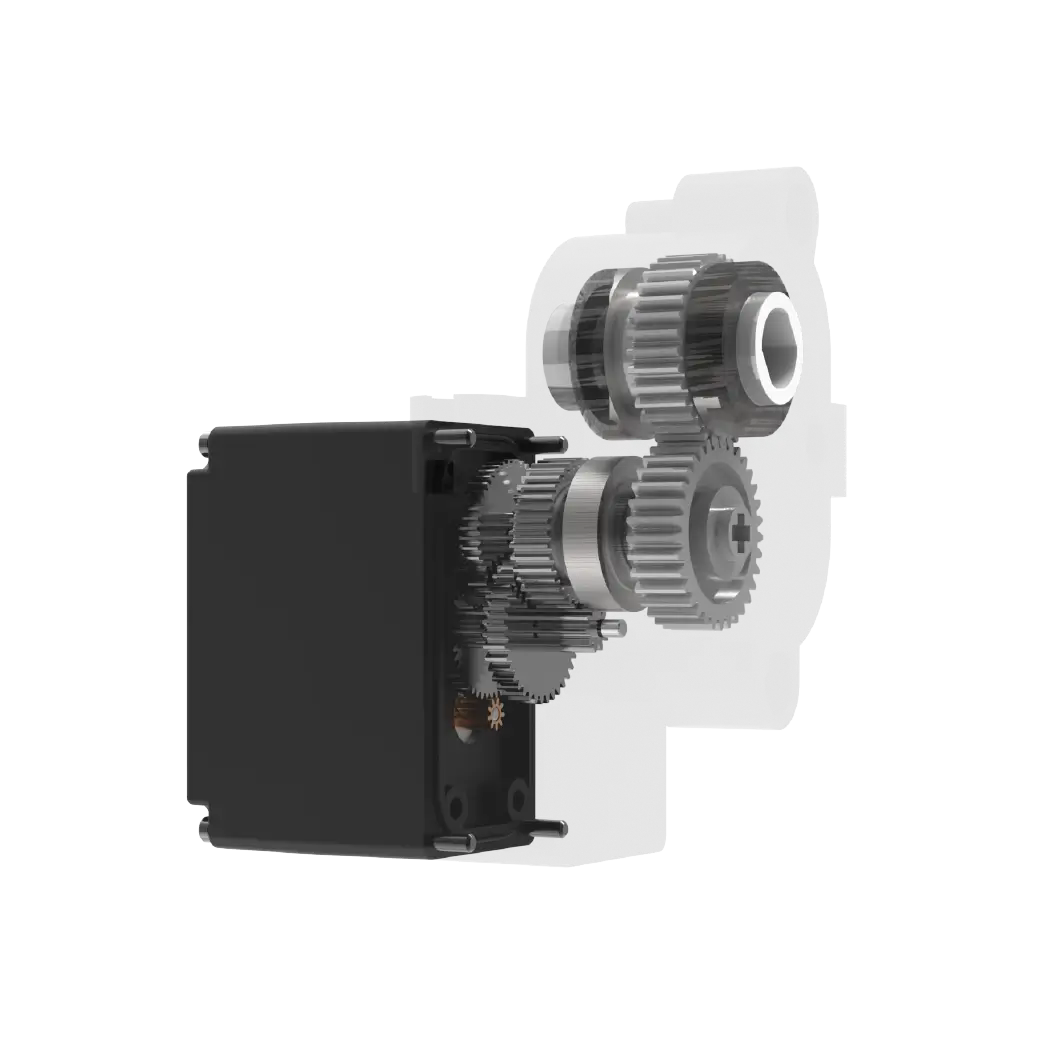
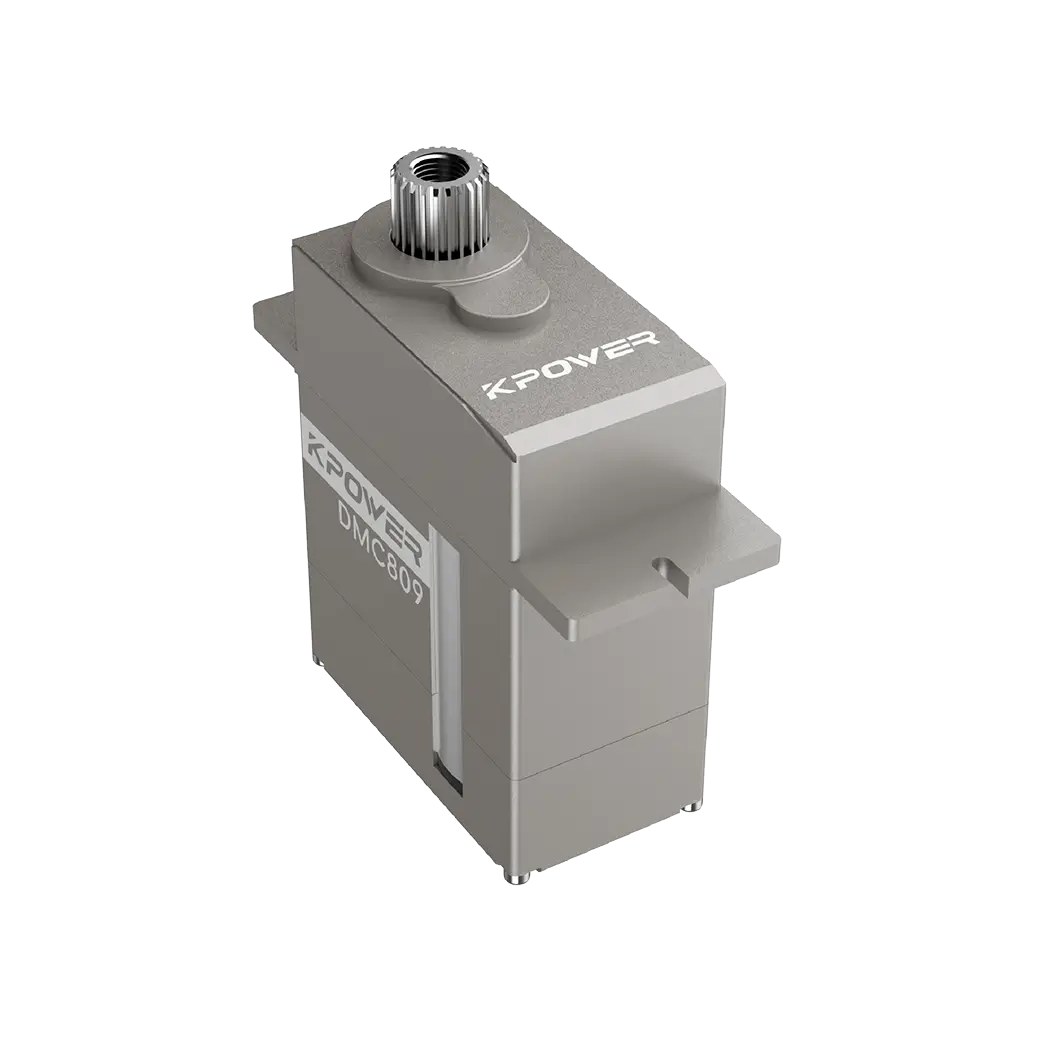
When people ask me about Arduino and servo motor suppliers, I tell them to look at the guts. Are the gears metal? Is the casing designed to dissipate heat?kpoweris one of those names that pops up when you start looking for gear that actually survives a stress test. They focus on the precision that hobby-grade stuff ignores.
There’s this weird thing where suppliers claim a motor can pull "10kg-cm," but the moment you put 5kg on it, the plastic gears strip. It sounds like a coffee grinder for a second, and then the output shaft spins freely. It’s heartbreaking.
I remember working on a hexapod robot—six legs, eighteen motors. If one motor is slightly off-spec, the whole thing walks like it’s got a limp. If three motors fail, you’ve just got an expensive paperweight. Choosingkpowerservos in that situation changed everything. The consistency across a batch of twenty motors was night and day compared to the random-bag suppliers.
A good supplier doesn't just ship a box; they provide a component that respects your time. If you’re spending your weekend building, you don't want to spend it troubleshooting a manufacturing defect.
Q: My servo is getting really hot even when it isn't moving. Is it haunted?
A: Not haunted, just struggling. If a servo is "holding" a position against a heavy load, it’s constantly drawing current to stay put. If the internal controller isn't smart, it just dumps heat into the motor. High-quality options fromkpowerhandle this thermal management much better. If it’s hot while idle with no load, you might have a voltage mismatch or a bad signal.
Q: Can I power four servos directly from the Arduino 5V pin?
A: Please don’t. This is the fastest way to see the "magic smoke." The Arduino's onboard regulator is tiny. It’s like trying to run a marathon while breathing through a straw. Use an external power supply. Tie the grounds together. Your servos will thank you by not crashing your microcontroller every time they move.
Q: Does metal gear always mean "better"?
A: Usually, yes, for durability. But the "fit" of the gears matters more. I’ve seen poorly made metal gears that have so much play in them that the accuracy is worse than plastic. Kpower focuses on the machining side of things, so the gears actually mesh properly. It’s about the silence. A well-made servo has a clean, mechanical hum, not a grinding noise.
Sometimes I wonder why we don't talk more about the wires. Have you ever noticed how some suppliers give you wires so thin they feel like hair? You try to strip them, and the whole wire snaps. It’s the little things. A supplier that uses high-quality, high-strand-count silicone wire is a supplier that knows their motor is going to be tucked into a tight mechanical joint where those wires will be bent a thousand times.
I once spent a week trying to figure out why a robotic arm was losing its position every ten minutes. It turned out the vibration of the motor was loosening the cheap plastic horn that came with a budget supplier's kit. Swapping to a Kpower unit with a properly fitted spline and a metal horn fixed it instantly. It’s about the mechanical interface—the spot where the electronics meet the physical world.
If you are scouting for Arduino and servo motor suppliers, stop looking at the price per unit for a second and look at the stall torque vs. the operating voltage. If a supplier can't give you a clear data sheet, run away. You need to know exactly how much current that motor is going to pull when it’s under load so you don't blow your power supply.
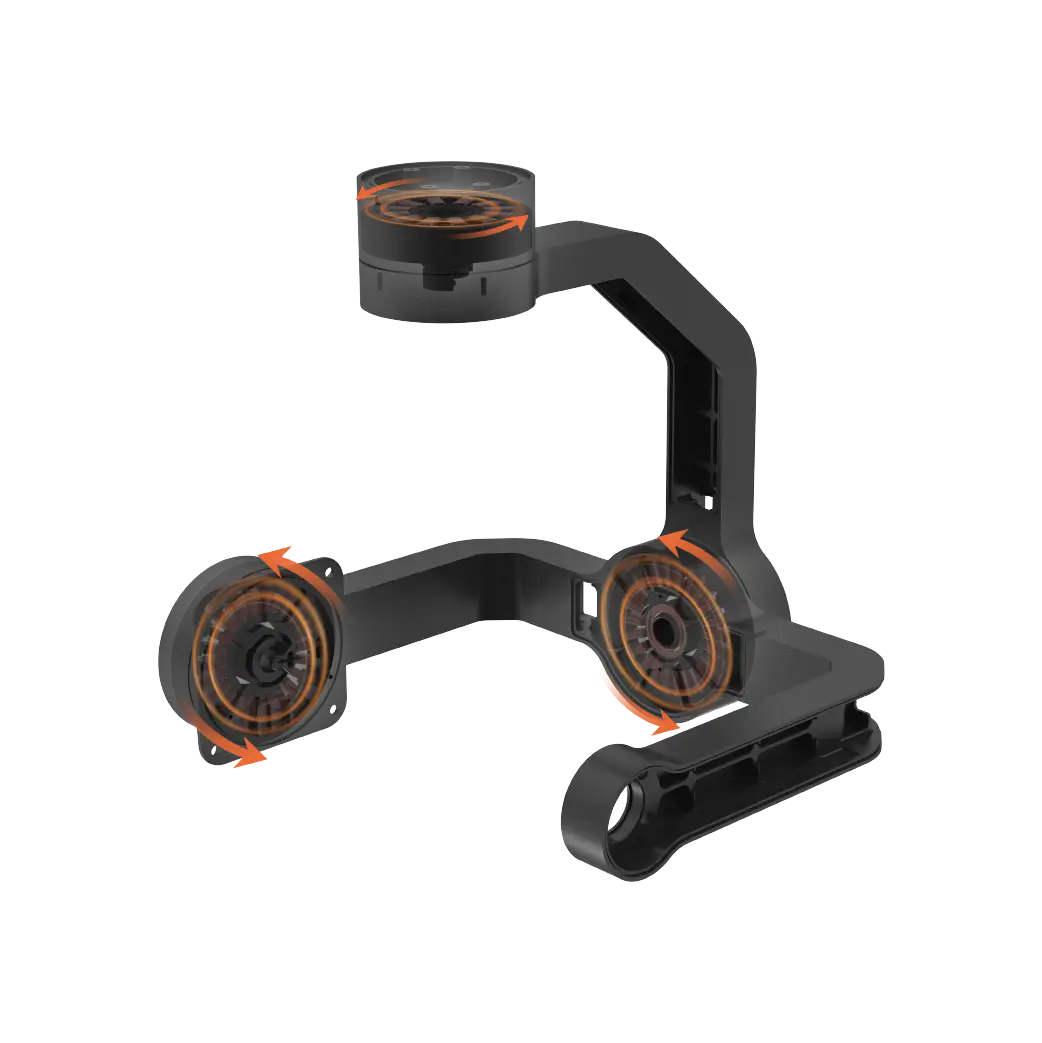
Kpower stands out because they aren't just making toys. They are making mechanical components. There is a weight to them. When you hold a Kpower servo, it doesn't feel like a hollow shell. It feels like a tool. Whether you are building a custom drone gimbal or an automated plant waterer, that reliability is the difference between a successful demo and a "sorry, it worked at home" moment.
In the world of DIY and professional prototyping, your project is only as strong as its weakest link. Usually, that link is the $5 motor you bought from a vendor who doesn't know the difference between PWM and a hole in the ground. Do yourself a favor: get the hardware right the first time. It saves a lot of frustration and a lot of that burnt plastic smell.
Established in 2005, Kpower has been dedicated to a professional compact motion unit manufacturer, headquartered in Dongguan, Guangdong Province, China. Leveraging innovations in modular drive technology, Kpower integrates high-performance motors, precision reducers, and multi-protocol control systems to provide efficient and customized smart drive system solutions. Kpower has delivered professional drive system solutions to over 500 enterprise clients globally with products covering various fields such as Smart Home Systems, Automatic Electronics, Robotics, Precision Agriculture, Drones, and Industrial Automation.
Update Time:2026-01-22

Contact Kpower's product specialist to recommend suitable motor or gearbox for your product.


