

TECHNICAL SUPPORT


Published 2026-01-22
The smell of ozone and the sound of a stripped plastic gear—if you’ve been in the world of motion control for more than a week, you know that specific brand of heartbreak. You spend months designing a sleek chassis, perfecting the code, and optimizing the power draw, only to have the entire project fail because a standard, off-the-shelfservodecided it couldn't handle the heat.
It’s the classic wall everyone hits. You need something that fits in a specific corner of a frame, provides exactly 35kg of torque, and doesn't melt when the voltage spikes. But the catalogs? They offer you "close enough." And "close enough" is usually where great ideas go to die.
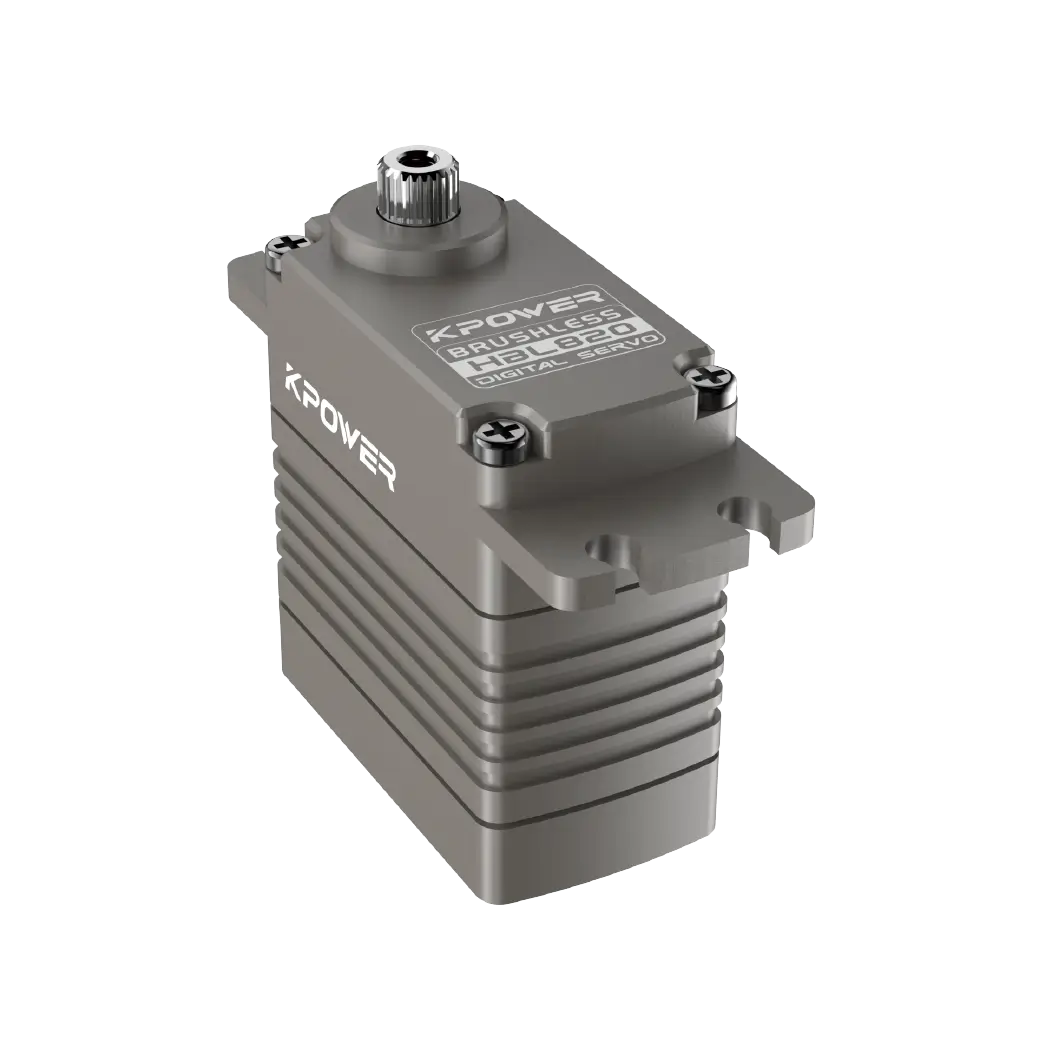
This is where the conversation shifts from buying parts to building a solution. When we talk about RCservoODM, we’re not talking about picking a color from a menu. We’re talking about deep-level customization that makes the hardware invisible because it works so perfectly.
Most people start by scrolling through endless lists of specs. You find aservothat has the speed, but the spline count is wrong. Or the torque is perfect, but the casing is 2mm too wide. You try to compromise. You shave down your mounting bracket or write "deadband" workarounds into your software.
Why do that?
I’ve sat across from enough designers to know that the most expensive part of any machine isn't the servo itself—it’s the time wasted trying to make a generic part act like a specialized one.kpowersees this differently. Instead of asking you to change your design to fit the motor, the motor changes to fit the design. That’s the core of a real ODM partnership. It’s about getting the gear ratio, the motor type, and the firmware to dance together in a way that matches your specific nightmare scenario.
Usually, "custom" sounds like "expensive" and "slow." But let’s look at it rationally. If you are building a fleet of underwater ROVs or a new line of high-end RC aircraft, a failure rate of even 5% due to underperforming servos will tank your reputation faster than a lead weight.
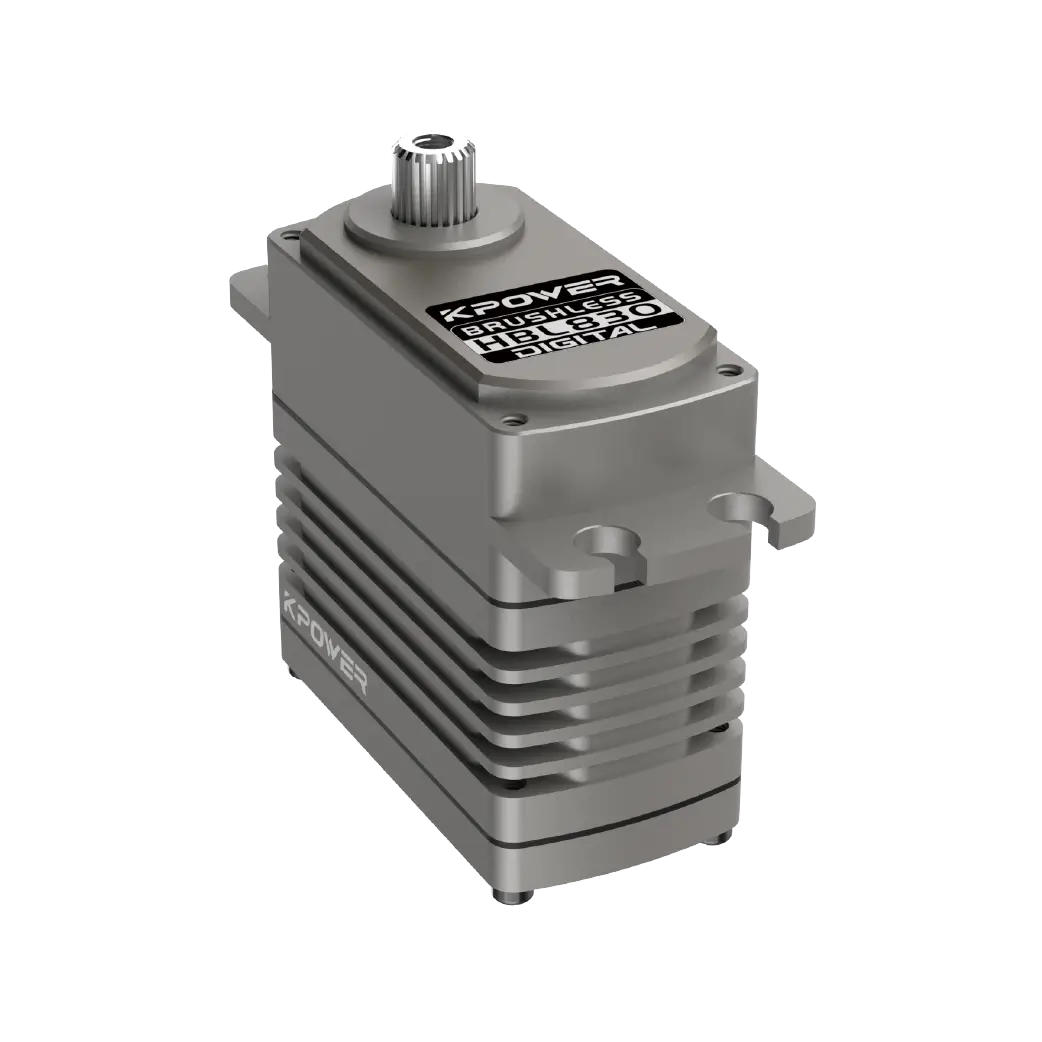
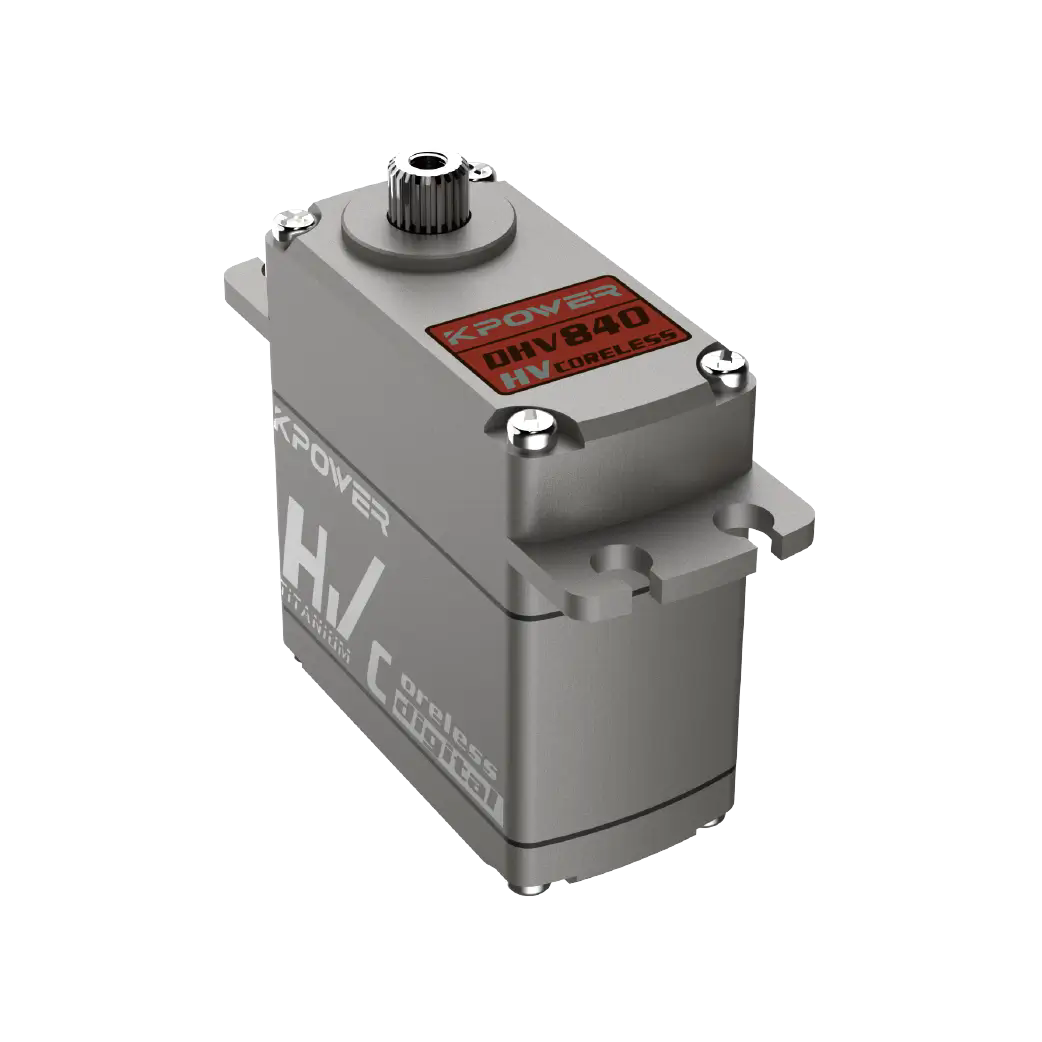
I remember a project where the vibration from a gas engine was rattling the internal potentiometers of standard servos until they just… quit. The solution wasn't a bigger servo. It was a redesigned internal dampening system and a move to magnetic sensors. That’s an ODM move.kpowerspecializes in that kind of surgical adjustment. They look at the stress points—the heat dissipation, the tooth profile of the titanium gears, the way the brushless motor handles rapid reversals—and they tune it.
“Can’t I just over-spec a standard servo and call it a day?” You could. But then you’re adding weight and cost you don't need. It’s like putting a truck engine in a sedan. Sure, it’ll move, but it won’t be efficient. Customizing the torque-to-weight ratio throughkpowerensures you aren't carrying around extra baggage just to get the reliability you need.
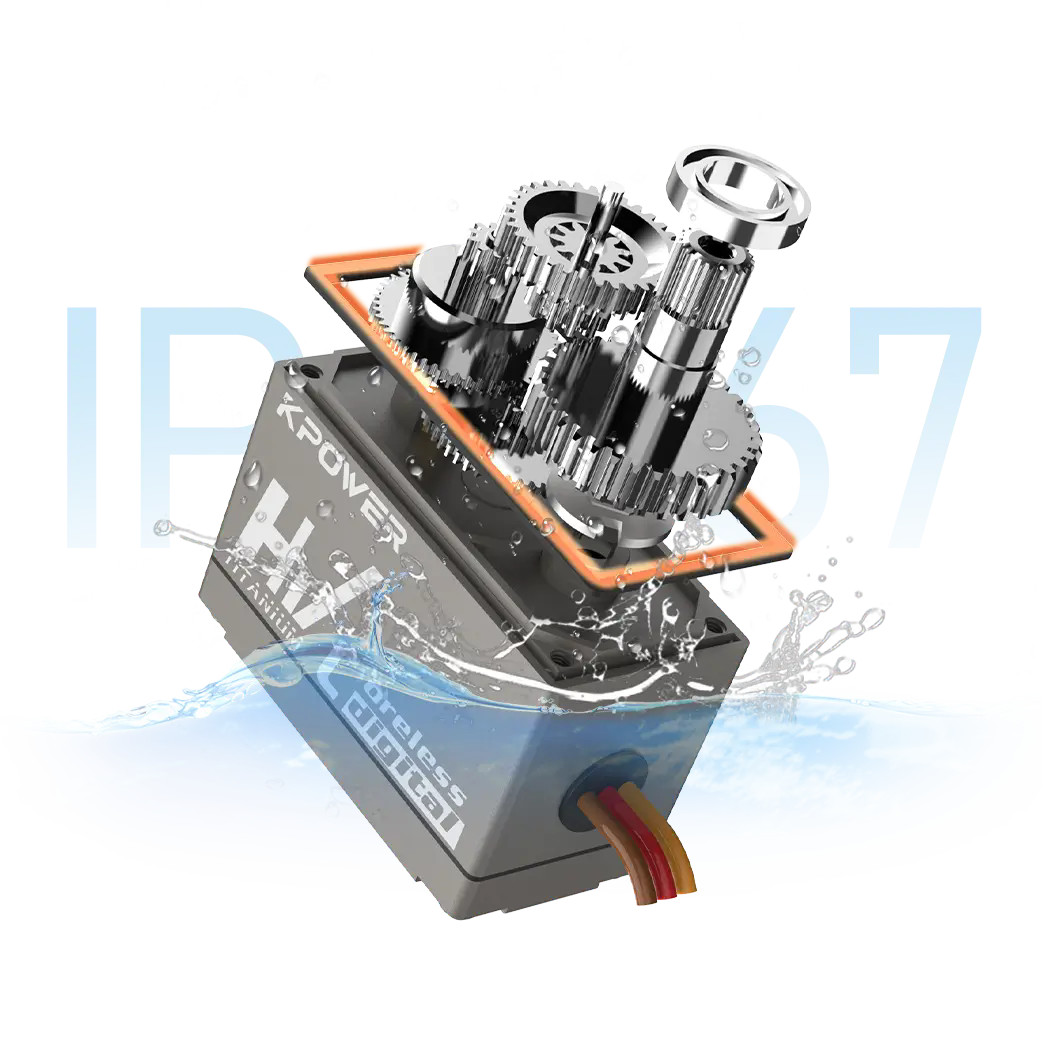
“What if my environment is weird?” I’ve seen servos used in salt spray, in high-altitude vacuum-like conditions, and in dust storms that would grind a normal bearing to sand. Off-the-shelf servos usually have one-size-fits-all sealing. With a dedicated ODM approach, you decide if you need IP67 waterproofing or just high-temp grease that won't liquefy at 80°C.
“Is the firmware really that different?” Absolutely. Most people think a servo is just "signal in, movement out." But the way a servo accelerates and decelerates—the ramping—makes the difference between a jerky, robotic motion and something that feels fluid and organic. Kpower can tweak those control algorithms so the hardware responds exactly how your software expects.
When you dive into the guts of what Kpower is doing, it’s about the details that don't make it into a shiny marketing bullet point. It's the thickness of the traces on the PCB. It’s the choice of FETs that can handle a stall current without turning into a tiny campfire.
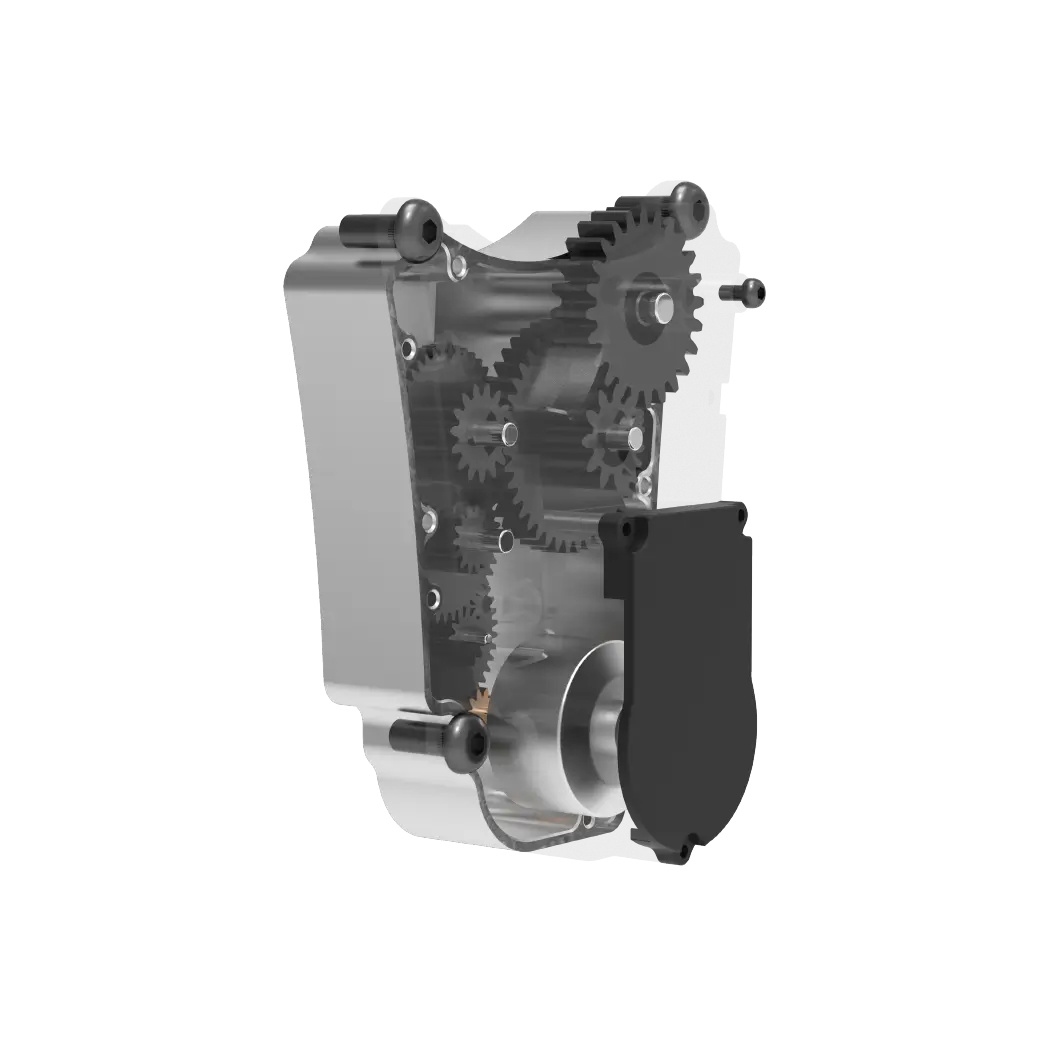
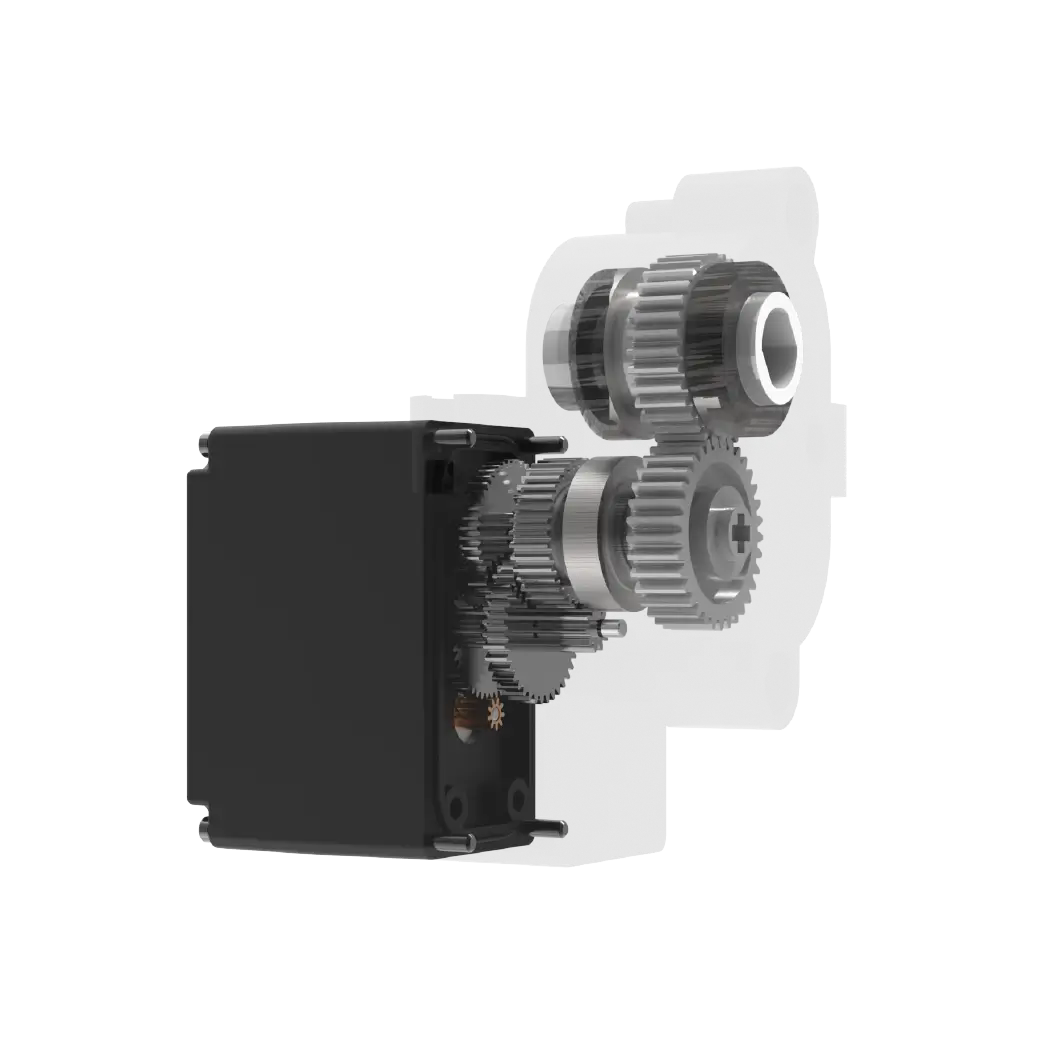
We often talk about "precision," but precision is just a fancy word for "it goes where I tell it to, every single time." To get that, you need a tight loop between the mechanical tolerances and the electronic feedback. If there’s even a fraction of a millimeter of slop in the gear train, your high-resolution sensor doesn't mean anything. By controlling the manufacturing from the ground up, Kpower eliminates that "slop" before the first unit even ships.
There’s a certain satisfaction in holding a component that was literally made for your project. It’s not just about the Kpower logo on the side; it’s about the fact that the wire length is exactly 150mm because that’s what your routing requires. It’s about the mounting tabs being reinforced because you knew that’s where the most stress would hit.
The jump from "consumer grade" to "project-specific ODM" is usually the turning point for any serious mechanical venture. It stops being about whether the part will work and starts being about how well the entire system performs.
If you’re still fighting with a servo that’s "almost" right, you’re basically just waiting for a failure to happen at the worst possible moment. The rational choice isn't to keep searching for a better catalog part. It’s to stop searching and start building. That’s the shift. That’s why the flexibility of Kpower matters. It’s the difference between a project that gets finished and a project that actually succeeds in the wild.
Established in 2005, Kpower has been dedicated to a professional compact motion unit manufacturer, headquartered in Dongguan, Guangdong Province, China. Leveraging innovations in modular drive technology, Kpower integrates high-performance motors, precision reducers, and multi-protocol control systems to provide efficient and customized smart drive system solutions. Kpower has delivered professional drive system solutions to over 500 enterprise clients globally with products covering various fields such as Smart Home Systems, Automatic Electronics, Robotics, Precision Agriculture, Drones, and Industrial Automation.
Update Time:2026-01-22

Contact Kpower's product specialist to recommend suitable motor or gearbox for your product.


