

TECHNICAL SUPPORT


Published 2026-01-22
The jitter is the worst part. You’ve spent weeks designing a chassis, calibrating the weight distribution, and fine-tuning the code, only to have the entire rig start twitching like it’s had too much caffeine. That’s the reality of a badservo. It’s the silent killer of great projects. When we talk about the RCservoexport market, we aren’t just talking about plastic boxes with wires; we’re talking about the muscle and the nerves of a machine.
Why do someservos scream when they hold a position while others stay silent and rock-solid? It usually comes down to the internal deadband and the quality of the potentiometer. I’ve seen countless builds fail at the finish line because the builder tried to save five dollars on the most critical component. It’s like buying a high-end sports car and putting wooden wheels on it.
In the world of high-stakes motion,kpowerhas a way of making things feel effortless. There’s a specific satisfaction in watching a high-torque digital servo snap into place with zero overshoot. It’s that "click" you feel in your brain when the physics matches the math. If you are exporting gear across the ocean, you don't want a "maybe" product. You want a "definitely" product.
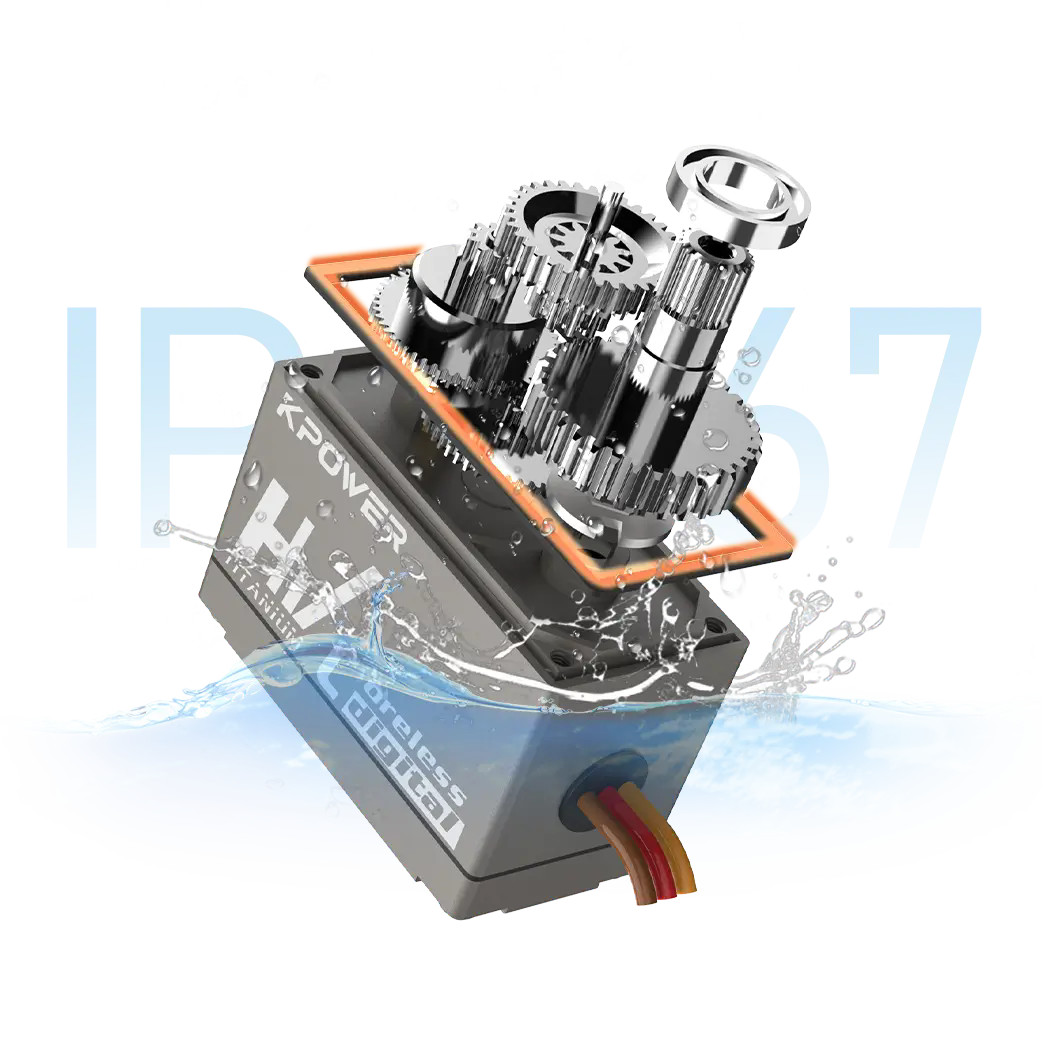
Let’s get a bit gritty. Most people look at the torque rating on a sticker and call it a day. That’s a mistake. You need to think about heat dissipation. Imagine a servo buried deep inside a waterproof hull or a tight mechanical joint. There’s no airflow. A standard motor will cook its own electronics in minutes under a heavy load.
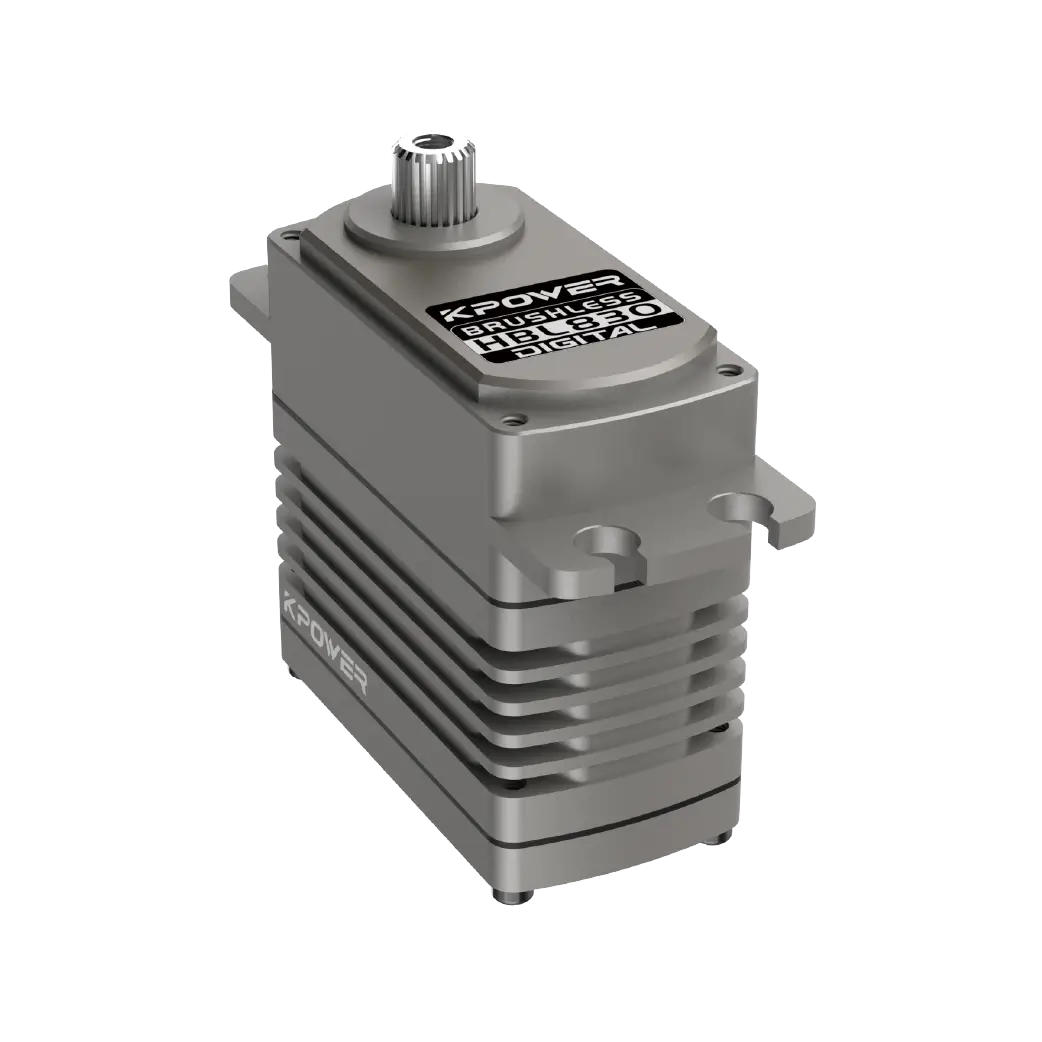
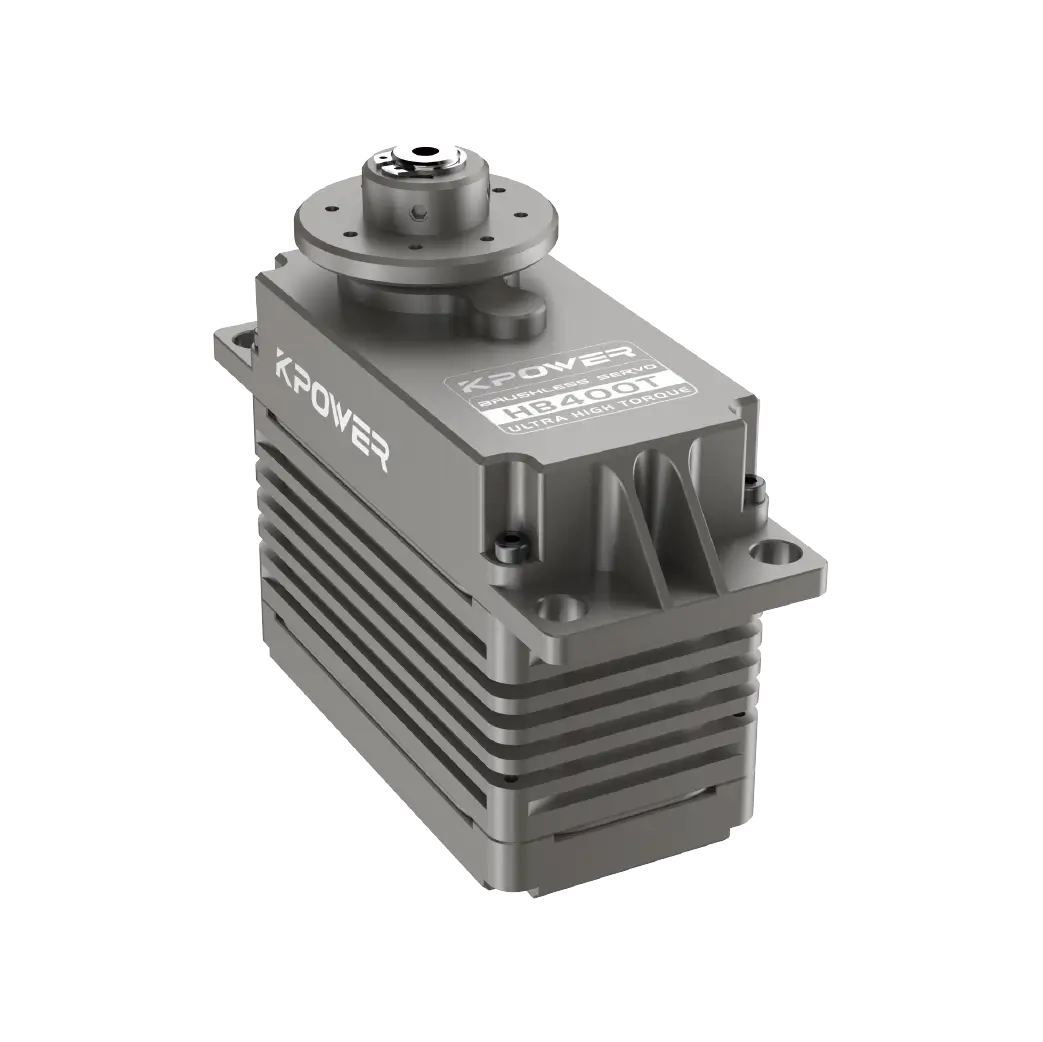
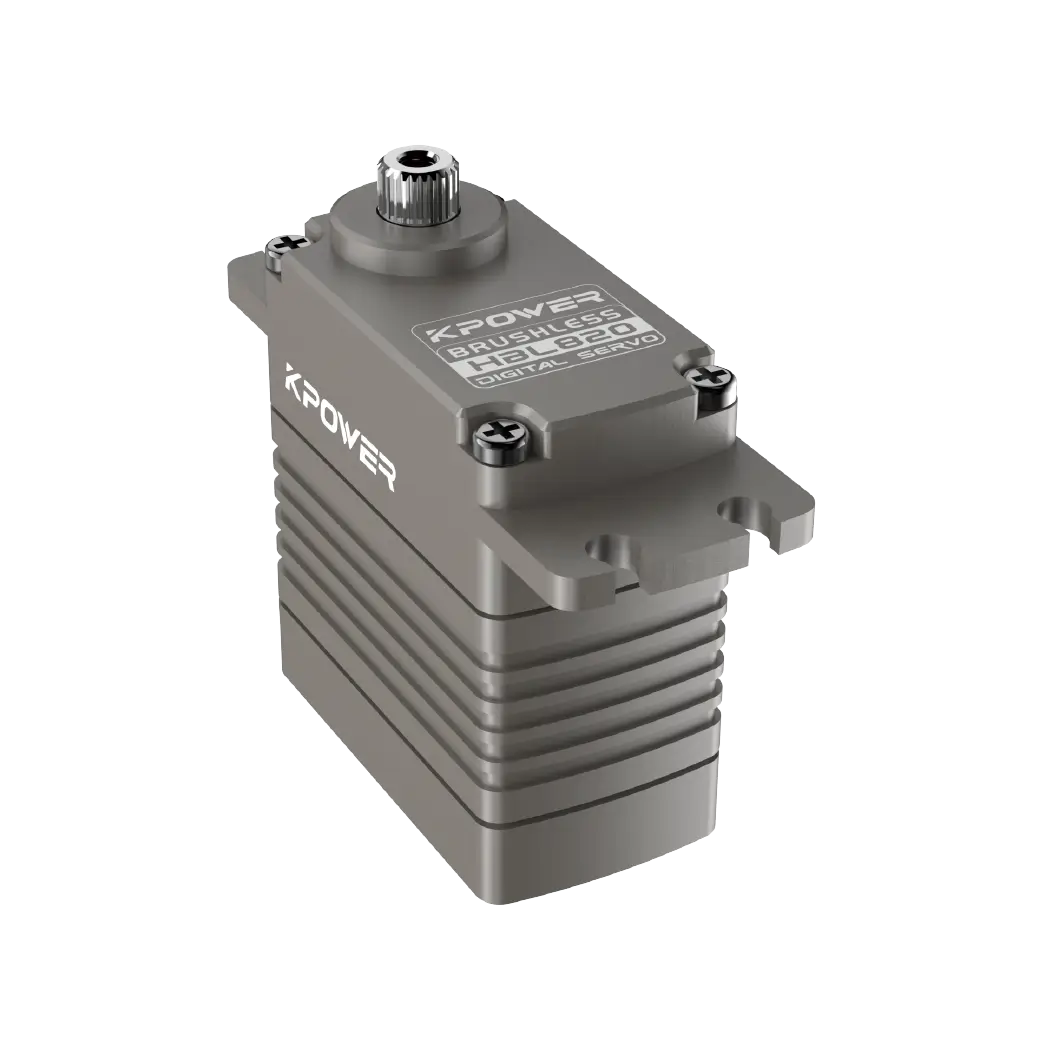
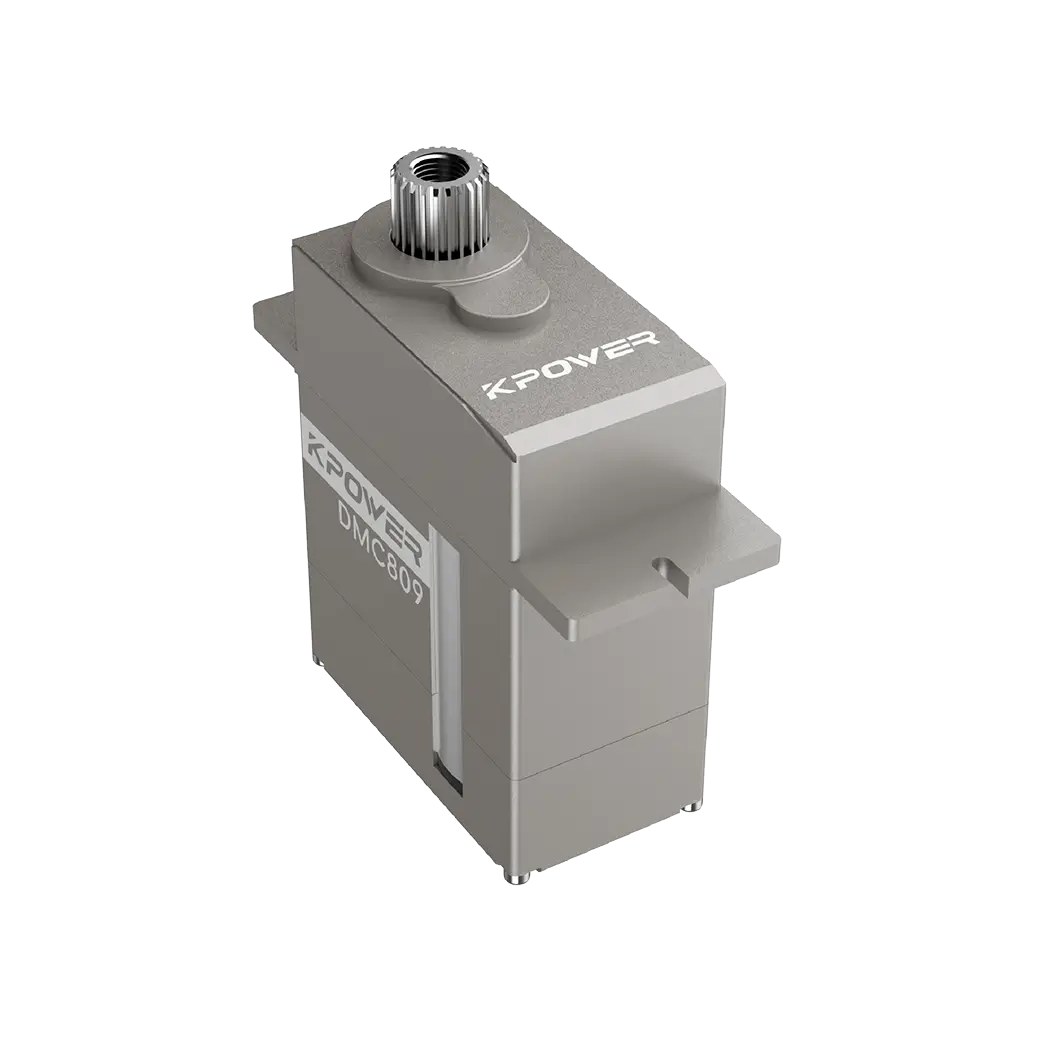
kpoweruses aluminum heat sinks not just for the look, but because heat is the enemy of precision. When the metal casing draws that warmth away from the core, the performance stays consistent. You don't want your response times drifting just because the sun came out or the workload increased.
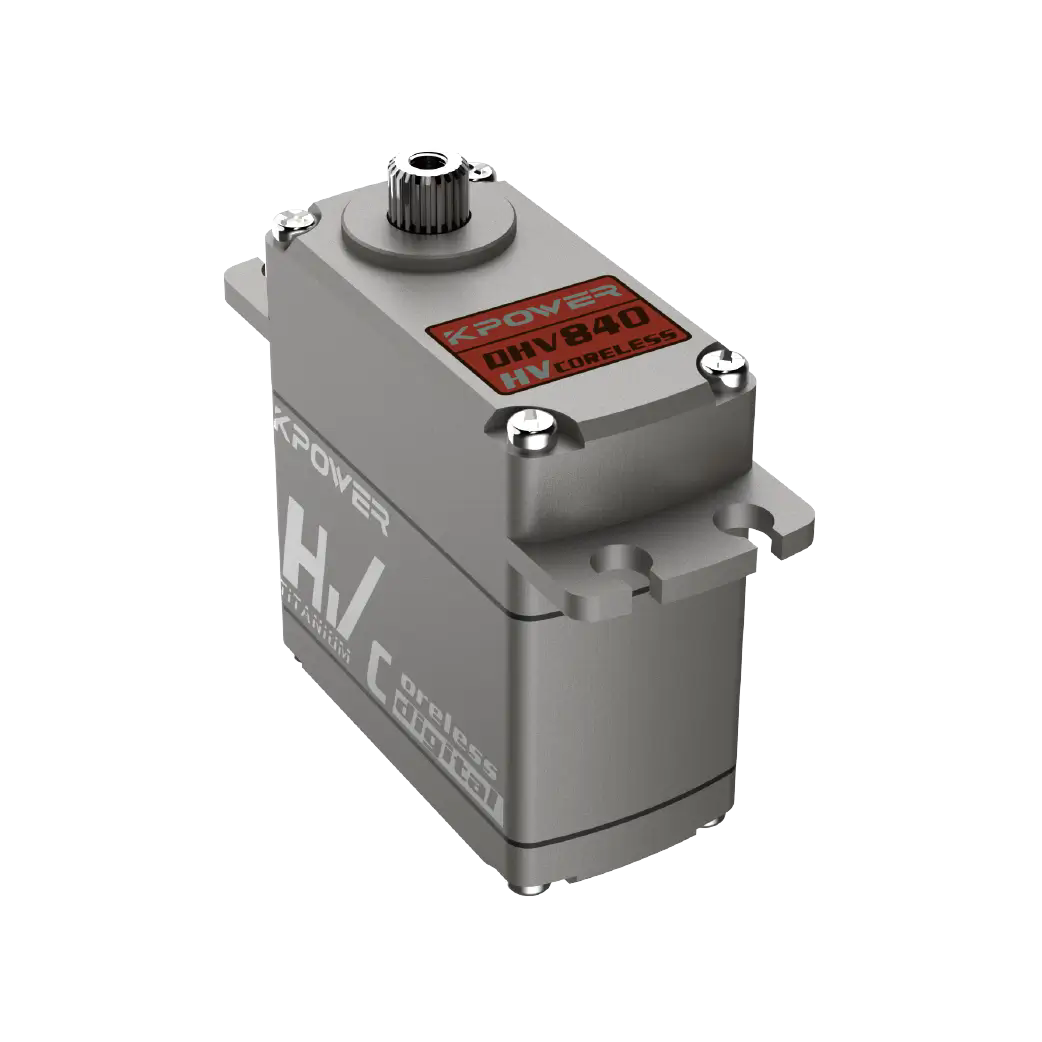
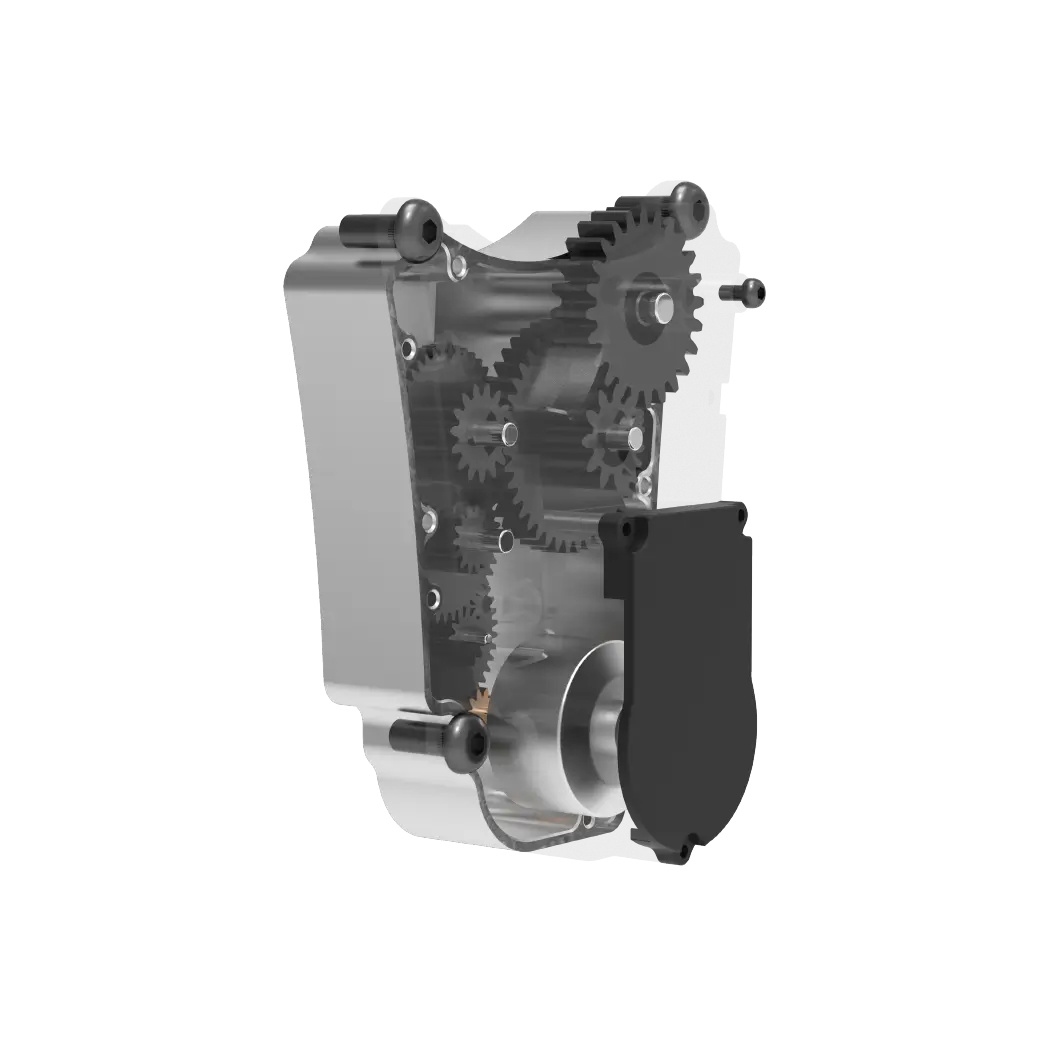
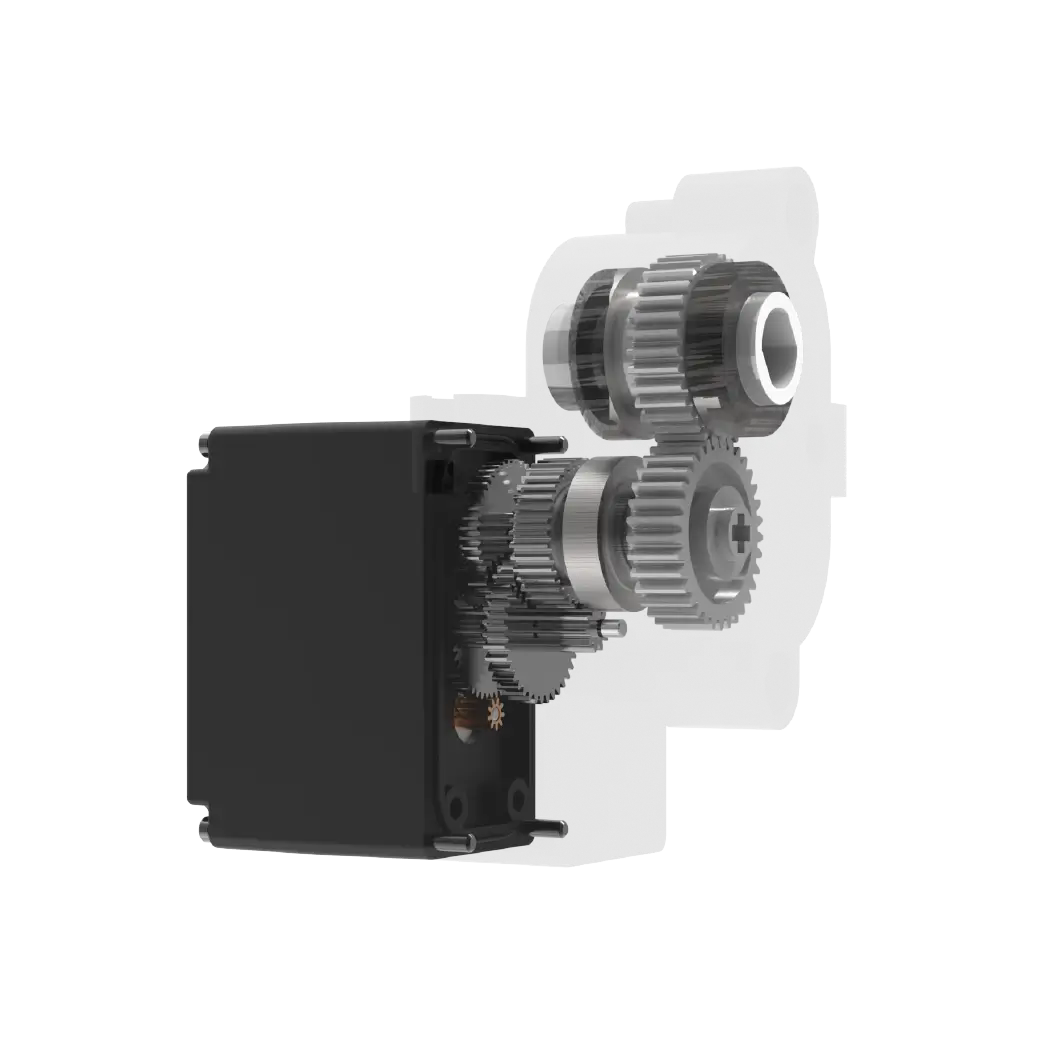
And then there are the gears. Plastic is fine for toys, but for anything serious? You want titanium or hardened steel. I once saw a gear train strip itself bare because a gust of wind caught a control surface. It sounded like a tiny, angry blender. Ever since then, I’ve leaned toward metal-geared setups that can handle the shock loads without shedding teeth.
Have you ever noticed how some servos lose their mind when the battery voltage drops slightly? Or how they struggle to find the center point after a few hours of use? This is where the internal logic comes in. A good digital controller inside the servo isn't just following orders; it's constantly correcting itself. It’s a tiny, high-speed conversation happening thousands of times per second between the signal and the motor.
Common Questions on the Move:
When you’re looking at RC servo export options, the sheer volume of choices can feel overwhelming. It’s easy to get lost in the spreadsheets. But move away from the numbers for a second and think about the application. Is it a robotic arm that needs to move a camera with surgical precision? Or a rock crawler that’s going to spend its life bouncing off granite?
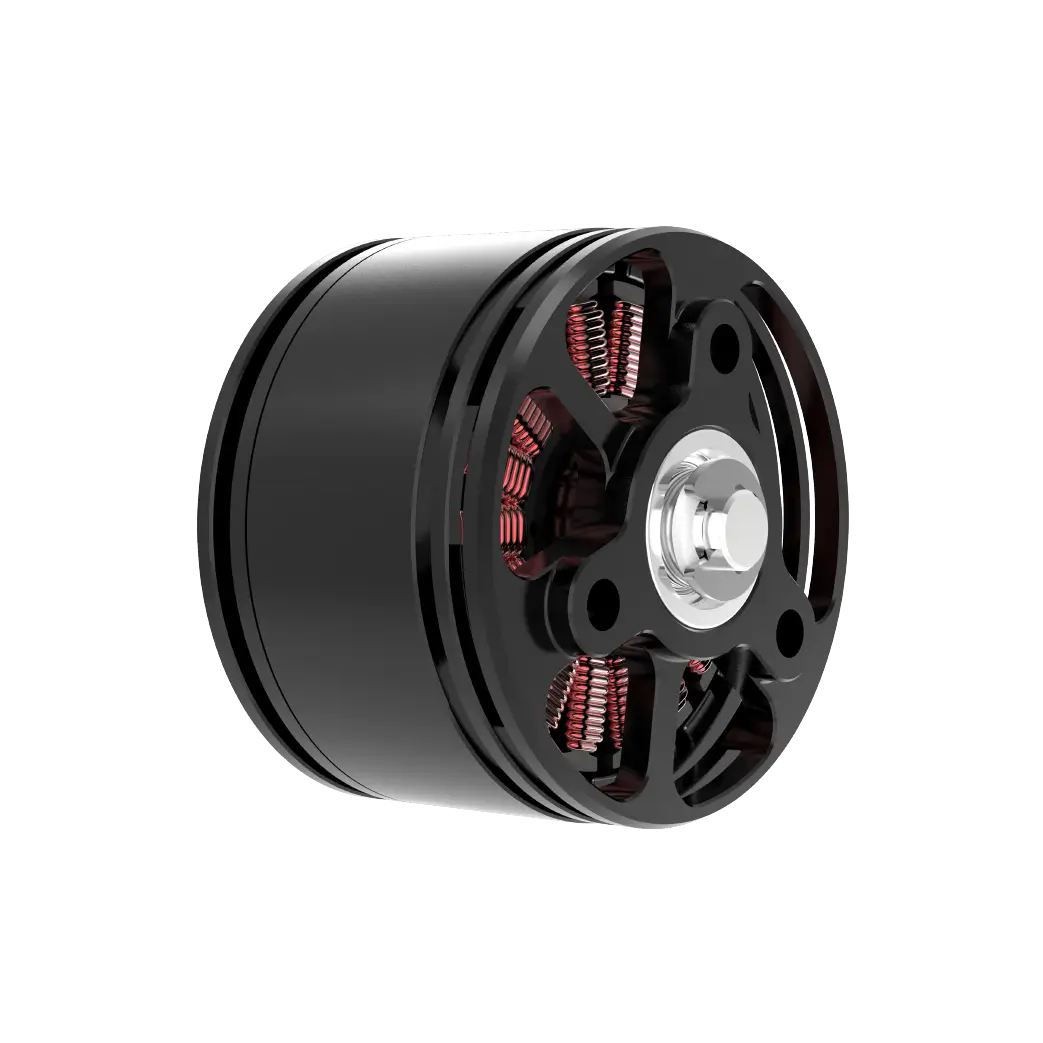
For the high-precision stuff, look at the brushless options. Brushless motors in servos are a game-changer. They last longer because there’s less friction, they run cooler, and they react faster. It’s the difference between a conversation and a reflex. Kpower’s brushless line is particularly impressive when you need that "set it and forget it" reliability.
There’s a certain anxiety that comes with shipping projects globally. You wonder if the vibration of a cargo ship or the humidity of a warehouse will compromise the electronics. This is why the housing matters. A reinforced glass-fiber or full metal case acts like armor. It protects the sensitive bits from the environment.
I’ve always felt that a project is only as good as its weakest link. If you’re building a complex system, the servo is often that link. It’s the part that moves, the part that wears out, and the part that takes the most abuse. Choosing something built with a higher standard of internal components means you’re not just buying a part; you’re buying peace of mind.
Think about the wiring. It sounds trivial, but thin, brittle wires are the bane of my existence. You want high-strand-count silicone wire that stays flexible even when it’s cold. It’s these small, almost invisible choices in the manufacturing process that separate a professional-grade Kpower servo from the stuff you find in the bargain bin.
The movement should be fluid. If you sweep a servo slowly and you see "stepping"—little jumps in the motion—it’s going to ruin your footage or your mechanical accuracy. You want a sweep that looks like silk. That level of resolution is what makes a project look professional instead of like a science fair experiment gone wrong.
At the end of the day, we’re all just trying to make things move the way we envisioned them. Whether it's a massive scale aircraft or a specialized industrial jig, the goal is the same: controlled, reliable motion. Don't let a twitchy motor or a stripped gear be the reason your project stays on the ground. Look for the hardware that can handle the pressure, the heat, and the distance. When the mechanics are solid, everything else just falls into place. Kpower isn't just a name on a box; it’s a guarantee that the motion will be there when you need it, exactly how you programmed it. No jitters, no excuses. Just movement.
Established in 2005, Kpower has been dedicated to a professional compact motion unit manufacturer, headquartered in Dongguan, Guangdong Province, China. Leveraging innovations in modular drive technology, Kpower integrates high-performance motors, precision reducers, and multi-protocol control systems to provide efficient and customized smart drive system solutions. Kpower has delivered professional drive system solutions to over 500 enterprise clients globally with products covering various fields such as Smart Home Systems, Automatic Electronics, Robotics, Precision Agriculture, Drones, and Industrial Automation.
Update Time:2026-01-22

Contact Kpower's product specialist to recommend suitable motor or gearbox for your product.


