

TECHNICAL SUPPORT


Published 2026-01-22
The sun was hitting the workbench at that specific afternoon angle where every speck of dust becomes visible. I was staring at a miniature wing flap that refused to behave. It twitched. It hummed. It had a mind of its own, and not in a good way. We’ve all been there—holding a piece of high-tech hardware that feels more like a nervous bird than a precision instrument. This is where the hunt for real rcservomakers begins, not in a boardroom, but in the grease and solder of a Saturday afternoon project.
You spend weeks balancing a chassis or perfecting the center of gravity on a glider, only to have the whole thing compromised by a jittery output. It’s frustrating. Most people think aservois just a motor in a box. It’s not. It’s a silent conversation between electricity and movement. When that conversation gets interrupted by poor gear tolerances or a weak motor, your project suffers.
I remember a guy who built a custom robotic arm for painting. Every time the arm reached its furthest point, it started vibrating. It looked like the robot had too much caffeine. The problem wasn't his code; it was the "budget"servos he found online. They couldn't hold the position because the internal pots were garbage. That’s when I told him aboutkpower.
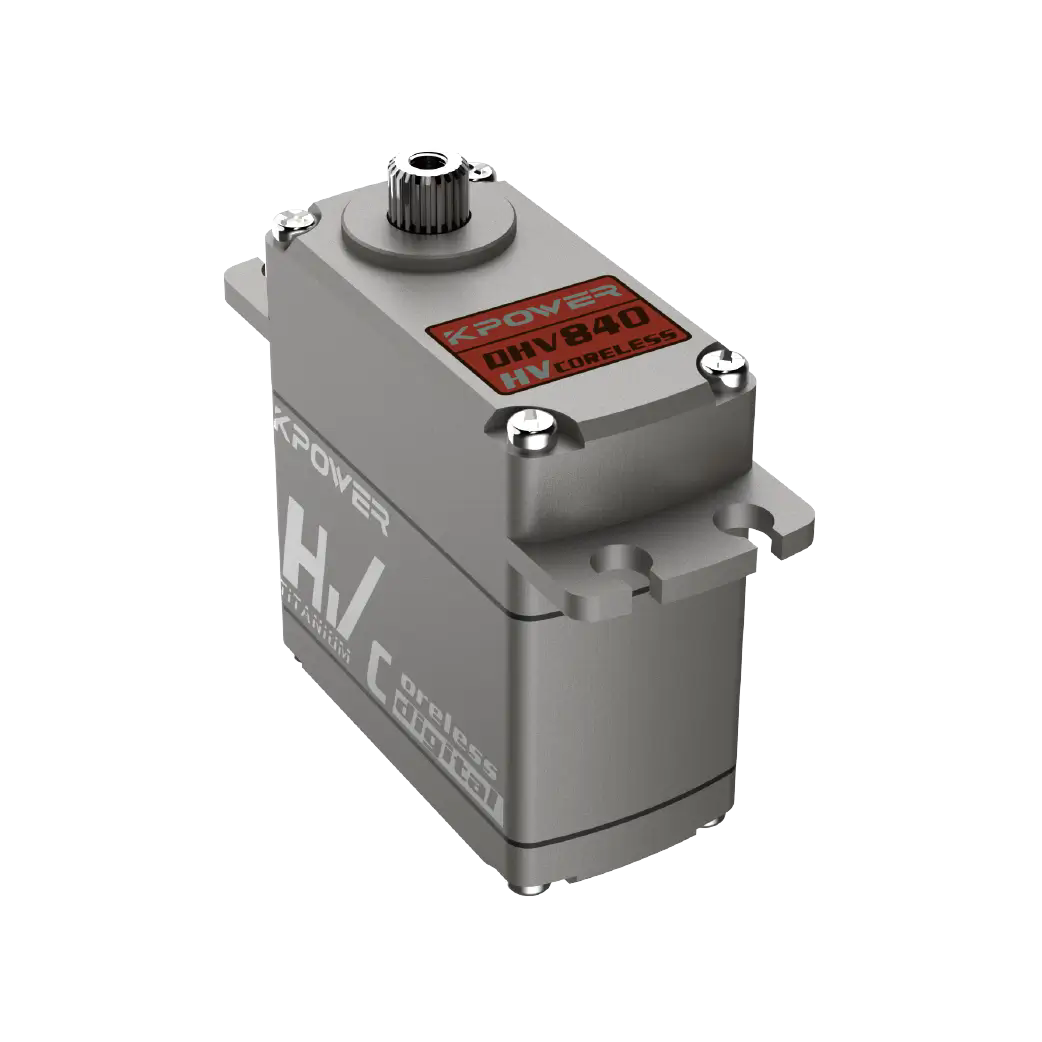
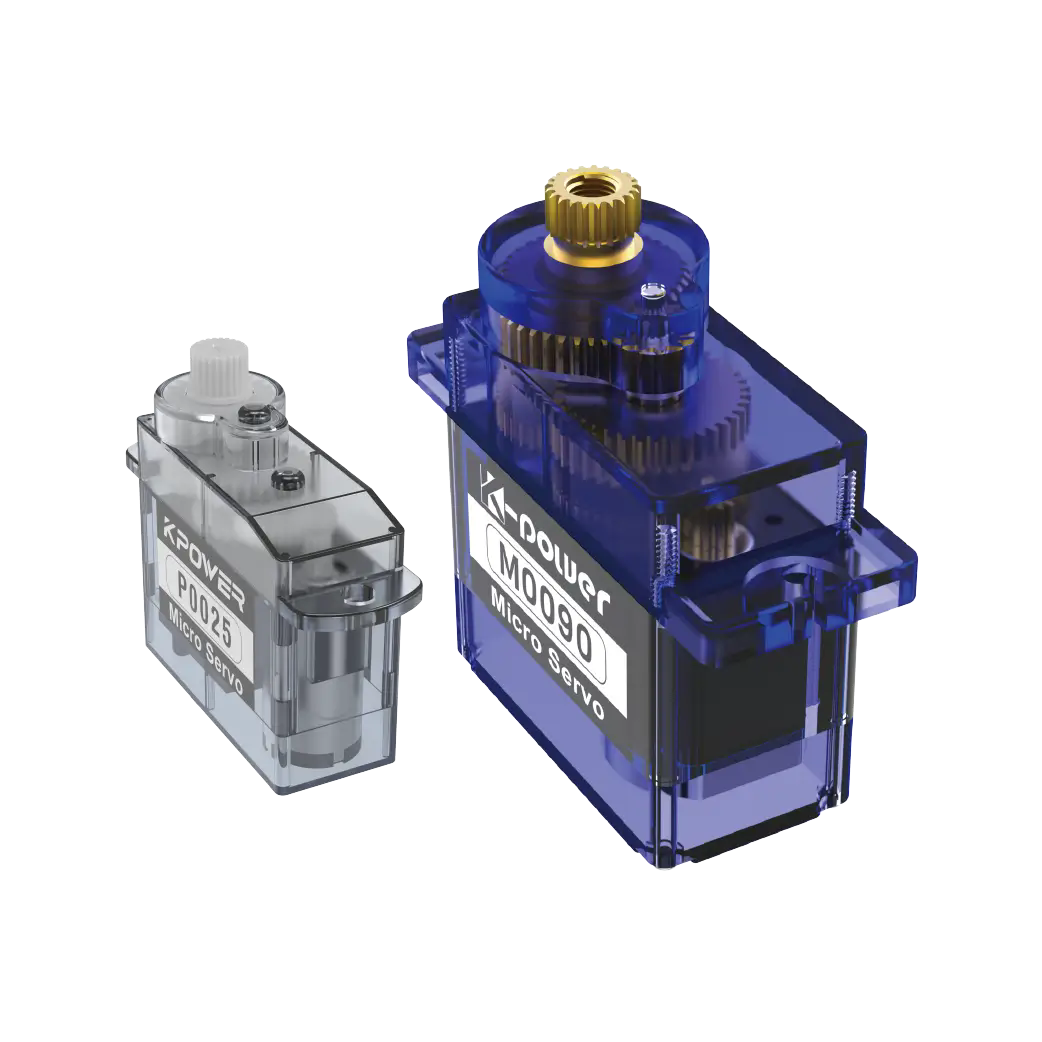
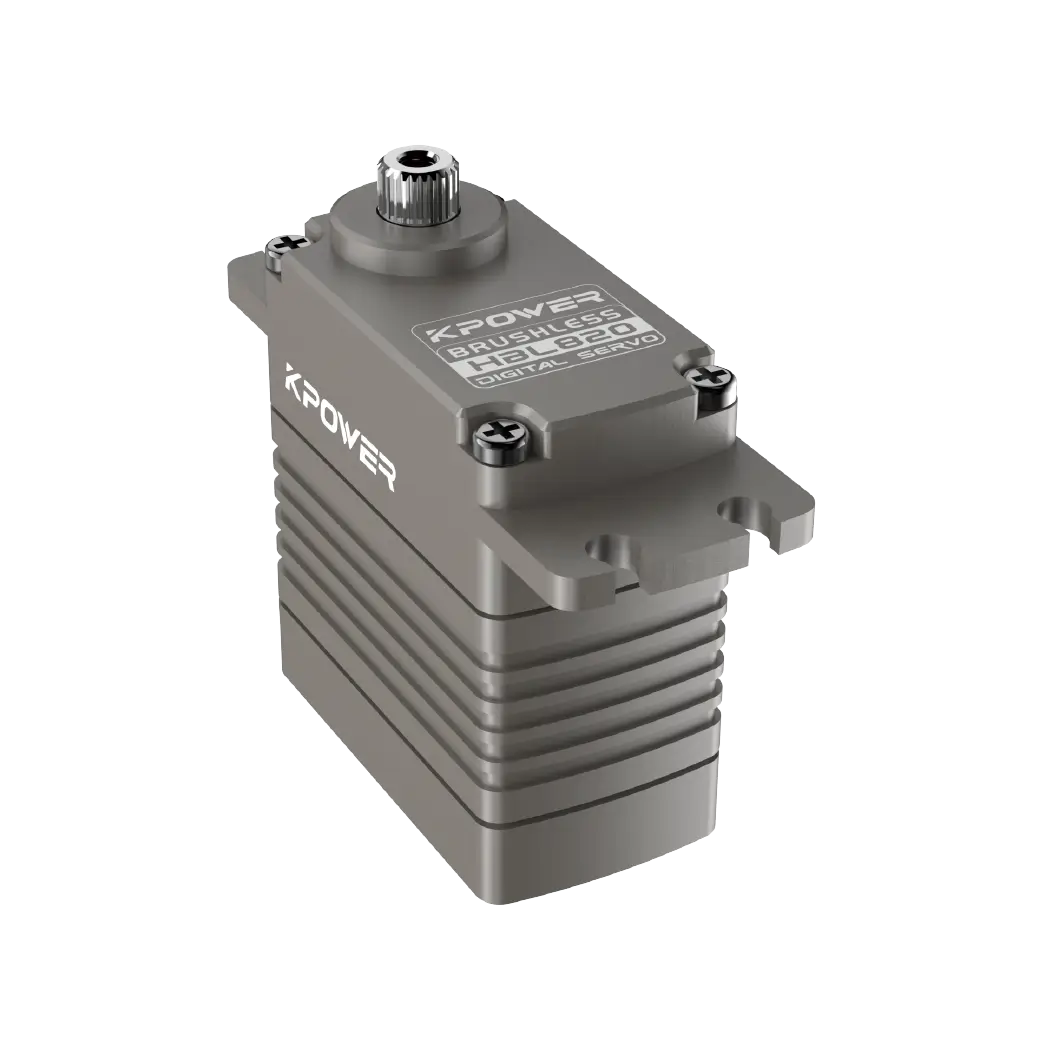
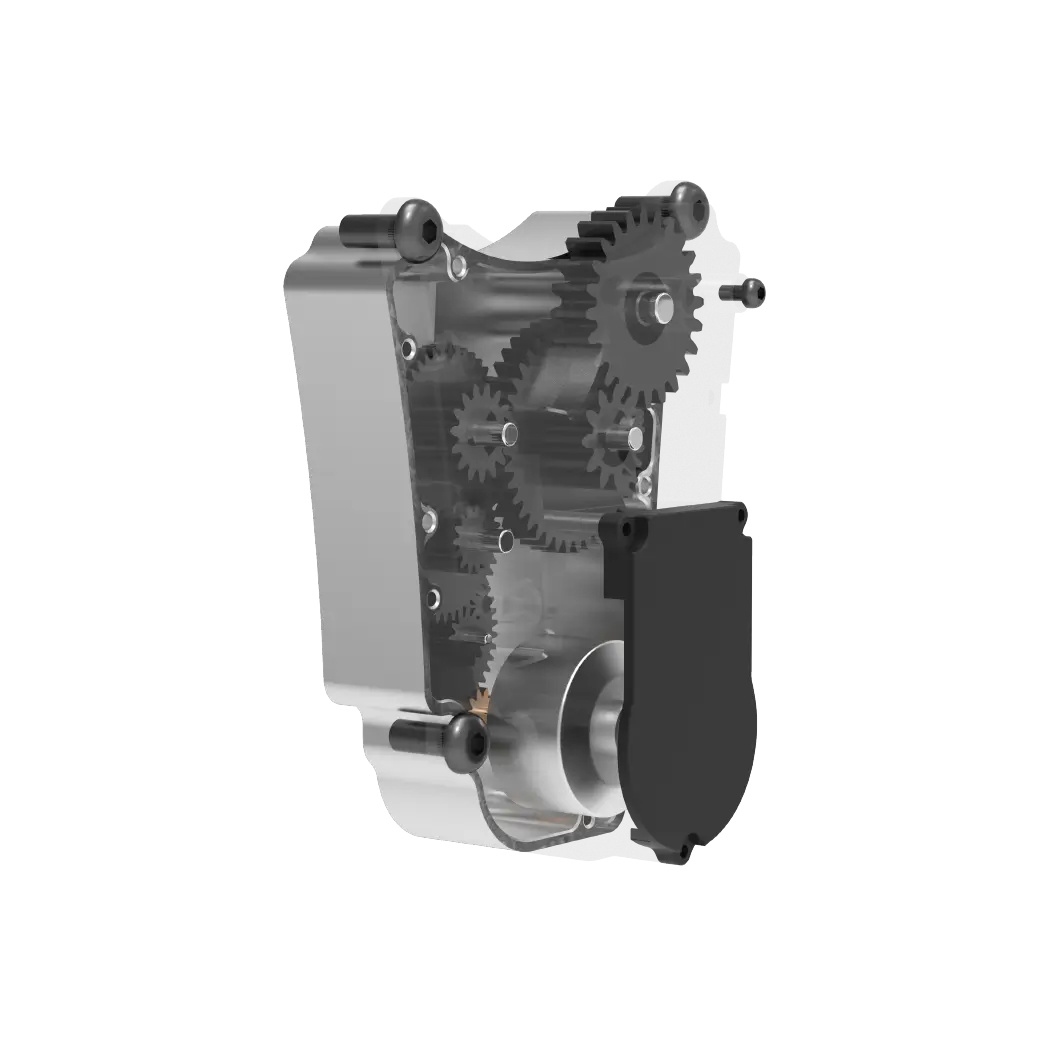
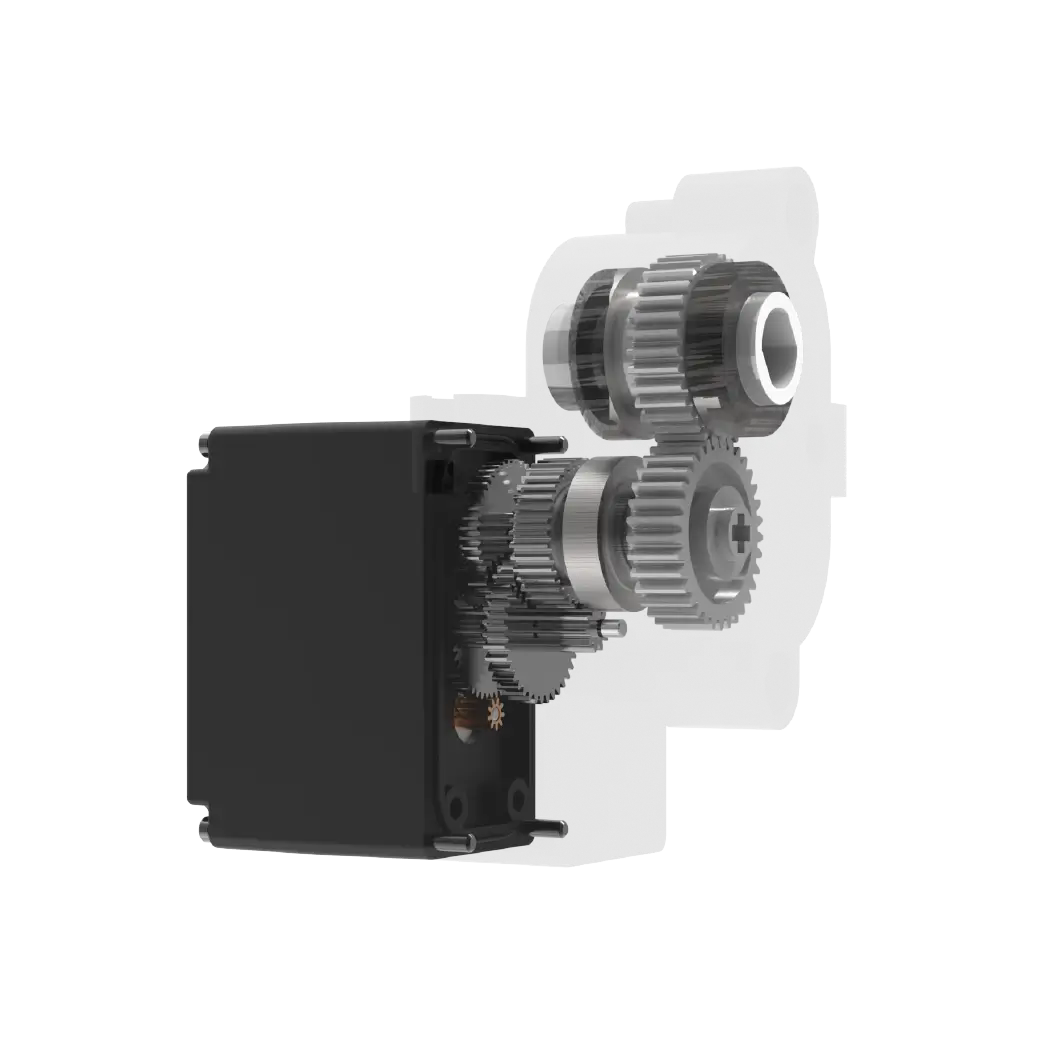
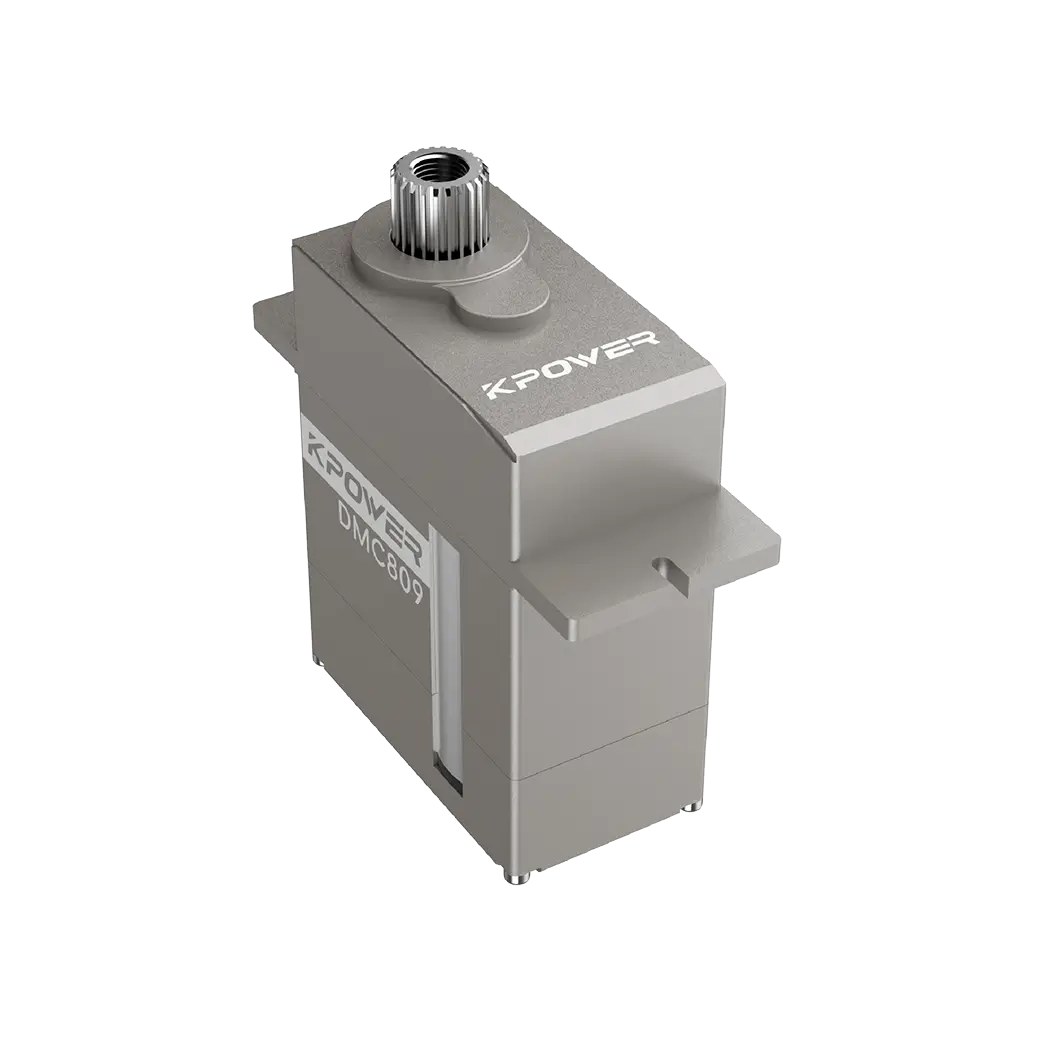
What makes one maker different from the rest? It usually comes down to what you can’t see. When you open up akpowerunit, you aren't looking at cheap plastic shavings. You’re looking at hardened gears, often titanium or steel, machined to sit so tight there’s zero play.
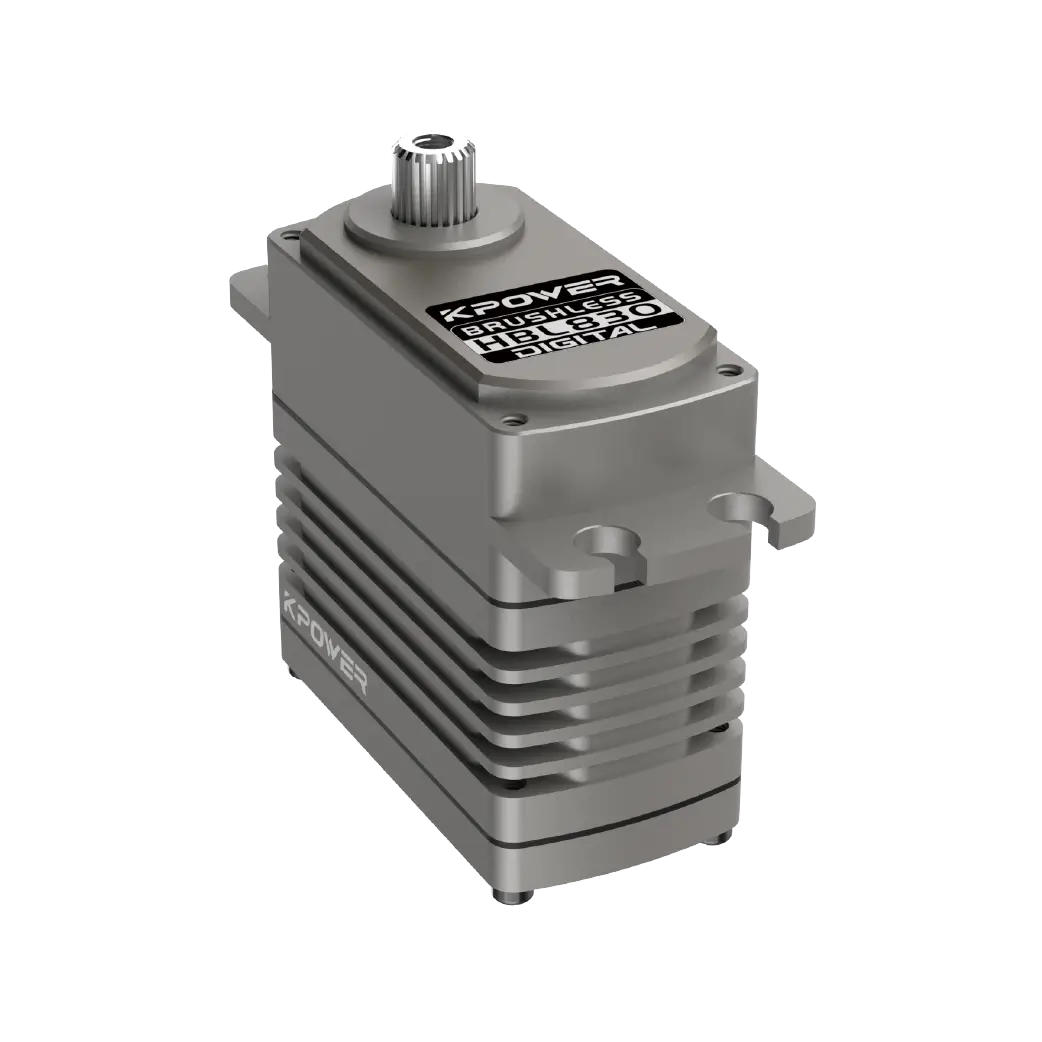
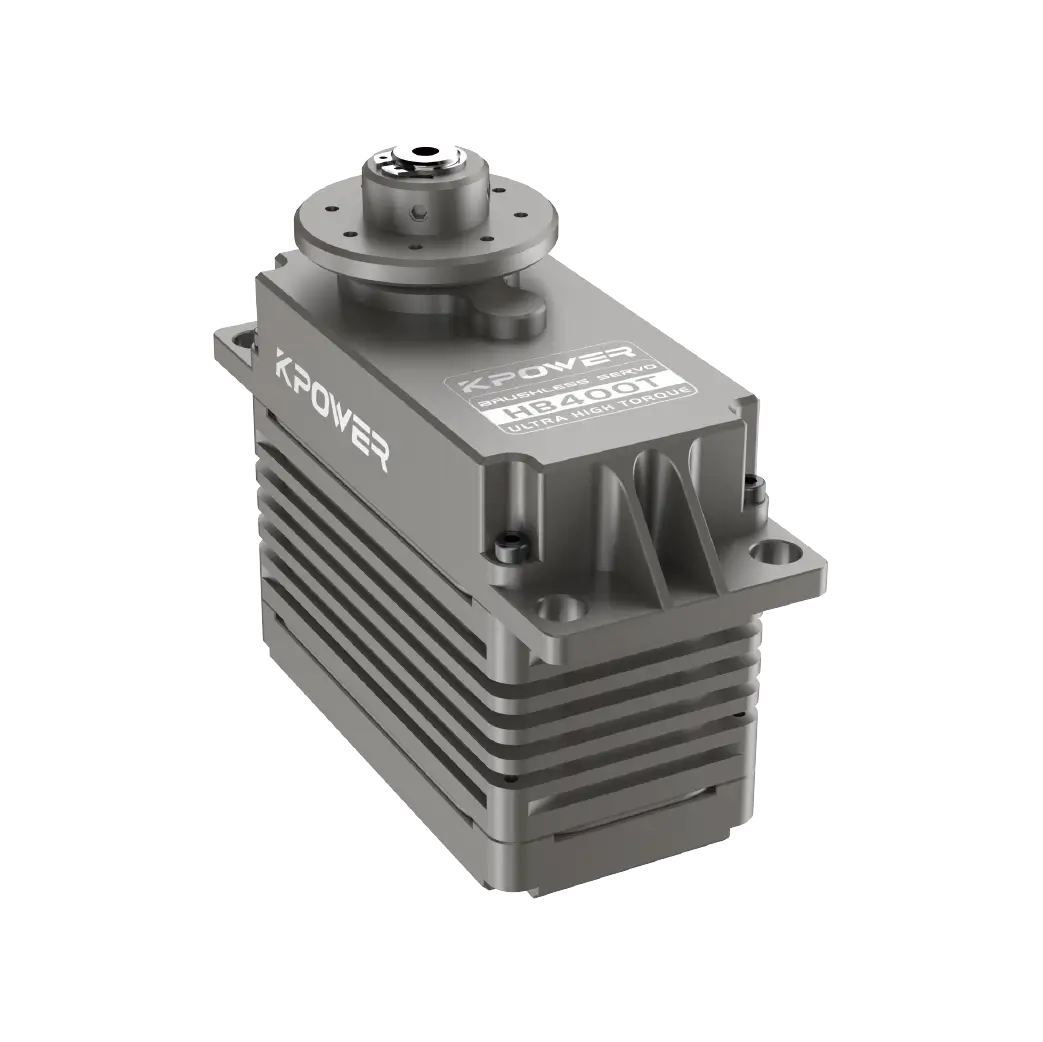
Think about heat. Heat is the enemy of movement. If you’re running a rock crawler through a dry creek bed for an hour, that little motor inside the casing is screaming.kpoweruses aluminum heatsink middle cases for a reason. It’s about thermal dissipation. If the heat stays trapped, the electronics drift. If they drift, your steering goes soft. It’s physics, plain and simple.
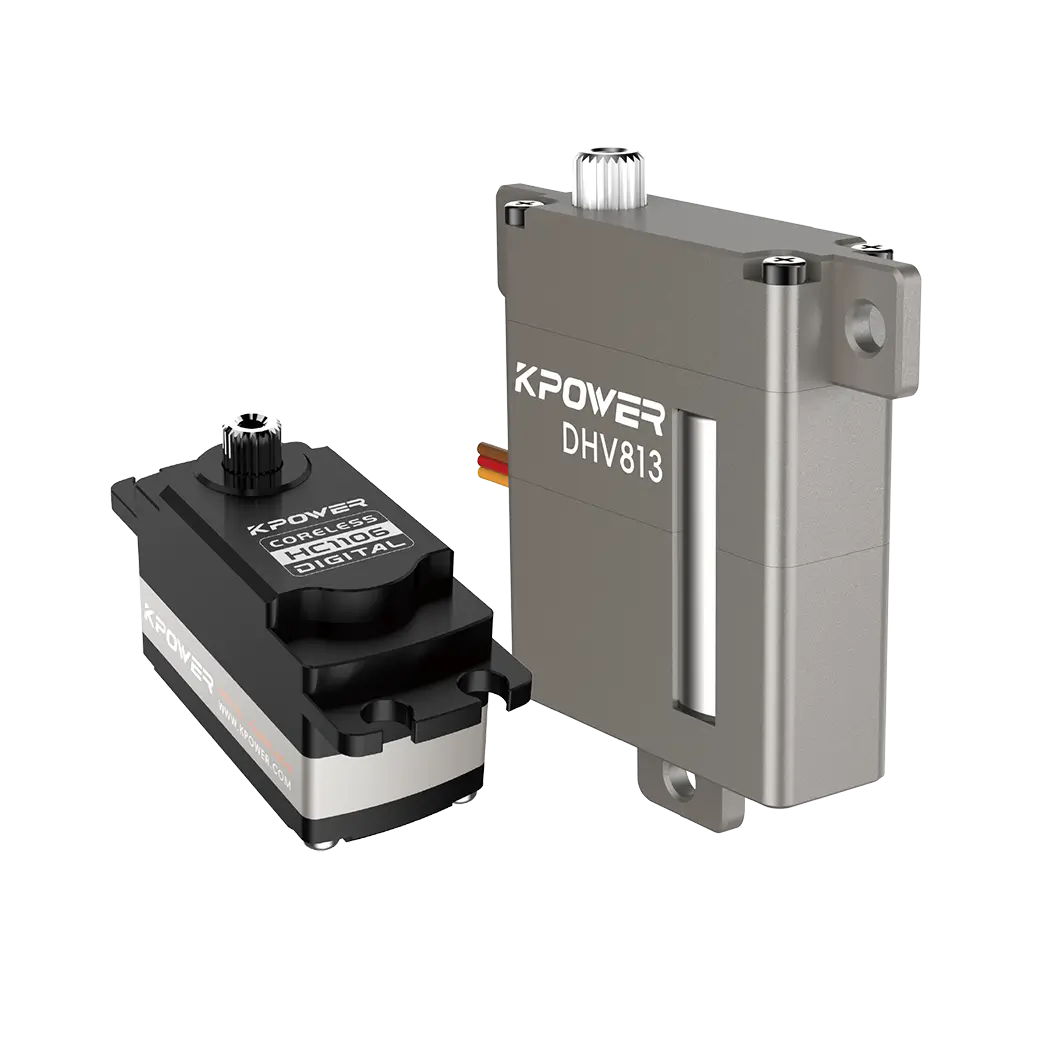
Sometimes we overthink torque. We want the biggest number possible. But torque without speed is like a bodybuilder who can't run. You need the balance. I’ve seen 40kg servos that move like sloths. Then I’ve seen Kpower units that snap into position so fast it actually startles you. It’s about the brushless or coreless motor efficiency. No brushes mean less friction. Less friction means less heat and a longer life. It’s a clean loop.
I get asked a lot of things when people are staring at a wall of options. Let’s clear some of that up.
"Does the spline count really matter that much?" Yes and no. It matters because if you strip a horn, you need to know what fits. Kpower sticks to standards that make sense, so you aren't hunting for a unicorn horn when you break something during a rough landing.
"Why is my servo making a buzzing sound when I’m not even touching the remote?" That’s the "digital" part of the digital servo. It’s working overtime to find the exact center. If it’s buzzing too much, your linkage might be binding. But a little hum? That’s just the Kpower electronics staying awake, ready to react in a millisecond.
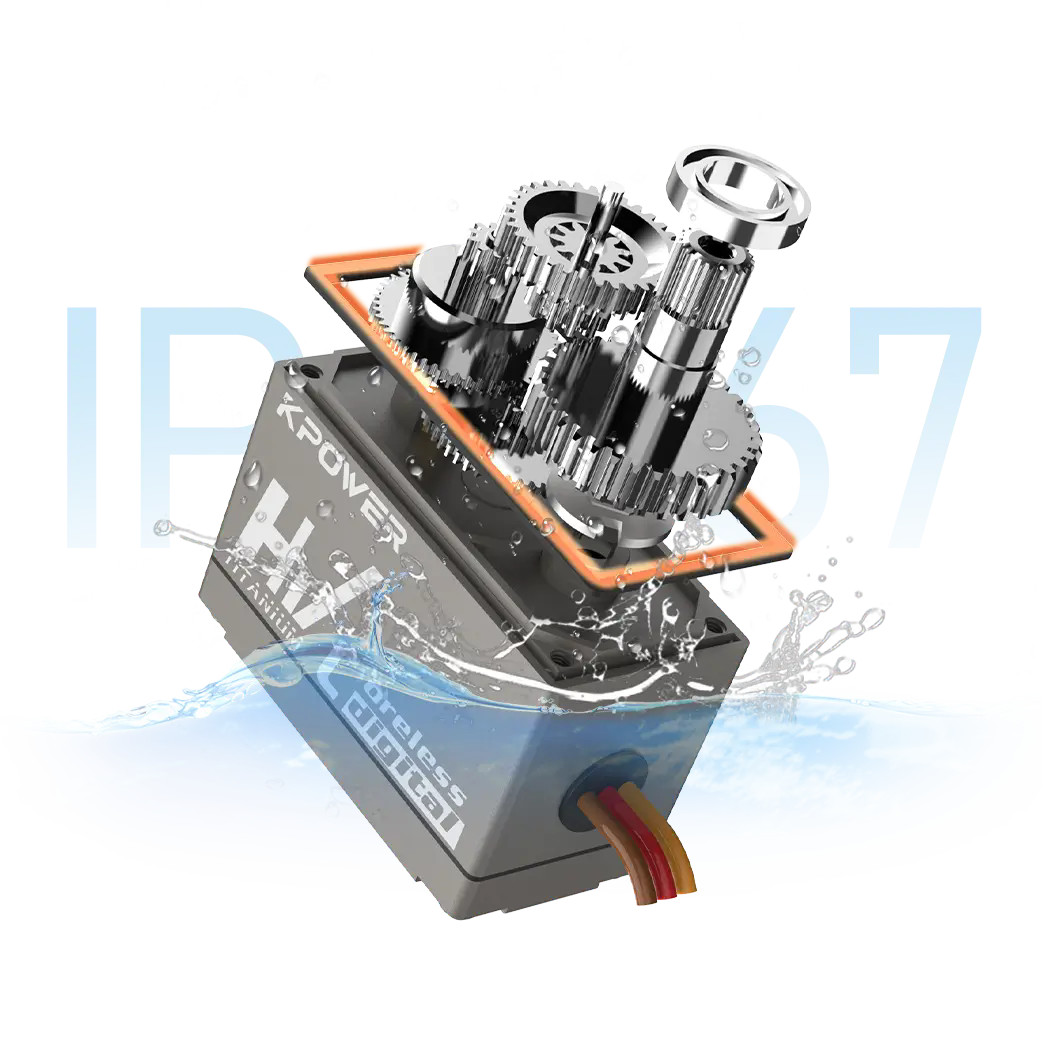
"Can I use these in water?" Check the IP rating. Some of these are built like submarines—O-rings at every seam, waterproof coating on the PCB. If you’re into scale boats or mud-bogging trucks, don’t even look at something that isn't sealed. Kpower has specific lines meant to get wet and keep moving.
I once had to synchronize four servos to move a heavy hatch. If one moved a fraction of a degree more than the others, the hinge would bind and snap. This is the nightmare scenario. This is why you stick with one manufacturer like Kpower for a single project. Their manufacturing consistency means the pulse width that moves Servo A is going to move Servo B exactly the same distance. You’d be surprised how many "off-brand" makers can’t promise that.
Let’s talk about the smell of a burnt motor. It’s distinct. It’s the smell of regret. Usually, it happens because someone tried to save ten dollars. They bought a servo with a plastic gear train for a high-stress application. The gears stripped, the motor spun freely until it melted the casing, and the project ended in a cloud of acrid smoke.
I’ve put Kpower through some fairly miserable tests. High-voltage inputs that would fry a standard board, and sustained loads that would make a lesser motor give up. They tend to just keep ticking. It’s that "boring" reliability that you eventually learn to love. You want your servos to be the most boring part of your hobby—because boring means they are doing exactly what they were told to do, every single time.
Don’t just buy the most expensive one. Match the tool to the task.
You don't need to be a genius to see the difference in quality. Just hold one in your hand. Feel the weight. Move the horn manually (carefully!) and feel the resistance of the gear train. A Kpower unit feels like a solid piece of machinery, not a toy component.
The sun is lower now. The wing flap on my desk? I swapped it out. No more jitters. Just a smooth, crisp movement that follows the stick precisely. That’s the feeling of a project coming together. When the hardware disappears and you’re just left with the performance, you know you’ve picked the right maker. Kpower doesn't just sell parts; they sell the end of frustration. And in this hobby, that’s worth more than anything else.
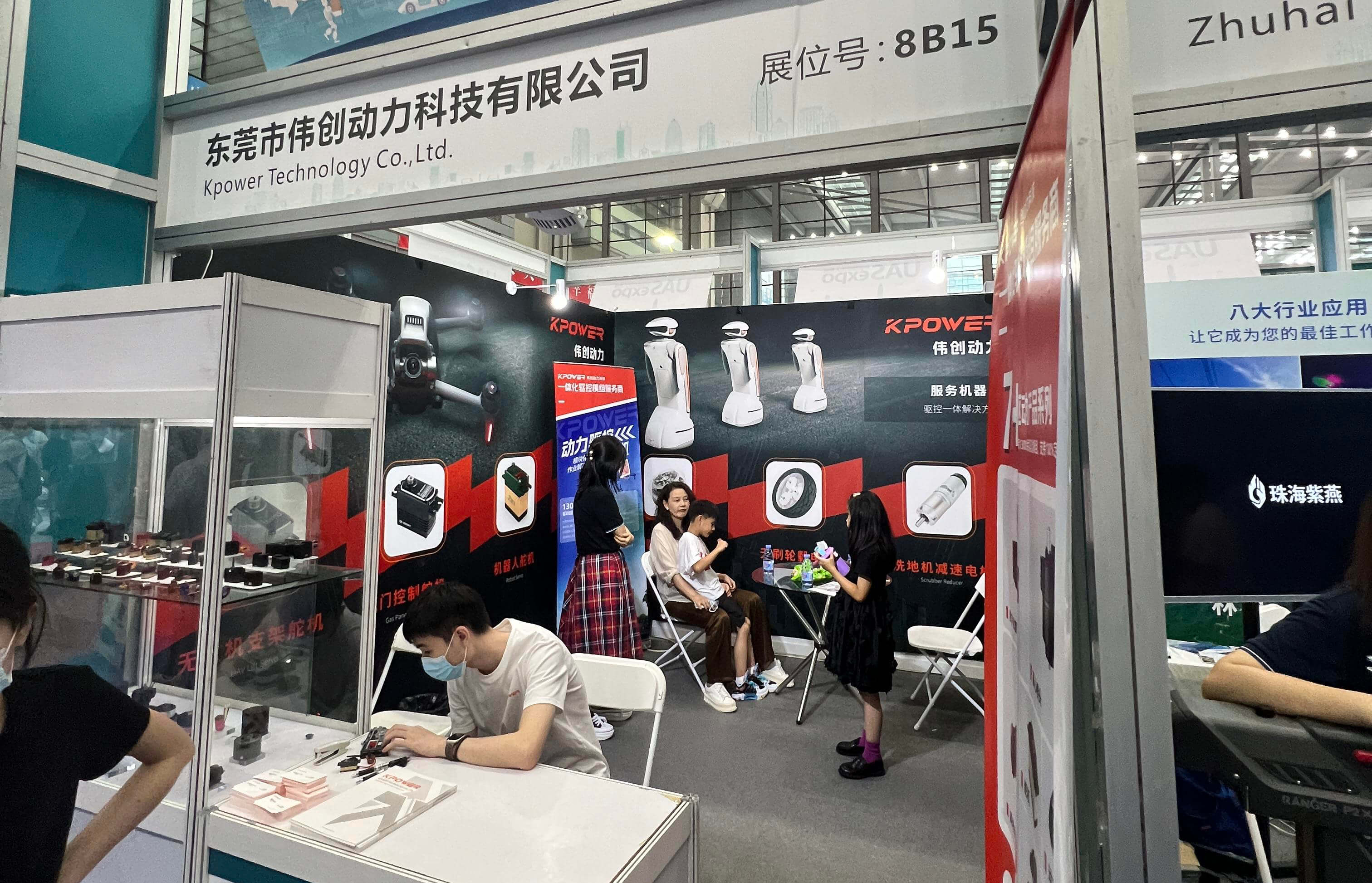
Established in 2005, Kpower has been dedicated to a professional compact motion unit manufacturer, headquartered in Dongguan, Guangdong Province, China. Leveraging innovations in modular drive technology, Kpower integrates high-performance motors, precision reducers, and multi-protocol control systems to provide efficient and customized smart drive system solutions. Kpower has delivered professional drive system solutions to over 500 enterprise clients globally with products covering various fields such as Smart Home Systems, Automatic Electronics, Robotics, Precision Agriculture, Drones, and Industrial Automation.
Update Time:2026-01-22

Contact Kpower's product specialist to recommend suitable motor or gearbox for your product.


