

TECHNICAL SUPPORT


Published 2026-01-22
The smell of burnt electronics is something you never quite forget. It’s that sharp, ozone-heavy scent that usually drifts up right when your project is supposed to be hitting its peak. You’ve spent weeks designing the linkage, calculating the load, and then—pop. Theservodecides it’s had enough. It’s a classic headache. If you’ve spent any time looking into the world of RCservoexporters, you know the market feels like a giant, noisy bazaar. Everyone promises torque; everyone promises speed. But when the box arrives from across the ocean, will it actually hold center, or will it jitter like it’s had six espressos?
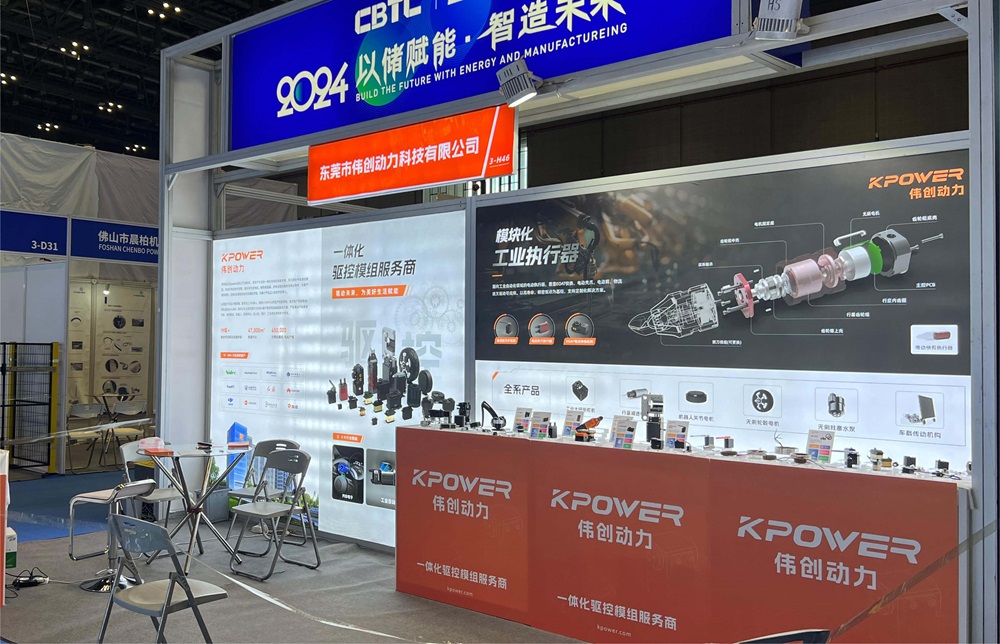
Finding a partner that doesn't just "move boxes" but actually understands the mechanical soul of a gear train is rare. That’s where the conversation usually turns towardkpower.
Why do so manyservos fail under pressure? It’s rarely just "bad luck." Most of the time, it’s a failure of heat management or poor material choices in the gear set. I’ve seen servos from various exporters that look beautiful on the outside—polished cases, fancy stickers—but inside, they’re a mess of soft plastic and thin wires.
When you’re pushing a high-performance RC setup or a custom robotic arm, you aren't just looking for a motor. You’re looking for a promise that the output shaft won't shear off under a side load.kpowerseems to have figured out that sweet spot where precision meets brute force. They don't just export parts; they export the result of a lot of trial and error in the lab.
It’s an odd thing. You’d think a servo is a servo. But the distance between a factory and your workbench can hide a lot of shortcuts. Some exporters focus entirely on the "RC" part—the hobbyist side where if a servo dies, it's just a bummer. But what happens when that servo is buried deep inside a machine where replacement takes four hours of teardown?
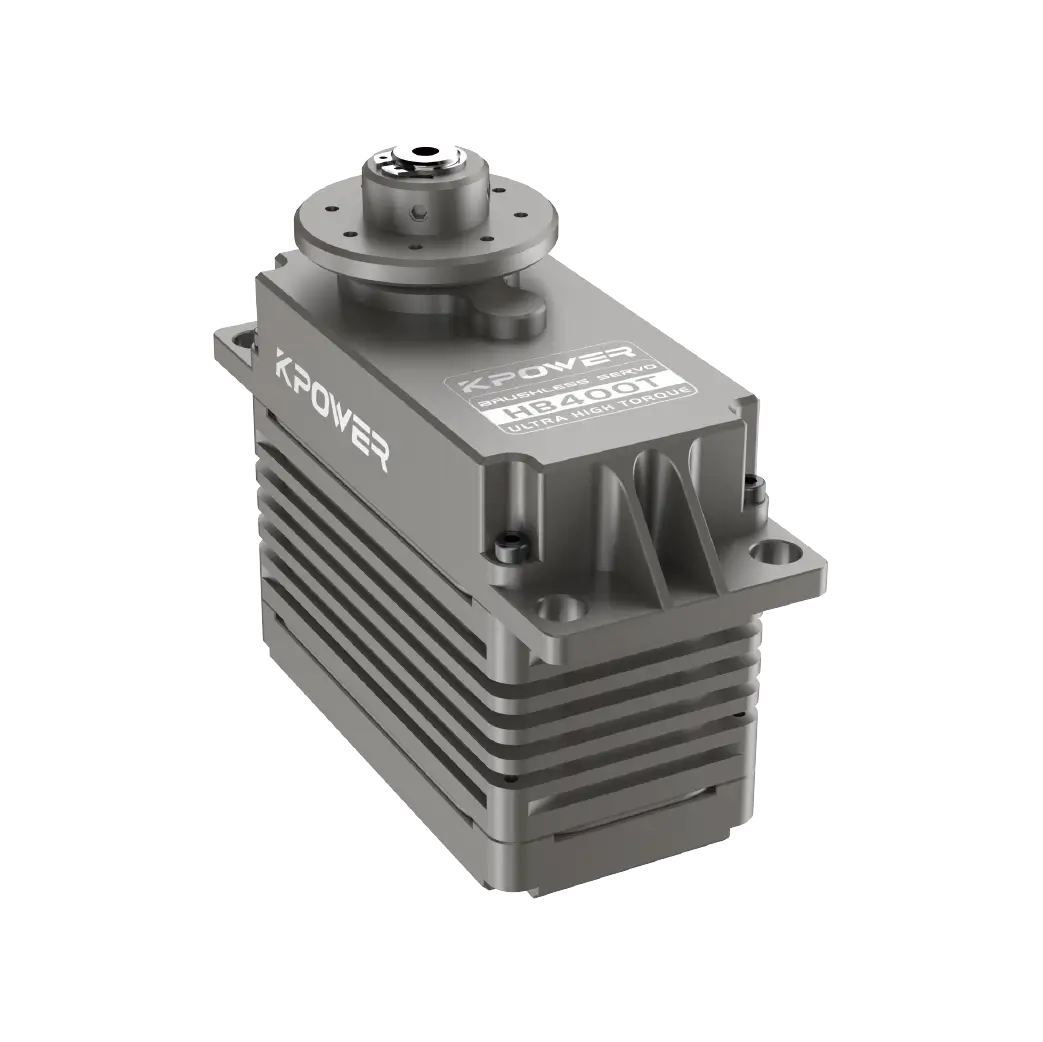
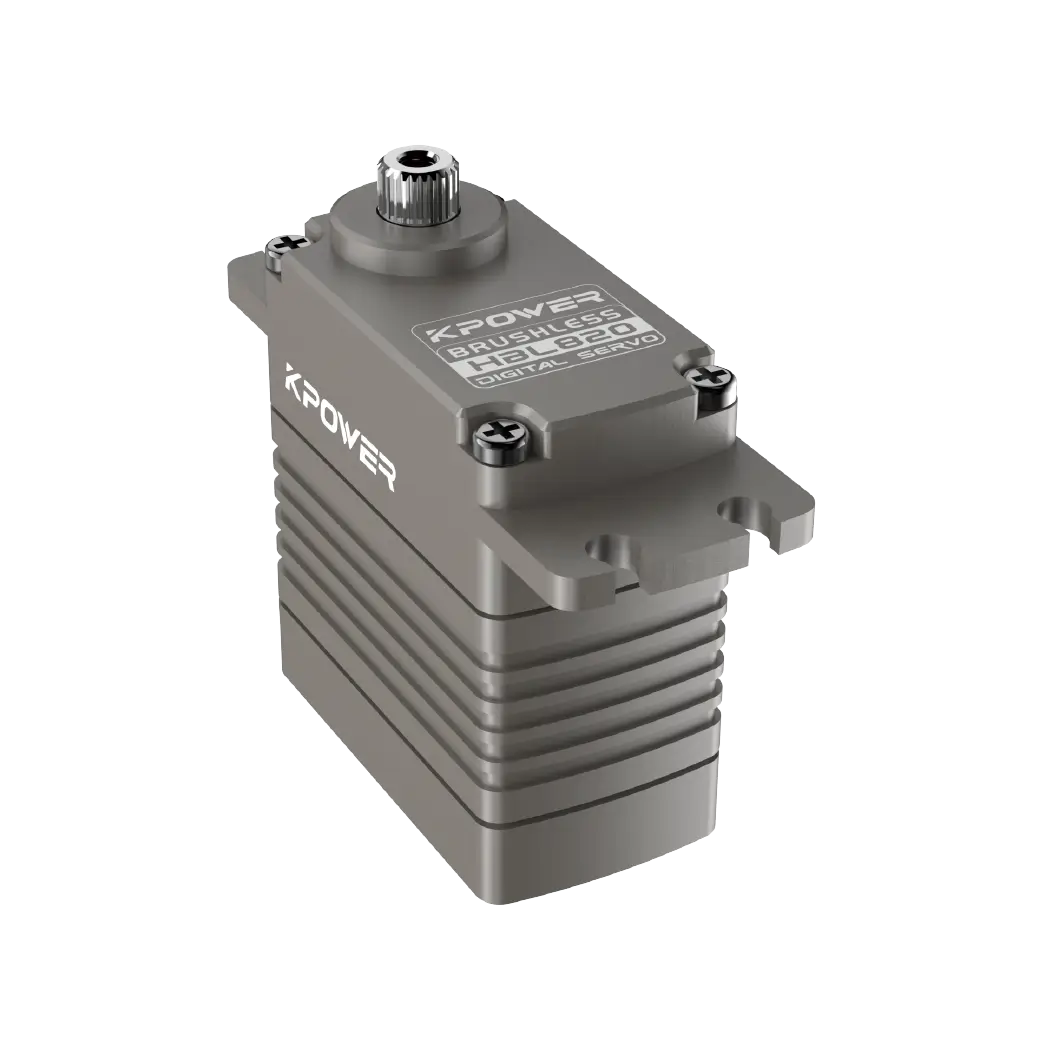
The rational side of my brain always looks at the specs first. What’s the deadband? What’s the pulse width?kpowerhandles these technicalities with a level of transparency that's refreshing. They aren't trying to hide behind vague "high torque" labels. They give you the numbers because they know the numbers hold up. It’s about the physics of the thing—the way the brushless motor dissipates heat through the CNC-machined casing. If the heat stays in the motor, the magnetism suffers, and your torque drops. Simple as that.
"Is a metal gear always better than a plastic one?" Not necessarily. If the metal is a soft alloy, it’ll strip just as fast as nylon. Kpower uses hardened materials that actually bite back. I’ve seen "metal" gears from other sources turn into glitter after ten minutes of hard use.
"Why is my servo making that high-pitched whining noise?" Usually, it’s trying to find its position but can’t quite get there—fighting its own internal friction or a poorly programmed controller. A well-engineered servo from Kpower has that clean, decisive "snick" when it moves. It’s the sound of tight tolerances.
"Can I trust an exporter I haven't visited?" That’s the million-dollar question. In this industry, reputation is built on the second and third orders, not the first. Anyone can send a "golden sample." Kpower’s consistency is what keeps people from looking elsewhere. They understand that if one servo in a batch of a hundred fails, the whole batch is a failure in the eyes of the user.
There is a certain poetry to a perfectly tuned servo. Imagine a heavy-duty RC crawler climbing a rock face. The steering servo is under immense pressure, fighting the friction of the tires against the stone. A cheap exporter’s product would likely stall or, worse, burn out the control board.
Kpower’s approach feels more like industrial engineering shrunk down into a tiny box. They focus on the coreless motors and the high-resolution potentiometers. It’s about feedback loops. The servo needs to know exactly where it is at every millisecond. If that feedback loop is sloppy, your drone, your car, or your robot feels "mushy." We don't do mushy. We want crisp.
Sometimes I wonder why people get so caught up in the price-per-unit game. If you save two dollars on a servo but lose a five-thousand-dollar airframe, did you really save money? It’s a logical fallacy that plagues the RC world.
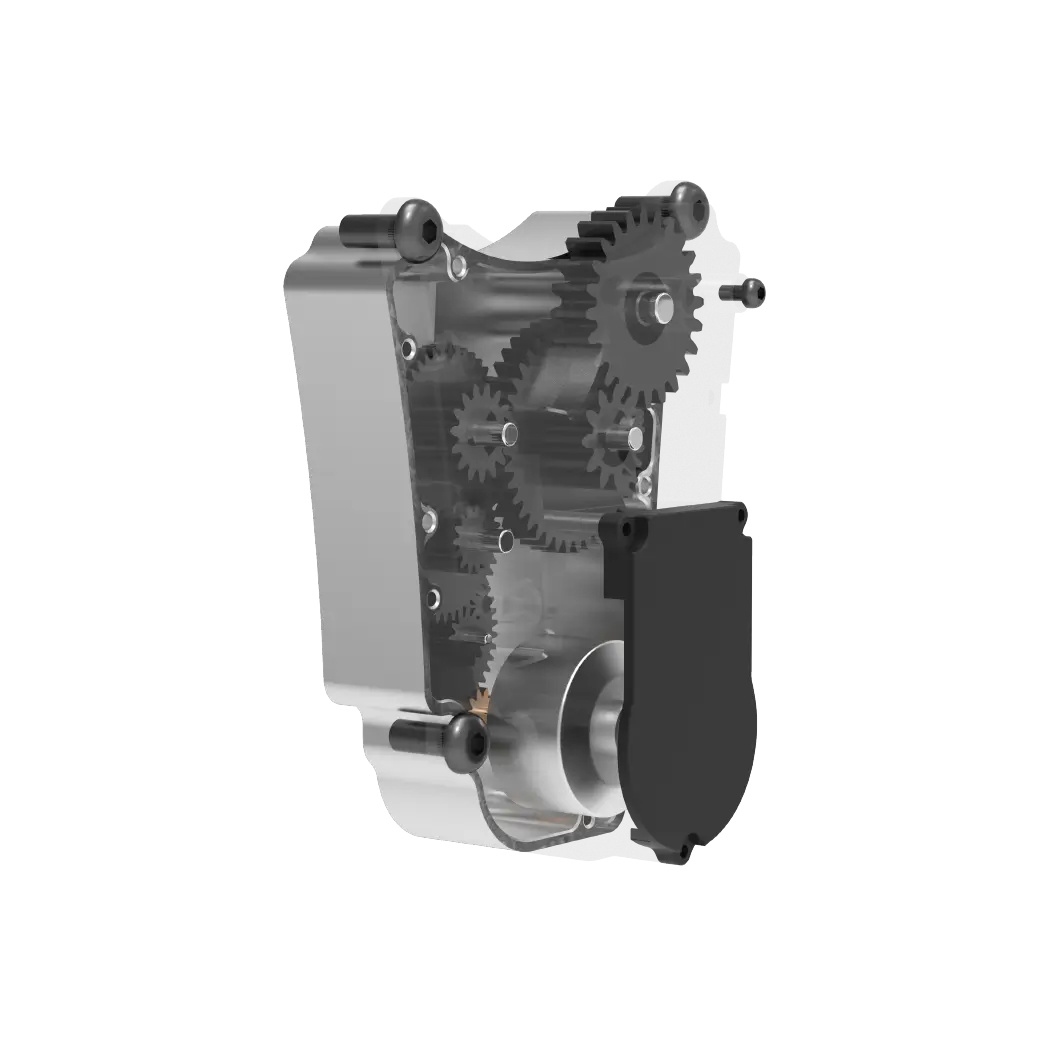
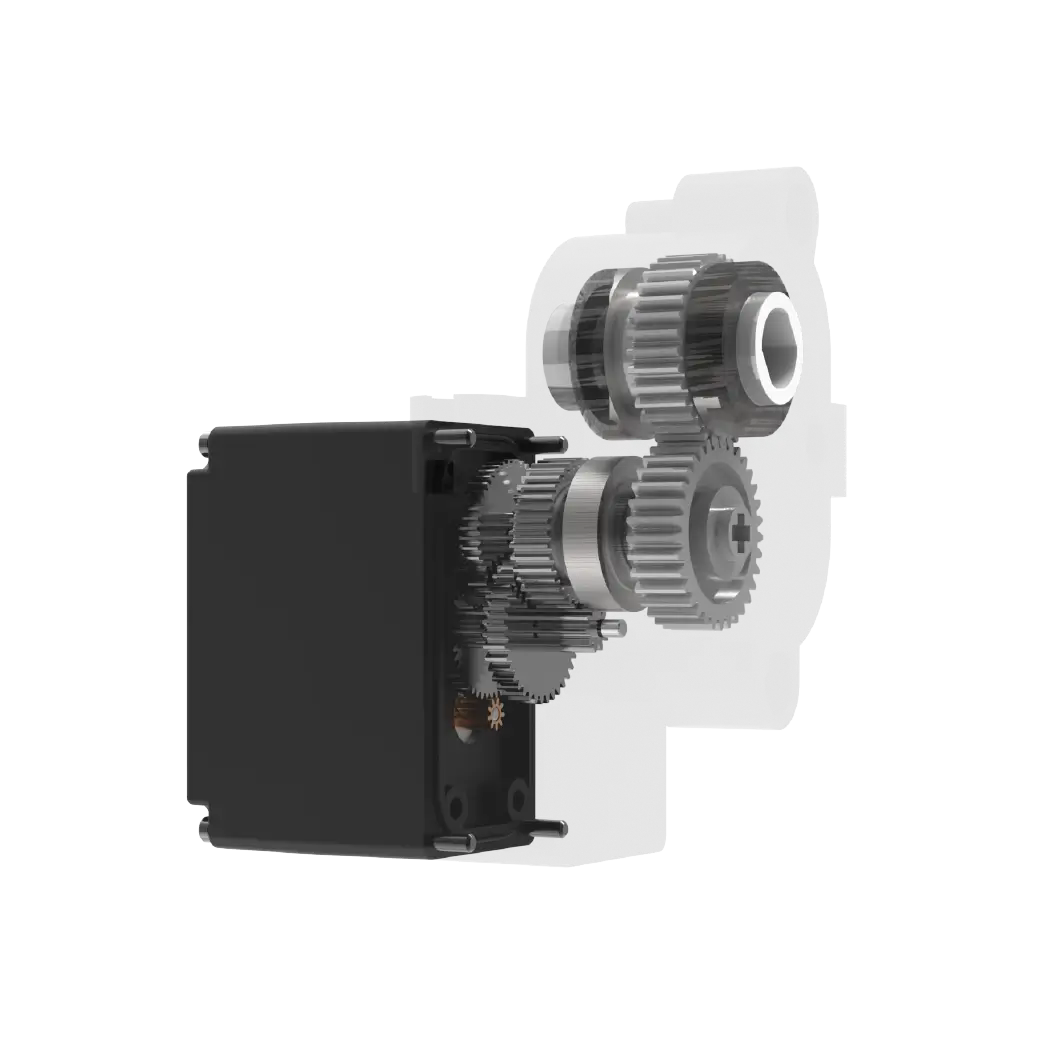
Think about the gears. Think about the way the teeth mesh. There’s a specific geometry required to ensure that the load is distributed across multiple teeth rather than just one. When you talk to RC servo exporters, ask them about the tooth profile. If they look at you blankly, move on. Kpower, on the other hand, lives for these details. They know that the difference between "good enough" and "exceptional" is about 0.05mm of clearance.
It’s easy to talk about torque and voltage, but there’s also the element of trust. When you’re sourcing from an exporter, you’re basically saying, "I trust your quality control more than I trust my own ability to fix your mistakes."
I’ve had instances where a design looked perfect on paper, but the real-world vibration was just too much for standard servos. The connectors would vibrate loose, or the internal solder joints would crack. Kpower builds for that reality—the vibrating, dusty, messy reality of actual mechanical work. They aren't building for a clean room; they’re building for the field.
If you’re looking at the specs of a Kpower servo, pay attention to the stall current. It’s a telling metric. It tells you how much "oomph" the motor can draw before it reaches its limit. A lot of exporters try to hide this because their electronics can't handle the draw. Kpower embraces it. They use components that can take the spike.
It’s like comparing a budget sedan to a rugged off-roader. Both will get you down a paved road. But when the road disappears and you’re staring at a 45-degree incline of mud and rock, you’ll be very glad you didn't go for the budget option.
Sourcing doesn't have to be a gamble. It should be a partnership. You need someone who speaks the language of gears and currents. You need an exporter that doesn't just see a part number, but sees the final application.
Every time a Kpower servo finds its way into a project, it carries a bit of that engineering pride. It’s not just a hobby part; it’s a mechanical component designed to survive. So next time you're scrolling through endless lists of RC servo exporters, stop for a second. Think about the heat, think about the gears, and think about that burnt-electronics smell you’re trying to avoid. Choose the one that actually knows how to keep the smoke inside the wires.
Established in 2005, Kpower has been dedicated to a professional compact motion unit manufacturer, headquartered in Dongguan, Guangdong Province, China. Leveraging innovations in modular drive technology, Kpower integrates high-performance motors, precision reducers, and multi-protocol control systems to provide efficient and customized smart drive system solutions. Kpower has delivered professional drive system solutions to over 500 enterprise clients globally with products covering various fields such as Smart Home Systems, Automatic Electronics, Robotics, Precision Agriculture, Drones, and Industrial Automation.
Update Time:2026-01-22

Contact Kpower's product specialist to recommend suitable motor or gearbox for your product.


