

TECHNICAL SUPPORT


Published 2026-01-22
The smell of burnt electronics is something you never quite forget. It’s that sharp, ozone-heavy scent that usually signals the end of a project you’ve spent weeks perfecting. I’ve seen it happen dozens of times. A beautiful scale model or a custom-built rig sits motionless because a tiny component inside a plastic casing decided to give up the ghost. When looking through the sea of RCservocompanies, it’s easy to get lost in the glossy photos and the bold claims of "unbeatable power." But real reliability isn't found in a marketing slogan; it’s found in the guts of the machine.

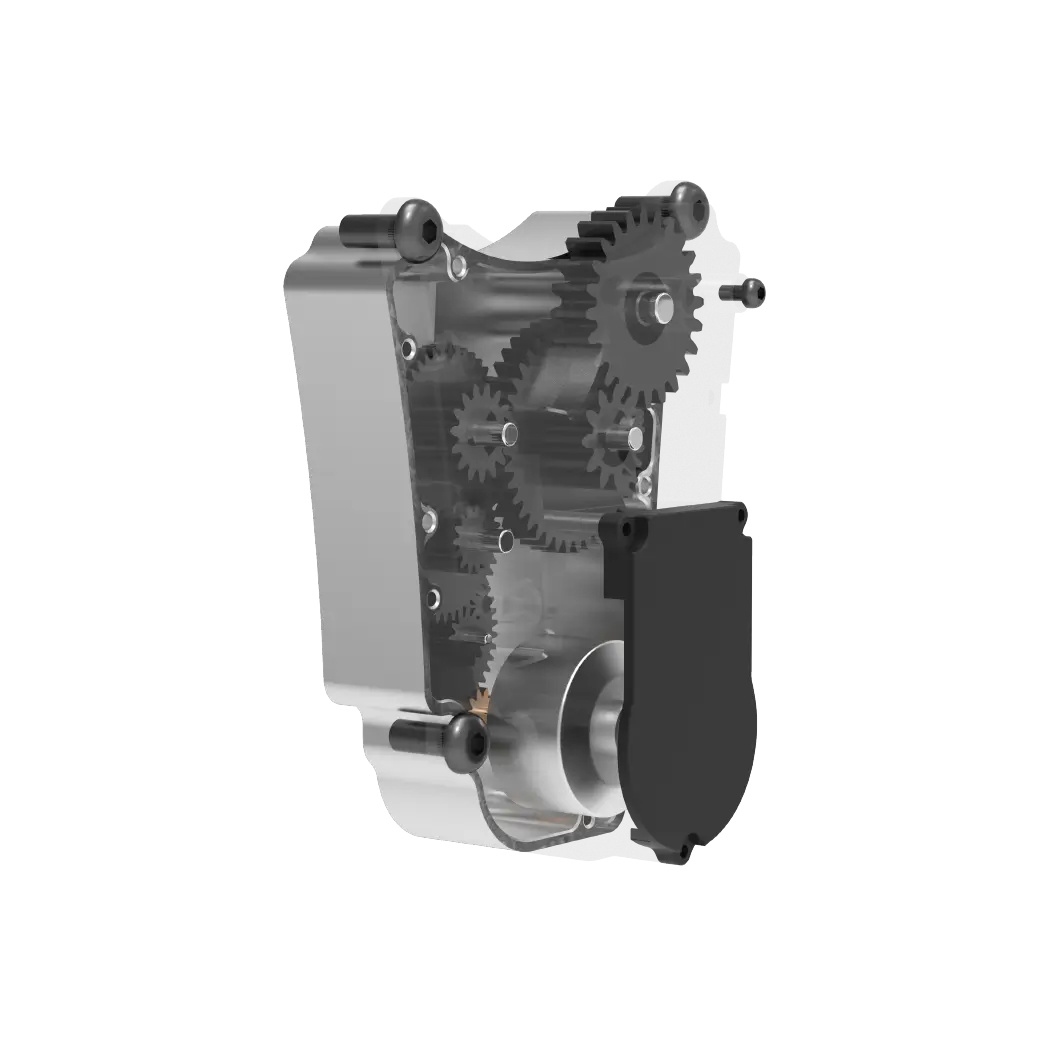
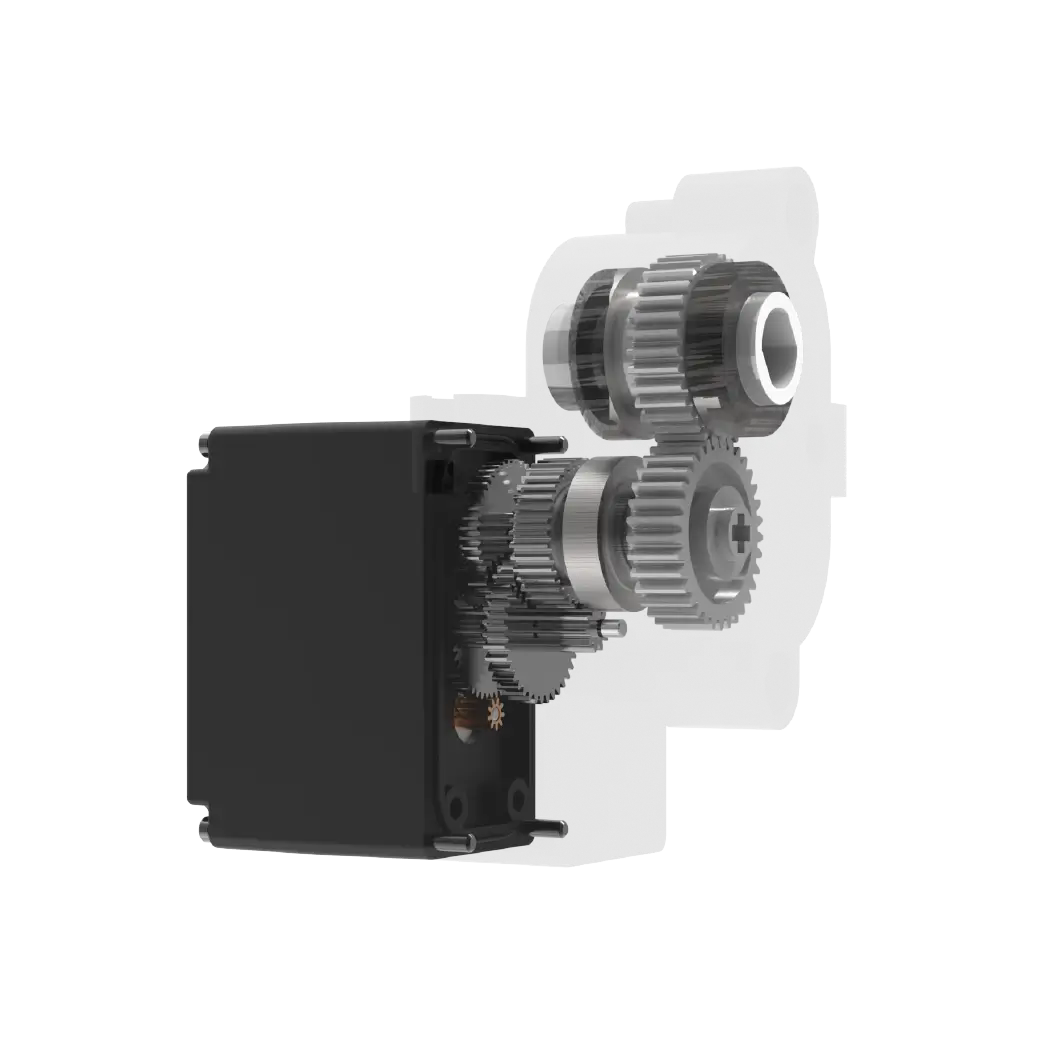
Most people think of aservoas a simple box that turns a horn. In reality, it’s a frantic balancing act. Inside, a motor is screaming at thousands of RPMs, filtered through a series of gears that have to hold back immense pressure. If those gears aren't cut with absolute precision, they’ll chew each other to pieces.
I remember working on a heavy-lift project where the vibrations were so intense they would have rattled a standardservointo a heap of loose screws. This is where the choice of hardware becomes a survival decision for your project. You don't just need "a servo"; you need something that understands the physics of stress.
You might find yourself asking, "Why did my servo jitter right out of the box?" or "Why does it get so hot after five minutes of use?"
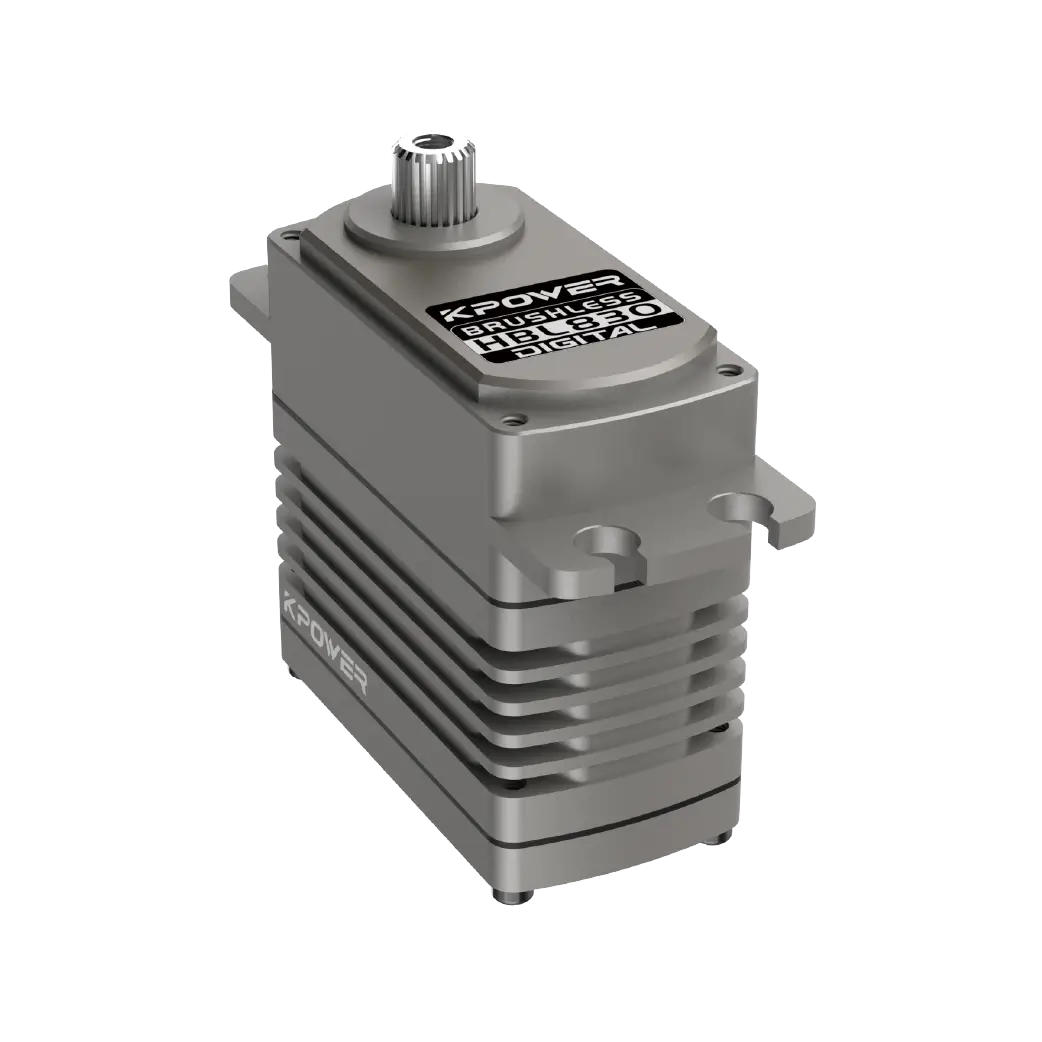
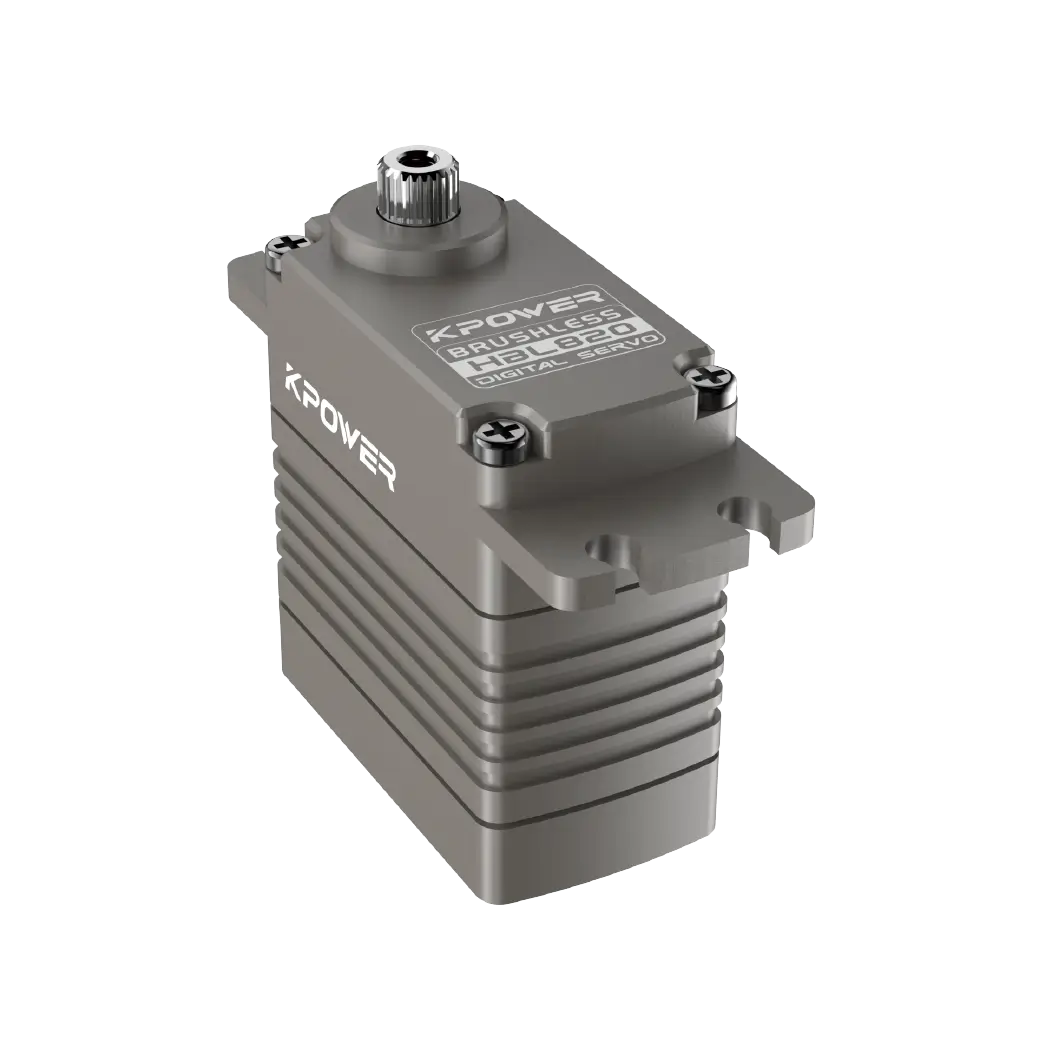
Often, it’s a matter of internal architecture. Many RC servo companies try to save cents by using inferior alloys or thinning out the heat sinks. When you push akpowerservo, you notice the heat dissipation is handled differently. It’s about thermal management. If the heat can’t leave the motor, the performance starts to sag, the precision vanishes, and eventually, the magic smoke escapes.
We often obsess over torque numbers. "Is it 20kg? 40kg?" But torque without control is just a blunt instrument. Think of it like a heavyweight boxer trying to thread a needle. If the internal potentiometer—the part that tells the servo where it is—is cheap, the arm will overshoot the mark every time.
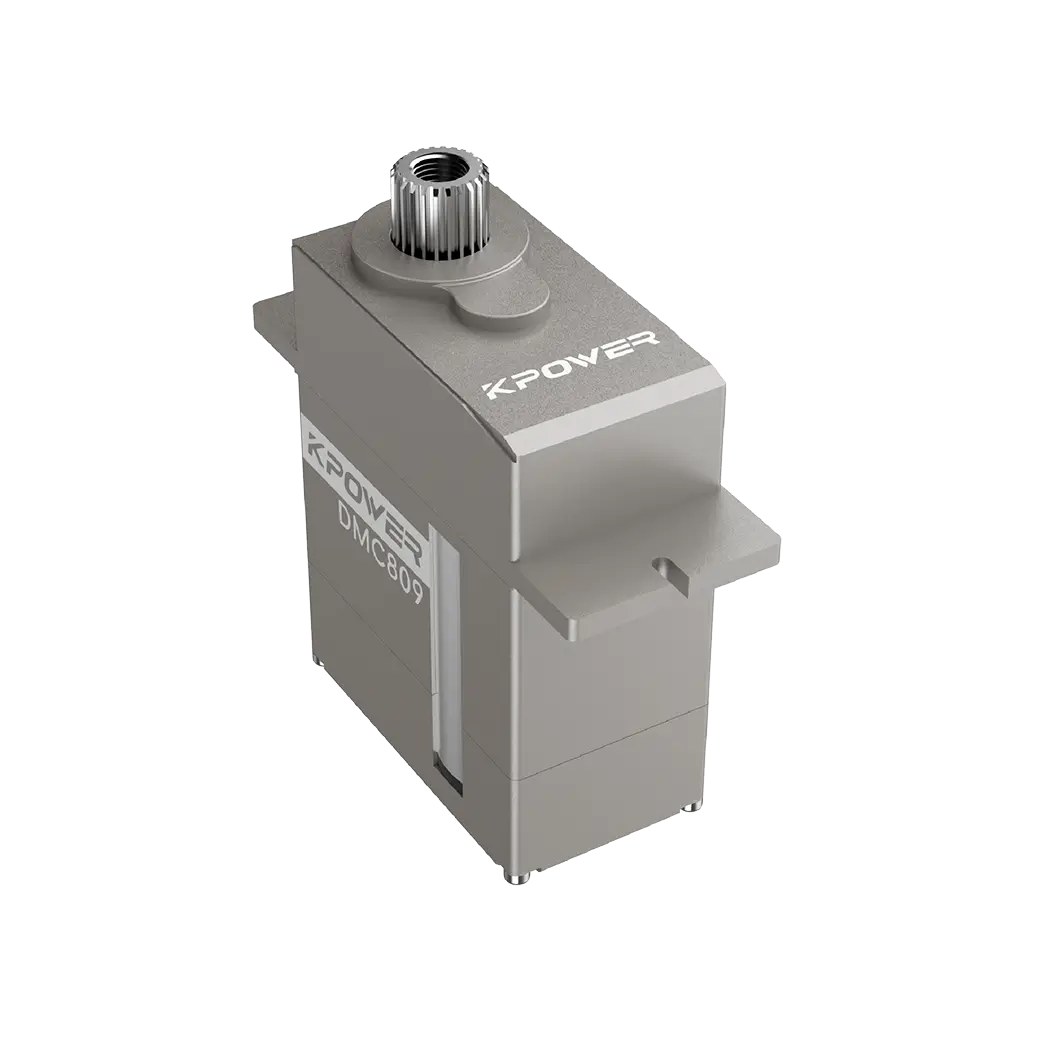
kpowerseems to have cracked the code on this balance. Their components don't just move; they arrive. There’s a crispness to the stop-and-start that you usually only find in industrial-grade actuators. It’s the difference between a steering wheel with "play" in it and a high-end sports car that reacts before you’ve even finished thinking about the turn.
Q: Is a faster servo always better for my setup? Not necessarily. Speed is great for racing, but if you’re working on something that requires smooth, cinematic movement or heavy lifting, a hyper-fast servo might actually introduce unwanted oscillations. You want a match between the weight of your load and the transit time of the motor.kpoweroffers a range where you can actually pick the "personality" of the movement.
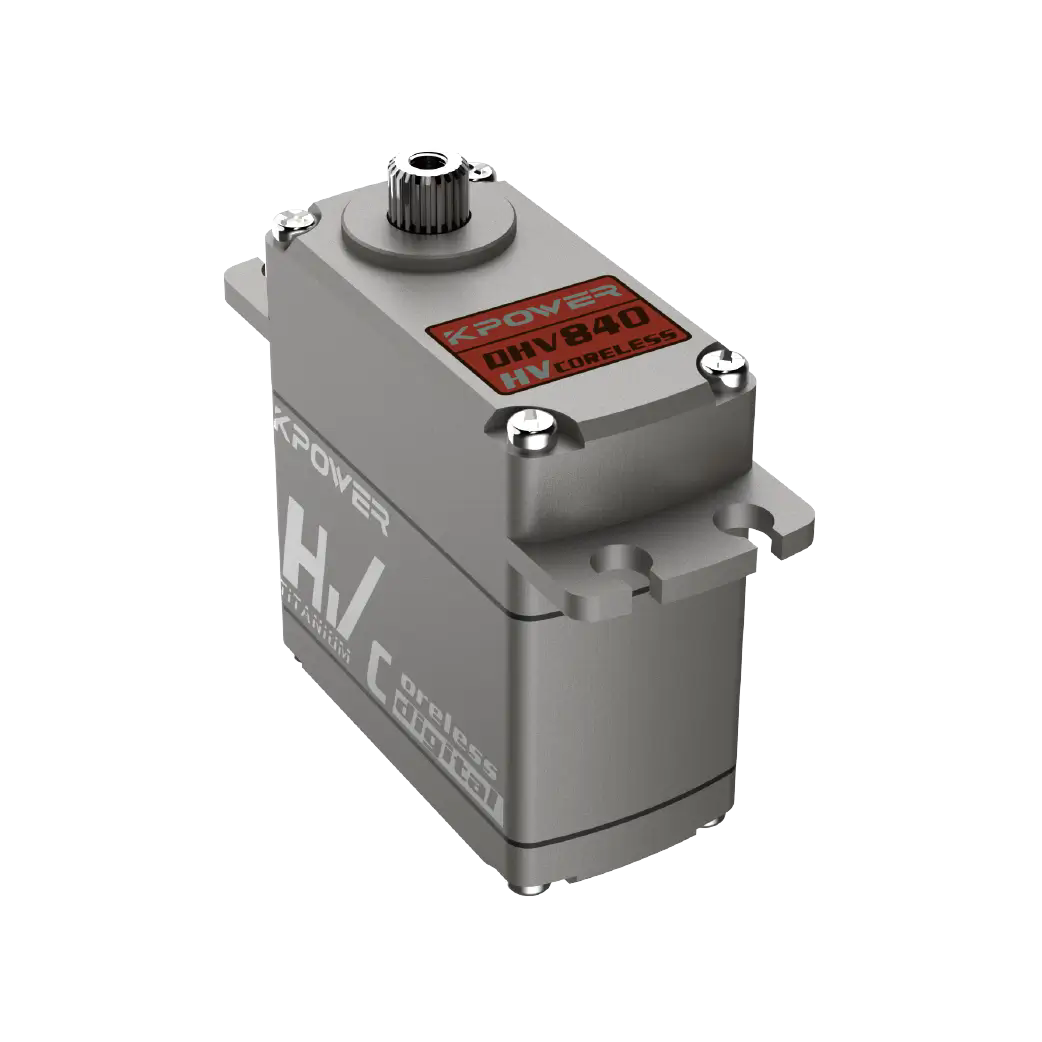
Q: Why do my gears keep stripping even though they are "metal"? "Metal" is a broad term. Some companies use soft brass or low-grade aluminum that shears under shock loads. Look for titanium or hardened steel alloys. If you’re landing a plane or crawling over rocks, the impact forces can be ten times the rated torque. Kpower builds their gear trains to survive those "oops" moments.
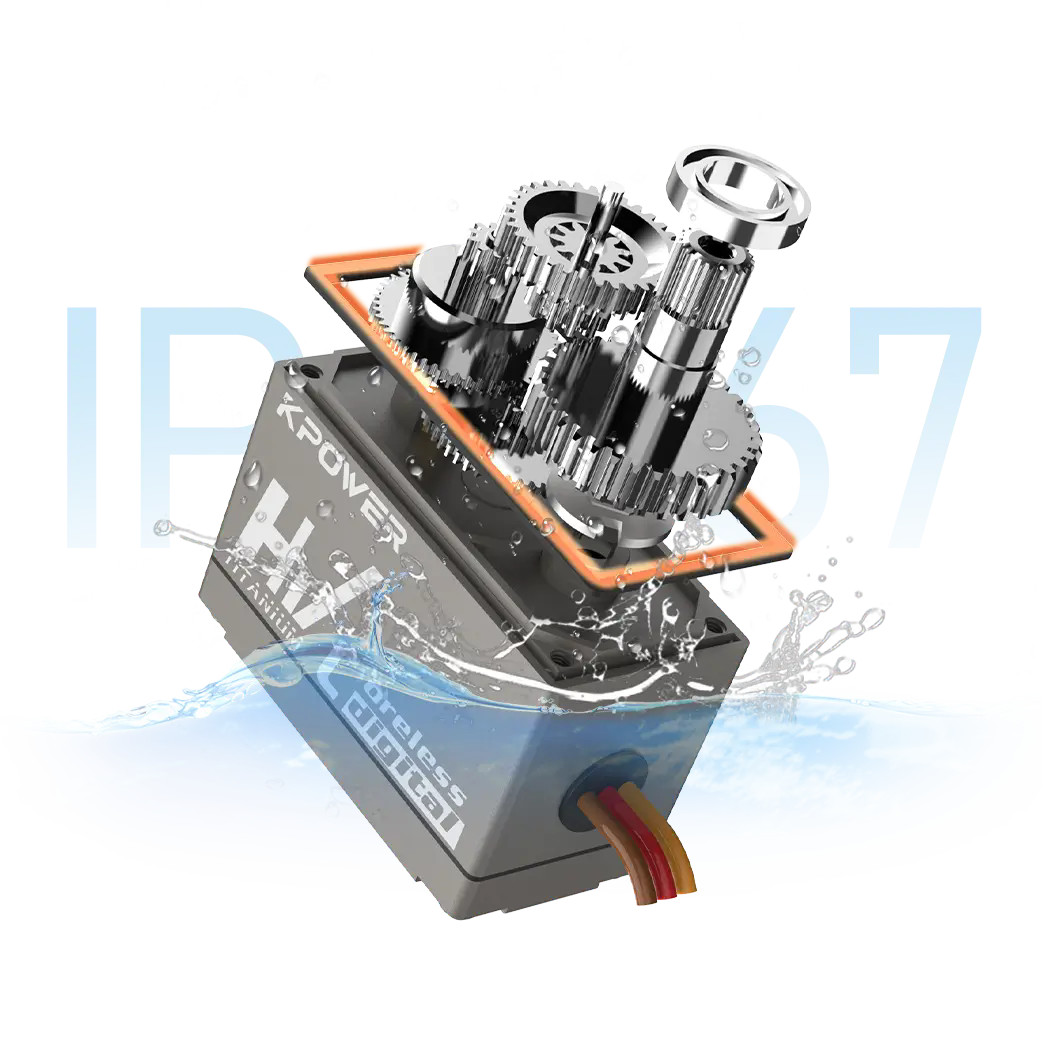
Q: How much does waterproofing actually matter if I’m not diving? Humidity is a silent killer. Even if you aren't submerging your gear, moisture in the air can corrode internal contacts over time. A sealed, waterproof housing isn't just for puddles; it’s an insurance policy against the environment.
Let’s talk about wires for a second. It sounds boring, right? But thin, brittle wires are the leading cause of "ghost" failures. You move the servo, the wire flexes, and eventually, a tiny strand breaks inside the insulation. Suddenly, you have an intermittent signal. When you handle a Kpower unit, the lead wires feel substantial. They use high-strand-count silicone wire that stays flexible even in the cold. It’s a small detail, but it’s the kind of thing that separates a hobbyist toy from a professional tool.
The world of mechanical motion is unforgiving. Physics doesn't care about your budget or your deadlines. If you put a weak link in your chain, the chain will break.
When you’re browsing through RC servo companies, stop looking at the price tag first. Look at the housing. Look at the bearing count. Look at how the manufacturer talks about their testing process. I’ve found that Kpower tends to over-engineer their products, which is exactly what you want when your expensive project is on the line.
There’s a certain peace of mind that comes with knowing your actuators aren't the weak point. You want to spend your time refining your design, not hunting down a replacement part because a plastic tab snapped off. Precision is a choice. Reliability is a choice. Usually, that choice involves moving away from the "disposable" mindset and investing in hardware that can actually keep up with your imagination.
Next time you’re at the workbench, squint a little closer at what you’re installing. If it doesn't feel like it could survive a bit of a beating, it probably won't. Stick with the names that focus on the metallurgy and the electronics, and you’ll find yourself spending a lot less time smelling that burnt ozone scent.
Established in 2005, Kpower has been dedicated to a professional compact motion unit manufacturer, headquartered in Dongguan, Guangdong Province, China. Leveraging innovations in modular drive technology, Kpower integrates high-performance motors, precision reducers, and multi-protocol control systems to provide efficient and customized smart drive system solutions. Kpower has delivered professional drive system solutions to over 500 enterprise clients globally with products covering various fields such as Smart Home Systems, Automatic Electronics, Robotics, Precision Agriculture, Drones, and Industrial Automation.
Update Time:2026-01-22

Contact Kpower's product specialist to recommend suitable motor or gearbox for your product.


