

TECHNICAL SUPPORT


Published 2026-01-22
The workbench is a mess. There are wires tangling like colorful vines, a half-empty cup of cold coffee, and that one tiny robot arm that refuses to behave. You’ve been there. You spend hours designing a compact masterpiece, only to have the movement ruined by a jittery, weak, or loud motor that feels more like a vibrating toy than a precision instrument.

When space is at a premium, the margin for error disappears. You need something that fits in the palm of your hand but possesses the grit to perform under pressure. This is where the world of microservos becomes less about hobbyist fun and more about serious mechanical agency.
It’s a common trap. You find a microservothat looks the part. It’s small, it’s cheap, and the specs on the box look decent. Then, you plug it in. The movement is stepped, not smooth. It gets hot after five minutes of holding a position. Or worse, the plastic gears inside decide to strip themselves the moment they encounter a little resistance.
The problem isn't the size; it’s the lack of internal integrity. Many small motors are built with "good enough" as the standard. But when you are building a gimbal, a miniature landing gear, or a delicate animatronic face, "good enough" usually ends up in the trash bin.
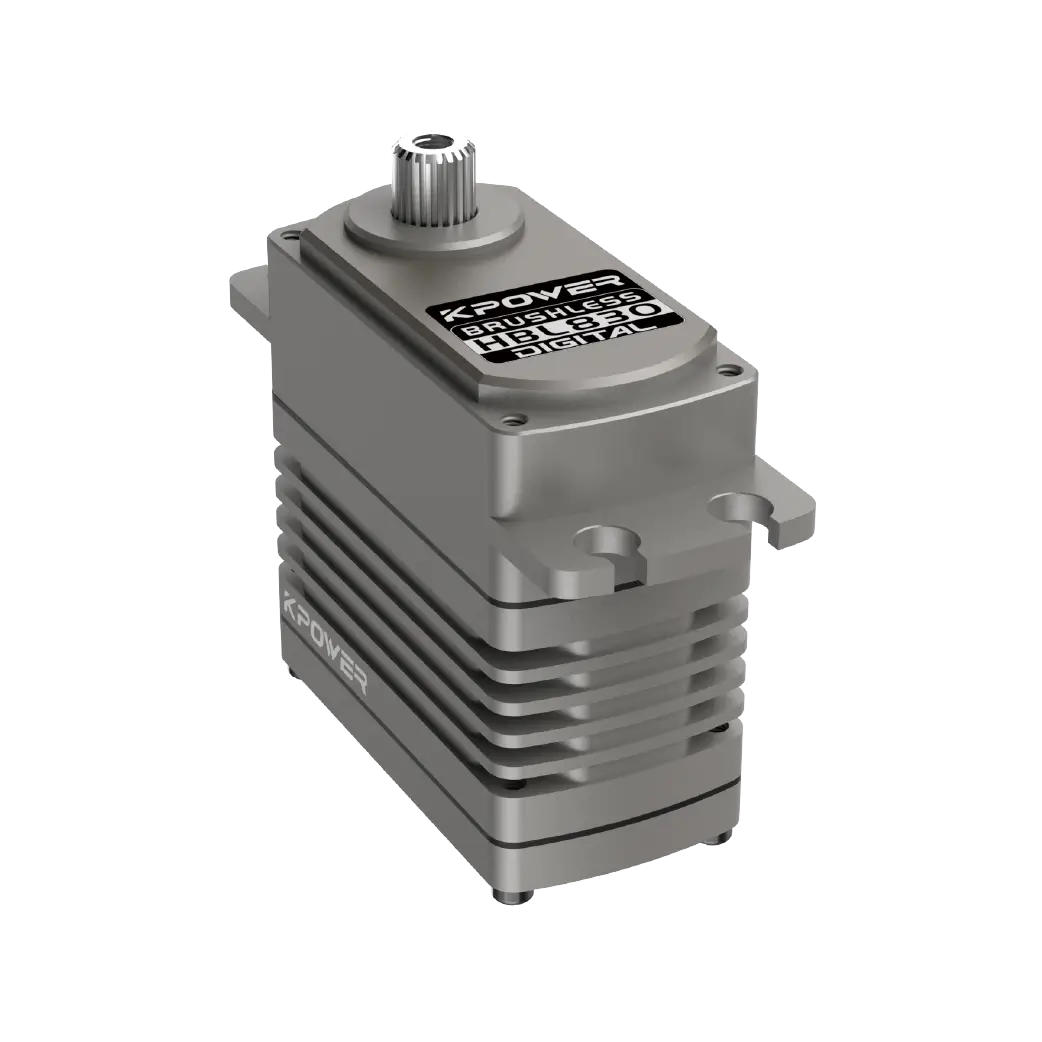
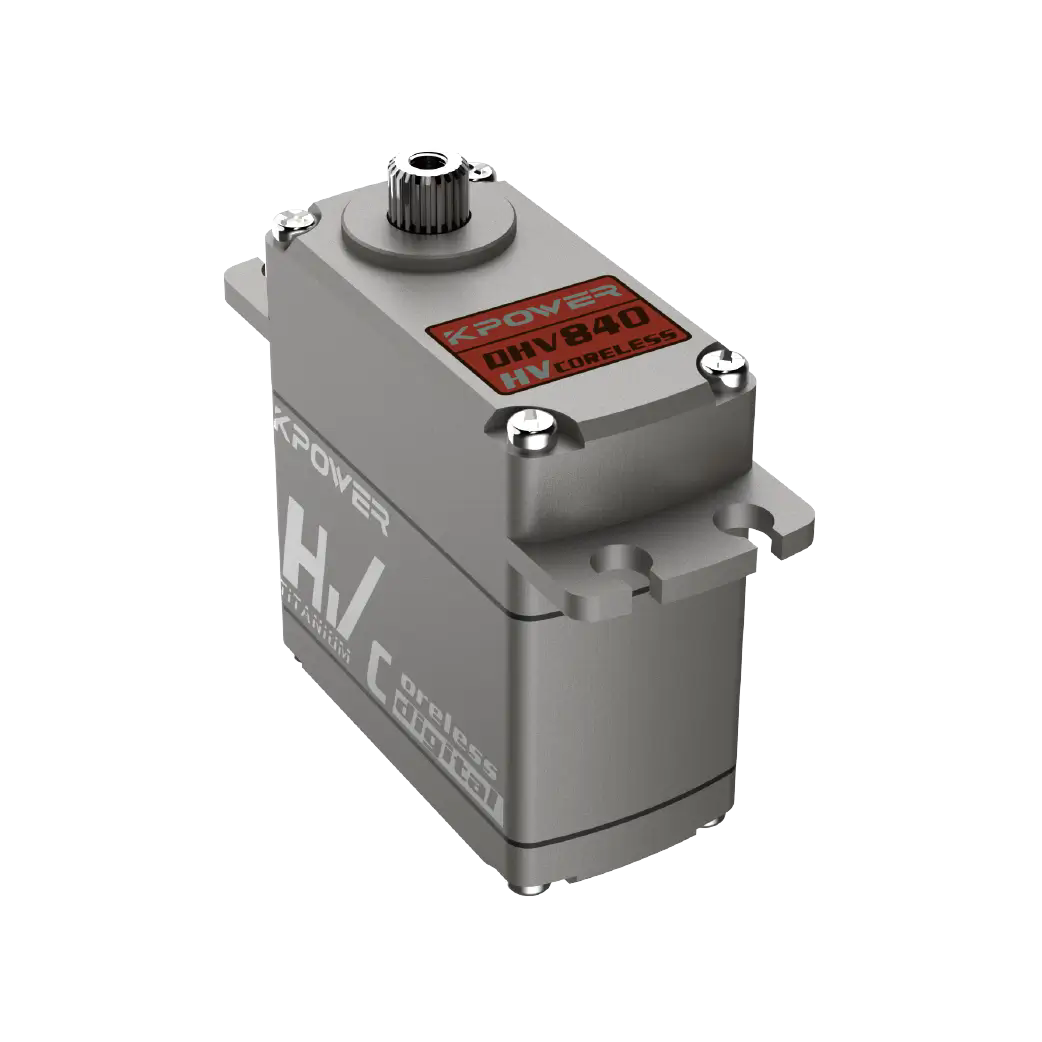
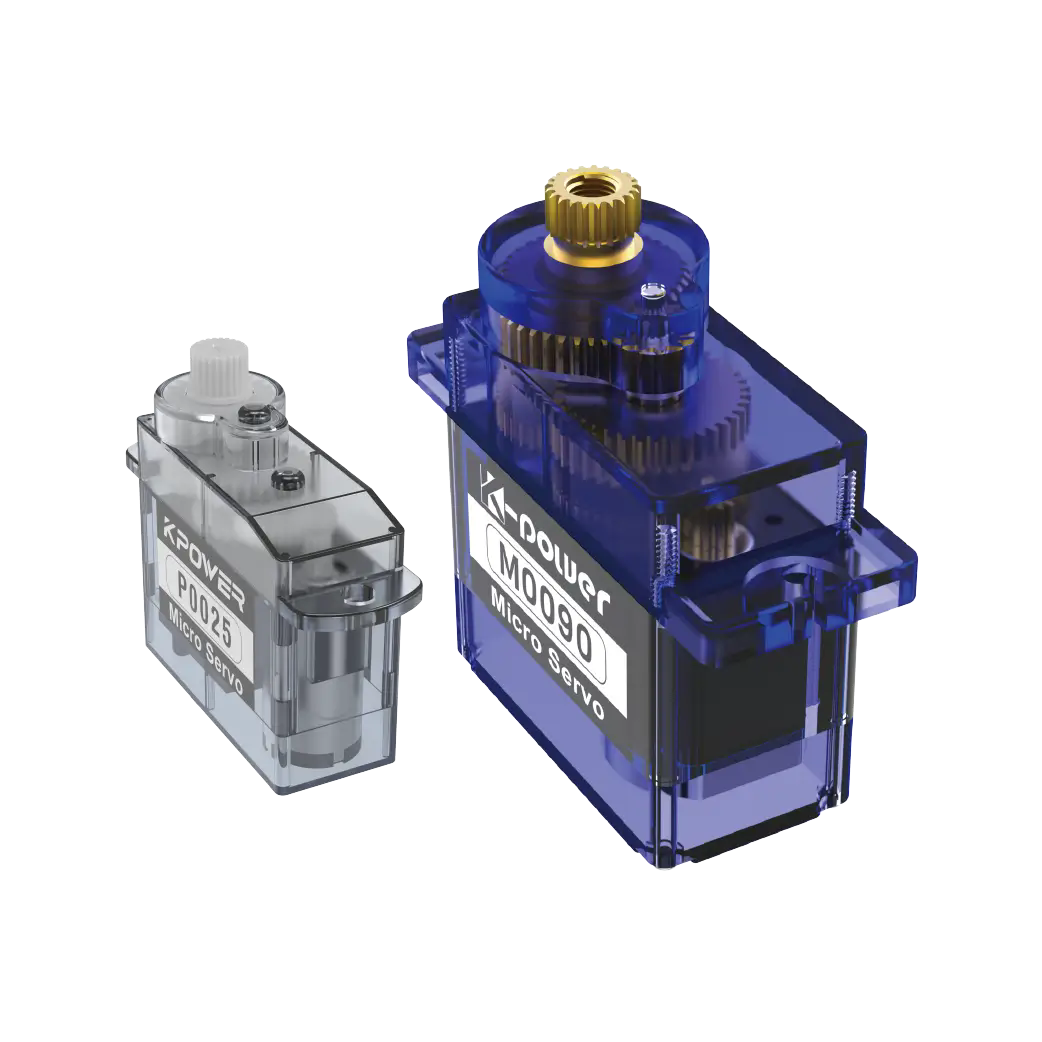
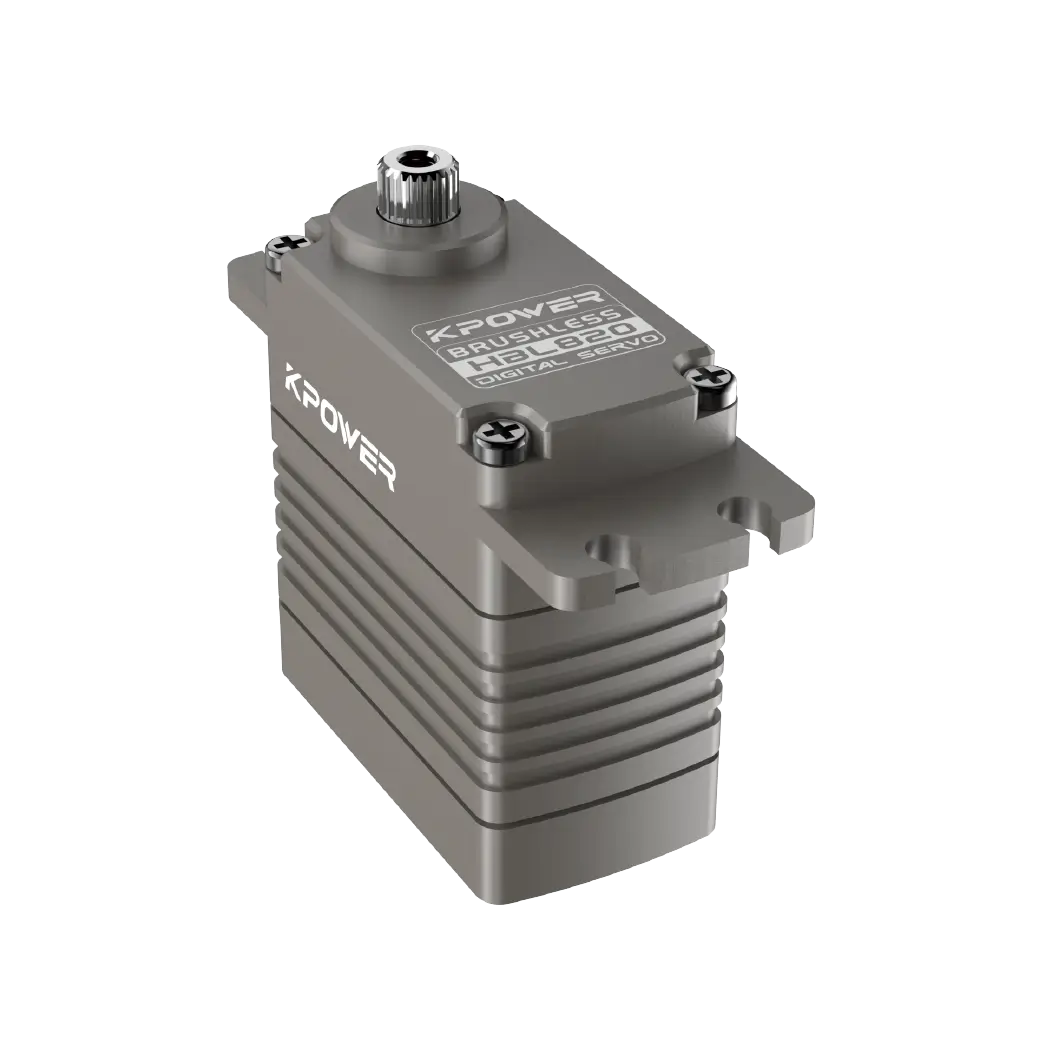
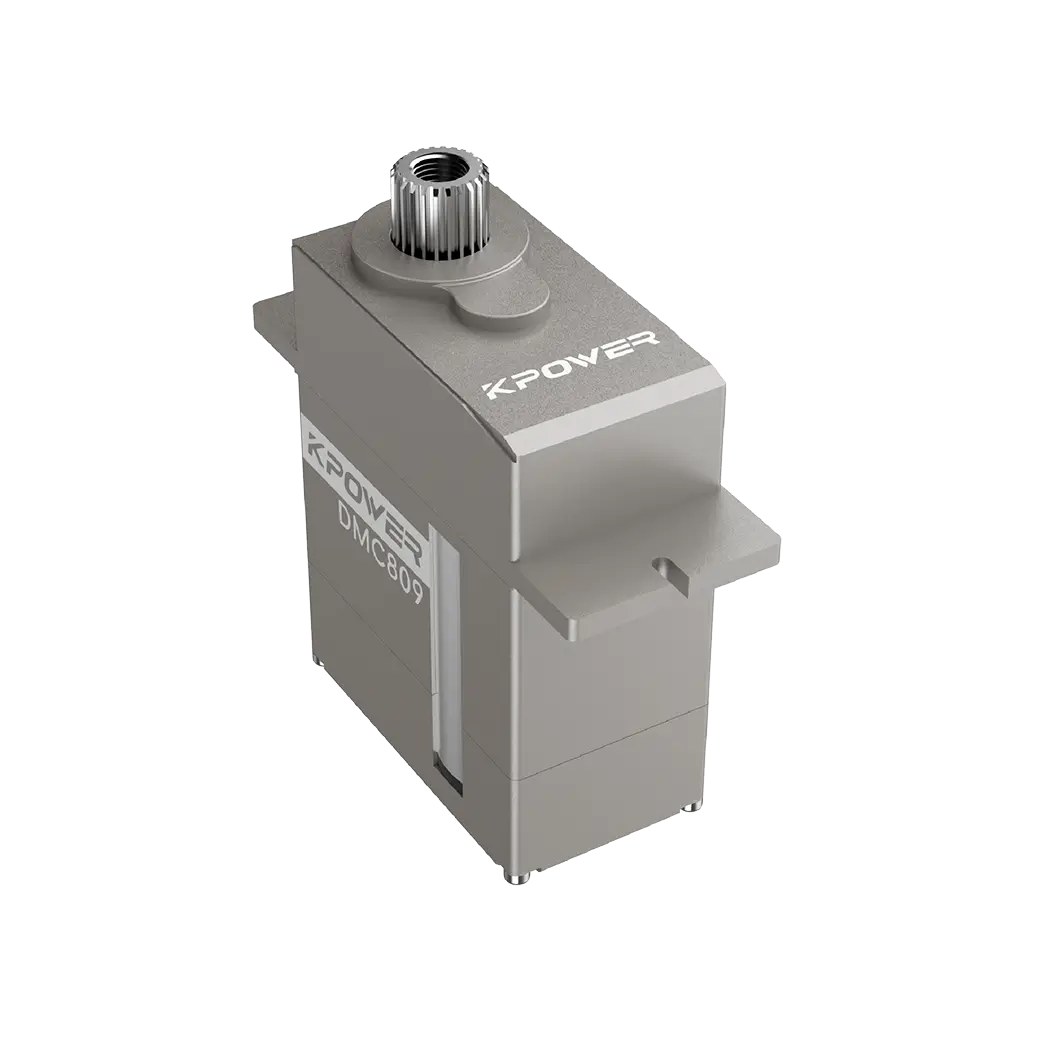
Think ofkpowernot just as a name on a sticker, but as the mechanical muscle behind your best ideas. When we talk about a microservoagency—the actual power to act and move—we are talking about how a tiny component translates a digital pulse into a physical reality.
kpowerdesigns these units with a focus on the silent things: the way the gears mesh without play, the heat dissipation of the casing, and the responsiveness of the internal controller. It’s the difference between a shaky hand and a surgeon’s precision.
Have you ever wondered why some servos hum while others scream? It usually comes down to the motor quality and the frequency of the controller. A Kpower micro servo manages power efficiently. It doesn't waste energy fighting itself.
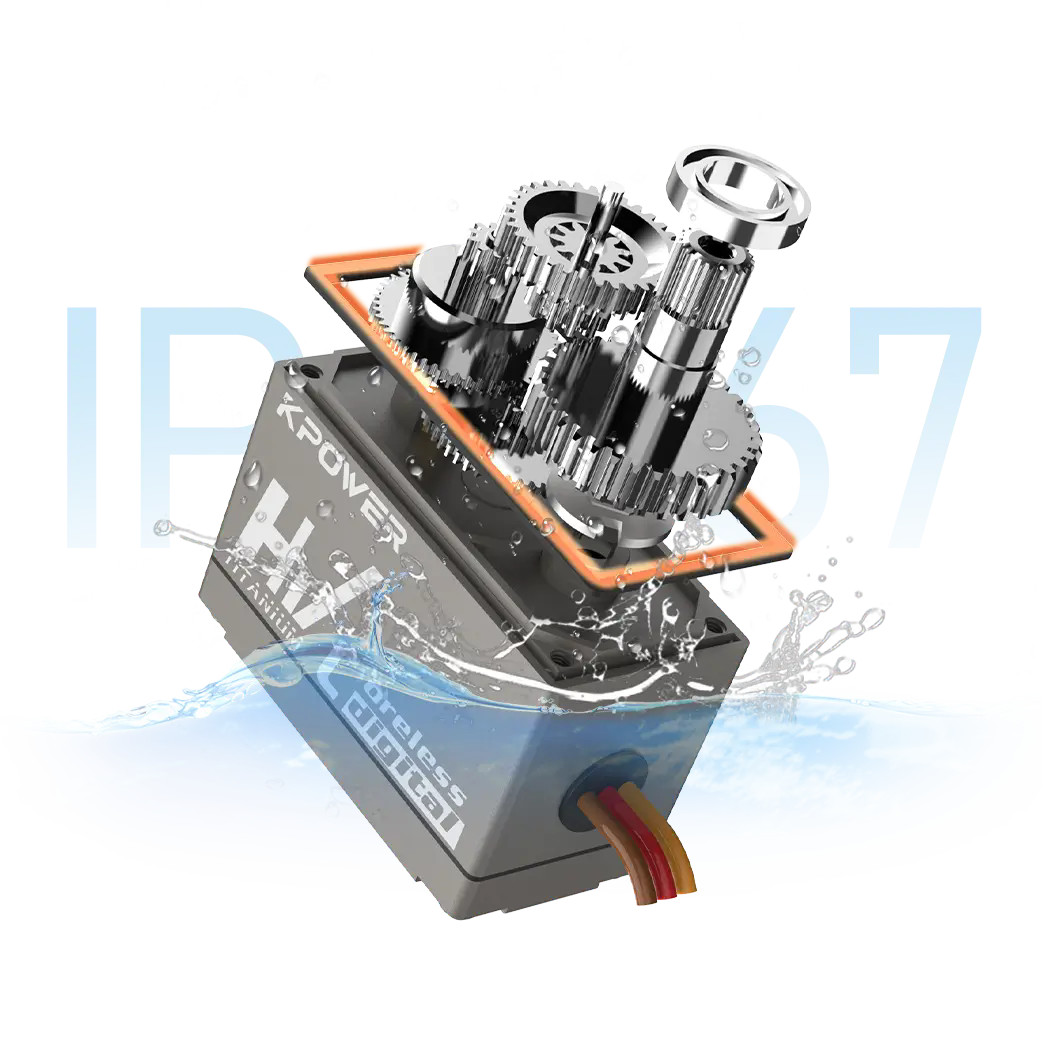
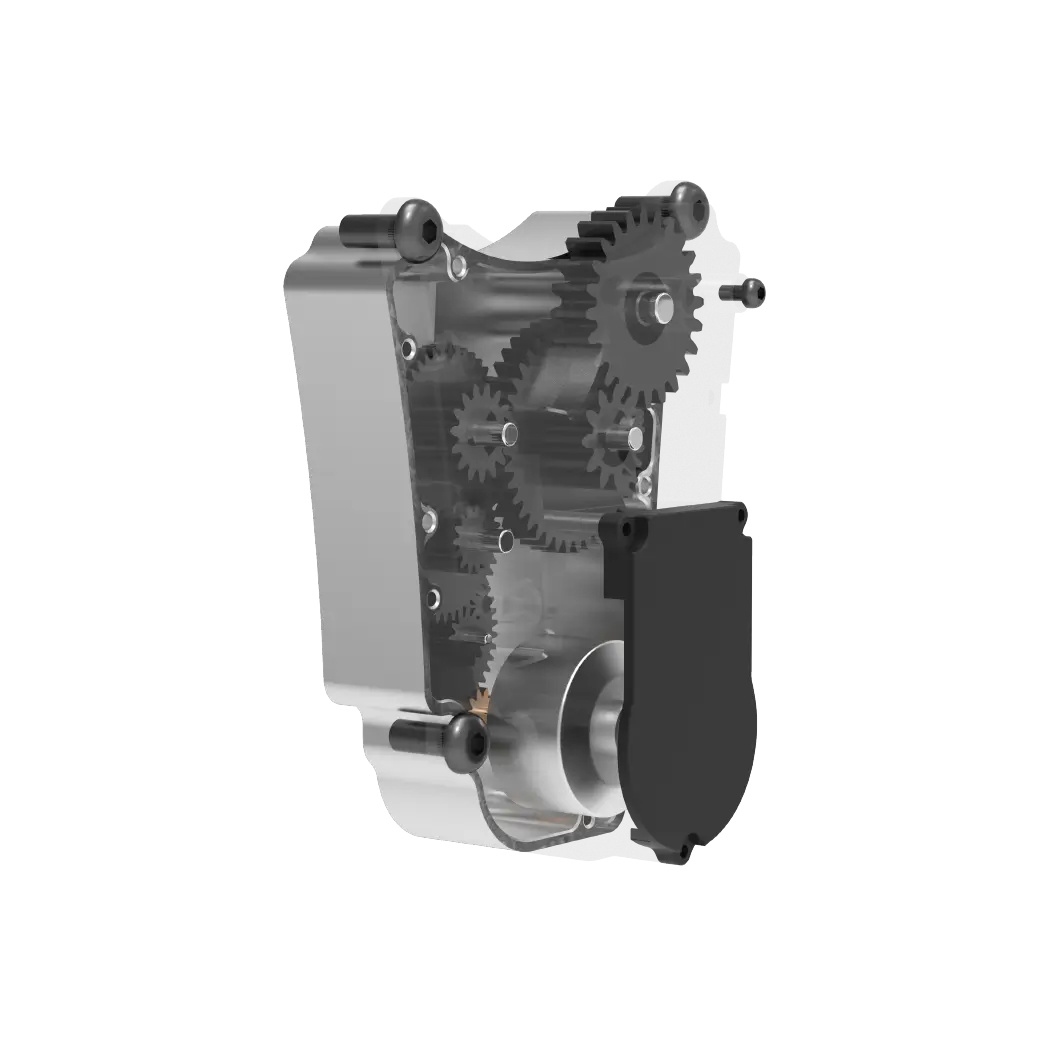
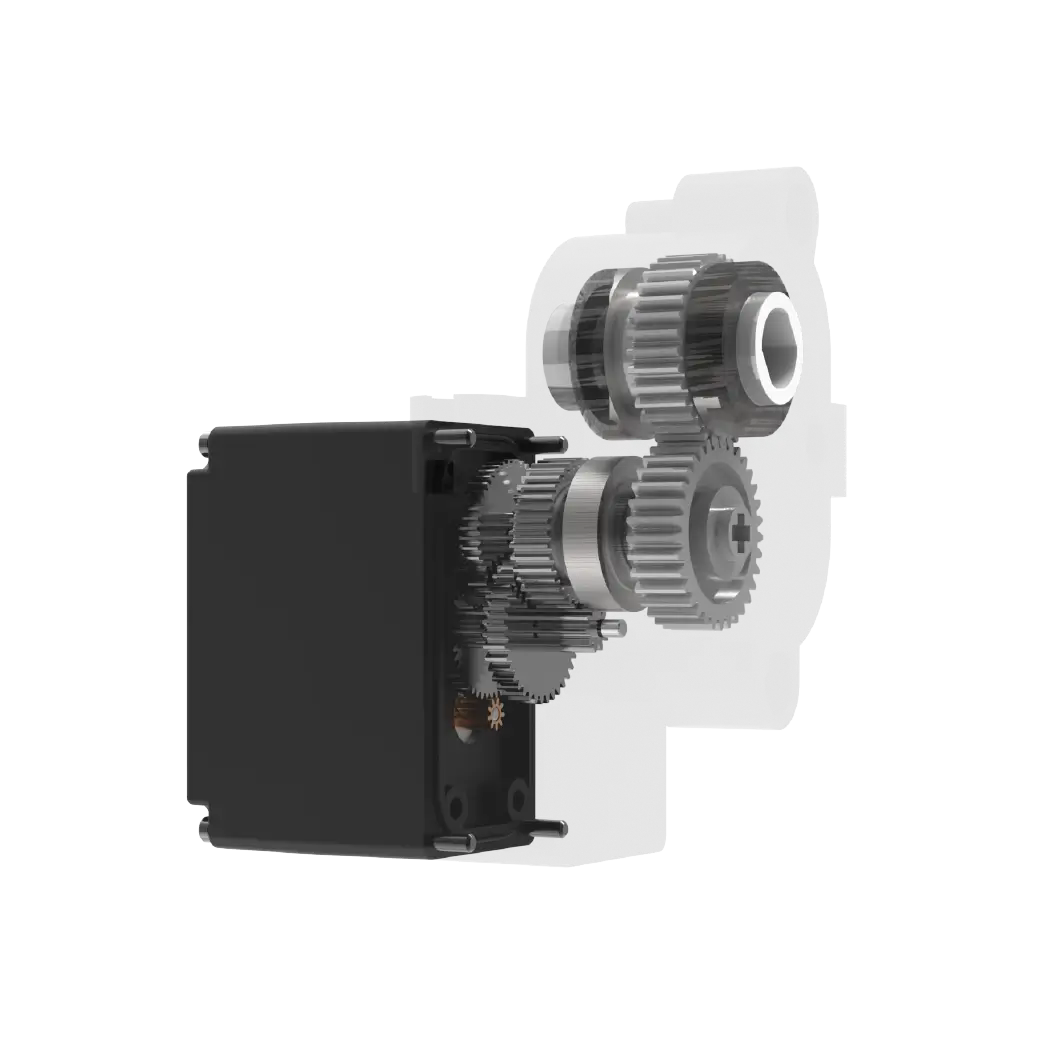
If you’re looking for something that lasts, look at the gear train. Plastic is fine for a lightweight glider that flies once a month. But if your project needs to cycle thousands of times, metal gears—specifically the high-durability alloys used by Kpower—are the only logical path. It’s about torque-to-weight ratio. You want the most "push" for every gram of weight you add to your frame.
Q: Can a micro servo really handle high-speed movements without overshooting? A: It depends on the "braking" ability of the internal logic. Kpower units are tuned to stop exactly where they are told. No wobbling back and forth like a pendulum. That precision is what separates a professional build from a school project.
Q: Why do my servos get twitchy when I move the cables? A: Usually, that’s signal interference or poor shielding. Higher-quality builds ensure that the internal pot (the part that tells the motor where it is) doesn't get confused by "noise." Kpower puts a lot of effort into making sure the signal stays clean, even in tight spaces packed with other electronics.
Q: Is metal gear always better than plastic? A: Not always, but usually. Metal gears handle impact better. If your project might bump into a wall or drop suddenly, plastic gears will snap like toothpicks. Kpower’s metal gear options give you that peace of mind.
Imagine you are building a miniature hexapod. Twelve motors, all working in sync. If even one of those motors has a different "dead band" (the tiny range where it doesn't move), the whole robot will limp. It will look drunk.
Consistency is the secret sauce. When you pull six Kpower servos out of the box, you expect them to behave identically. This consistency saves you hours of coding "offsets" to fix hardware flaws. You want the hardware to do its job so you can focus on the creative side of the project.
When things get small, friction becomes a giant. A tiny bit of resistance in a large motor is unnoticeable. In a micro servo, it’s a dealbreaker. Kpower focuses on reducing that internal friction. This means the motor uses less current, stays cooler, and reacts faster to your commands.
It’s about trust. When you flip the switch, you shouldn't have to hold your breath hoping the arm doesn't snap or the gear doesn't skip. You should be able to watch it move with the smooth, rhythmic grace of a well-oiled machine.
If you are tired of the "budget" options that leave your projects grounded or broken, it’s time to look at the mechanics through a different lens. A micro servo shouldn't be the weakest link in your chain. It should be the part you don't have to worry about.
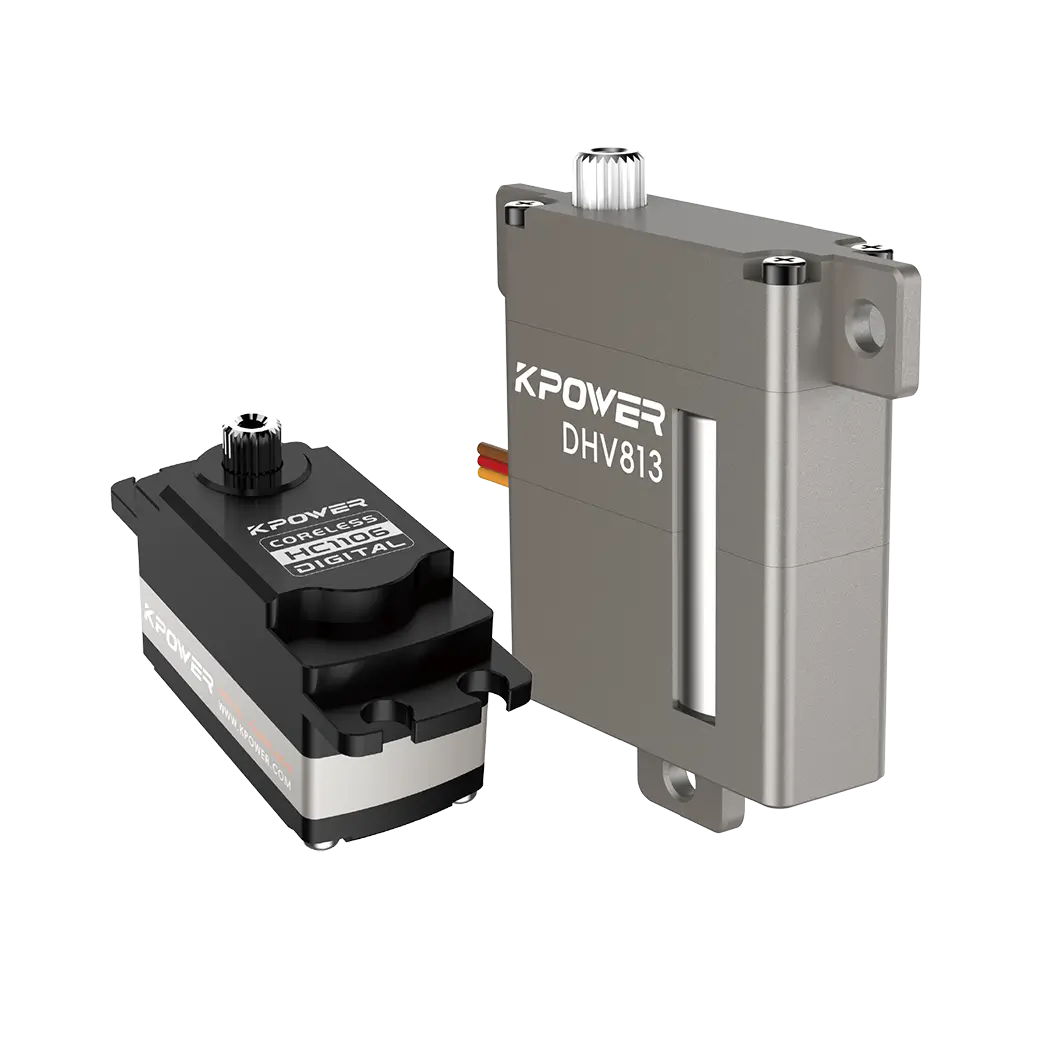
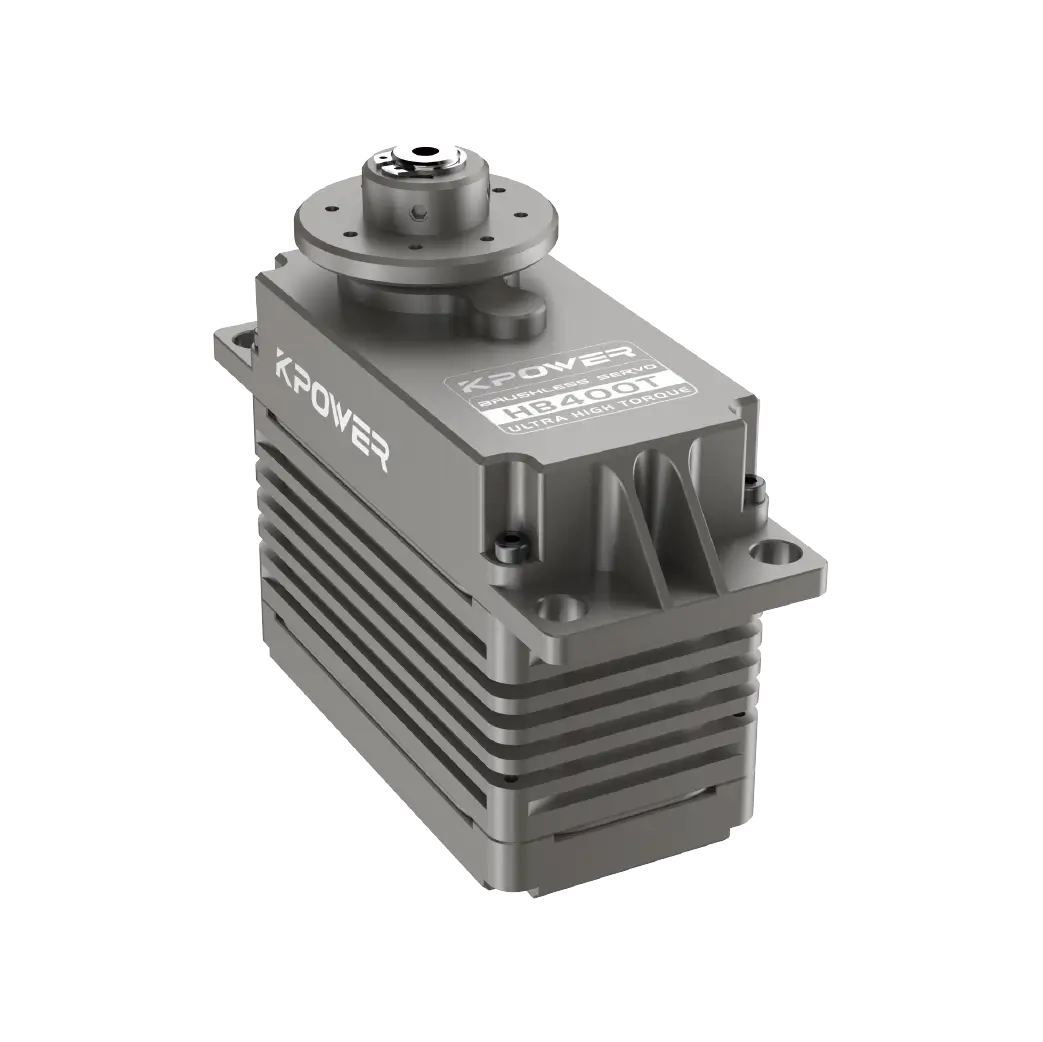
Kpower offers that bridge between "it might work" and "it works every time." Whether you are looking for high-voltage compatibility to plug directly into a battery pack or specialized torque for a heavy lift in a small frame, the focus remains the same: reliability.
Your project deserves a soul that can keep up with your imagination. Don't let a few grams of poorly made plastic hold you back. Look for the Kpower mark, and give your creation the mechanical agency it needs to thrive. The workbench is waiting, and that robot arm isn't going to fix itself. Choose the right muscle for the job.
Established in 2005, Kpower has been dedicated to a professional compact motion unit manufacturer, headquartered in Dongguan, Guangdong Province, China. Leveraging innovations in modular drive technology, Kpower integrates high-performance motors, precision reducers, and multi-protocol control systems to provide efficient and customized smart drive system solutions. Kpower has delivered professional drive system solutions to over 500 enterprise clients globally with products covering various fields such as Smart Home Systems, Automatic Electronics, Robotics, Precision Agriculture, Drones, and Industrial Automation.
Update Time:2026-01-22

Contact Kpower's product specialist to recommend suitable motor or gearbox for your product.


