



TECHNICAL SUPPORT


Published 2026-01-19
Have you ever encountered such trouble? ——A system that was originally running smoothly, due to the update of a small part, caused the entire system to stagnate or even collapse. Or when the business needs to expand, the entire system is like a heavy boulder that is difficult to move and adjust. Does this feel like controlling a huge robot with all the joints rusty and unresponsive?

There is often a fundamental reason behind this: the limitations of a monolithic architecture. All functions are tightly coupled, affecting the whole body. Today, a more agile and robust construction concept is changing the rules of the game: microservice architecture. It's not magic, but a thoughtful design philosophy.
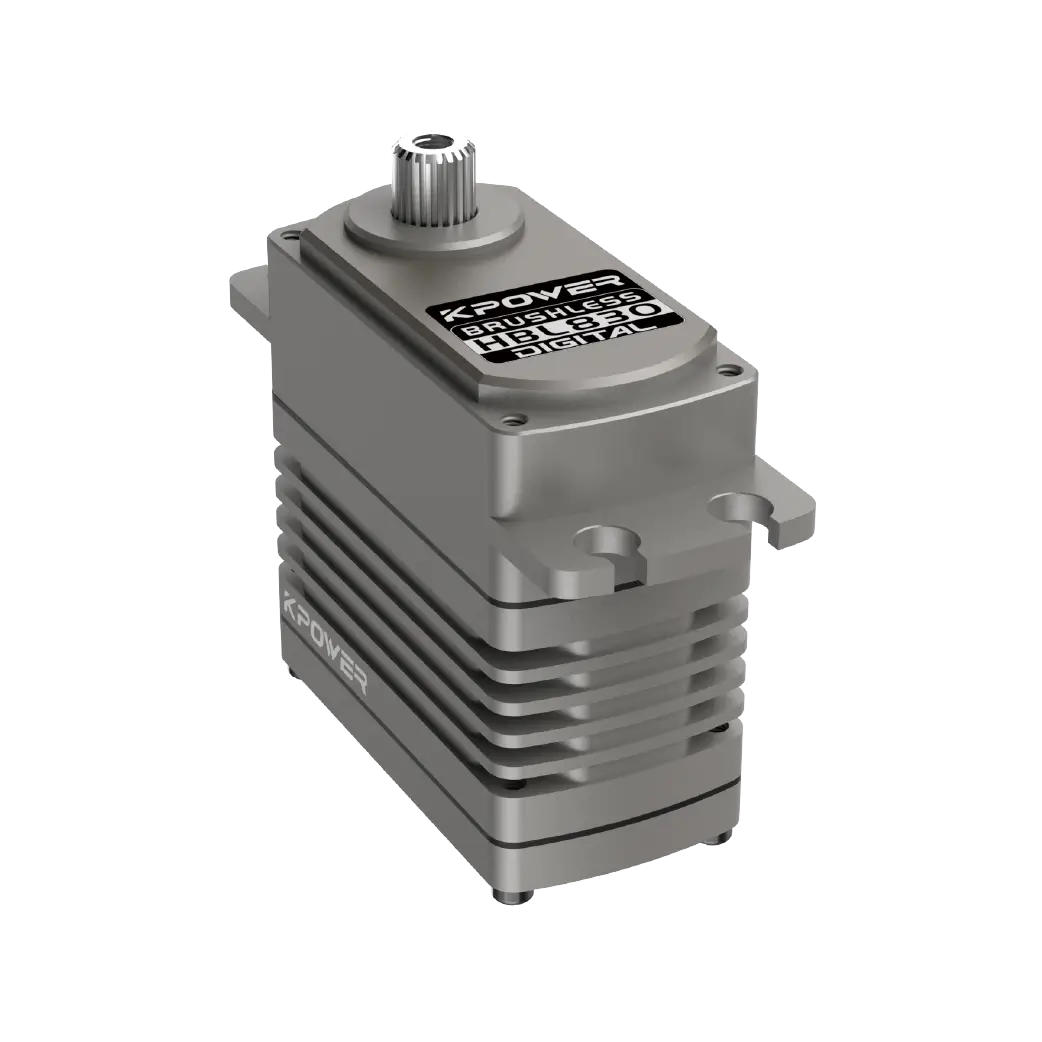
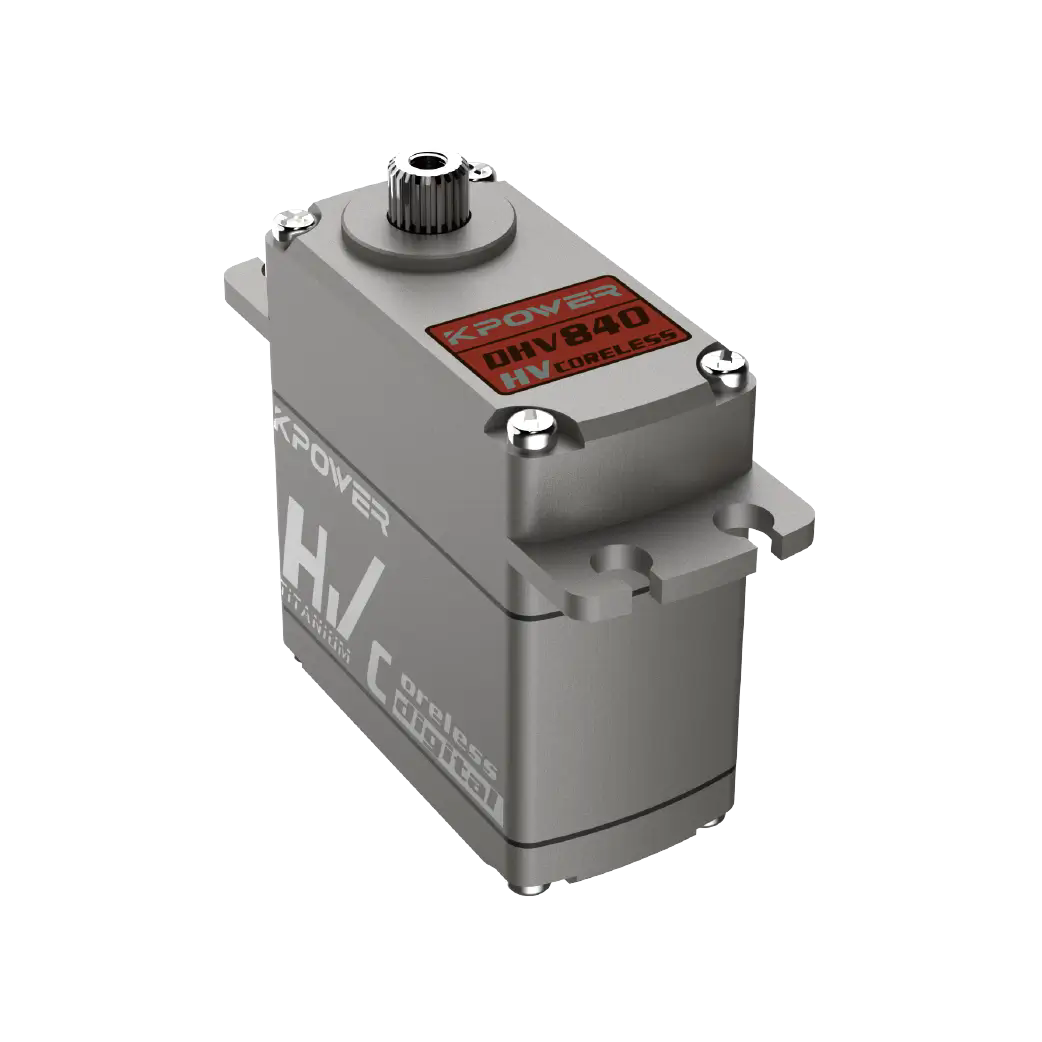
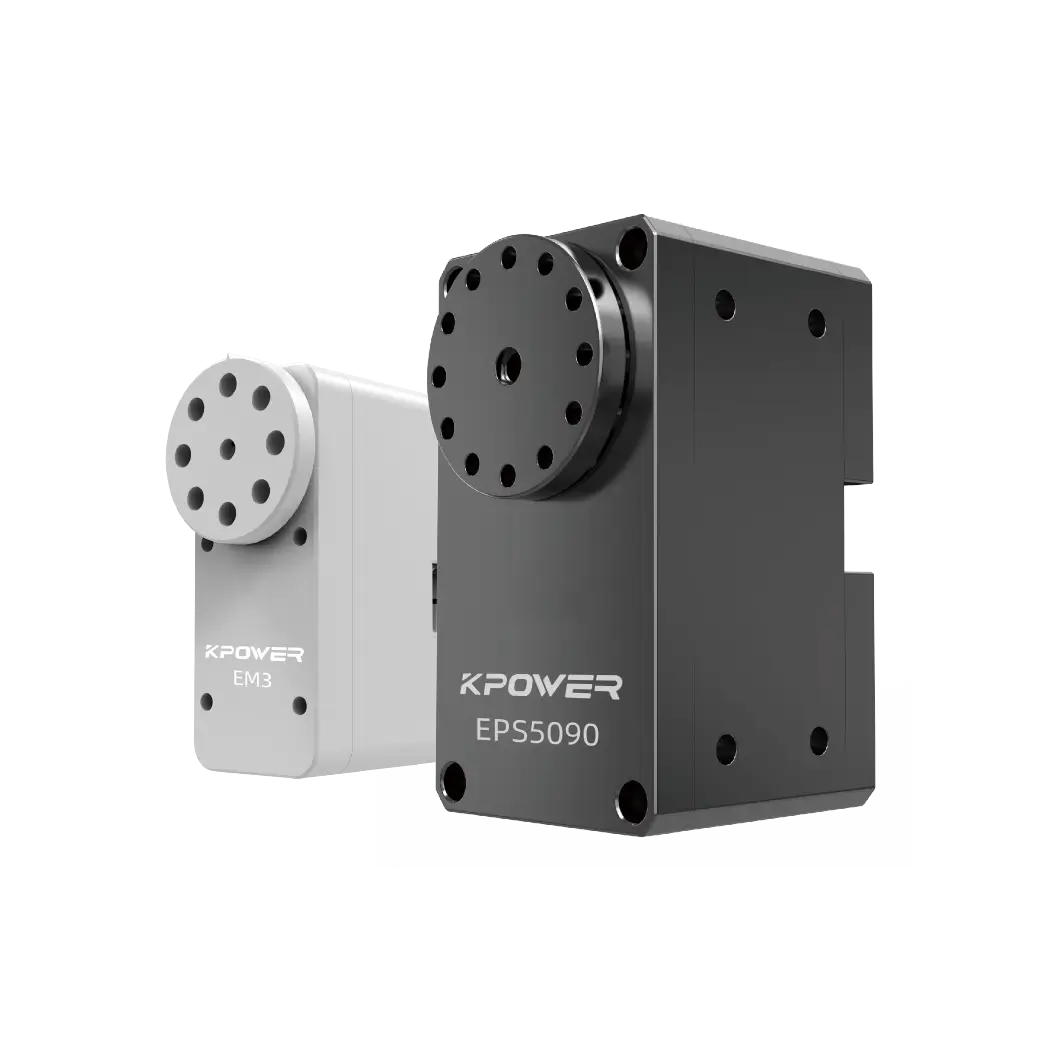
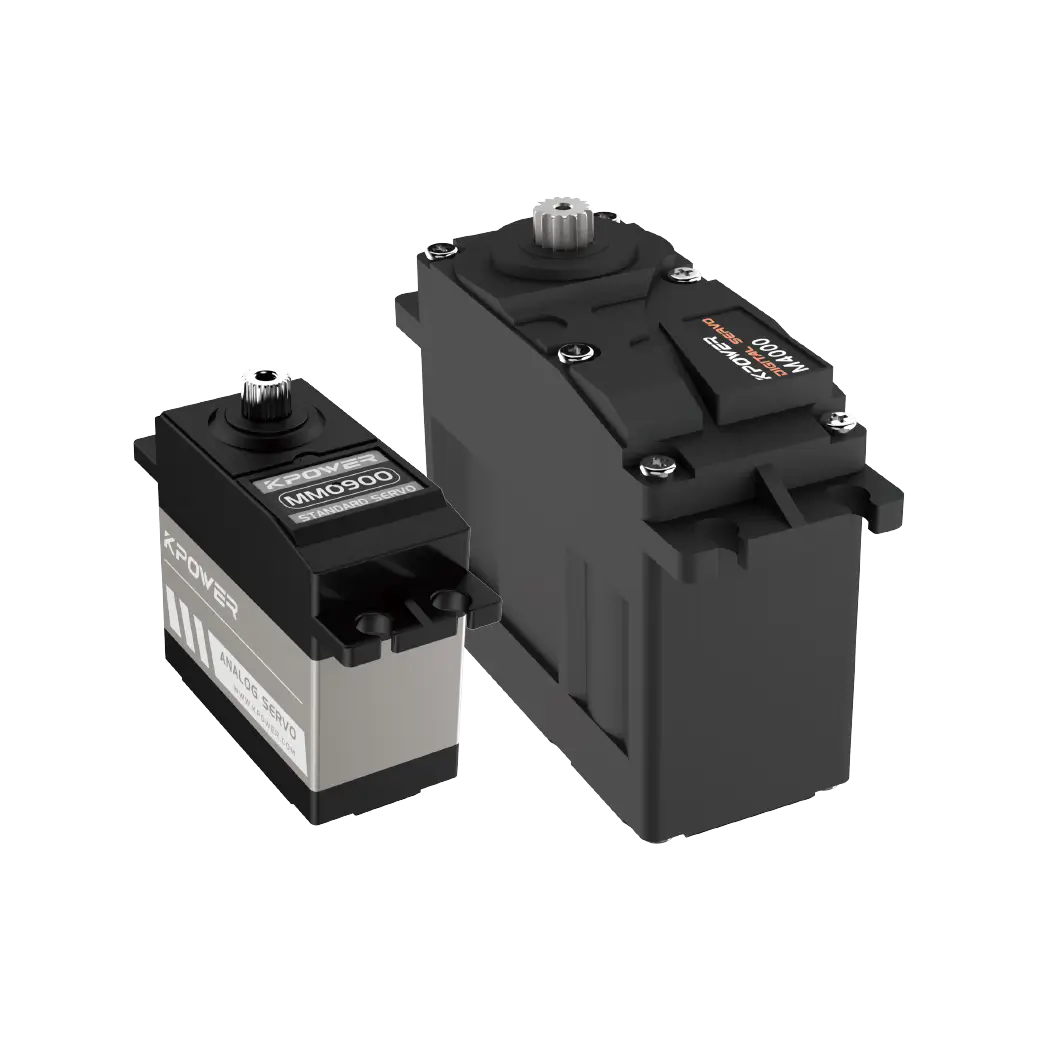
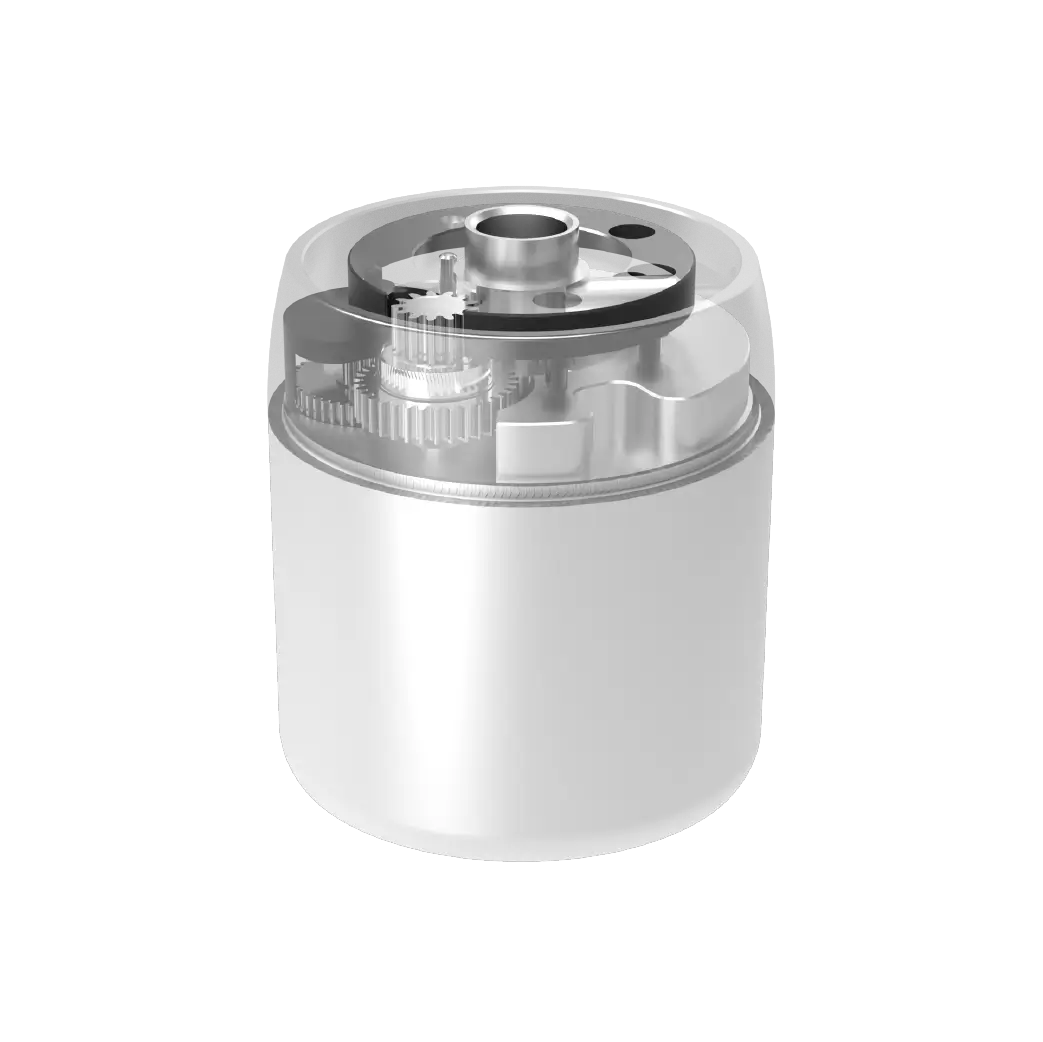
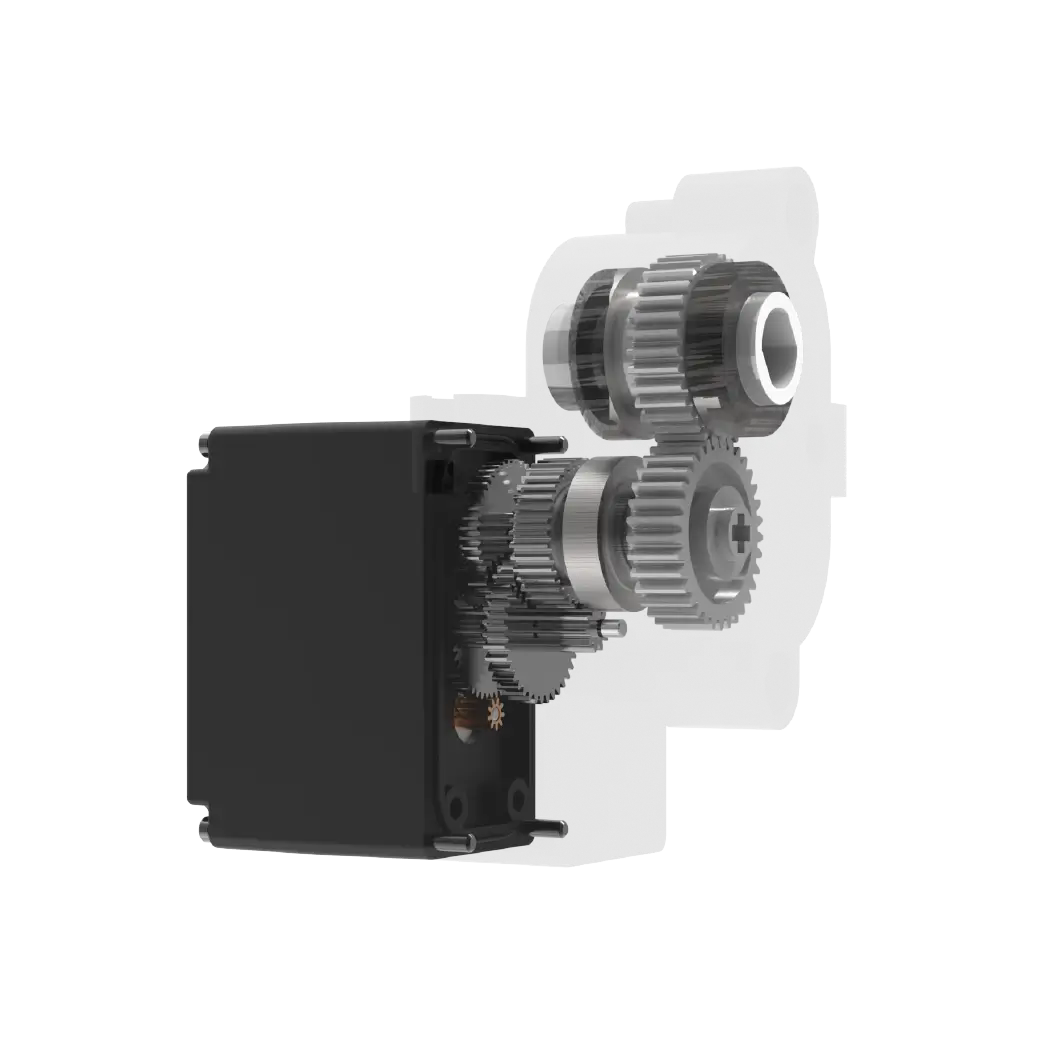
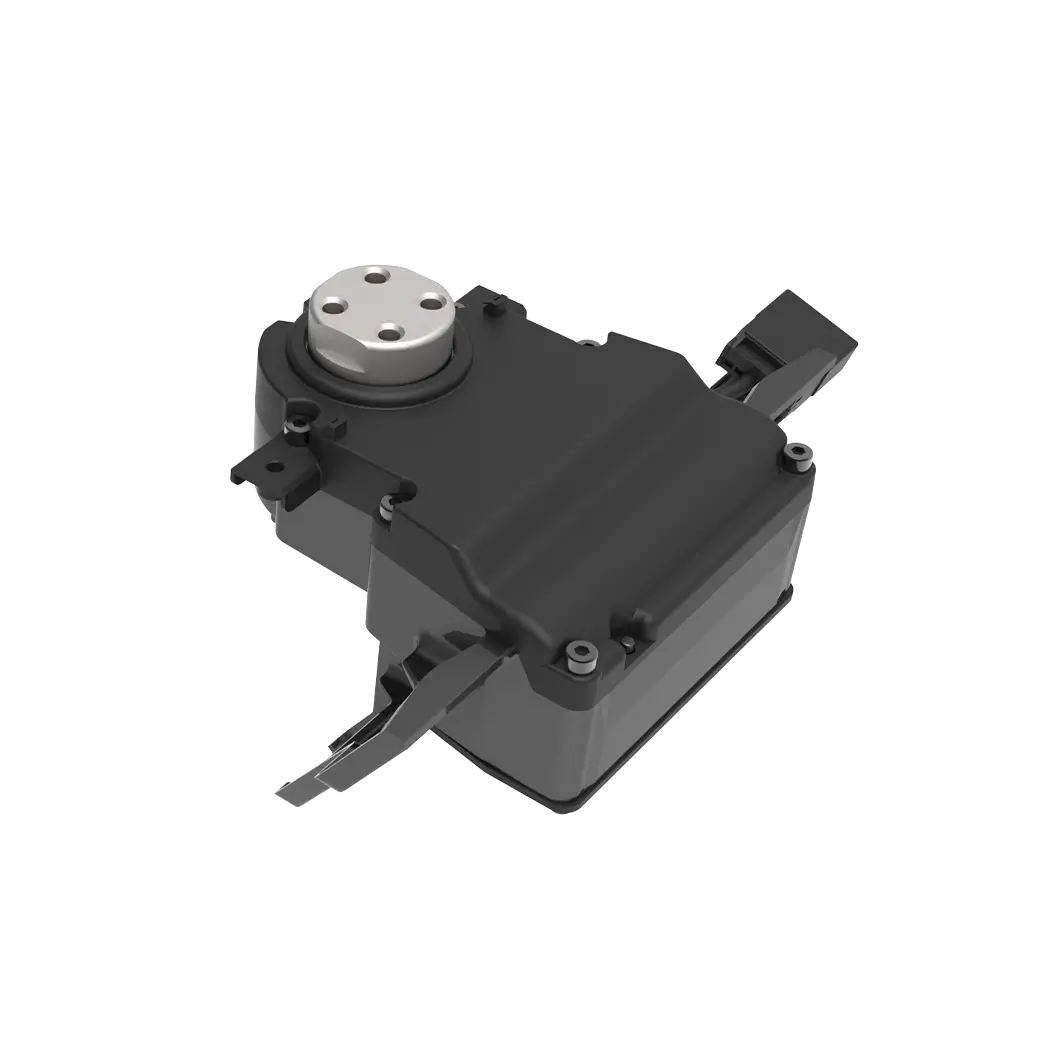
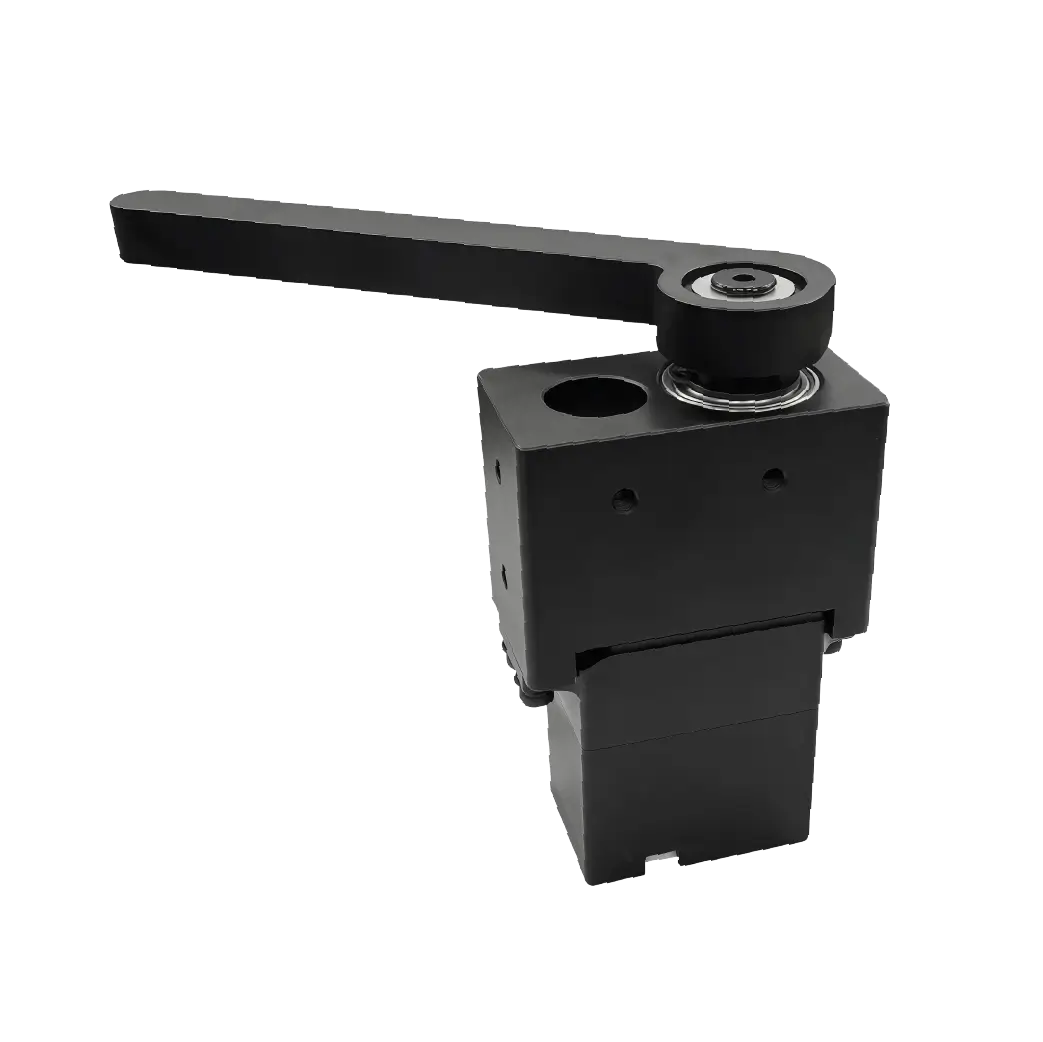
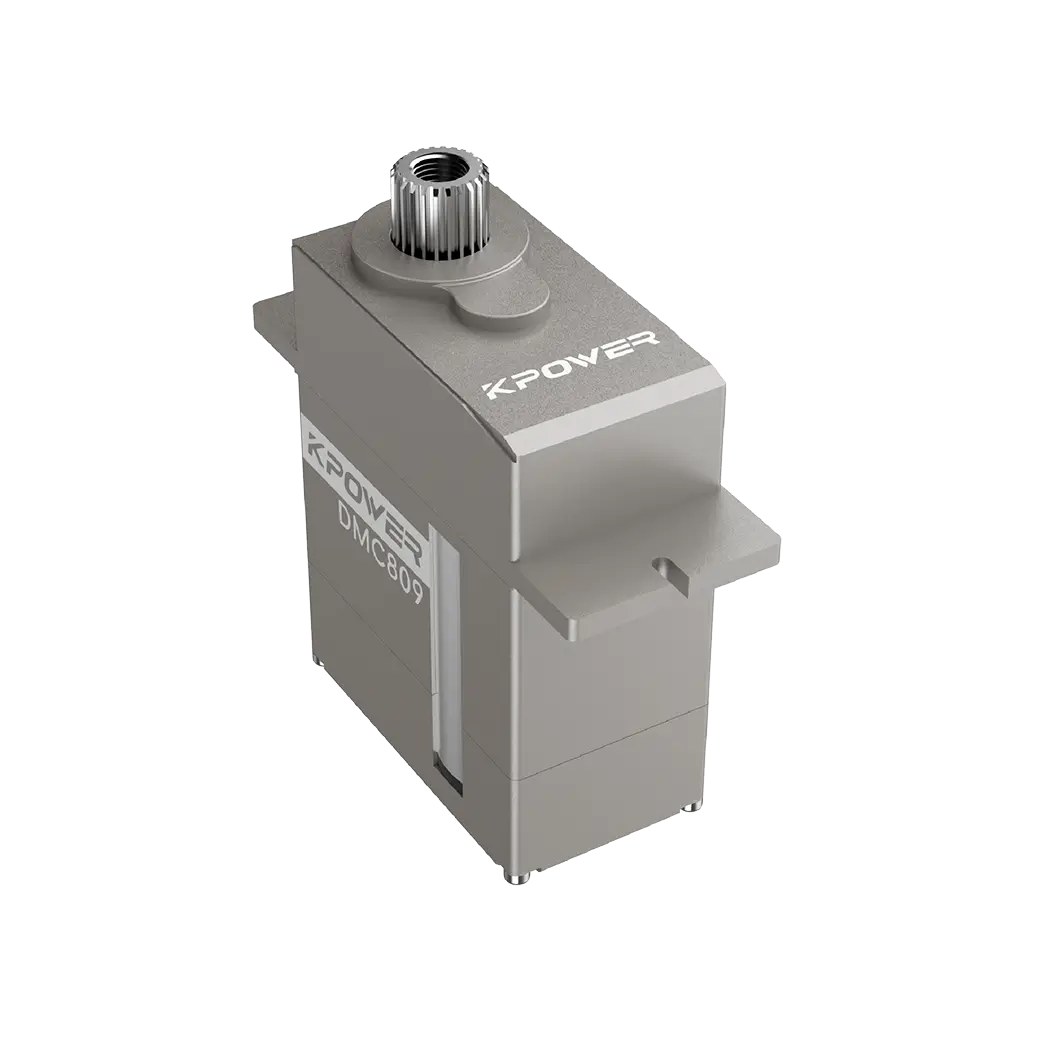
Imagine you no longer have a giant central controller directing everything. Instead, you have many independent, small "servos." Each "server" (that is, a microservice) only focuses on one thing and does it to the extreme: such as user authentication, order processing, and inventory query. They "dialogue" with each other through clear interfaces and work together to drive the entire behemoth to operate gracefully.
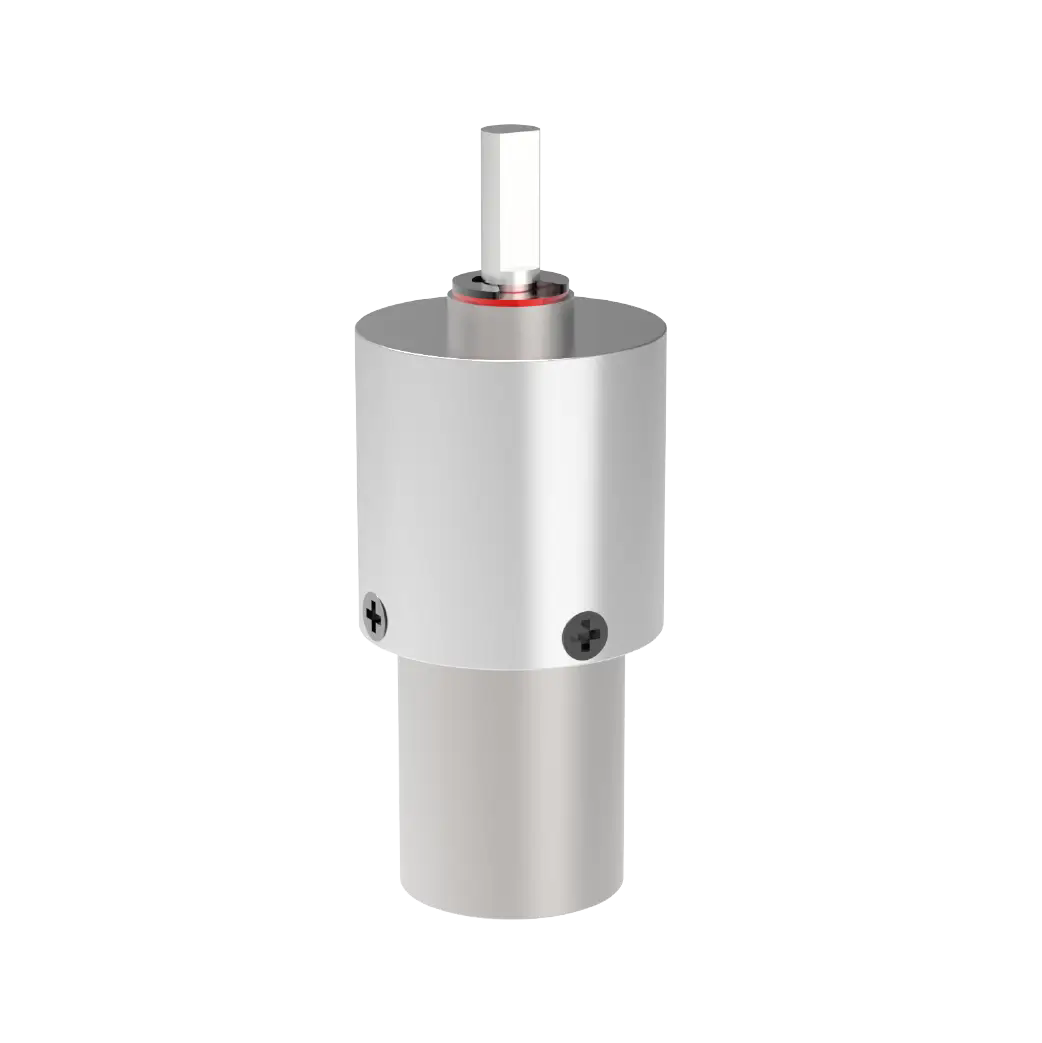
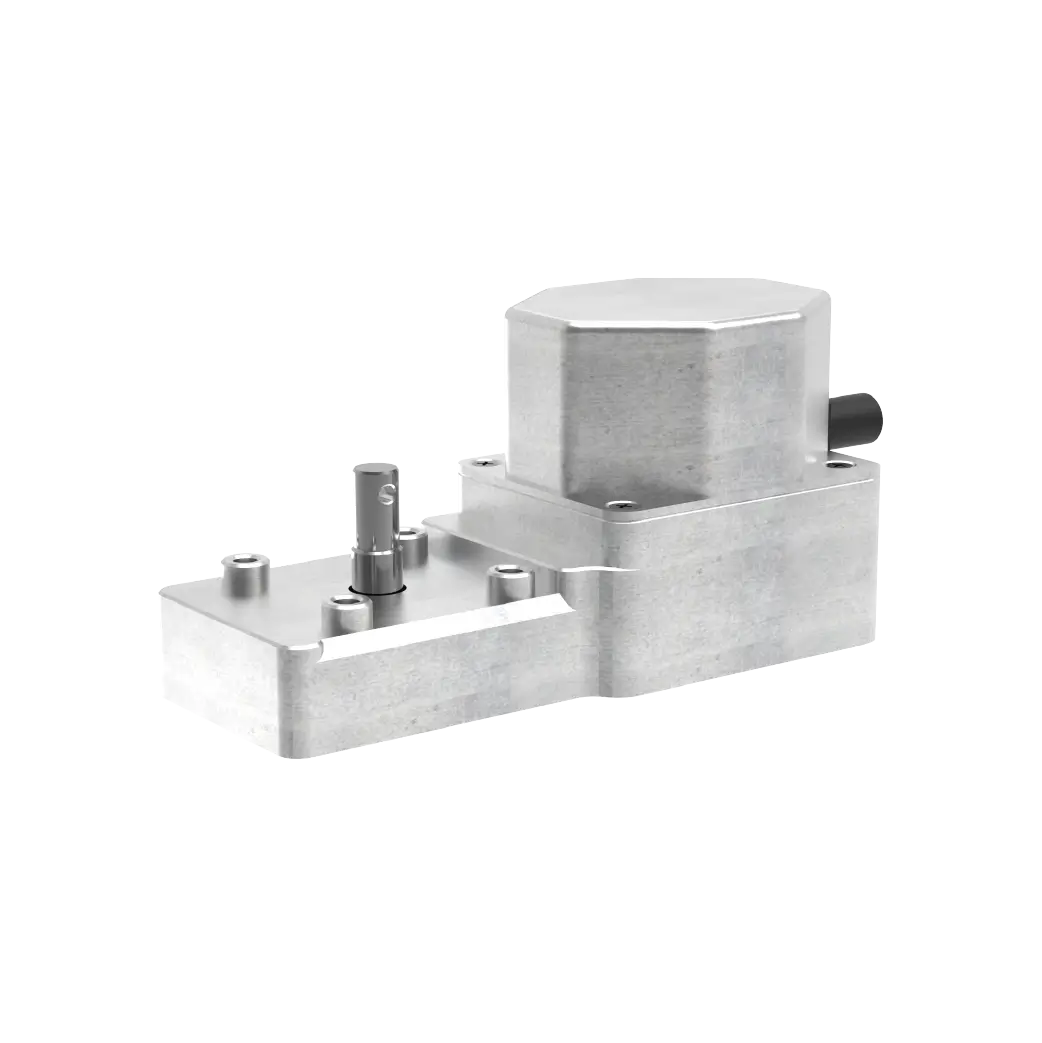
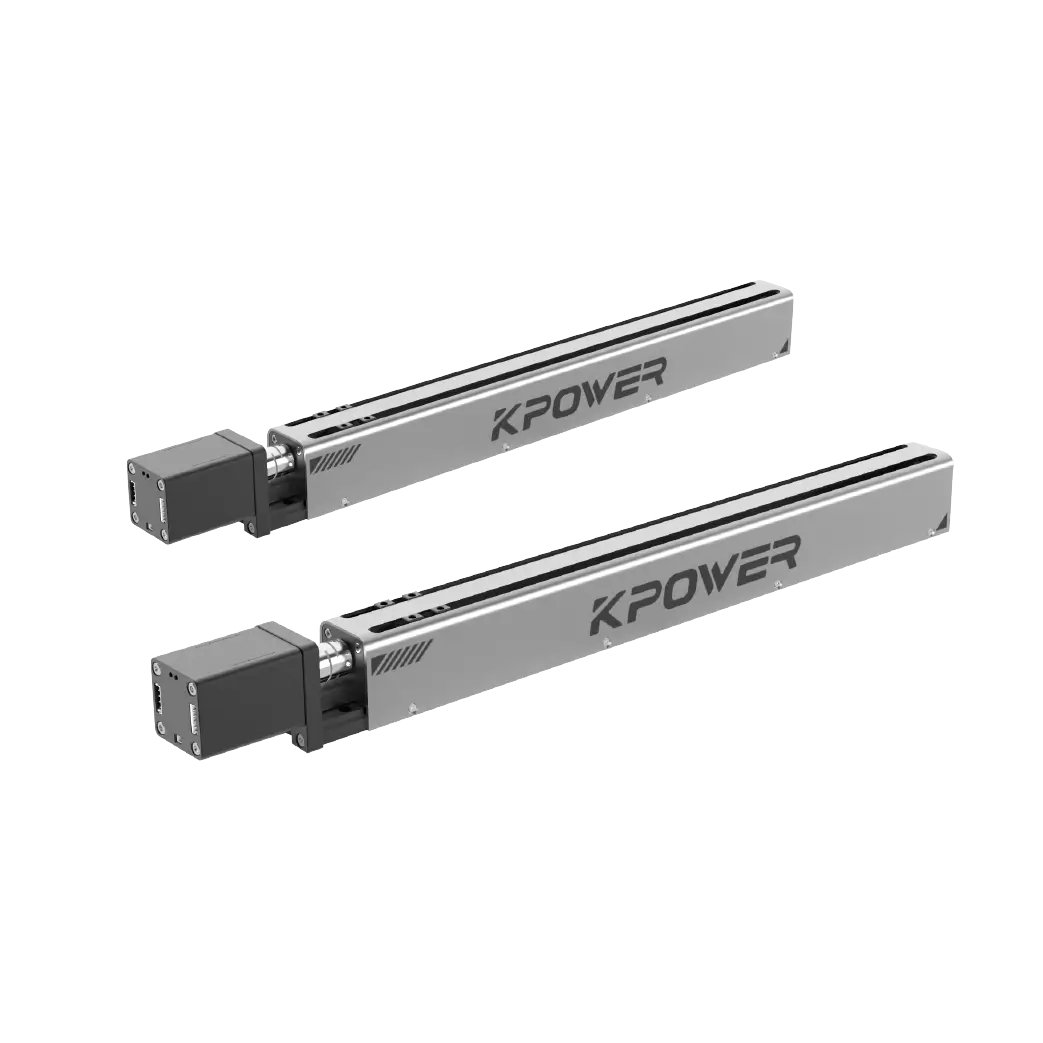
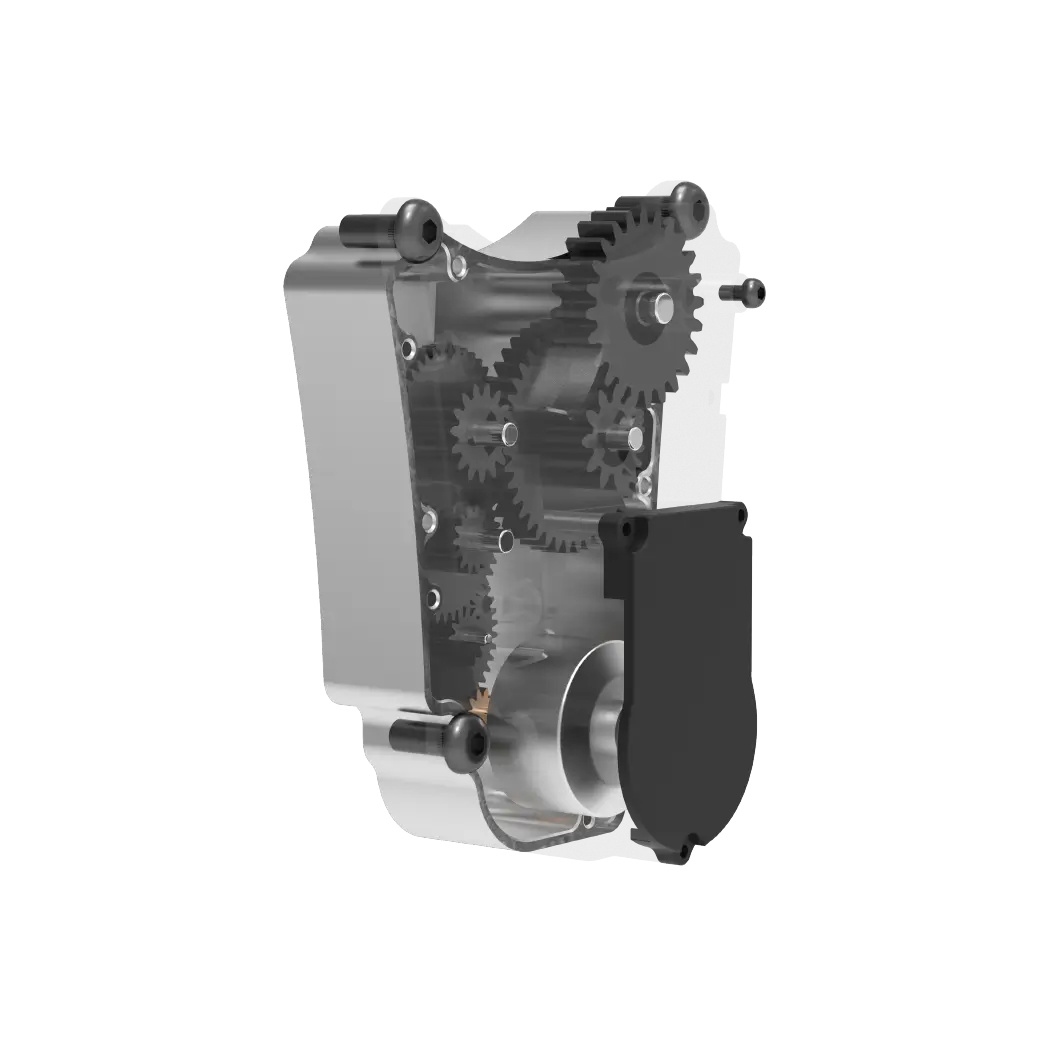
It's like going from a heavy machine that has all the functions in one to a lot of capable, dedicated people.kpowerA collaborative network composed of servo units. Each unit can spin, power, and upgrade independently without having to shut down the entire production line.
1. Increase resilience, not fragility. In a single system, a tiny vulnerability may lead to complete paralysis. The microservice architecture is different, it has natural isolation. If a service has a problem, it's like a gear getting stuck. The system can automatically isolate it and other services can run as usual. The overall availability of the system is no longer tied to a single point, which brings reassuring stability.
2. Flexible expansion and contraction, supply on demand. Business has peaks and valleys. Do you need to expand the capacity of the entire system during peak traffic times? Microservices allow you to accurately scale only the most stressed services. Just like adding power to only the most strenuous mechanical arm, it is efficient and economical.
3. Freedom of technology choice: Teams can choose the most appropriate technology stack for different services. This service uses A language, and that one uses B framework, without interfering with each other. It liberates developers’ creativity and makes it possible to use the most appropriate tools to do the most appropriate things.
4. Continuous delivery accelerator Each small service can be developed, tested and deployed independently. This means that new features can be delivered online faster like parts on the assembly line, without having to wait for the entire "aircraft carrier" to be overhauled.
Of course, it's not without its challenges. You will face the inherent complexities of distributed systems, such as communication between services and data consistency management. This requires good design, clear contracts, and mature operation and maintenance practices. But the trade-off is the agility and long-term maintainability it provides, making the investment worthwhile.
Changing your thinking comes first. Don’t think about “splitting”, think about “dividing” first. Start by identifying business functions that are relatively independent and have clear boundaries. For example, “User Management” and “Payment Processing” are natural candidates.
Then, establish simple, solid protocols for communication between services. Ensure that they are like standard interfaces in precision machinery and can be reliably connected.
Don’t forget to monitor. When you have dozens or even hundreds of small services running, you need a clear "dashboard" to understand the health and performance indicators of each "unit".
Some people say, will this make the system more complex? To some extent, yes, but it moves the complexity from "a mess on the inside" to "a clear connection on the outside." The latter is manageable and observable. In the long run, this is a more advanced order.
To adopt microservices is not to chase fashion, but to choose a construction method that is more in line with the rapidly evolving needs of modern business. It makes the system like a living organism that can grow, adapt, and repair itself. It requires ingenuity and patience, but the rewards are huge: a digital core that is more flexible, more powerful, and better able to accompany your long-term development.
When each component is focused and powerful, the harmony and power of the whole will follow naturally. This may be the most worthwhile direction to consider when building future systems.
Established in 2005,kpowerhas been dedicated to a professional compact motion unit manufacturer, headquartered in Dongguan, Guangdong Province, China. Leveraging innovations in modular drive technology,kpowerintegrates high-performance motors, precision reducers, and multi-protocol control systems to provide efficient and customized smart drive system solutions. Kpower has delivered professional drive system solutions to over 500 enterprise clients globally with products covering various fields such as Smart Home Systems, Automatic Electronics, Robotics, Precision Agriculture, Drones, and Industrial Automation.
Update Time:2026-01-19

Contact Kpower's product specialist to recommend suitable motor or gearbox for your product.


