

TECHNICAL SUPPORT


Published 2026-01-19
Hey, if you are tinkering with servo motors, servos, or other mechanical devices, have you ever had a time when the system was so complex that it was a headache, debugging it felt like a mess, and you always felt like something was wrong?
I guess you have.
The traditional control method is sometimes like an old-fashioned radio. The frequency adjustment has to be slowly turned by hand. If there is a problem with one module, the entire system may "go on strike". This is not because the equipment is bad, but because the architecture is old. Just like running the latest software on an old computer, it will inevitably lag.
Therefore, today we will not talk about those esoteric theories, but let’s talk about an idea that sounds a bit technical, but is actually very down-to-earth: microservices.
You can think of it as a small team with a clear division of labor.
In the past, you might use a brain (central controller) to direct all actions—motor rotation, sensor reading, data uploading...all crowded together. The meaning of microservices is to make each function independent into a small unit. For example, let one service only handle the motion control of the motor, another one handle the position feedback, and another one is responsible for communicating with the host computer. They each perform their own duties and collaborate through simple "conversations."

One of the most direct benefits of doing so is flexibility. Do you want to upgrade the communication protocol? There is no need to change the entire system, just change the small unit of communication. A certain module needs to be debugged, while other parts run as usual. It's like adding Lego bricks to a machine, replacing the piece that needs to be changed instead of rebuilding the entire castle.
Imagine a few scenarios. You are testing the action flow of a new robotic arm and suddenly find that the communication delay is a bit large. In a traditional architecture, you might want to troubleshoot the entire control process. Under the microservice architecture, you can quickly identify the problem of the small module "network communication service", isolate it, and repair it without affecting the motion test of the motor itself.
Or, your device needs to connect to a new cloud platform. If it is an overall structure, this may be a big and arduous project. But now, you only need to develop or replace a dedicated "data upload service", which is like adding a specialist who is good at external liaison to the team, and the work rhythm of other members will not be affected at all.
This architecture makes the system robust. If one service fails, it won't cause the entire system to collapse like dominoes. It also makes development and maintenance clear. Everyone can focus on their own small piece, rather than looking for a needle in a haystack of code.
The idea is great, but how to implement it? Build a microservices framework from scratch? For you who are busy in mechanical design and application, this may mean a lot of learning and trial and error, and the time cost is too high.
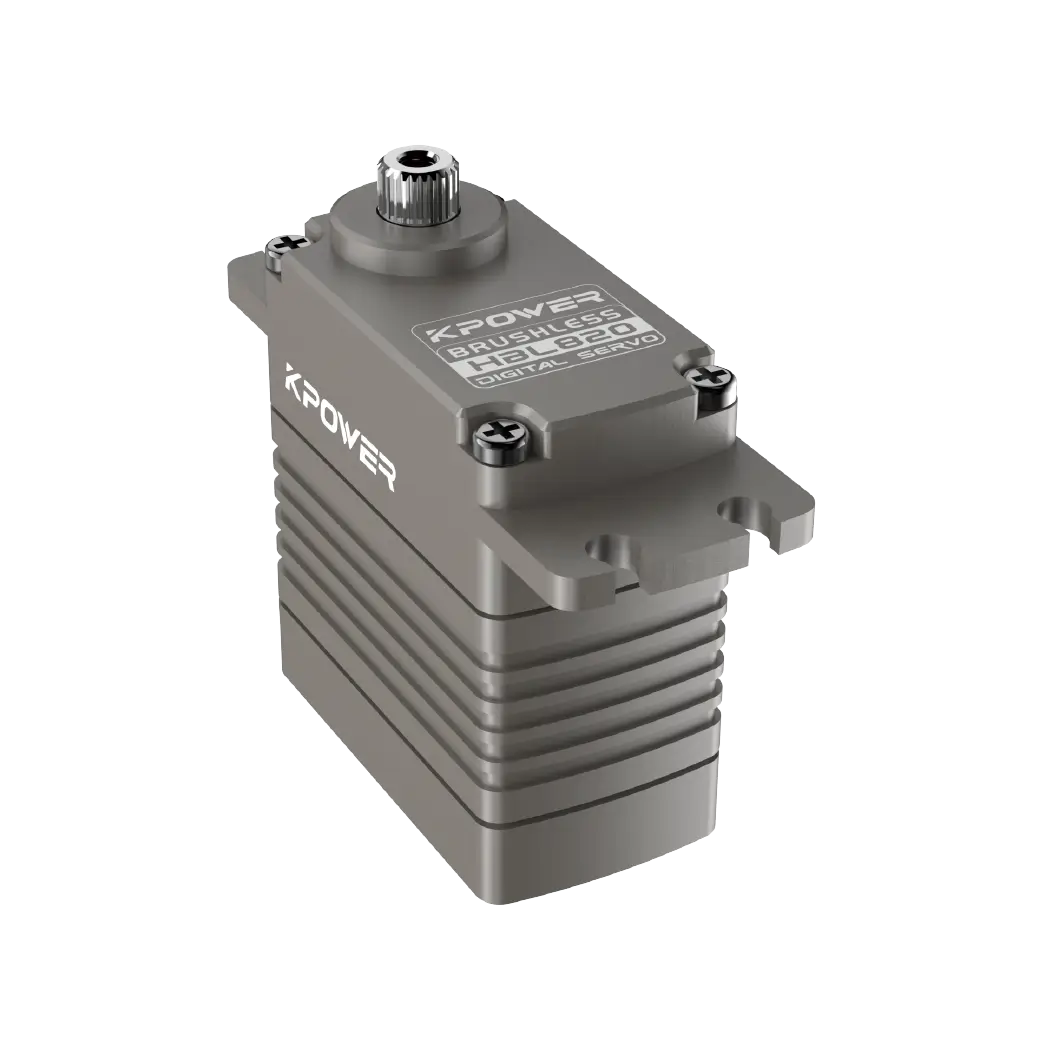
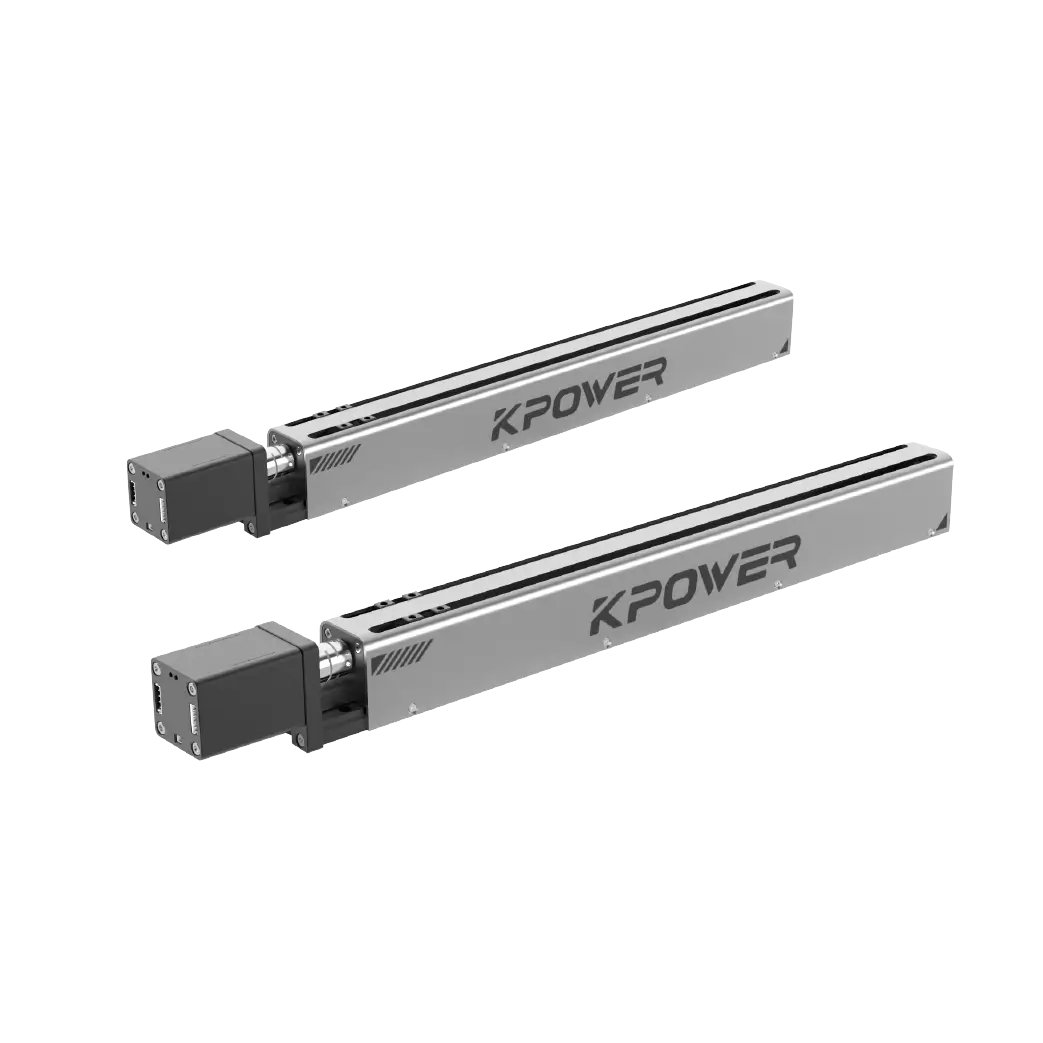
This is exactly likekpowerThis is a question that brands are thinking about. The "Learn Microservices" product they provide is not essentially a cold piece of hardware, but a set of proven ones. It packages those complex concepts of distributed communication, service governance, and independent deployment into specific modules, examples, and documents that are easier to understand and get started with.
It helps you overcome the most difficult "from zero to one" stage. You no longer have to worry about which communication protocol is the best to use, or how services should discover each other.kpowerProvides a set of ready-made "playing methods" that have been verified in industrial scenarios. You can directly focus on your most core part: how to make your servo motor perform tasks more accurately and reliably.
What does it look like? Just like if you want to make a delicious meal, Kpower has prepared clearly classified, high-quality semi-finished ingredients and clear recipes for you, instead of just giving you an empty kitchen and a map of a bunch of fresh food markets. You can play freely, but the most tedious preparations are eliminated.
Don’t be intimidated by the term “microservices”. The first step can be small.
In the final analysis, going from monolithic to microservices is not an either-or switch, but a gradual evolutionary process. Build an independent service for your logging module today, and encapsulate a dedicated service for your motor control tomorrow. Each step makes your system clearer and tougher.
Technology is ultimately about serving people better, not creating more obstacles. When all parts of your machine equipment can work independently and collaboratively like well-trained team members, you can free up more energy to think about more essential ideas and designs. Maybe this is what evolution should be like.
Established in 2005, Kpower has been dedicated to a professional compact motion unit manufacturer, headquartered in Dongguan, Guangdong Province, China. Leveraging innovations in modular drive technology, Kpower integrates high-performance motors, precision reducers, and multi-protocol control systems to provide efficient and customized smart drive system solutions. Kpower has delivered professional drive system solutions to over 500 enterprise clients globally with products covering various fields such as Smart Home Systems, Automatic Electronics, Robotics, Precision Agriculture, Drones, and Industrial Automation.
Update Time:2026-01-19

Contact Kpower's product specialist to recommend suitable motor or gearbox for your product.


