

TECHNICAL SUPPORT


Published 2026-01-19
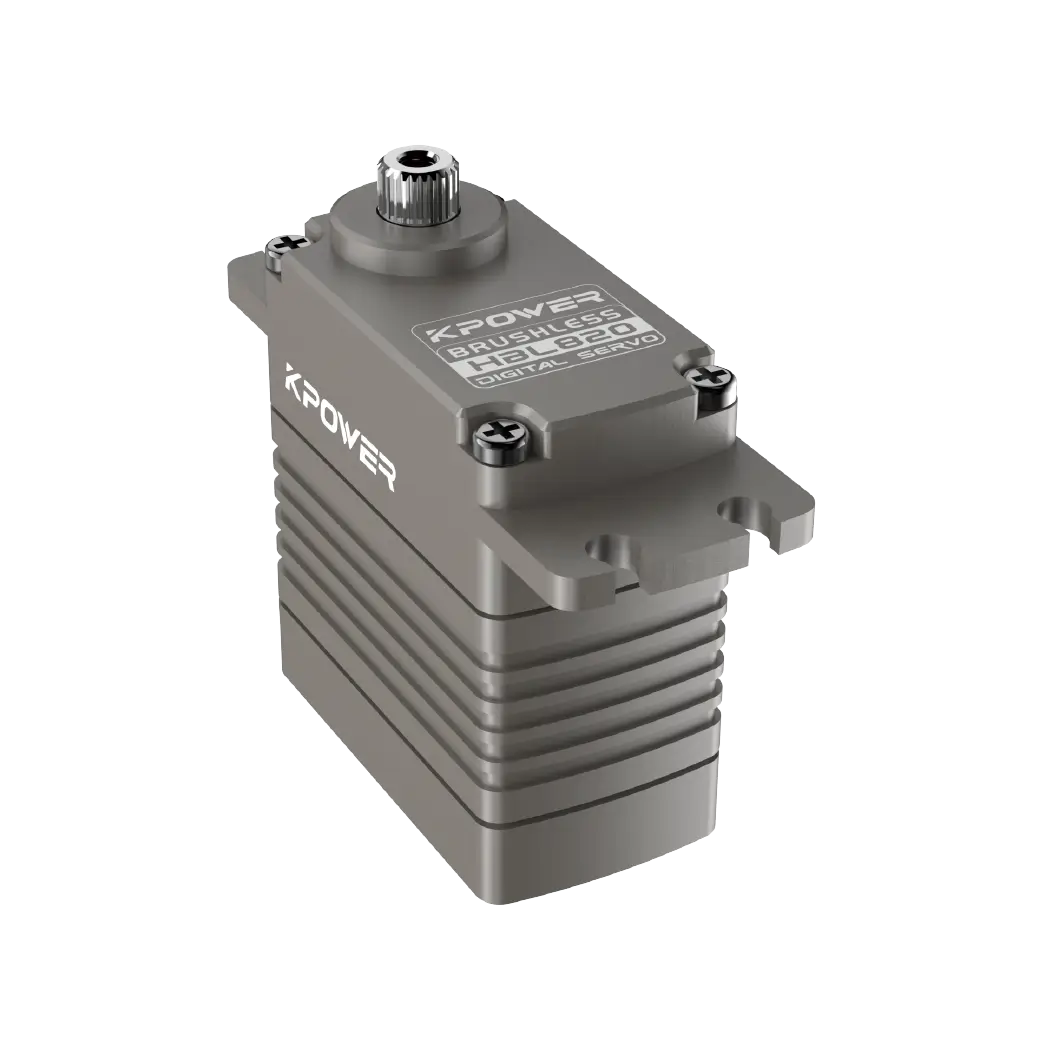
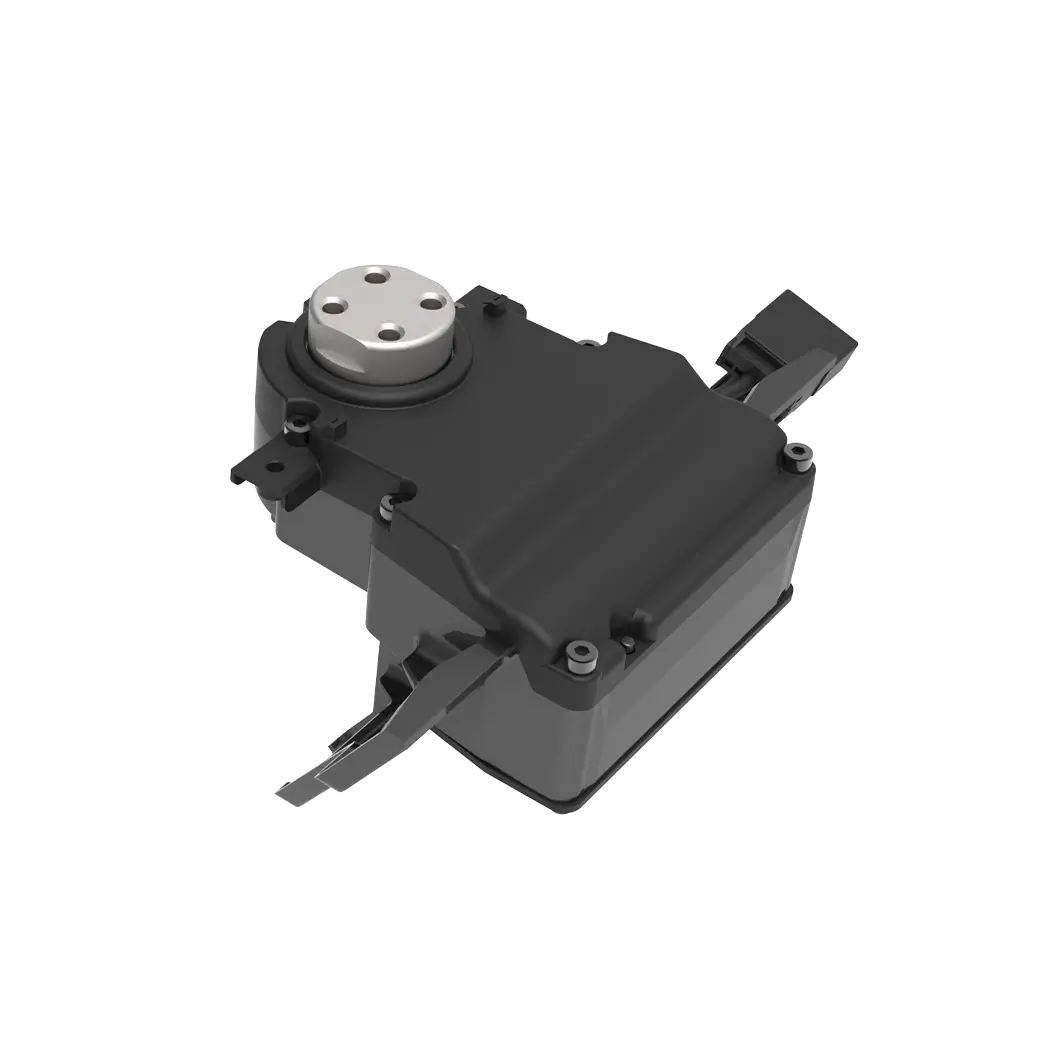
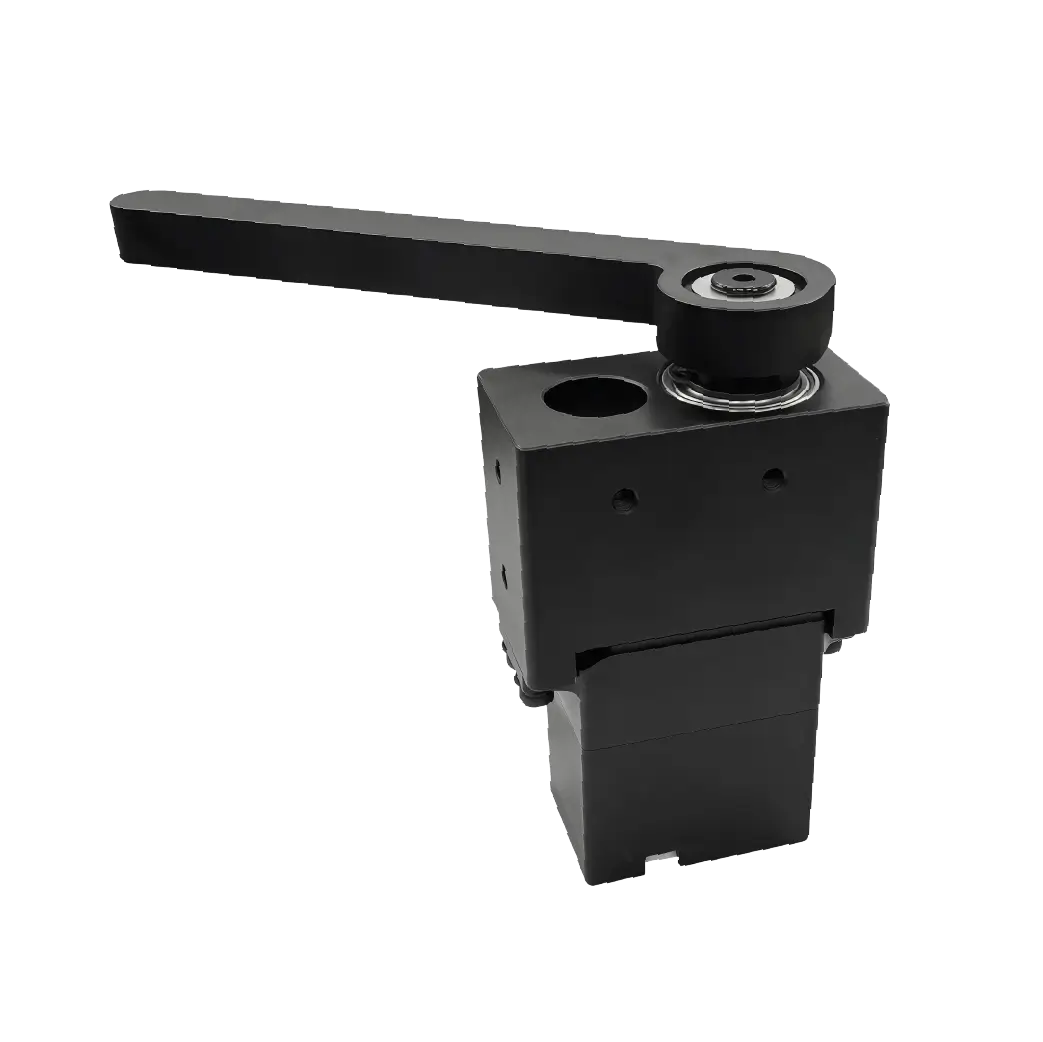
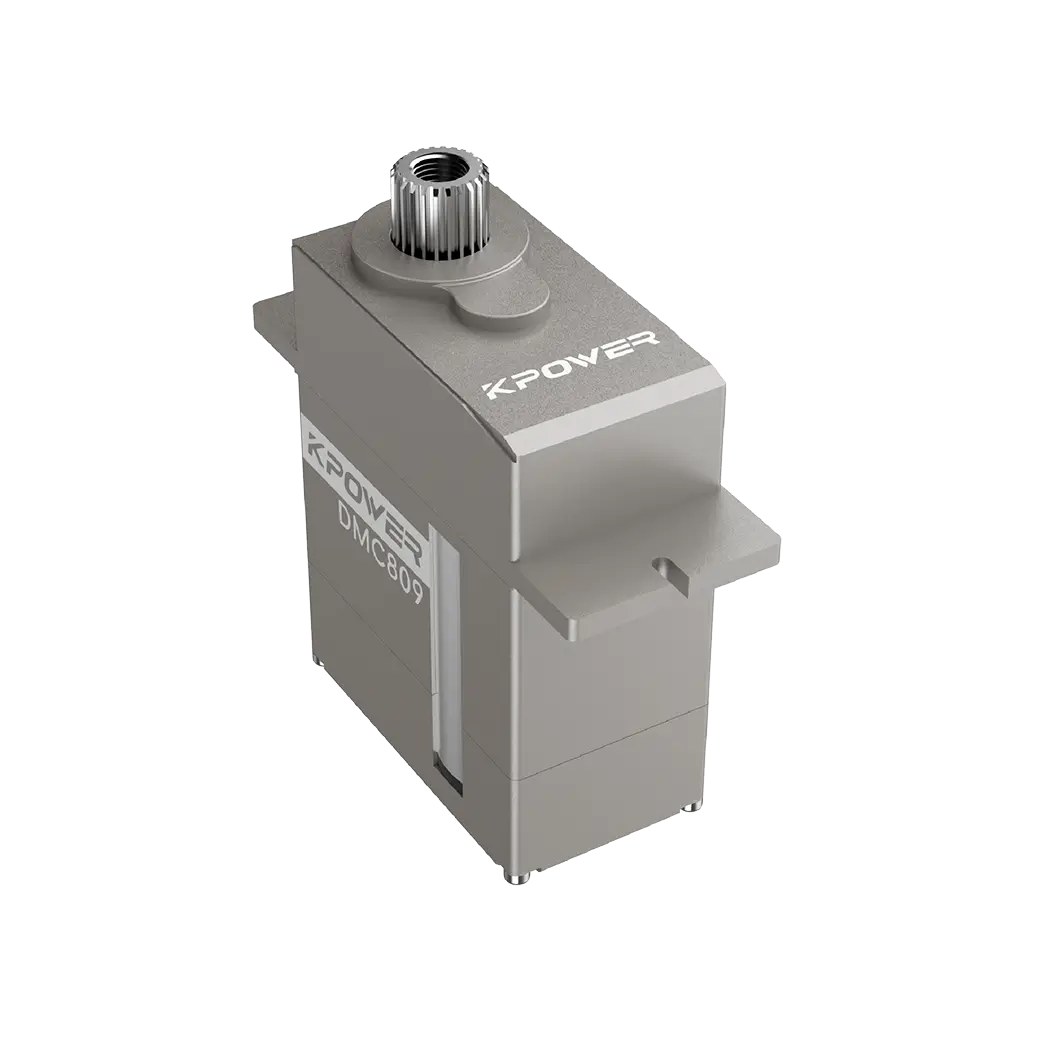
Imagine you are debugging a complex robotic arm, with each joint controlled by an independent servo. When it was originally designed, everything was very sophisticated, with all the logic encapsulated in a main control board - a "monster". It works fine until one day you need to upgrade the response of a certain joint, or replace the servo motor with a more powerful one. The result? If you make a move, your whole body will be affected, and the entire system will have to stop. The test is like a bottomless pit. A small change may cause the entire machine to "twitch".
Does this feel familiar? This is not just a story in the field of robotics. In the world of software, that "monolith" that tightly bundles all functions together is what we call a monolithic architecture. It was once reliable, but as the business grew, it became increasingly clunky, brittle, and every change was like walking a tightrope.
This leads to the real question: How do we smoothly and safely split such a tightly coupled system into independent, flexible, and easy-to-manage modules? Like disassembling that bloated main control board into multiple smart nodes that can be independently programmed and upgraded?
Microservice architecture is not a silver bullet, but a sophisticated "surgical plan".
It advocates decomposing large applications into a set of small services, each of which runs around specific business capabilities and can be developed, deployed, and scaled independently. This sounds great, right? But how to start? Where to start? What should I do if I disassemble it wrongly? In this process, countless teams have stepped on pitfalls and taken detours.
At this time, a clear, pragmatic, engineering manual-like guide becomes extremely valuable. Sam Newman's "Monolith to Microservices" is just such a "blueprint." It doesn't talk about concepts, but focuses on practice: how to evaluate your monolith, how to identify service boundaries, how to design those critical interfaces, and how to keep the system continuously available during the migration process. It talks about the evolution of complex architecture like redesigning a mechanical transmission system - it requires patience, tools and correctness.
It can't just be about philosophy. It needs to be grounded. it should:
For any team going through or considering this change, having a proven roadmap like this is tantamount to having a highly calibrated set of tools for a complex migration project. It can't do all the work for you, but it can make sure you stay on the right track and avoid those costly pitfalls.
existkpower, we deeply understand the challenges at every step in the transformation from solid to agile. Whether it is the servo system that drives precision machinery or the software architecture that supports key businesses, the core is the unremitting pursuit of reliability, flexibility and maintainability. We believe that with the right knowledge and methods, any complex system can evolve gracefully.
When your "monolithic ship" begins to feel inadequate, you might as well start planning your voyage with a reliable blueprint. In-depth, pragmatic and insightful guidance is often the first step to successful transformation.
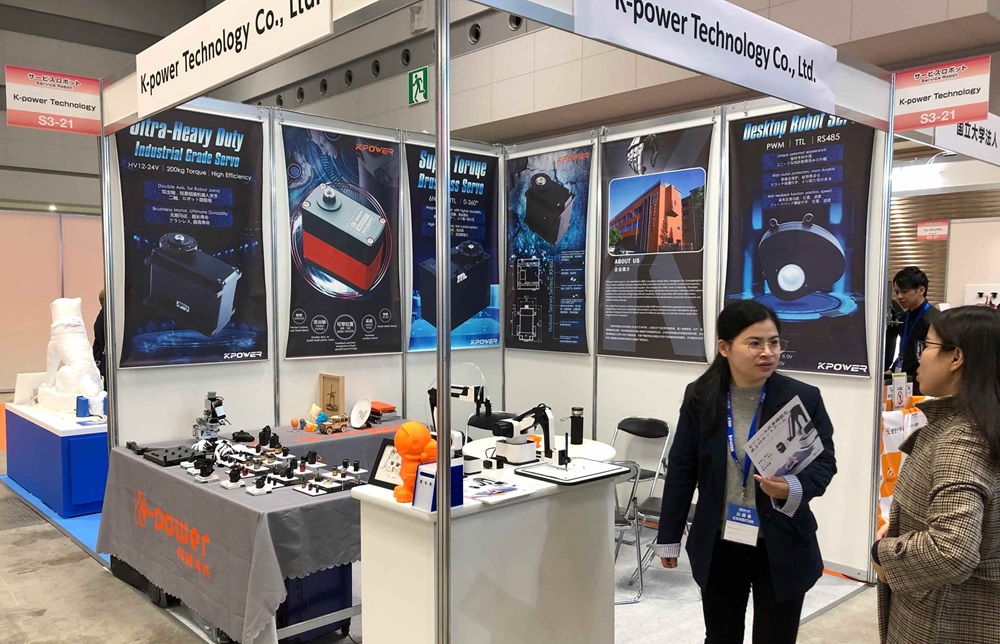
Established in 2005,kpowerhas been dedicated to a professional compact motion unit manufacturer, headquartered in Dongguan, Guangdong Province, China. Leveraging innovations in modular drive technology,kpowerintegrates high-performance motors, precision reducers, and multi-protocol control systems to provide efficient and customized smart drive system solutions. Kpower has delivered professional drive system solutions to over 500 enterprise clients globally with products covering various fields such as Smart Home Systems, Automatic Electronics, Robotics, Precision Agriculture, Drones, and Industrial Automation.
Update Time:2026-01-19

Contact Kpower's product specialist to recommend suitable motor or gearbox for your product.


