

TECHNICAL SUPPORT


Published 2026-01-19
Picture this: your carefully designed microservices application is running fine, but late one night, the alarm goes off. It's not a software crash or a code error, but a certain execution mechanism that is half a beat too slow to respond - with just a few tenths of a second of delay, the entire process begins to falter. You check the network, review the code, and discover the problem lies in the most unexpected place: the hands and feet responsible for physical movement can't keep up with the speed of the digital brain.

It's like having a sprint champion race in flip flops. No matter how advanced your software architecture is, if the hardware execution layer lags behind, everything will become stumbling.
Modern applications increasingly prefer to be split into microservices - one is responsible for user authentication, another handles data calculations, and another manages communication queues. Clear division of labor and elastic expansion sound great. But many people ignore the fact that these beautiful digital services will eventually “land”. They need to turn a certain axis, push a certain lever, control a certain valve. There is often a subtle disconnect as instructions are passed from the cloud to the motor driver board.
It's not that the protocol is incompatible, or that there's a problem with the interface. Rather, the response characteristics do not match. Traditional actuators have their own "character": they need to be preheated when starting, have inertia when stopping, and the response curve will fluctuate when the load changes. The microservice architecture inherently pursues agile, discrete, and immediate responses. The two live in different time scales.
You know that feeling? Just like switching channels on a TV with a remote control, there's always an unnerving pause between pressing the button and the screen switching. In industrial scenarios, this pause may be accuracy errors, productivity losses, or safety risks.
what to do? Redesign all microservices? That would be equivalent to starting over from scratch. A smarter approach is to build a translation layer between the digital world and the physical world - not a simple protocol conversion, but an adaptation of behavioral patterns.
This involves the "neural reconfiguration" of the actuator. Traditional motor controls are like old-fashioned telephone switchboards, requiring manual plugging and unplugging of wires to establish connections. The new idea is to give it some kind of autonomous response capability: after receiving a "turn 30 degrees" command, it can handle the details of acceleration curves, load compensation, and temperature adjustment by itself, instead of waiting for every micro-command from the upper-layer service.
Sound a bit abstract? Take a specific scenario: a packaging assembly line has more than ten microservices working together - visual inspection, data recording, robotic arm control, and conveyor belt speed regulation. When the vision service finds that the product position is offset by 2 millimeters, it needs to quickly correct the gripping point of the robot. If the robot's response is "linear" - receiving instructions, calculating a path, and executing step by step - the time window may be missed. But if the manipulator has "predictive response" capabilities, when it receives an offset signal, it can directly generate optimal compensation actions based on the current motion state, eliminating the need for intermediate negotiation rounds.
This is no longer simply "faster" but a fundamental change in response logic. Just like when a person catches a ball that is suddenly thrown, instead of first calculating the trajectory and then commanding the arms, the entire body automatically coordinates a set of movements.
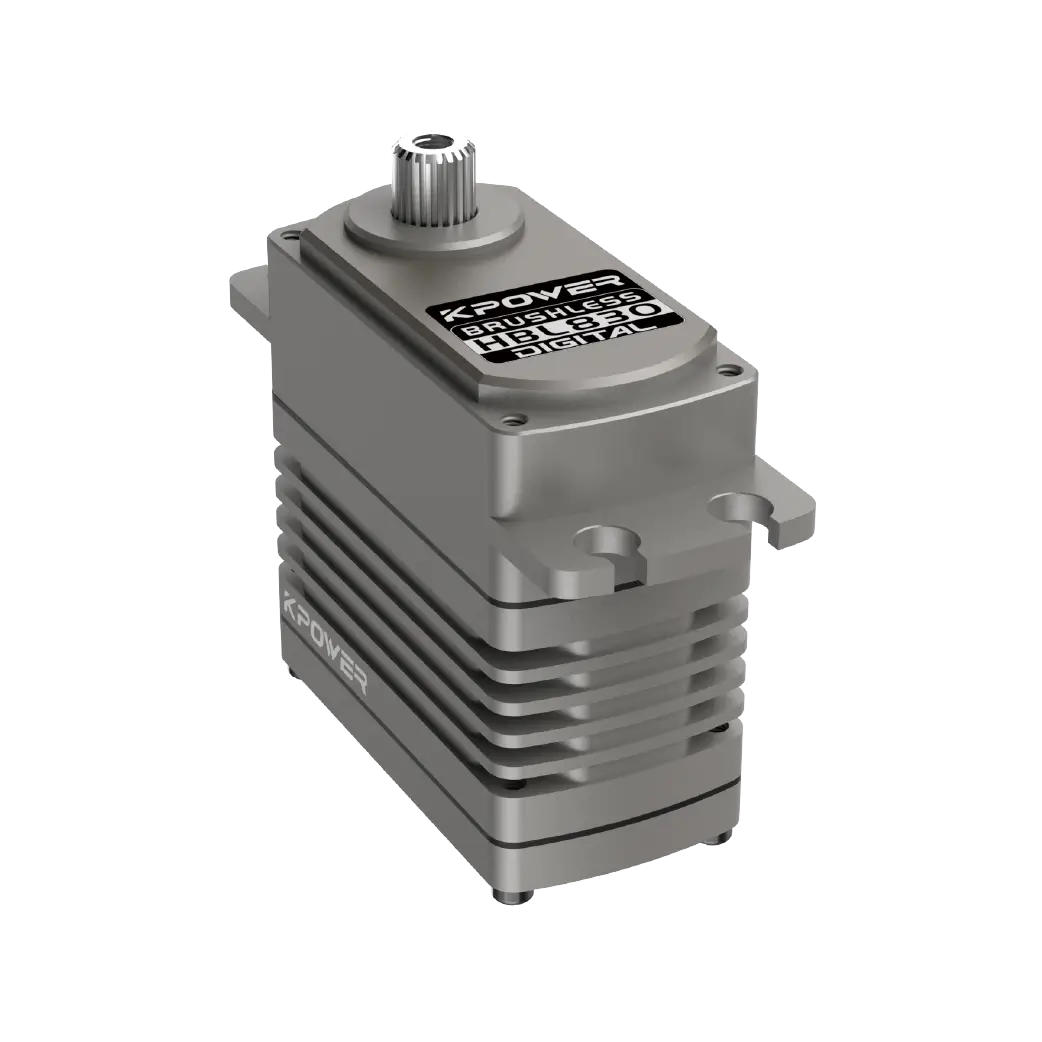
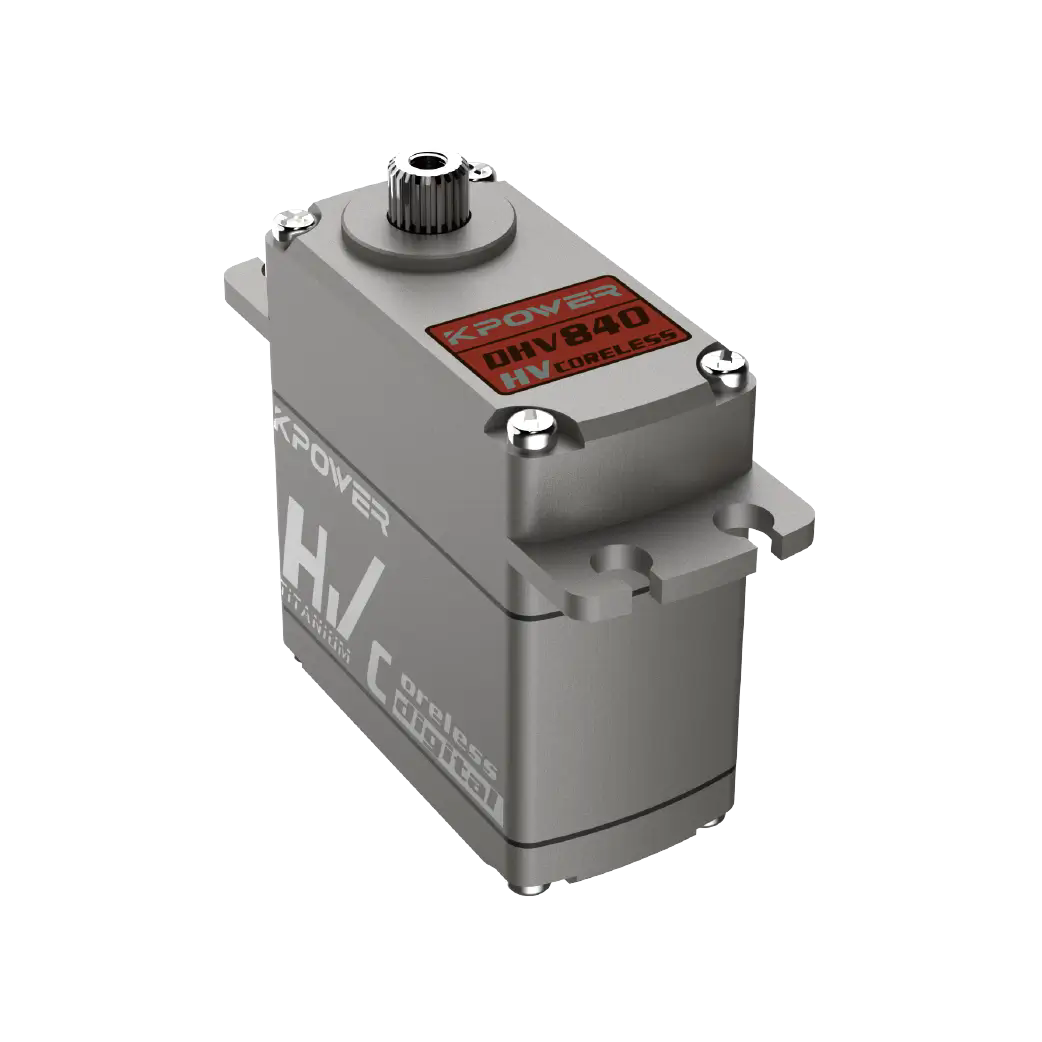
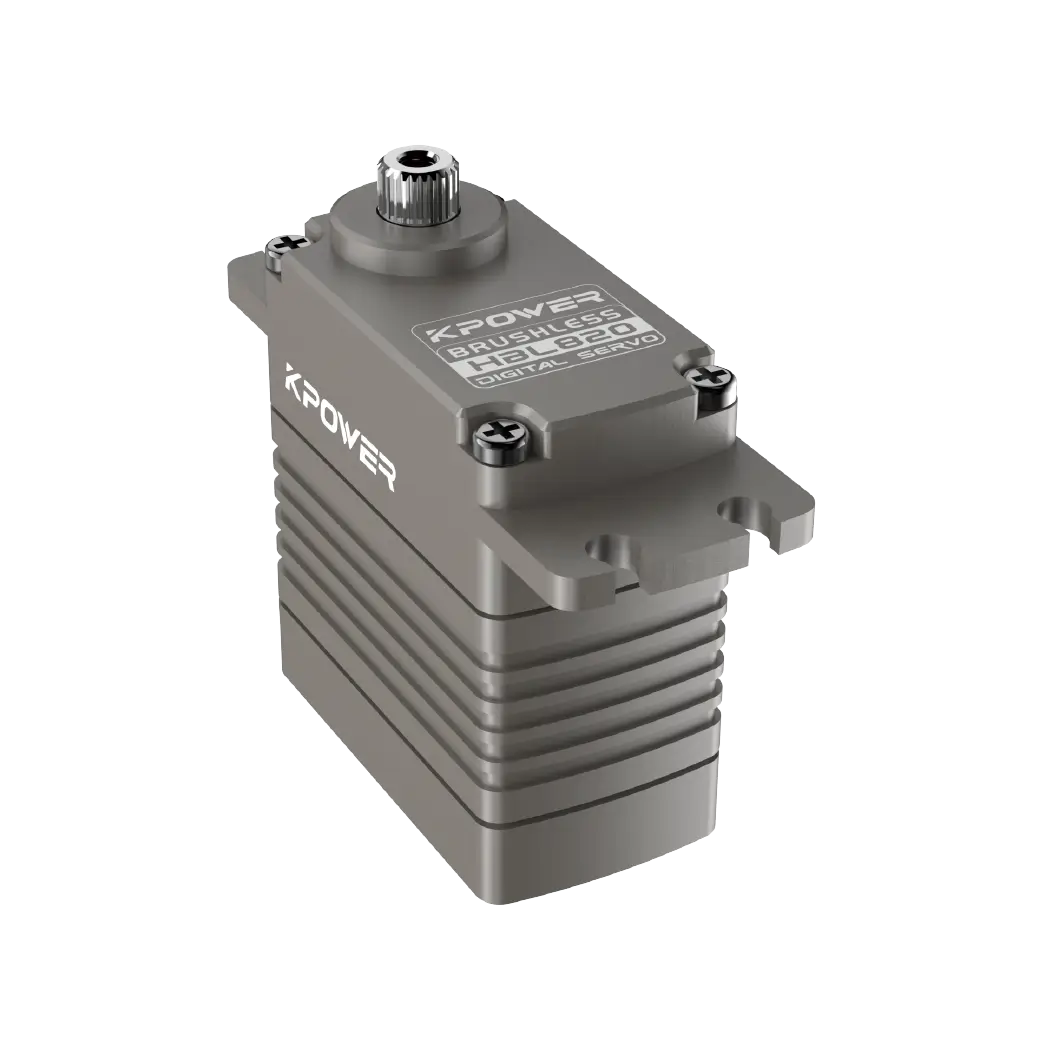
Servos play a role in fine control in many devices. The traditional servo is like a serious soldier: after receiving the angle command, it strives to turn to that position, regardless of whether the load changes or whether the temperature affects the performance. It is loyal but not very smart.
The new generation idea is to let these physical execution units understand the "context". For example, the same goes to the 60-degree position:
This capability does not come from a complex central controller, but from intelligence embedded in the execution device itself. Each steering gear and each servo unit has certain independent decision-making capabilities. The microservice only needs to tell it "what result is desired" rather than "how to do each step".
This brings an interesting change: your microservice architecture can become "lighter". Ancillary services designed specifically to coordinate physical actions can be simplified because the coordination work is partially devolved to the execution layer. The system as a whole becomes more "reactive" - event-driven rather than plan-driven.
If you are looking for this category, you will find a variety of options on the market. But the spec sheet only tells you part of the story. What really matters are a few qualities that are often not written on the home page:
The language that seamlessly connects the digital world. A good one should understand the "dialect" of the microservice ecosystem. It is naturally adapted to the event-driven architecture and can encapsulate physical states (position, speed, temperature, vibration) into subscribeable event streams, and at the same time encapsulate control instructions into concise service calls. It's not just about providing an API, it's about understanding how microservices talk to each other.
Let the fault stay local. Traditional centralized control has a fragility: if there is a problem in the center, the whole body will be paralyzed. The new idea is to allow each execution unit to have a certain degree of self-consistency - even if it is temporarily disconnected from the upper-layer service, it can maintain basic safe operation based on instructions and local sensors. This is like the body's spinal reflex: when the brain is temporarily unable to direct, the hand will still automatically retract when it touches a hot object.
Growth-oriented design You may only need to control three servos today, but you may need to control thirty servos tomorrow. Good architecture should allow this growth without redesigning communication models. Newly added execution units should automatically integrate into the existing microservice ecosystem, rather than requiring the entire system to change for it.
Observability is not an afterthought Monitoring the status of physical execution units should not be an additional burden. Temperature, load, and efficiency data should flow out naturally like service call logs and seamlessly enter your monitoring dashboard. When you look at API response times, you should also be able to see key motor health indicators.
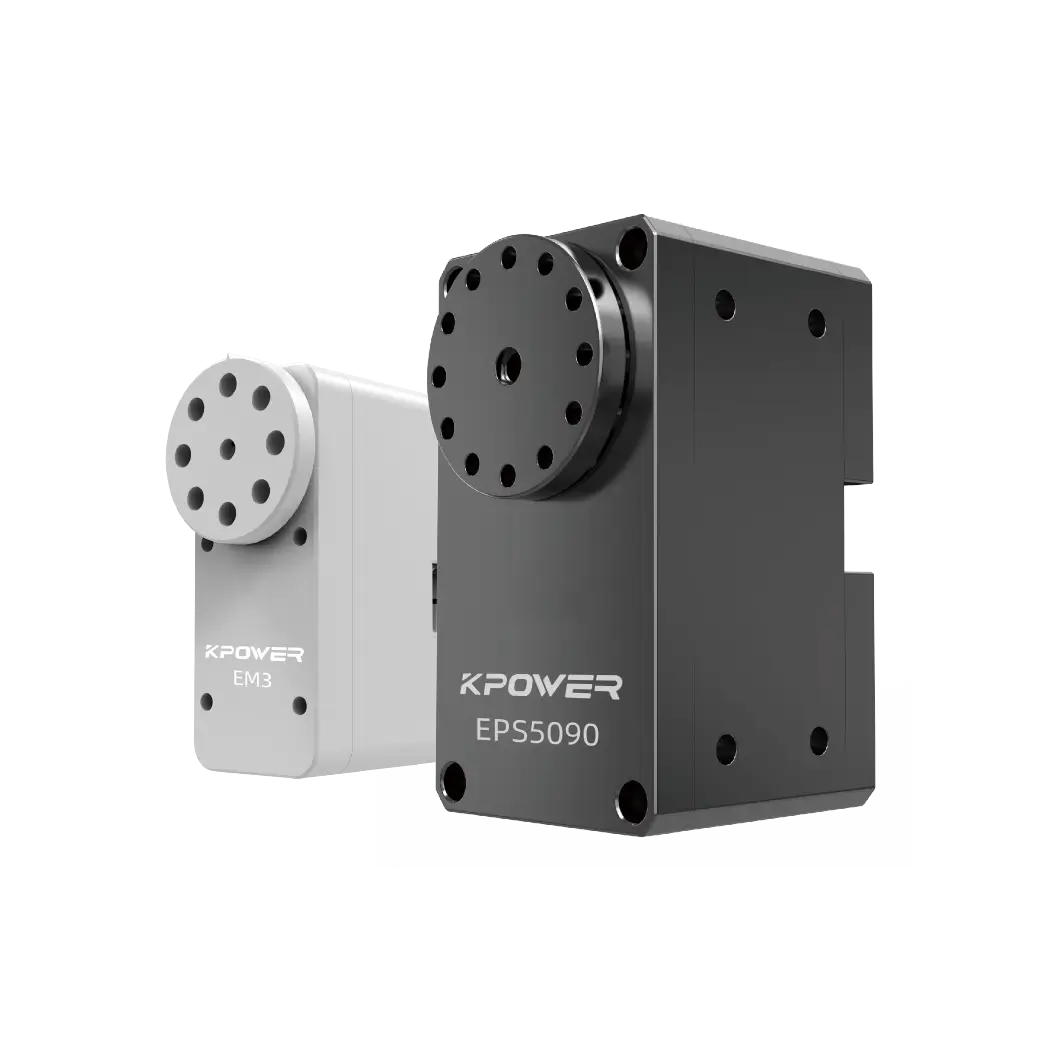
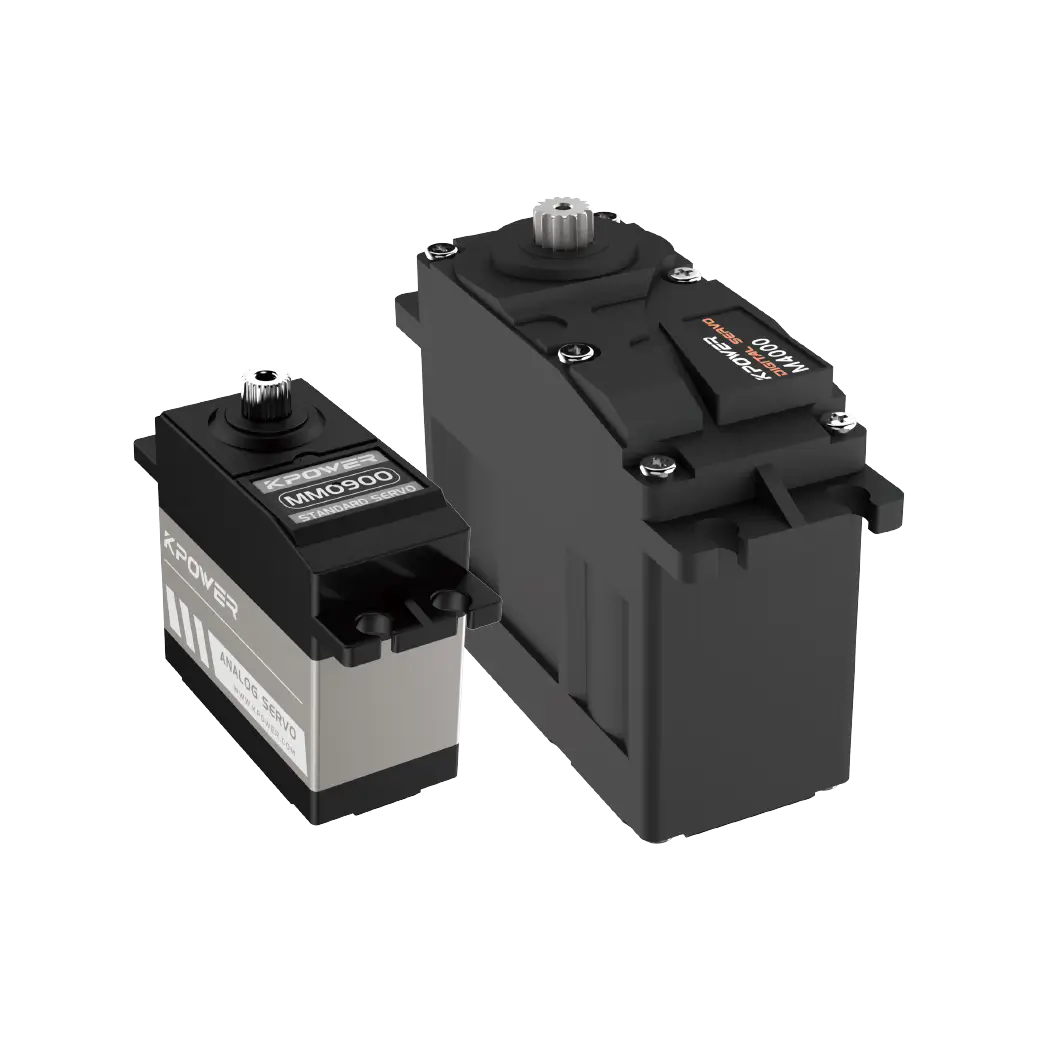
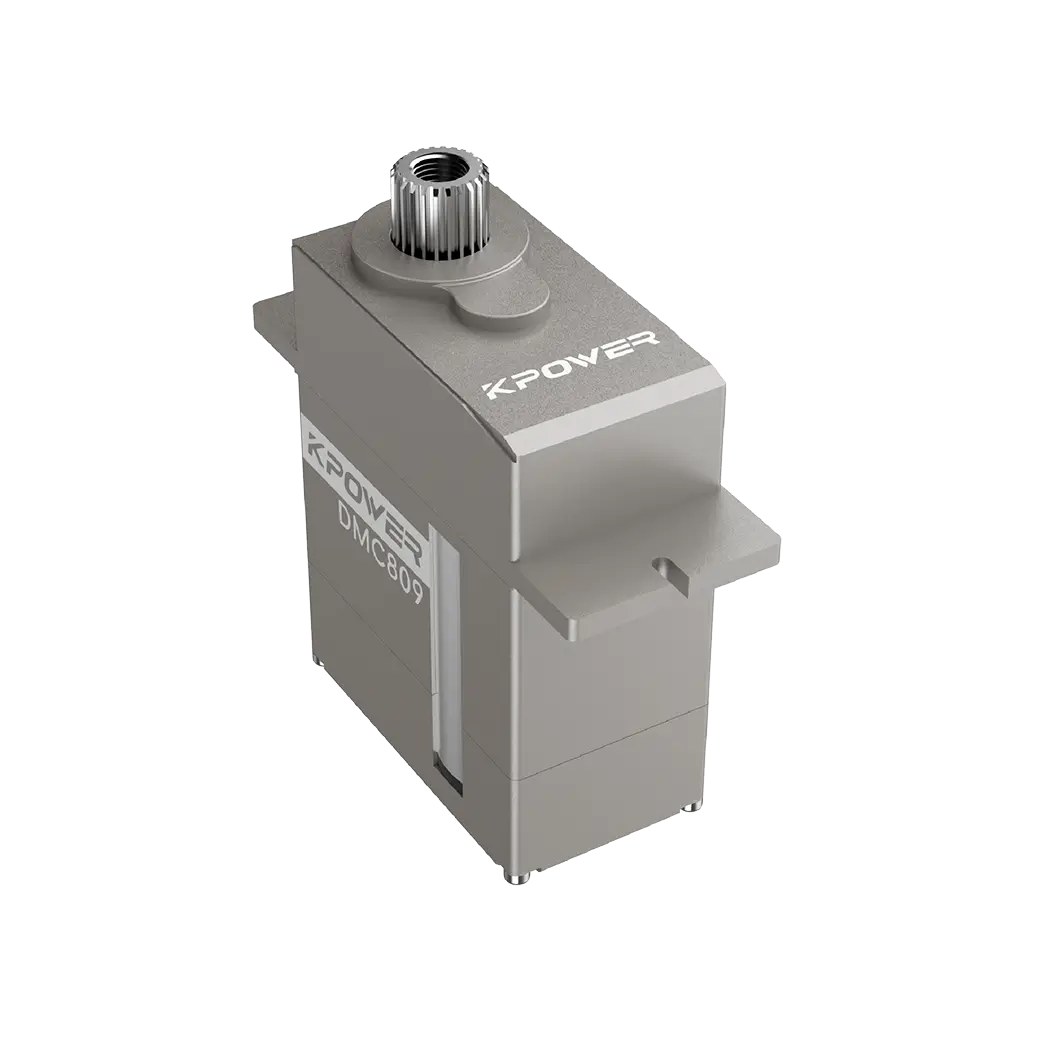
In this area, some interesting practices are happening. for examplekpowerAccording to their design philosophy, they don’t really like the term “intelligent motor” and prefer to call it “service-aware execution unit”. What's the difference? Intelligence emphasizes functions, while service awareness emphasizes relationships.
In their practice, a servo drive is more than just a device that executes torque commands. It exposes itself as a set of microservices:
These services talk to upper-layer applications through lightweight protocols. When your scheduling microservice requires an action, it's not "controlling a motor" but "calling a location service." The execution units themselves decide how best to achieve this goal.
This brings about the beauty of loose coupling: you can change the hardware brand, model, and specifications, and as long as it provides the same service interface, the upper-layer application hardly needs to be modified. Iteration of physical hardware no longer means large-scale refactoring of the software layer.
We are accustomed to separating software and hardware: software is flexible, intelligent, and iterable; hardware is fixed, clumsy, and costly to replace. But the popularity of microservices architecture is blurring this line. If software can be split into small services that evolve independently, why not hardware?
This does not mean turning motors into computers, but rather equipping execution units with enough "cognitive capabilities" to gracefully participate in digital collaboration. It knows its status, can report its own health, can understand intentions rather than just execute commands, and can gracefully degrade when exceptions occur instead of suddenly crashing.
Next time you design a microservice application, maybe you can think one more step: Can those physical units that ultimately have to "do things by hand" also be organized with service thinking? When the digital and physical worlds speak the same language, many of today's difficult problems will naturally disappear.
After all, the best collaboration is not precise control, but tacit cooperation. Your software service publishes an intent, and the physical execution unit understands and implements it elegantly - just like good partners, without detailed instructions every step of the way.
Established in 2005,kpowerhas been dedicated to a professional compact motion unit manufacturer, headquartered in Dongguan, Guangdong Province, China. Leveraging innovations in modular drive technology, Kpower integrates high-performance motors, precision reducers, and multi-protocol control systems to provide efficient and customized smart drive system solutions. Kpower has delivered professional drive system solutions to over 500 enterprise clients globally with products covering various fields such as Smart Home Systems, Automatic Electronics, Robotics, Precision Agriculture, Drones, and Industrial Automation.
Update Time:2026-01-19

Contact Kpower's product specialist to recommend suitable motor or gearbox for your product.


