

TECHNICAL SUPPORT


Published 2026-01-19
Is your project at hand always stuck between mechanics and controls? For example, the response of the servo is half a beat slower, or the entire system moves like a gearbox without oil. These problems are not new and many people are facing them. You may be thinking, is the motor chosen incorrectly, or is the code not written neatly? Sometimes, it feels like two worlds are fighting - hardware is hardware, software is software, and there is a bridge missing in the middle.

Let’s talk about how to build this bridge. I’ve noticed a word popping up lately: microservices. It sounds very technical, but actually the idea behind it is a simple one - break the big thing into small pieces and let each part focus on doing one thing well. Just like a complex robotic arm, you wouldn't want all joints to be controlled by the same brain, right? That way, the reaction is slow and it is easy for the whole thing to collapse. Microservices are to equip each joint with a small brain, which can work independently and communicate with each other.
Why does this matter have anything to do with servo motors?
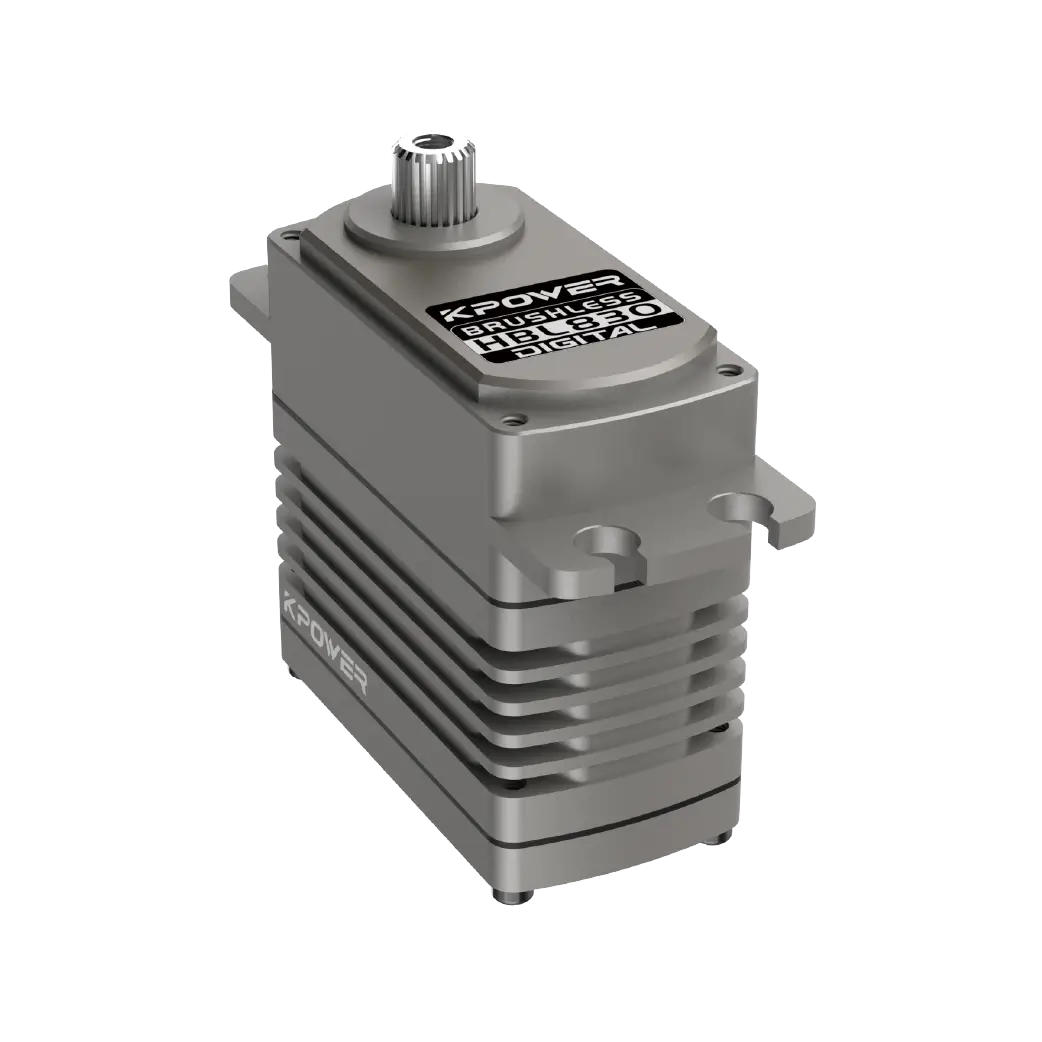
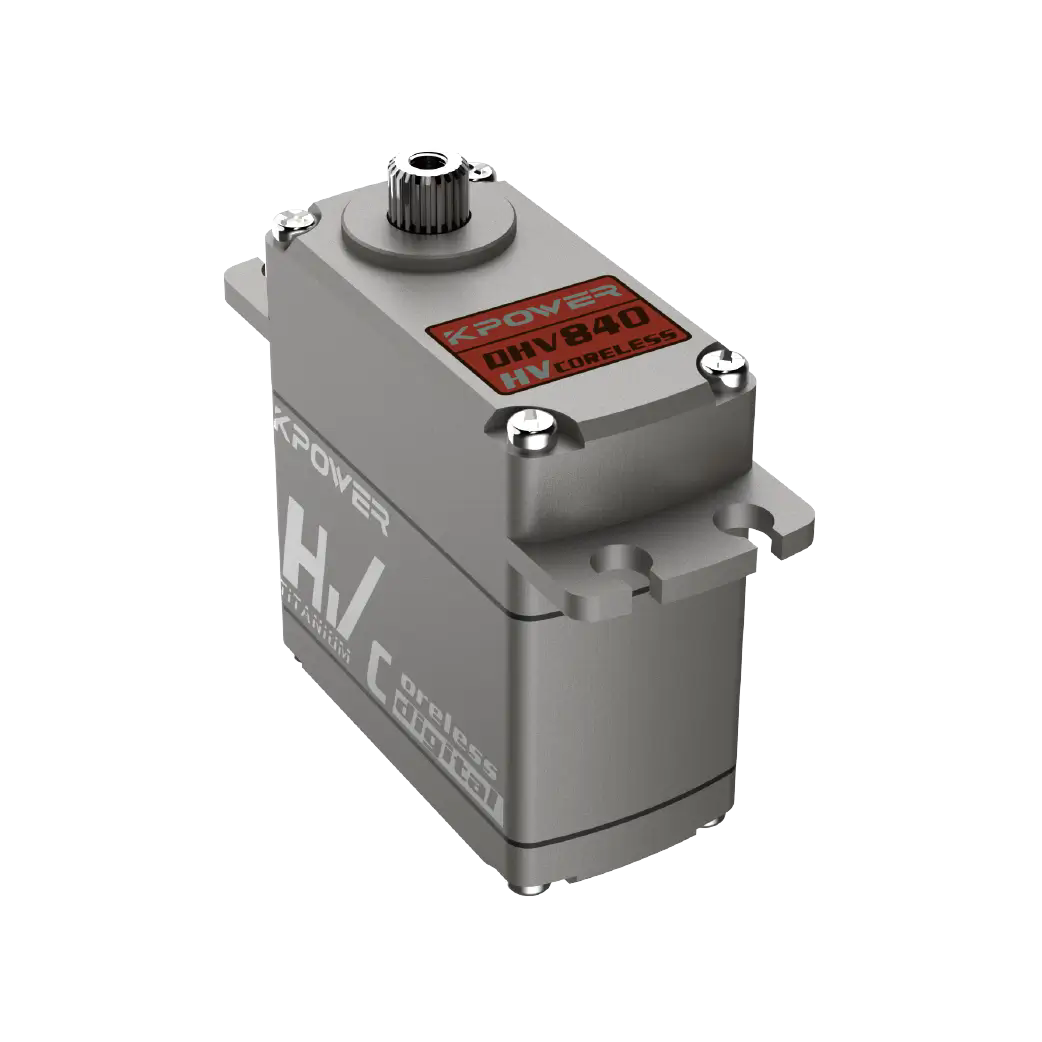
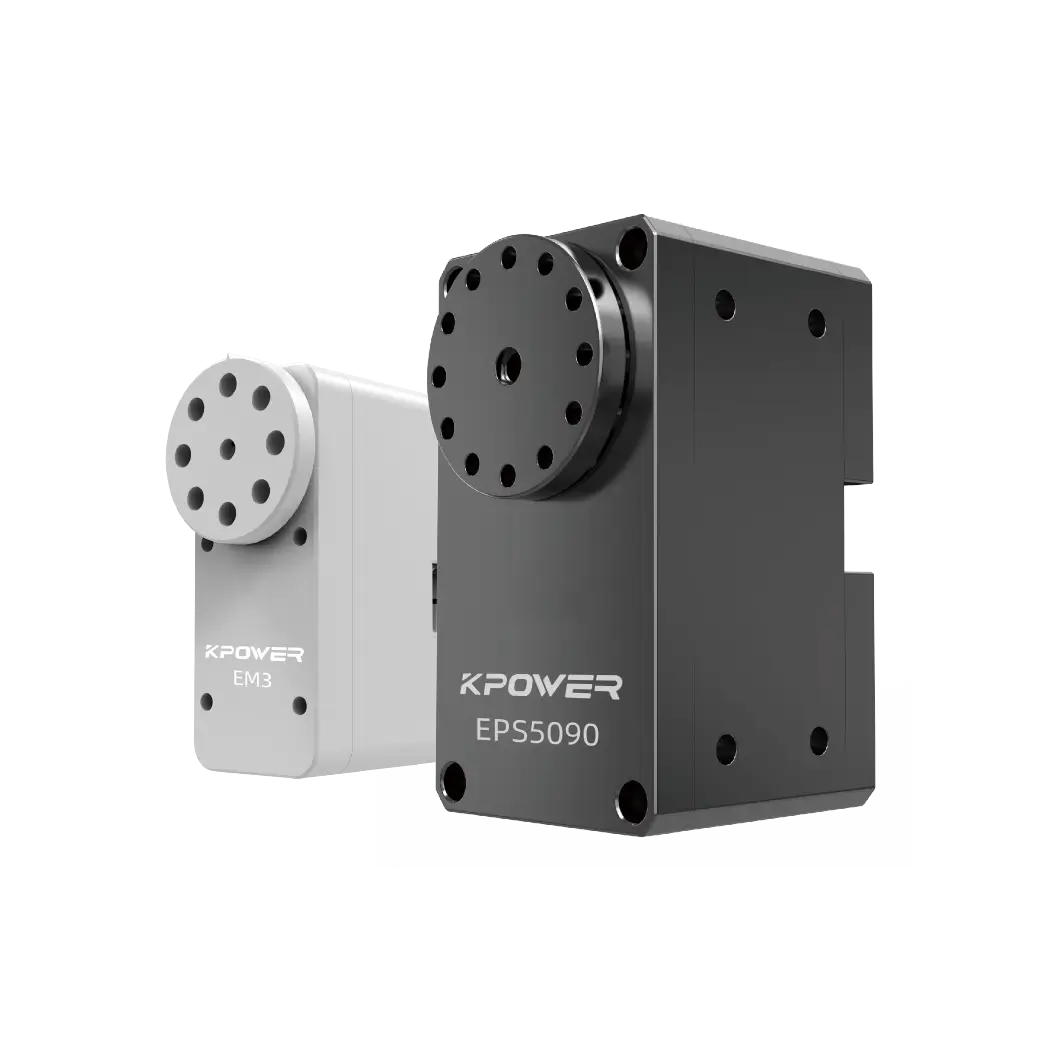
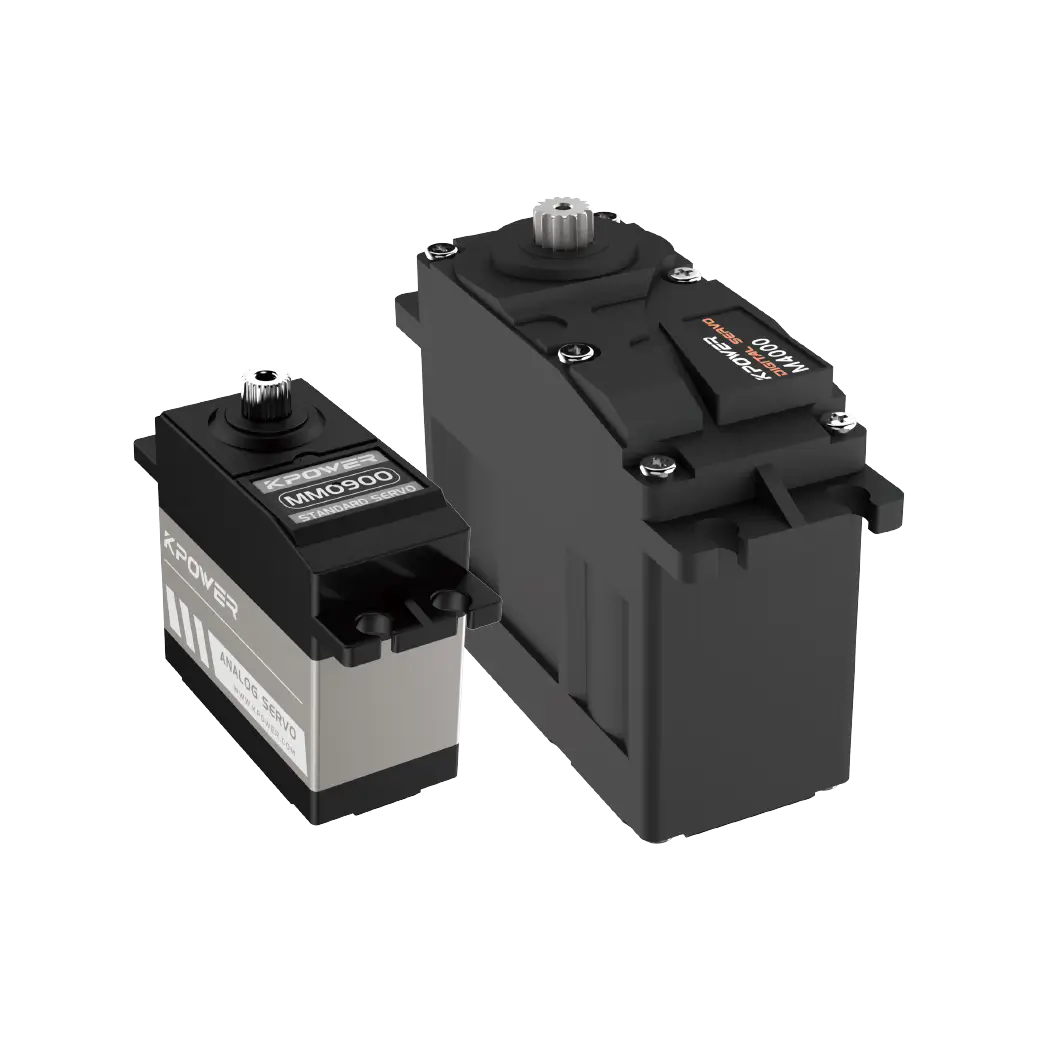
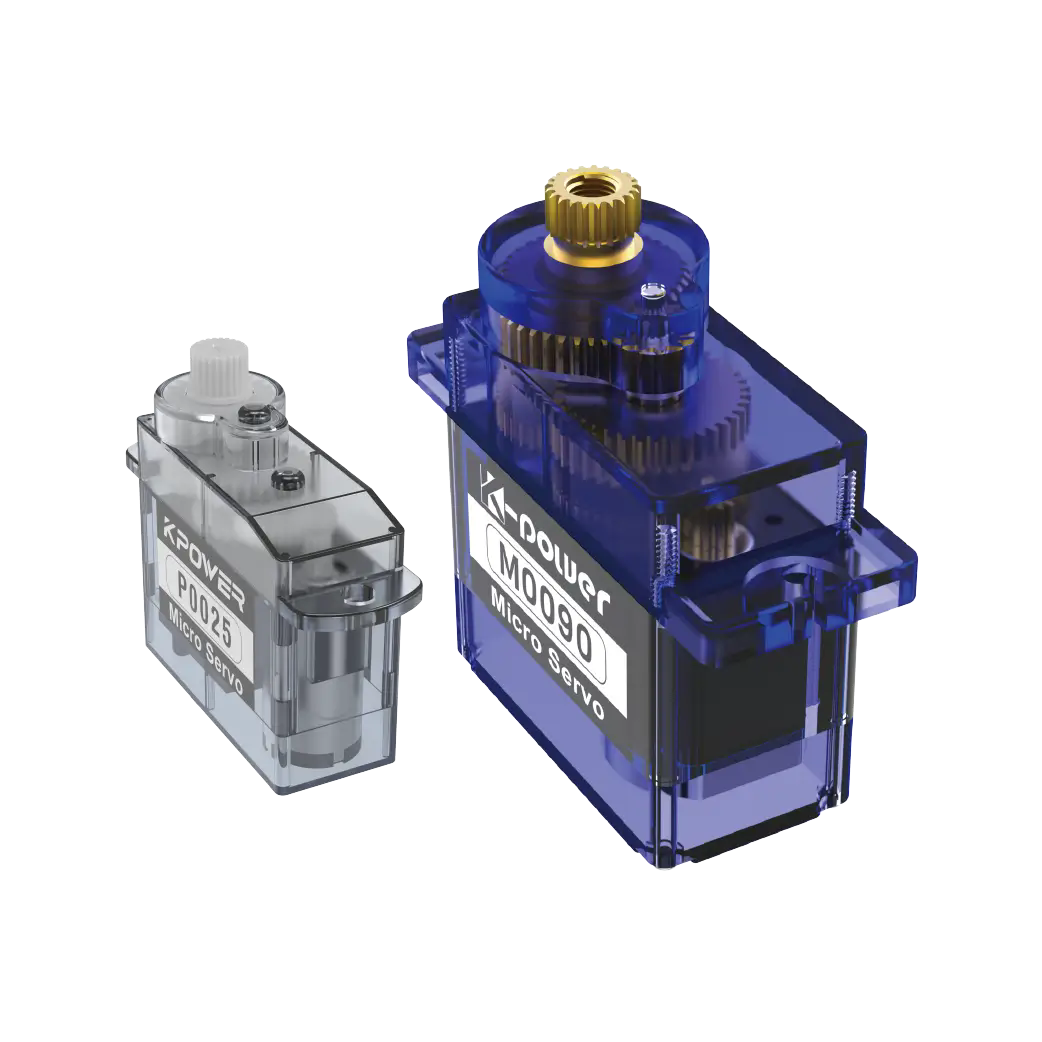
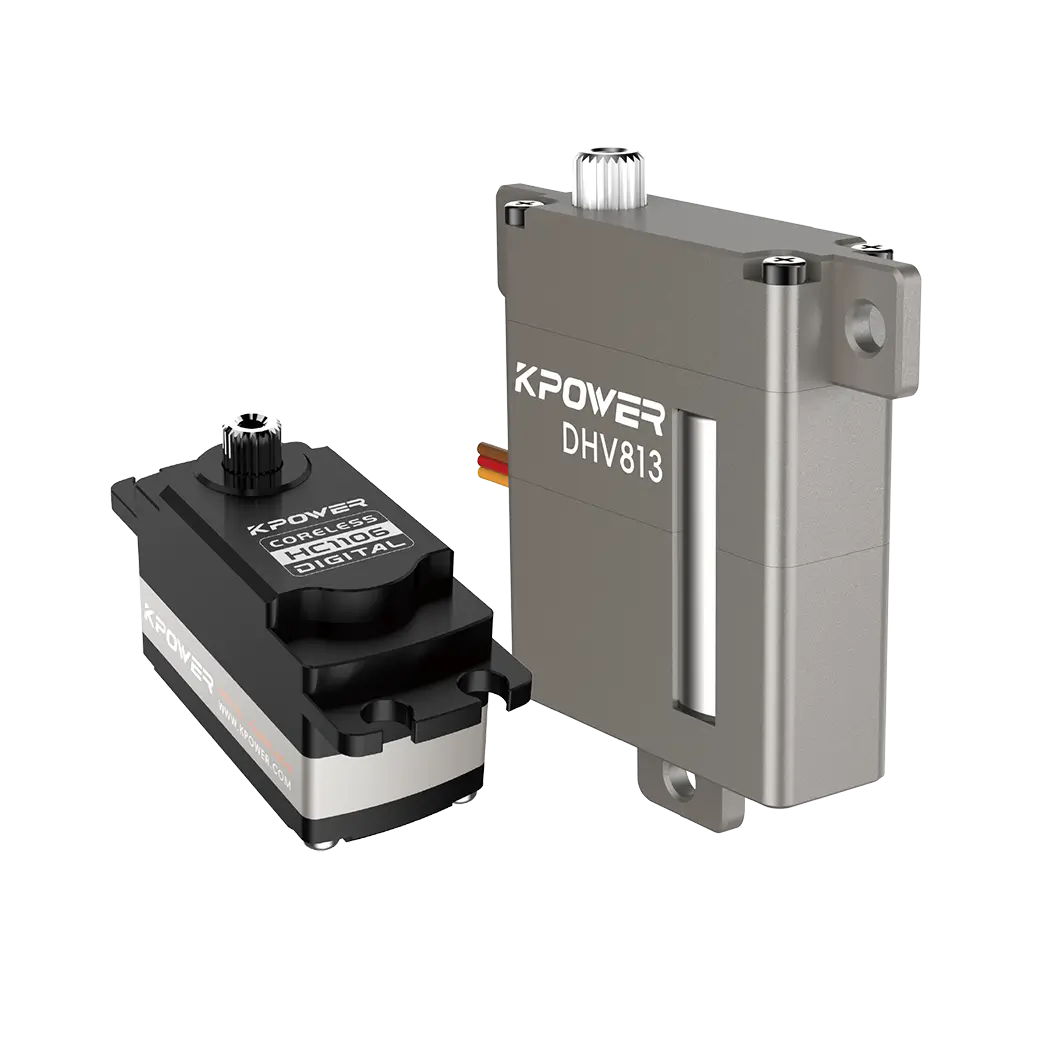
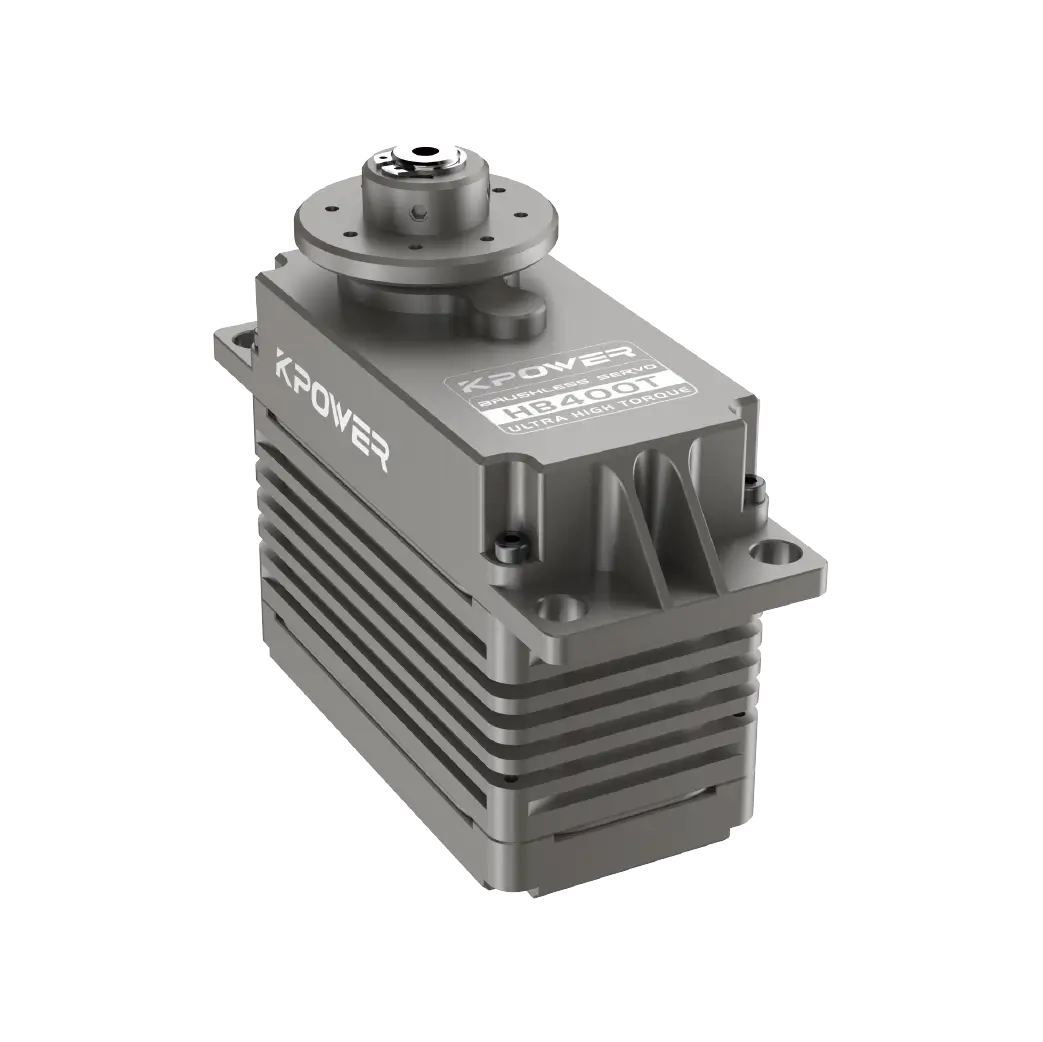
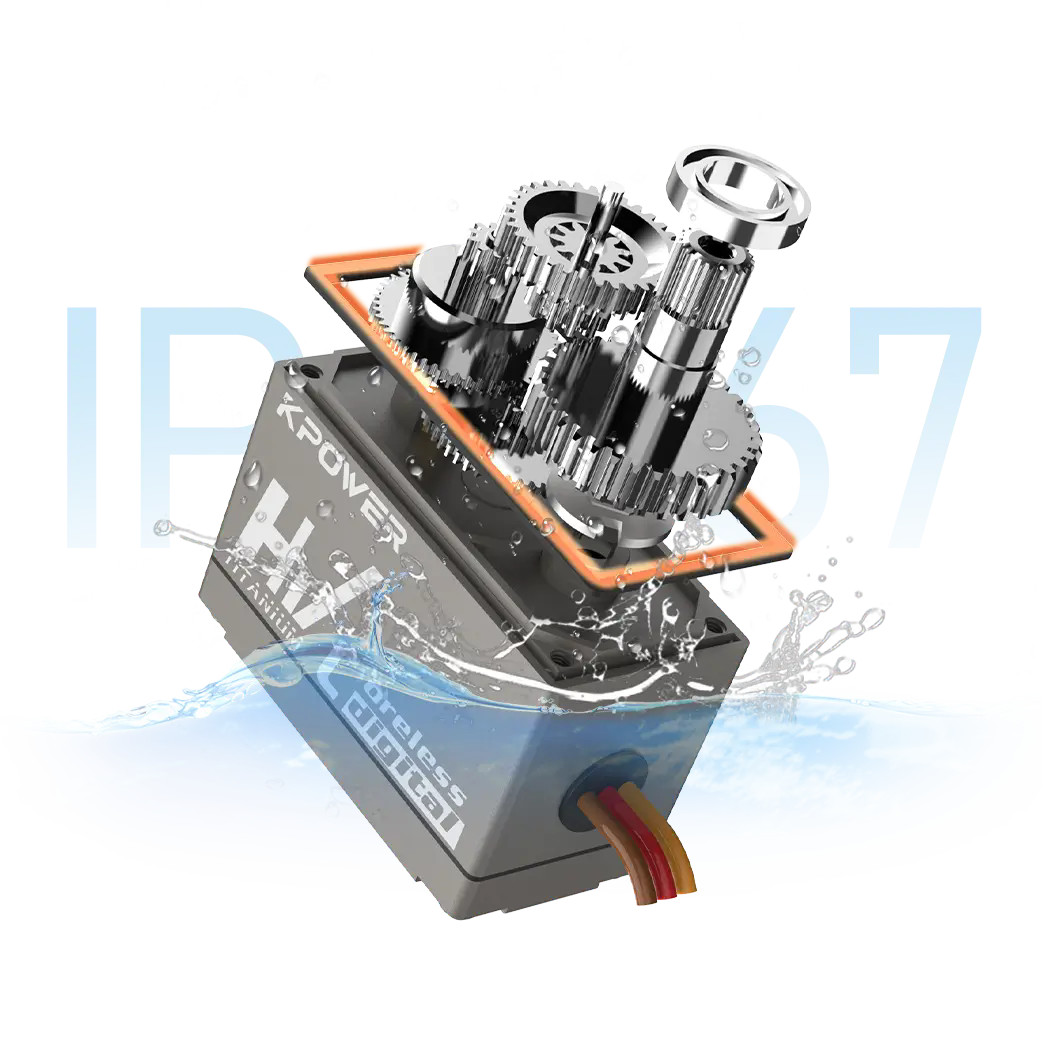
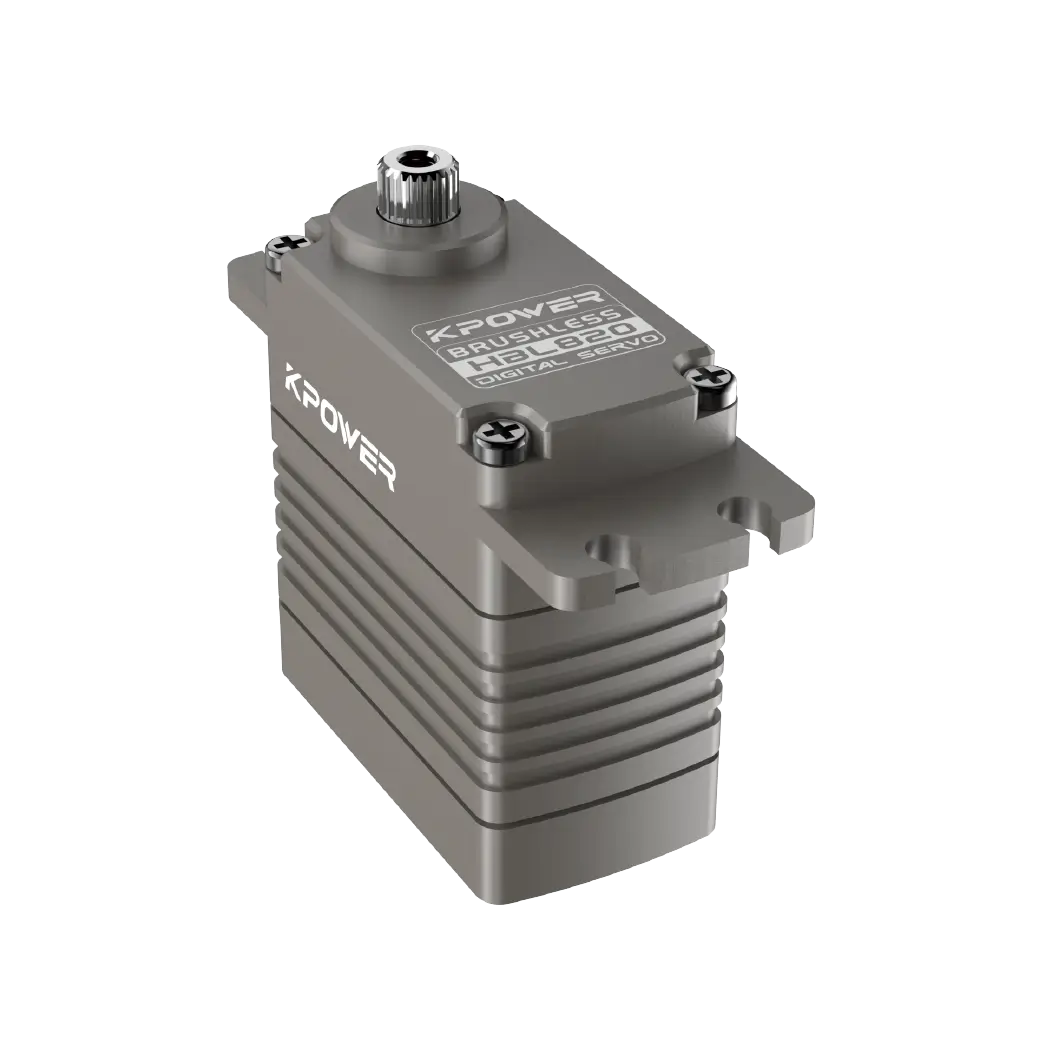
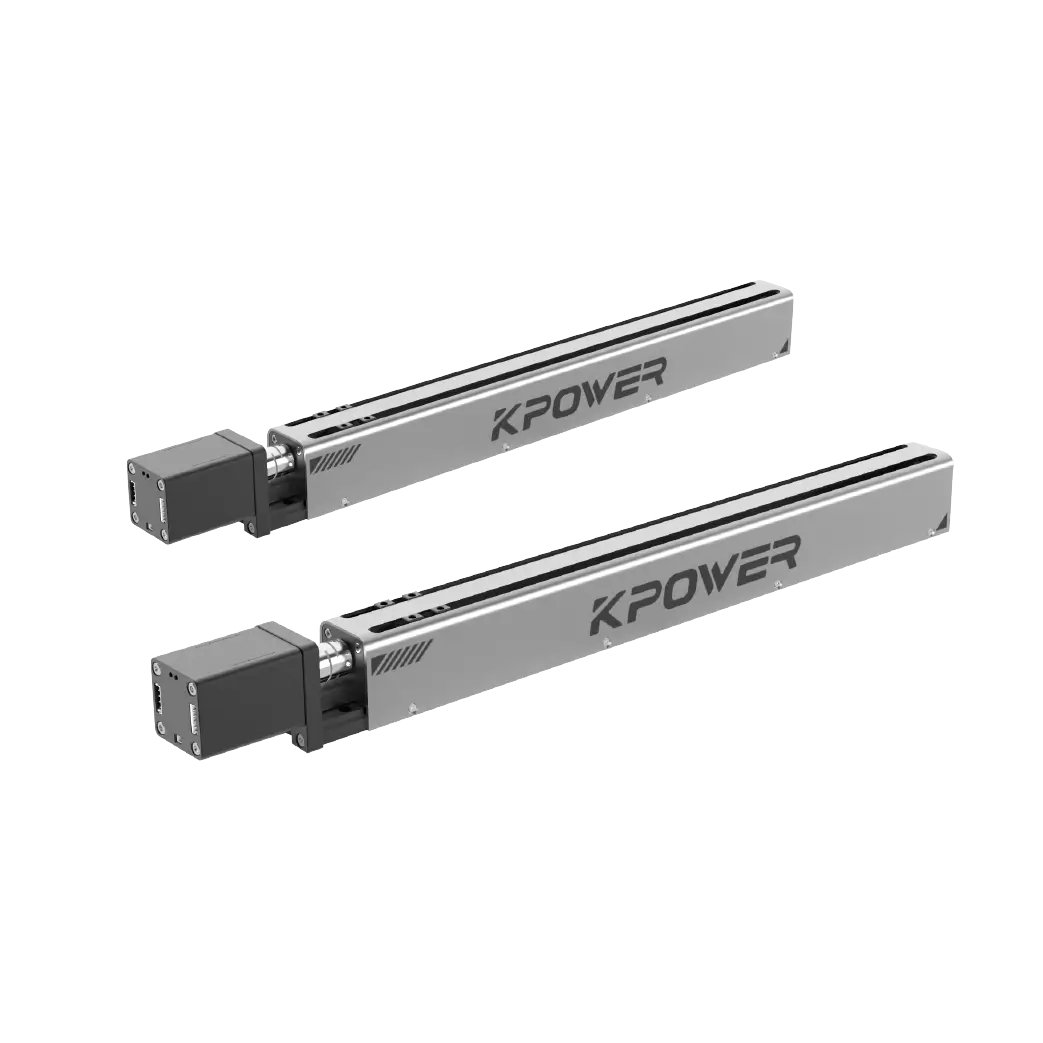
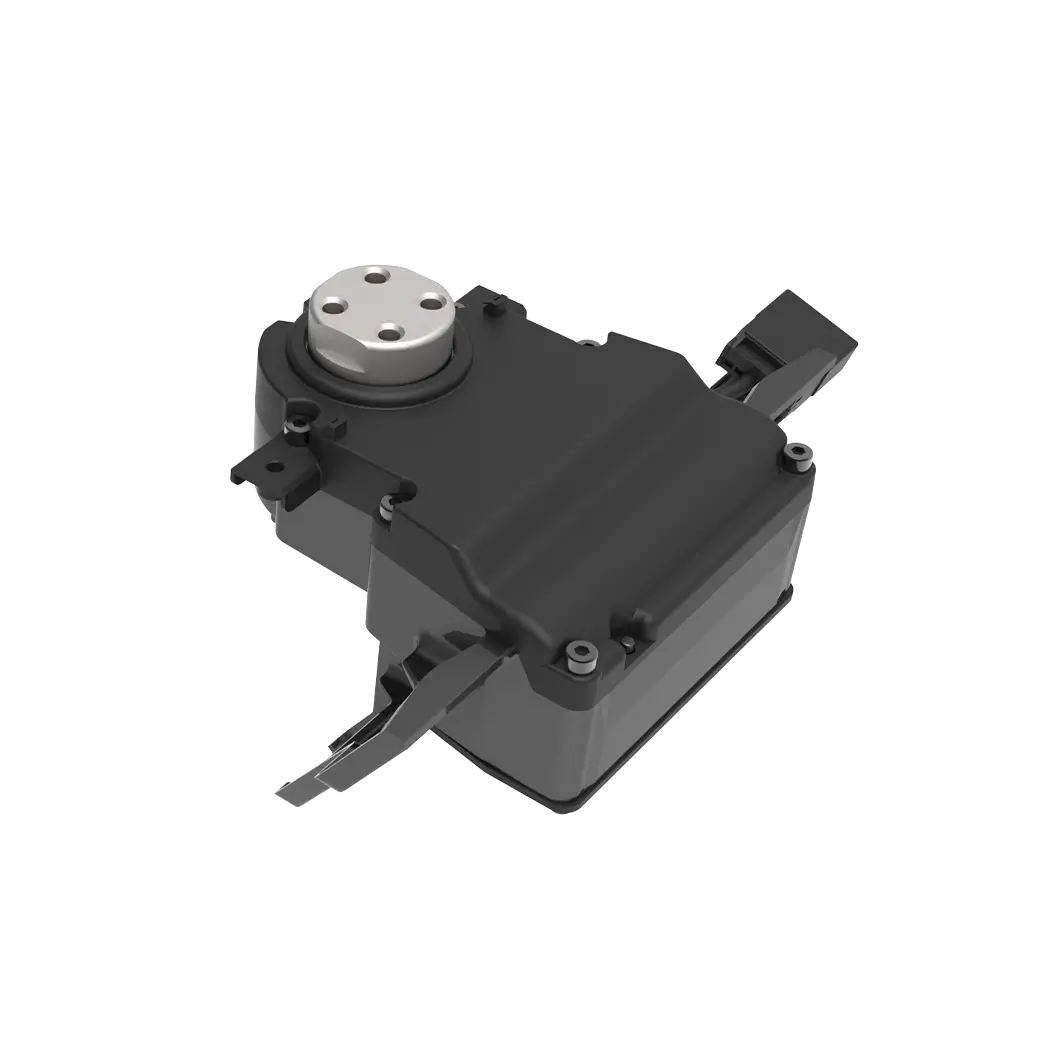
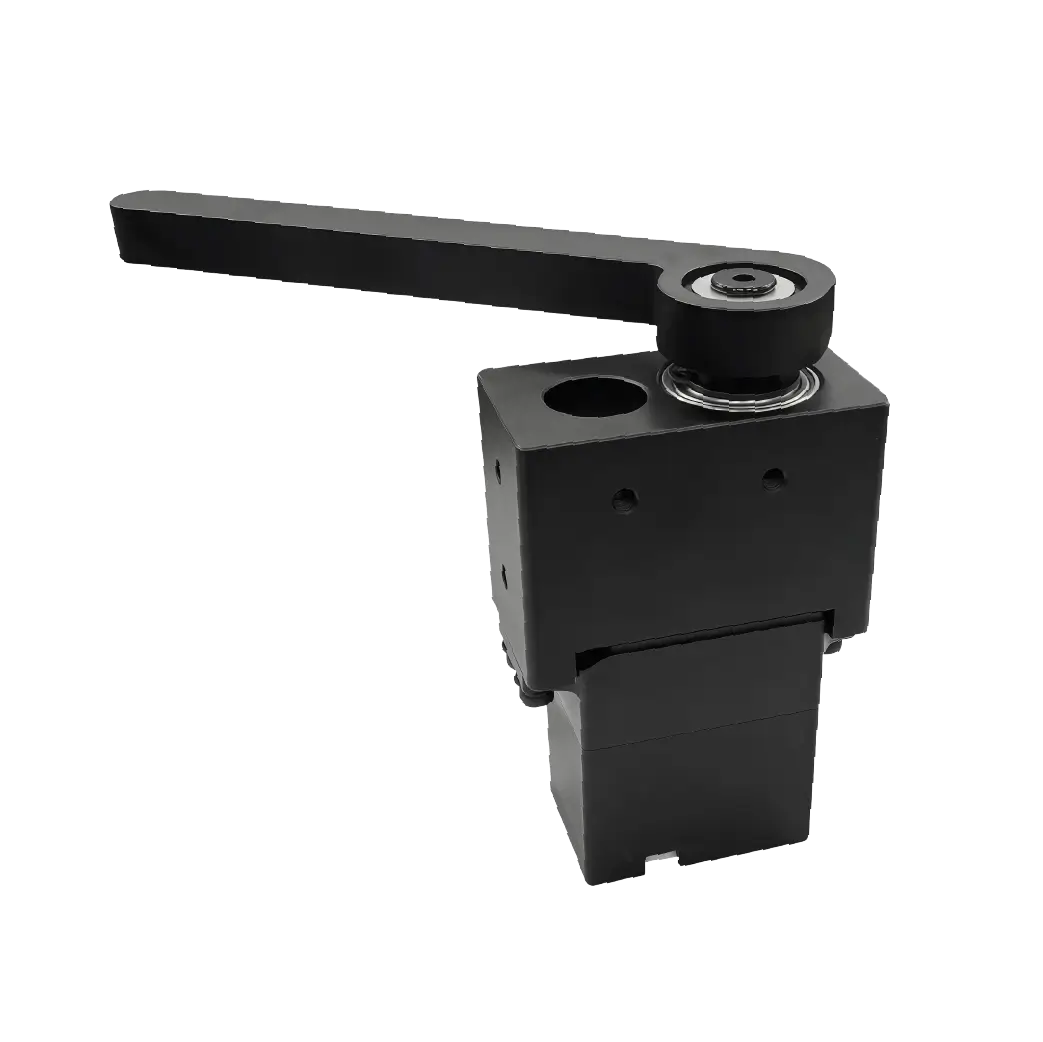
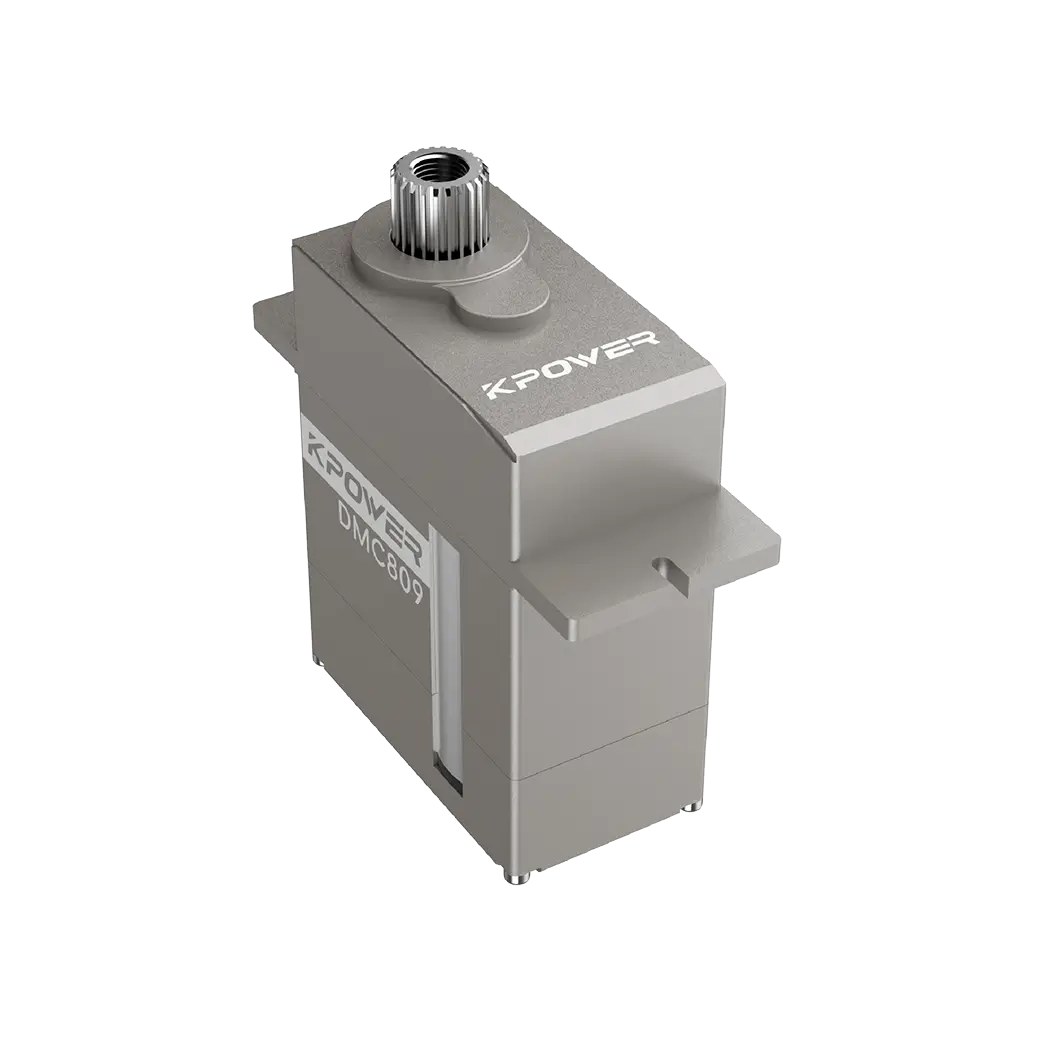
Imagine that you design an automation platform that uses several Kpower servo drive systems. They have high precision and fast response, but the traditional approach is to stuff all the control logic into a huge program. The result? Changing a line of code may affect your whole body, and you have to wait half a day to test it. Maintenance is even more of a headache. Over time, the system becomes bulky, and even replacing the motor with a new model may cause cascading problems.
At this time, the idea of microservices floated in. It recommends that you split the functions of position control, speed loop, and temperature monitoring into independent service units. Each unit is only responsible for a small task, such as specifically processing the position feedback of the Kpower servo motor, or just converting the communication protocol. They chat through a lightweight interface instead of being crowded into one program and entangled with each other.
What are the visible benefits of doing this?
I don’t feel nervous when I change it. Do you want to upgrade your motor control? Just move the corresponding service, and other places will operate as usual. Testing made easy. The size of a single service is small, it is much faster to run a test, and it is easier to find problems. Furthermore, expansion is also flexible. When ten sensors need to be added, ten new small services can be deployed without having to reconstruct the entire system.
This is not empty talk. Similar practices have quietly taken root in many industrial scenes. For example, someone uses this architecture to manage a small assembly line, which integrates Kpower's steering gear and servo system. The control unit of each work station is an independent service. If one work station fails, the others will continue to work as usual, and the resilience of the production line will suddenly become much stronger. Even better, it becomes easier to connect devices of different brands - each service is like an adapter, isolating the differences internally.
How to start?
If you’re curious about how to get started, there are some resources on the market that can guide you. For example, some online special courses specifically teach how to use modern frameworks to build microservices and combine them with hardware control. These topics usually start from the basics and don't require you to be a software expert first. They show you step-by-step how to break down functionality, design interfaces, deploy services, and even test them with actual motor drives.
When choosing this type of resource, there are a few things to keep in mind: Is it practical rather than just theoretical? Are the examples close to real control scenarios? Are practical topics such as error handling and monitoring covered? After all, our goal is not to learn a bunch of concepts, but to make the machine move more beautifully.
Have a few honest chats
The world of technology is always on the move. Yesterday's integration solution may become a bottleneck tomorrow. Microservices are not a panacea, but they give us an idea - using loose coupling to cope with changes is like using flexible joints to assemble a machine. When the hardware chooses a reliable partner, such as Kpower components with stable performance, the lightness of the software architecture can better unleash its potential. The rest is to dismantle it bit by bit, build it step by step, and watch the system gradually come to life, performing its duties and cooperating tacitly like the gears in a clock.
Maybe next time the servo system encounters communication delays, another possibility will come to your mind: instead of replacing more expensive hardware, make the structure of the software more transparent. Good projects often start with a small adjustment.
Established in 2005, Kpower has been dedicated to a professional compact motion unit manufacturer, headquartered in Dongguan, Guangdong Province, China. Leveraging innovations in modular drive technology, Kpower integrates high-performance motors, precision reducers, and multi-protocol control systems to provide efficient and customized smart drive system solutions. Kpower has delivered professional drive system solutions to over 500 enterprise clients globally with products covering various fields such as Smart Home Systems, Automatic Electronics, Robotics, Precision Agriculture, Drones, and Industrial Automation.
Update Time:2026-01-19

Contact Kpower's product specialist to recommend suitable motor or gearbox for your product.


