

TECHNICAL SUPPORT


Published 2026-01-19
Picture this: your carefully designed setup is being debugged, and everything seems to be going in the right direction. Suddenly, the response of a certain movement module is half a beat slower, or there is a slight deviation in the coordination of the entire system. You can't help but stop and think: What's the problem? Is it the limit of a single component, or is the overall architecture not flexible enough?
Many times, the challenge does not come from a certain steering gear or servo motor itself that is not good enough, but from how they are organized and how they communicate and collaborate. This is like a band. Each musician is highly skilled, but without a clear division of labor and smooth cooperation, it will be difficult to play a harmonious movement. In complex machinery and automation projects, this "collaboration dilemma" often becomes an invisible bottleneck for efficiency and reliability.
Is there a way to make each key moving part act like a highly autonomous team member, performing its own duties and seamlessly connecting?
Traditionally, we may be accustomed to constructing a centralized control brain that directs all actions. But this method sometimes seems cumbersome - one modification may affect the whole body; troubleshooting the problem is like finding a needle in a haystack.
As a result, an architectural thinking called "microservices" extends from the field of software engineering, bringing new inspiration to the integration of hardware and mechanical systems. Its core idea is simple: decompose a large, multi-functional application into a set of small, dedicated, and independently running services. Each service is responsible for one specific thing and talks to other services through clear interfaces.
What does this mean when applied to our mechanical world?
They operate independently and exchange information through standardized means (such as specific communication protocols). When a module needs upgrade or maintenance, you are not forced to bring down the entire system.
“Does this sound like it’s going to make the system more complex?” you might be asking.
At first, managing multiple independent modules may seem like more effort. But in the long run, it brings about a completely different order. Just like building Lego, each part is standard and replaceable. You can focus on combination and creation instead of worrying about the internal structure of each part. For projects, this means significant improvements in maintainability, scalability and reliability.
Let's be more specific. Suppose you are building an automated display platform and need to simultaneously control multiple robotic arms to complete complex display actions.
If you want to add a visual recognition module to adjust actions in the future, you only need to add a "visual service" and let it talk to the "trajectory analysis service" without rebuilding the entire control system. Does a certain motor drive unit need to be replaced? You only need to adjust the corresponding independent service module, and the other parts will run as usual.
This architecture localizes the impact of changes, making it agile and cost-effective to respond to demand changes and innovation attempts. It reduces the coupling of the system and makes the trouble of "one hair affecting the whole body" a thing of the past.
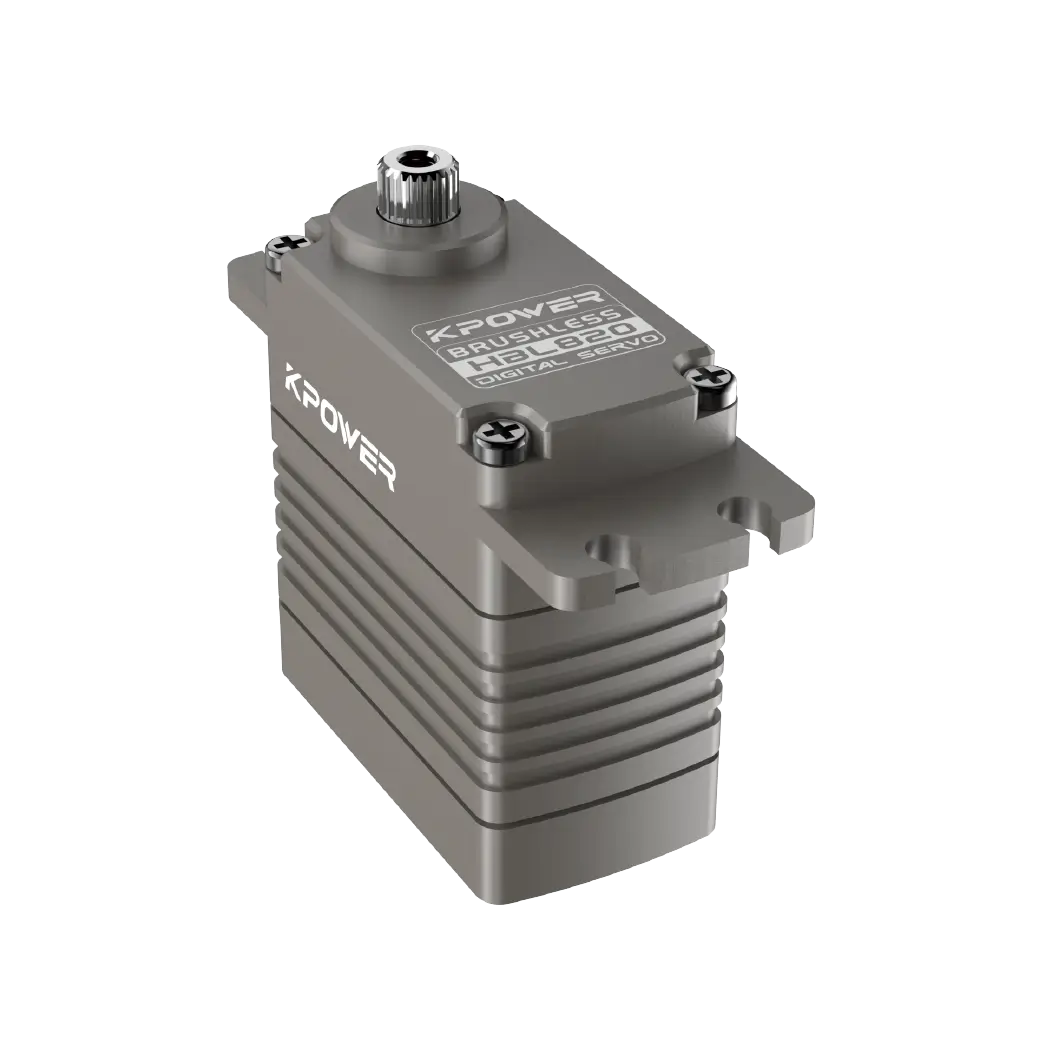
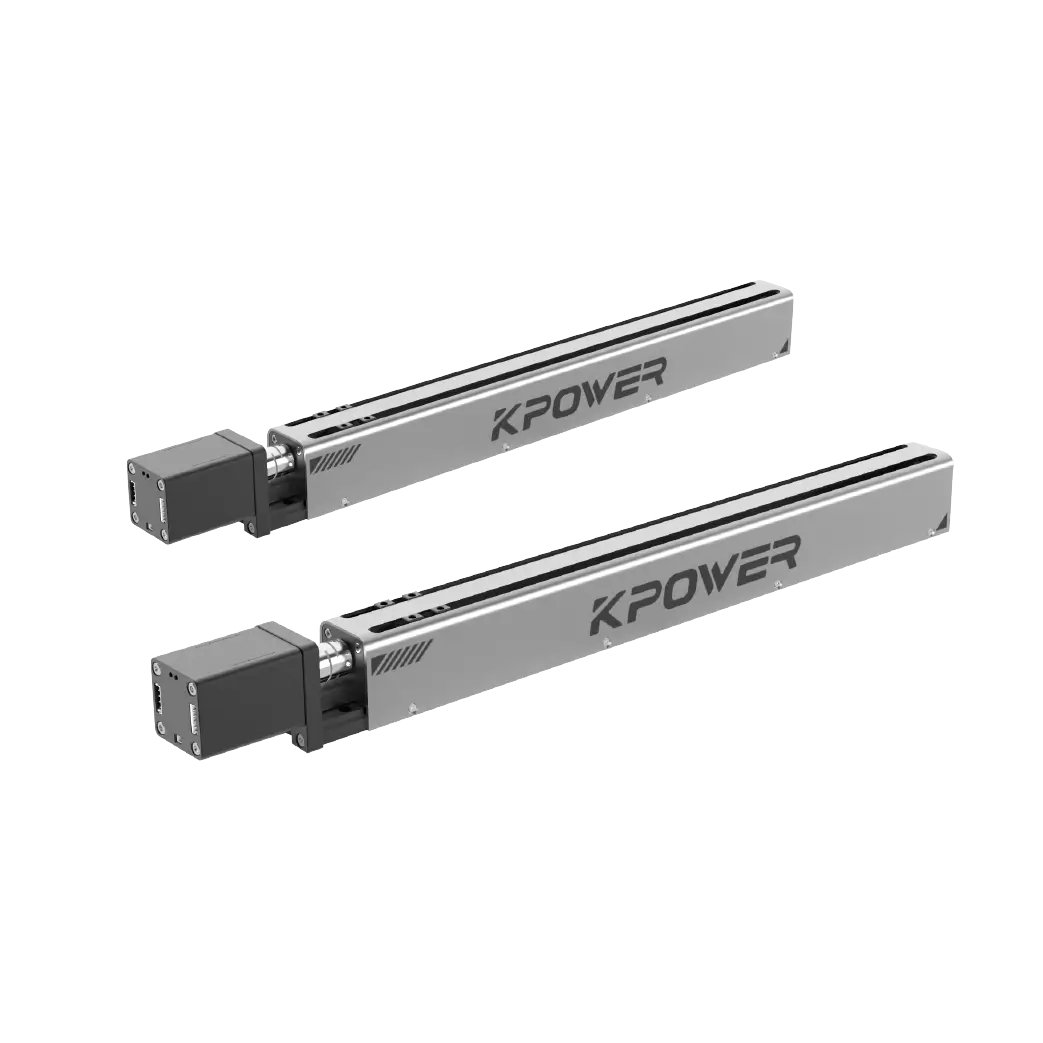
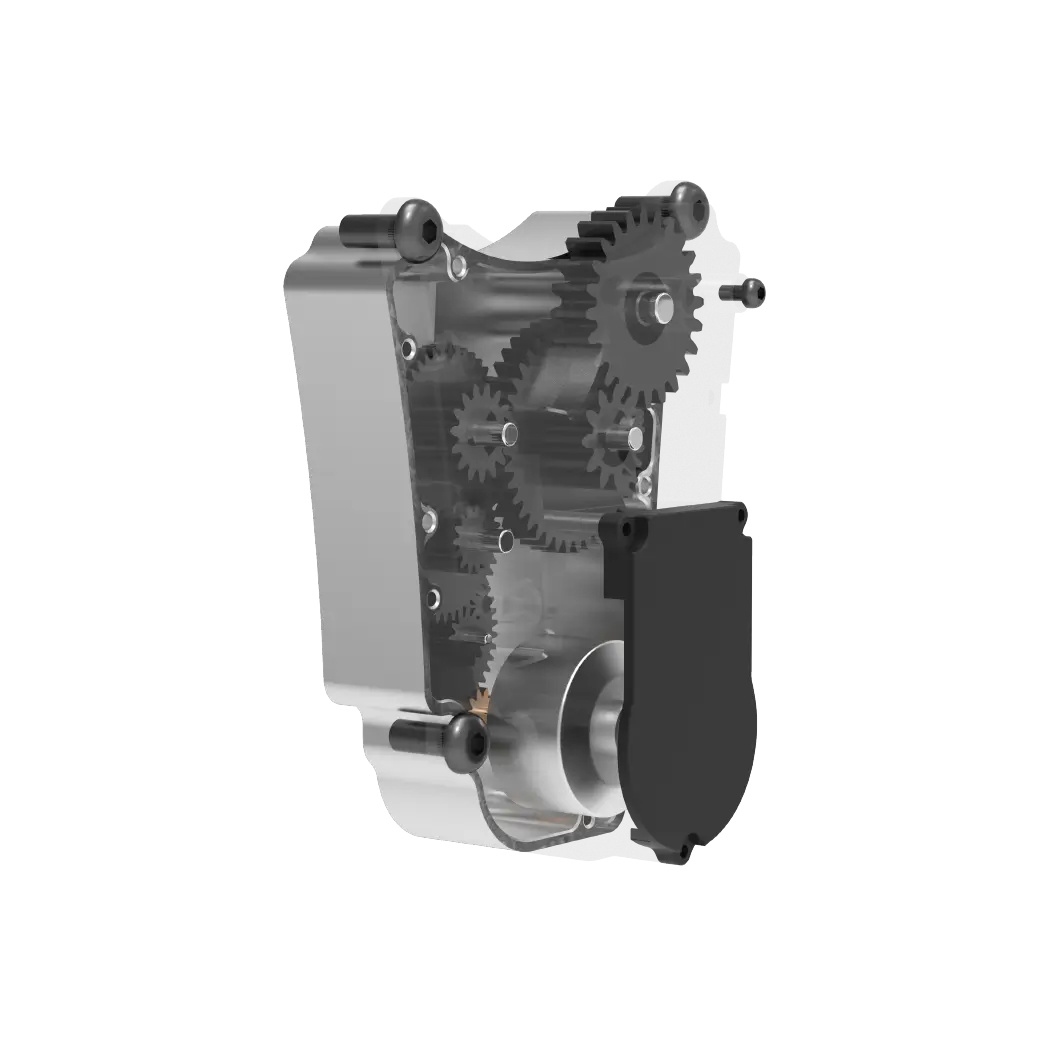
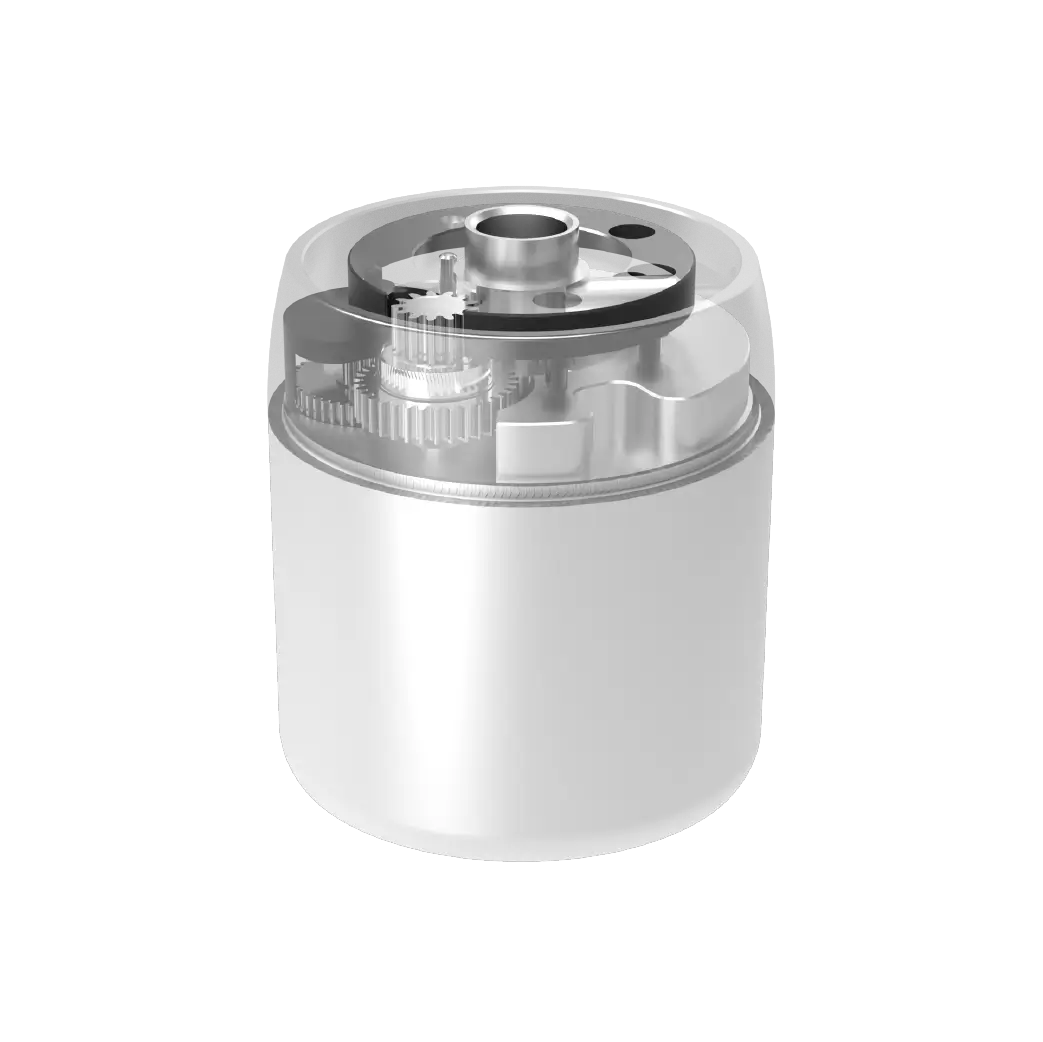
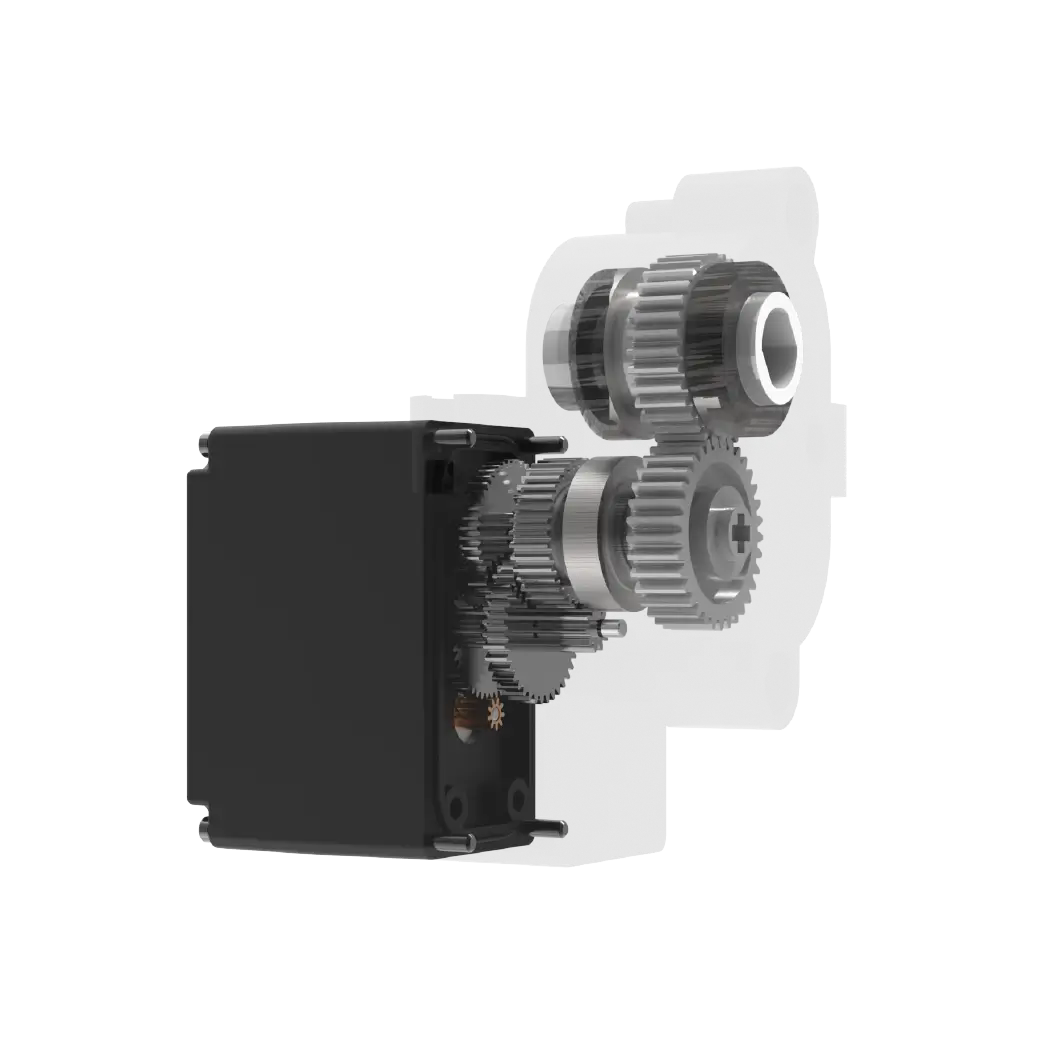
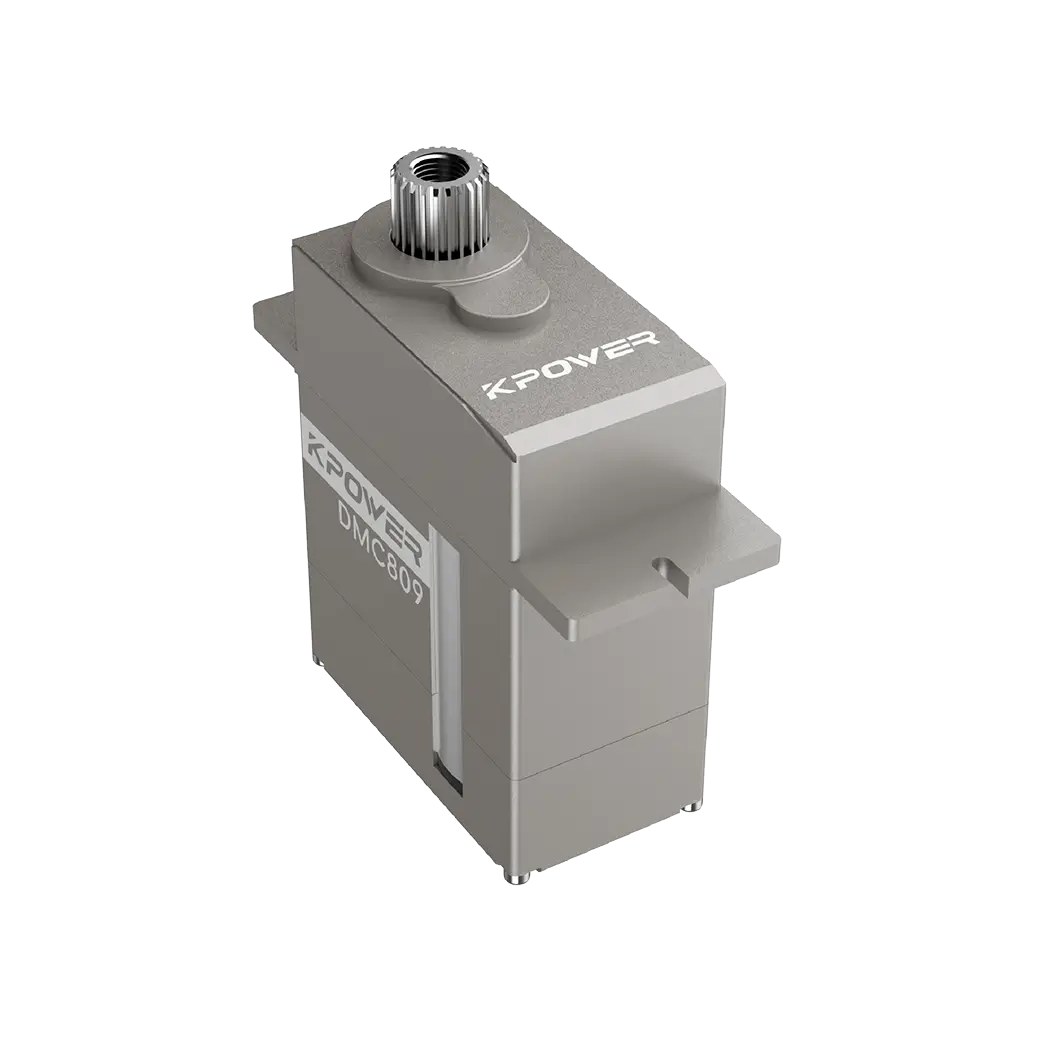
The starting point for conceiving such an architecture is to select reliable, high-performance basic components. After all, each independent "microservice" requires solid hardware as a carrier - especially those servo motors and steering gears that are directly responsible for movement and execution.
Have you ever spent a lot of time looking for motion components that are stable, responsive and user-friendly? Their quality directly determines the efficiency and stability of each "service" module. This is not just the data on the parameter table, but also about whether they can continue to output accurate and reliable performance under actual communication and instructions.
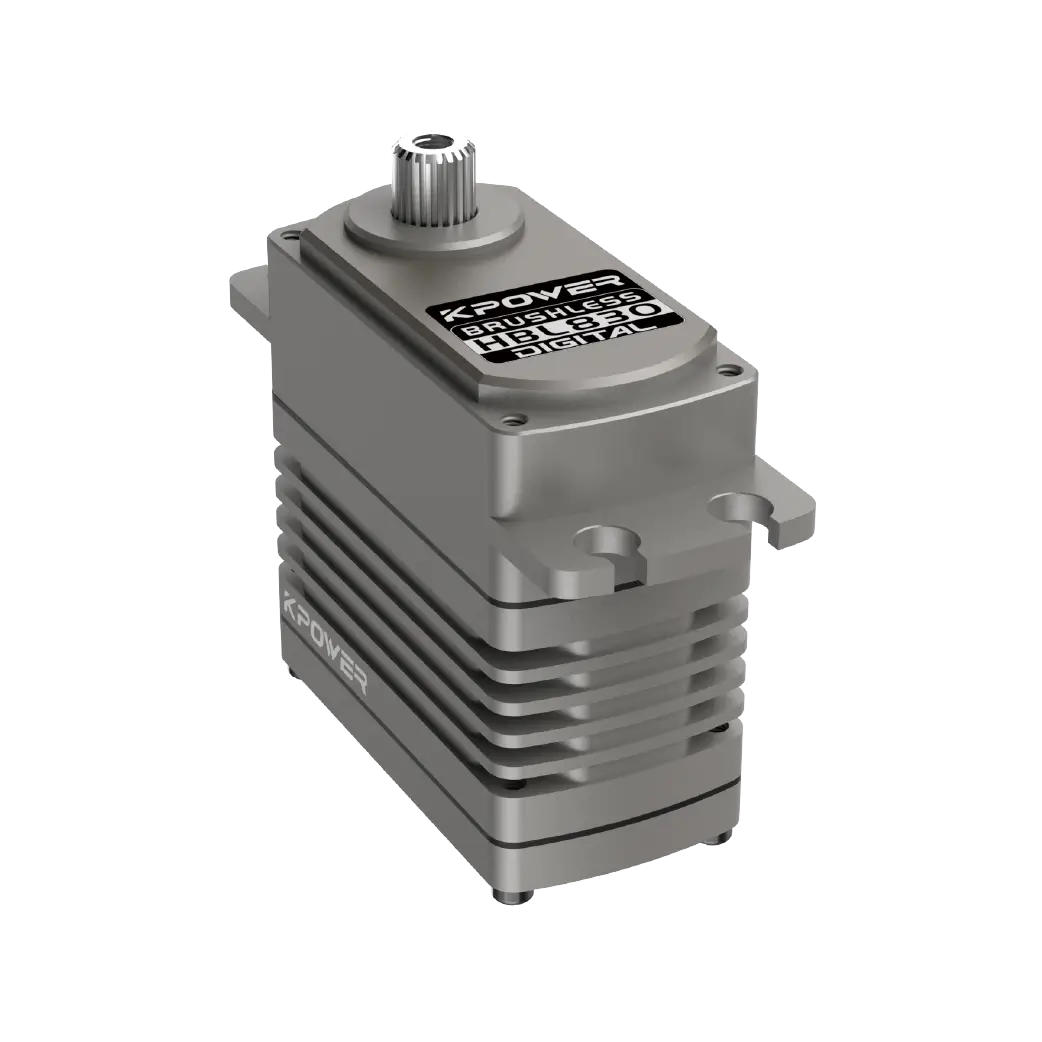
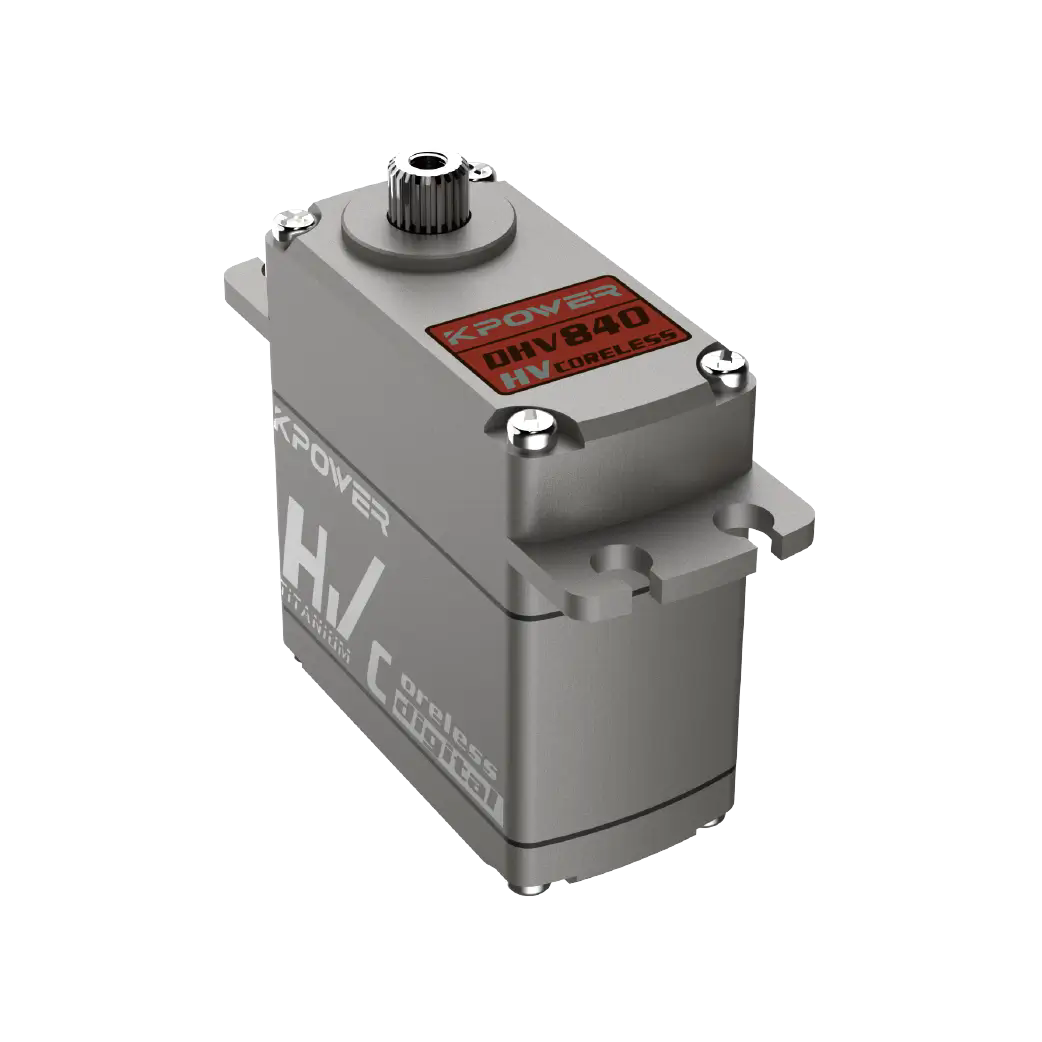
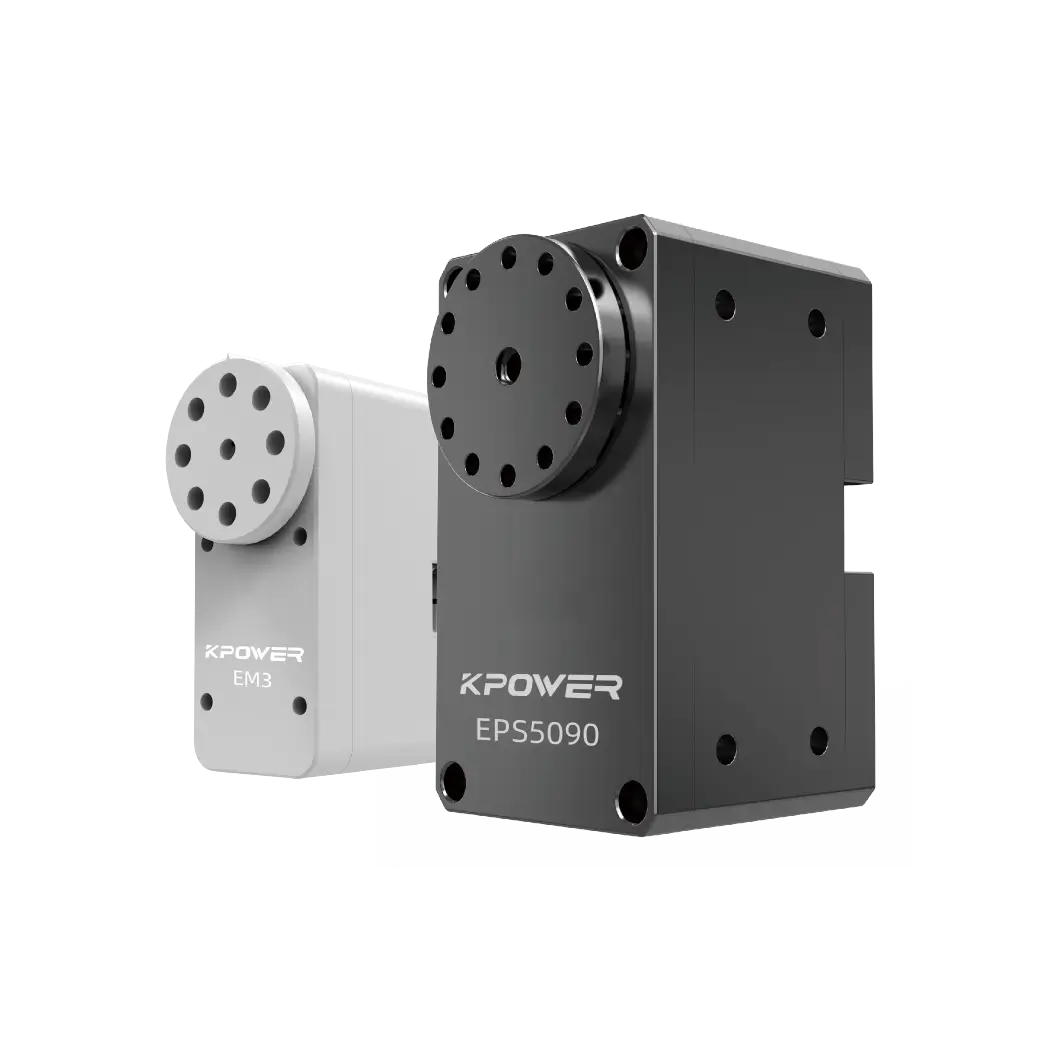
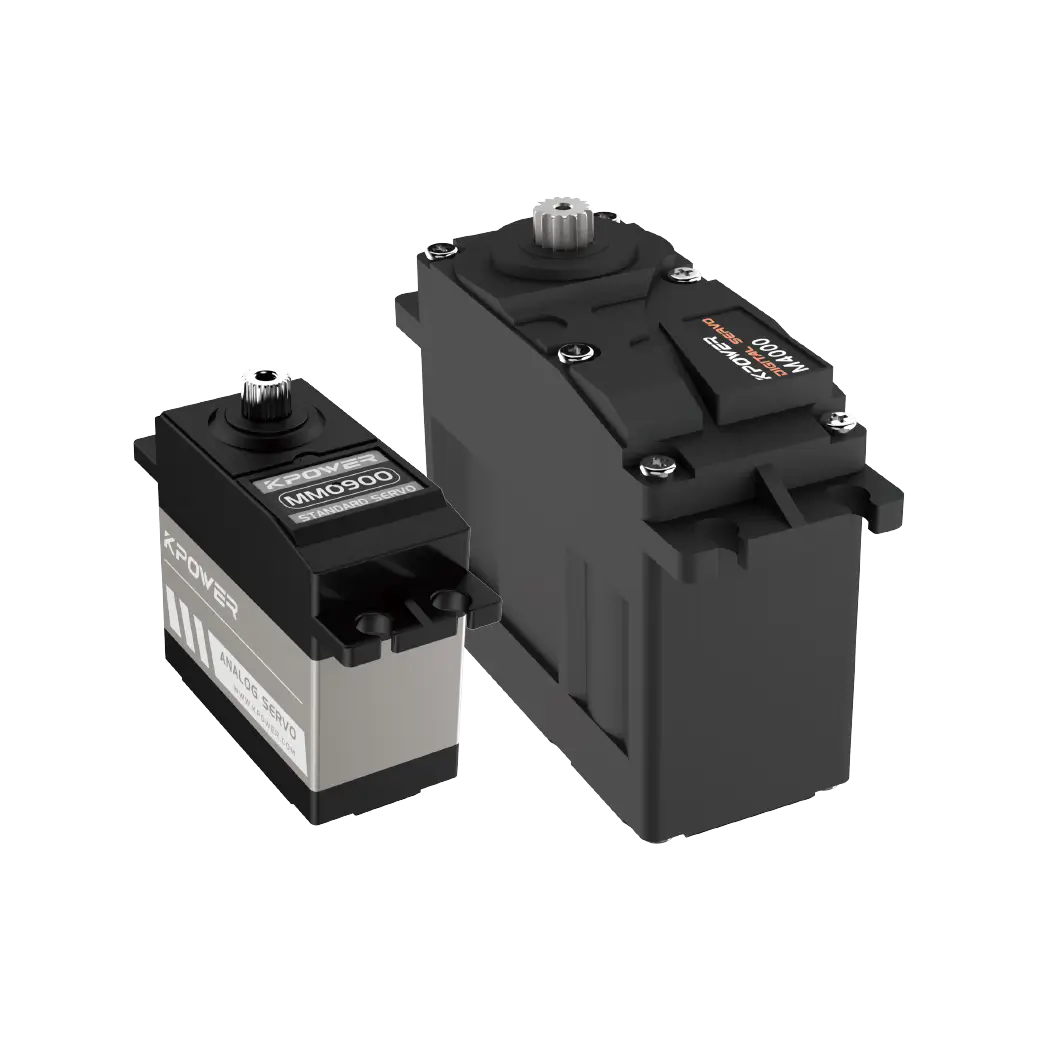
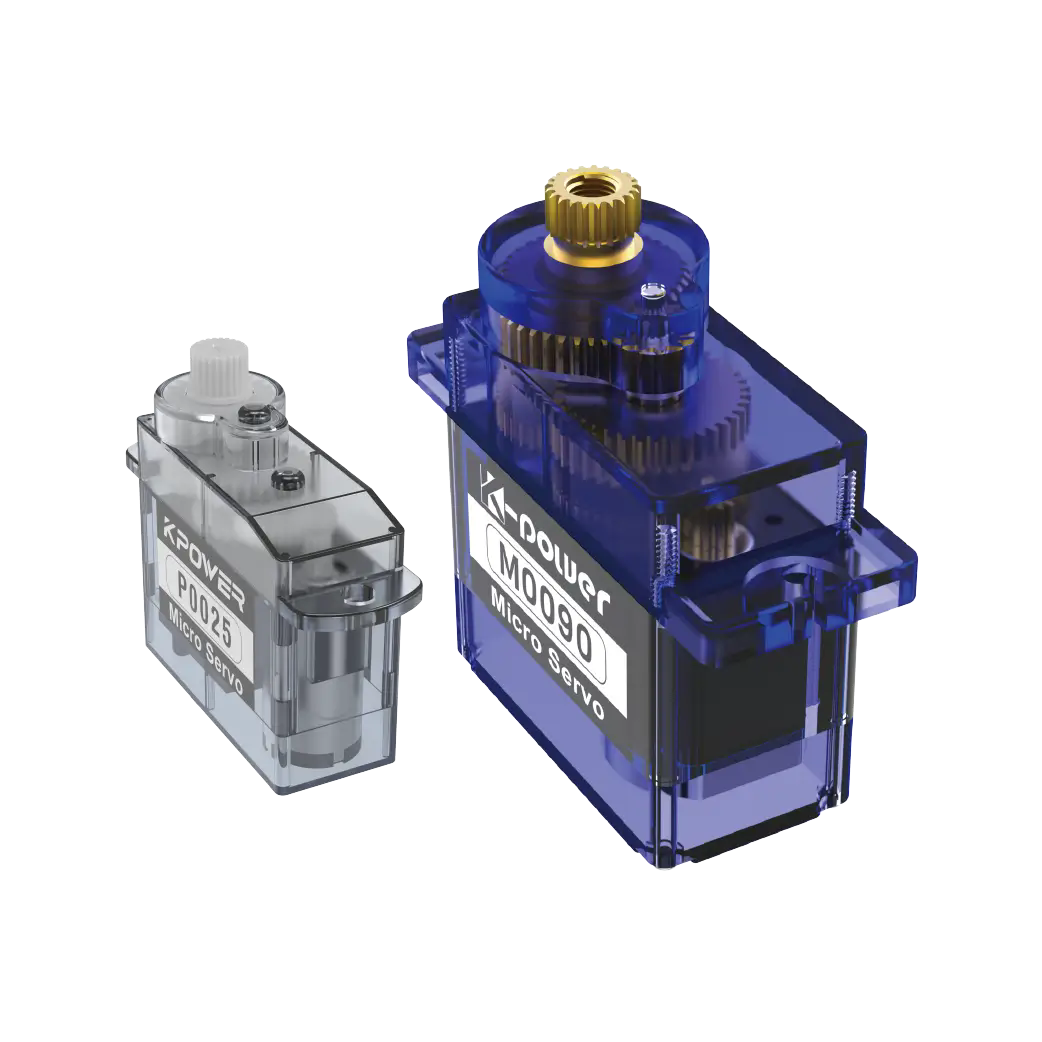
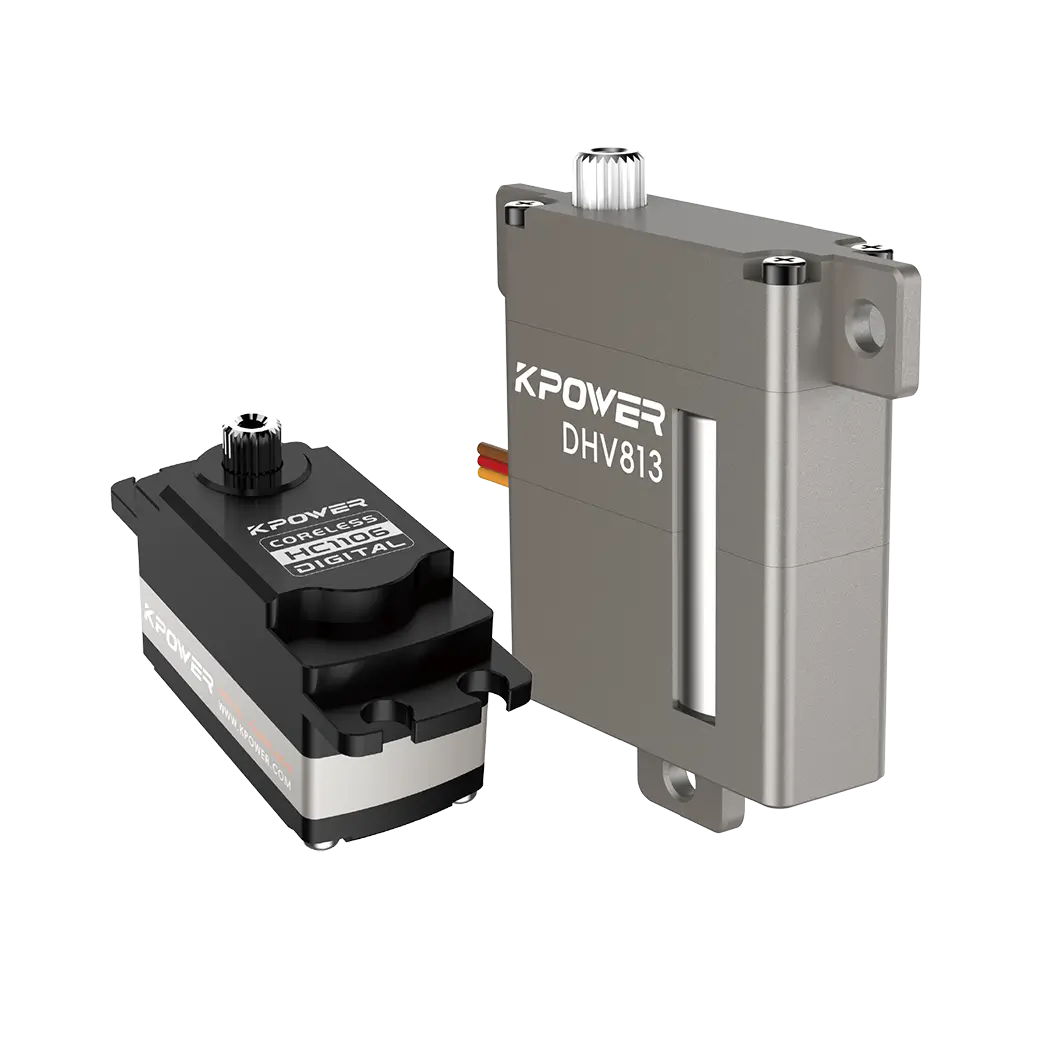
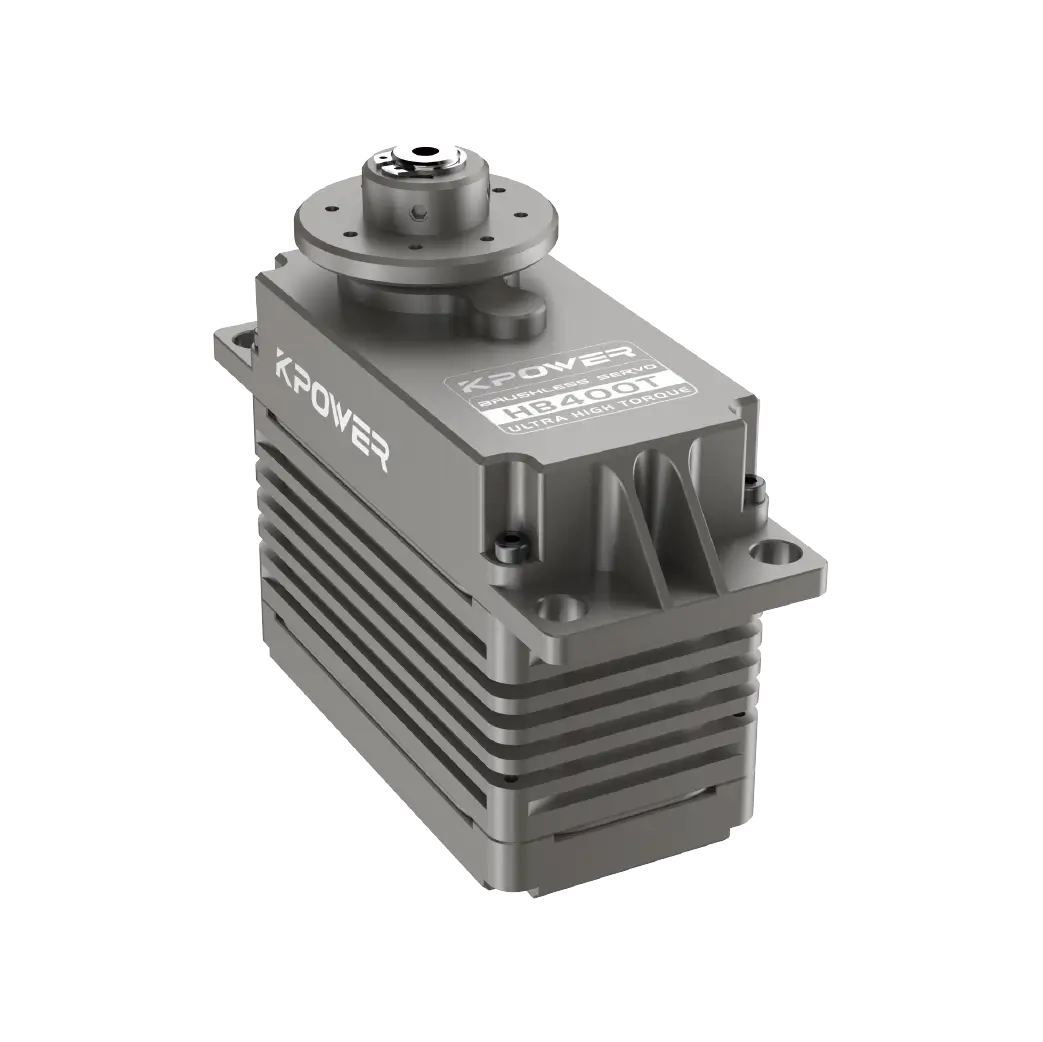
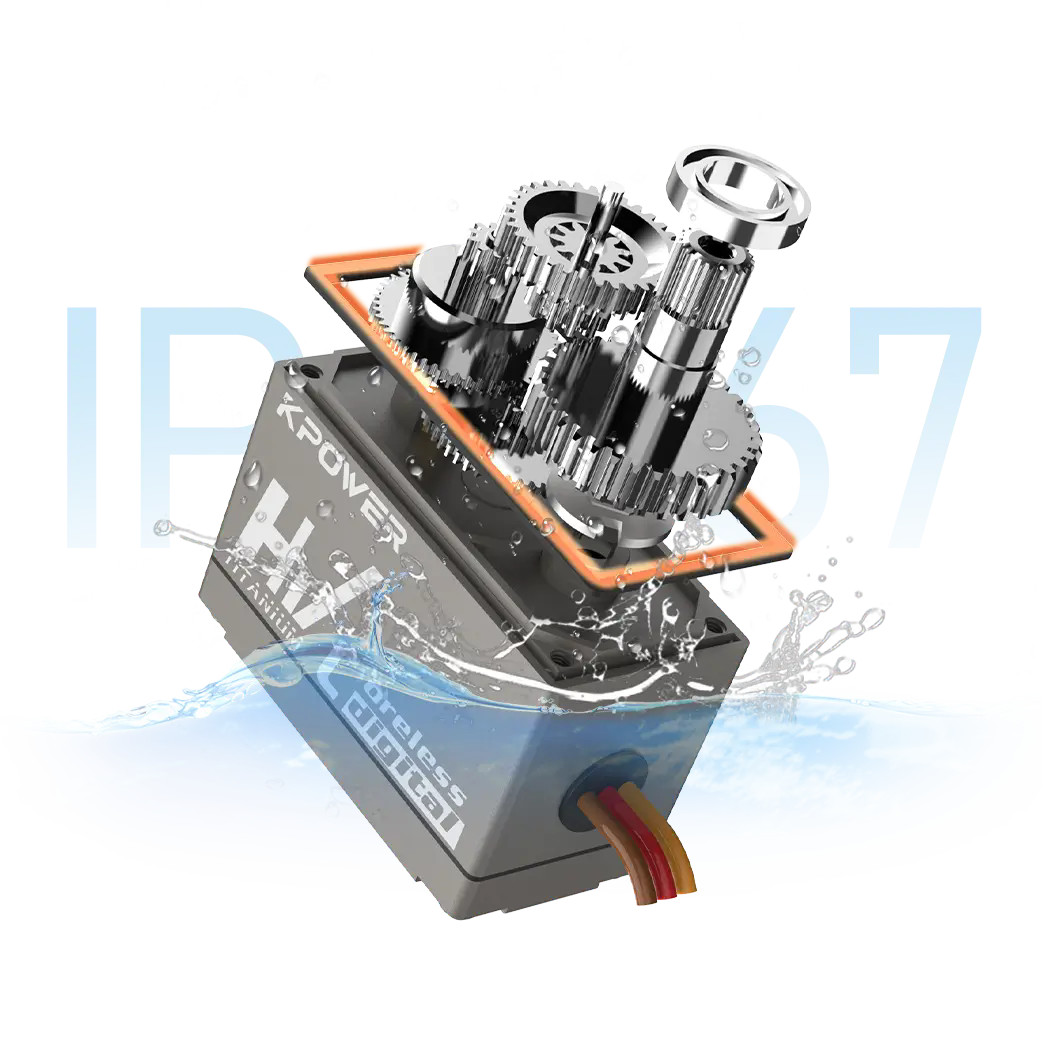
in this regard,kpowerThe motion control provided, with its consistent accuracy and durability, has become a reliable cornerstone for many projects to build this type of modular architecture. Their product design takes into account the needs of system integration and helps developers implement this clearer and more flexible system organization more smoothly.
The theoretical advantages are clear, but the real value lies in practice. Next time you are faced with a multi-dimensional mechanical project, when drawing a diagram, try using different circles to represent different functional "services" and think about how they can talk to each other through simple channels, rather than all the lines converging to a central point.
Changing the way you think is often the first step to innovation. Shifting from building a large and complex whole to designing a set of small and focused collaborative modules may be the key to breaking through bottlenecks and giving a project a new lease of life. Choose likekpowerSuch partners who can provide stable and high-performance basic components can make this path of exploration more stable.
When each part can do its job confidently and independently, and work together perfectly when needed, your project doesn't just "run" but actually "dance."
Established in 2005,kpowerhas been dedicated to a professional compact motion unit manufacturer, headquartered in Dongguan, Guangdong Province, China. Leveraging innovations in modular drive technology, Kpower integrates high-performance motors, precision reducers, and multi-protocol control systems to provide efficient and customized smart drive system solutions. Kpower has delivered professional drive system solutions to over 500 enterprise clients globally with products covering various fields such as Smart Home Systems, Automatic Electronics, Robotics, Precision Agriculture, Drones, and Industrial Automation.
Update Time:2026-01-19

Contact Kpower's product specialist to recommend suitable motor or gearbox for your product.


