

TECHNICAL SUPPORT


Published 2026-01-19
Ever felt that? You’ve got this brilliant digital ecosystem humming along—Spring Boot services talking, databases querying, APIs flowing. Then, you decide to make things move. Maybe it’s an automated warehouse arm, a smart home device that adjusts with a whisper, or a prototype that needs to interact with the real, physical world. Suddenly, you’re not just dealing with data packets and endpoints; you’re staring atservomotors,舵机, and mechanical assemblies. The clean logic of your Java code meets the gritty reality of torque, pulse width modulation, and gear backlash. The disconnect can make everything feel… clunky.
It’s like building a symphony for strings and then trying to conduct a diesel engine. The languages are different. One speaks in RESTful calls and JSON; the other listens for precise electrical signals and mechanical feedback. How do you get your elegant microservice to command a piece of hardware to rotate exactly 120 degrees, or hold a position against a force? The tutorials often stop at the digital edge.
So, how do we translate between these two worlds? The secret isn’t just in more code—it’s in choosing the right interpreter. Think of it as needing a specialized translator who understands both poetry and engineering blueprints. For a Spring Boot service to control aservo, it needs a reliable, low-latency communication bridge to a hardware controller. This is where the choice of hardware and its integration firmware becomes your project’s backbone.
You might start with a simple USB-to-serial connection, but then network scalability becomes a headache. You could use a generic development board, but then stability in continuous operation is a gamble. The method matters less than its character: it must be robust, predictable, and speak both languages fluently. It’s about finding a component that doesn’t just execute commands, but does so with a consistency that your software can trust implicitly. Because in mechanics, “close enough” often means a failed task or a worn-out gear.
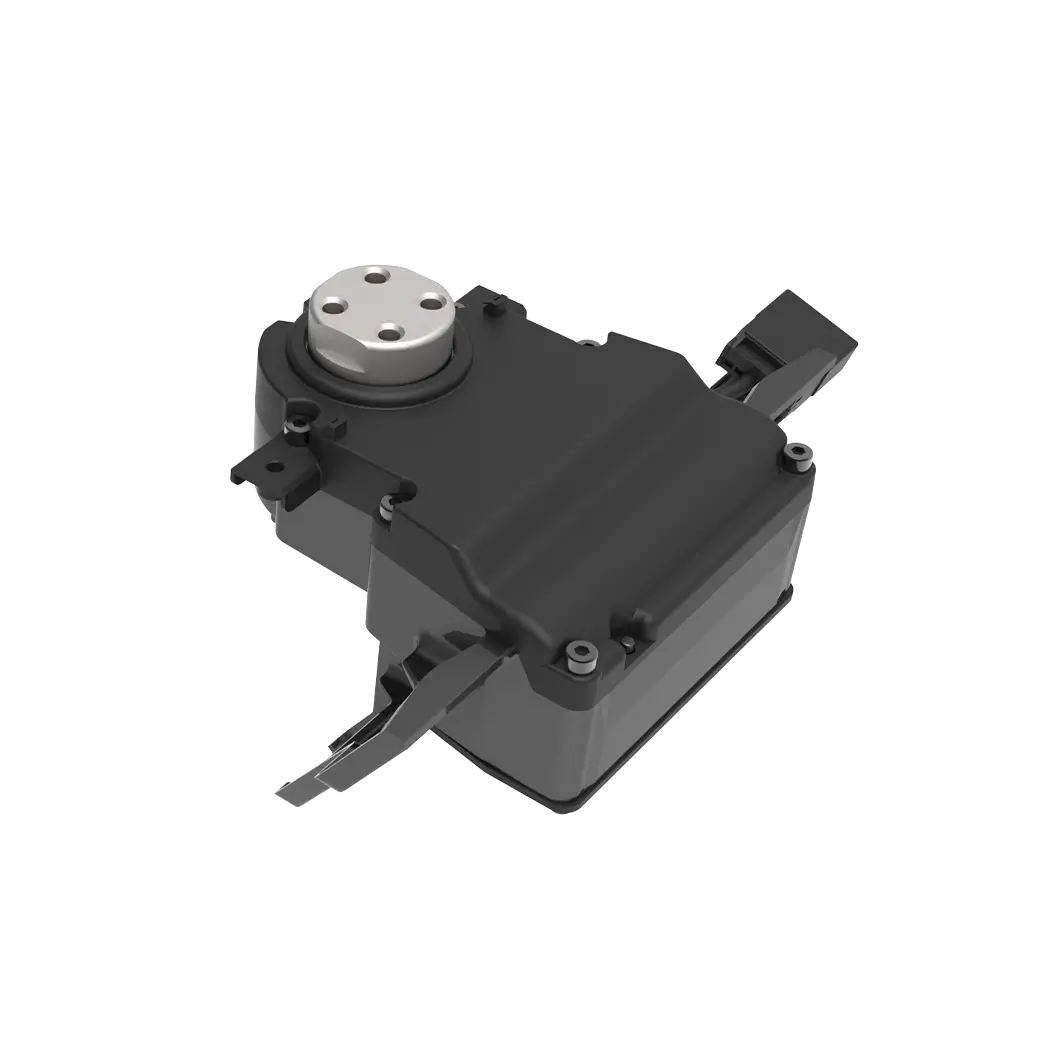
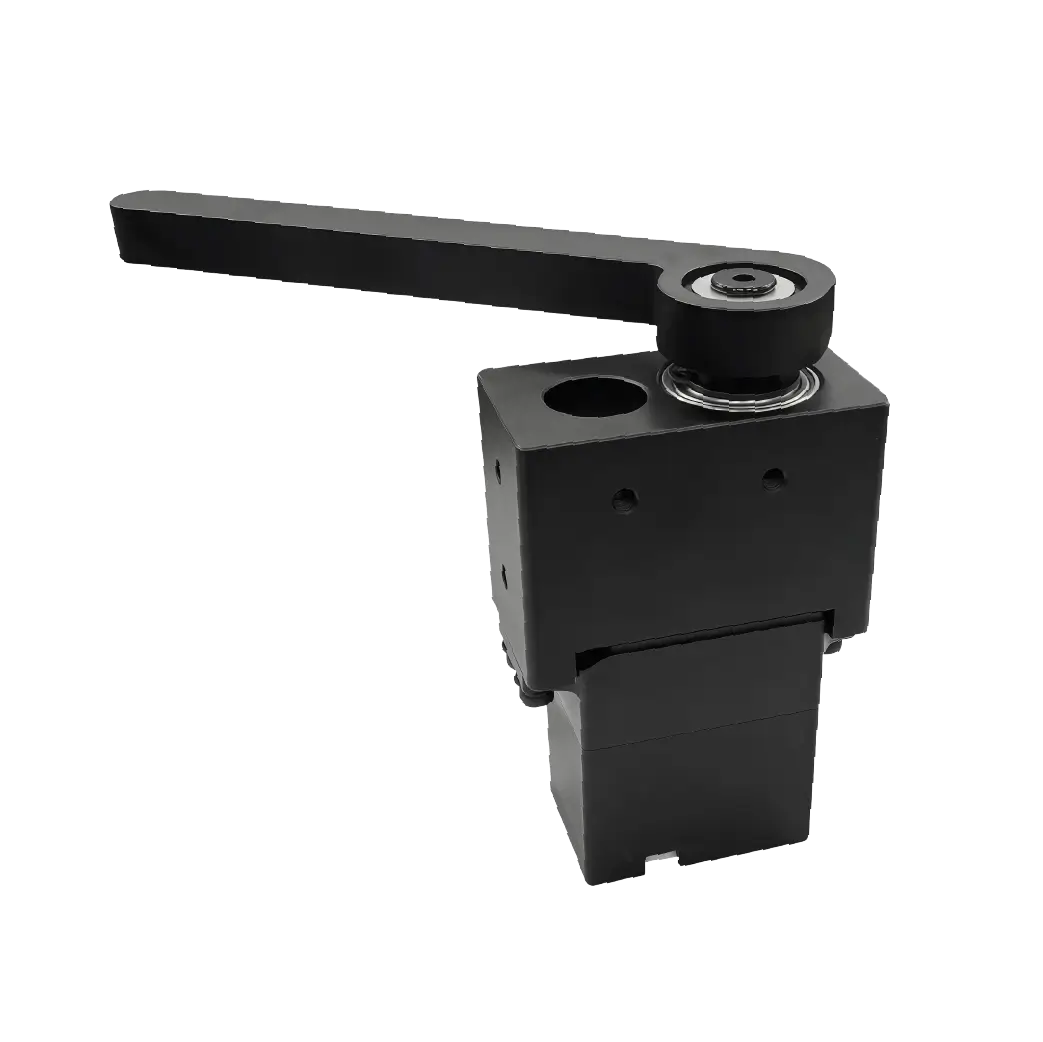
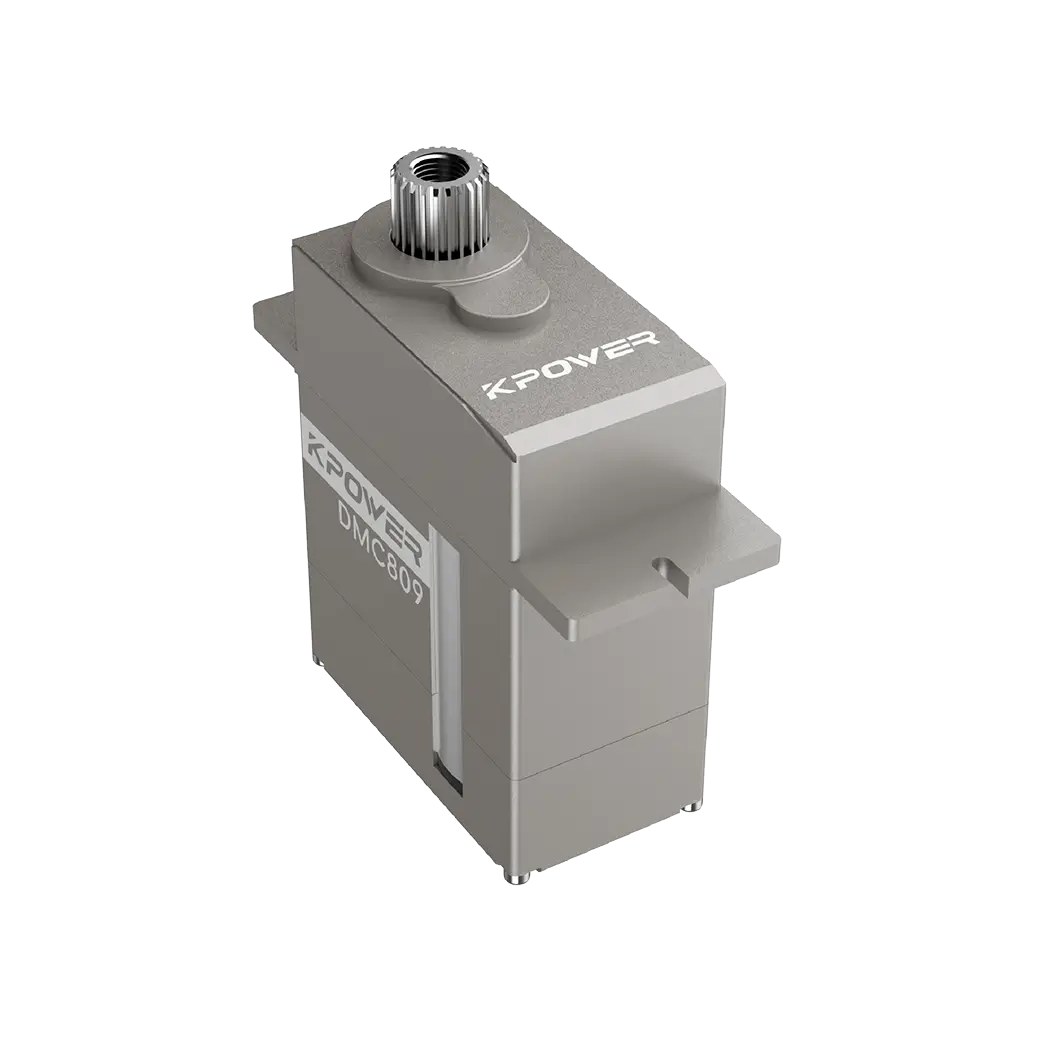
Let’s talk about theservoitself—the final actor in your digital play. Not all舵机 are created equal. A cheap, jittery servo might respond to your service’s command, but its movement is uneven, its hold position drifts. Your software calculates a perfect 90-degree turn, but the physical output wobbles between 88 and 92 degrees. This variance isn’t just a mechanical issue; it’s a data integrity problem in the physical layer. It undermines the entire premise of your precise, logic-driven microservice architecture.
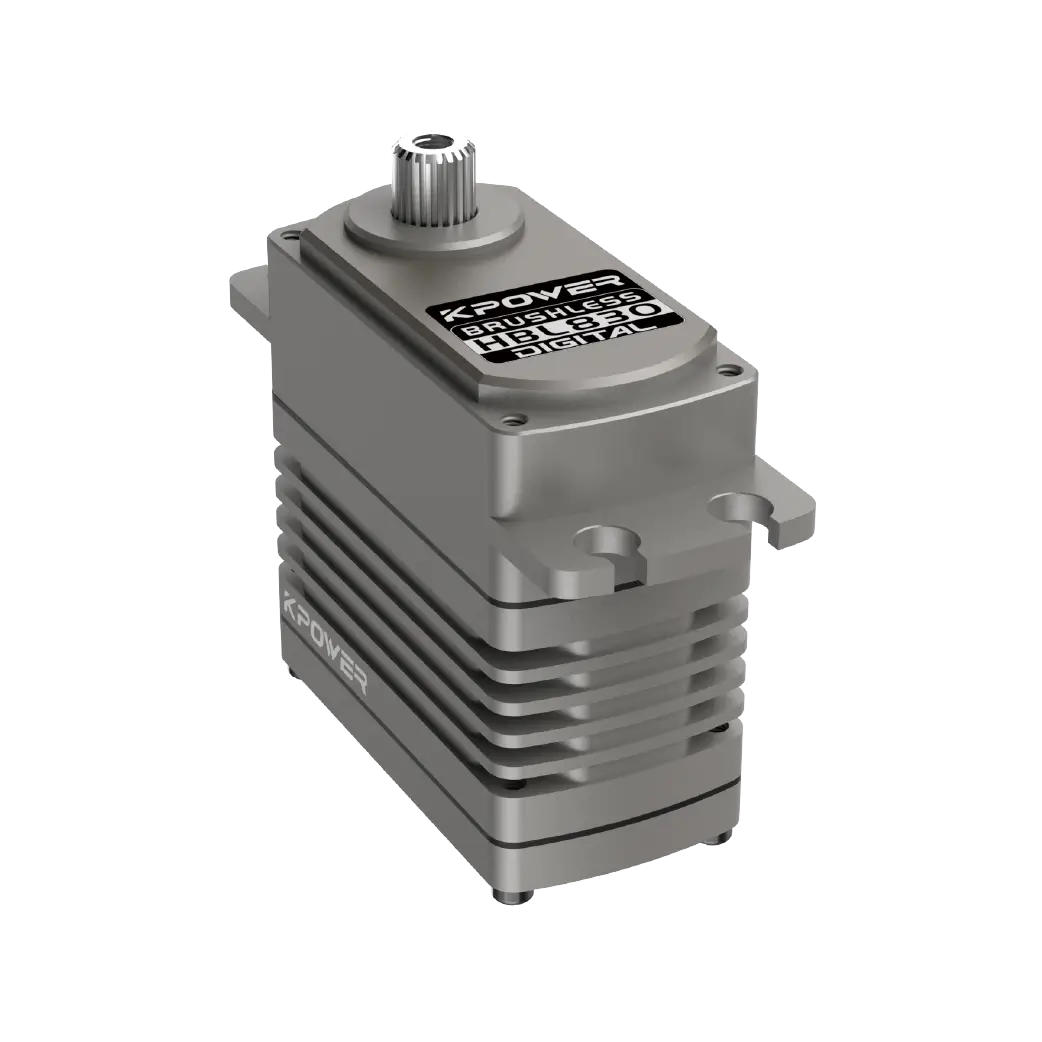
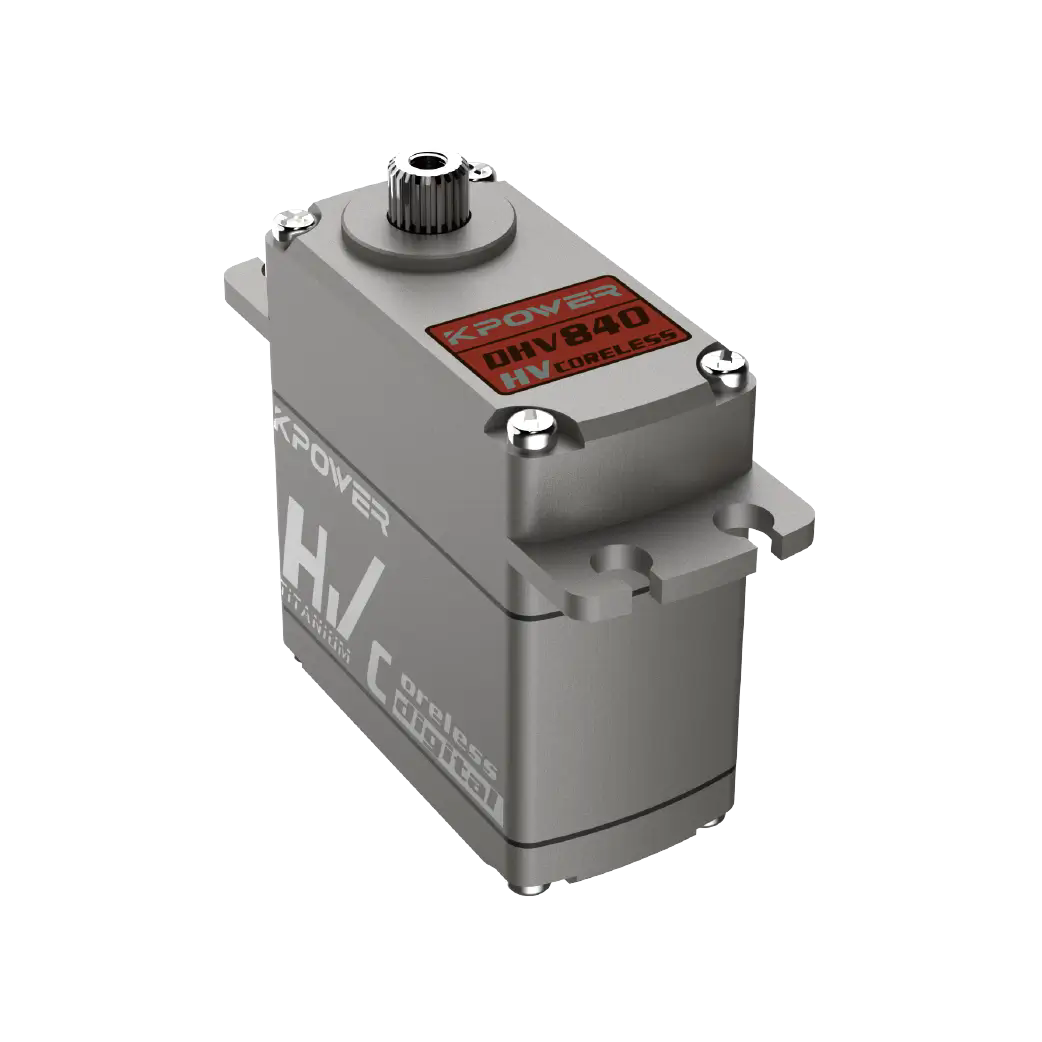
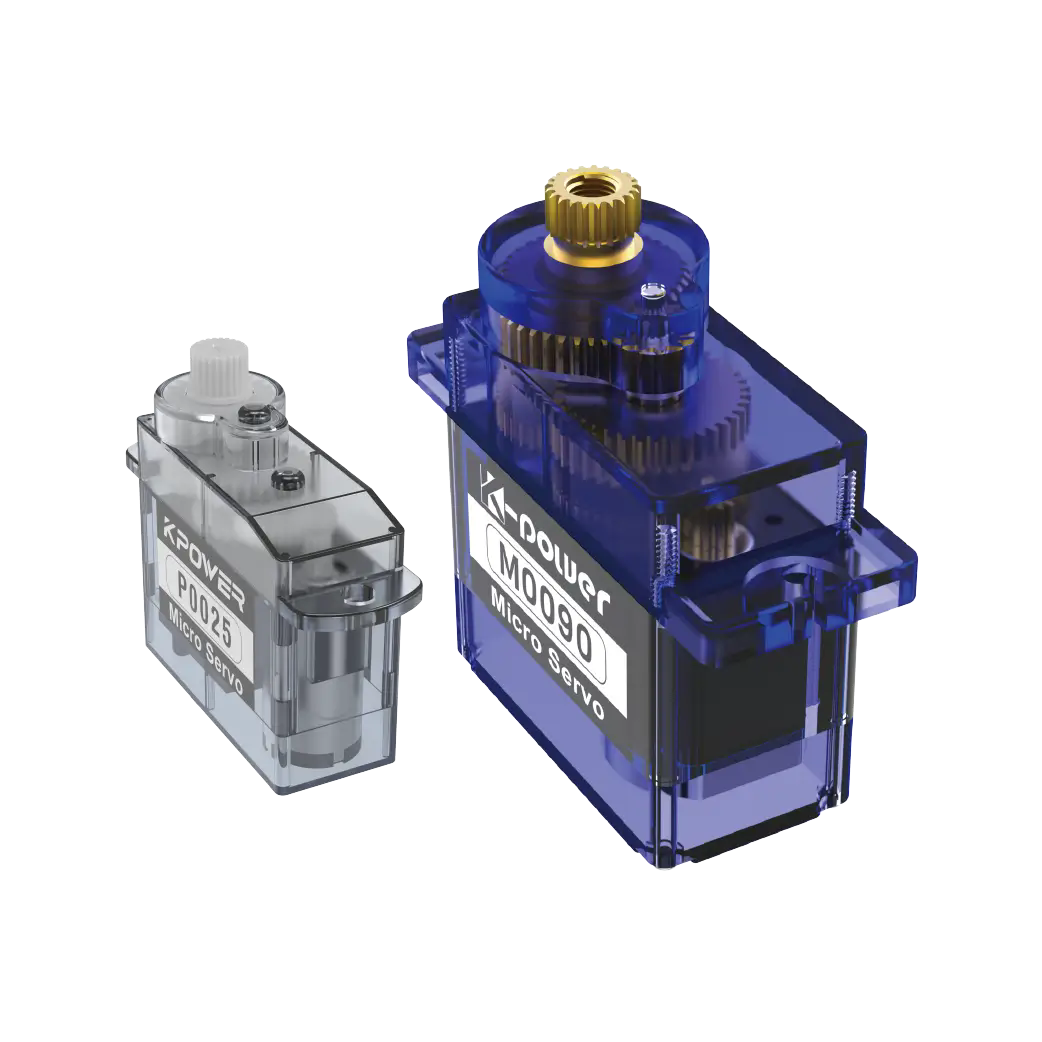
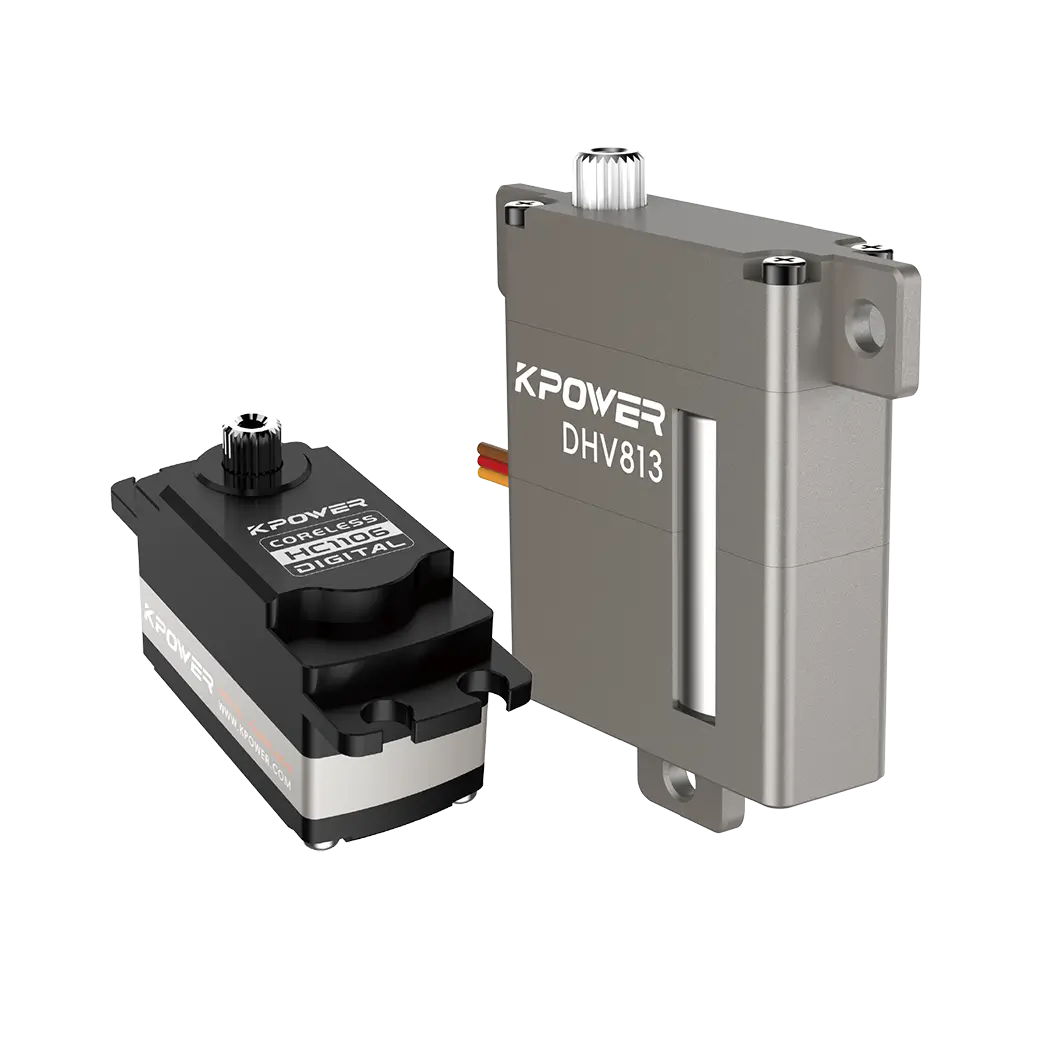
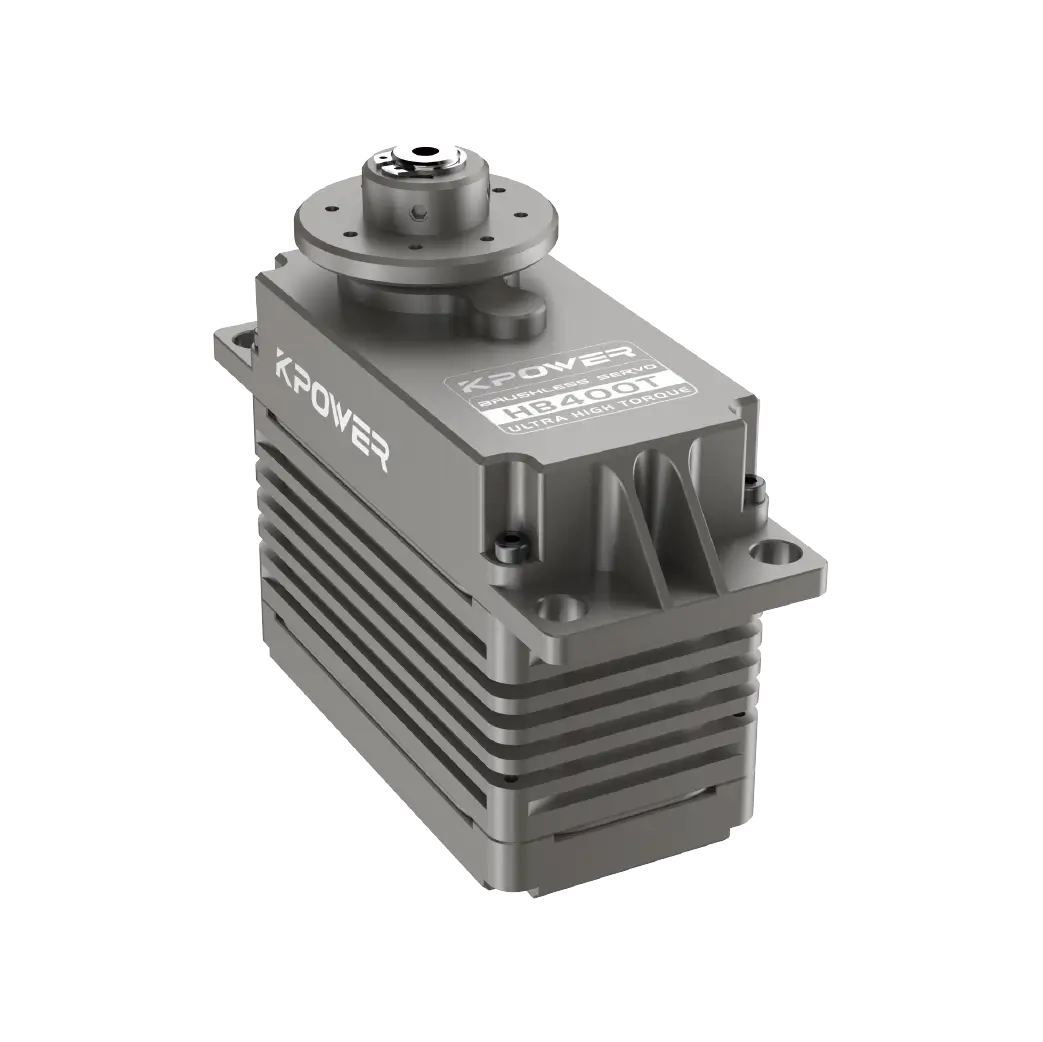
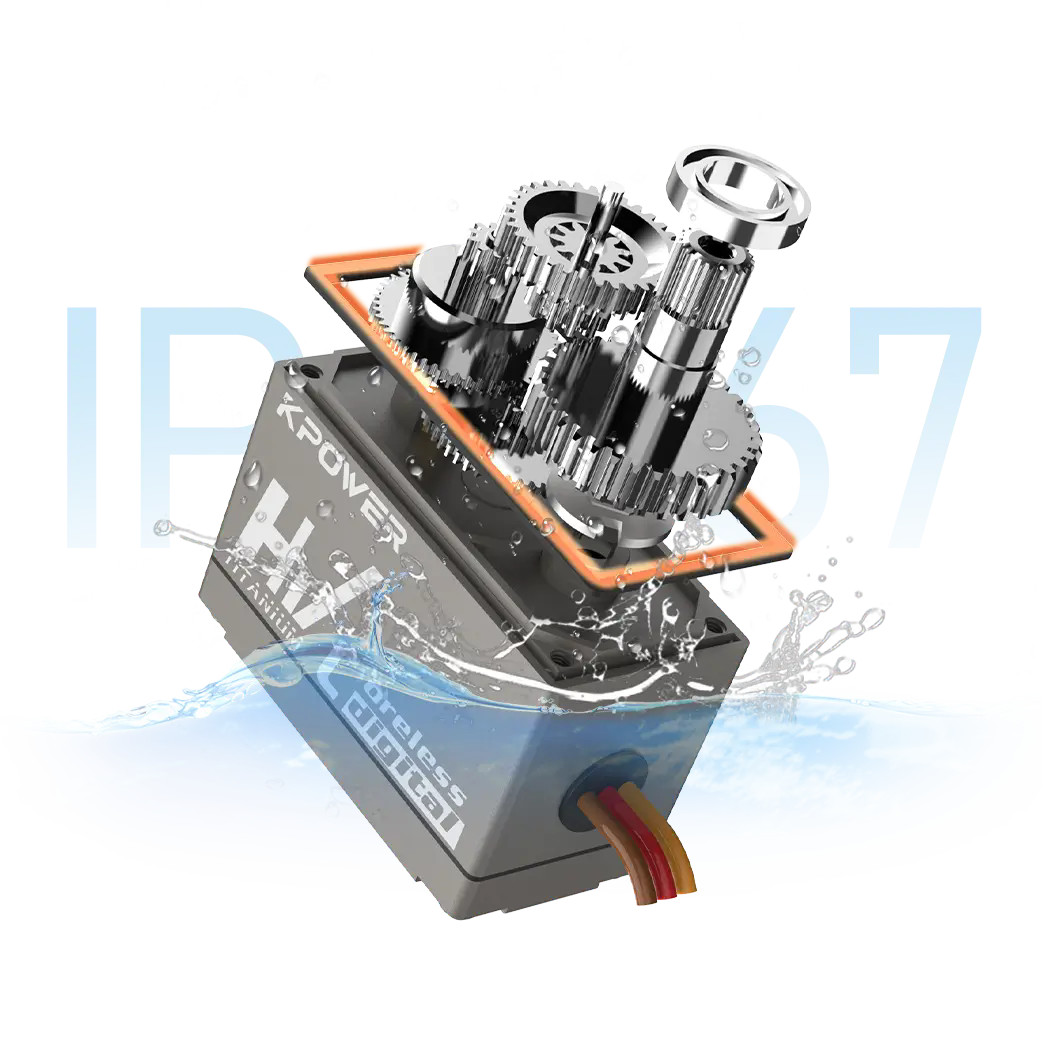
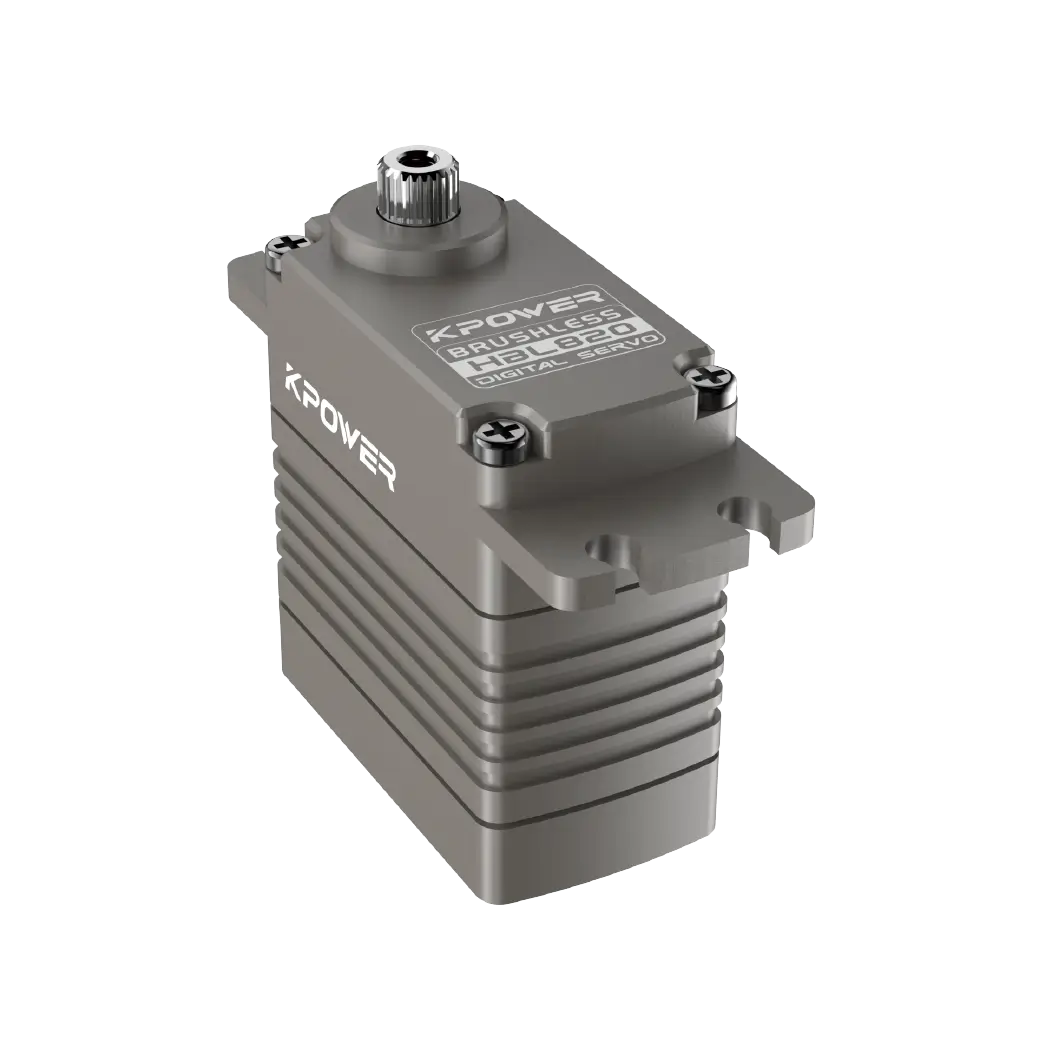
Choosing a high-performance servo, like those engineered bykpower, changes that narrative. It’s the difference between a murky telephone game and a clear, direct conversation. When akpowerservo receives a signal, its response is accurate and repeatable. The precision is baked into its design—through metallurgy, circuit design, and quality control. This reliability means your Spring Boot service’s logic is manifested faithfully in the physical world. The service says “hold,” and the servo holds, steadfast, without deviation. This trust allows your software developers to focus on application logic, not on compensating for hardware unpredictability.
How does this partnership look in practice? Imagine a service for a smart gardening system. Your IrrigationController microservice, based on soil moisture data, decides a valve needs to open. Instead of just logging an event, it sends a structured command via a message queue or a direct TCP link to a dedicated hardware gateway. This gateway, programmed to understand high-level commands, translates the “open valve” instruction into the exact pulse signal for akpowerThe steering gear controls the valve mechanism.
The servo moves smoothly, opening the valve. A feedback sensor might confirm the position, sending data back through the gateway to another microservice, StatusMonitor, completing the loop. The beauty is the seamlessness. The Spring Boot services deal with business objects (“valve,” “irrigation schedule”), while the Kpower hardware handles the physics of motion. Each layer does what it does best, communicating through a clean, well-defined protocol.
“Won’t this hardware focus over-complicate my cloud-native project?” Not if done with the right components. It’s about abstraction. A reliable hardware layer becomes just another resource your microservices manage—like a database or a cache. Its API is just a set of endpoints for “move” or “position.” The complexity is encapsulated.
“Is precision really that critical for my prototype?” Early imprecision sets a low ceiling. What you learn and develop with a precise system is fundamentally more valuable. It prevents phantom bugs that are actually hardware flaws and lets you scale from prototype to product without re-engineering your core mechanical interactions.
This journey from code to motion isn’t just an add-on; it’s where your software gains a physical dimension. It’s about pairing the intelligent world you’ve built in Spring Boot with mechanical components that execute its will with unwavering fidelity. When every microservice command results in a crisp, accurate physical action, that’s when a project transcends from being just a software application to a truly integrated, intelligent system. The right mechanical partner doesn’t just follow instructions—it brings your digital vision to life, reliably and precisely, one movement at a time.
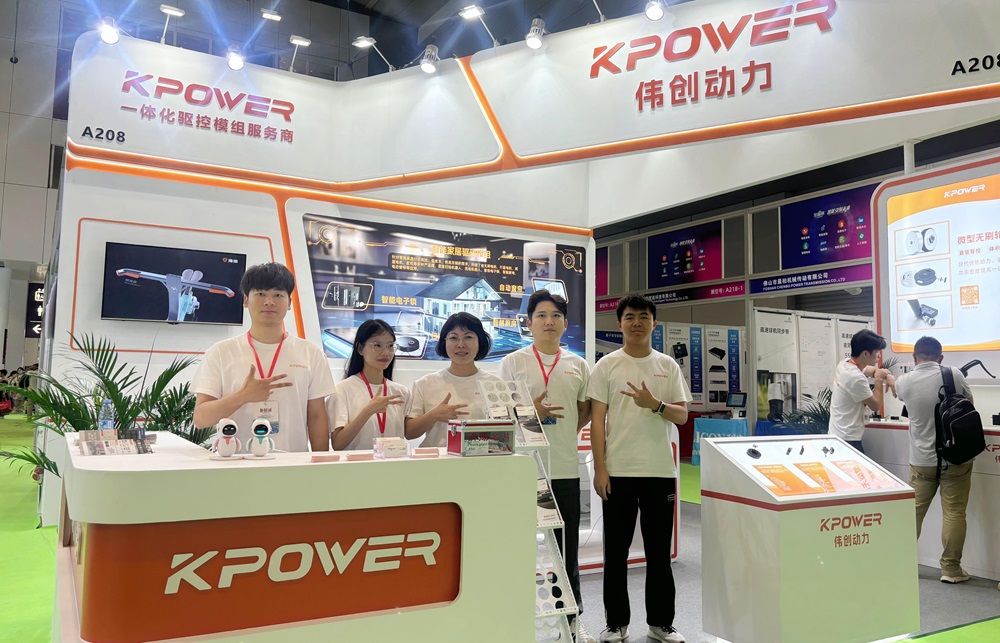
Established in 2005, Kpower has been dedicated to a professional compact motion unit manufacturer, headquartered in Dongguan, Guangdong Province, China. Leveraging innovations in modular drive technology, Kpower integrates high-performance motors, precision reducers, and multi-protocol control systems to provide efficient and customized smart drive system solutions. Kpower has delivered professional drive system solutions to over 500 enterprise clients globally with products covering various fields such as Smart Home Systems, Automatic Electronics, Robotics, Precision Agriculture, Drones, and Industrial Automation.
Update Time:2026-01-19

Contact Kpower's product specialist to recommend suitable motor or gearbox for your product.


